Watercult 2026
Videocittà 2026
10 – 11 – 12 July, 2026
Press release
The Festival of Vision and Digital Culture returns to the Gazometro in Rome from July 10 to 12 and dedicates its 9th edition to Water
Now in its ninth edition, Videocittà returns to Rome from July 10 to 12. The Festival of Vision and Digital Culture, conceived by Francesco Rutelli, with artistic direction by Anna Lea Antolini and creative direction by Michele Lotti, is supported by Eni as main partner.
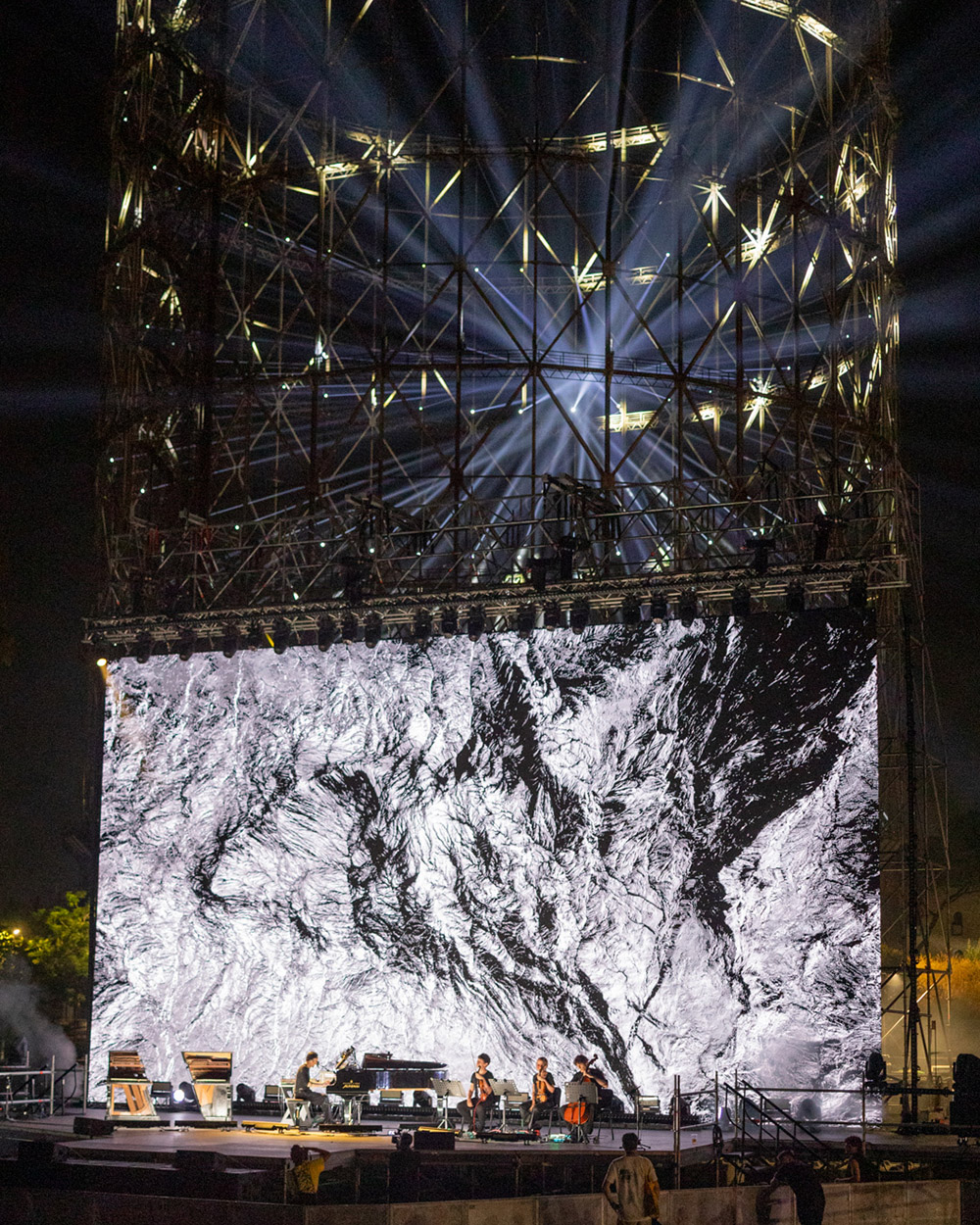
Light installations, immersive, interactive and Virtual Reality experiences, video art, A/V live performances and DJ sets, talks and performances will once again activate the Gazometro in Rome — the largest urban industrial archaeology site in Europe.
After dedicating previous editions to the Moon, the Earth, the Galaxy and the Sun, Videocittà 2026 chooses water as its central theme: the origin of life, an essential resource, and a universal symbol capable of crossing cultures, landscapes and imaginaries, while also offering a key lens through which to reflect on major contemporary urgencies.
The entire festival programme — from installations to audiovisual live performances, from immersive works to talks — including the title of this edition, Videocittà Watercult 2026, explores the theme of water through different forms and languages, inviting audiences to reflect on its ecological, political and cultural value as a living, ever-changing and universal element.
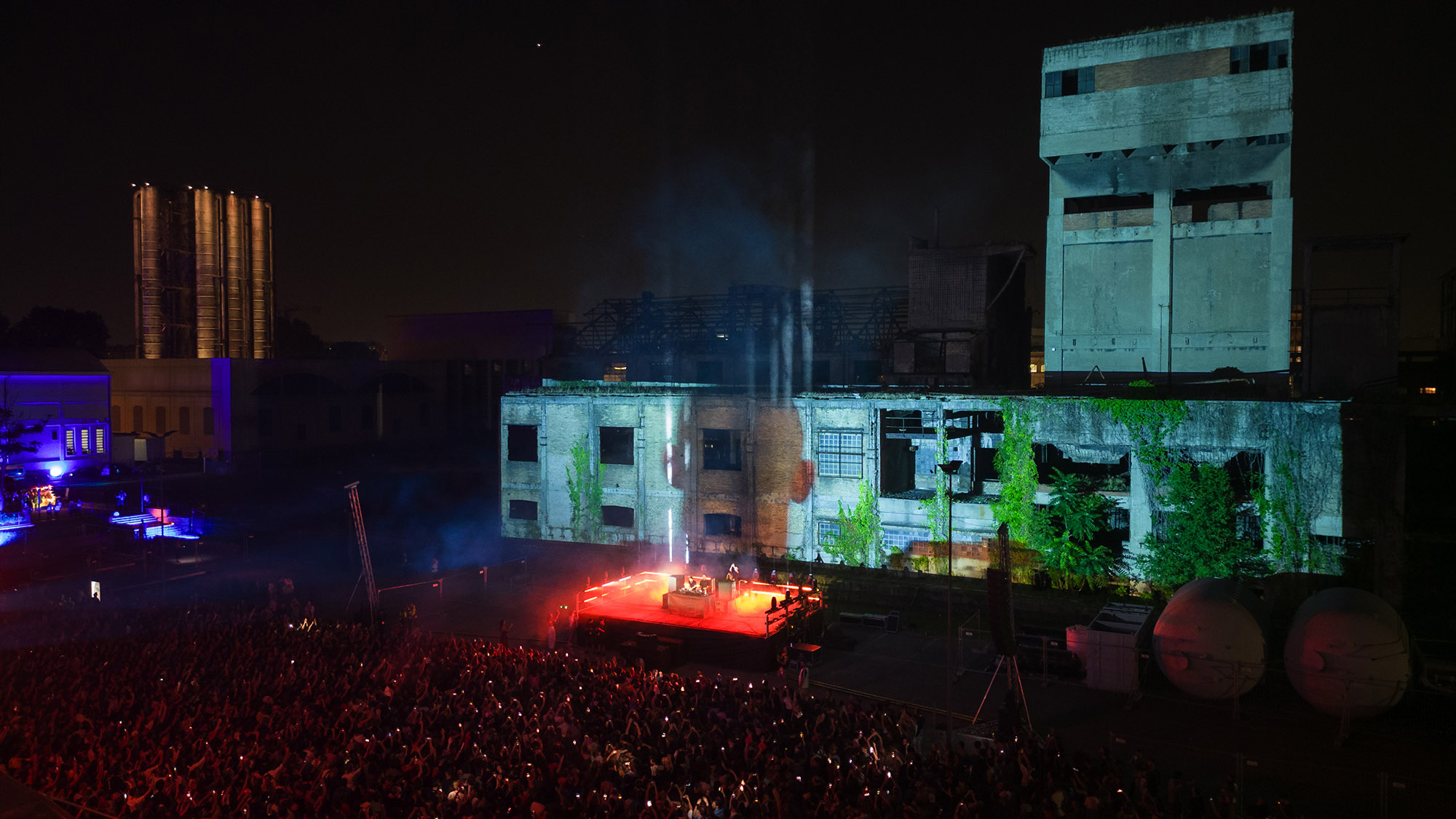
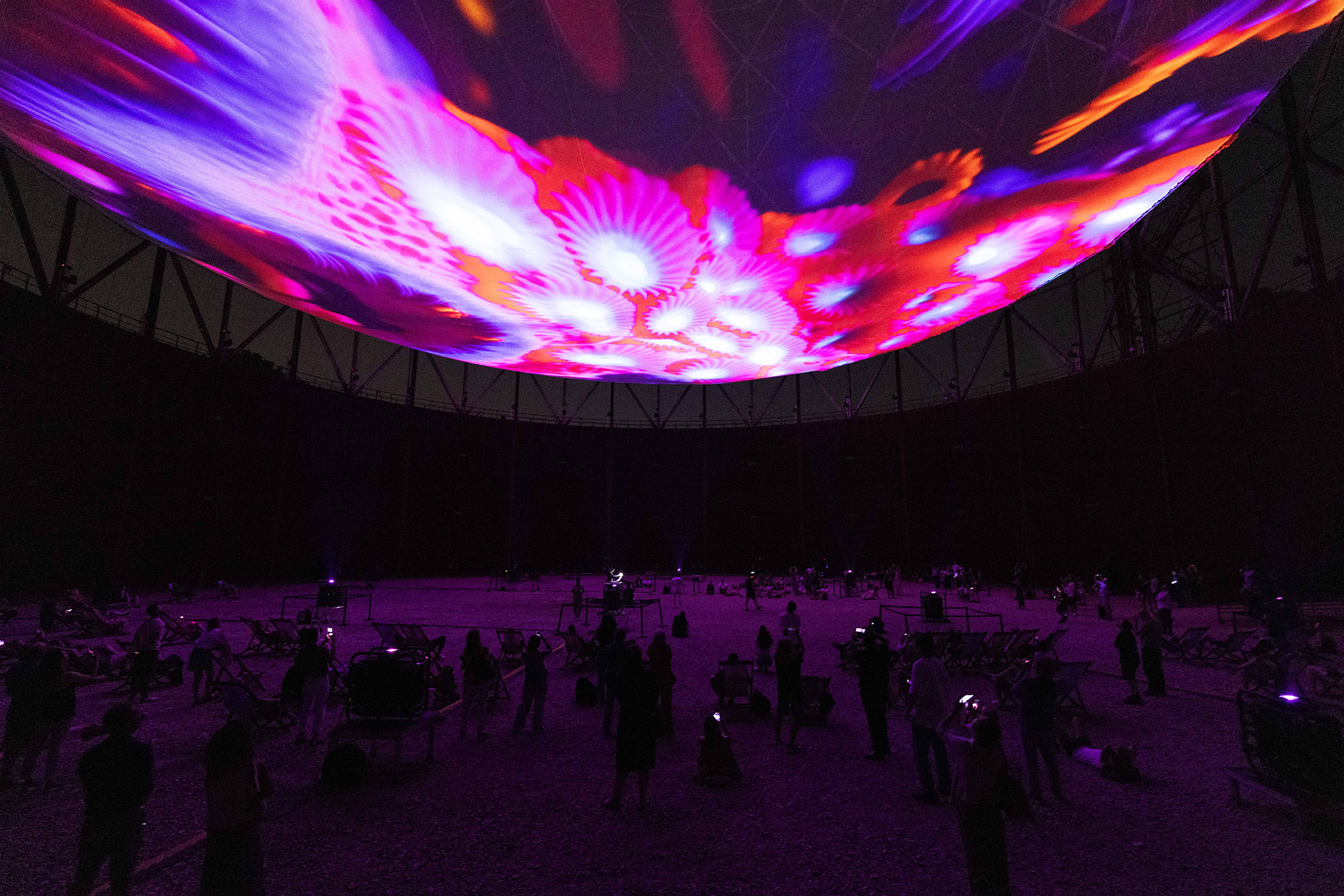
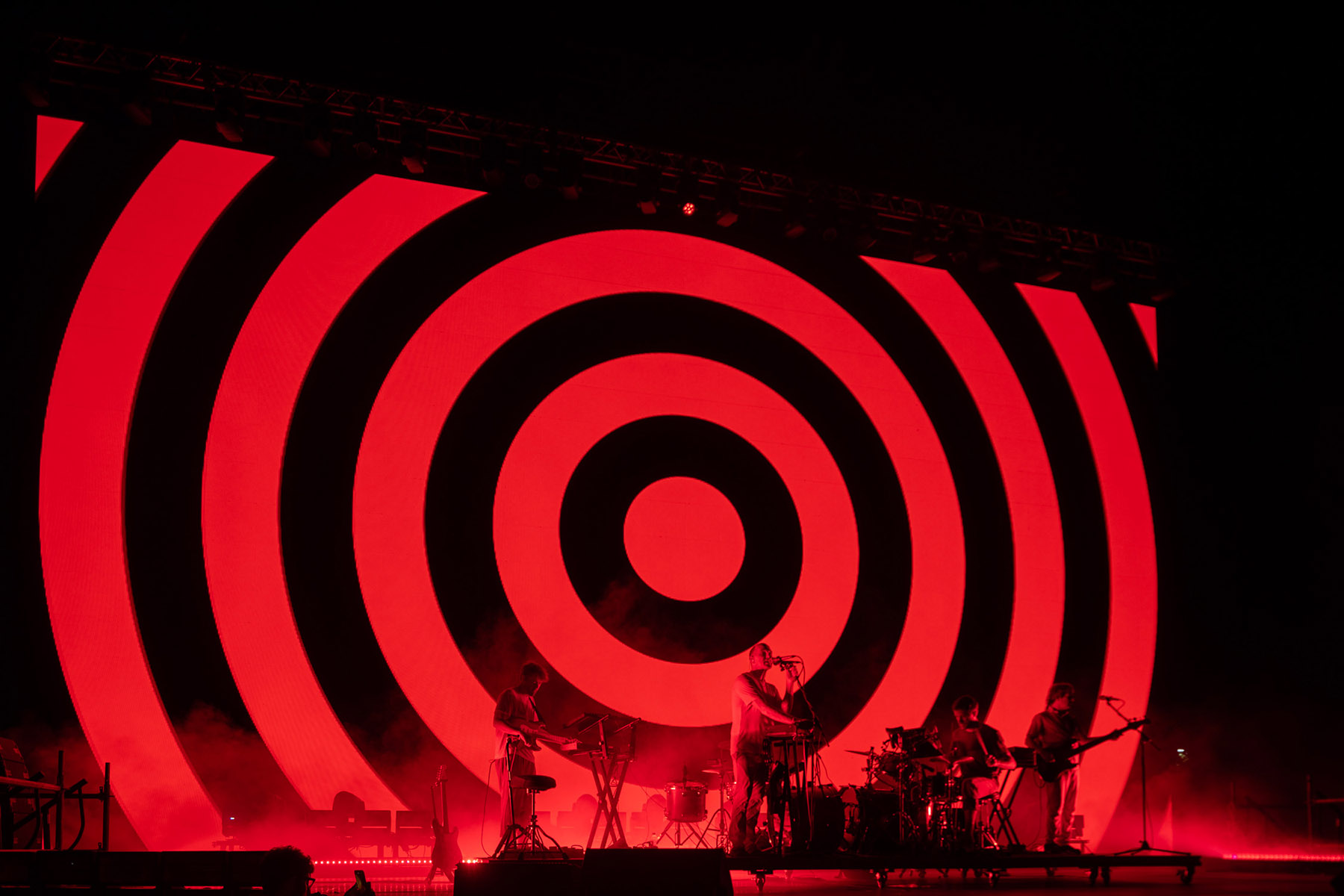
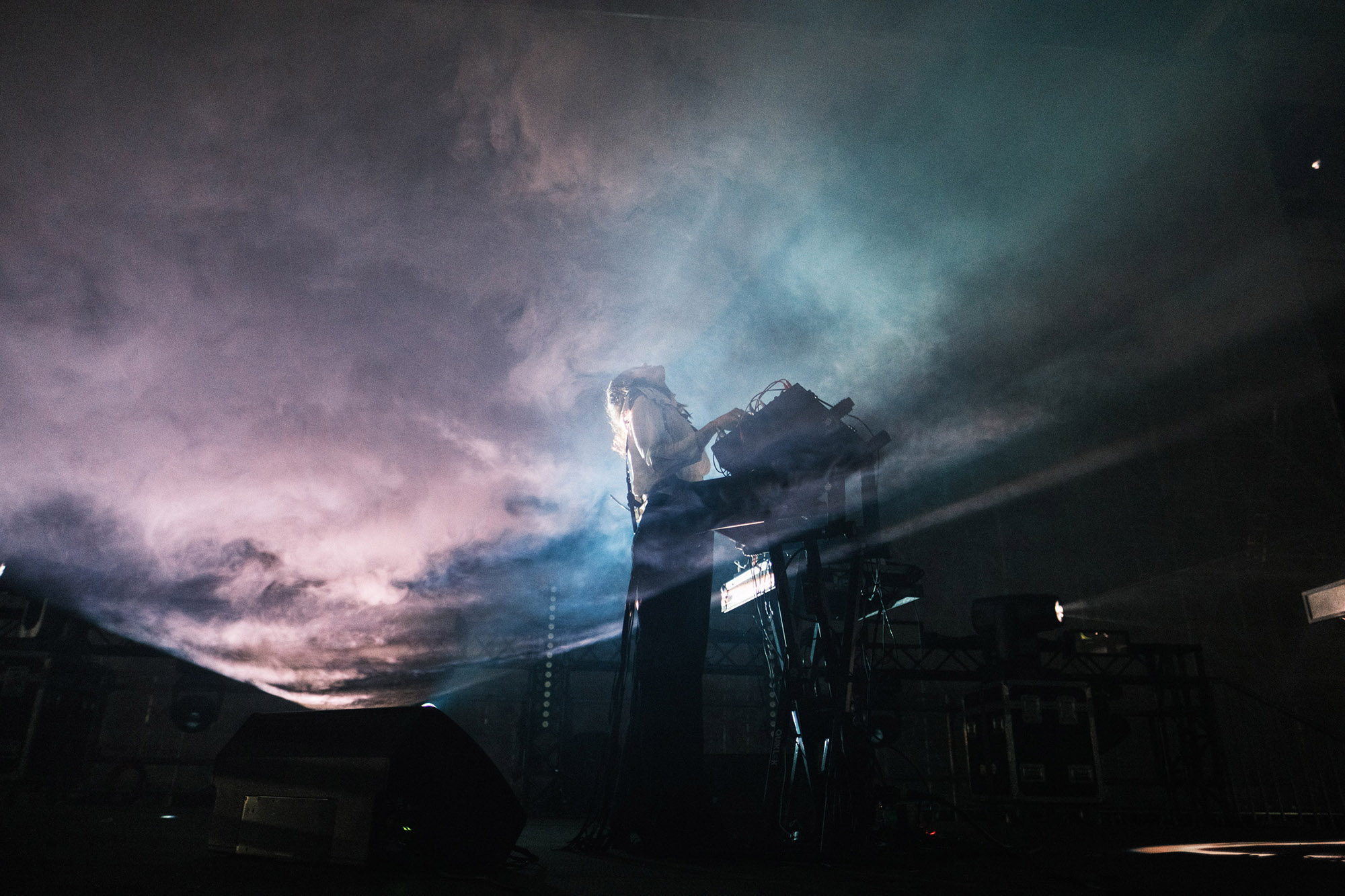
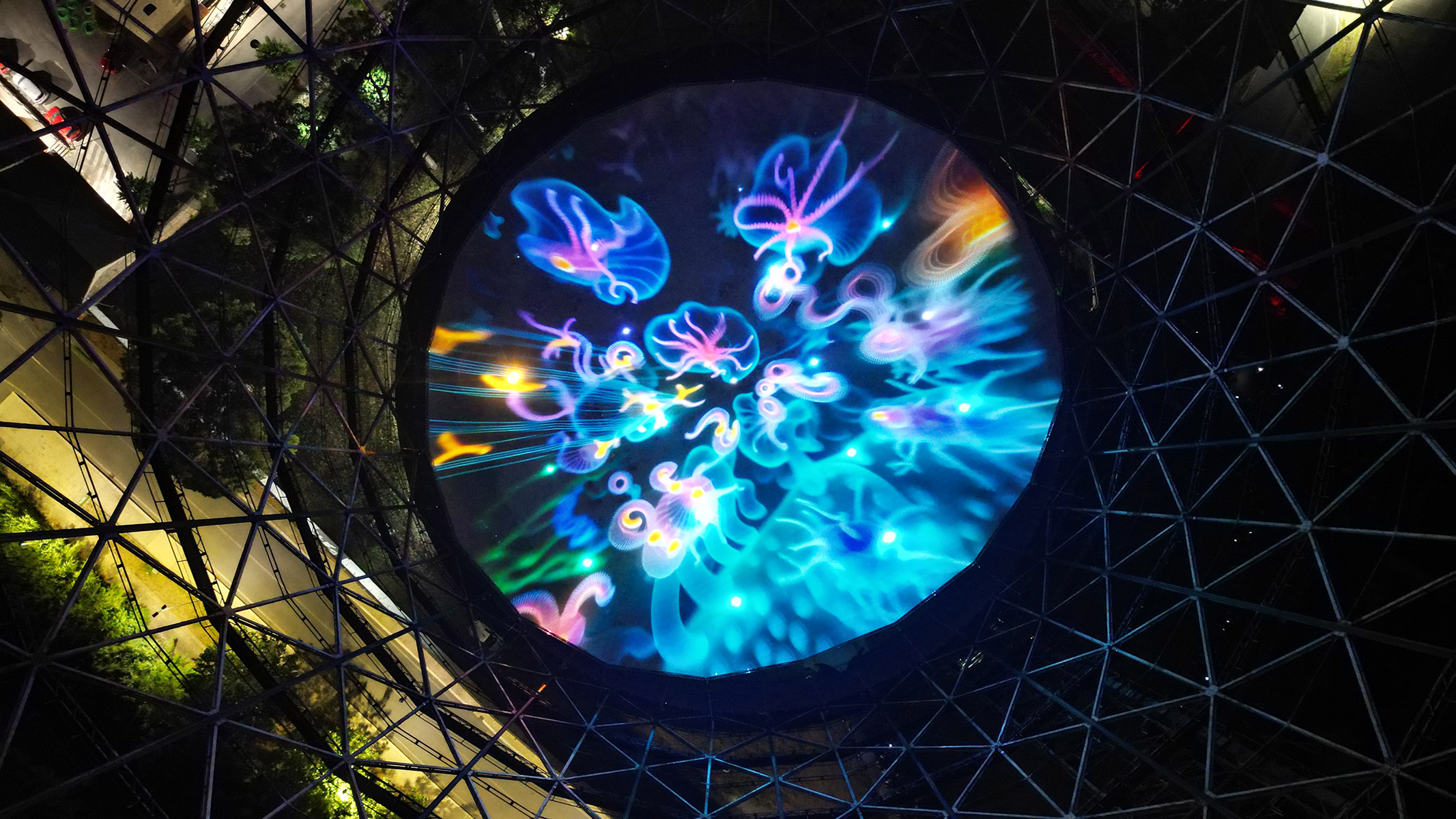
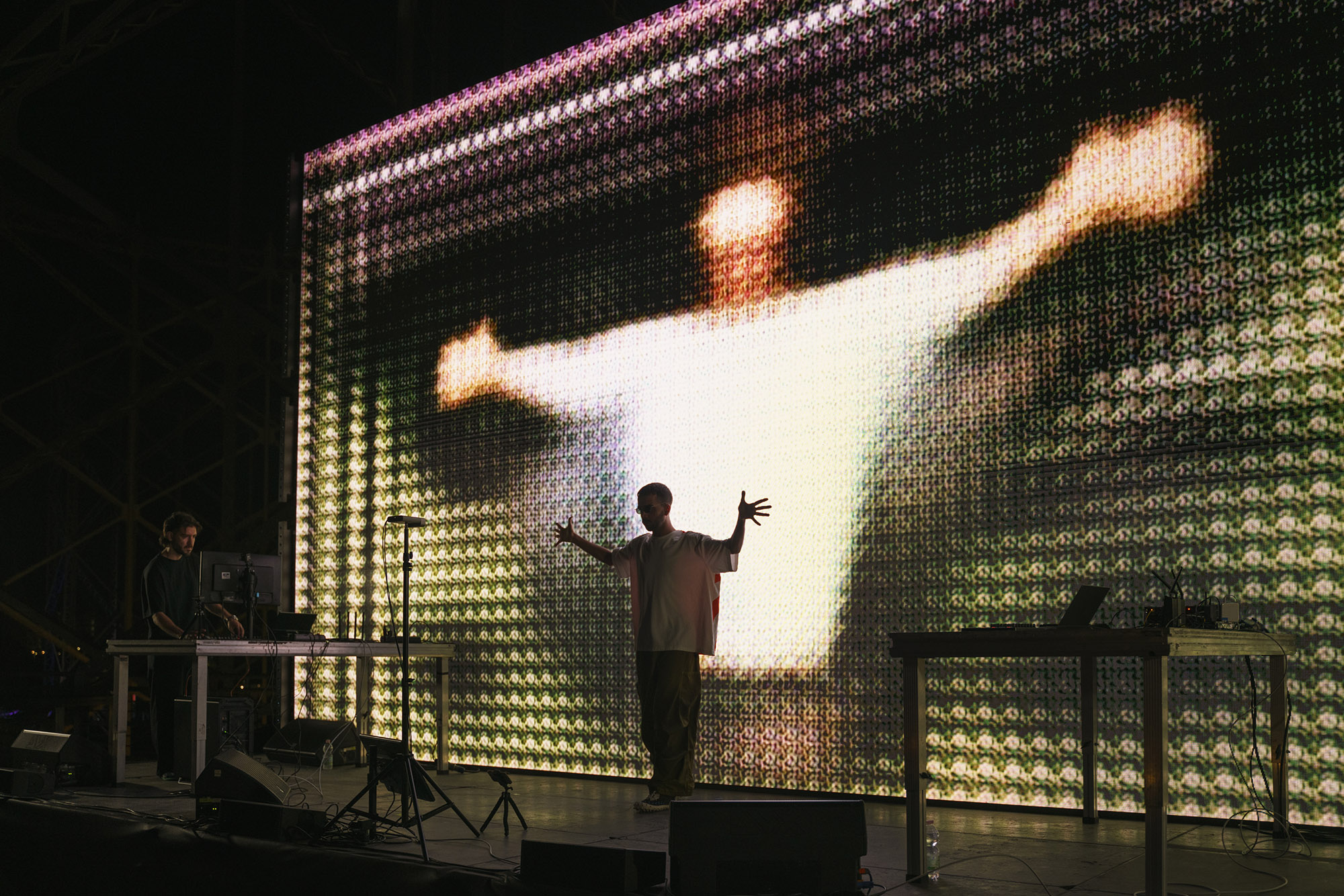
Among the new features of this edition is the appearance of German composer, musician, and producer Apparat. At Videocittà 2026, the artist—co-founder of Moderat, winner of the David di Donatello Award for Best Original Score for Mario Martone’s Capri-Revolution, Grammy Award nominee for the album LP5, and composer of the music for the cult series Dark—will be the star of a two-part special appearance: his iconic track Black Water, reinterpreted in a new version created for the song’s fifteenth anniversary, will be featured in In Lympha, the large-scale immersive installation conceived and produced by Eni in collaboration with Videocittà, which will take over the spaces of Opificio 41 for the entire duration of the Festival, interpreting water as the origin and generative principle: that which nourishes, sets things in motion, and from which every form evolves and expands. Added to this is a special DJ set scheduled for Saturday, July 11, on the Gazometro Main Stage, designed specifically for Videocittà and conceived as a space of total artistic and expressive freedom blending electronic, ambient, and experimental music.
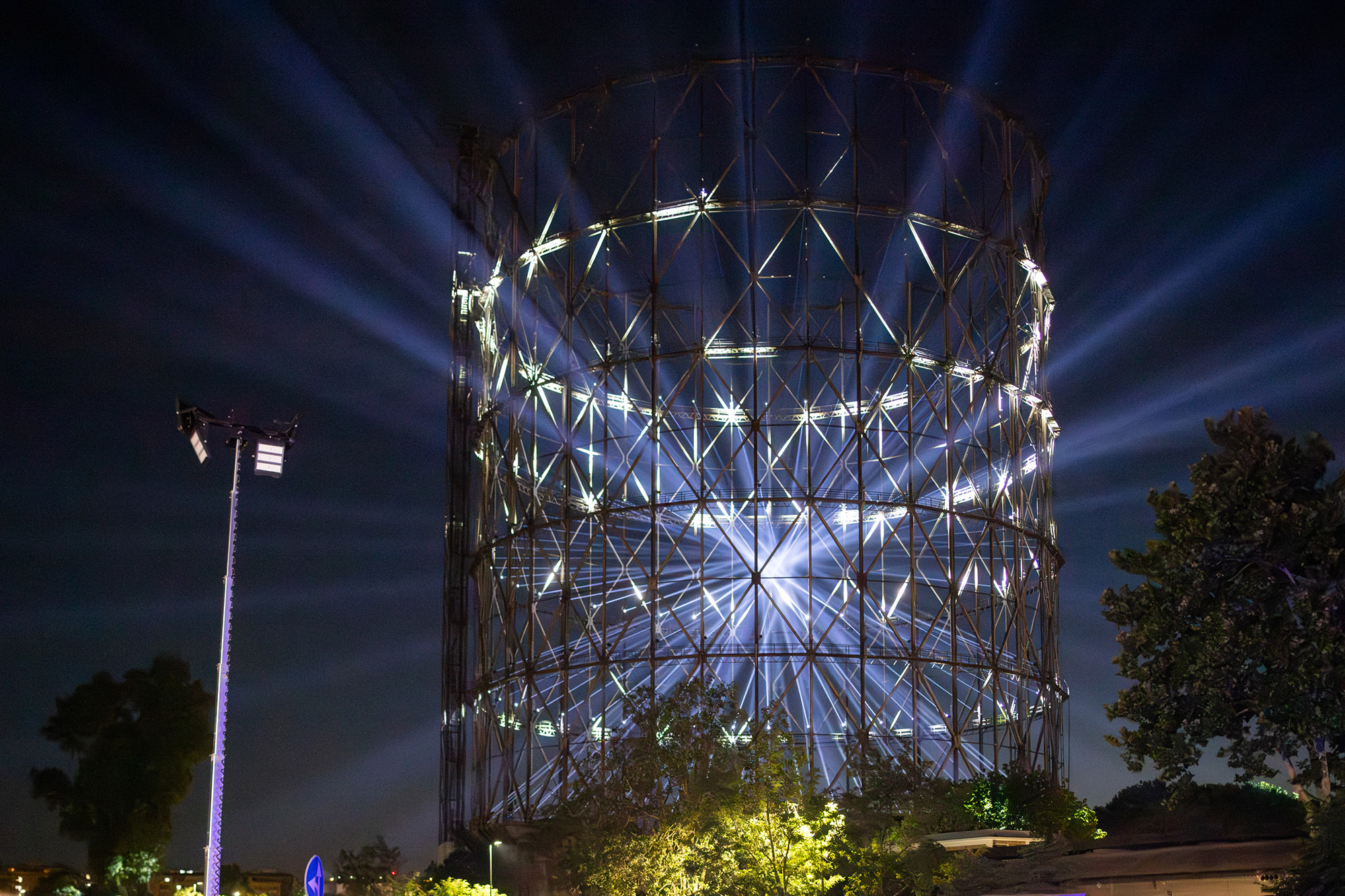
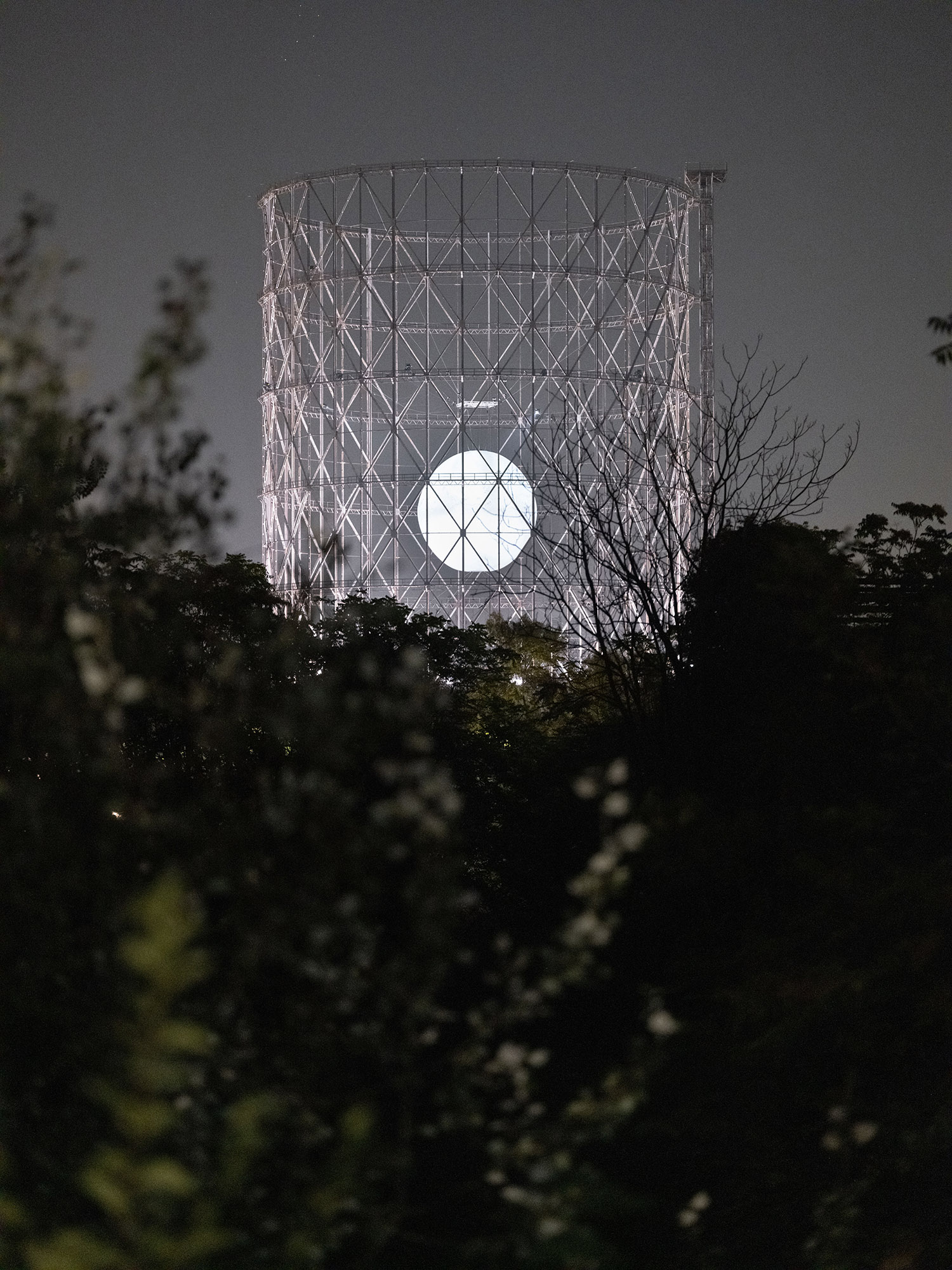
And then there’s UNDA, the new site-specific light installation produced by Eni for Videocittà and conceived by Visioni Parallele and Niulab with executive production by Eventitaliani. For the first time, the Gazometro G4 is transformed into a work visible exclusively from the outside, becoming a new beacon of light in the capital’s urban landscape. Through a composition of light and lasers inspired by the perpetual motion of water, UNDA reinterprets one of the most iconic symbols of contemporary industrial archaeology, transforming it into an urban beacon in constant metamorphosis. A flow of light waves traverses the structure, evoking the rhythm of the sea and its ability to shape the landscape over time.
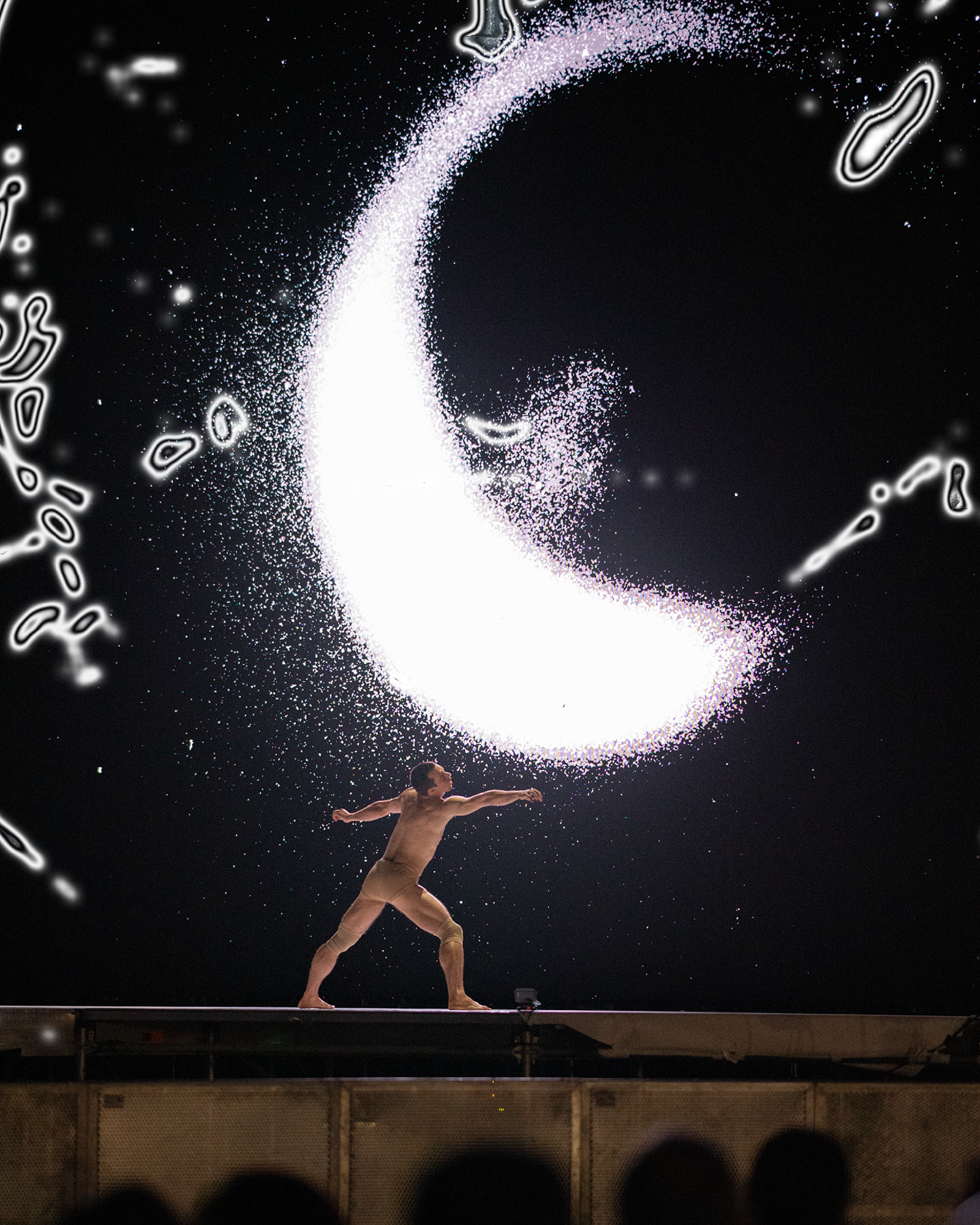
The central gasometer of the three smaller gasometers, known as G2, is transformed into a space where images, technology, and live performance converge, all centered on the theme of water. Images of oceans, rivers, and rain from around the world give shape to the immersive, multidisciplinary installation Water: always the same, always different, bringing together the work of Giuseppe La Spada—an Italian artist whose collaborations range from Ryuichi Sakamoto to Franco Battiato—the sounds of Francesca Heart, and the physical exploration of Brazilian performer Amanda Lana.
Making his festival debut is Cao Yuxi, a Chinese artist considered one of the most prominent figures on the contemporary scene, who presents the Italian premiere of his renowned immersive installation Nature’s Computility: an enveloping waterfall that, through the use of algorithms, decodes the beauty of nature and renders the flow of water in dynamic, ultra-high-resolution visualizations. Cao Yuxi’s work is in perfect harmony with the space that hosts it: Opificio 60 Nord—which Videocittà is using thanks to its collaboration with eFM, an international leader in digital real estate and co-founder of ROAD, as an experience partner. eFM is opening its new space for the first time: a PlaceTech Lab that bridges different realities and languages—art, technology, innovation, and research—capable of generating experiences and, therefore, value.
The audio-visual music section transforms water into a sonic and visual experience, with a main stage conceived as a hybrid between an installation and a performance space, and a lineup featuring some of the most influential names in the electronic music scene. On July 10, the event kicks off with Sara Persico and Mika Oki, winners of the 2025 Videocittà Awards in the AV performance category, for a live set that blends experimental electronic music, sound art, and radical vocal styles. Next up is Mace, one of the most influential producers on the contemporary Italian music scene, who—after two sold-out shows at the Forum and his recent performance at the Winter Olympics opening ceremony—brings an audiovisual DJ set to Videocittà, created in collaboration with Sugo Design, that transforms sound into landscape and vision. An immersive experience where nature and the spiritual realm merge, and where organic images, visual flows, and sonic textures interact in real time, giving shape to a sensory narrative. On July 11, the program continues with Nziria, a singer, producer, and performer born in Ravenna with Neapolitan roots. The artist will perform Syysma, her new album blending Neapolitan Neomelodico, Hardcore Gabber, and contemporary club culture. Next up is Populous live with visuals by Furio Ganz to present the album Isla Diferente, written on Lanzarote—a mysterious, archaic island where the silence of the volcanoes meets the ocean—and Apparat closes out the evening. On July 12, the main stage will be dedicated to the project by Donato Dozzy and Neel: Voices From The Lake, in which the two Italian artists explore experimental soundscapes that evoke underwater dimensions influenced by nature, and the new live AV project from the transmedia studio Liminal State dedicated to water: FREEFALL, a live improvisational audiovisual performance in which sound, music, lights, and generative visuals unfold in real time, exploring free fall as a space of freedom.
One of the festival’s most beloved events returns: the virtual reality experiences. Amid natural and liquid landscapes, at the Amphitheater, audiences will witness the world premiere of In Pinus, an all-Italian VR experience centered on the Italian stone pine, produced by Impersive for Videocittà in collaboration with the Presidential Estate of Castelporziano as part of the European project CO-VISION, directed by Guido Geminiani, featuring performer Delfina Stella, text by Simone Arcagni, and music by Vincenzo Pizzi. Furthermore, on the first floor of the G3, the largest of the minor gasometers, it’s time for L’acqua in virtual reality, a collection of four VR experiences—Jellyfish by French artist Mélodie Mousset, Biolum by French artist Abel Kohen, Plastisapiens by Canadian artists Edith Jorisch and Miri Chekhanovich.
The world came flooding in by Australians Van Sowerwine and Isobel Knowles—presented in their Italian premiere by Diversion, one of the most important and influential French organizations in the international immersive arts scene; and the virtual reality documentary Sweet end of the world! by Stefano Conca Bonizzoni, selected from the VR library of Rai Cinema, which is renewing its partnership with Videocittà once again this year.
The Video Art section, curated by Damiana Leoni and Rä di Martino, will host a program on July 10 featuring works by some of the most interesting figures on the contemporary international art scene, dedicated to the theme of water. The spotlight will be on Shahzia Sikander, a Pakistani artist known for subverting the traditions of Central and South Asian miniature painting, with her hand-painted cinematic tableau 3 to 12 Nautical Miles, which explores the stories of trade, colonialism, and power that have shaped the past and present; the Milan-based collective FLATFORM—which explores the relationship between image, landscape, and perception—already known for its exhibitions at MAXXI, the Centre Pompidou, and the Prada Foundation, and nominated for an Academy Award in 2021—will present the work What Is to Come Is Only a Promise in dialogue with the curators: a long sequence shot depicting the effects of rising sea levels. Then there is the multidisciplinary Argentine artist Cecilia Bengolea, who investigates the relationship between the body, movement, and the environment through contemporary dance and folk practices, with the black-and-white work Lighting Dance in which she explores the relationship between atmospheric electricity, music, and movement; and finally, Monira Al Qadiri, a Kuwaiti artist who has exhibited in international venues such as the Guggenheim in Bilbao, the Palais de Tokyo, and the 2022 Venice Biennale in the main exhibition “The Milk of Dreams,” with Diver, a story about pearl diving in the Persian Gulf, which has sustained her region’s economy for centuries.
On July 11, one of the best-known artists on the international scene will arrive: Adrian Paci, who, in conversation with the curators, will present the works Turn on, Di queste luci si servirà la notte, a video installation born from a performance staged on the Arno River, and The Column, a powerful visual metaphor on work, cultural identity, and the dialogue between East and West, which intertwines art, migration, and the dynamics of globalization.
The Tiber, a vital presence in the city of Rome, is at the heart of the research by the young digital artist Tommaso Cherubini, who, for Videocittà, explores its past and present, translating hydrological and environmental data into an immersive particle system with the artwork Invisible Ecologies: Tevere, presented here for the first time. Confluence, produced by Signal as part of the European CO-VISION project, in collaboration with the Save the Confluence initiative and an international team of artists including Marie Tučková, Katarina Gryvul, David Přílučík, and the duo Selmeci Kocka Jusko, focuses instead on the ecosystem of Europe’s largest floodplain forest, where the Morava and Dyje rivers converge.
The interactive game takes shape in the Garden alongside another work by Giuseppe La Spada, Particle Catharsis, which engages in a dialogue with the multifaceted installation by G2, inviting the public to connect with the primordial element and its purifying power through gesture and movement; and with Maelstrom by the American artist Lake Heckaman, curated by Luca Martinelli and powered by RNMW—a generative audiovisual installation created in TouchDesigner, a digital ecosystem in which fluid turbulence interacts in real time with code to generate an ever-changing vortex.
Water as a natural, climatic, and scientific phenomenon is at the heart of OS Ocean Suite, the artistic-scientific project created by the CMCC – Euro-Mediterranean Center on Climate Change, in collaboration with Nova System Academy and Planetaria. Through the sonification of over seventy years of climate data related to the ENSO (El Niño-Southern Oscillation) phenomenon, the project—located on the access ramp to the G3 Gasometer for the duration of the Festival — transforms the invisible dialogue between the ocean and the atmosphere into an immersive soundscape, making the deep connections that regulate the planet’s climate balance perceptible through music. A convergence of scientific research and artistic creation that translates data, numbers, and climate models into a sensory experience. The program is further enriched by the collaboration with Stellantis and Giffoni Innovation Hub, which will bring Tobia Passigato’s Wasted to Videocittà, a short film set on an island of trash in the middle of the ocean that reflects on the relationship between humans, consumption, and the environment.
Videocittà reaffirms itself as a space for thought and dialogue among artists and creatives, experts, and audiences of all ages. With the AQUA series of events conceived by Francesco Rutelli and Simone Arcagni’s Aqua Talks, the Festival broadens the discussion on the theme of water by addressing its environmental, historical, and strategic implications, spanning climate change, cultural heritage, and global geopolitical scenarios.
The festival kicks off on July 10 with Water Shortages and Heavy Rainfall: Investing in Prevention, Adaptation, and ‘Sponge Neighborhoods’ Is Far Better Than Complaining and Repairing the Damage. Introduction by Giulio Boccaletti (Scientific Director of CMCC, Euro-Mediterranean Center on Climate Change).
Speakers: Erasmo D’Angelis, Marco Lombardi; Giovanni Milani, Claudio Rosi, Ginevra Sotirovic; moderated by Natalia Bagnato; the series continues on July 11 with “Lessons from Ancient Rome: Water in the Baths and Fountains; Water for Millions of People as Early as Two Thousand Years Ago, from the Caput Mundi to the Atlantic Coast and Syria.” Introduction by Alfonsina Russo (Director General for Promotion, Ministry of Culture). Speakers:Giorgio Ortolani, Alessandro Viscogliosi, moderated by Laura Larcan. The event concludes on July 12 with “Seas and Oceans in a Changing World: Geopolitics and Navigation; Energy and Submarine Resources; Communications and Security” Introduction by Alessandro Lanza (President of the Enrico Mattei Foundation). Speakers: Luiza Bialazievicz, Amb. Vincenzo De Luca, Massimo Frezzotti, moderated by Giovanna Pancheri.
The program continues with the three AQUA talks, informal and multidisciplinary sessions in which professor and new media expert Simone Arcagni engages in dialogue over the three days of the festival with artists, creators, and personalities whose artistic and professional paths are rooted in research, experimentation, and thinking outside the box: N.A.I.P., Valentina Tanni, Siamounmagazine, Eki Magazine, Valerio Ferrara, Elisabetta Modena, vino.exe, Matilde De Feo, and Federico Ferrazza. These discussions will be enriched by a public panel dedicated to the creation of the virtual experience In Pinus, featuring Dr. Giulia Bonella and Prof. Giuseppe Scarascia Mugnozza, along with the project’s key participants from the European CO-VISION initiative, held in the amphitheater.
Videocittà, which has always been committed to experimentation, new talent, and new technologies, will host the awards ceremony for the IGPDecaux Graphic Award, unveiling the three winning works that reinterpret Rome, the “Eternal City,” through the new frontiers of artificial intelligence. The winning works, selected for their visual impact and technological innovation, are set to transform into an urban stage that will take over the streets of the capital, creating a dialogue between digital creativity and the city’s everyday fabric. As the festival draws to a close, the vision for the future continues with Cinecittà, which—through its President Antonio Saccone and CEO Manuela Cacciamani—announces that it will be directly involved in Videocittà through an initiative aimed at promoting the talent of a young person under 35 and utilizing the immense heritage of the Luce Historical Archive.
Education lies at the heart of all Videocittà’s activities. During these three days dedicated to Rome in its international capacity, this is expressed through the participation and creative expression of students from various institutes and academies in the capital, who present works created specifically for Videocittà: the IED European Institute of Design with the site-specific installation Egeria, NABA—New Academy of Fine Arts with ATLANTE, the RUFA—Rome University of Fine Arts, and the Saint Louis College of Music in Rome with Confluences. The collaboration with the Rossellini Institute is also being renewed, with students participating in a hands-on educational experience.
As part of Videocittà Watercult 2026, Agorà returns—the festival’s professional program coordinated by Guido Pietro Airoldi, dedicated to the internationalization of the Italian creative technologies sector, immersive audiovisual media, digital art, and the contemporary cultural industry, organized with the support of the Ministry of Foreign Affairs and International Cooperation (MAECI) and ICE – Agency for the Promotion Abroad and Internationalization of Italian Enterprises / ITA – Italian Trade Agency, and reaffirms its role as a meeting platform for Italian and international industry professionals, buyers, curators, institutions, festivals, creative studios, and companies. The 2026 program will take place on July 9 and 10 and will consist of B2B meetings, pitch presentations, workshops, studio visits to Italian production facilities, and professional networking opportunities, with the goal of promoting creative “Made in Italy” products on international markets and generating new opportunities for collaboration, distribution, and development for Italian artists, studios, and companies. Following the success of the previous edition, Agorà 2026 aims to further strengthen its international presence by involving over 40 foreign industry professionals and consolidating Videocittà’s role as a European hub for digital culture, creative innovation, and new forms of audiovisual media.
Among the program’s new features is a collaboration with Filmmaster, one of Italy’s most prestigious creative and production companies, which will celebrate its 50th anniversary in 2026. Alfredo Accatino, President and Chief Creative Officer, and Adriano Martella, Head of Creative and Creative Director, will discuss on Saturday, July 11, the creative process that transformed water into the narrative theme of the Milan-Cortina 2026 Olympic Closing Ceremony, demonstrating how a natural phenomenon can become a collective narrative, a visual language, and a spectacle capable of speaking to hundreds of millions of viewers worldwide.
During Videocittà, the third edition of Arte al Gazometro will also open with the exhibition “Riflessi,” an exhibition spread across installations and site-specific works, featuring national and international artists. Curated by Marco Capasso, in collaboration with the “Il Sole” Gallery, the “Orma” Gallery, and the “Eidos” Gallery, “Riflessi” explores water not merely as a natural element but as an active agent of transformation, capable of making visible what normally remains invisible: energy. The initiative was created to foster dialogue between contemporary art, the industrial context, and research, as part of the cultural activities promoted by Eni.
For this ninth edition as well, the collaboration with Ploom, a festival partner, is renewed, as the company continues to support and accompany Videocittà’s journey through new synergies.