Les Chiens de Pavlov
Perrotin Paris
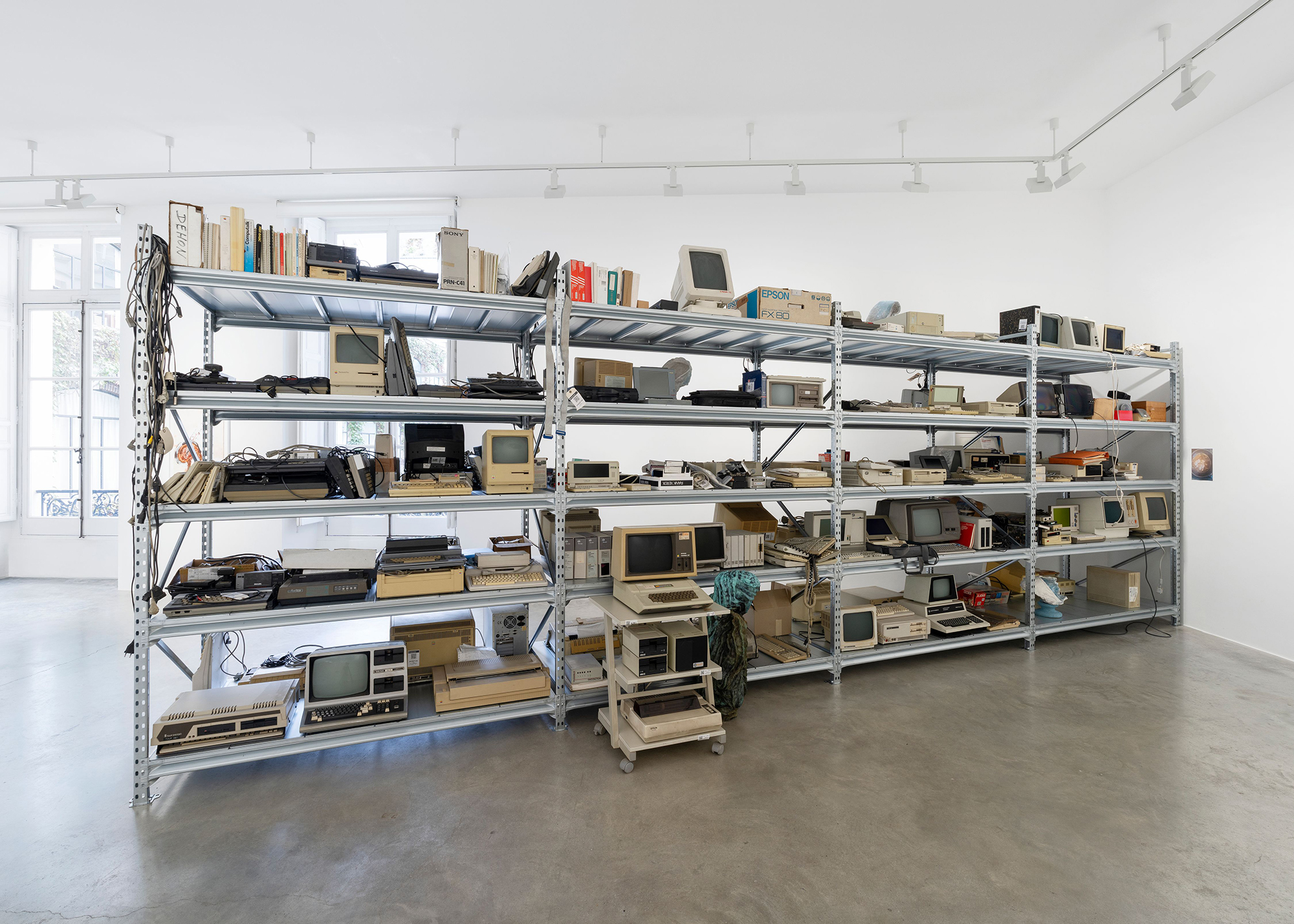
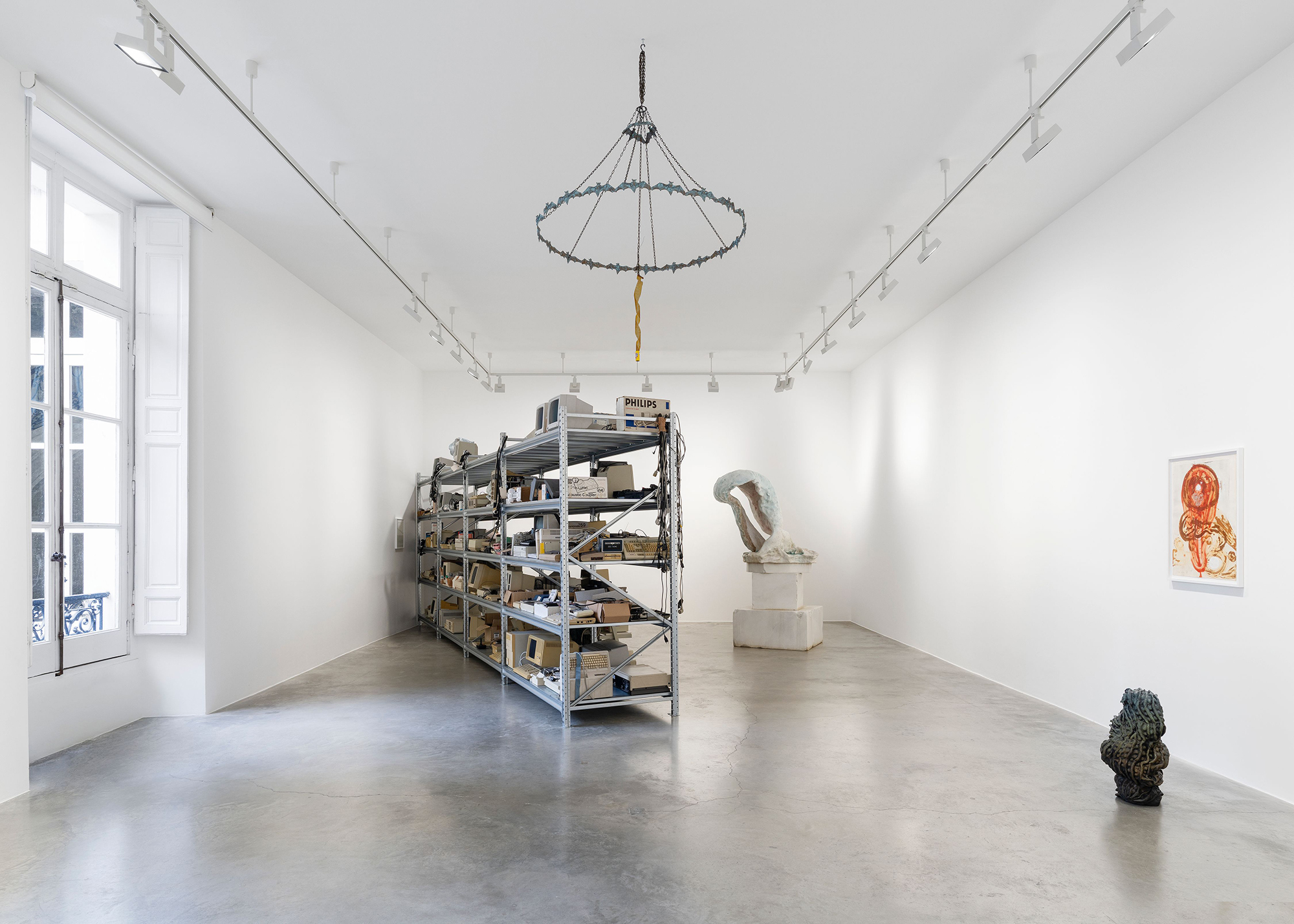
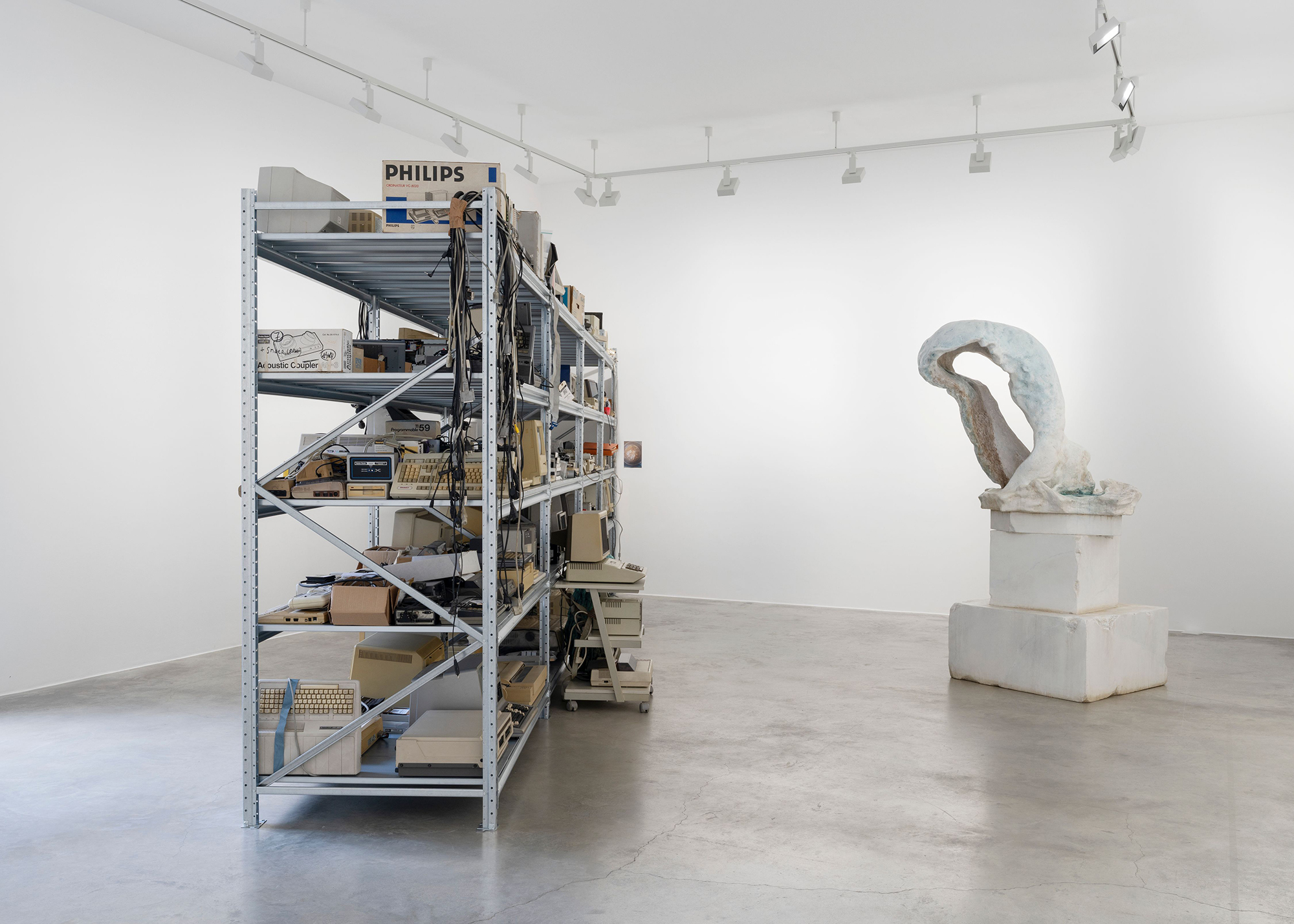
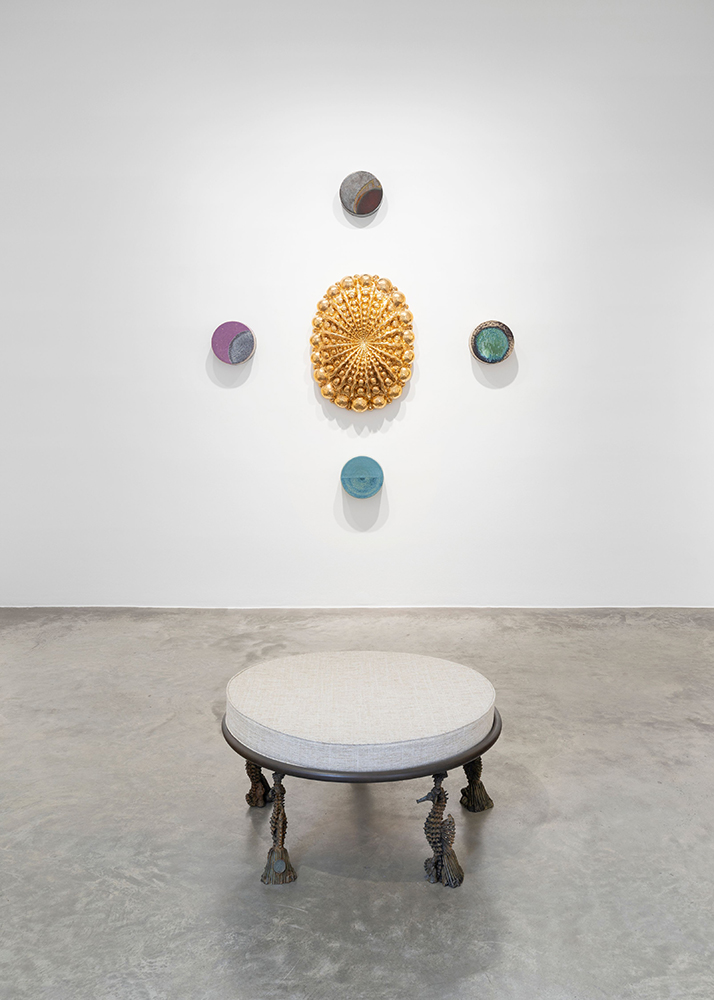
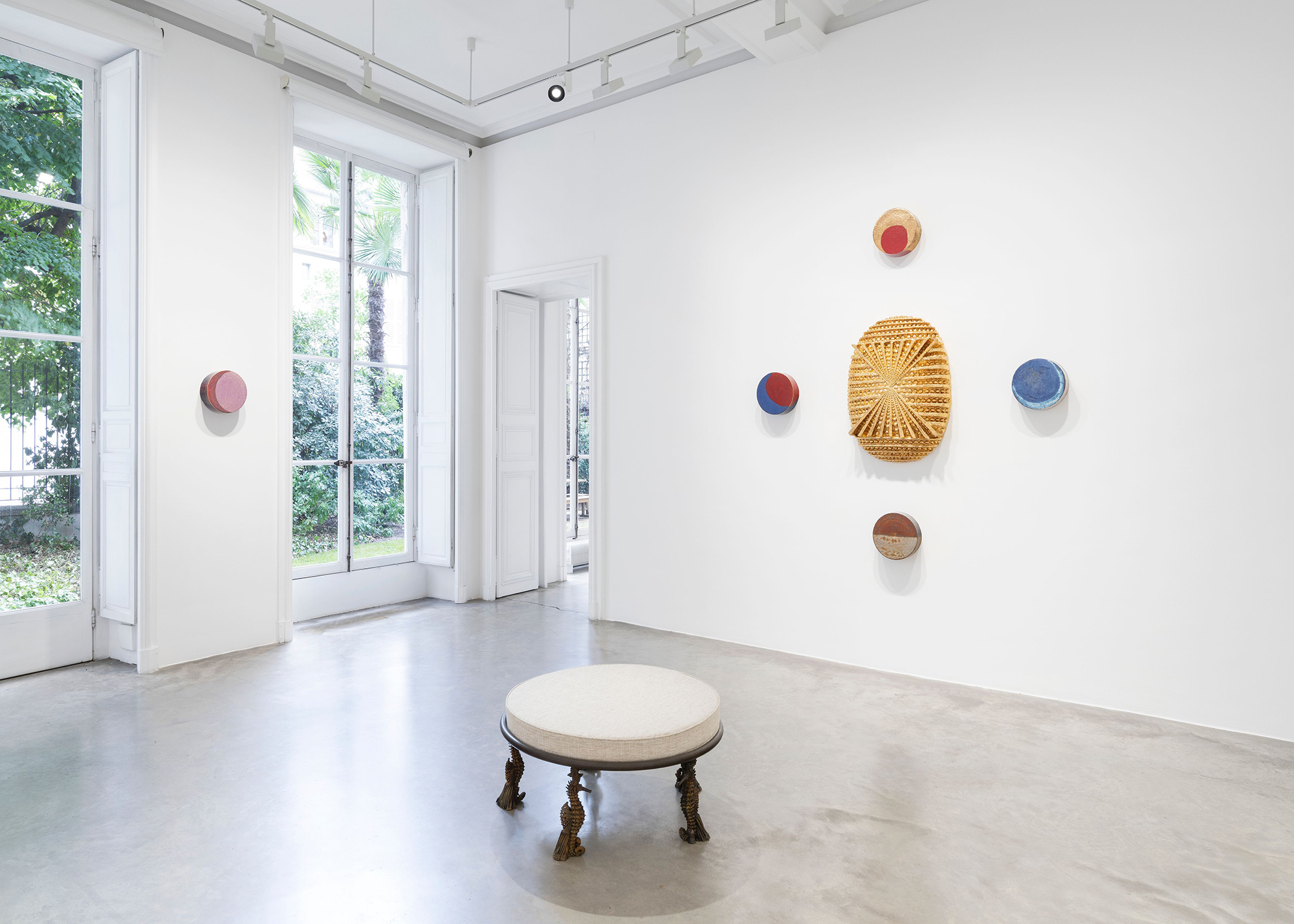
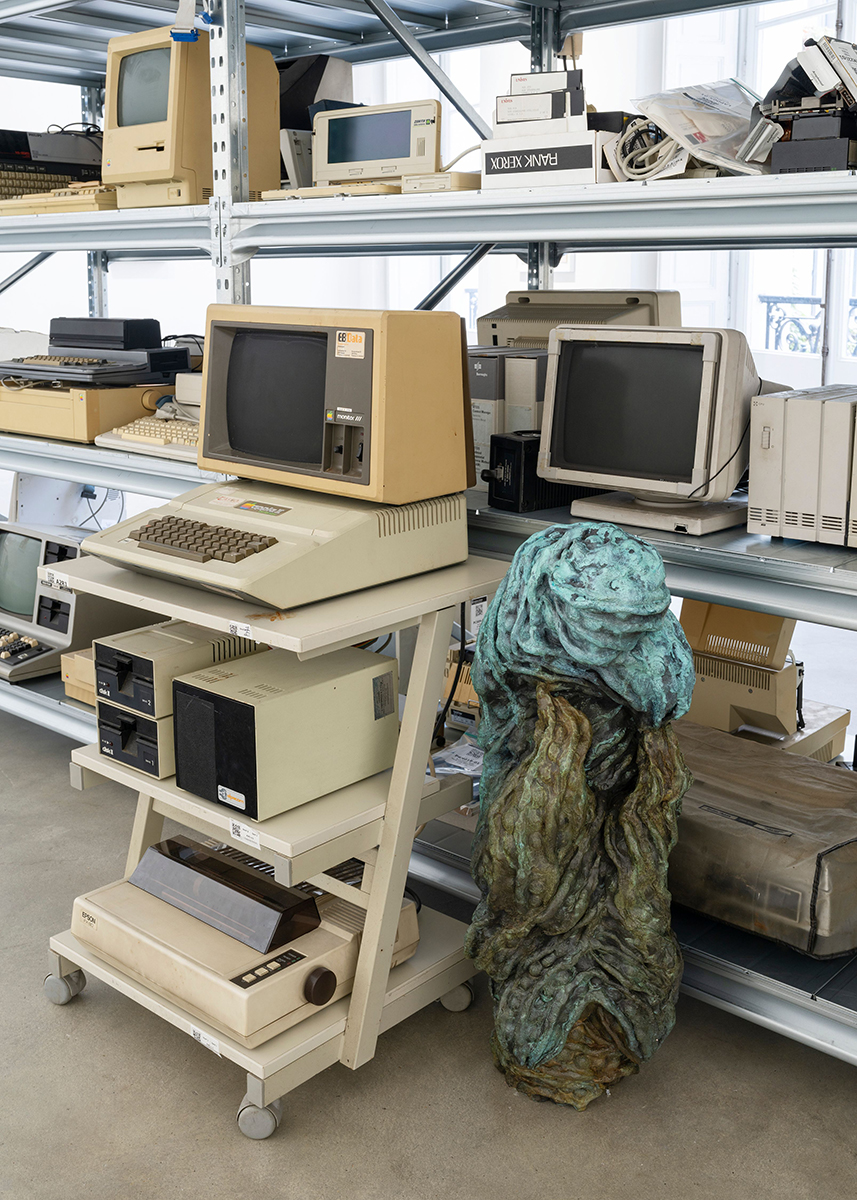
The collection of early electronics exoskeletons belonged to Johan Creten’s father. The man was fascinated by any emerging hardware from the 80’s, it took him several decades to acquire it all. Fax machines, walkmans, pagers, satellites, moon landings, Cold War. Now, three years after his death, Creten inherited it, and copy and pasted it within Perrotin’s whitecubed rue-de-Turenne location. It’s a post mortem on a future promised and not kept, a stillborn, a fossil of positivistic faith. Creten’s father might have lived long enough to see that future, if the timeline hadn’t skewed just far enough off course that the engineers of the ’80s, ultimately, got it wrong. The wall stands as a monument to that failed, beige-shelled and greenish-graphics-on-black-screened, now long obsolete promise. Do these aborted dreams of the past still hold power over our present-day responses?
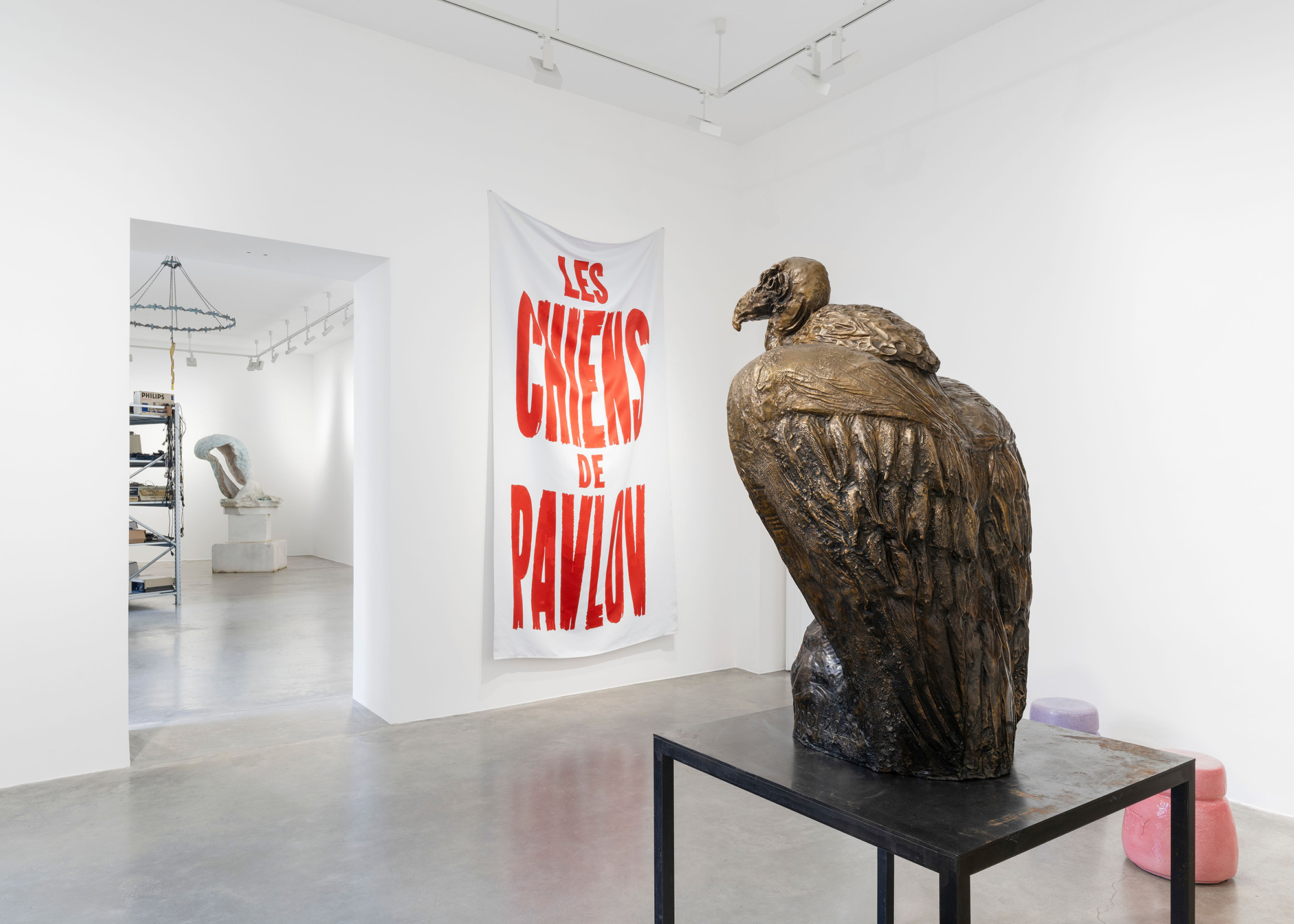
Creten’s own artistic grammar, formulated coevally to the tech collection, challenges his father’s optimism. Miami Eagle / Le Con-dort, first made in stoneware in Florida in 2002 and recast in bronze this year, does not repeat itself so much as it refuses to. New medium, new continent, new political climate, but the form and commentary stays unchanged: is this an American eagle or a condor? A proud, or petty animal? Pay no mind to the condor’s opaque morality, or to its somnolence: we get to watch it from seven-virtue eponymous stools. Chastity, temperance, charity, humility, kindness, diligence, patience –in case you needed a refresher. Unclear whether their size, compared to the central figure of the Miami Eagle, gives us the moral high ground we have been hoping for. One should perhaps stand on them, not sit. A white Swiss cross sits high up in a corner of the room, irradiating its neutral purity silently.
Pavlov’s dogs began salivating at the sound of a bell, food or no food. Creten’s works amass meaning in the variations between a wordplay here, a myth turned commentary there, queneauan exercises in style. Nothing sits still long enough to become a reflex. Where conditioning fixes meaning, Creten keeps working to unfix it.
The final room offers something like relief, abstraction, though even the spiritual here arrives with a question mark rather than a period. Dessin 23 (1988) puts a skull on paper, the oldest shorthand for an ending. With its fiery shooting star rocketing out of the person’s head, it reads more generative than terminal.
That is Creten’s real sleight of hand: refusing to let repetition crystallize. Old and new works interlock, and history becomes somewhat queer and zig-zagy, rather than a march. The moral of the story, if the show has one, seems to be a warning against letting pavlovian repetition devolve into something akin to the eternal return. Against mistaking preconditioning for inevitability. Whether the authority is a bell, a machine, or an inherited narrative about what art or history is supposed to do next, Creten’s attitude reads more playfully hopeful rather than cynical: all that matters now is we do not get pavloved by the wrong scientist this time around.
Johan Creten
Les Chiens de Pavlov
Review by Clara Donadoni
Perrotin Paris
September 5 – October 10, 2026
All images:
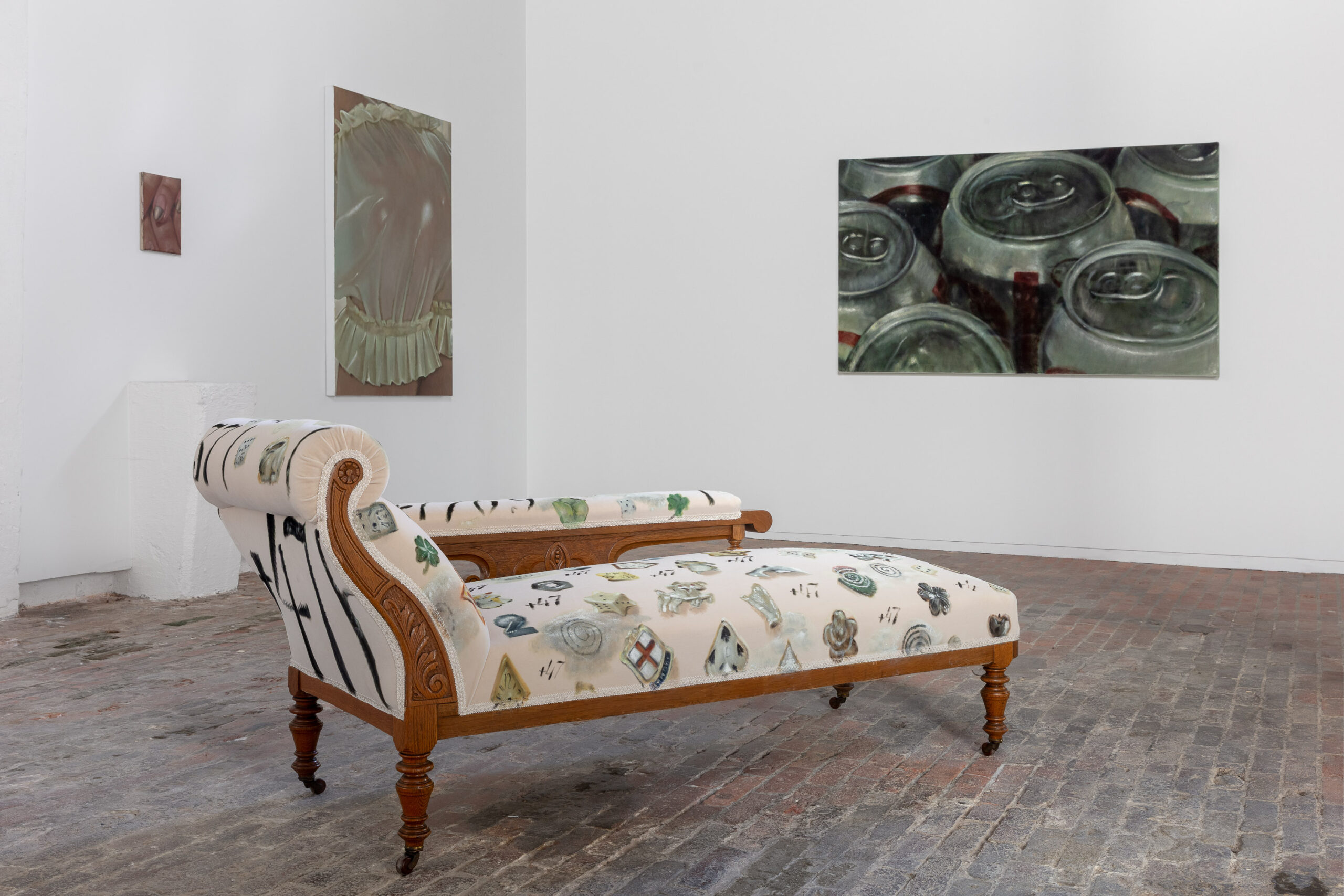
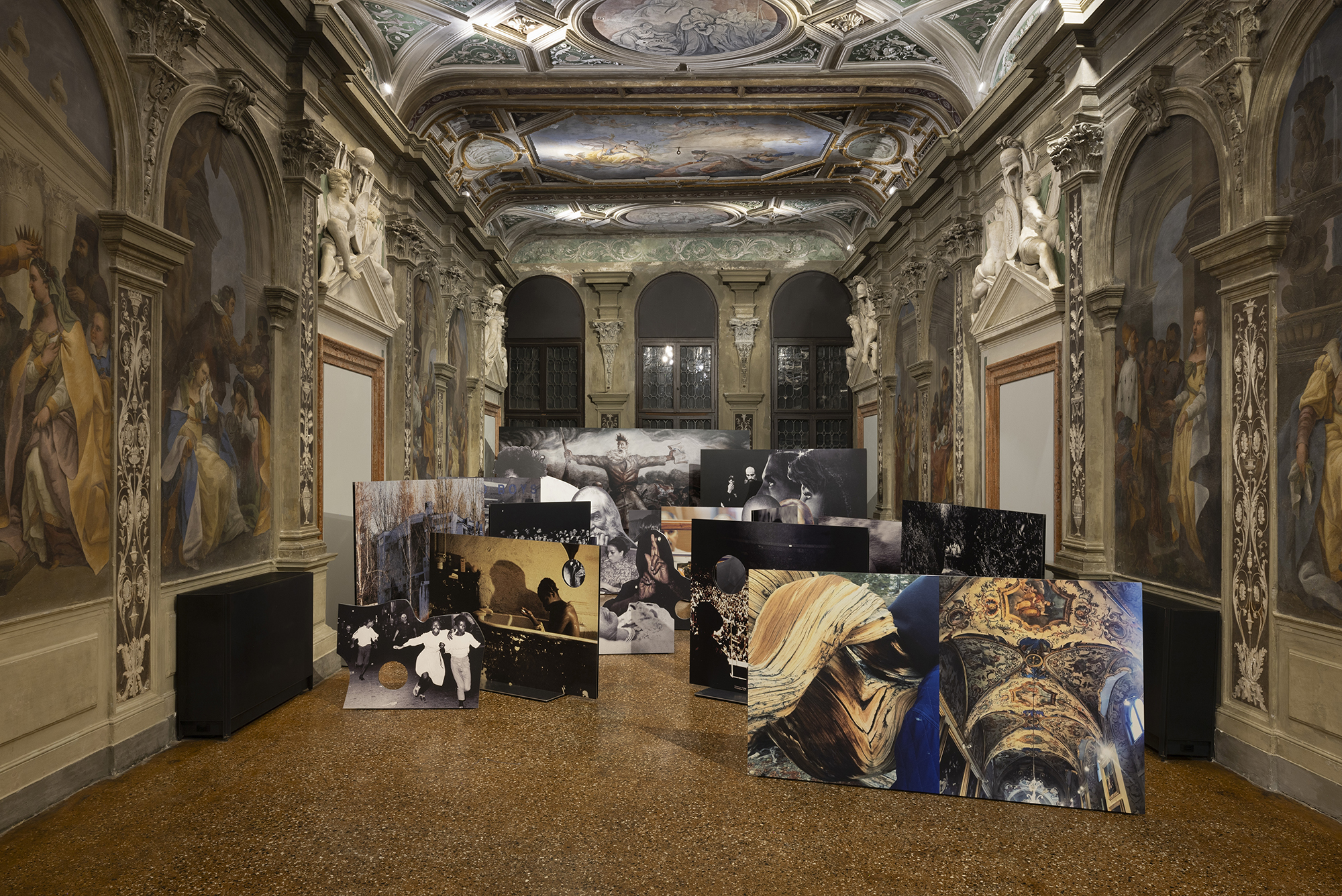
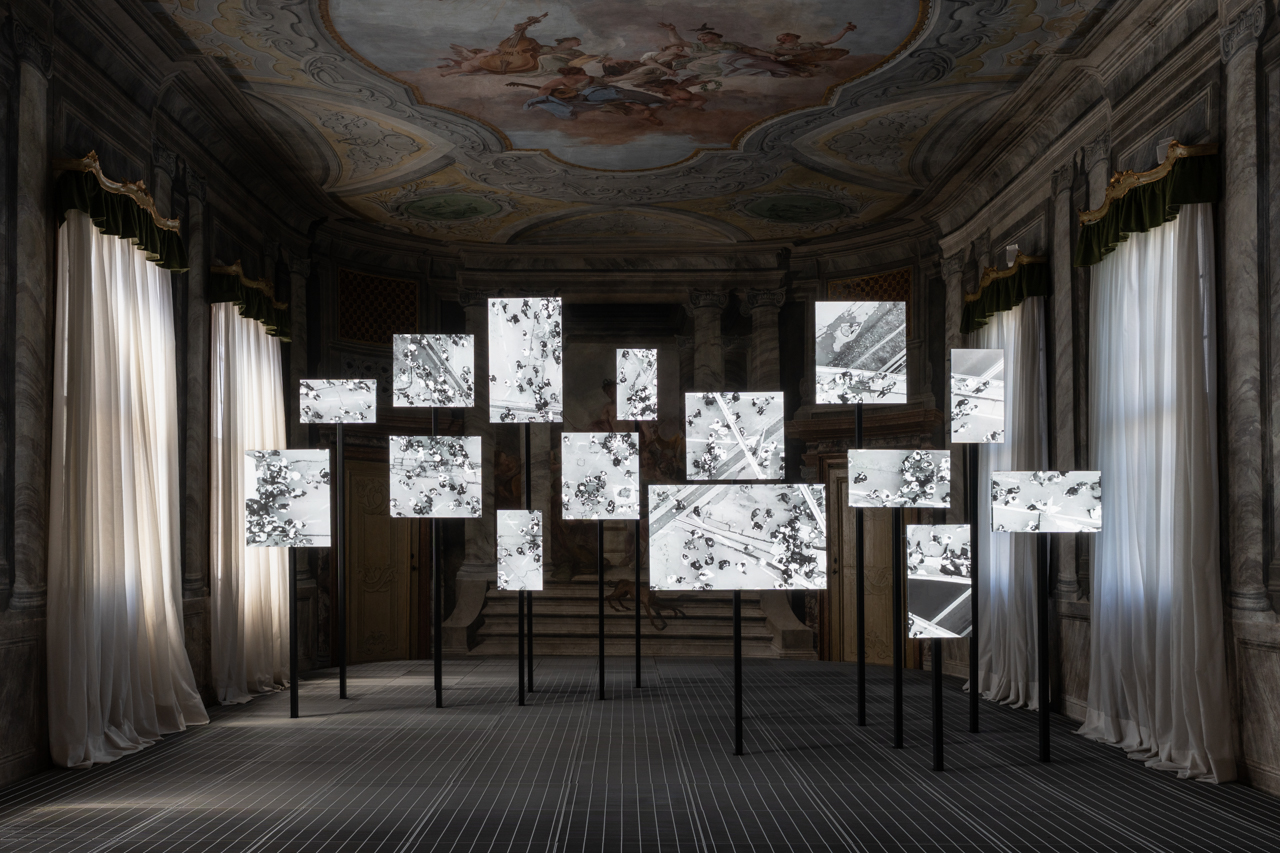
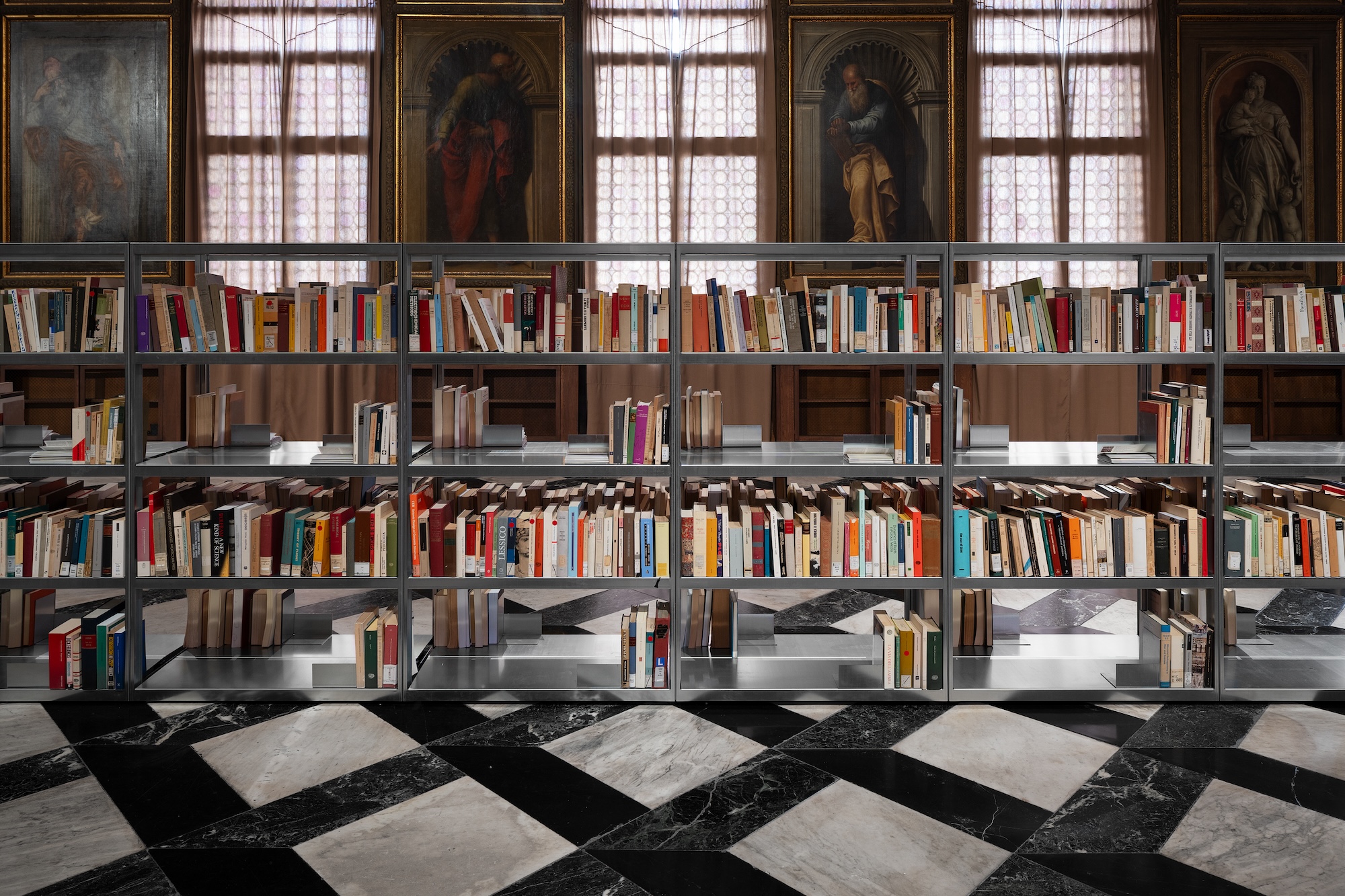
Views of Johan Creten’s exhibition ‘Les Chiens de Pavlov’ at Perrotin Paris, 2026
Photo: Claire Dorn. Courtesy of the artist and Perrotin.
©ADAGP, Paris, 2026