Fondazione Sandretto Re Rebaudengo, Turin
Press release
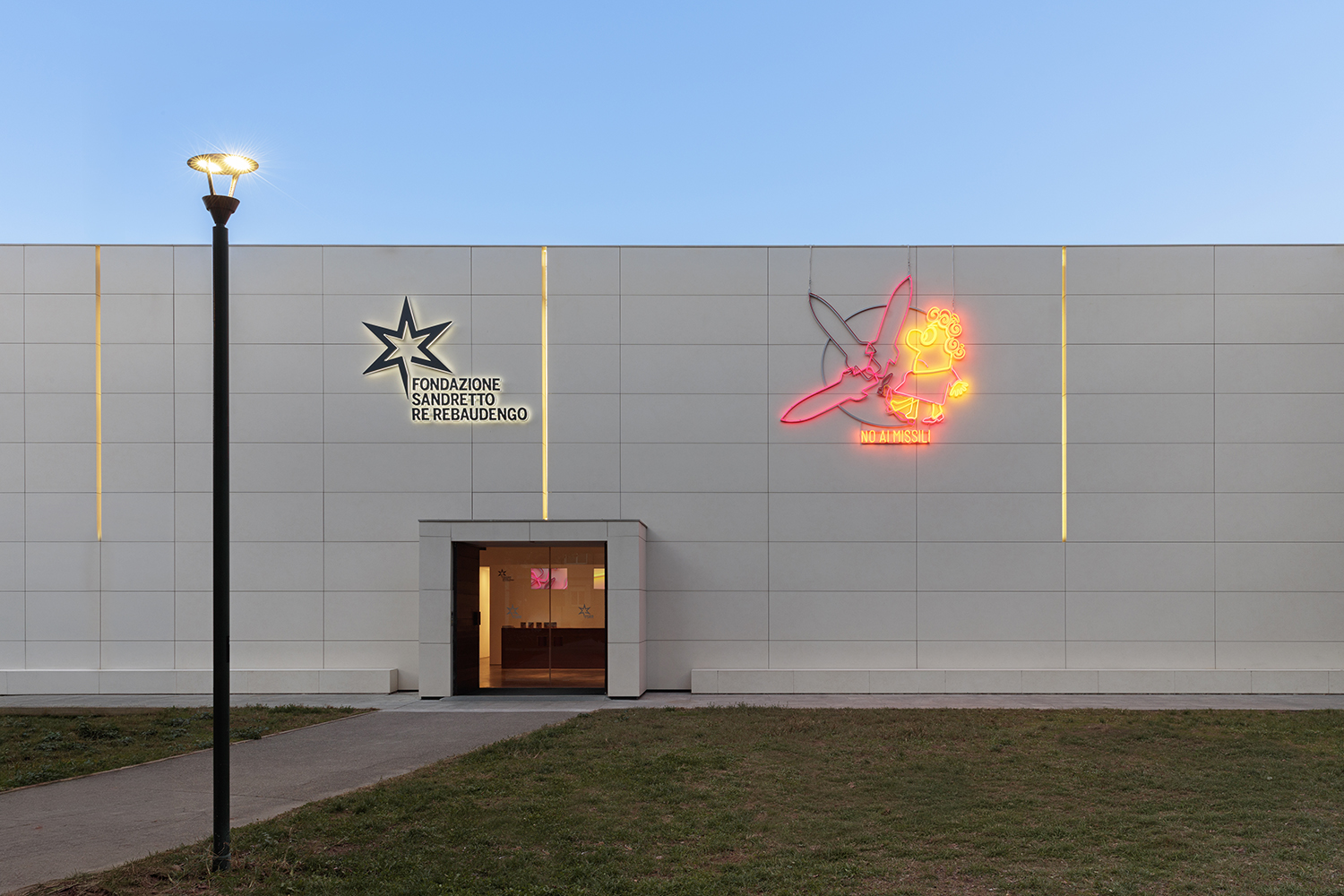
Discover five new exhibitions at Fondazione Sandretto Re Rebaudengo, bringing together diverse voices and perspectives on the world today.
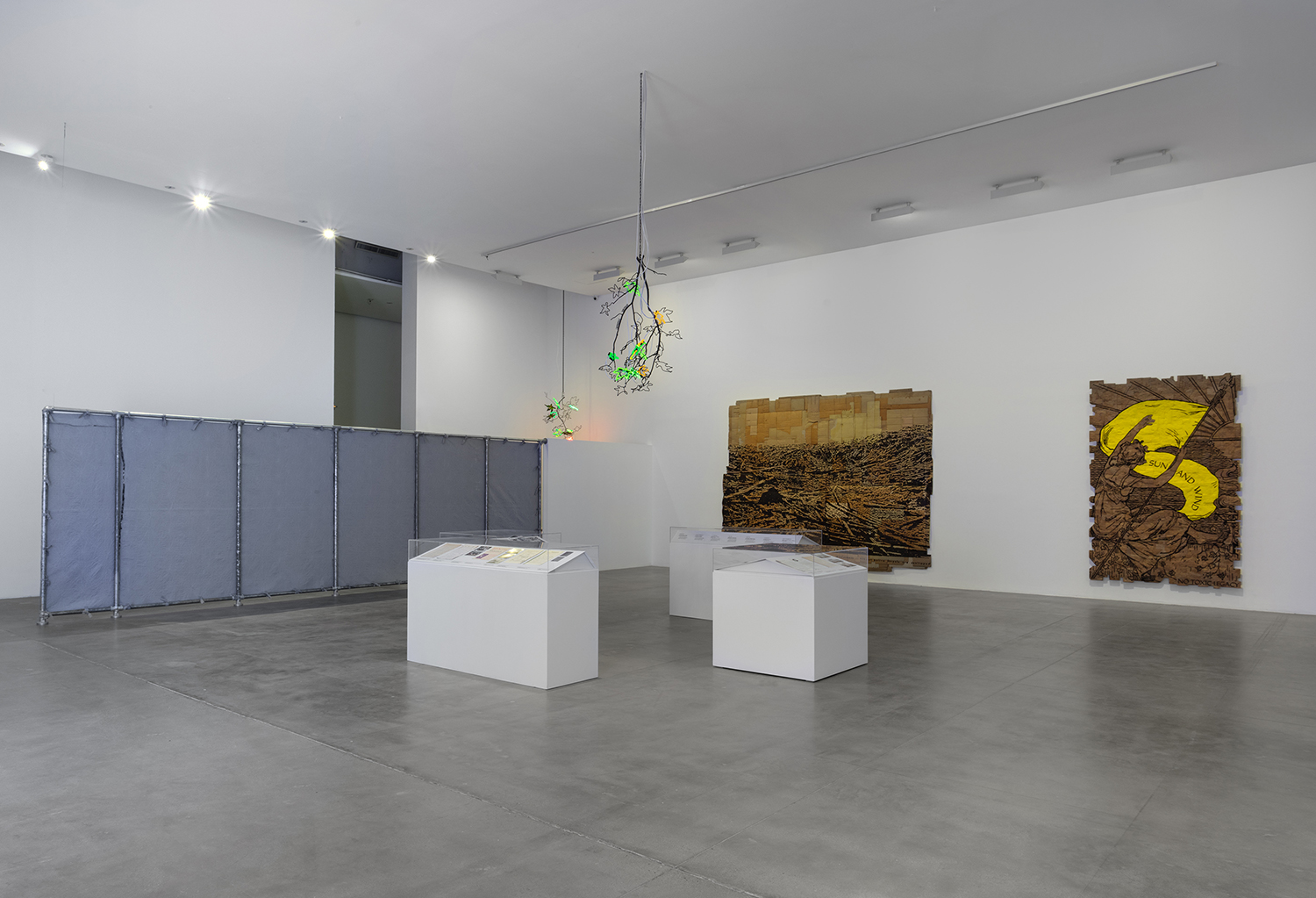
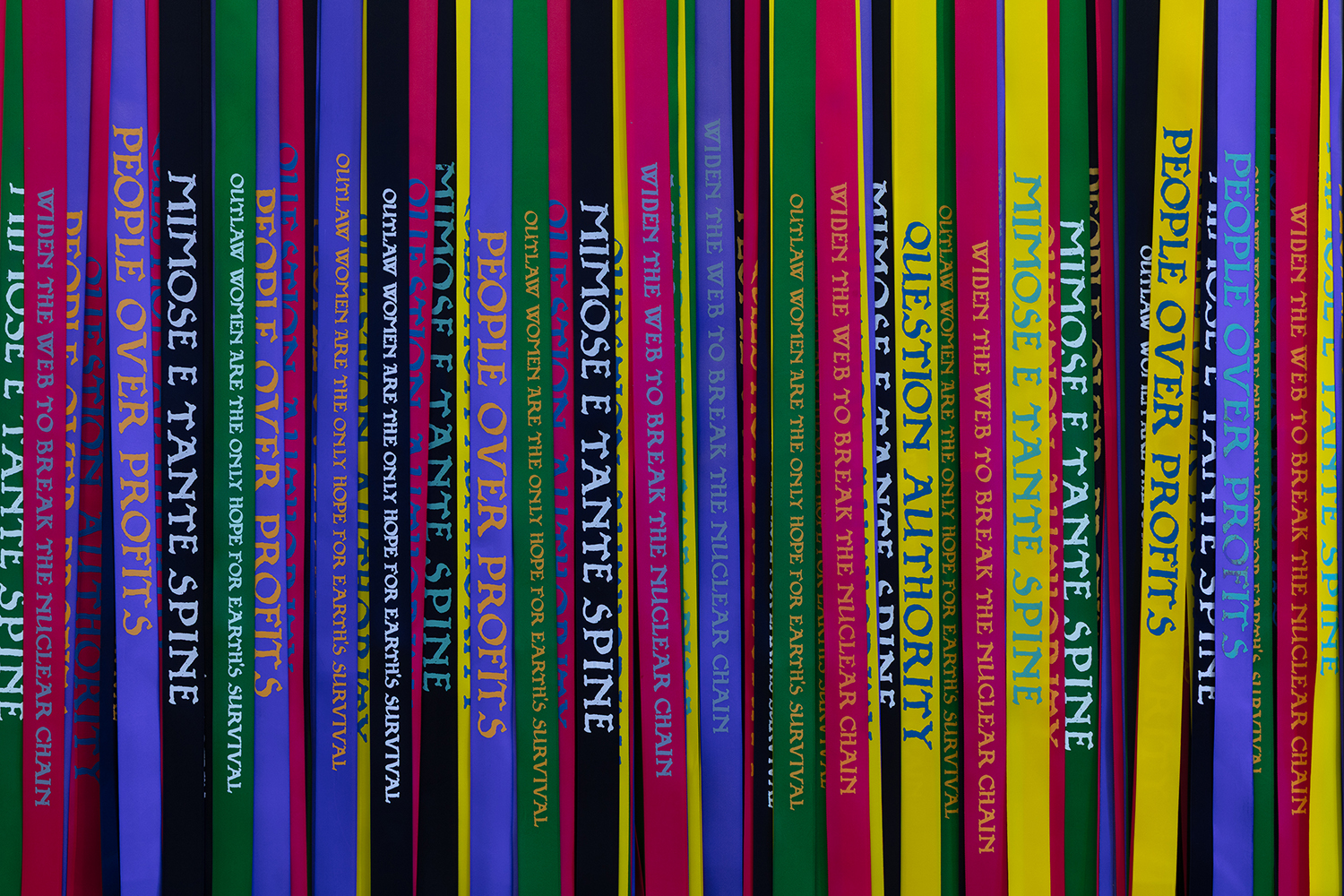
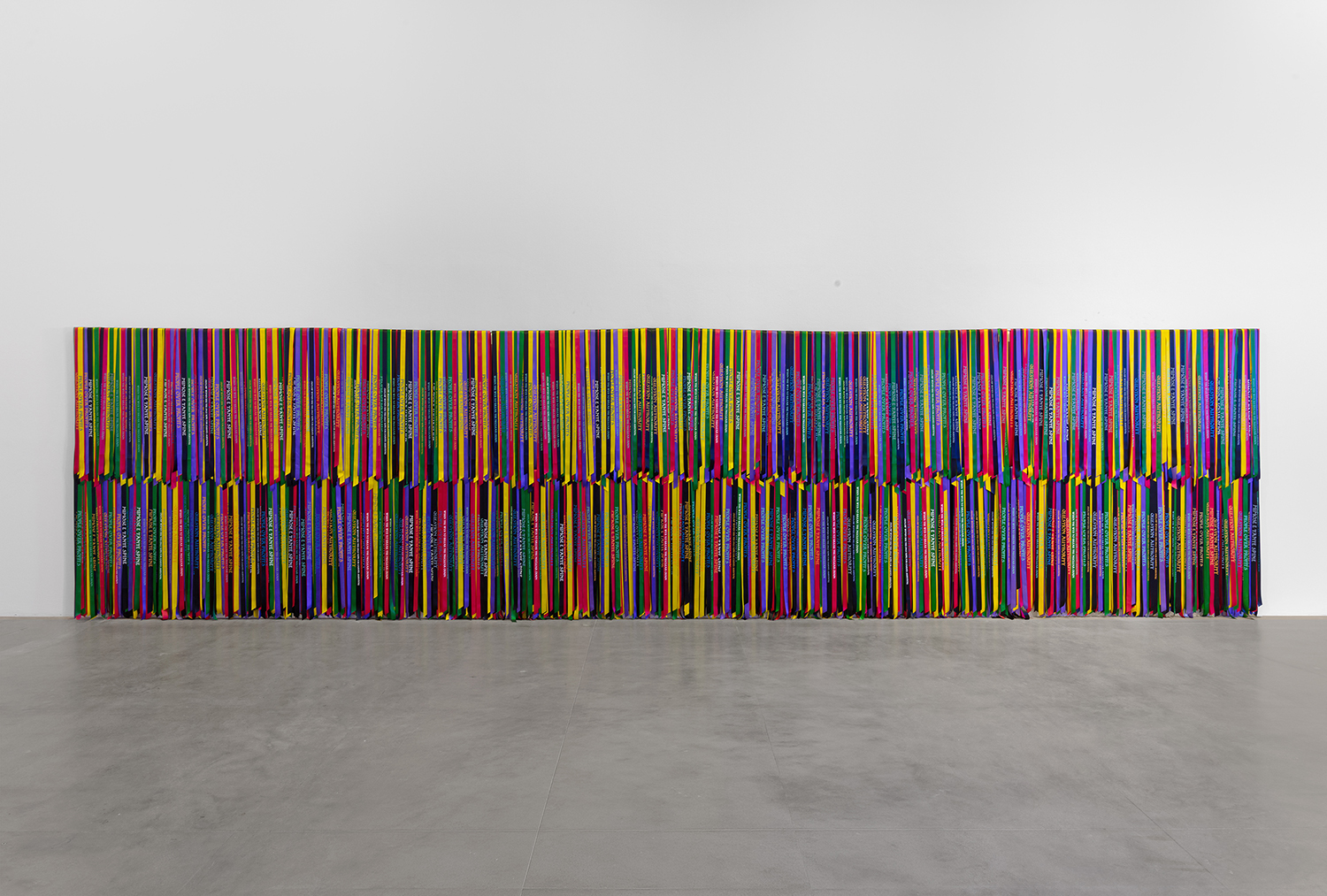
Andrea Bowers. La Ragnatela
Fondazione Sandretto Re Rebaudengo presents a solo exhibition by Andrea Bowers, Los Angeles-based artist who, for more than three decades, has developed her practice at the intersection of activism and the visual arts. In her work, the artist employs different media, from drawing and painting to installation and video, to explore issues of social justice and advocacy and to celebrate overlooked figures and events from the history of social struggles. Her exhibitions are developed through a methodology based on the artist’s close engagement with communities and social movements, through community life and discussion, participation in demonstrations, the building of activists’ networks, and archival research. As a result, each exhibition project becomes a platform for encounter, listening, and discussion, where the stories, concerns, and joy of different groups can be shared with audiences recognised as active participants in public debate.
The exhibition presented at Fondazione Sandretto Re Rebaudengo traces Bowers’ longstanding interest in ecofeminism, with a particular focus on the anti-nuclear and disarmament feminist movements of the 1980s. The exhibition presents a selection of existing works alongside a new cycle of works. The pieces belong to some of the artist’s most renowned formats, from cardboards, made with recycled materials to celebrate feminist histories of the past; to political ribbons, installations composed of coloured ribbons bearing activist slogans that visitors are invited to take away; to neons, which combine political symbols and iconography with historical and contemporary quotations.
A core group of new works is devoted to the experience of the Italian anti-nuclear feminist movement, and specifically to the Campo delle donne (Women’s Camp) in Comiso, Sicily, launched in 1983 under the name La Ragnatela (“The Spiderweb”). The initiative emerged in protest against the installation of a NATO military base in Comiso, at Magliocco Airport, and in support of the movement for nuclear disarmament.
La Ragnatela represents one of the most significant ecofeminist experiences in Italy and was established in close connection with the Greenham Common Women’s Peace Camp in UK, founded in 1981. Alongside a series of new neon works inspired by La Ragnatela, the exhibition will present rare archival documents, made available through the involvement of a network of activists and researchers, including historical members of the group. The exhibition sheds light on an important feminist contribution to the peace movement and to the struggle for disarmament—an issue that has once again become an urgent concern in today’s global context—while recovering and reconnecting the dense historical network of transnational alliances.
Curated by Bernardo Follini.
Joseph Yaeger. Point of Return
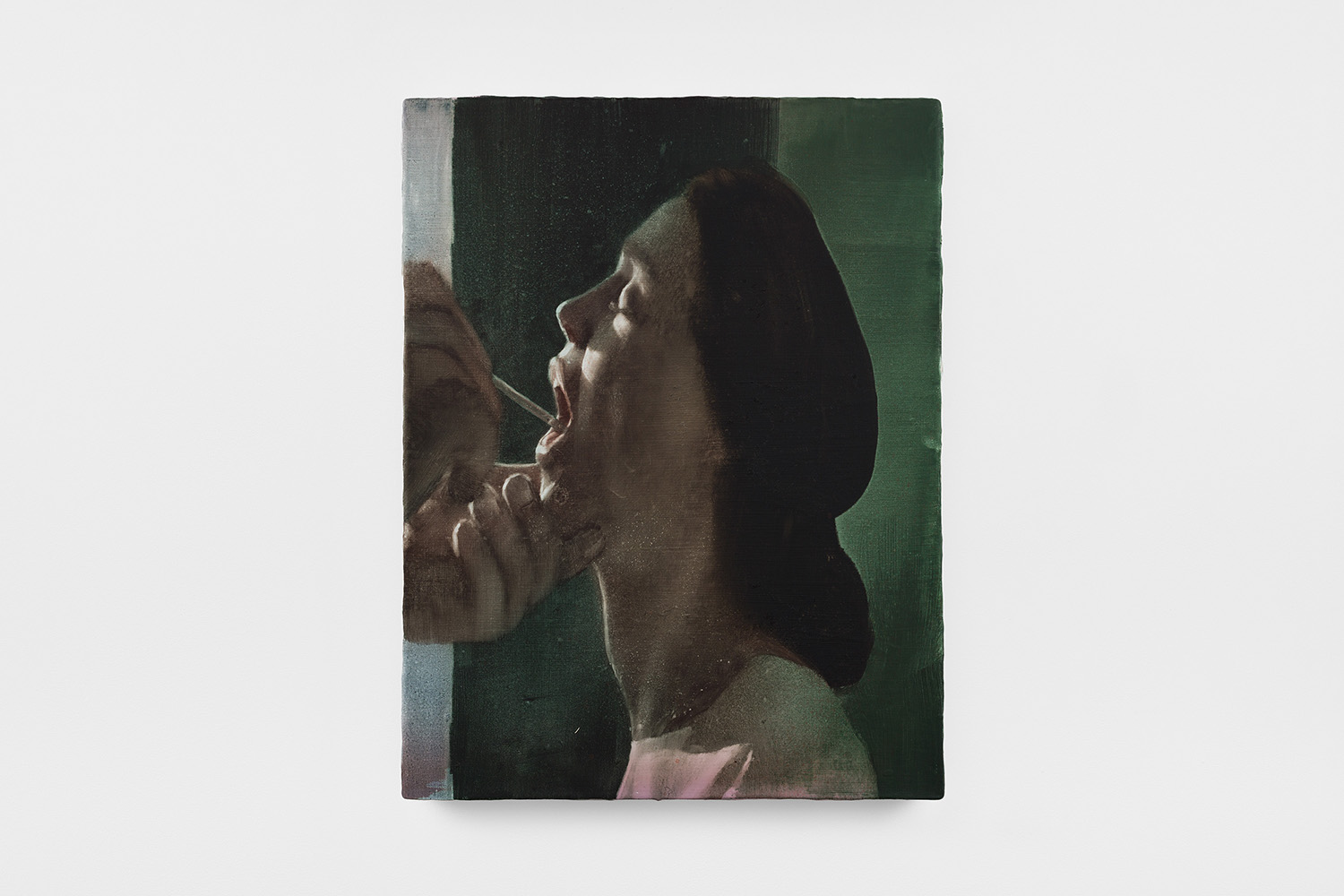
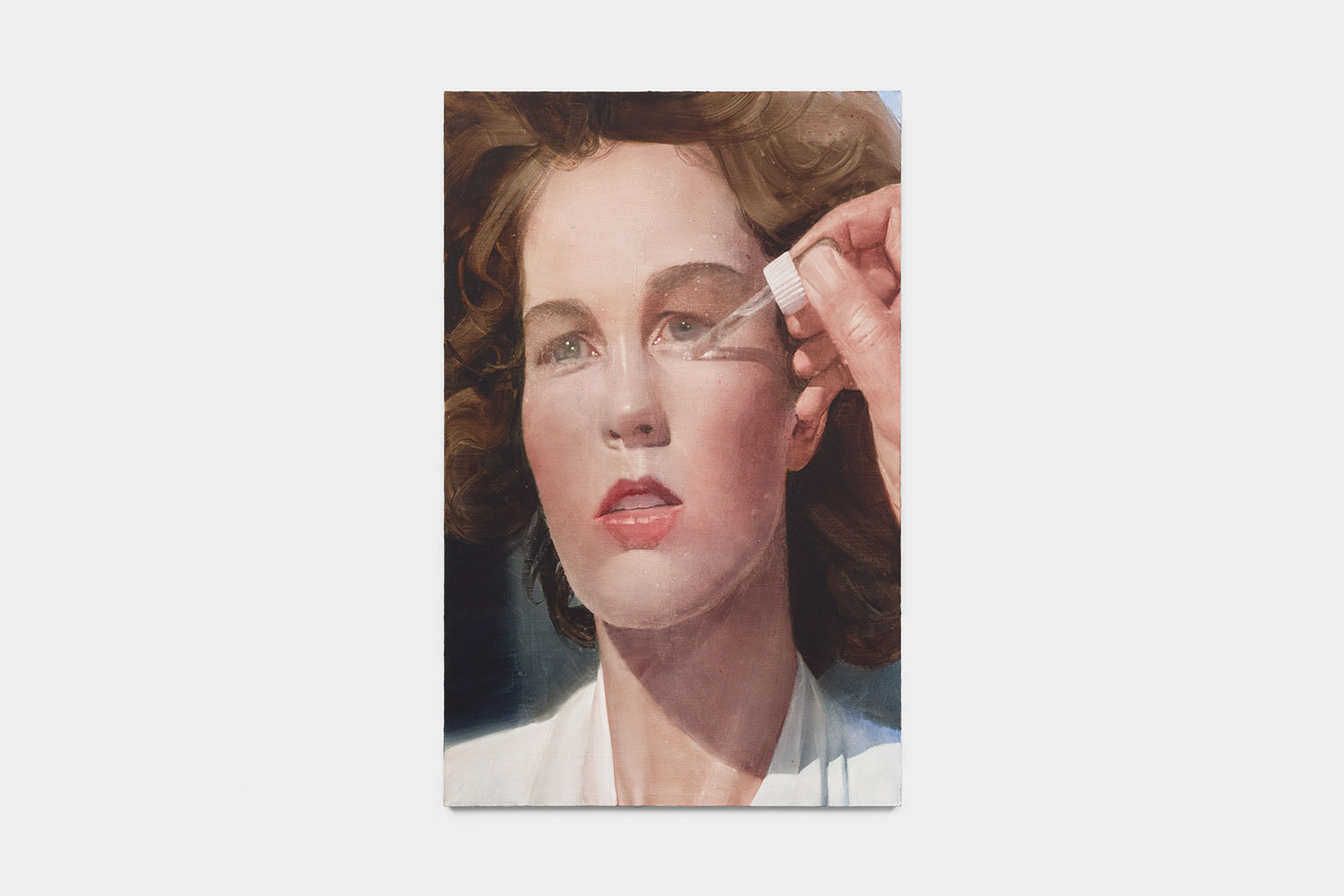
On 29 October 2026, Fondazione Sandretto Re Rebaudengo opened Point of Return, the first solo exhibition in an Italian institution by Joseph Yaeger (1986, Helena, Montana, USA). The exhibition offers a comprehensive overview of Yaeger’s work through a selection of paintings – including some newly commissioned works – that convey the depth of a research developed over several years. In his practice, the artist draws inspiration from stills taken from films, documentaries or found footage to construct compositions that are at once familiar and unsettling. The selected frames never depict iconic scenes or instantly recognisable moments; yet they resonate in the memory as something already seen, even if it is impossible to pinpoint the memory with precision. Indeed, after being cropped and altered, the images remain suspended between recognition and disorientation, evoking in the viewer a sensation that lies somewhere between unease, discomfort and concern.
Point of Return takes its title from a 2021 painting in which Yaeger subverts the expression ‘point of no return’. Whilst the latter refers to the moment when control is lost and surrendered to entropy, suggesting an irrevocable loss, the ‘point of return’ thus represents an attitude of optimism. Building on this premise, the exhibition is the first in which the artist’s paintings, created over many years, are displayed together, thereby being recontextualised in relation to one another. The title suggests the possibility of giving new meaning to what has already happened, and the new works, in this context, play the dual role of window and mirror: whilst on the one hand they embody present-day reality and time – encompassing both collective and socio-cultural aspects as well as the artist’s private sphere – on the other they reflect earlier works and alter them, being themselves altered by them in turn.
The paintings on display are executed in watercolour on gesso – a technique developed by the artist that characterises his work – through a process requiring extensive preparation of the canvas, traces of which remain in the layering of the preparatory ground visible at the edges. The actual act of painting, by contrast, is very rapid. The nature of watercolour requires the artist to paint quickly with the canvas laid flat on the floor: the water penetrates the ground layer and, as it dries, creates fine cracks in the plaster, which reveal the contrast both between the materials used and that between the evanescence of the cinematic image and the tangibility of the painting.
Aziza Kadyri. Choreography of the Latent
Fondazione Sandretto Re Rebaudengo presents the first solo exhibition in an Italian institution by Aziza Kadyri, an Uzbek artist who lives and works in London. Throughout her practice, Kadyri constructs an ongoing dialogue between history and fiction, tradition and innovation. The artist employs craft-based languages such as weaving and embroidery, alongside advanced technological systems such as AI and machine learning, to explore themes of migration, displacement, and the construction of identity, with a particular focus on the experiences of women in Central Asia and the diaspora.
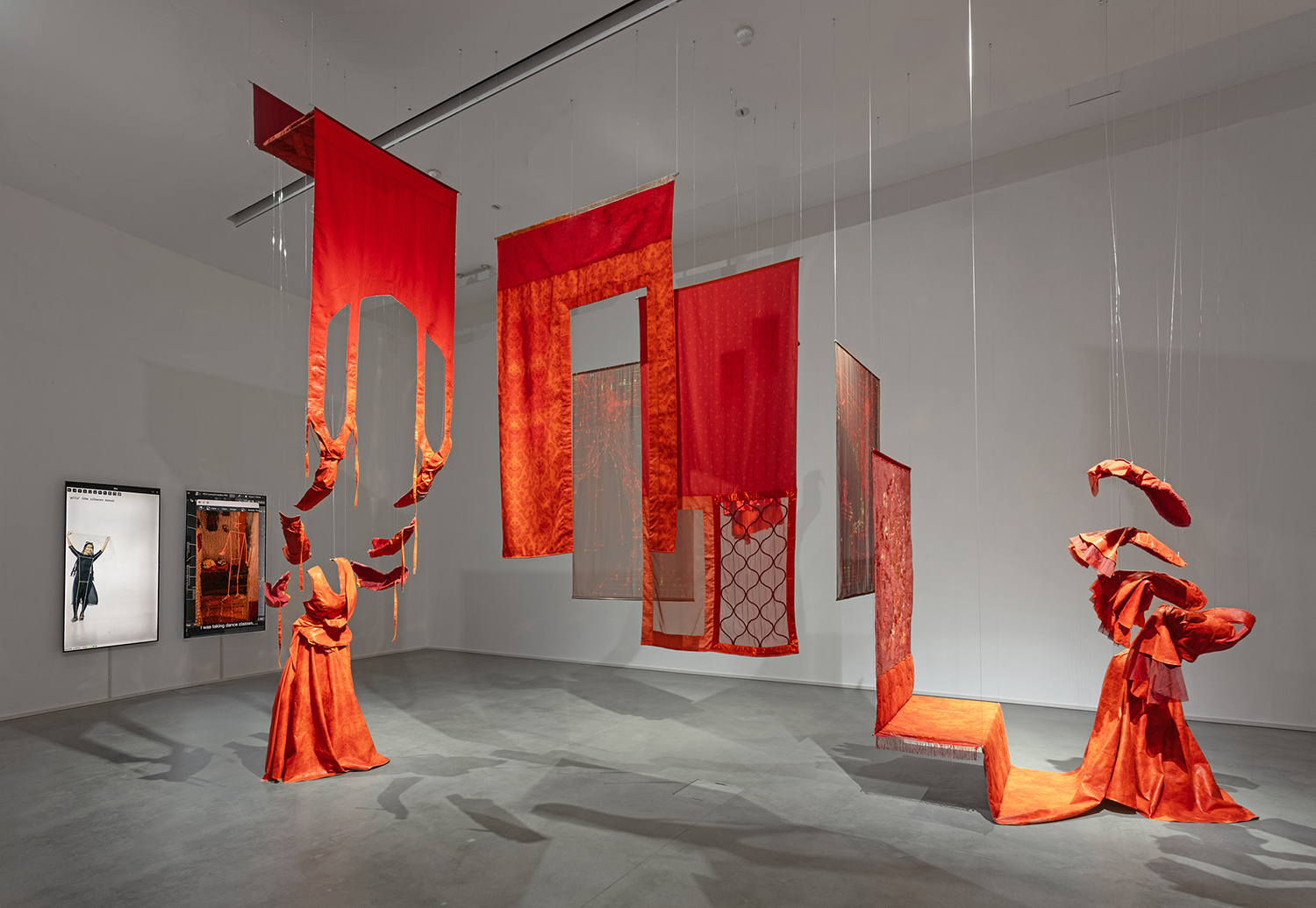
Choreography of the Latent presents a cycle of new works that form part of the ongoing project Her Stage (2024–ongoing). The series is dedicated to the figure of the artist’s grandmother and to her youthful desire to become a dancer of traditional Uzbek folk dances. This dream was thwarted by the social order of the time, shaped by the patriarchal and socialist structures of the 1950s, which confined women to the domestic sphere and led her to devote herself to the textile industry. The artist draws on machine learning, artificial intelligence, and motion tracking to synthesize a choreography that brings together her grandmother’s private gestures and the movements of traditional dance. The result is an imaginary, yet latent and possible, choreography that represents the aspirations and constraints experienced by the artist’s family member throughout her life.
The exhibition presents a cycle of new textile sculptures inspired by traditional garments in movement, evoking a performance by the artist’s grandmother through a series of domestic thresholds, themselves rendered in embroidered fabric. The installation is completed by a two-channel video and a large mirrored wall that projects the installation into a virtual version of itself. Choreography of the Latent invites viewers to reflect on the role and responsibilities of memory, both personal and collective, and on its creative dimension, offering the possibility of reactivating and reinhabiting memory through an emancipatory lens. For the artist, the dialogue between craft traditions and advanced technological tools represents a methodology for navigating and critically contributing to debates around decolonial and feminist practices, starting from the persistent traces of Soviet and post-Soviet Uzbekistan.
Curated by Bernardo Follini.
Louis Morlæ. …Pop.!Crash/(LOON)
On the occasion of Artissima 2026, Fondazione Sandretto Re Rebaudengo presents …Pop.!Crash/(LOON), a solo exhibition by Louis Morlæ, winner of the illy Present Future 2025 Prize, the twenty-sixth edition of the initiative organised by illycaffè and Artissima. …Pop.!Crash/(LOON) is Morlæ’s first solo exhibition in Italy and continues his research combining advanced technologies, product design and storytelling. For the occasion, he will present a new installation conceived specifically for the Foundation’s space, which reflects on the acceleration towards a technology-driven future and the desire for reassurance about what lies ahead.
In his practice, Louis Morlæ (1992, Melbourne, Australia) combines sculpture, industrial product design, video and music to explore the link between the future and the present, through a sci-fi-inspired imagery that is, nevertheless, rooted in the most advanced technologies already available today. His sculptures, designed with CAD software and 3D-printed using PLA plastic, aluminium, steel, SLA resin or industrial fabrics, take the form of humanoids, autonomous vehicles or imaginary security devices. The videos, which the artist develops around character-driven narratives, feature the sculptures themselves—in their CGI-animated version—or real people rendered through artificial intelligence programmes: actors, personalities from the tech world or the artist himself. Through a body of work that combines optimism about the future with a fear of dystopian outcomes, Morlæ examines our social and cultural relationship with technology.
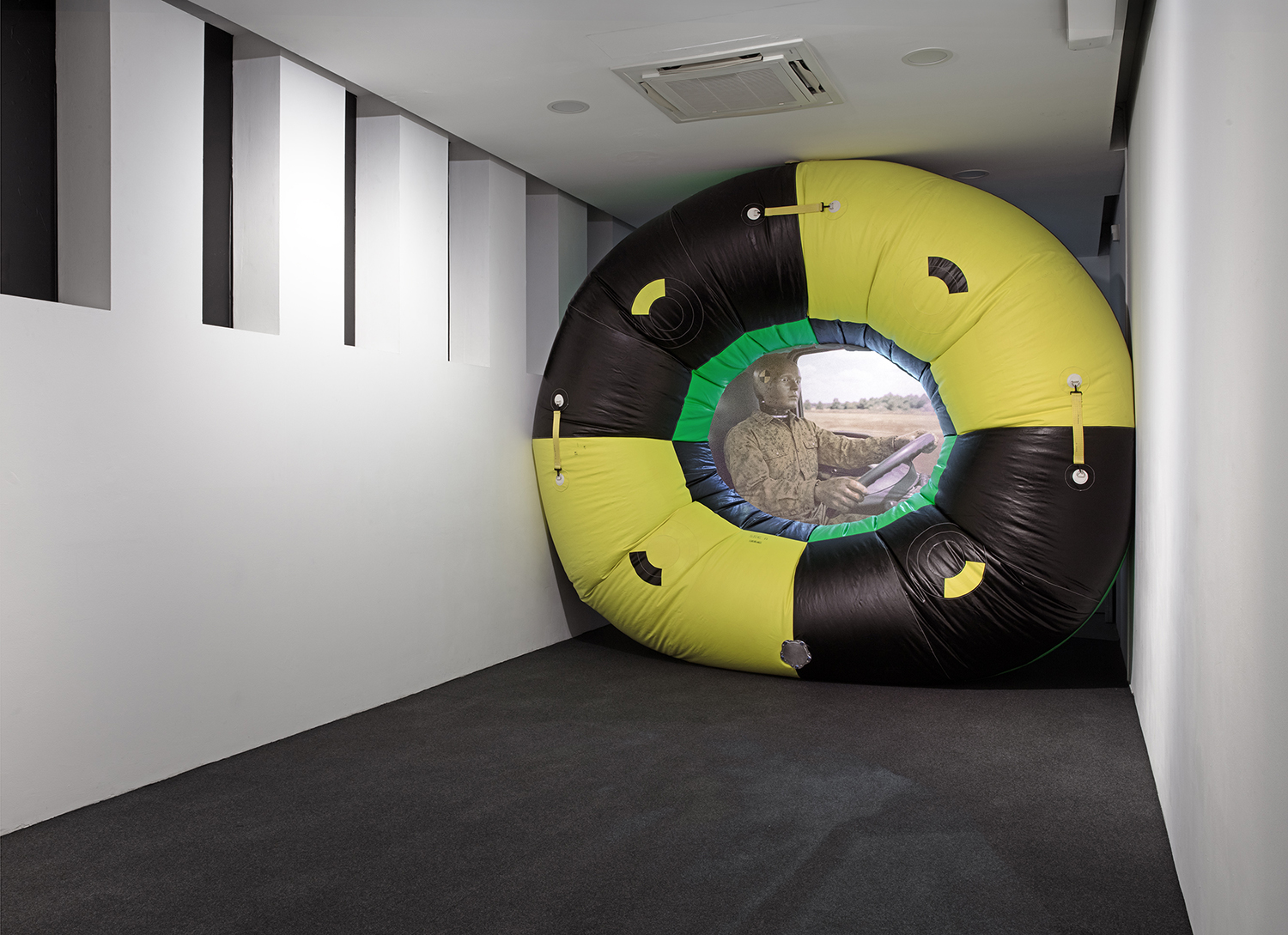
…Pop.!Crash/(LOON) is Morlæ’s new project and continues the artist’s investigation of recent years. Conceived for the Foundation’s space, the exhibition draws inspiration from crash-test facilities used for car safety testing and presents a new work from the SFB (Sidefall Bag) series, which is displayed at the centre of the room. The artist describes the works from this series as ‘dysfunctional safety devices’, which he imagines as protective measures in hypothetical scenarios. These are, in fact, inflatable sculptures made from the fabric used in the production of airbags. In the gallery, the video …Pop.!Crash/(LOON) (2026)—created using artificial intelligence programmes—is projected onto the structure entitled SFB4-Gii (2026). The video features an avatar of the artist himself, starring in a series of scenes set in a dystopian world, and displays a succession of images of the near future, in which Morlæ’s digital replica speaks in an obscure language, combining forms of glossolalia with pseudo-religious invocations. Aware of how AI works, the artist employs LLMs (Large Language Models) in a paradoxical way, highlighting the underlying mechanisms that govern our relationship with these tools. Now that machines are capable of perfectly replicating our language, Morlæ uses them to generate expressions that are either meaningless or tinged with mysticism. In doing so, she suggests that the future we entrust to technology is not necessarily the result of a rational choice, but rather an act of faith.
The atmosphere of the video oscillates between irony and catastrophe, whilst the installation, punctuated by the colours and symbols of crash tests, evokes the possibility that the acceleration towards the future may reach a point of collision. In this scenario, the airbag serves a reassuring function, embodying the hope that, along the way, something might divert the course before impact.
Curated by Leonardo Pietropaolo.
Nan Goldin. The Ballad of Sexual Dependency
On 29 October 2026, to mark the 200th anniversary of the invention of photography, the Sandretto Re Rebaudengo Foundation presents The Ballad of Sexual Dependency by Nan Goldin, part of the Sandretto Re Rebaudengo Collection. Taken between 1973 and 1986, the 126 images that contitute the work offer a reflection on issues such as gender, intimacy and power. The original structure of the project was conceived by Goldin as a slide show accompanied by music, and, before becoming the book published by Aperture in 1986, The Ballad was presented in clubs and public art exhibitions in New York. The photographs on display comprise the entire body of work collected in the volume, which, published in 1986, has now reached its fortieth anniversary and its twenty-third reprint, representing a milestone in the history of photobooks.
In the project, Goldin photographs the people who are part of her life and, through them, builds a collective portrait of an era. Conceived as an invitation to enter the artist’s world, over time the images have become a testament to what Goldin describes as ‘a generation that was lost’. The photographs stem, in fact, from her personal relationships with the subjects, rather than from observing reality from an external perspective, and they explore the complexity of human relationships whilst challenging the boundaries between the public and the private. Described by the artist as ‘the diary I let people read’, The Ballad takes the form of a personal diary that has, over time, become a collective memory. It is precisely this intimacy that makes it a groundbreaking work even today, and its relevance in the present day testifies to how the desire for transformation and the difficulty of establishing connections remain pressing issues.
Over the years, the work has played a decisive role in transforming the language of contemporary photography and has influenced generations of artists and photographers. With this exhibition dedicated to The Ballad of Sexual Dependency, the Sandretto Re Rebaudengo Foundation presents a work that has changed the way we view photography and its meaning.
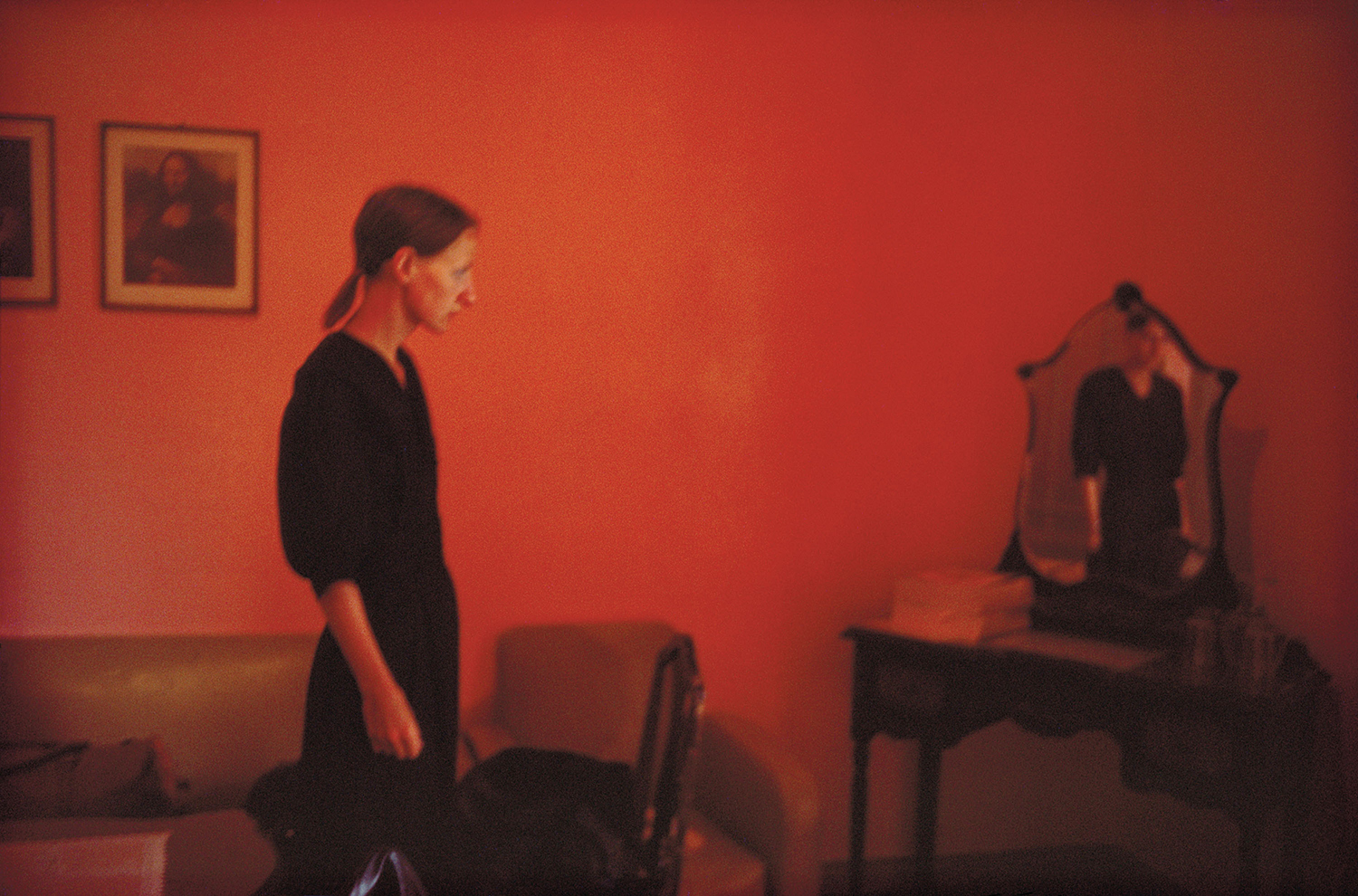
Suzanne with Mona Lisa, Mexico City
© Nan Goldin Courtesy the artist and Gagosian
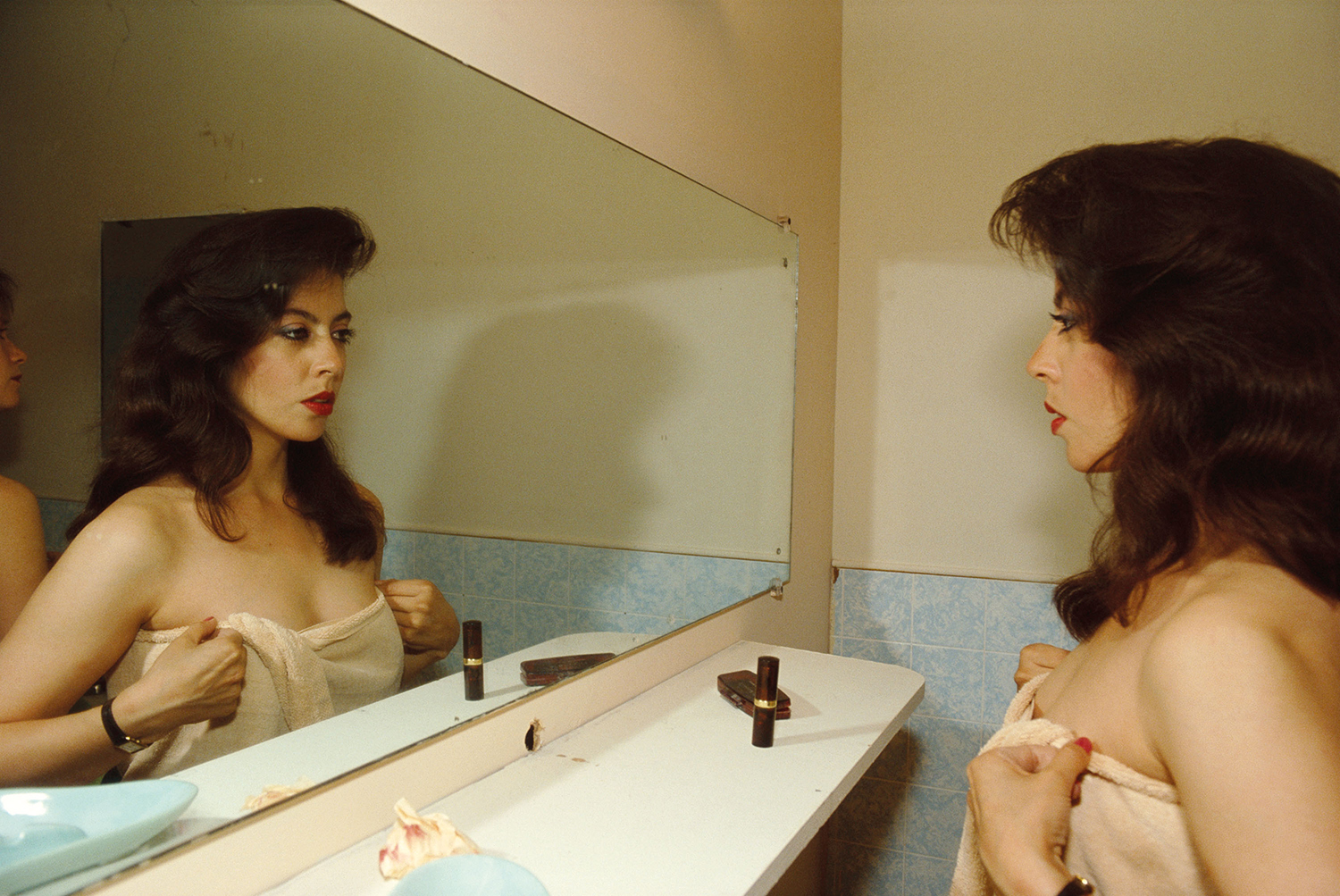
Sandra in the mirror, New York City
© Nan Goldin Courtesy the artist and Gagosian
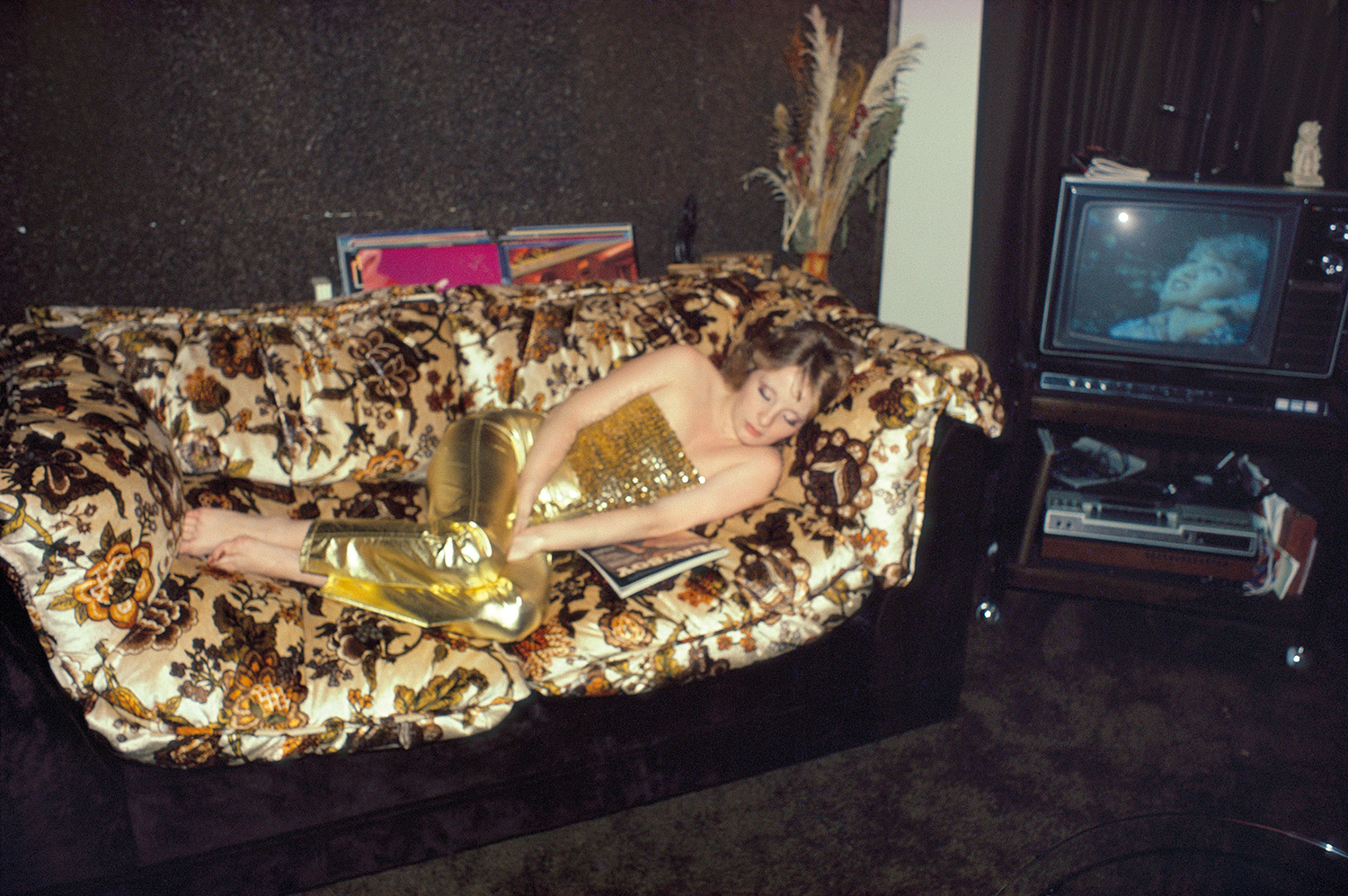
Shelley on her sofa, New York City
© Nan Goldin Courtesy the artist and Gagosian
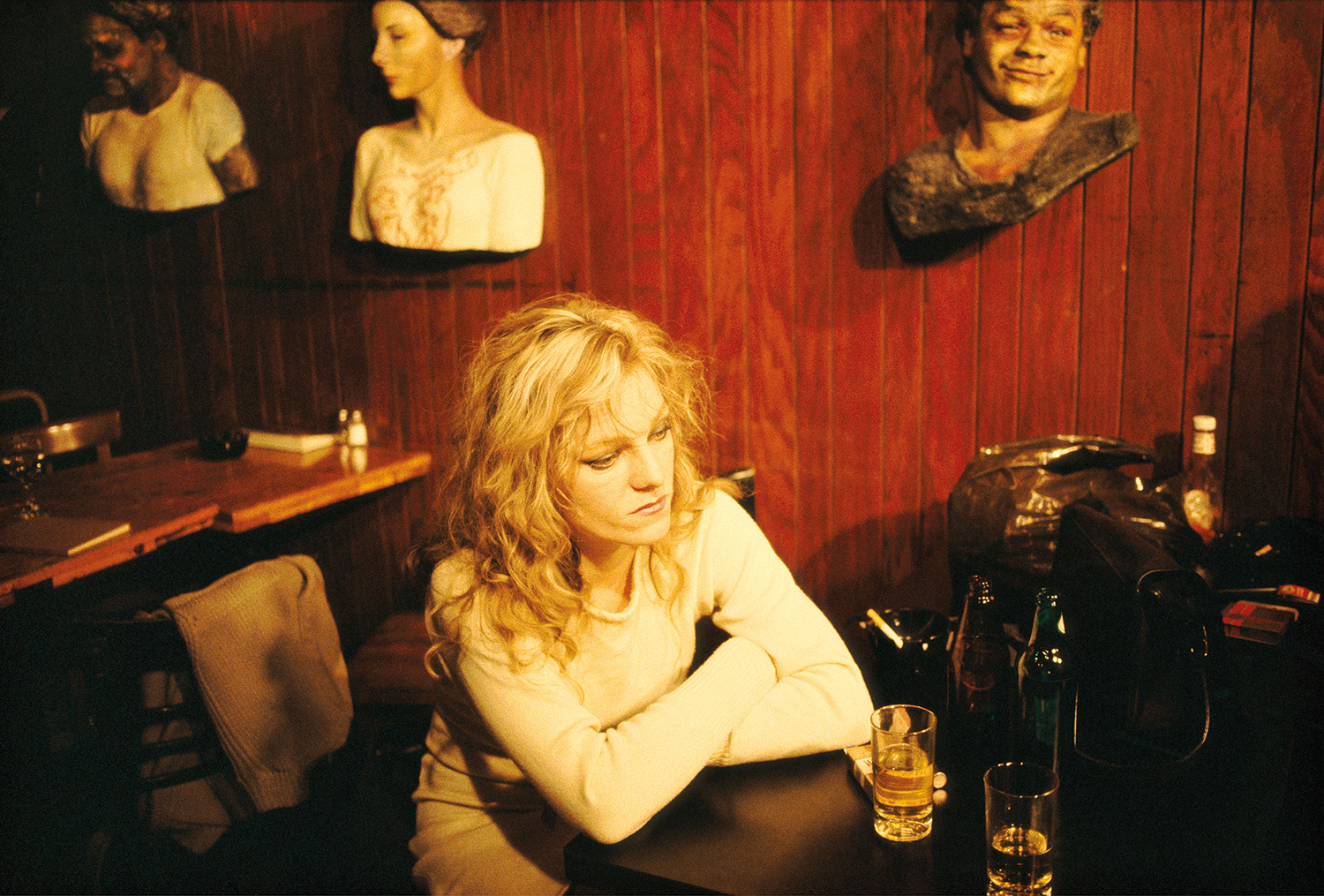
Cookie at Tin Pan Alley, New York City
© Nan Goldin Courtesy the artist and Gagosian
Fall Exhibition at FSRR, Turin
29 October 2026 – 28 March 2027
Fondazione Sandretto Re Rebaudengo
Photo Sebastiano Pellion di Persano