Text by Margot Norton. In conversation with Laura Mclean-Ferris
CURA. 43
Coming of Age
Cover Story


Text by Margot Norton
Becoming Chimera
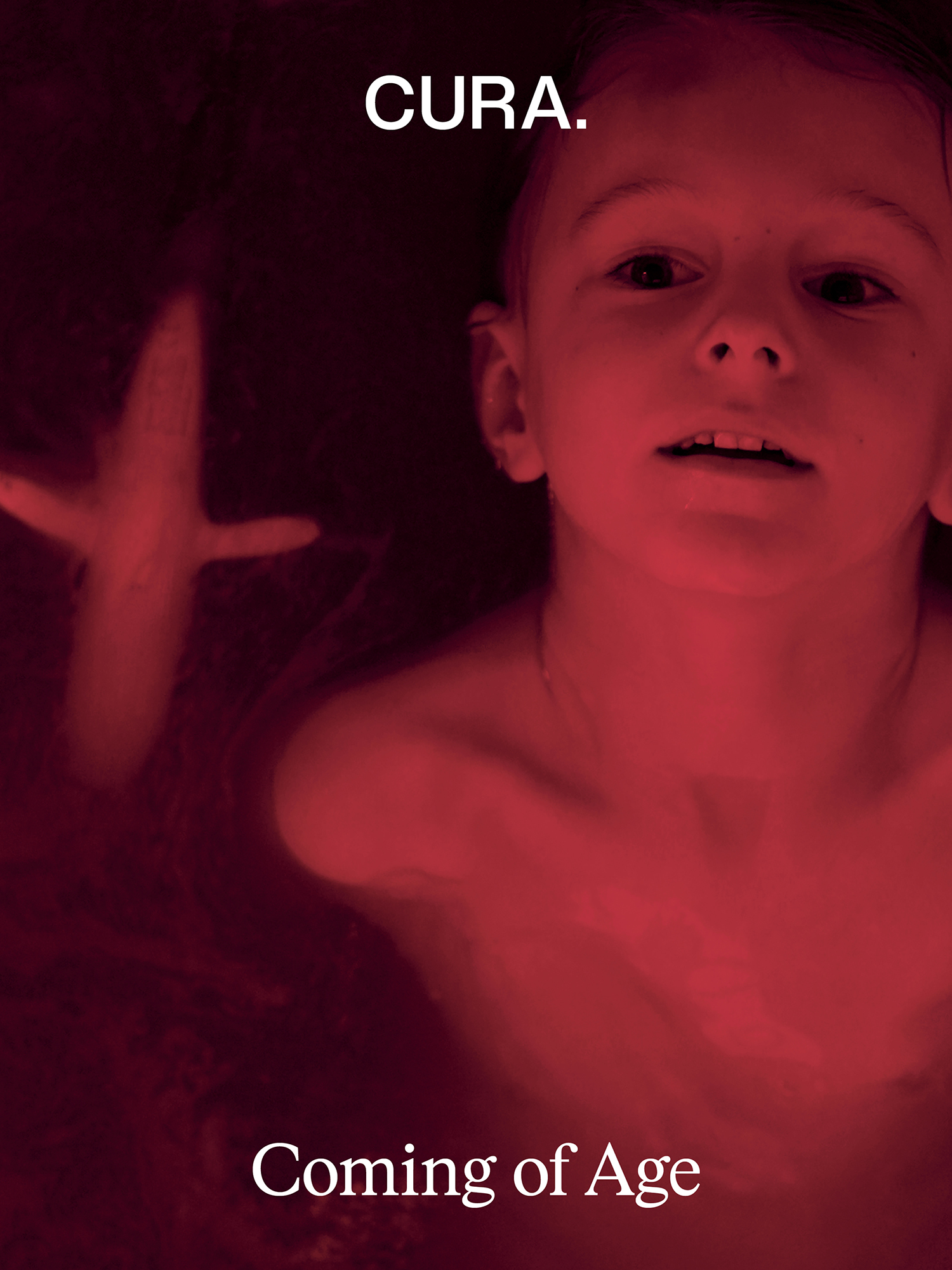
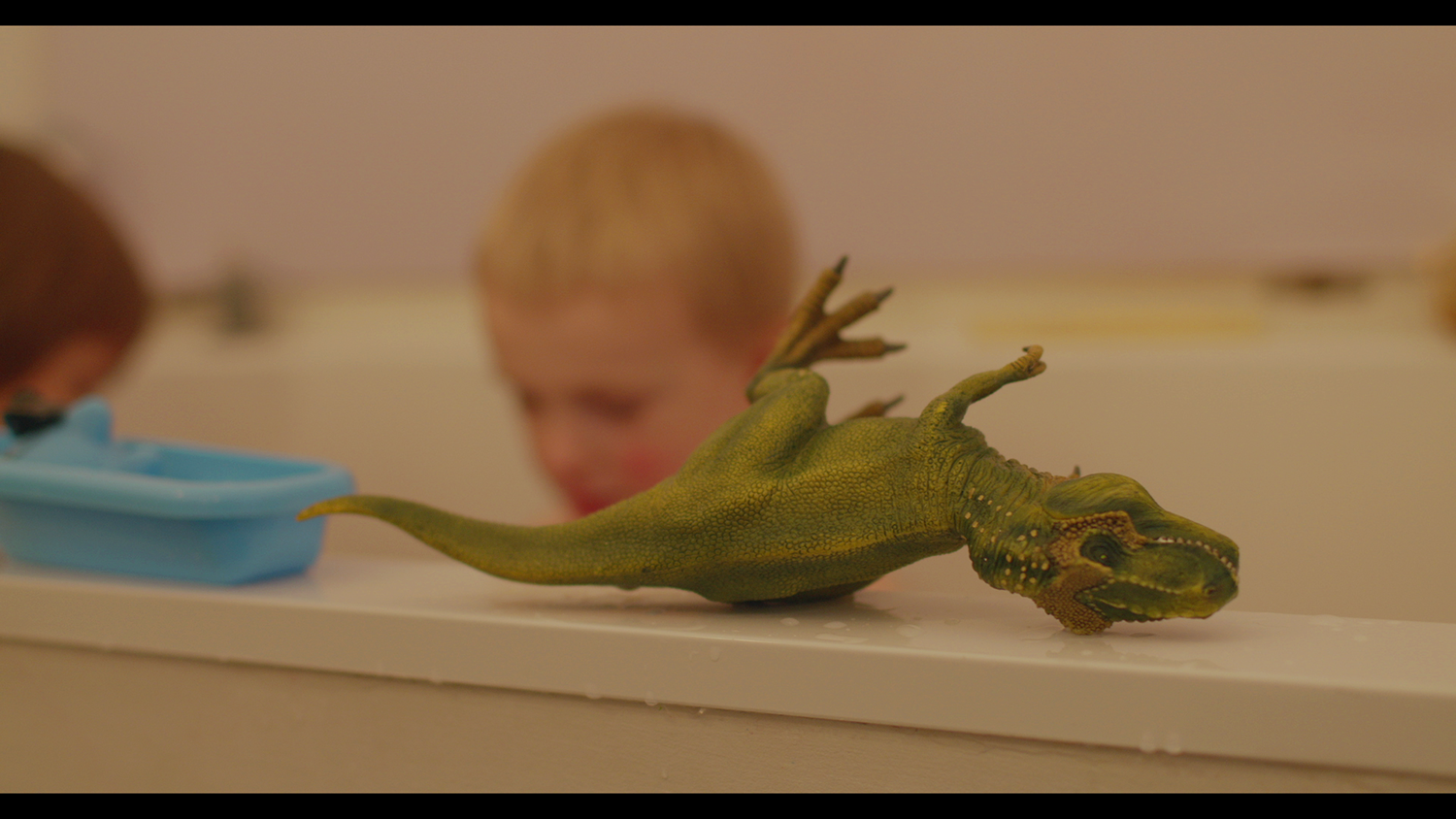
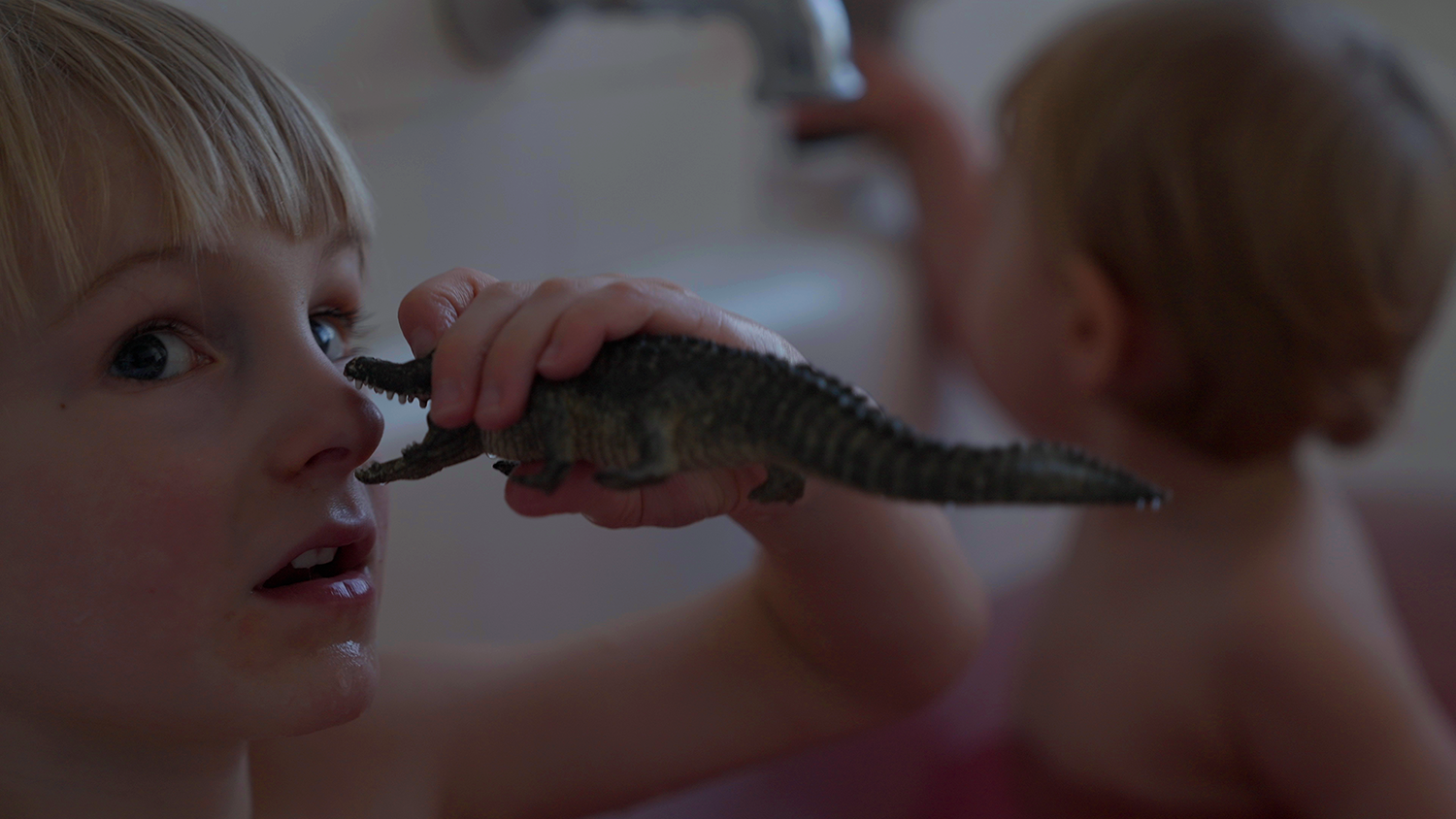
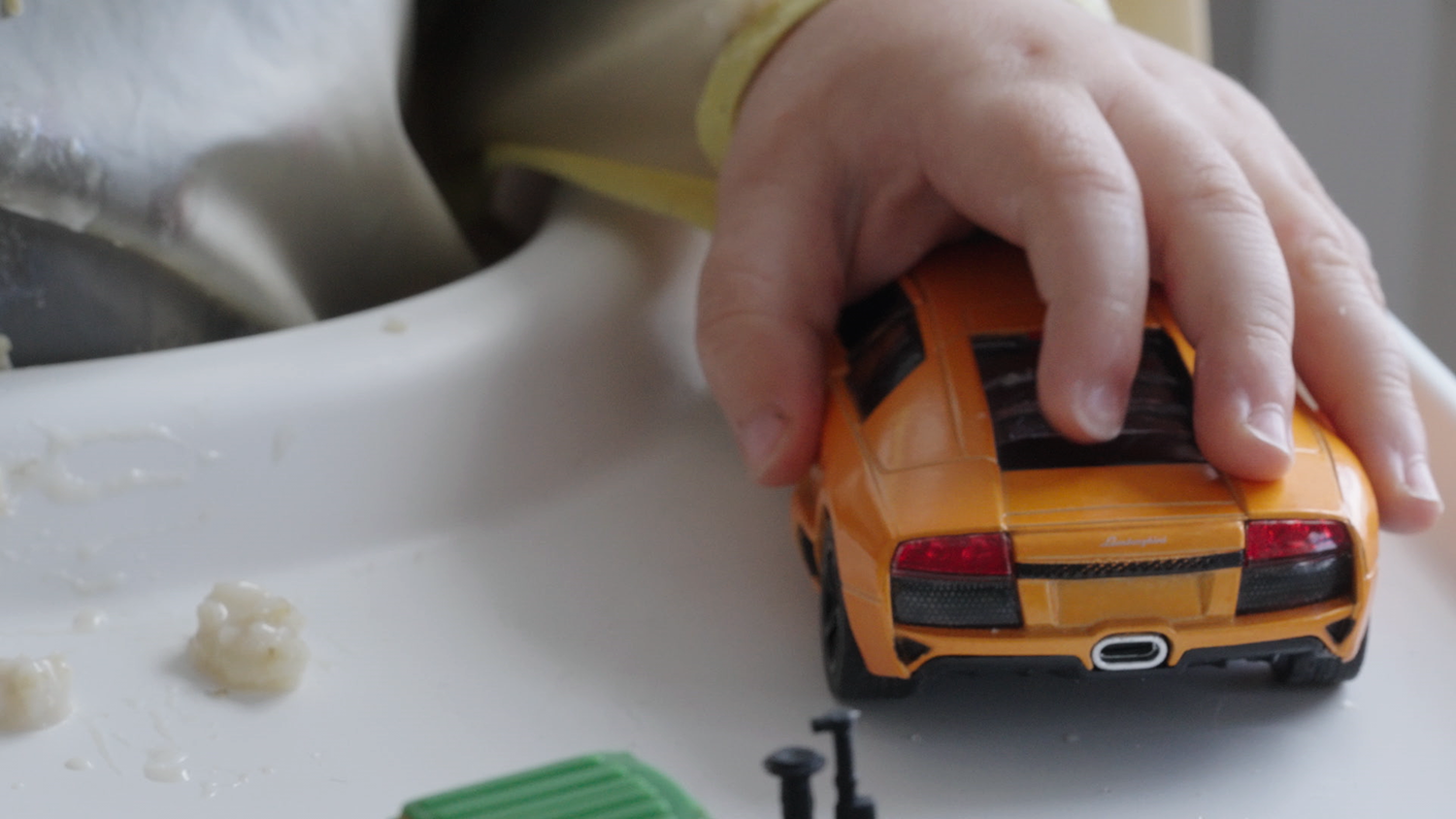
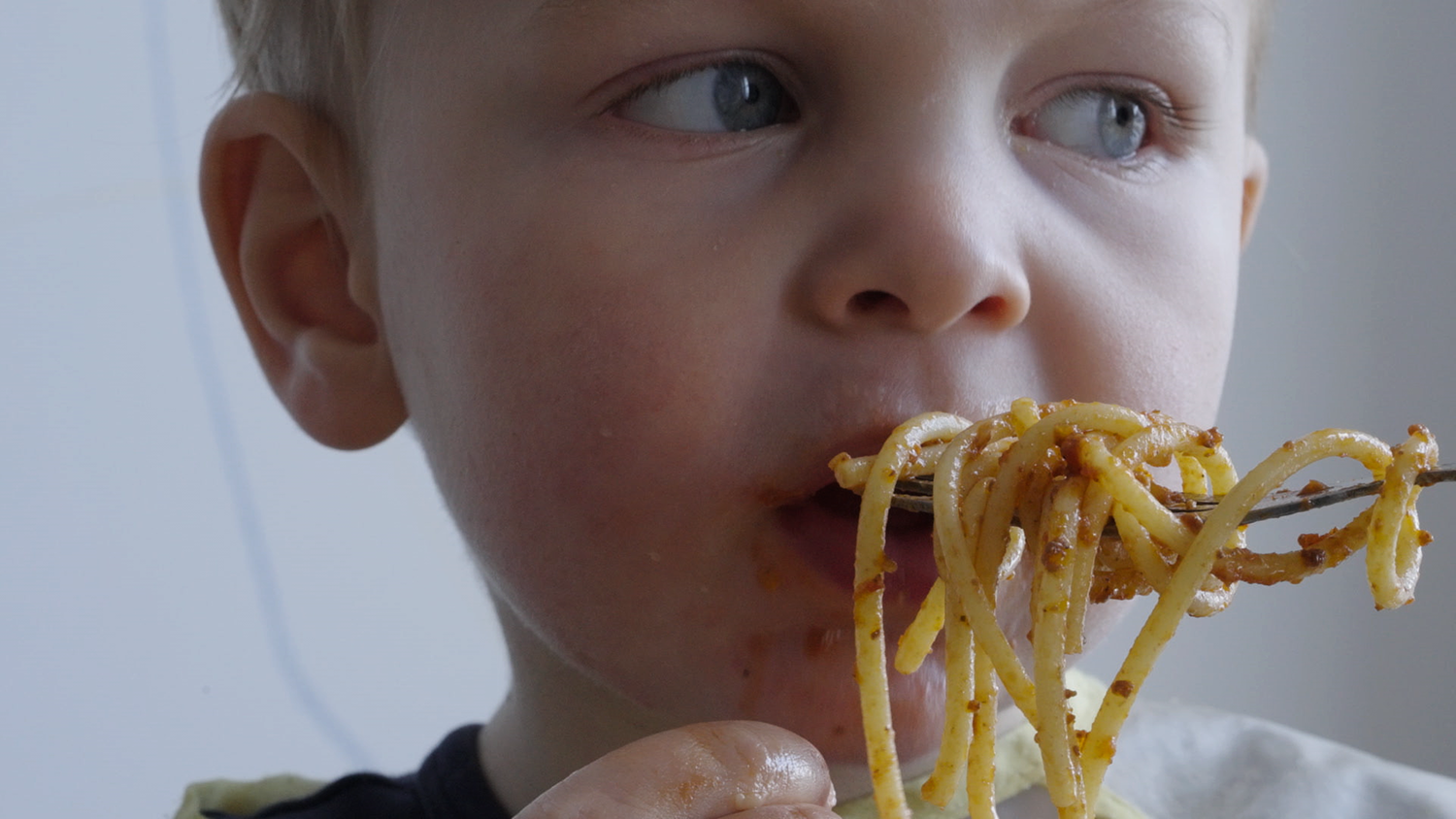
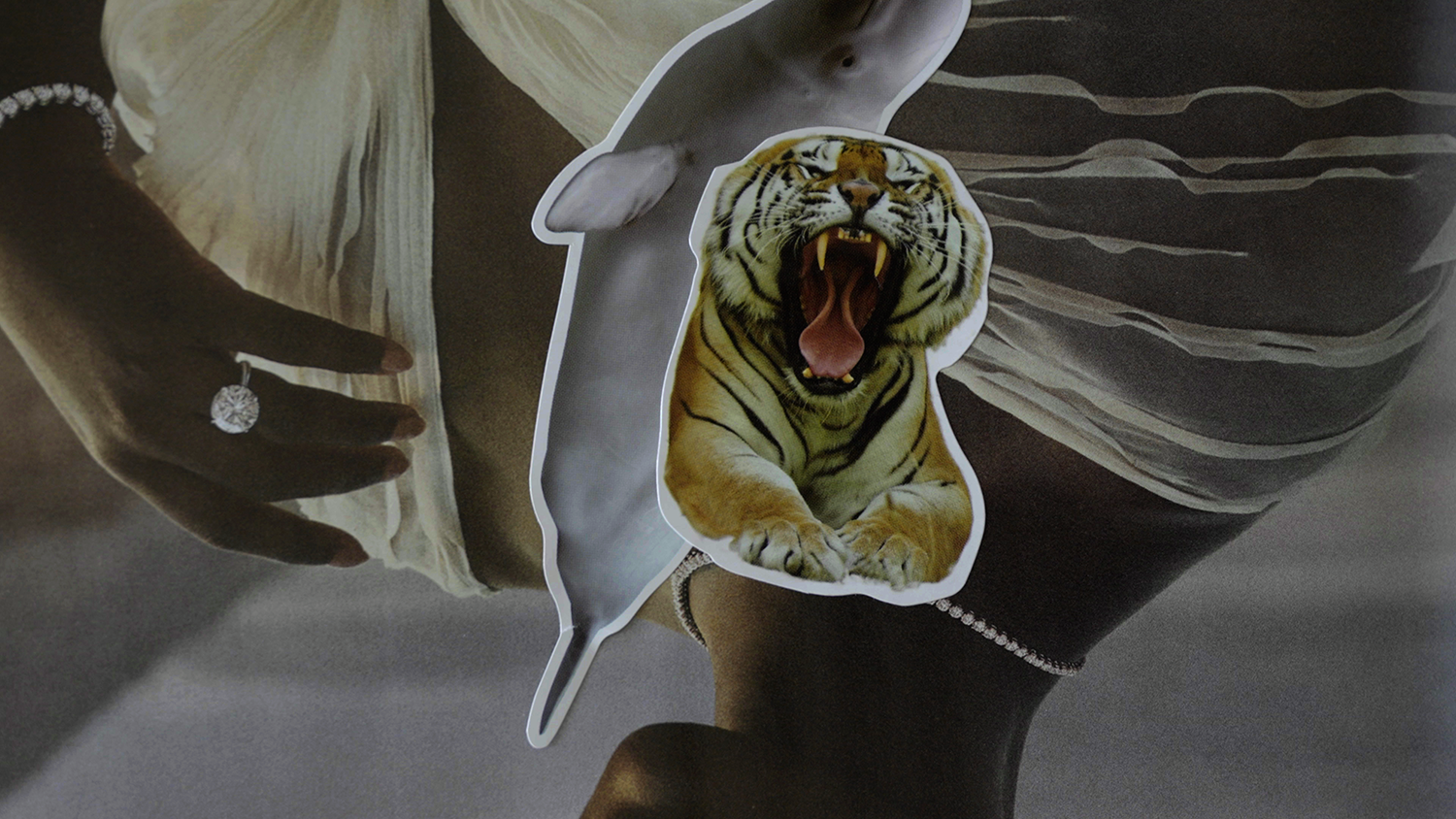
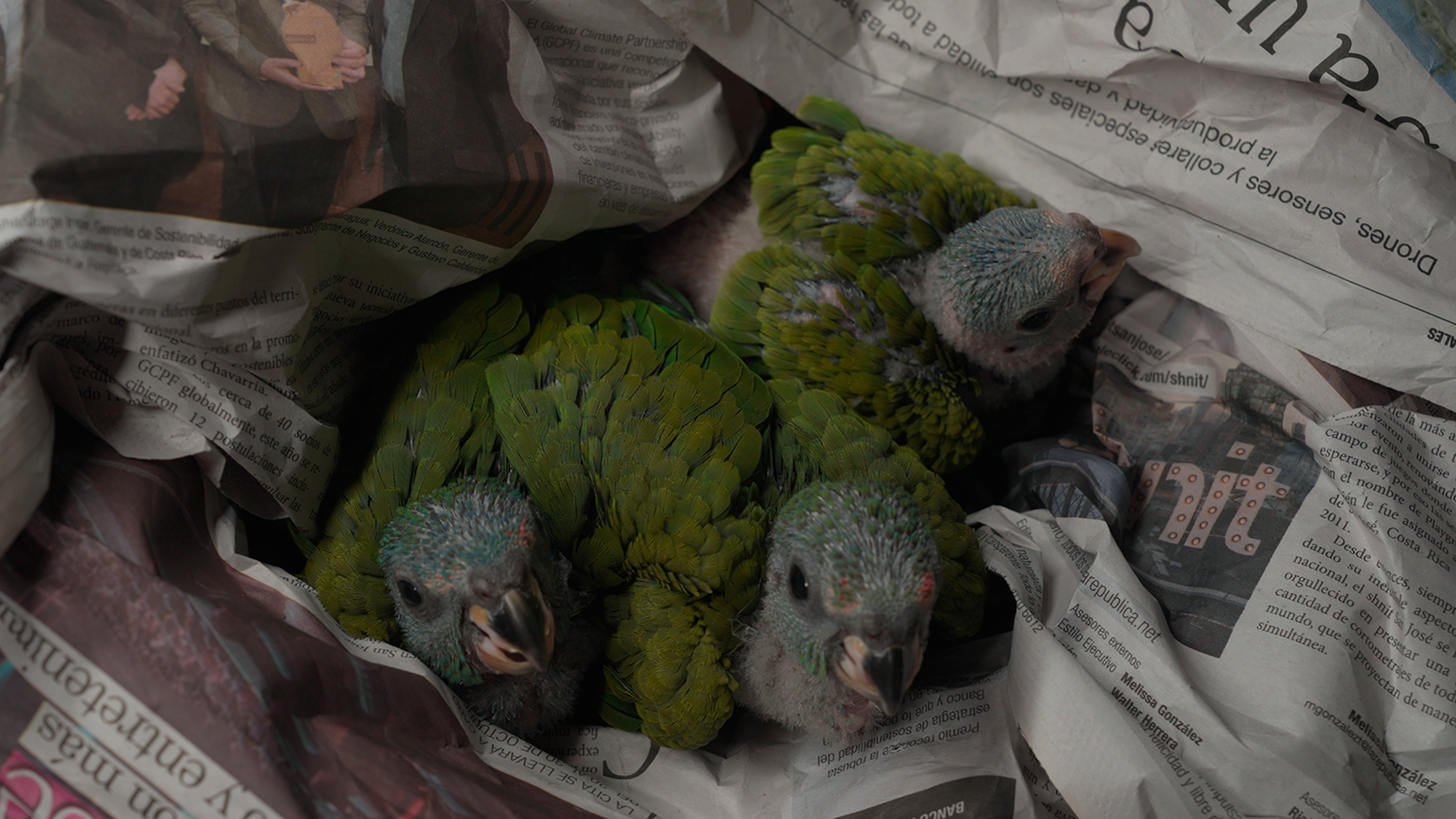
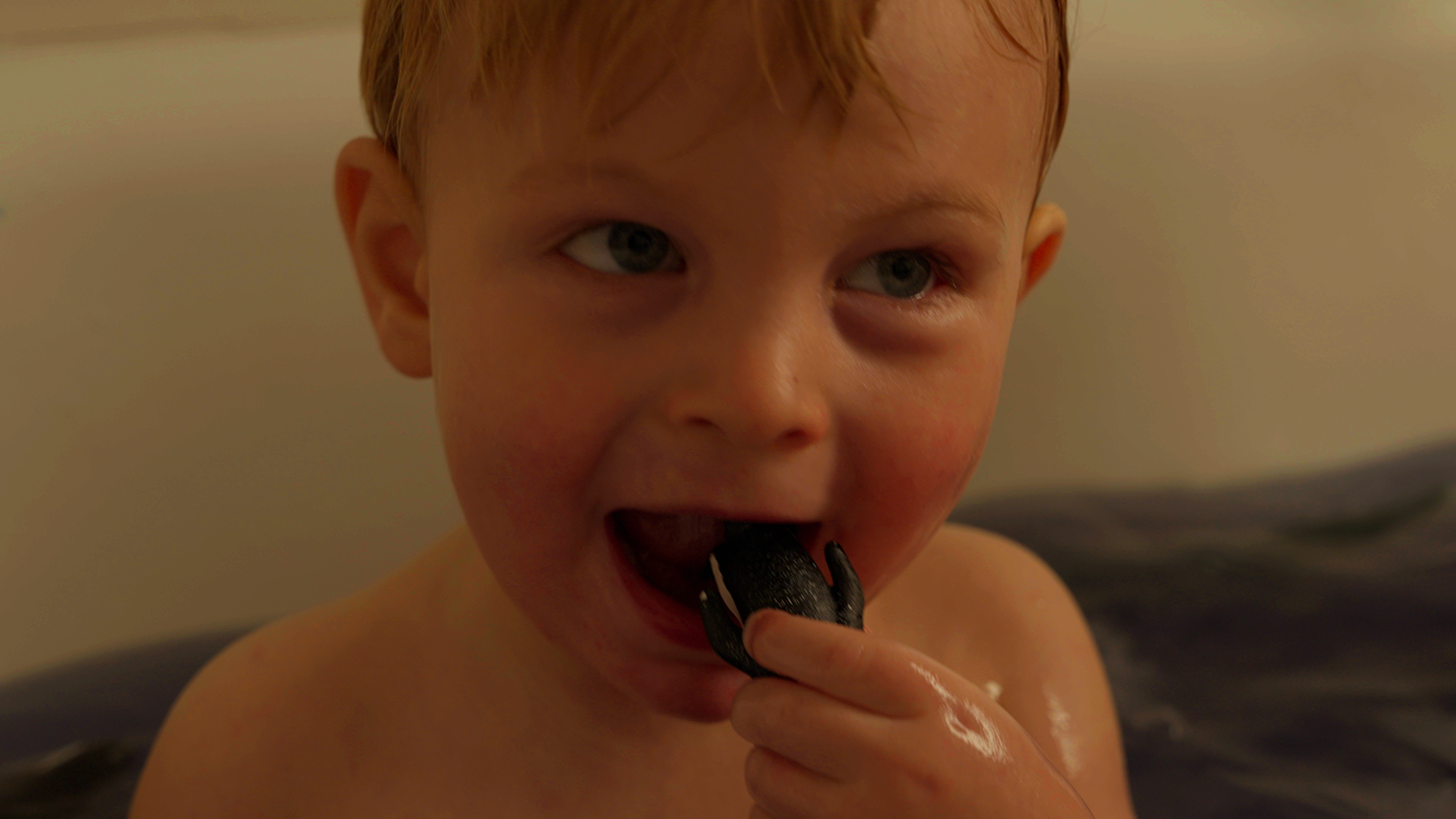
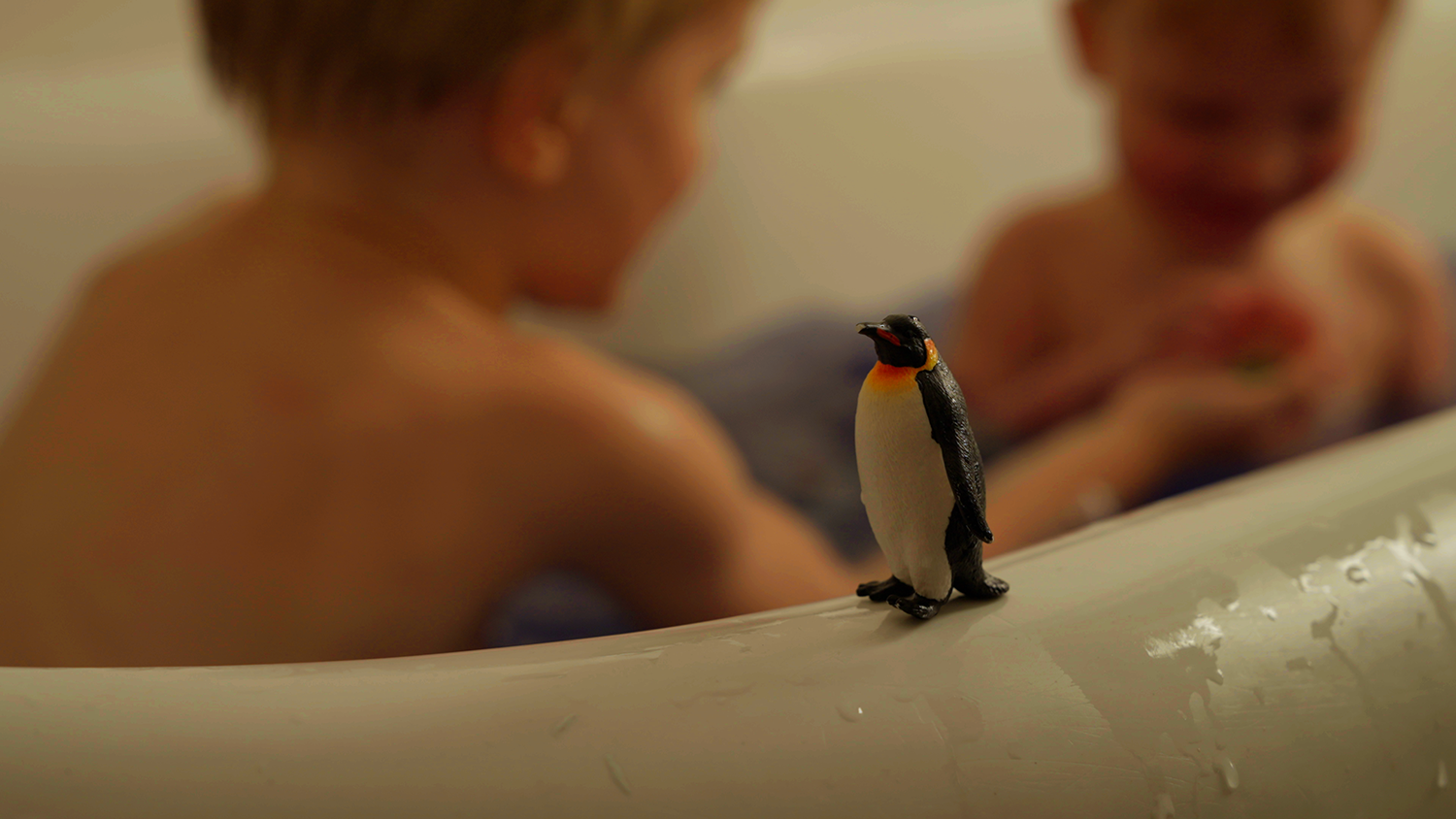
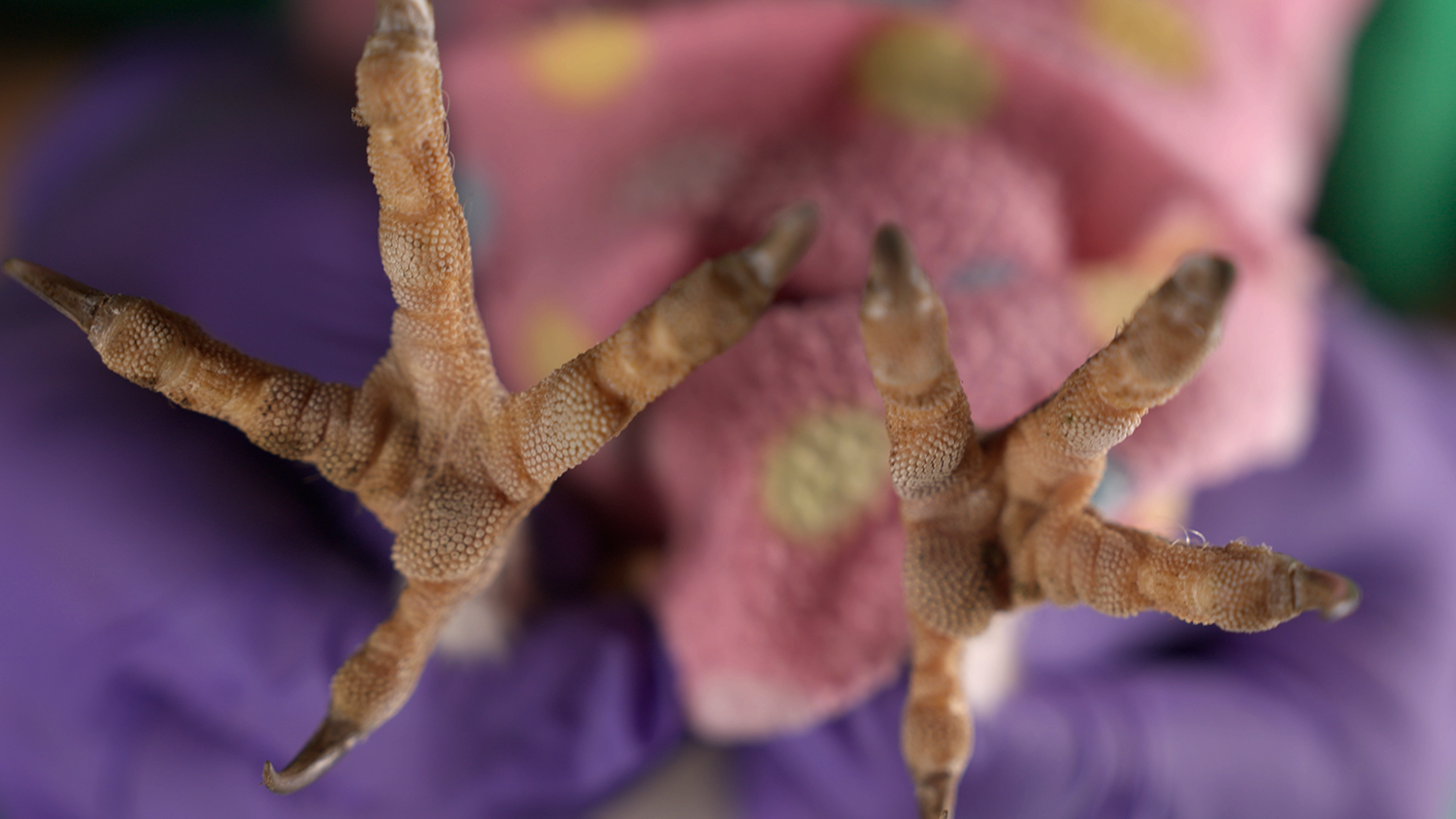
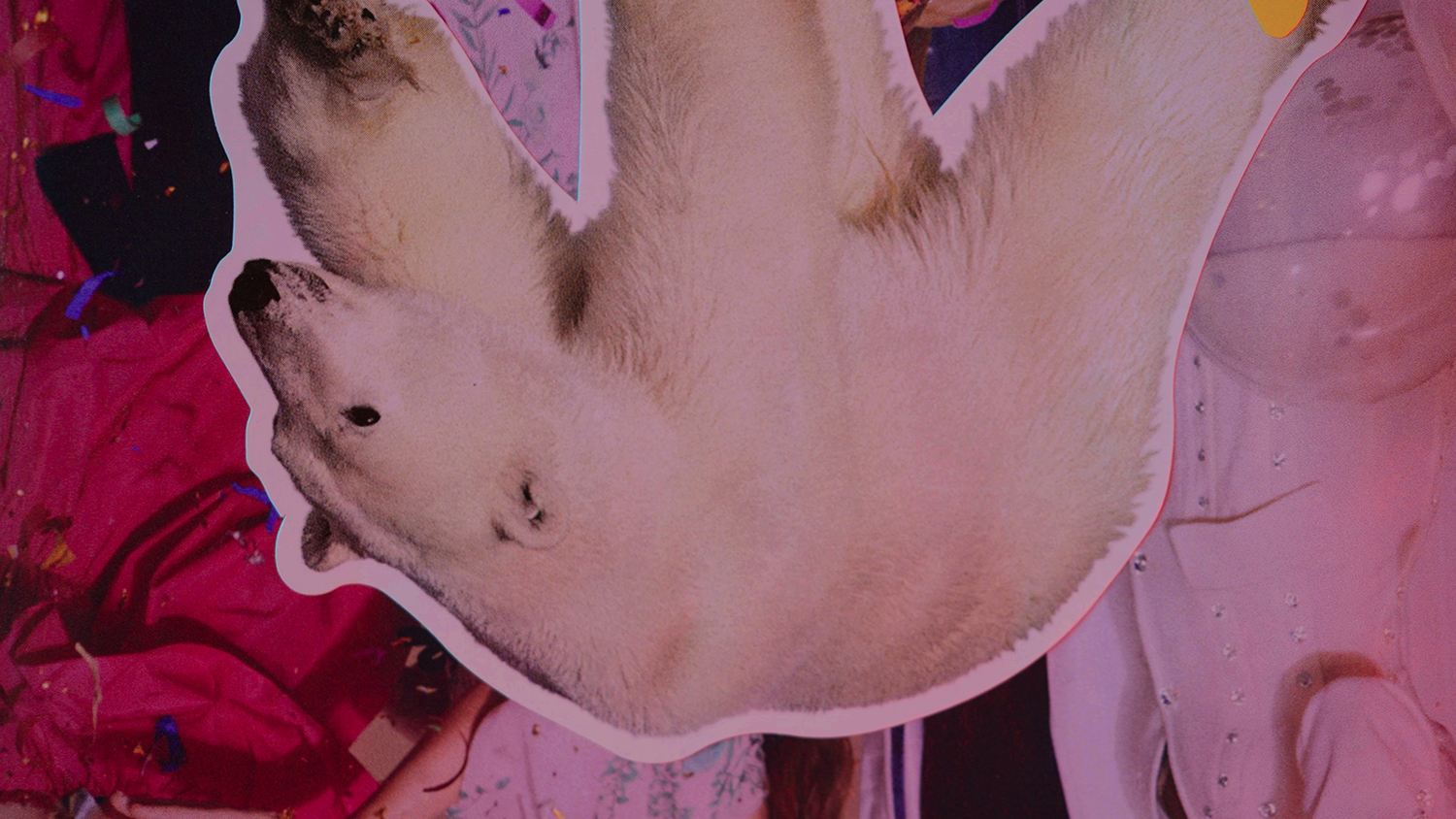
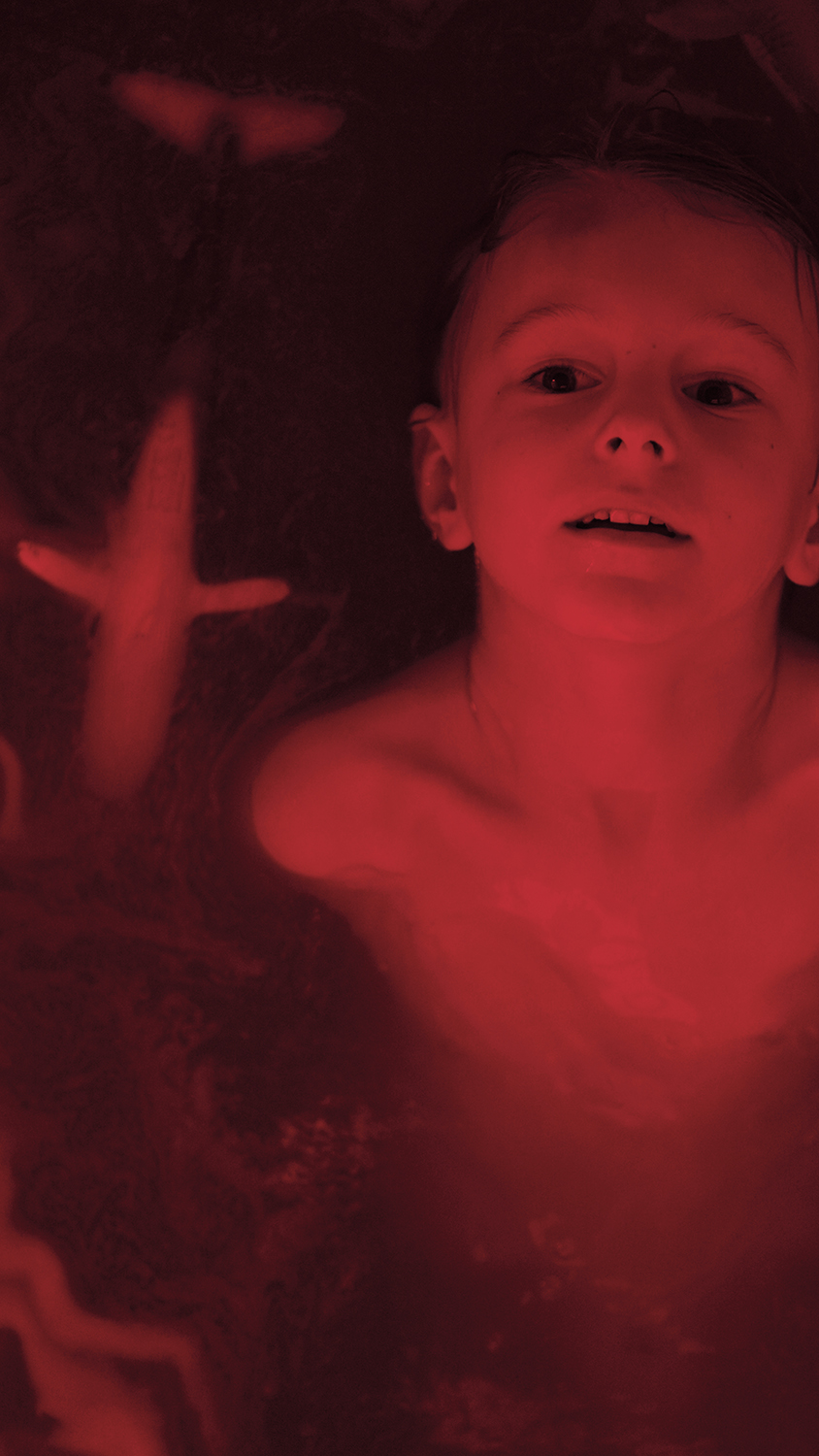
A child clumsily yet carefully places animal stickers in an apocalyptic landscape; a latex-gloved hand holds the body of a baby crocodile firmly as it lifts a finger to caress the reptile’s neck; a group of people stare upward with outstretched arms, holding iPhones to record something in the sky. These vignettes, among others, appear in Camille Henrot’s In The Veins (in progress), a new film project that weaves together individual, political, and biological responses to a world facing the epoch-defining crisis of climate change. The images in Henrot’s film conjure the experience of walking on a tightrope: an effort to provide care or aid (to cross), also must navigate the looming threat of causing harm (not falling). Is the human behind the latex-gloved hands that hold the tiny, prehistoric creature going to succeed in helping the animal? Or is this intervention interrupting its delicate survival? How is a society that has for centuries caused harm to the planet (unknowingly?) going to unlearn these destructive patterns and relearn how to care for it?
“We don’t really have a language to describe the pain of witnessing the death of ecosystems and other species,” reflects Dr. Jennifer Atkinson, a professor of environmental humanities who specializes in the global mental health crisis arising from climate disruption, “Displaced communities, vanishing forests, collapsing glaciers. We don’t live in a culture that openly mourns those kinds of losses, processes their magnitude or personal impact.”[1] A recording of this text by Dr. Atkinson provides a voiceover in Henrot’s film, as the professor introduces the concept of the staggering emotional burden due to climate change’s existential threat (otherwise known as ecological grief or eco-grief), which often leaves people in paralysis.
According to Henrot, “accepting the loss of the world we knew as children, like the loss of our childhood itself, is a necessary developmental step of maturation in the current ecological context. But unlike a simple and definitive expulsion from Eden, we return to a child-like level of learning: the ABCS of zero-waste, the multiplication tables of carbon neutrality, the conjugation of biodiversity protections.”[2] In The Veins gets intimate with what it means to navigate a kind of societal coming of age and the sticky, messy, awkward moments of collective transmutation that we must undergo in order to survive. In her proposal for the piece, Henrot quotes feminist theorist Donna Haraway from her influential book Staying with the Trouble: Making Kin in the Chthulucene: “Unlike inhabitants in many other utopian movements, stories, or literatures in the history of the earth, the Children of Compost knew they could not deceive themselves that they could start from scratch. Precisely the opposite insight moved them; they asked and responded to the question of how to live in the ruins that were still inhabited, with ghosts and with the living too.”[3] Like Haraway’s ‘Children of Compost,’ Henrot knows that our children must contend with the threat of mass extinction from birth.
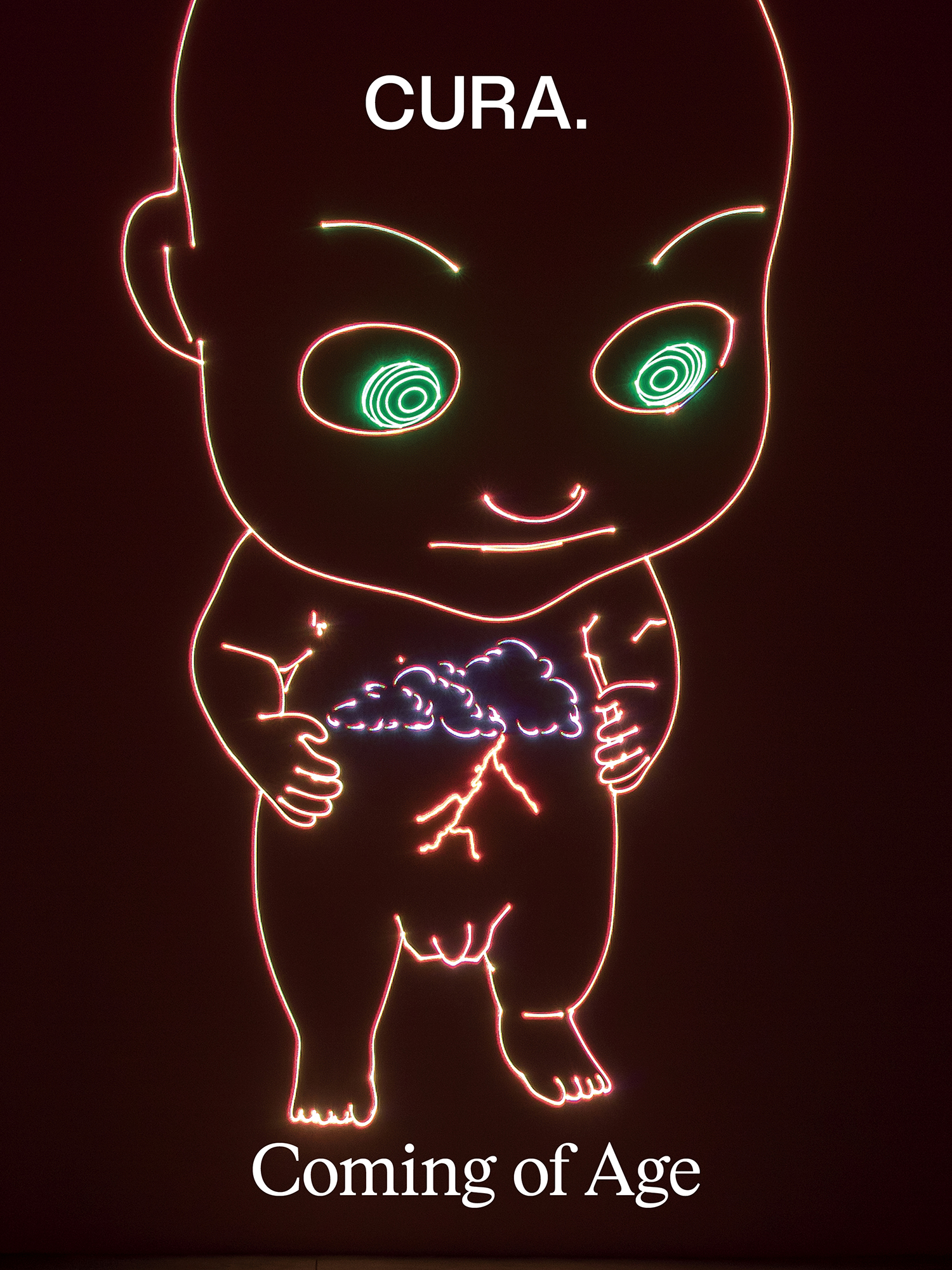
A watercolor by Henrot sums up this predicament quite succinctly. In I Need You (2020), a pregnant figure looks down at its own belly. The being contained within—part tiny human, part growing plant—gazes back at its parent with an angry stare and pointed finger as if to say: “It’s your fault! Do something!” Henrot achieves this powerful, metaphorical message with an economy of hand-drawn line. Here, the reciprocal relationship between parent and child/plant troubles the idea that we are self-contained individuals, disconnected from the rest of the living world. It also reveals an urgent yet fundamental need to change—to revise ingrained notions that we are divided from the Earth, and from each other. In her work, Henrot poses questions of responsibility. What does it mean, for example, to be faced with the reality of ecological collapse on an individual level as well as a societal one? Her works ponder the multiple predicaments of how to adapt as temperatures rise, species die, and systems beg to be revised; and furthermore, how to let go of human desires to control, to own, to preserve, to be fixed, to be immortal.
Henrot’s interest in questioning the very impetus of these human impulses to categorize and systematize the world around us, has been a theme throughout her oeuvre, notably in her breakthrough 2013 video, Grosse Fatigue. This 13-minute piece interweaves origin stories of the universe across cultures in a spoken-word style voiceover by multidisciplinary artist Akwetey Orraca-Tetteh, which Henrot composed with poet and frequent collaborator Jacob Bromberg. Concurrently throughout, and at a dizzying pace, a density of images pop up as browser-style windows on a computer desktop. The video was the culmination of a residency at the Smithsonian Institution in Washington D.C., in which the artist took inspiration from the many objects and specimens held in the collections of the National Museum of Natural History. While working on the video, Henrot perceived “no opposition between myth and science,” however she did identify an opposition between “oral and written culture.” As she has described, “Western written culture has built its way of working on destruction—there is a need to kill things to conserve them, as opposed to a culture that does not set things in stone, but sustains itself orally.”[4] From the vastness of universal creation to the intimacy of a smartphone screen in the palm of a hand, Grosse Fatigue, like many of Henrot’s works, speaks to the futility of unifying or solidifying any system of knowledge.
The artist has recounted that her video was built on a Google search—representing a more contemporary mode of epistemological classification than the Smithsonian’s archive, but perhaps the result of a kindred information thirst (or addiction?). Henrot’s subsequent series of Interphones (2015–17) likewise explore varying forms of dependence—from childlike feelings of powerlessness to individual reliance on smartphones to systemic attachments in societal relationships to governments. Built in varying shapes and pops of pastel colors, Henrot’s interactive Interphones have a seductive quality to them, making them hard to resist touching. They might evoke adult versions of a child’s toy such as a shape sorter, abacus, or bead maze (objects that have also long-fascinated the artist and the subject of numerous bronze sculptures such as Misfits, 2022, or 347/743 (Abacus), 2023).
The conflation between familial hierarchy and technological dependency was the basis for Interphones, which greeted viewers upon entering her 2015 exhibition, Bad Dad, at New York’s Metro Pictures gallery. Those who pick up and listen to the receivers are invited to press buttons as they respond to various prompts. Each ‘phone’ has a different script, also created in collaboration with Bromberg, addressing a wide range of subjects: How to diagnose an abusive father or failed internet connection; how to know if your partner is cheating on you; or how to cope with an aggressive dog. In the banana-yellow, ear-shaped Bad Dad & Beyond (2015), for example, a hotline asks listeners to respond ‘yes’ or ‘no’ to various questions while a small video component scrolls YouTube clips documenting episodes of police brutality. Prompts such as “Does he fear loss of control and freeze up when you have several programs running?” or “Does he make promises and then delete them from his memory?” lead to conclusions such as “Try restarting him. If this doesn’t work, explicitly threaten to abandon him. Goodbye.”
In conflating the languages of technological failure and parental shortcomings, Bad Dad & Beyond gets to the core of a child-like frustration that rises from relationships of powerlessness—whether they come from within our own family structures, from the archaic systems of institutional bureaucracy, or from troubles connecting to WiFi. Following Interphones, in subsequent rooms of the exhibition, a suite of Henrot’s whimsical watercolors was displayed. These included Sad Dad (2015), in which a seemingly exhausted figure of a man with the head of an egret and an incongruously erect penis leads a tiny smiling child along for a walk; and Killing Time (2015), where a suited fellow wearing a bright red watch and glued to a phone consumes an infant while crying.
Years later, one year after giving birth to her first child Iddu, Henrot started the drawing series, Not Clean Yet (2019–20). The series explores multi-faceted concepts of “going clean,” from the relatively insignificant (dealing with a toddler’s mess or quitting smoking) to the globally ambitious (reducing carbon emissions or attempting to reverse environmental devastation caused by corporate greed). Her drawings in this series typically meld the trivial with the consequential: A group of disappointed children gaze down at a man who has just crapped his pants while playing with a toy plane and blocks emblazoned with dollar signs (Who Will Clean Up After Him?, 2020); or a planet burns as one figure covers their eyes and another stares hypnotized at a screen while sipping out of a single-use plastic container (Blinded, 2020). Here Henrot takes direct aim at our patriarchal society’s distorted notions of productivity, and its resistance to hearing the next generation’s urgent calls for remediation and change.
Henrot’s work has long-attested that the patriarchal legacy of the artist as singular genius, or even the illusion that we, as humans, are impenetrable machines, separated from the rest of the world, is increasingly becoming obsolete. In fact, American developmental biologist and historian Scott F. Gilbert noted that “Twenty-first-century biology is fundamentally different from twentieth-century biology. It is a biology of relationships rather than entities. The biology of anatomic individualism that had been the basis of genetics, anatomy, physiology, evolution, developmental biology, and immunology has been shown to be, at best, a weak first approximation of nature.”[5] Recent studies have shown that during pregnancy, cells are exchanged between the mother and fetus via the placenta.[6] After birth, not only does a child carry the cells of its parent, but some of the child’s cells remain in the parent’s body. This cellular invasion is known by biologists as microchimerism (‘chimera’ meaning an organism containing cells from two or more individuals). The term chimera in biology is actually derived from the name of a fire-breathing she-monster in Greek mythology with a lion’s head, a goat’s body, and a serpent’s tail, which also sounds like something out of a drawing by Camille Henrot, whose work characteristically depicts hybrid creatures.[7] Geneticist Diana Bianchi describes the effects of microchimerism as “a permanent connection which contributes to the survival of both individuals.”[8] Perhaps, a society paralyzed by climate grief can learn a thing or two from becoming chimera. As the philosopher and psychoanalyst Julia Kristeva writes, “If pregnancy is the threshold between nature and culture, motherhood is the bridge between the singular and the ethical.”[9]
The title In The Veins was inspired by a quiet moment when Henrot was nursing her child and noticed the veins on his eyelid—those fragile yet powerful tiny venules pumping blood from the heart throughout the circulatory system to keep the body alive.[10] Their shapes also resemble the roots or branches of trees, the tentacles of coral, the fronds of algae—the rhizomatic networks that sustain life and connect all living things. In the trailer for Henrot’s film, a child sings a popular French song for children, “Au Feu Les Pompiers.” These lyrics translate to:
Fire! Firemen, fire!
The house is burning.
Fire! Firemen, fire!
The house burned down.
It’s not me who burned it down,
It’s Mrs. Chef,
It’s not me who burned it down,
It’s Mr. Chef.
The song has resonance with the urgent messages on protest signs such as those Henrot saw at a demonstration in Liverpool organized by the Fridays for Future international youth movement, speaking out against the lack of action on the climate crisis.[11] Their signs read: “If you don’t act like adults, we will,” “System change, not climate change,” and the simple and exasperated “Seriously!” Their exhortations to action express their fervent hopes for ending the inertia of generations of decision-makers who remain paralyzed—whether by eco-grief or patriarchal individualism, or stasis within the familiar, repetitive patterns of the past. As any parent of a toddler knows, metamorphosis is a messy business—whether it be potty training or collective transformation. Change implies persistent attention. As Henrot has justly concluded, “Facing loss, accepting self-discipline, resigning some joys and prioritizing common sense over improvised wants and desires, is then, in some sense, similar to coming of age.”[12]
1
Dr. Jennifer Atkinson on “Facing It: Climate Grief and Eco Anxiety in the Age of Crisis” podcast; Episode 1: Facing Down Climate Grief.
2
Camille Henrot, Milkyways (Berlin: Hatje Cantz, 2023), 116.
3
Donna Haraway, Staying with the Trouble: Making Kin in the Chthulucene (Durham and London: Duke University Press, 2016), 138.
4
Camille Henrot interview produced by Collectif Combo / Kamel Mennour, directed by Erwann Lameignère. Link
5
Scott F. Gilbert, “Rethinking Parts and Wholes,” in S.B. Gissis, E. Lamm, and A. Shavit, Landscapes of Collectivity in the Life Sciences (Cambridge, MIT Press, 2018), 123–132.
6
Carl Zimmer, “A Pregnancy Souvenir: Cells That Are Not Your Own,” New York Times, September 10, 2015, D3.
7
Robert Graves, The Greek Myths: The Complete and Definitive Edition (London: Penguin Books, 2017), 11.
8
Diana Bianchi et al., “Male fetal progenitor cells persist in maternal blood for as long as 27 years postpartum,” Proc. Natl. Acad. Sci. USA 93 (2), 1996: 705–708.
9
Julia Kristeva, “A New Type of Intellectual: The Dissident” (1977), in Toril Moi (ed.) The Kristeva Reader (New York: Columbia University Press, 1986), 297.
10
Camille Henrot in conversation with the author, July 15, 2024.
11
https://fridaysforfuture.org; Henrot’s experience at the protest is detailed in Milkyways, 115.
12
Camille Henrot, “Not Clean Yet,” in The Plant, Issue 15, 132.
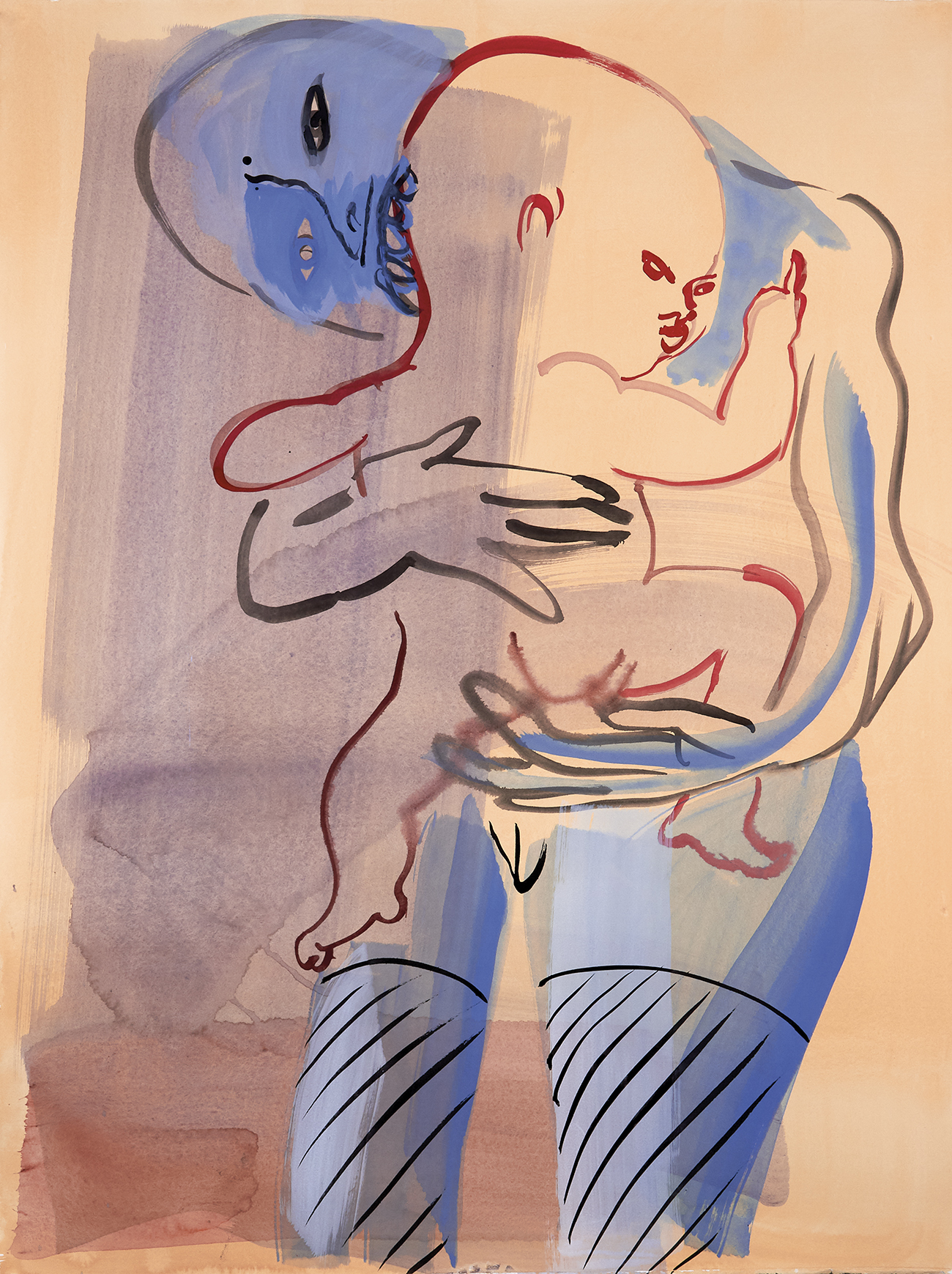
Mother Tongue, 2019
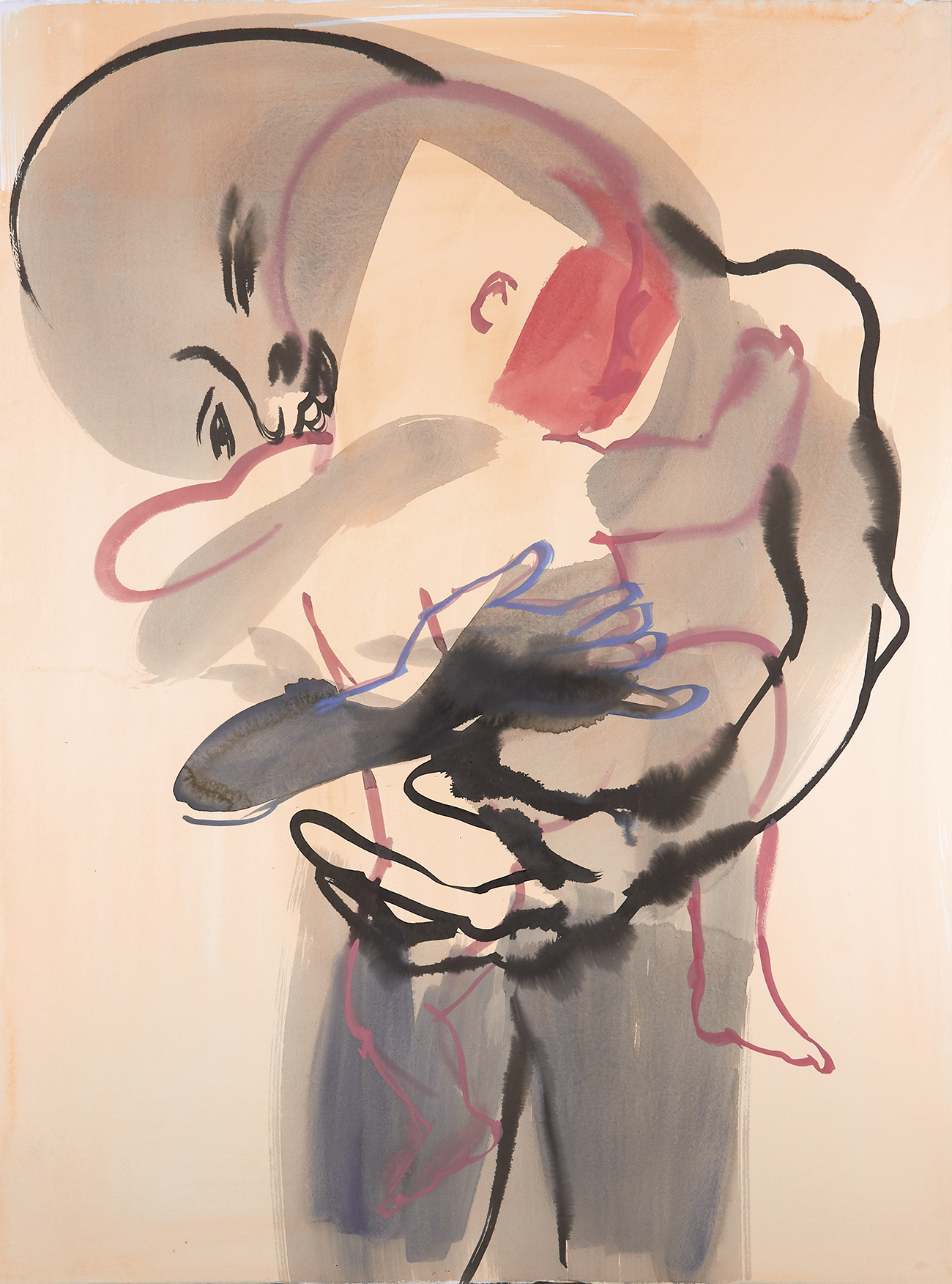
Mother Tongue, 2019
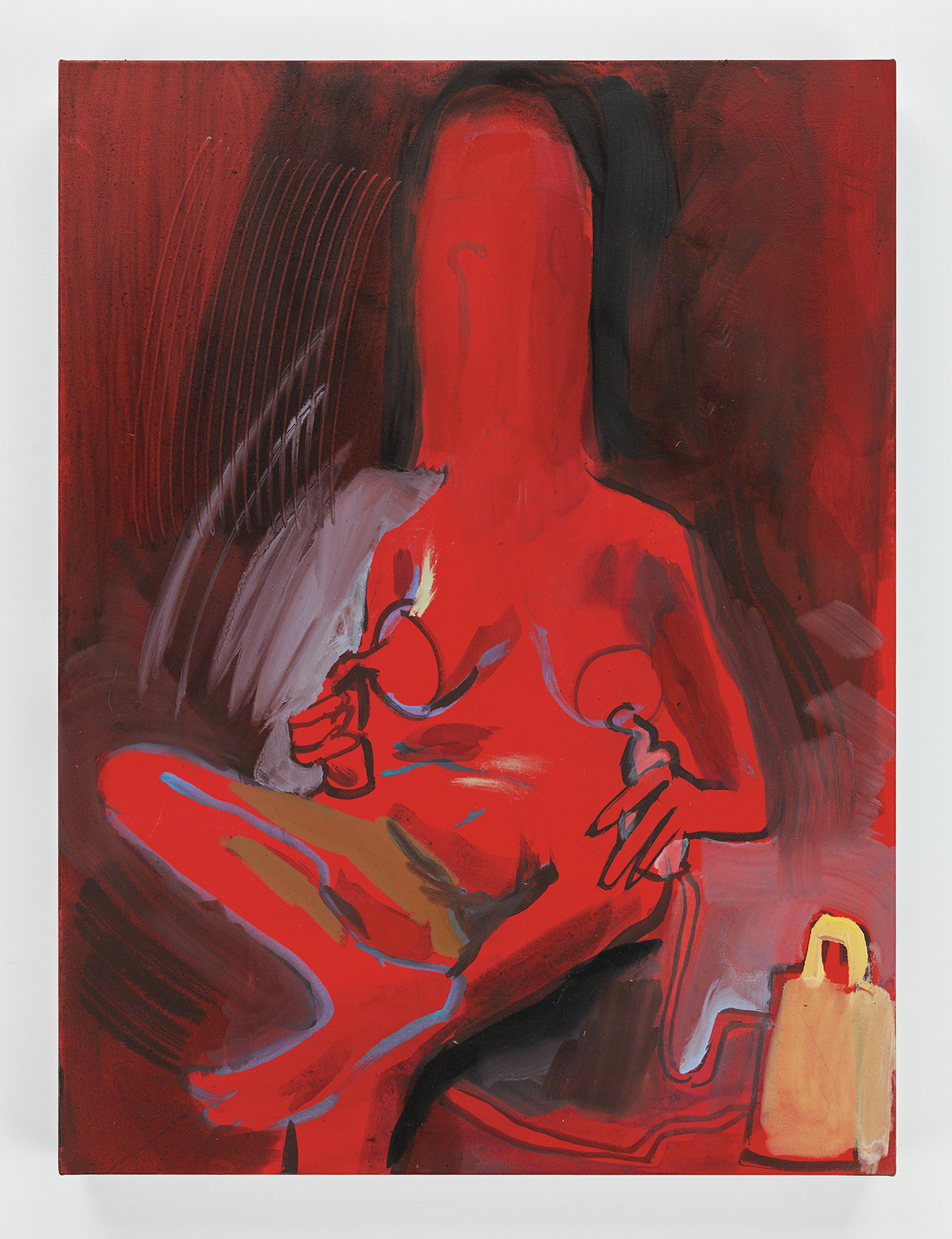
Wet Job, 2020
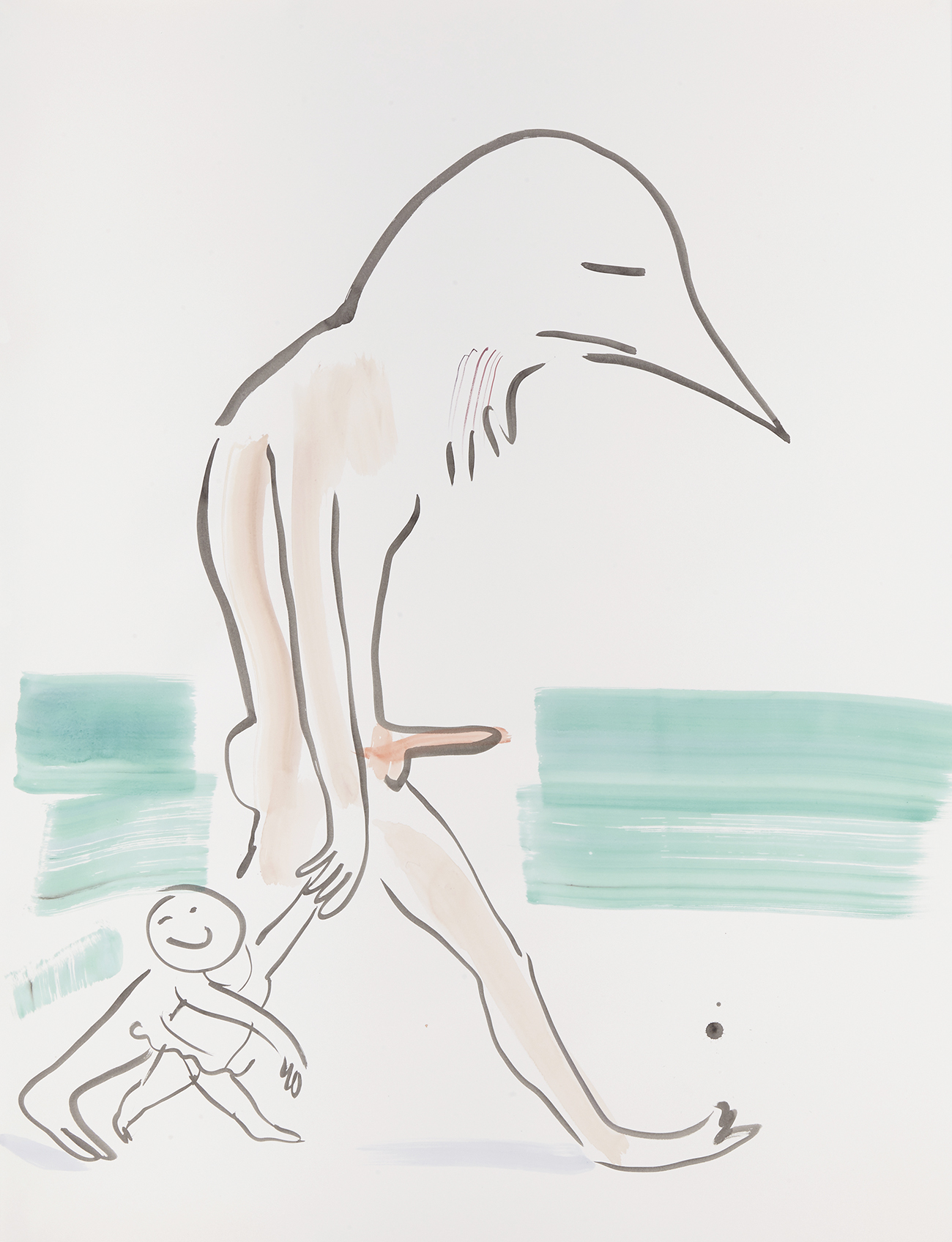
Sad Dad, 2015
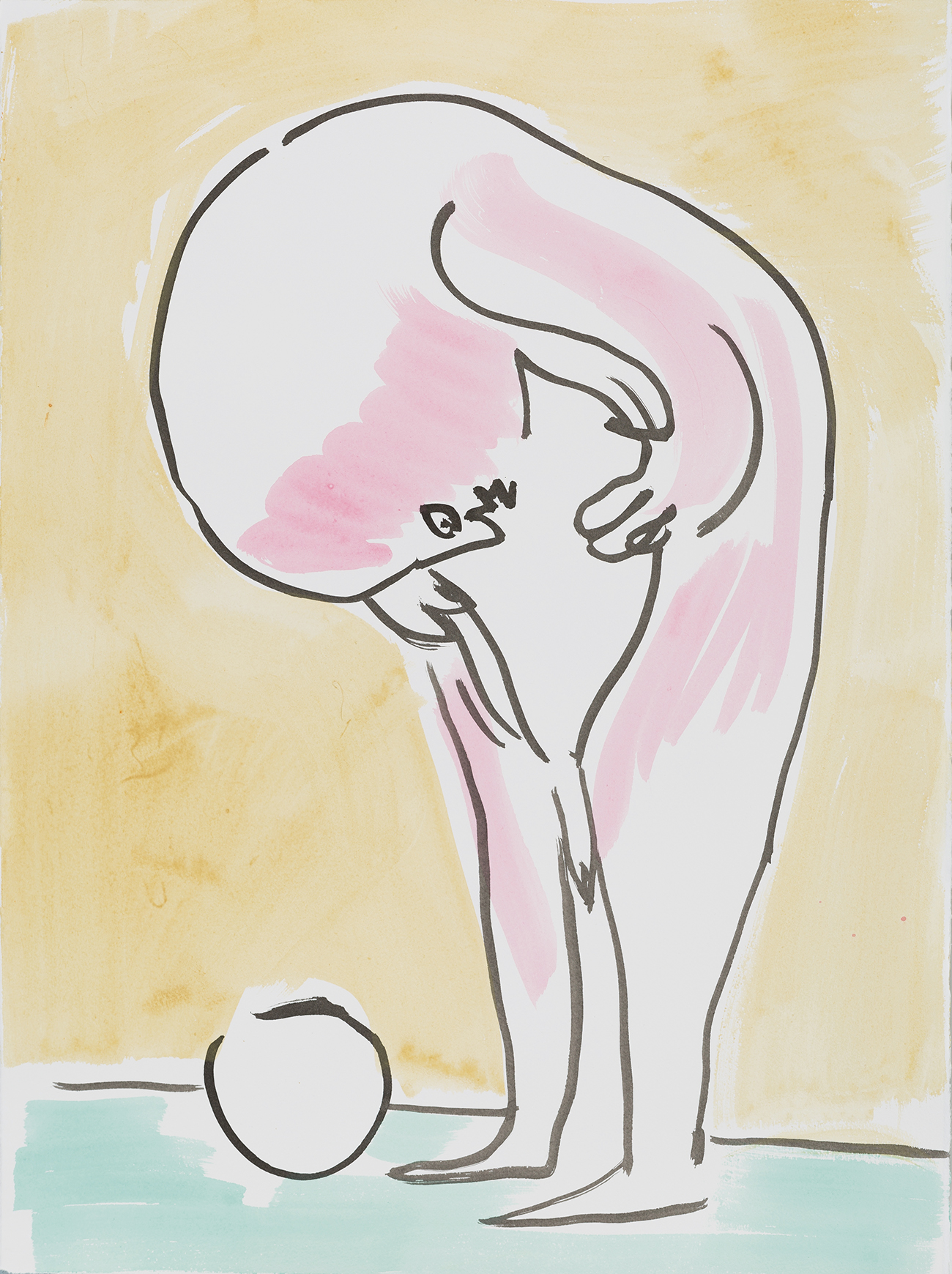
The Inverted Narcissist, 2017
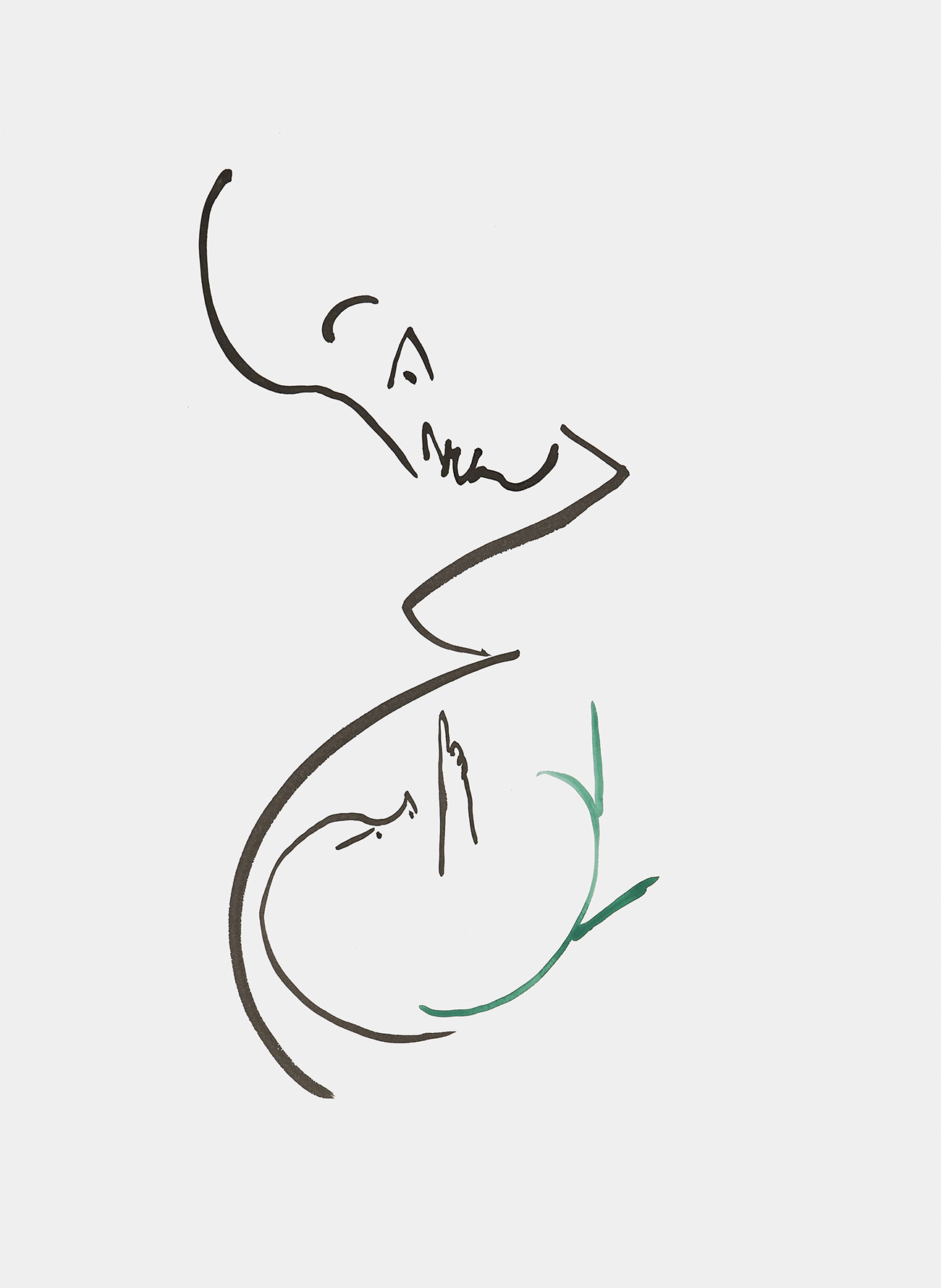
I Need You, 2020
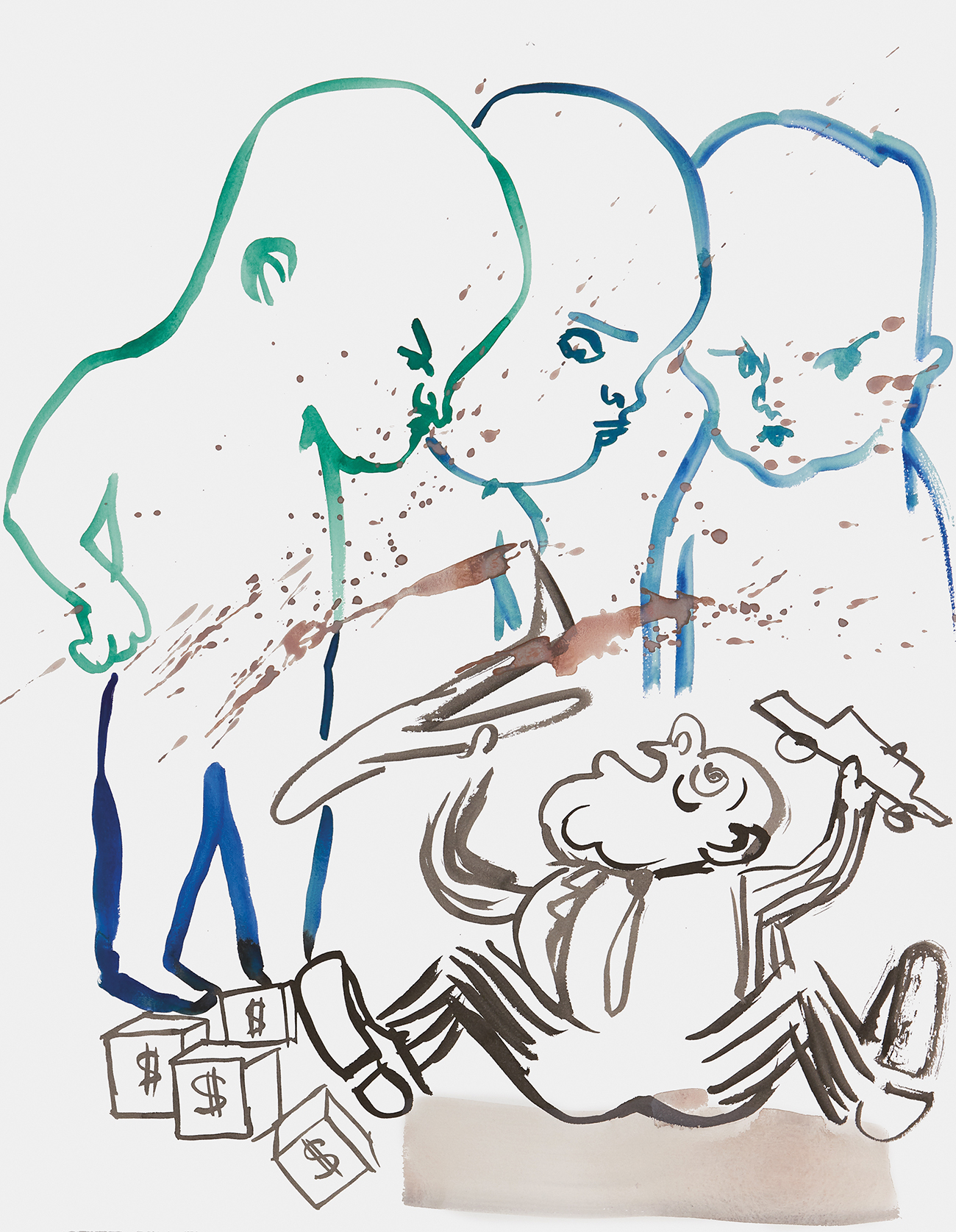
Who Will Clean Up After Him?, 2020
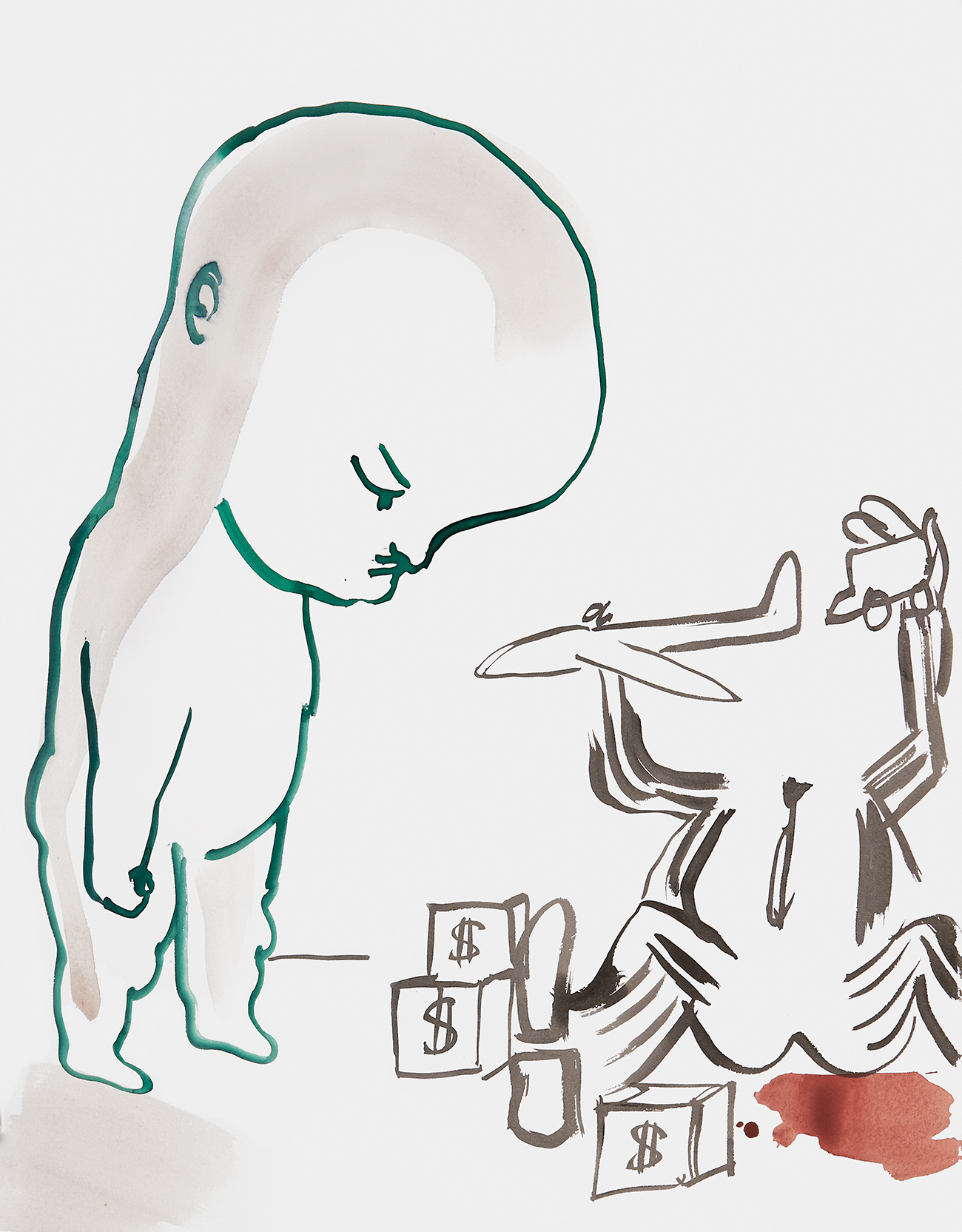
Who Will Clean Up After Him?, 2020
IN CONVERSATION
Laura McLean-Ferris and Camille Henrot
I would like to start with a literary point of connection for us, Fleur Jaeggy’s novel Sweet Days of Discipline, which is also a coming-of-age story. After I wrote about the novel for Bookforum, you commented that it was the next book on your reading list. The book has a sharp, icy tone, offered by a narrator who has been raised in an archaic Swiss boarding school. There, the pupils learn feminine subservience and forms of discipline which turn into something rotten, strange, and deathly, inside them. I am curious about your connection to the book, which you later titled your exhibition after at Lokremise St. Gallen. The exhibition includes a number of works that engage with issues connected to motherhood and caregiving.
I recall you mentioned this book to me early in our friendship, and when I saw your review, I had already placed an order for it. The narrator’s boarding school is located in St. Gallen, and I was working on my exhibition at Lokremise at the time. It was about the labor of care, and more specifically the concept of delegated care (dog walkers, nannies, the educational setting, etc.) as a mechanism to investigate society’s inability to reckon with the debt we owe to caregivers. I thought that investigating delegated care would be a way to speak about the role of the mother more peripherally, because in truth, the archetype of the ‘mother and child’ is so strong that it can never suggest anything other than itself. Jaeggy’s book has no direct connection with motherhood and the mother is rarely mentioned. But when something or someone is notably absent, the storyline takes on the shape of that absence—especially a figure like the mother in a coming-of-age story. Marguerite Duras and Adrienne Rich said that it’s not the mother who is the monster, it’s the institution of motherhood. The girls at the school are navigating the expectations of a patriarchal society—submission, becoming wives and mothers, a focus on physical appearance and pleasantness, etc. The whole story can be summarized by how the narrator comes to reject this ‘institution’ that was defined for her. I myself attended a religious girls’ school, where I was extremely unhappy and isolated during those years. The rare friendships with other girls at that age took on the intensity characteristic of romantic connections.
I like this reading of the book, through the lens of these two institutions: there is the mad and strange institution of the boarding school that is a tool of patriarchal culture and the absent institution of motherhood. Fathers dominate the narrative, and there is a vacuum in the book where mothers might be. Jacqueline Rose writes about conservative rhetoric and its attempts to distance itself from any form of neediness: from the poor, asylum seekers, and refugees. In her view this involves a repression of any memory of dependency: a claim towards “iron-clad self-sufficiency,” that is denial of one’s own infanthood, and thus a denial of the debt that we owe to caregivers.
Yes, you’re putting words to thoughts I’ve been having since my show Days are Dogs at Palais de Tokyo in 2017, which was all about dependency. This idea of a “repression of any memory of dependency” is powerful. There’s a strong instinct to look away from scenes of vulnerability and neediness as a subconscious reaction to the guilt and powerlessness we feel. There were several bodies of work connected to these themes in Sweet Days of Discipline. One was a series of sculptures of dogs. Some of my paintings also include references to dynamics of dependency, incorporating collaged elements from my parental consent forms from my children’s school. Another work brings together the residues of half-finished acts of care that lay on your table at the end of the day: the dog leash, the child’s medication, the school forms.
There is such a fine line between issues of care and control present in the relationship between parent and child, but that can also be applied across socio-political issues. How are we responsible to each other? Who should be taking care of whom? How did you think through these issues in the work that you made?
A few years ago, I started a series called System of Attachment, which explores the concept of dependency but more explicitly between mother and child. When I started to work on this series, I realized how difficult it was to address the topic of care through the lens of motherhood. People think that women taking care of children is the most natural thing, so it’s very difficult to move beyond the basic tropes. What about the internal life of the child or the mother? How do you identify the mother as a mother, without the presence of the child in the frame? I started to work on drawings and paintings of women breast pumping on their own, as a character by herself—like in the series Wet Job and the bronze sculptures Mon Corps de Femme and Story of Substitute. Those works provoked some intense, aggressive reactions, which were quite interesting actually.
The breast pump is such a great motif in the Wet Job paintings, so culturally linked to the figure of the ‘working’ mother, who is a specific kind of archetype even though most mothers have to be ‘working’ mothers. It makes me think of a line in Leslie Jamison’s recent memoir Splinters (2024) about washing her breast pump parts in the bathrooms of the college where she was teaching and creating a line of students behind her, late for class, who would then have to wash their hands over the pump parts: “This was hardly professional,” she writes, “but there wasn’t a clear alternative in sight.”
Someone commented online about the Wet Job paintings that the portrayal of the mother alone breast pumping came from some kind of need for attention; that the mother is jealous of the attention that children are getting. This resistance or disgust for the mother on her own comes from an issue we have with gratefulness and paying back the debt of the mother. We don’t want to see her alone; we don’t want to witness her sacrifice. It’s embarrassing to have debt, therefore discarding the labor of mothers as a distinct entity is a way to get rid of that feeling. As long as the mother is represented with the child, she is paid back with the softness of the flesh of the child. The topic of caregiving is so isolated, and largely disconnected from philosophy and intellectual discourse. The topic is not a cosmology of associations, more like an island. People think they know that island pretty well already, that it’s been explored and experienced, and therefore they’re not willing to explore further. In order to create another bridge towards the topic, I thought it would be interesting to talk about delegated care; that this would perhaps be the only serious way to address it.
You approached this topic directly in a work made on reflective fabric called Working Hours (2023), which displays the administration of delegated care. The image is a digital collage of illustrations, photographs and different physical traces of dependency: administrative contracts, invoices, hours worked by a nanny, etc. The print has a shifting visibility, which is affected by the light and viewing position, created by the technique of engraving and the nature of the fabric.
The fabric is soft and flexible but it has an aesthetic semblance to metal, and the design is engraved using a laser. I like to deconstruct ideas of soft vs. hard, light vs. heavy with the choice of materials in my works in order to complexify their nature and subject matter. The minute you start to think about the work of the nanny, or try to document their work, or interview them, the politics of class, colonial history, and racial and economic disparity comes along with it. There’s a really interesting book called L’œdipe Noir. Des nourrices et des mères (2014) by Rita Laura Segato about Black nannies and wet nurses. This book is also about the taboo of nannies in general. People want them out of the picture; they want the help without the body. The nanny replaces the mother, so whatever expectations the mother bears, the nanny inherits with even less regard. Jessika Auerbach wrote about this in And Nanny Makes Three: Mothers and Nannies Tell the Truth about Work, Love, Money, and Each Other (2007). My child depends on me, but who am I dependent on? I’m dependent of course on my child’s father, but our individual autonomy also depends on the nanny’s availability. This is still a major blind spot of so many institutions and in discourses on the topic. In corporate language, we hear that ‘soft labor’ or ‘soft skills’ are related to care work, emotional intelligence, and interpersonal communication skills, whereas ‘hard labor’ involves more tangible results like construction, for example. These terms are very gendered, but they’re also inaccurate. There’s nothing particularly ‘soft’ about having to carry a stroller and a child up and down a flight of stairs in a subway station with no elevator. The care of small children is physically demanding. There’s something about the weight placed on the body of the caregiver that no one really acknowledges. I was interested in representing this idea of soft labor with hard and heavy materials like bronze—used for centuries to make weapons and monuments—because it contrasts so much with the idea of the comforting, soft and fleshy body that people project on the nanny. One of the works in Sweet Days of Discipline is called Maternelle (2023), a larger-than-life bronze sculpture of a body marked by age and gravity, with her feet rooted into the ground. I was thinking about the immobility that comes with caring for small children; constantly having to be close to the child, not being able to go too far away from them, and movements slowed down to adjust to their pace. I had in mind the sculptures of Germaine Richier. Another sculpture, My Nanny (2023), portrays the nanny as a kind of powerful superhero in the eyes of the child. She has curvy, Tex Avery-style legs that also recall a Baroque decorated knife. Her arms are stretching really far, like a retractable dog leash. She is like a Swiss army knife, shifting easily from one task to another.
There is a surreal humor to some of your recent sculptures that I associate more with your paintings and drawings. Iron Deficiency, for example, or the work with the children’s shape sorter where the shape has been rammed into the wrong hole. This reminds me a little of the Mike Kelley birdhouse sculpture with two entrances, a tiny, well used entrance labeled “hard road” and a seemingly less used, large entrance labeled “easy road.” How has your sculptural practice developed over the past few years?
Children understand things through touch and by putting them in their mouths. I believe that as adults too, a lot of our attachment to specific objects comes from our earlier preverbal stages of development. Digging into this was a very fertile ground for me. Because of sculpture’s tactility, it appeals to the child in us and the relationship we have to sculpture bears a resemblance to the relationship we have with the mother’s body. Any caregiver of small children can attest to the fact that your body turns into an object for the child. You become a tree that casts a shadow from the sun, shelter from the rain, a vehicle to get from one place to another, a bed. Children’s toys also became a source of interest. Misfits (2022) was developed from one of these developmental tools—the shape sorter. The new series of works that I’m developing for my exhibition at Hauser & Wirth is called Abacus and they are large elliptical bronze and stainless-steel works based on calculating tools and children’s developmental toys. All of them are a little bit broken, malfunctioning, or in motion. 37/73 (Abacus) looks like a hobby horse bending down or like some sort of optical illusion, while 347/743 (Abacus) seems blown off its center by the wind. That reference to Mike Kelley is perfectly on point. I am often more attracted to the hard road than the easy road. For me, this work is about the desire to constantly challenge the obvious and use objects and things in a counterintuitive way—against the grain, against common sense, and against the material world. This counterfactual spirit is something that children and artists share.
Kelley hovers over a bit of the material we have discussed here: the toys, the counterfactuals…I’m now imagining an Educational Complex-style sculpture of the boarding school from Sweet Days of Discipline. But you both also connect over the issue of shame—there is a desire to go right into these uncomfortable areas and explore them, albeit through very different strategies and styles. Motherhood and caregiving are a rich area for these feelings, as often the roles that one must play seem incommensurable with one another. I think this comes through a lot in your paintings.
This is really interesting territory we’re getting into. I saw something recently about the difference between guilt and shame. The idea was that guilt doesn’t bring anything positive, whereas shame does. I wasn’t immediately in agreement, but because I disagreed, it stayed with me all weekend. With your question, I’m starting to understand why shame can be a good emotion to work with. I think that guilt has to be evacuated, whereas shame is something we can live with to a certain extent. The feeling of shame is maybe acceptable because it’s in the same geography as modesty. Shame also places you outside of the norm. The art of making objects and crafting things requires an ability to sit with discomfort and unpredictability, not being right all the time, and accepting that you’re outside of the mainstream. Being rejected in your childhood is good training for that. Naturally, you know what it feels like to not belong, to be the last selected for the football team, to hide in a school bathroom during lunch hour—so as an adult, it may not be all that scary to make an object that looks weird and ugly to 95% of the population. There can be a kind of boldness that comes from having experienced shame. It’s counterintuitive to say that, but the experience of shame can result in total rejection of conformity, normalcy and comfort. It’s interesting that those words sound the same: comfort and conform. You don’t want to be a comfortable conformist as an artist.
Camille Henrot
Text by Margot Norton
In conversation with Laura Mclean-Ferris
CURA. 43
Coming Of Age
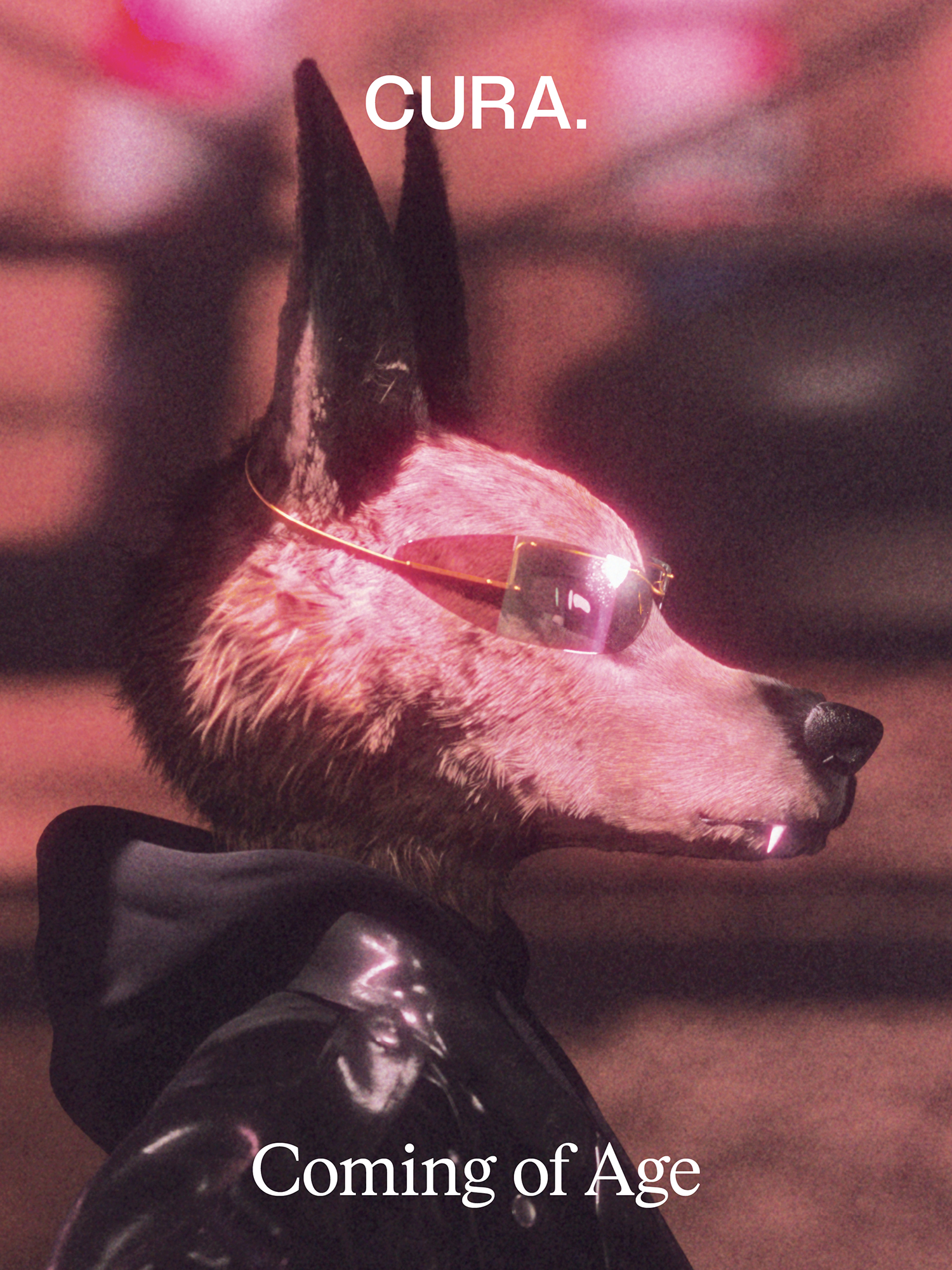
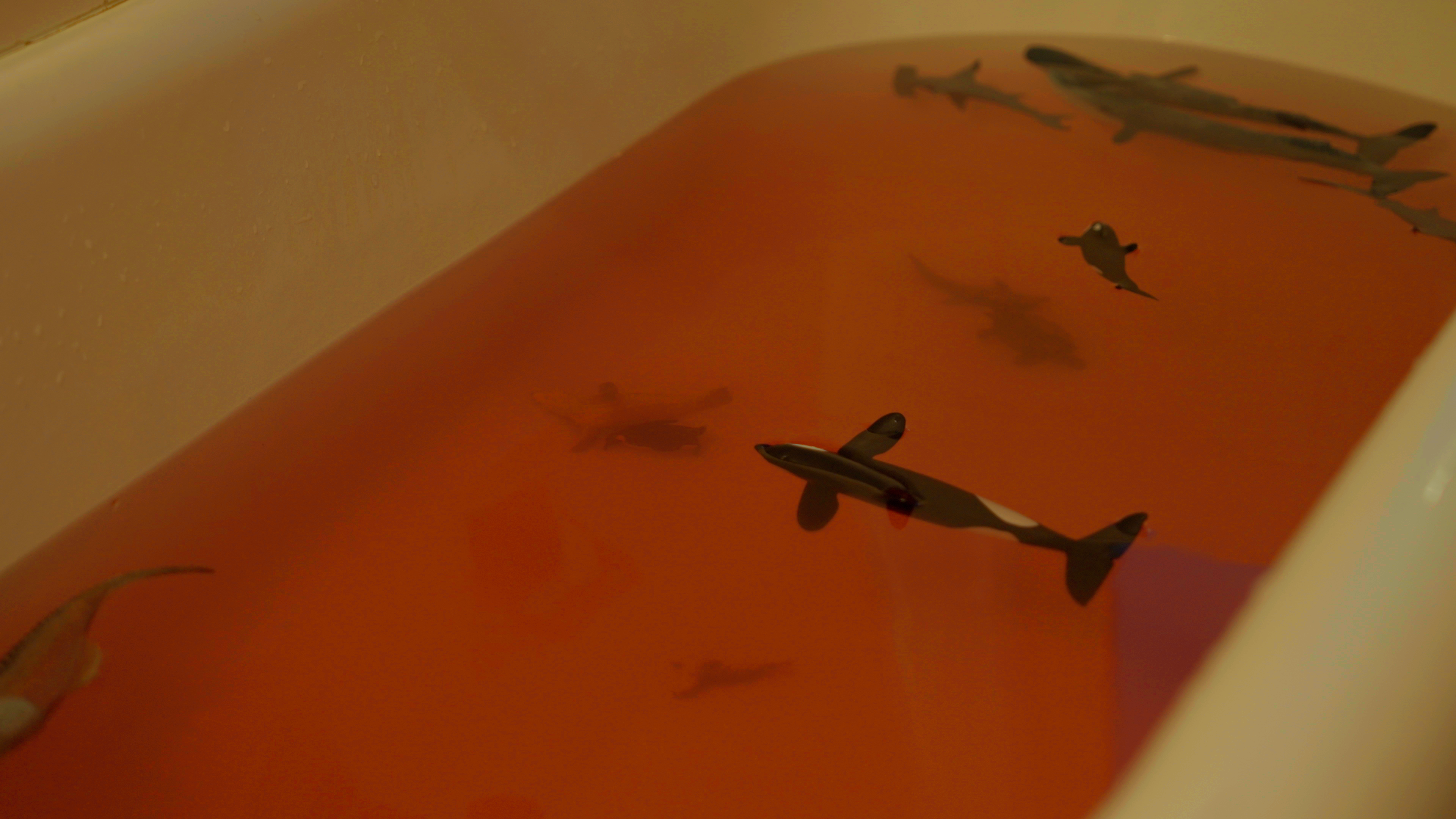
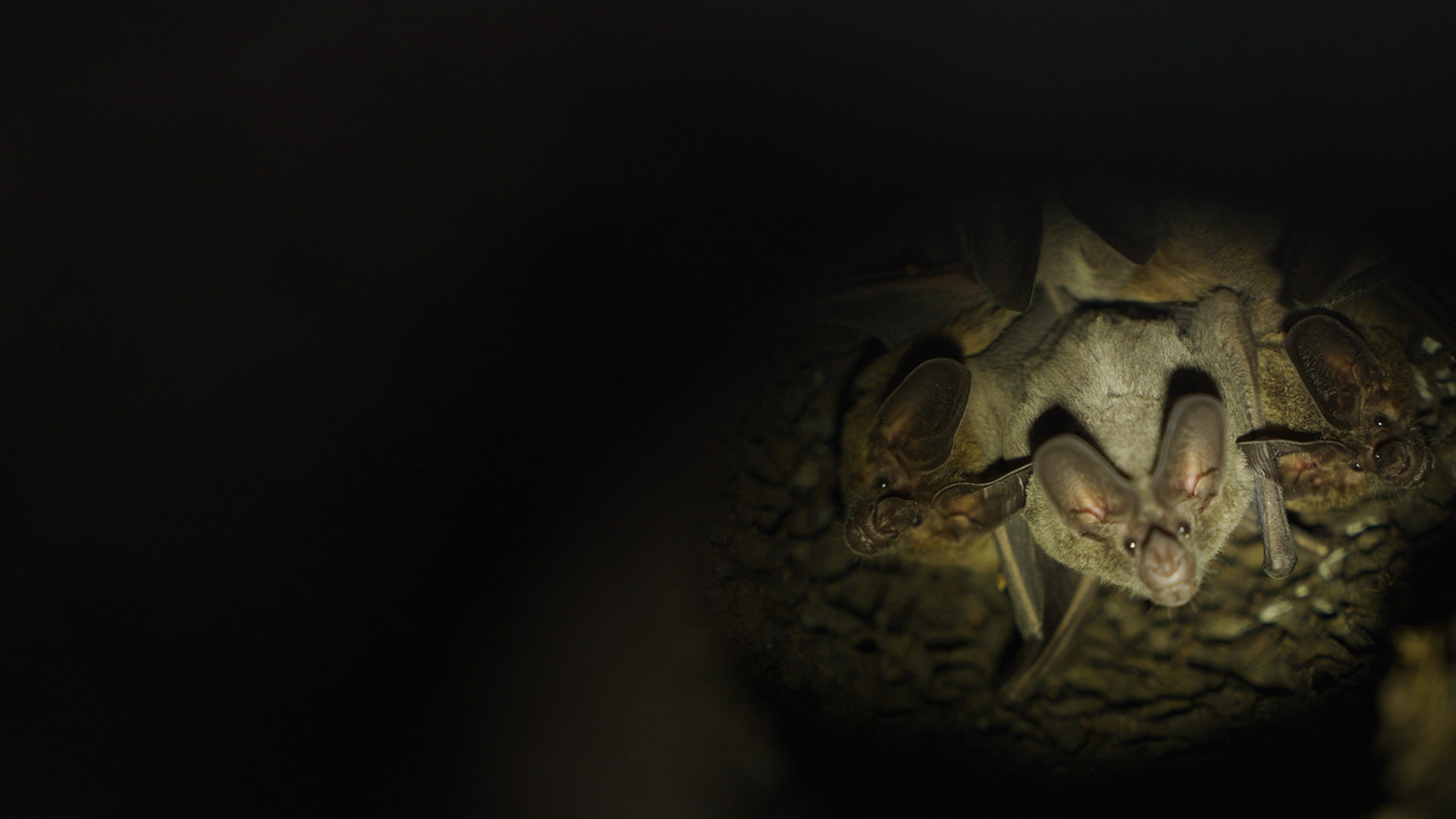
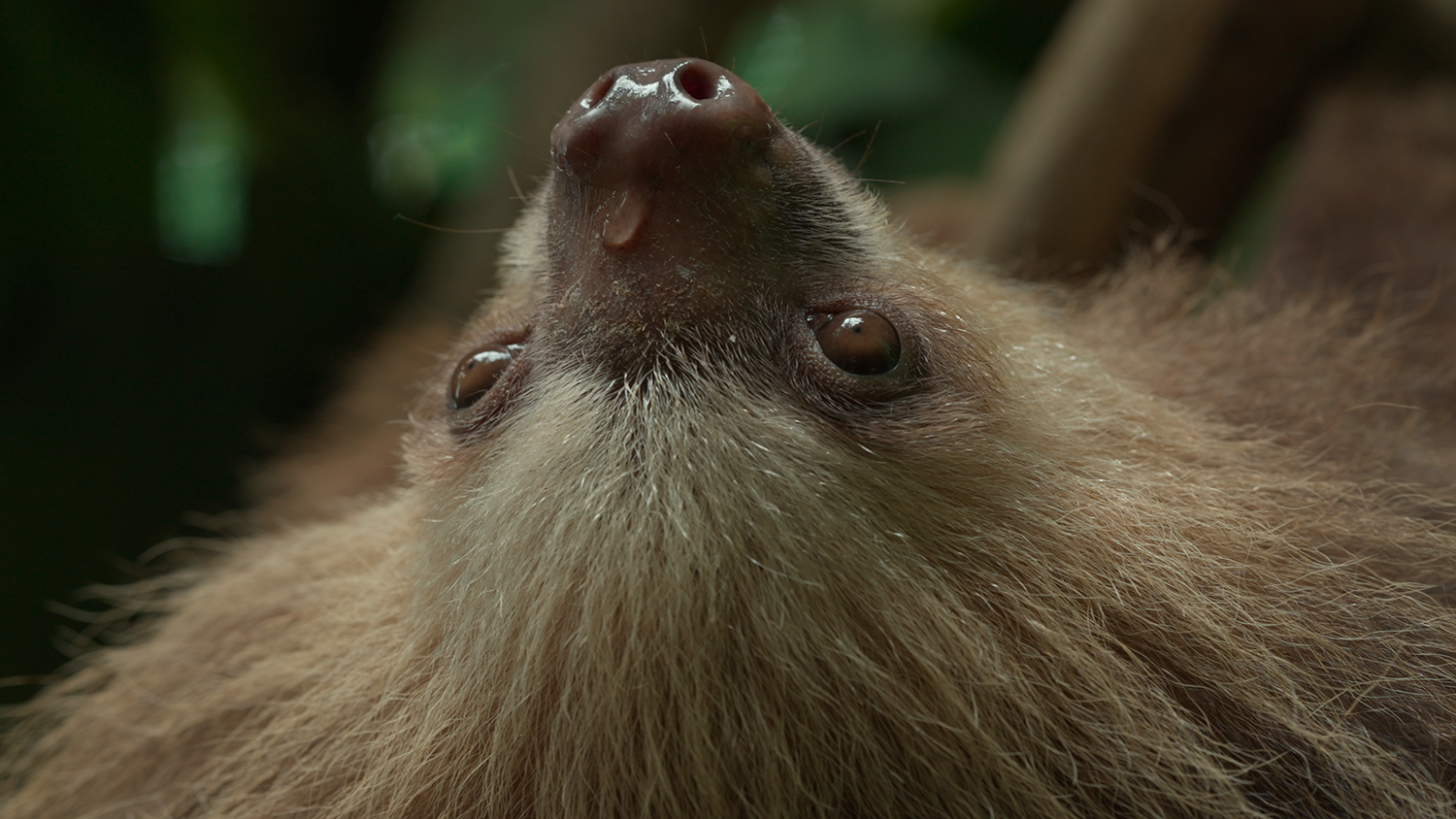
Stills: In The Veins
All Images © ADAGP Camille Henrot
Courtesy: the artist, Mennour (Paris) and Hauser & Wirth
CAMILLE HENROT (b. 1978, France) is recognized as one of the most influential voices in contemporary art today. Awarded the Silver Lion at the 55th Venice Biennale in 2013 with her film Grosse Fatigue, she has had numerous solo exhibitions worldwide, including: New Museum, New York; Schinkel Pavilion, Berlin; New Orleans Museum of Art; Fondazione Memmo, Rome; Tokyo Opera City Art Gallery; National Gallery of Victoria, Melbourne, among others. Recent solo exhibitions include: Middelheim Museum (2022); Munch Museum (2022); Lokremise St. Gallen (2023); and Fondazione ICA Milano (2023).
MARGOT NORTON is Chief Curator at the Berkeley Art Museum and Pacific Film Archive (BAMPFA), which she joined in 2023, and where she recently curated the exhibitions To Exalt the Ephemeral: The (Im)permanent Collection and Gabriel Chaile: No hay nada que destruya el corazón como la pobreza. She was previously Allen and Lola Goldring Senior Curator at the New Museum, where she recently curated exhibitions with Wangechi Mutu, Pepón Osorio, Bárbara Wagner and Benjamin de Burca, and the 2021 New Museum Triennial: Soft Water Hard Stone.
LAURA MCLEAN-FERRIS is a New York born writer and curator. Her work has appeared in 4Columns, Artforum, ArtReview, Bookforum, frieze, Flash Art International, and other publications. Formerly she was Chief Curator at Swiss Institute, New York, where she organized numerous exhibitions and projects with artists such as Olga Balema, Aria Dean, Irena Haiduk, Nancy Lupo, Sandra Mujinga, Jill Mulleady, Shahryar Nashat, Cally Spooner, and Studio for Propositional Cinema. She was the recipient of a 2015 Creative Capital | Andy Warhol Foundation Arts Writers Grant, and in 2024 she undertook the Kunstverein München Writers Residency.