Hoël Duret, Marta Dyachenko, Lena Henke, Ben Saint Maxent, Wie-yi T. Lauw, Sophie T. Lvoff
Passerelle Centre for Contemporary Art, Brest
October 17, 2025 — January 3, 2026
Press Release
“An ocean must be a story pieced together from many sources and containing whole chapters the details of which we can only imagine,” wrote Rachel Carson in The Sea Around Us (1951), translated into French as Cette mer qui nous entoure. In her book, this American biologist combined science and poetry to describe the abundant life of the various levels of the ocean, from the icy darkness of the depths to the power of the tides and currents. She also reminded us that the ocean’s origin, two billion years ago, was not witnessed by any human being, yet is nevertheless the source of our own existence. To Carson, the sea is both a process far beyond the human scale and a place deeply entwined with our imagination.

Sophie T. Lvoff

Lena Henke
The exhibition Cette mer qui nous entoure is set in this divide, between invisibility and imagination, between the immensity of natural phenomena and the fragility of our human gaze. First shown at the Kunstverein Friedrichshafen, in Germany, in February 2025, with the title It Must Be a Story Pieced Together from Many Sources, the project is embarking on a second chapter in Brest. Moving from the shores of Lake Constance to the Atlantic coast provides not simply a change of geographical location, but also a change of scale and resonance. Two port cities therefore become spokespersons, asking the question of what happens when works travel and are re-presented in a different context.
The exhibition explores dialogue and transformation: how do works evolve when they are placed in new environments? What do they become when they are designed as open processes, capable of growing, changing and reinventing themselves? Water is here both a subject and a method: a means of transportation and a provider of links, but also a source of instability, erosion and change.
In Brest, the exhibition expands and deepens. The artists who came together in Friedrichshafen continue their research and produce new versions of their works, sometimes specific to the site. Two artists based in Germany, Wie-yi T. Lauw and Lena Henke, join the project, which remains intentionally open and in flux. The offerings gathered in Passerelle form a whole that includes fictional tales, personal memory, collective stories and observations on the fragilities of our time.

Marta Dyachenko

Wie-yi T. Lauw
For several years Hoël Duret (1988, Nantes) has been inventing maritime tales coloured by science fiction and the absurd: imaginary voyages, jellyfish travelling through undersea cables or pseudo-documentaries on fictional flotillas.
In Brest, he presents screen-sculptures in which jellyfish become symbols of globalised capitalism and of the ecological upheavals related to maritime transport.
Marta Dyachenko (1990, Kyiv) focusses on port infrastructure, slipways, seawalls and floating systems that range from construction to ruin. Her works Schiffbarmachung highlight their corrosion and emphasise our fragile dependence on unstable technical and social structures.
Lena Henke (1982, Warburg) investigates the relationship between bodies, city planning and power. Her sculptures play with scale and matter, questioning how space is organised and controlled, especially from a female perspective. Wie-yi T. Lauw (1983, Vienna) is developing the use of personal and collective stories related to migration, colonial heritage and shared mythologies. Her textile and archival installations weave together letters, family stories and maritime tales from around the world, recalling that the sea is crossed by stories of domination as much as by stories of resistance.
Sophie T. Lvoff (1986, New York) in Dream Code undertakes photographic research to create a visual language from signs and fragments, like a Morse code made up of partially hidden images and texts. Her photographs resemble messages in bottles, coded notes, personal stories and fleeting details tracing invisible routes between places and stories.
Lastly, Ben Saint-Maxent (1989, Saint-Germain-en-Laye) bases his practice on the transformation processes of the natural world. Here he enhances his research with personal recollections: the scent of pine resin, saw blades inherited from his family of craftspeople, or large demijohns containing endangered plants, collected at the National Botanical Conservatory of Brest. His installations reflect a conversation between personal memory, familiar objects and natural forces.

Hoël Duret

Ben Saint Maxent
Just like the sea it is exploring, the exhibition is made up of various different strata and is in motion and resistant to any ending. The artists’ practices flow past each other and re-form like interacting currents. ‛The Sea Around Us’ evokes not only geographical proximity, but also the state of being immersed in relationships that we cannot fully map, in stories that always remain partial and fragmented. Between Lake Constance and the Atlantic, the exhibition swells like a constantly-expanding story, just like the sea itself, unfinished, ceaselessly starting again.
Cette Mer qui nous entoure
Hoël Duret, Marta Dyachenko, Lena Henke, Ben Saint Maxent, Wie-yi T. Lauw, Sophie T. Lvoff
Passerelle Centre for Contemporary Art, Brest
October 17, 2025 — January 3, 2026
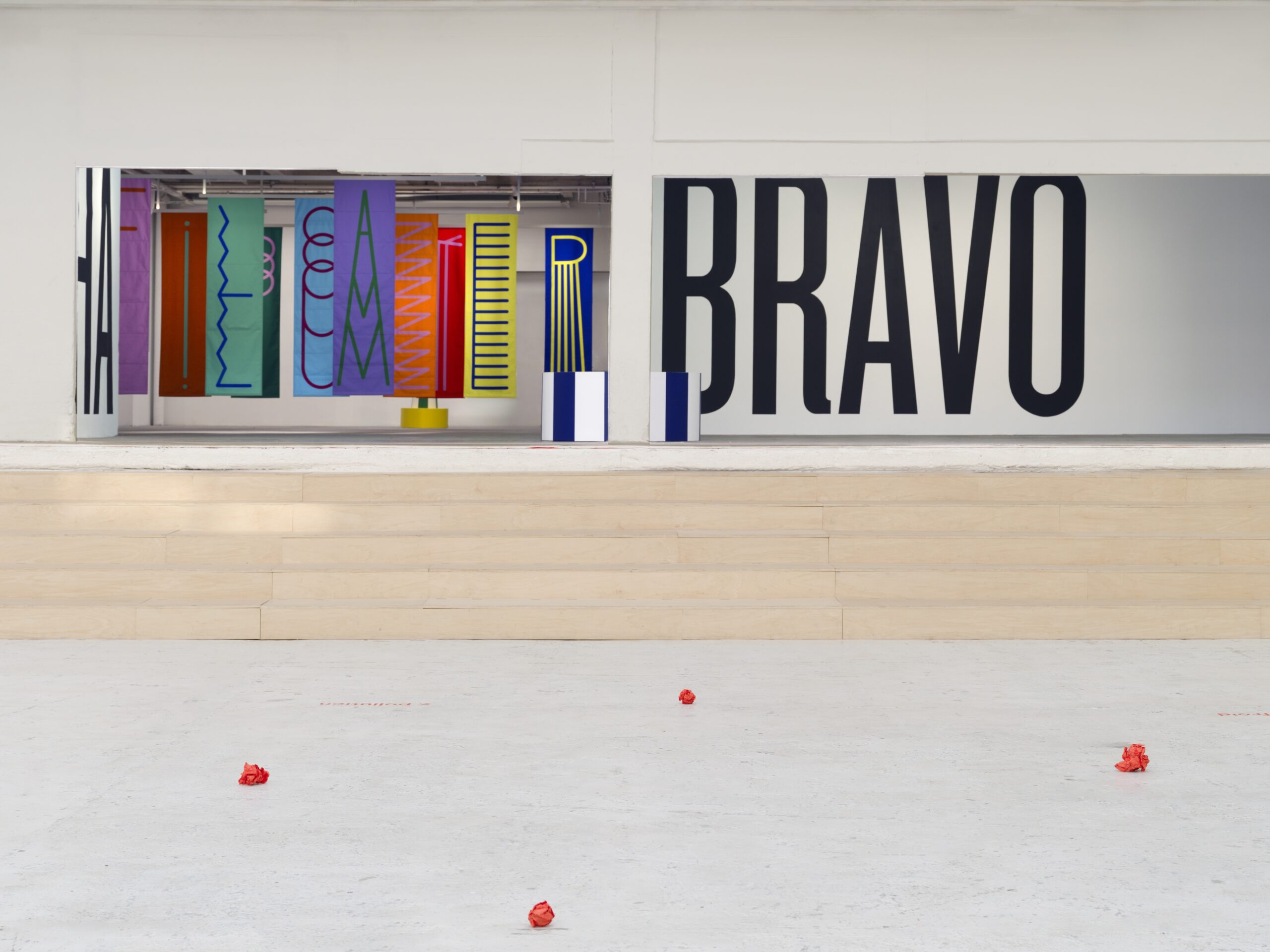
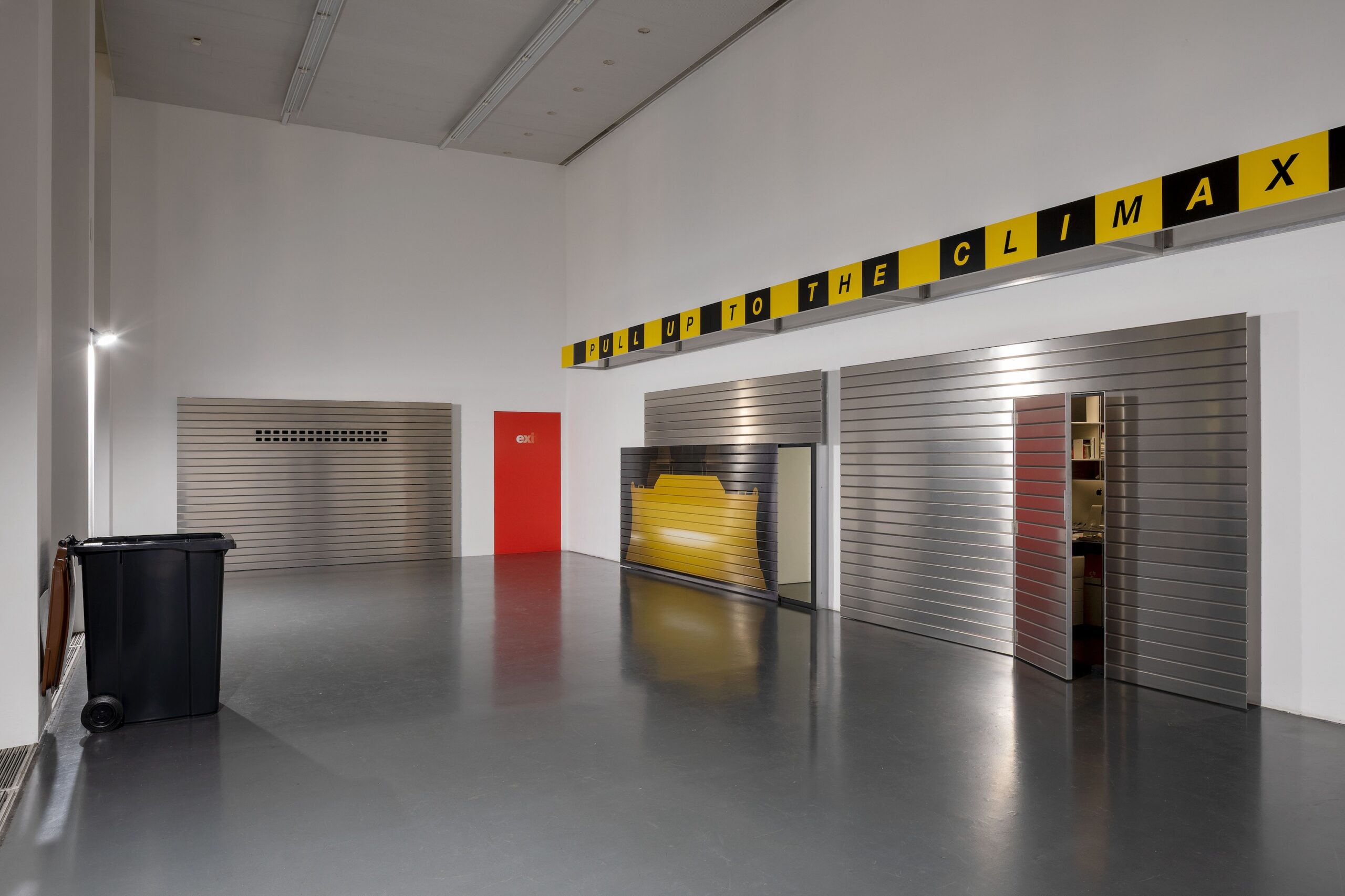
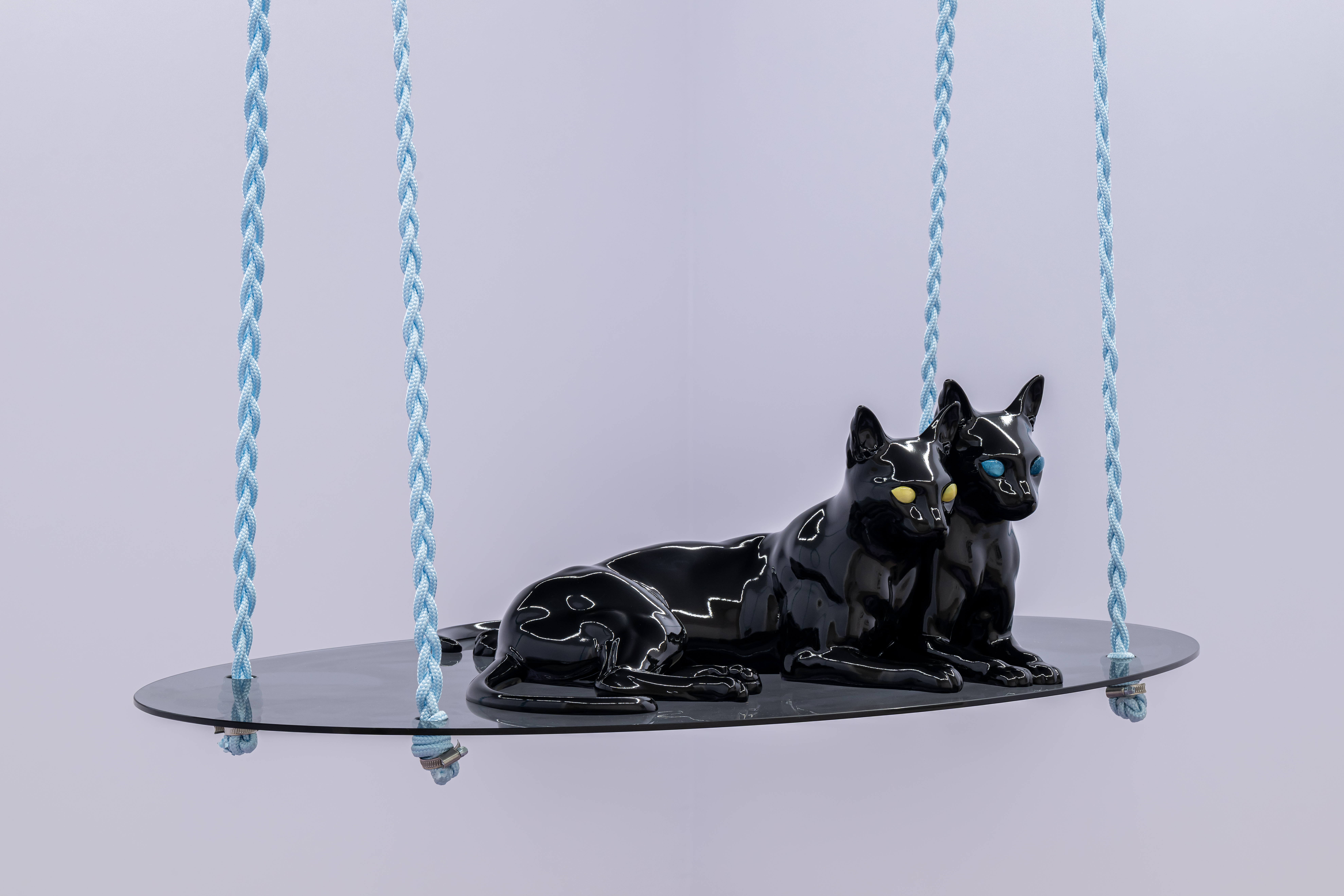
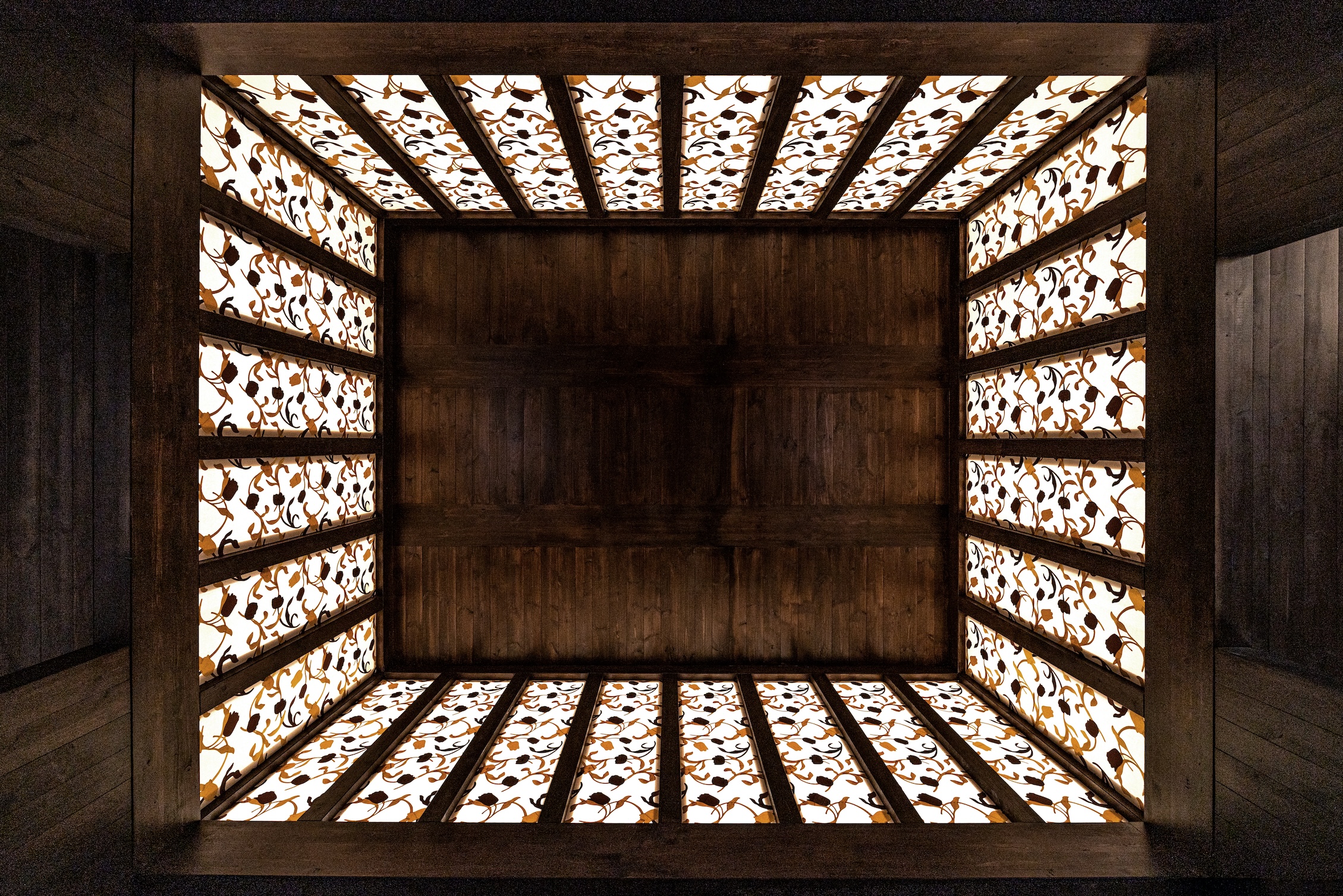
All photos: Installation views Cette Mer qui nous entoure, 2025 – Passerelle Centre d’art contemporain, Brest © photo: Aurélien Mole