Daniel Gustav Cramer
Une affaire de famille [A family affair]
Fanette Mellier
Juliette Dennemont
CAC Passerelle Centre for Contemporary, Brest
25 Oct 2024 — 25 Jan 2025
Press Release
Daniel Gustav Cramer. Tales
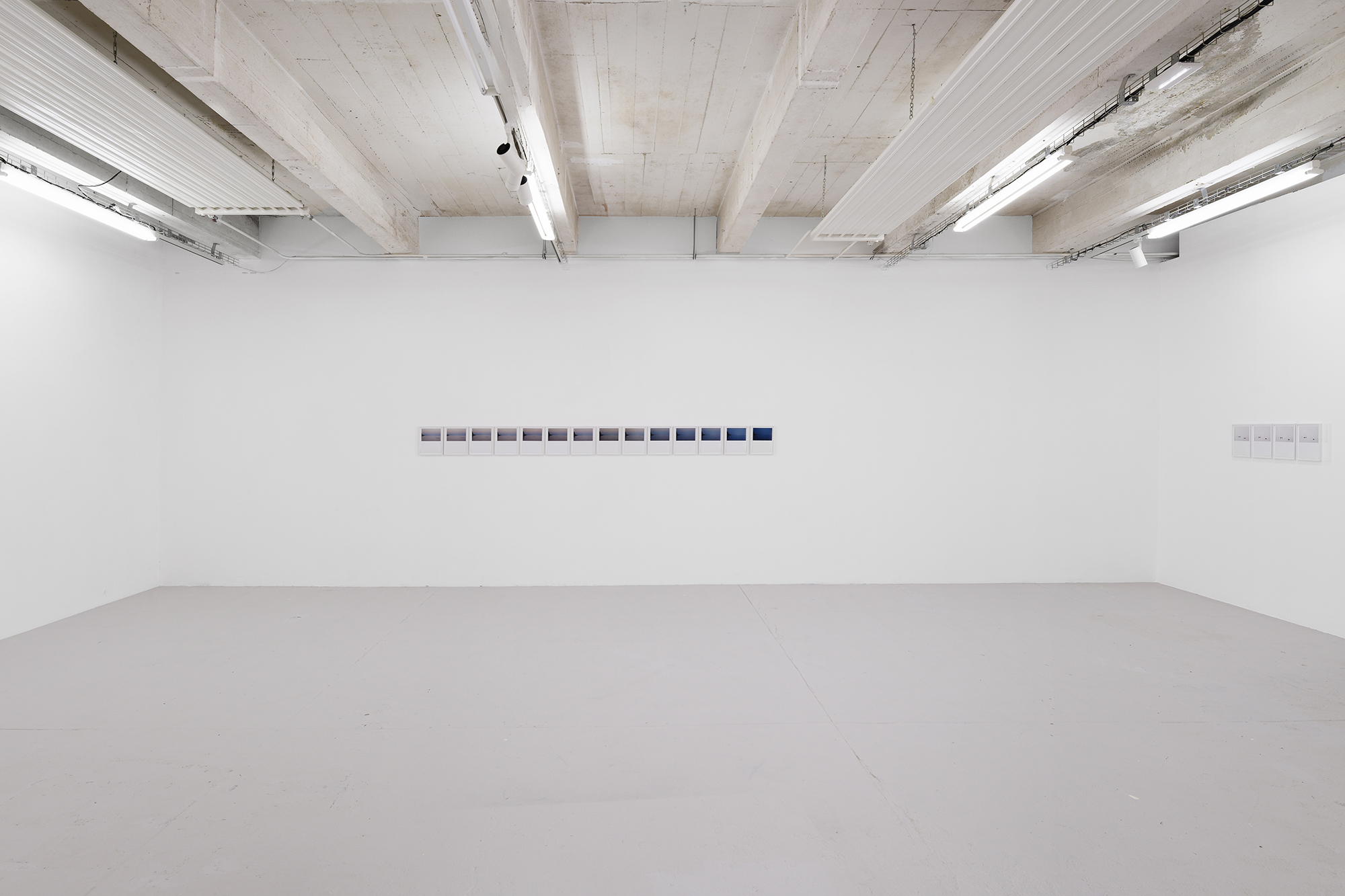

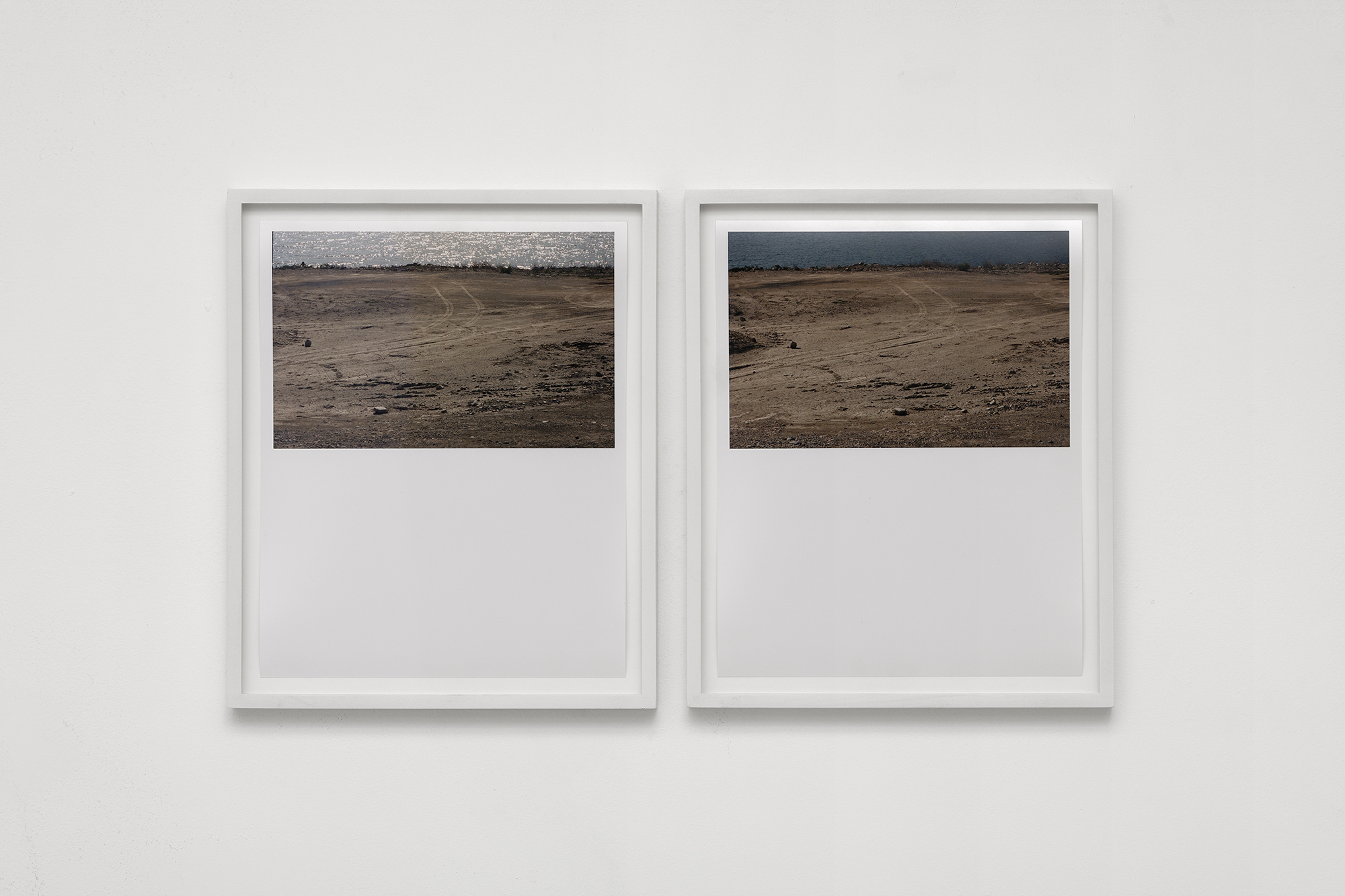
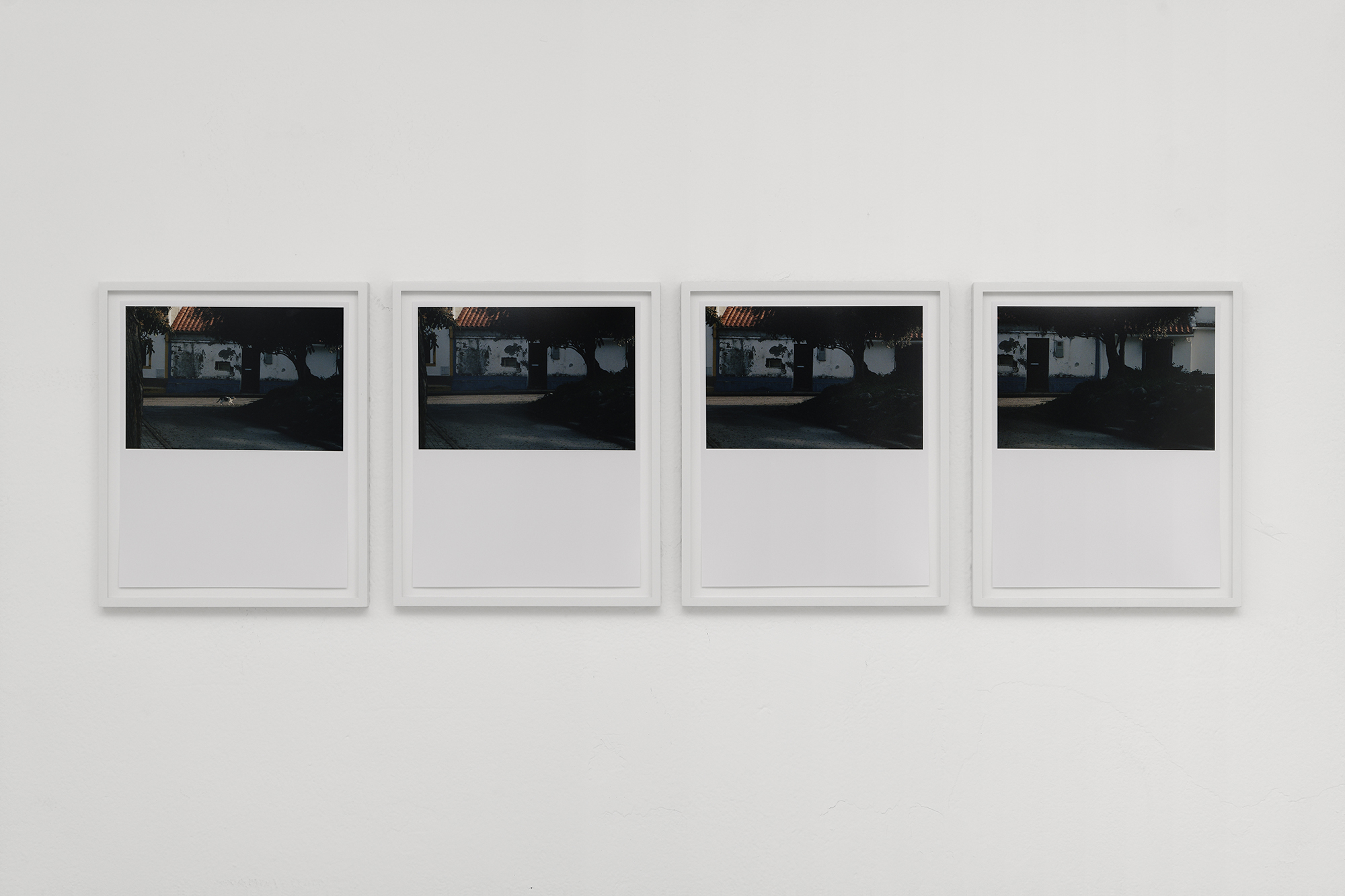
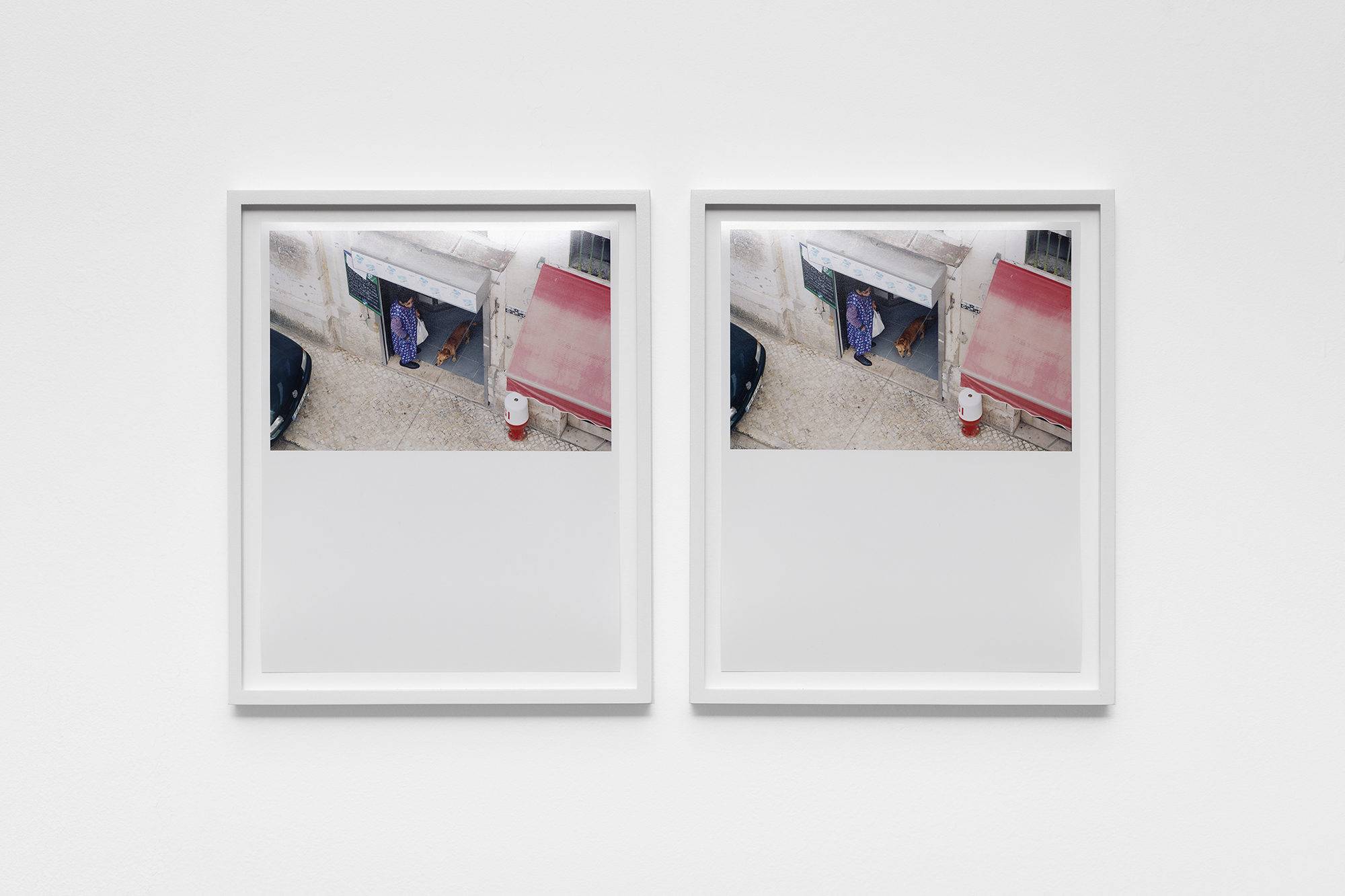
From the very beginning of his career, Daniel Gustav Cramer (1975, Germany) has divided his work between photography, video, sculpture and the writing of short texts, resulting in both exhibitions and the publication of books. Using landscape as a starting point (a turquoise sea, a pine forest, a mountain lake), the works of the German artist, born in 1975, take the form of micro-tales whose meaning gradually becomes clear through the succession of images.
The ‘Tales’ series, begun in 2000, is particularly representative of this approach, combining photographic sequences organised in diptychs, triptychs or larger groups of images. In each sequence, an ordinary landscape is photographed from a distance, generally featuring a discreet element somewhere in the scene. From one image to the next, this element moves or changes, thereby constituting the central thread of a story: a dog by the side of a road, watching the passers-by, a ray of sun glinting on snow-covered ground, a boat sailing over the water until it disappears out of the frame… The artist is showing man in his environment, showing how places are shaped by the people who live in them and pass through them and vice versa. Even without a human figure, the spectator is invited to perceive traces of activity, to imagine what is going on there, to imagine himself there.
In his photographs and in the texts and objects (sculptures, publications, etc.) which the artist sometimes exhibits with his images, he focusses on showing moments of suspension, caught just before something happens. He extends the time we are waiting, at the risk of interrupting the narrative, leaving in suspense the people photographed as well as the spectator looking at them. Time seems to have slowed down in his images, nothing seems to be really happening. Nothing remarkable, in any case. Yet out of this meagre resource there nevertheless comes a profusion of stories, presented in a fragmented way, and echoing each other, in the exhibition space.
exhibition view Tales (curated by Lilian Froger), 2024
Passerelle Centre d’art contemporain, Brest
© photo : Aurélien Mole
Une affaire de famille [A family affair]
Socheata Aing, Bintou Dembélé, Neïla Czermak Ichti, Abderrahim Makhlouf, Ibrahim Meïté Sikely, Charline Rolland, Zineb Sedira, Aïcha Snoussi
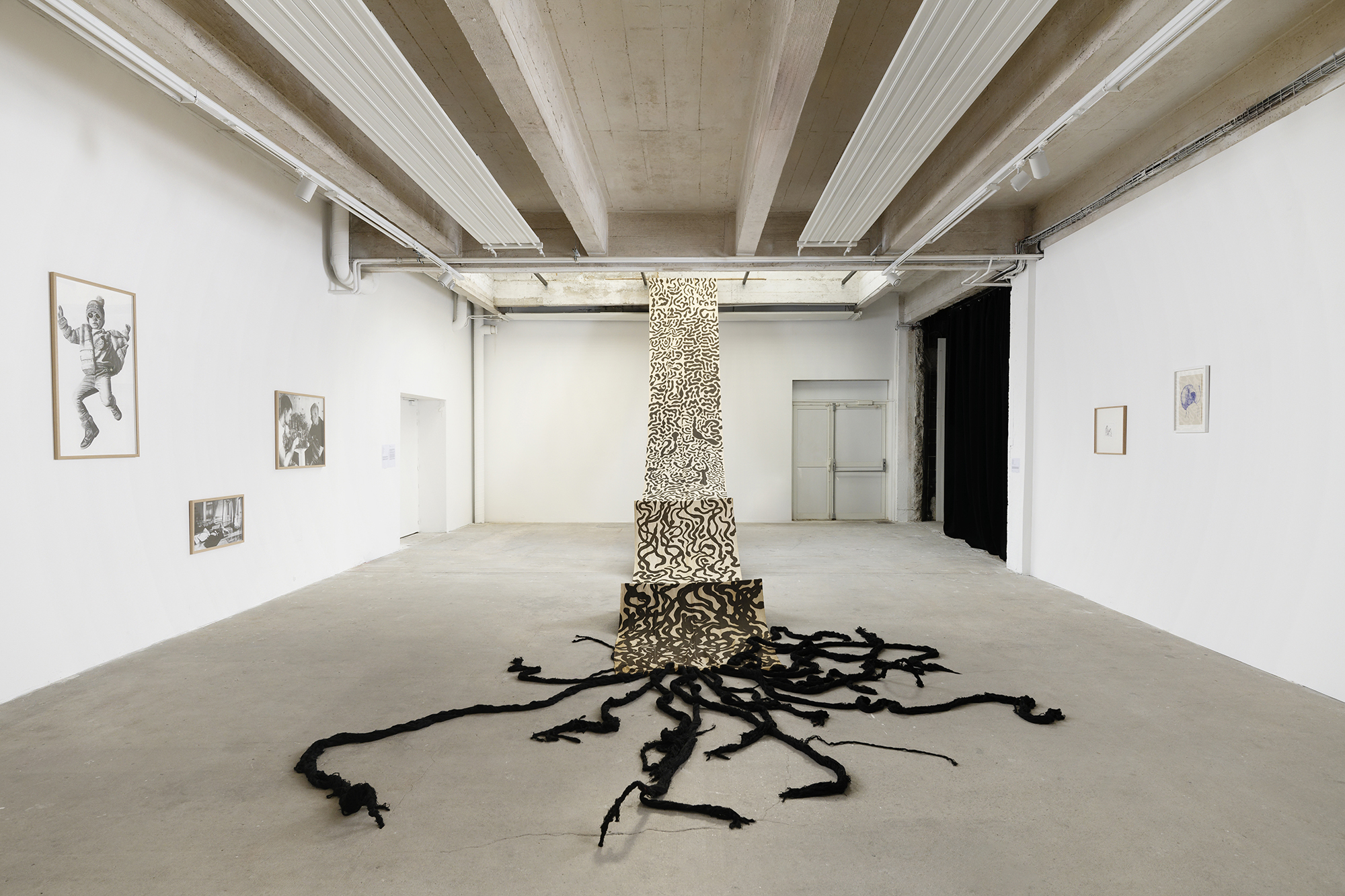
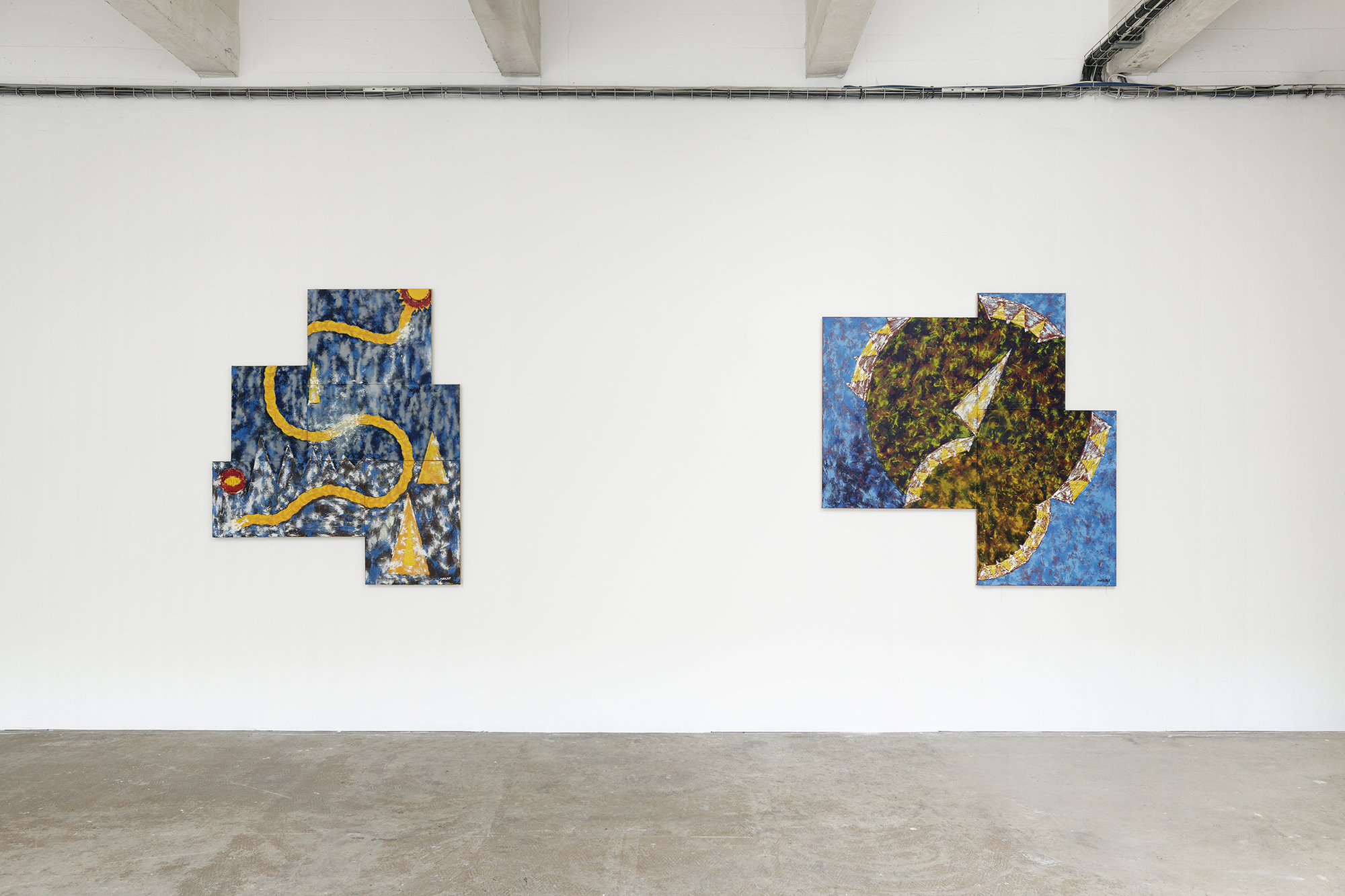
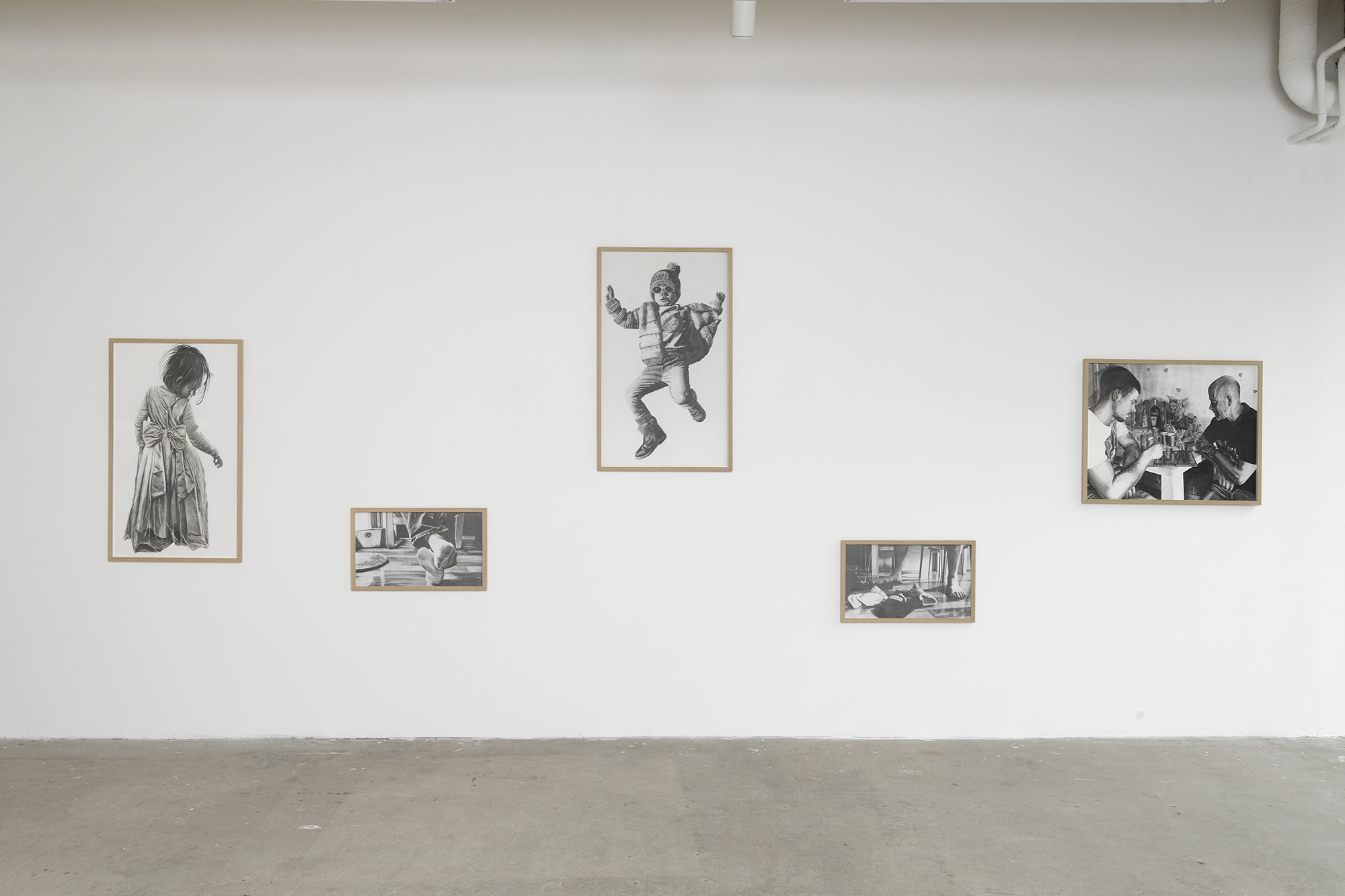
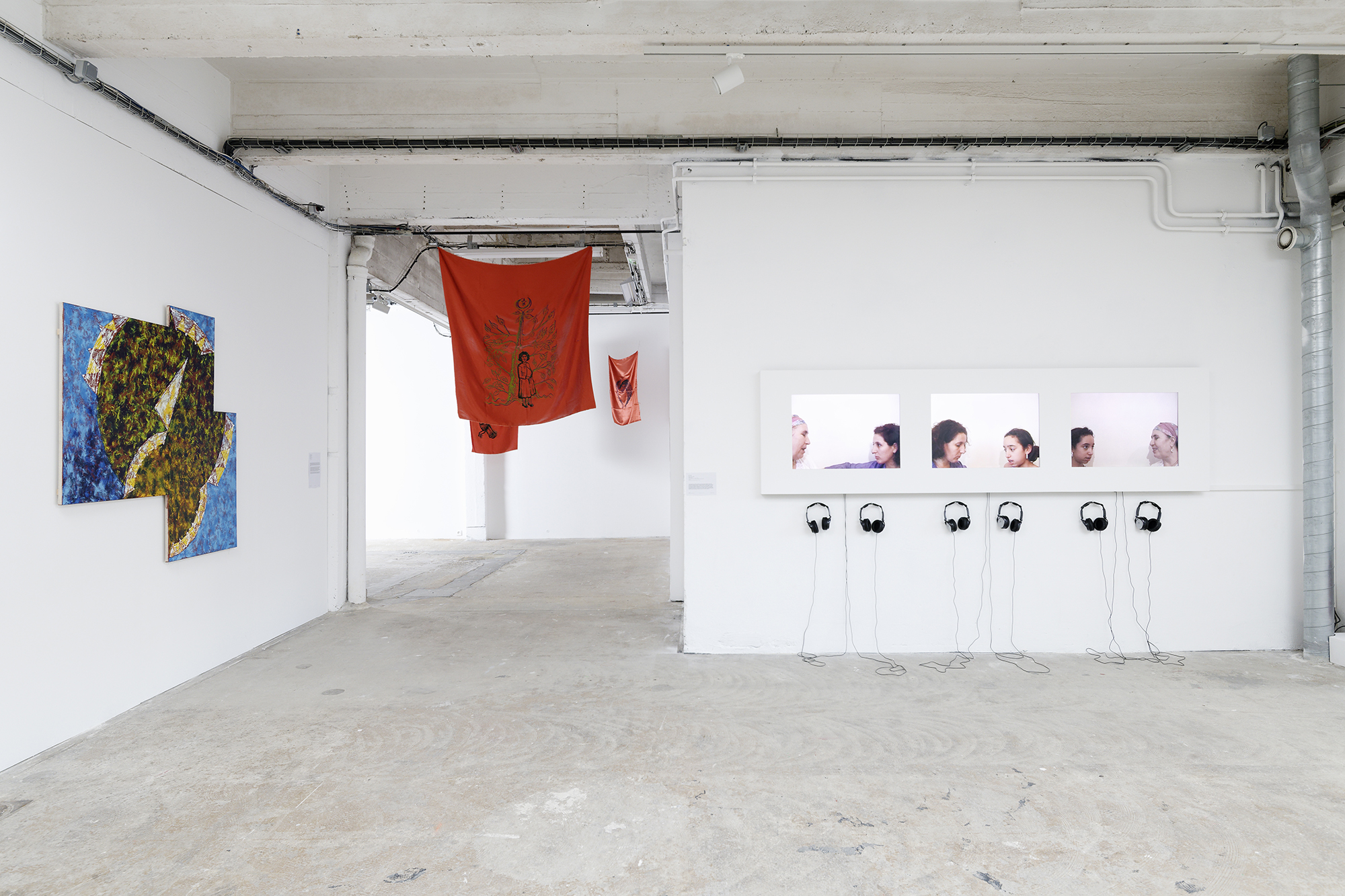
All affairs have their share of ambivalence. Their mysteries and their sudden twists and turns. Their secrets and their revelations, both intimate and public, at one and the same time sensational and discreet. They never reveal themselves totally, they may never perhaps be completely resolved. They are little stories that mingle with bigger ones. They are knots to be undone to decipher lines and endings, links and ruptures, responses and yet more questions.
The affair we are dealing with here is no exception to the rule. It is all about lines crossing and joining up, weaving over the crevices to stop them up, traced by timid but confident fingertips over beloved faces or alongside bodies that vanished too soon.
Some lines can trace their distant roots on the inherited genealogical tree, passed down across generations, go back up centuries-old branches, and count all the buds. For others, one must invest resources and use one’s imagination.
The affair blossoming within the walls of Passerelle Centre d’art contemporain pushes into the corners and shadowy reaches of what are known as the ‘great tales’, around the edges of the majestic trees whose cultivation has been favoured over others. It twists and turns along with the reconfigurations, migrations and intermingling of its vigorous shoots, along historic margins and geographical fringes. The story brought to life by the artists of this exhibition is as documentary as it is poetic, but perhaps it is above all performative. It is the affirmation of a thwarted family tree, of invisible or frustrated germinations, of ideal communities, linked by blood or friendship, to which are passed on gestures and languages, faces and names, places dreamed of and recipes to be recreated.
There is the family you are born into and the one you choose to surround yourself with, the one you dream of and the one you construct to make progress, the one you bring into existence despite the injunctions of a historiography inclined to only record great sagas.
The family affair flourishing here is personal while at the same time aspiring to the collective. It has blossomed in art, at the contact of branches used by the portraits of Neïla Czermak Ichti (1996, Bondy), Ibrahim Meïté Sikely (1996, Marseille) and Charline Rolland (1996, Rennes), in the happy and the less successful transmissions recorded by Zineb Sedira (1963, Gennevilliers) and Bintou Dembélé (1975, Brétigny-sur-Orge), through the recipes and offerings of Socheata Aing (1993, Dourdan), along the intermingled and hungry roots of Aïcha Snoussi (1989, Tunisia). My family history is rooted in the workshop of my father, Abderrahim Makhlouf (1961, Morocco), who for so many years silently wove the balance between opposing forces, invisible links and routes to resilience. Here our history traced back to the beginning of an endless story. Roots that had become forests. There, my family history germinated, fertilised by the wind and chance encounters, research and joyous connections. It is to these members, ancestral and real, ideal or vanished, eternal flowers, that we must here pay homage.
The affair is out in the open, history may continue.
exhibition view Une affaire de famille (curated by Horya Makhlouf), 2024
Passerelle Centre d’art contemporain, Brest
© photo : Aurélien Mole
Fanette Mellier. Panorama – Éditions du livre
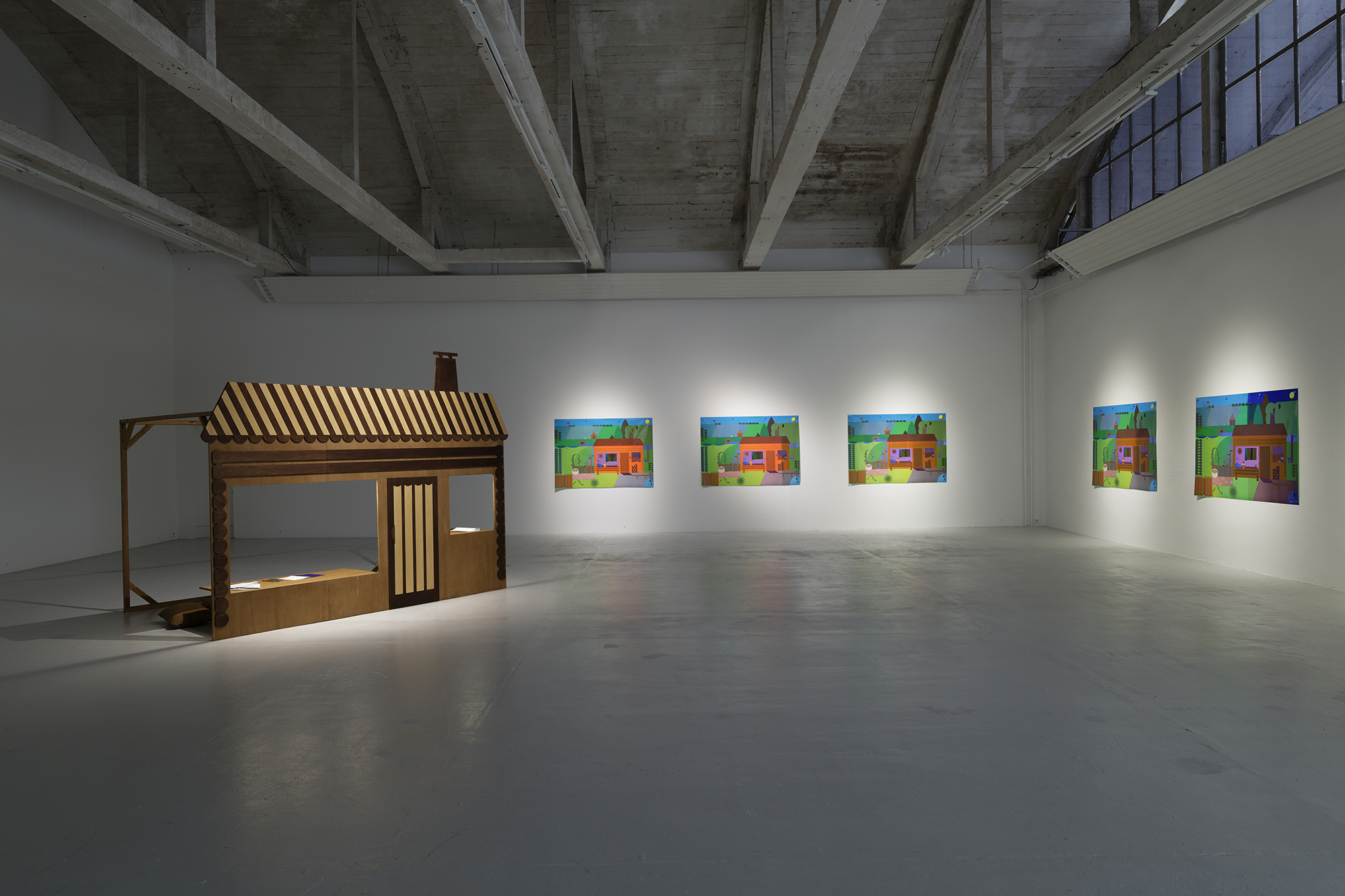
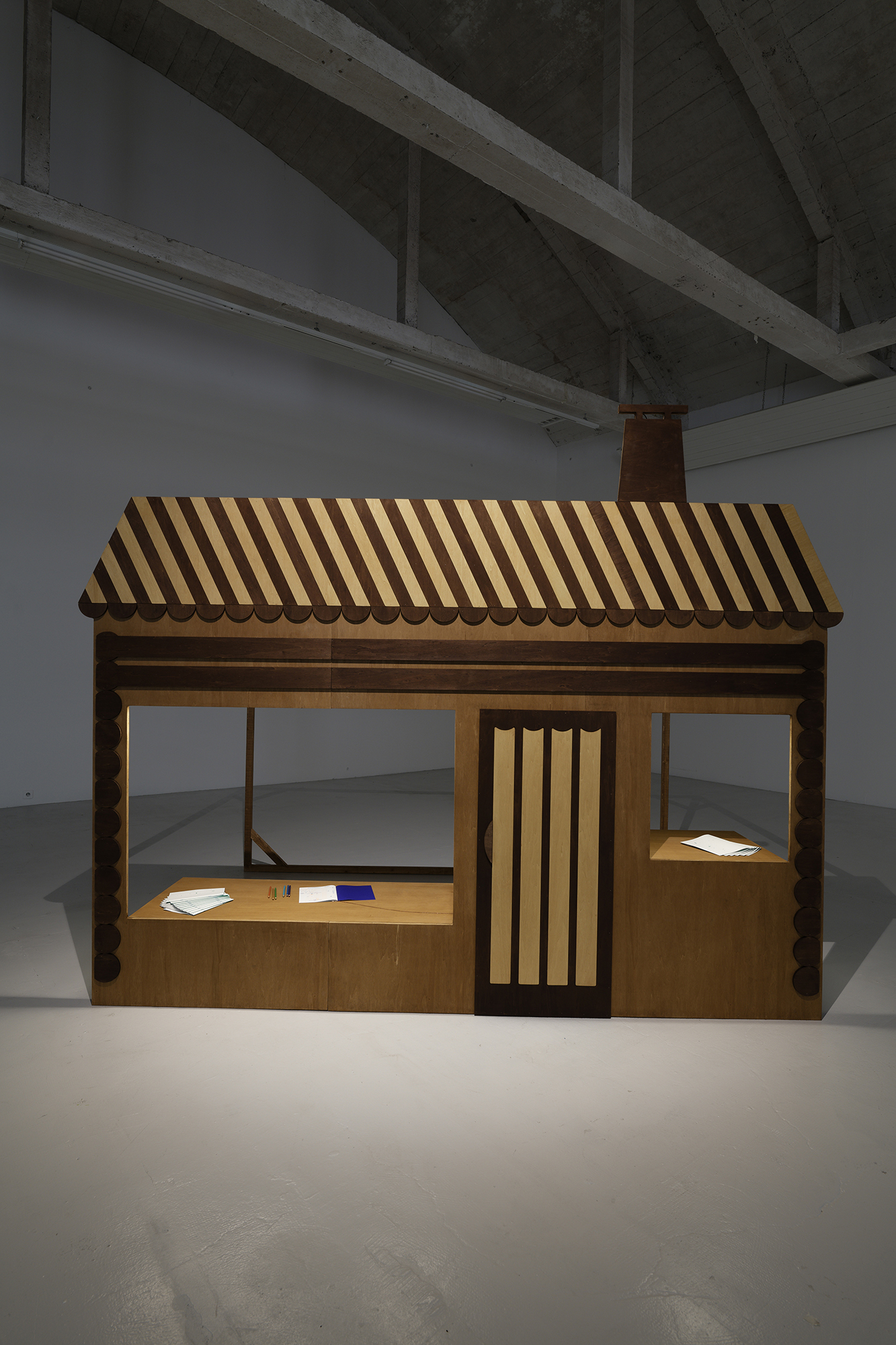
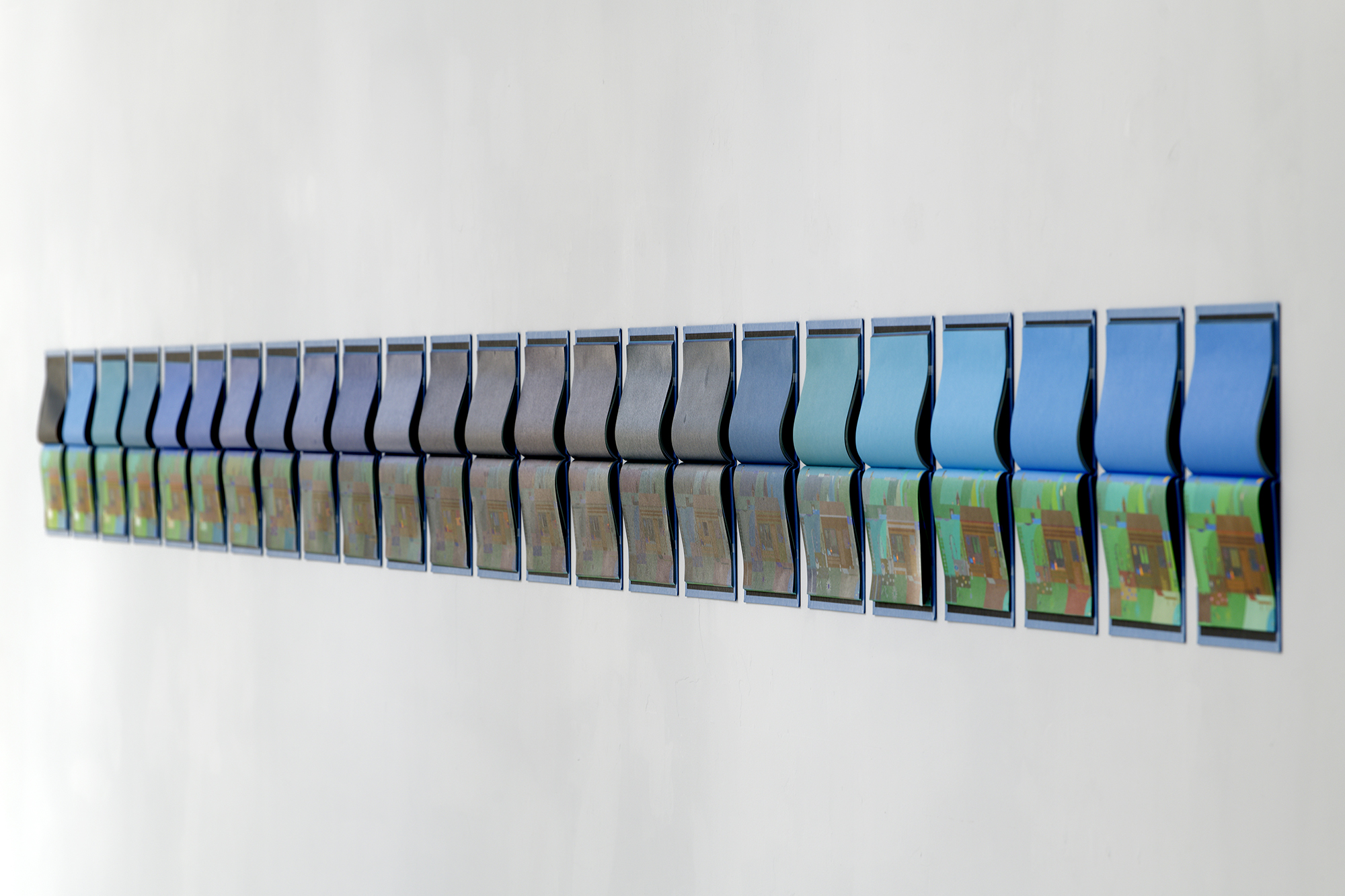
Once a year, an artist at Passerelle Centre d’art contemporain designs an exhibition inviting all ages to join in a creative endeavour. The experience may be fun, graphic and/or performative. Particular attention is paid to children, although they are not the only intended audience.
Continuing this annual programme of events dedicated to graphic design (designers in residence in the school setting, the opening of a temporary branch of Passerelle dedicated to art books for children in the Bellevue district of Brest, the development of a collection of art books for children, etc.) Panorama is inaugurating a cycle of interactive exhibitions at the art centre.
Panorama is firstly a book without text designed by graphic artist Fanette Mellier (1977, France), published by Éditions du livre in 2022. The 24 double pages of this book invite us to look at the same landscape as it gradually alters by slight changes. The tiny incidents of living beings (a cat appearing then disappearing, for example) and the clever play of superimposed coloured tints creating an infinity of nuances, make each scene unique. This book and all the remarkable publications of Éditions du livre feature in the art centre’s collection.
Panorama is now an eponymous exhibition, with large-scale formats used in the big room at the art centre in order to discover the whole subtlety of the printed art of Fanette Mellier. This three-dimensional variation around the book allows you to enter the pages of the book, transformed into architecture, like in a dream or a book by Lewis Carroll. You just need to let yourself be gently rocked by the song of the birds and the rustling of the trees to start producing your own coloured visions in a colouring book.
exhibition view Panorama, 2024
Passerelle Centre d’art contemporain, Brest
© photo : Aurélien Mole
Juliette Dennemont. Vertigo
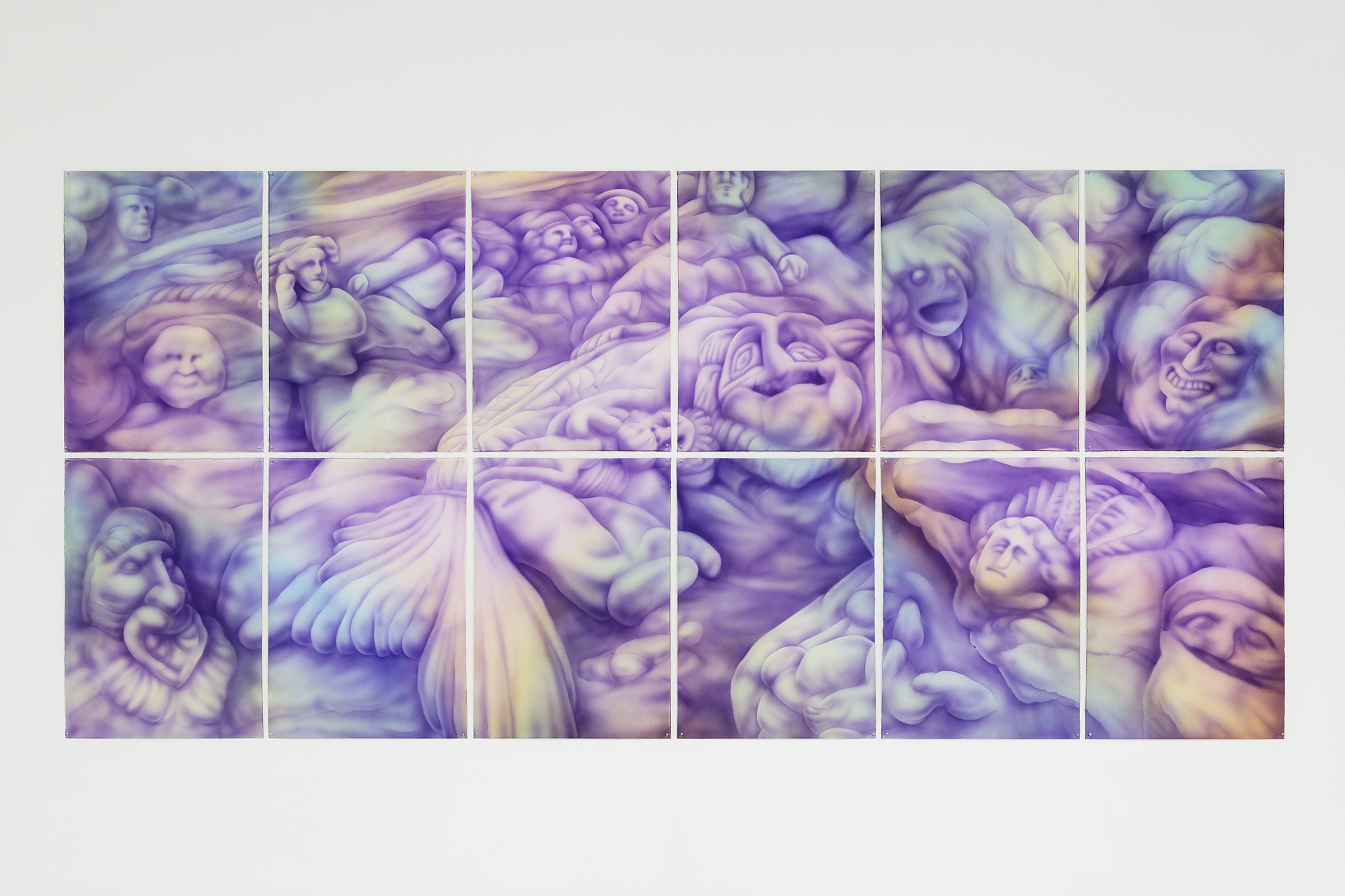
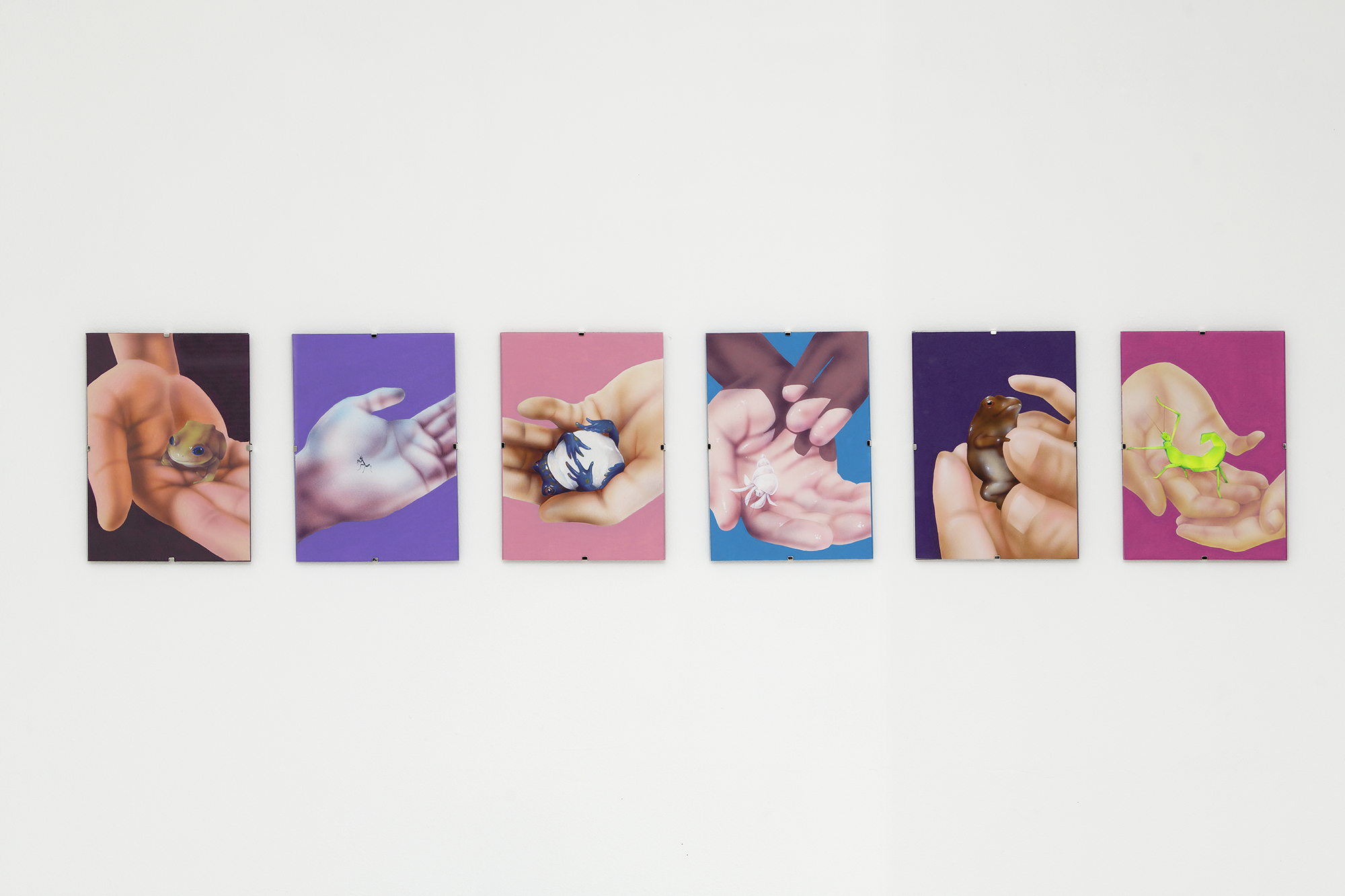
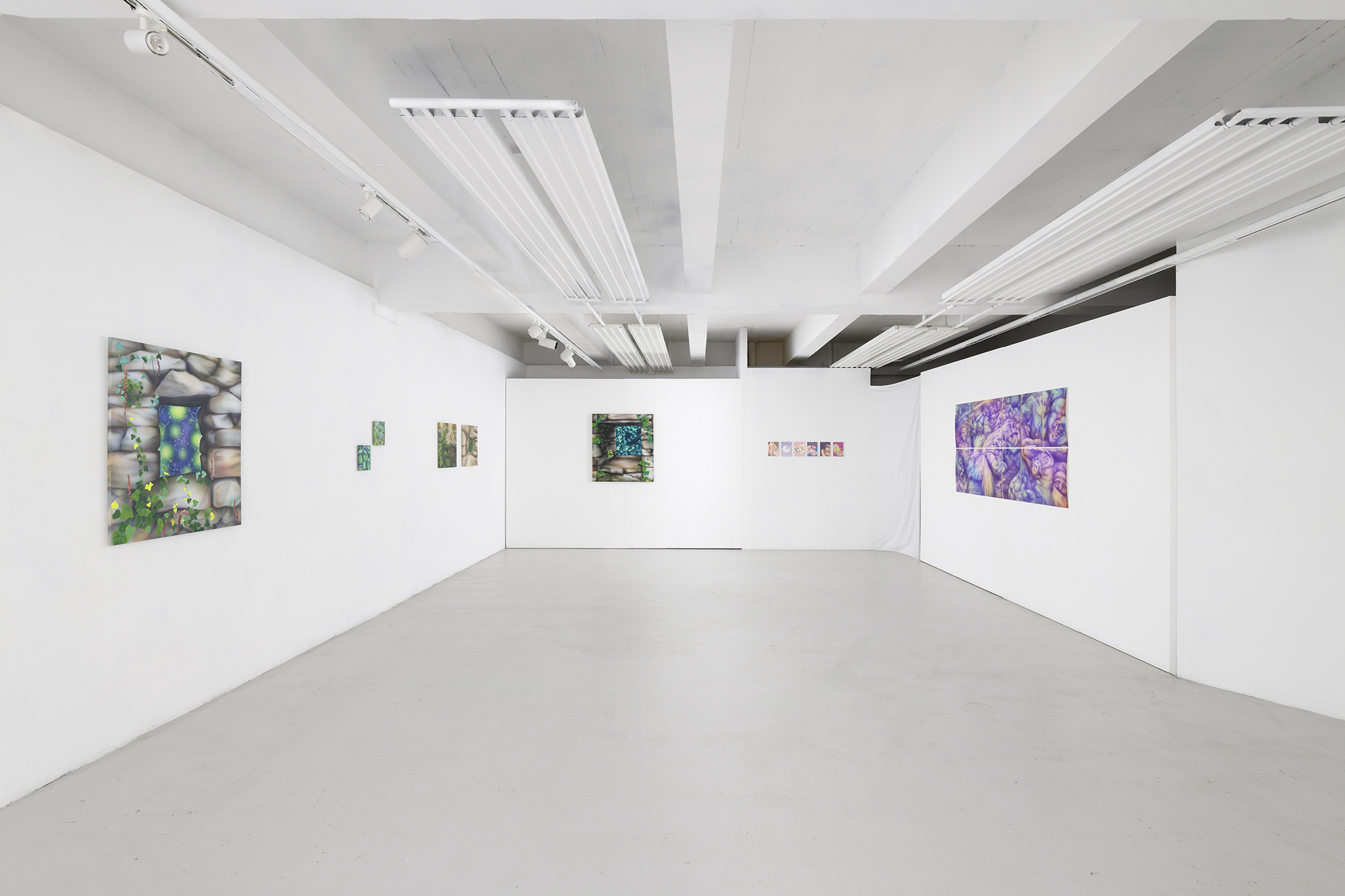
Juliette Dennemont (1995, Saint Pierre in Réunion) spent 3 months at Passerelle under the reciprocal residency scheme: Breizh – Renyon ‘From one ocean to another’. In 2024, Passerelle Centre d’Art Contemporain and La Cité des Arts in Réunion together created this residency for research and experimentation in the visual arts to offer emerging artists from Réunion a residency in Brest and those from Brittany a residency in Saint-Denis in Réunion. This demonstrates our firm commitment to encouraging the collaboration and movement of artists across different territories.
Juliette Dennemont is a painter and originally from Réunion. She graduated from the École Nationale Supérieure des Beaux-Arts in Paris in 2020, and mainly uses the airbrush technique, a tool that sprays paint using compressed air. She learned this from a fairground artist in order to rethink and update the design of her family’s fairground rides. Her work is imbued with this festive, popular world in both her choice of colours and the techniques she uses for certain of her subjects.
For the Vertigo exhibition, Juliette Dennemont presents a selection of the works she produced during her residency in Brest, taking inspiration from Breton landscapes and the Breton imagination and intermingling fauna from her home island. The exhibition title refers to the 1958 Alfred Hitchcock film Vertigo in which the vertigo effect involves subverting a scene by zooming in and moving the camera, creating a fluid background that causes a feeling of malaise in the viewer. Juliette Dennemont takes ownership of this effect, producing a worrying strangeness in her legendary Breton tales. A recent visit to the forgotten village of Keranflec’h in Finistère inspires in her certain motifs and perceptions as so many ghostly presences in a surreal decor. As a counterpoint, the technique and subjects recall the virtual atmosphere of video games, especially the MMORPGs of the 2010s and their heroic fantasy plots or the pixelated world of Minecraft.
exhibition view Vertigo, 2024
Passerelle Centre d’art contemporain, Brest
© photo : Aurélien Mole