in conversation with Giulia Colletti
Terraforma 2023
9, 10, 11 June ’23
For the launch of the new edition of Terraforma, we had a chat with Milan-based artist Jim C. Nedd on his artistic experimentation and on the visual identity realized for the festival.
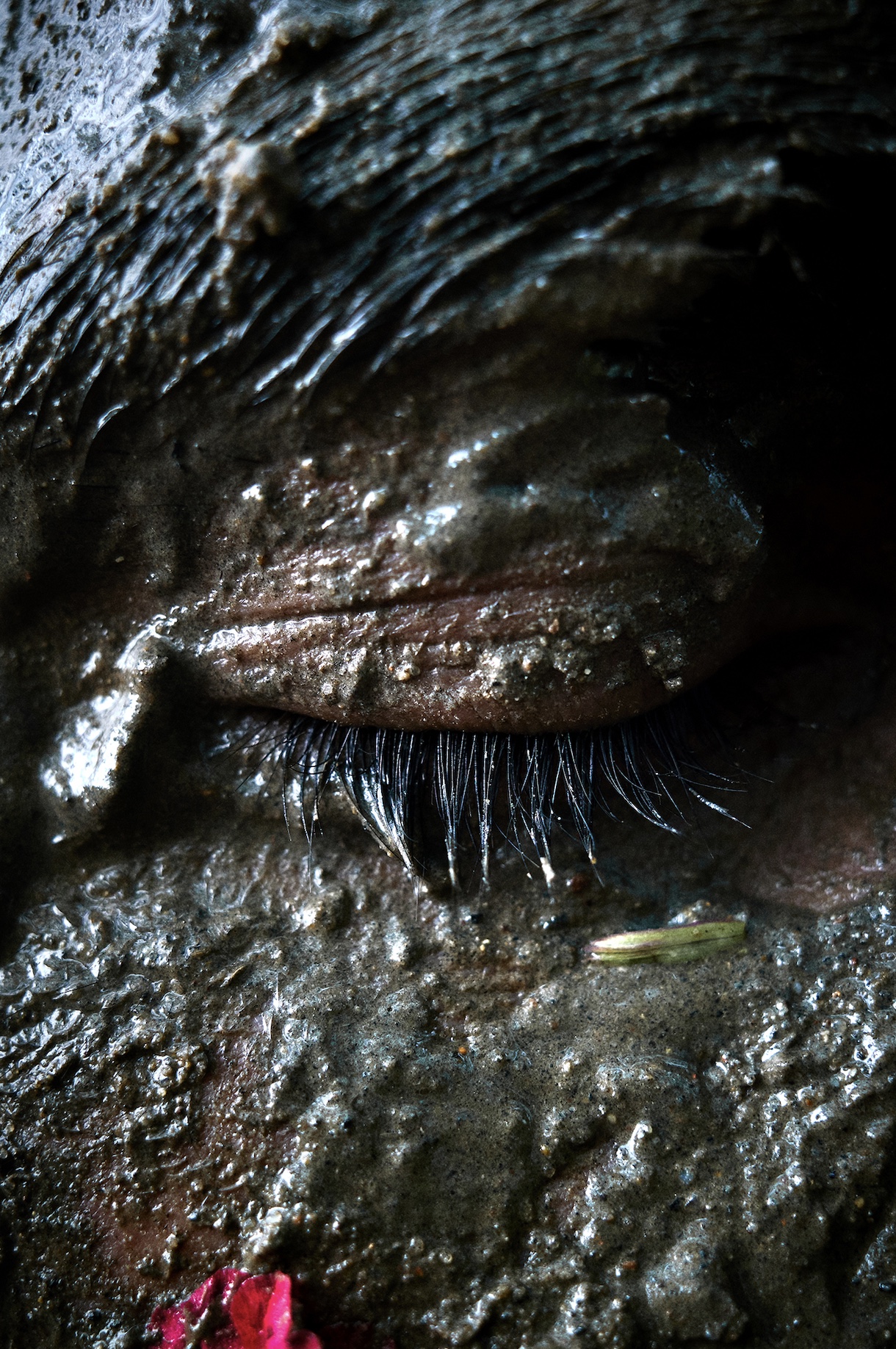
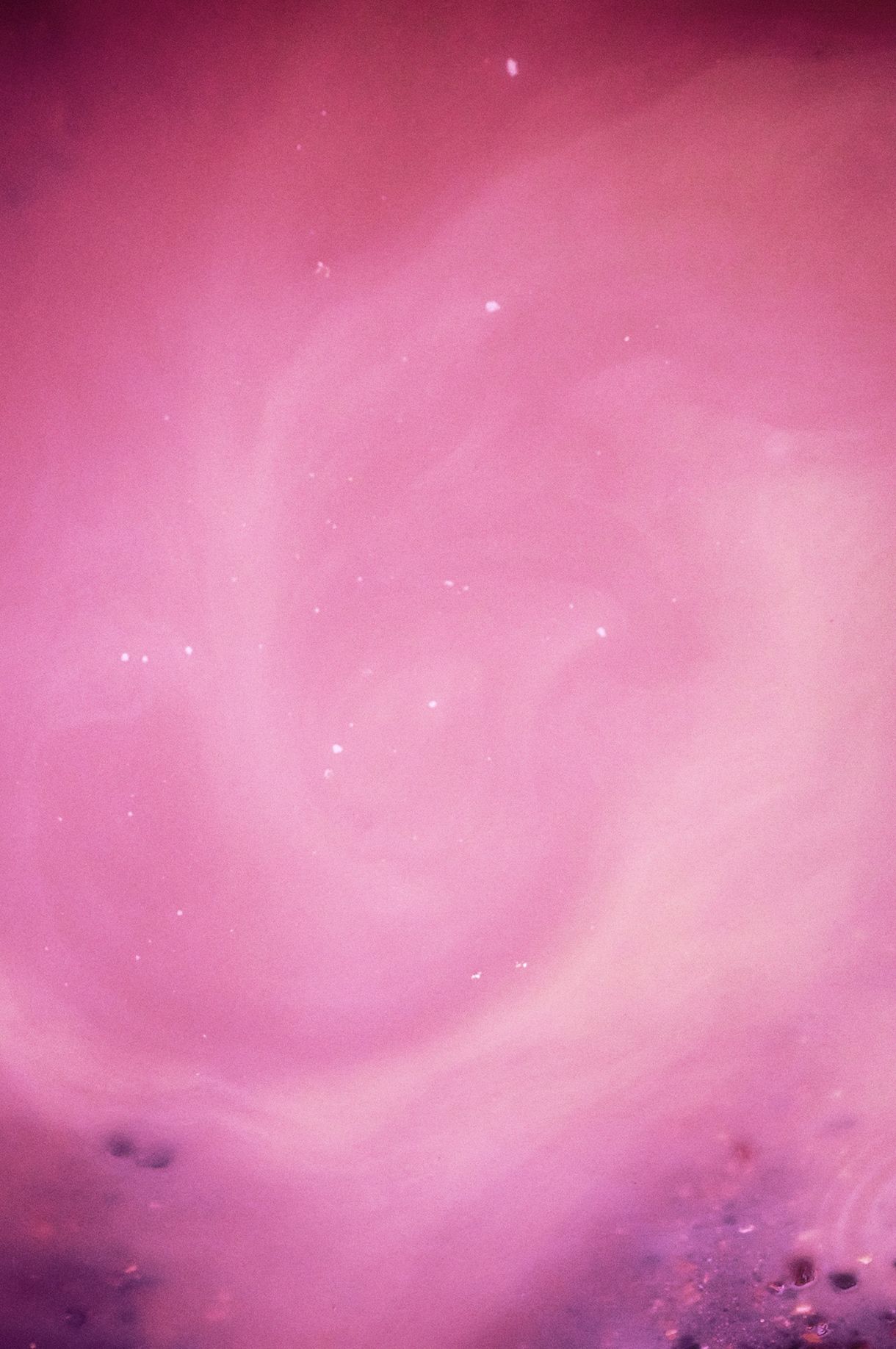
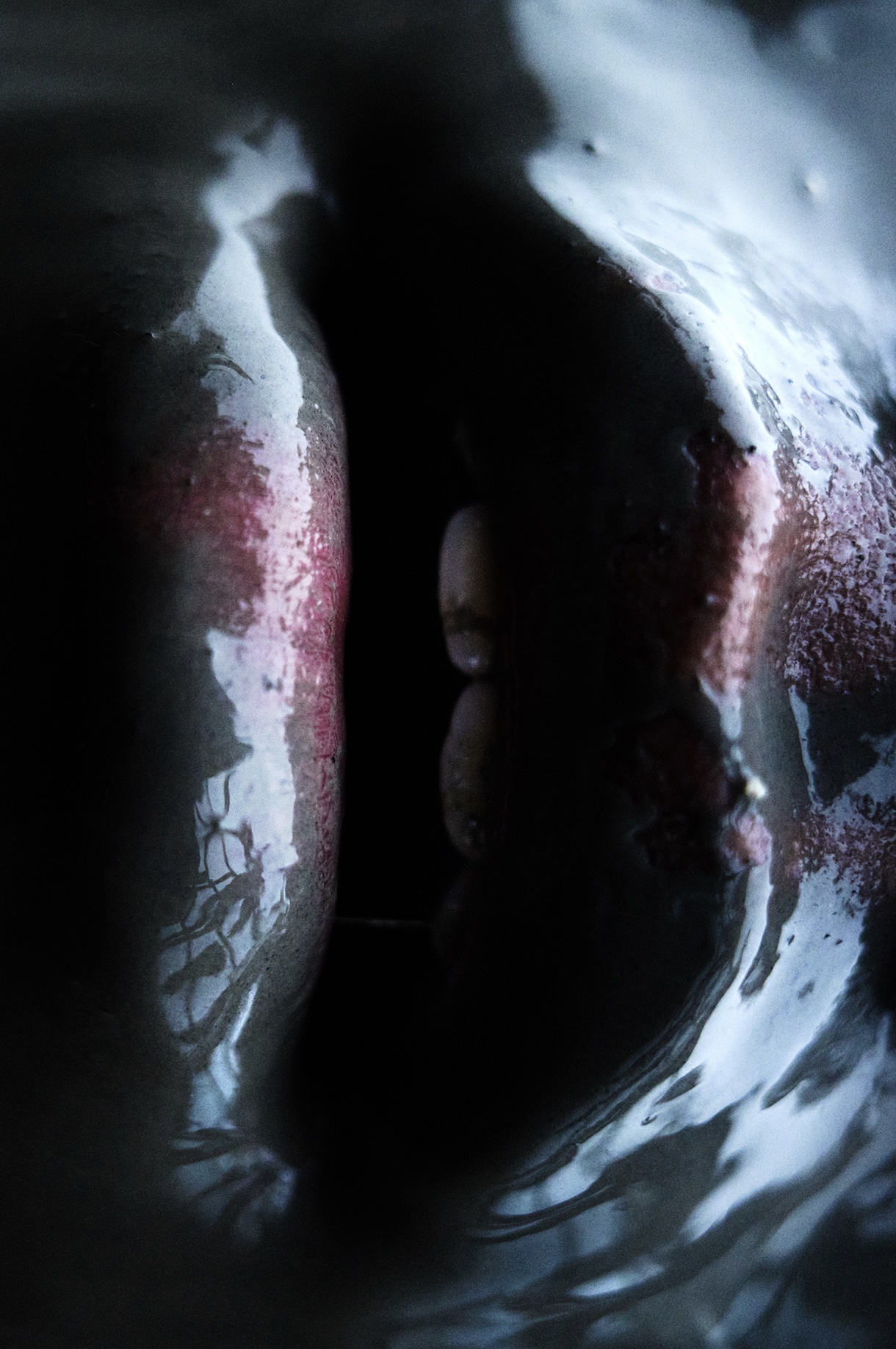
The spring of life from clay is a miraculous theme that appears throughout world mythologies. In the visual identity for this year edition of Terraforma, you embrace the trope of mud as a convey of emotional and bodily catharsis. Can you expand more on such a metamorphic matter, which can be tracked down to vernacular happenings like the Mud Parade in Rio de Janeiro and how does it inspire your photographic language?
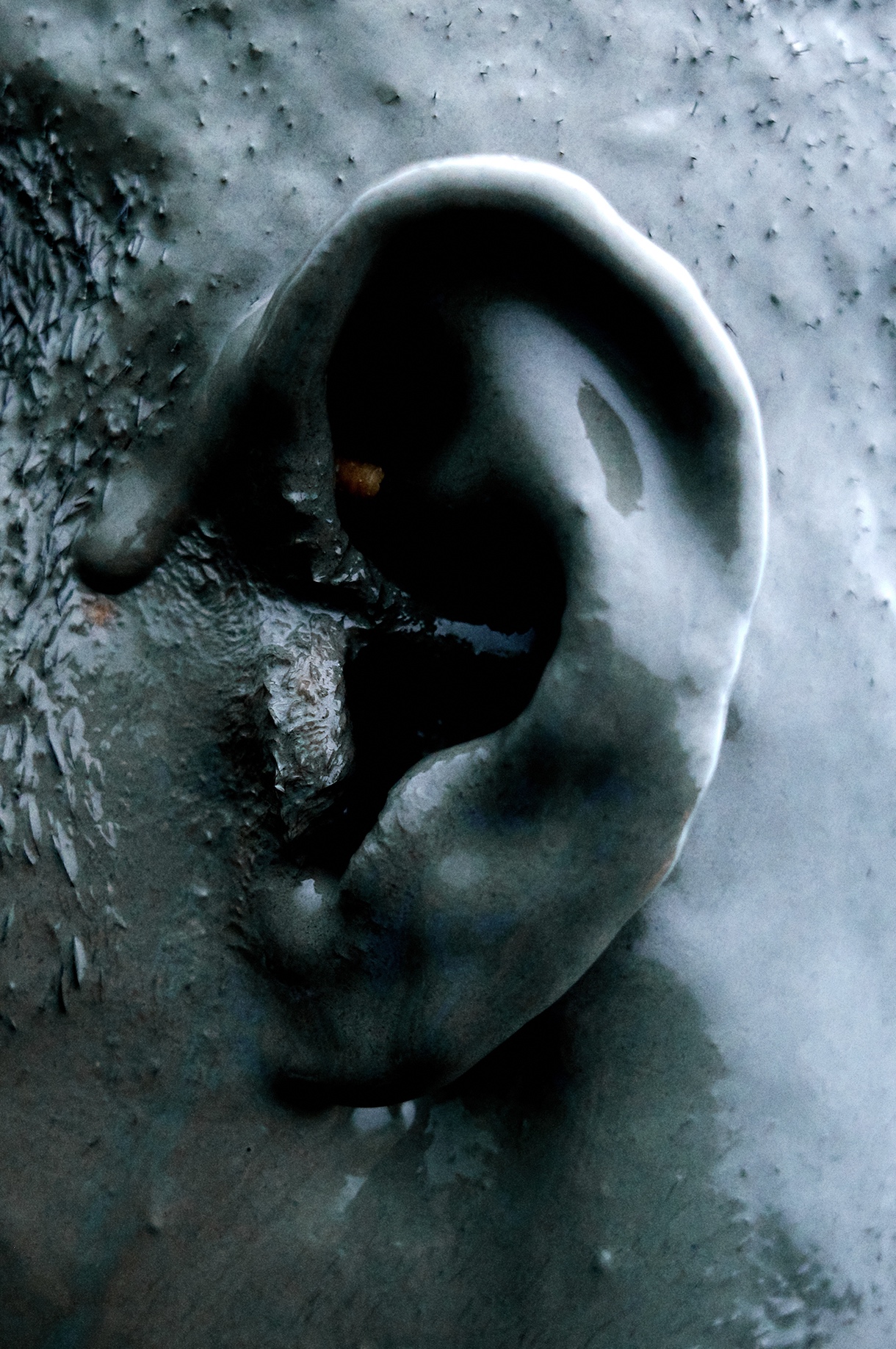
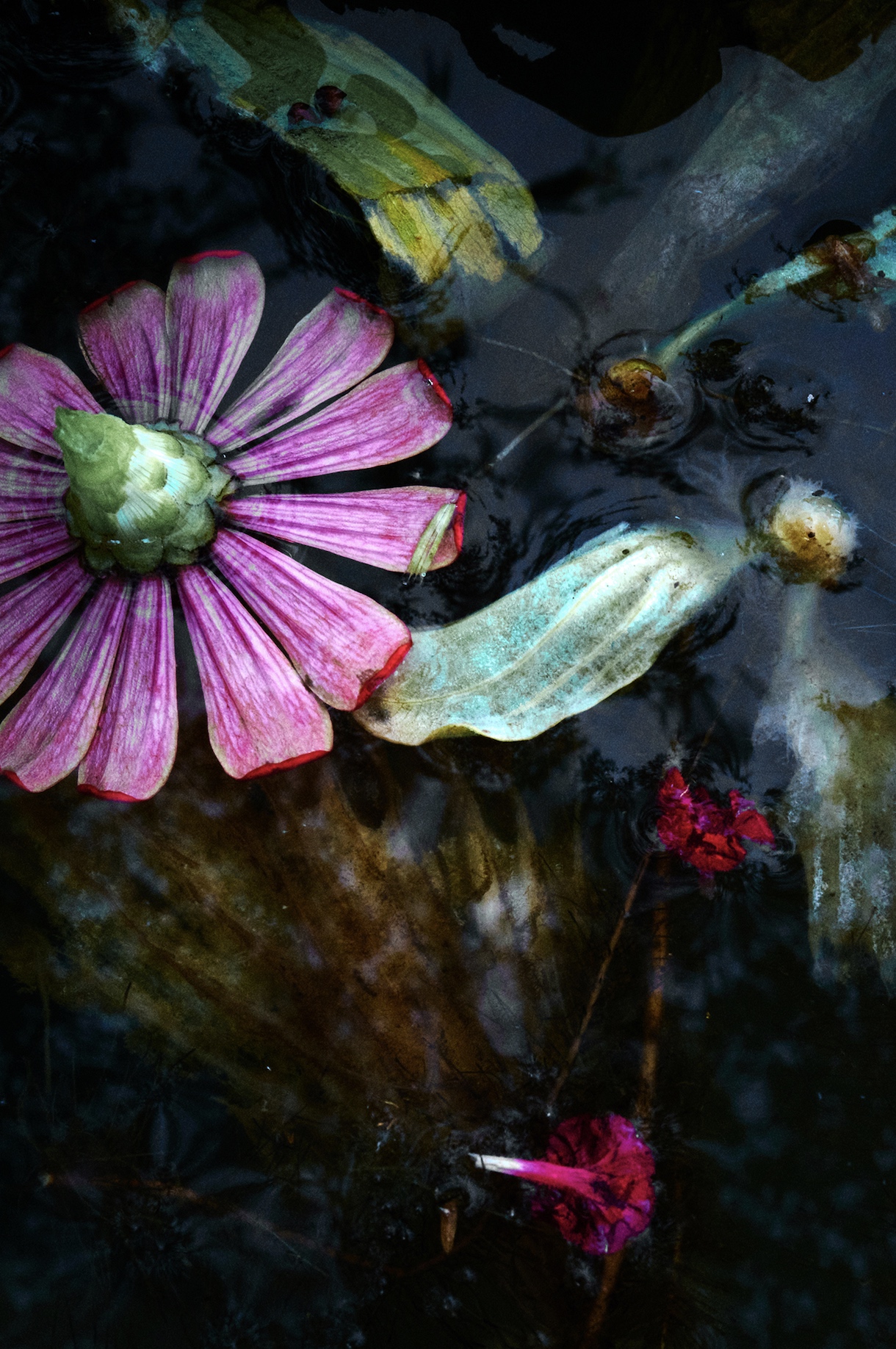
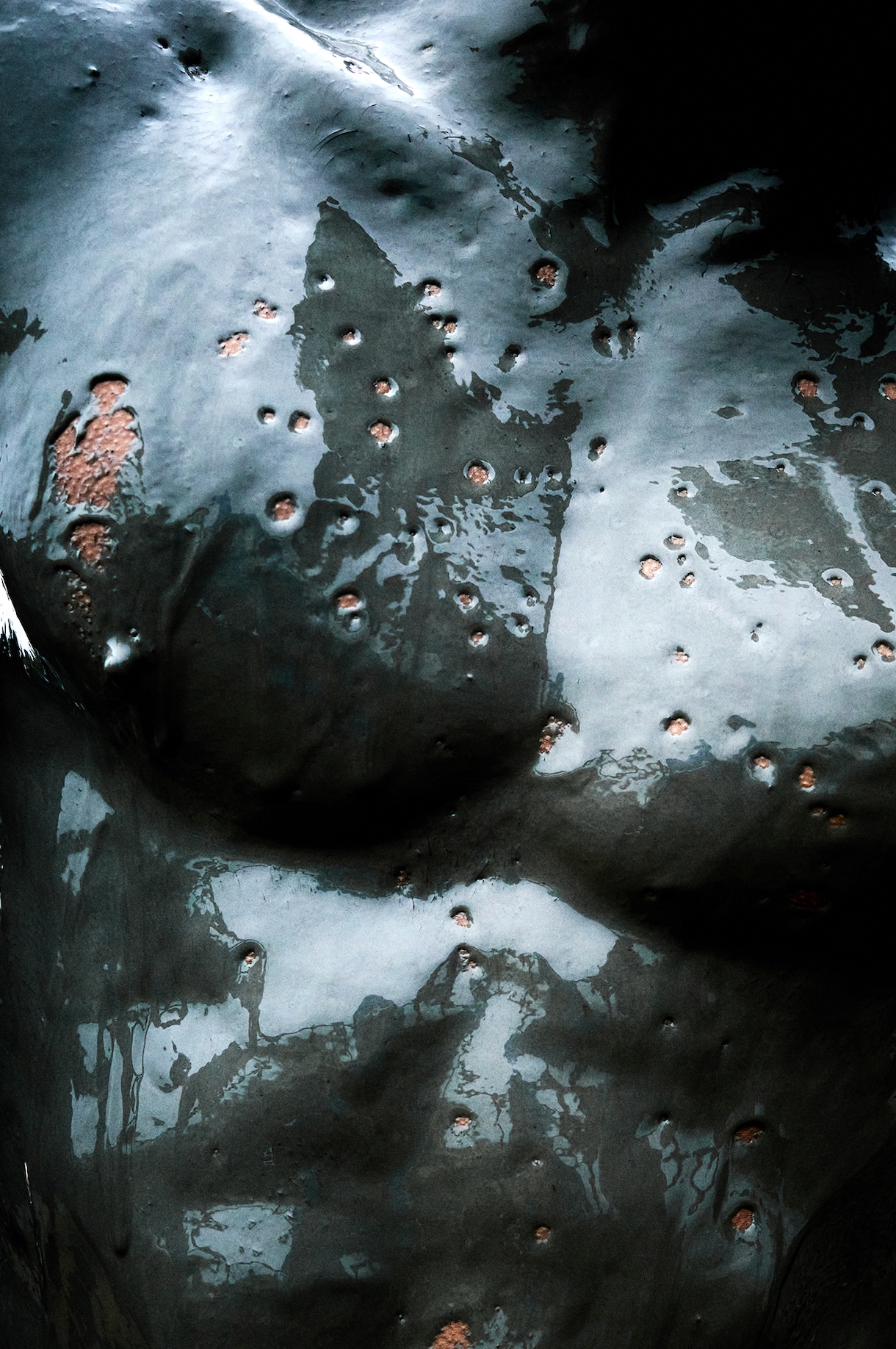
I've always been fascinated by this particular substance, although I'm not sure when this attraction first started. It might have been the first time my hands were immersed in clay or when I played with mud along the riverbanks... I can't remember. But it is truly an incredible material, characterised by pure chaos. It possesses a remarkable ability to transform anything it comes into contact with. That being said, I believe there is always a dualistic perception surrounding it, encompassing notions of freedom and possession, nature and contamination, cleanliness and dirtiness, among others. As you mentioned, clay and mud play significant roles in various cultures around the world, whether in the form of applied arts or as tools for medical purposes... However, my focus was particularly on exploring an immersive ritual and demystifying the landscape, revealing its unpredictable and uncontrollable identity. I find it extremely problematic to rely on the idyllic and ideal representation of nature, suggesting some sort of nostalgic Garden of Eden. Nature operates according to its own will, and it has the power to change us, both physically and mentally. The production of the series was scheduled during the tropical rain season, so quite in contrast to the common idea of the Caribbean post cart imagery, it was a particularly cold day, obviously raining so much, the team was including my self were naked, on top of a mud volcano, which by the end of the day collapsed. You see, unpredictable and uncontrollable…
Veering between fiction and documentary, your photographic research feeds into reminiscences of childhood in Colombia mediated through collective daily occurrences in Milan. Is there a feeling of in-betweenness? If so, what does it trigger in your practice?
In-betweenness? Well, this question has crossed my path quite a few times in my life – there's a specific condition for people trapped in this bureaucratic loophole. This concept is very well explained by W.E.B. Dubois in "The Souls of Black Folk" with the term "double consciousness." He referred to the experience of Black people in America, who navigate the conflictuality of both being African direct decedents and American. I can identify with this notion because as a black person, I’ve also navigated and still do the conflicting expectations and pressures that come with both being black and being black living in a white society. The aftermath of my doubleness is as follows: I'm an immigrant. My mother brought me to Italy to secure work possibilities for my future, and that's what I'm doing here. I'm executing our plan. You might think I'm one of you, but in reality, no, I'm Colombian, descending from colonized folks. I've experienced poverty and tragedy. And now I'm allegedly exploiting your country, your welfare, your health system, your social structures, and your dreams. It's a pact, but it's not for free. In return, the price I pay for this is that my life in Colombia doesn't exist anymore. I've become a character in a semi-fictional setup that I need to inscribe in stone, in case my memory fails. I'm just making sure I'll never forget my story. That's why I'm working on "Remembering Songs," my upcoming book, which is a monograph of images shot in the Caribbean territory from 2017 to 2023.
How the scattered bodies inhabiting your work merge in a synesthesia with this year Terraforma musical experience?
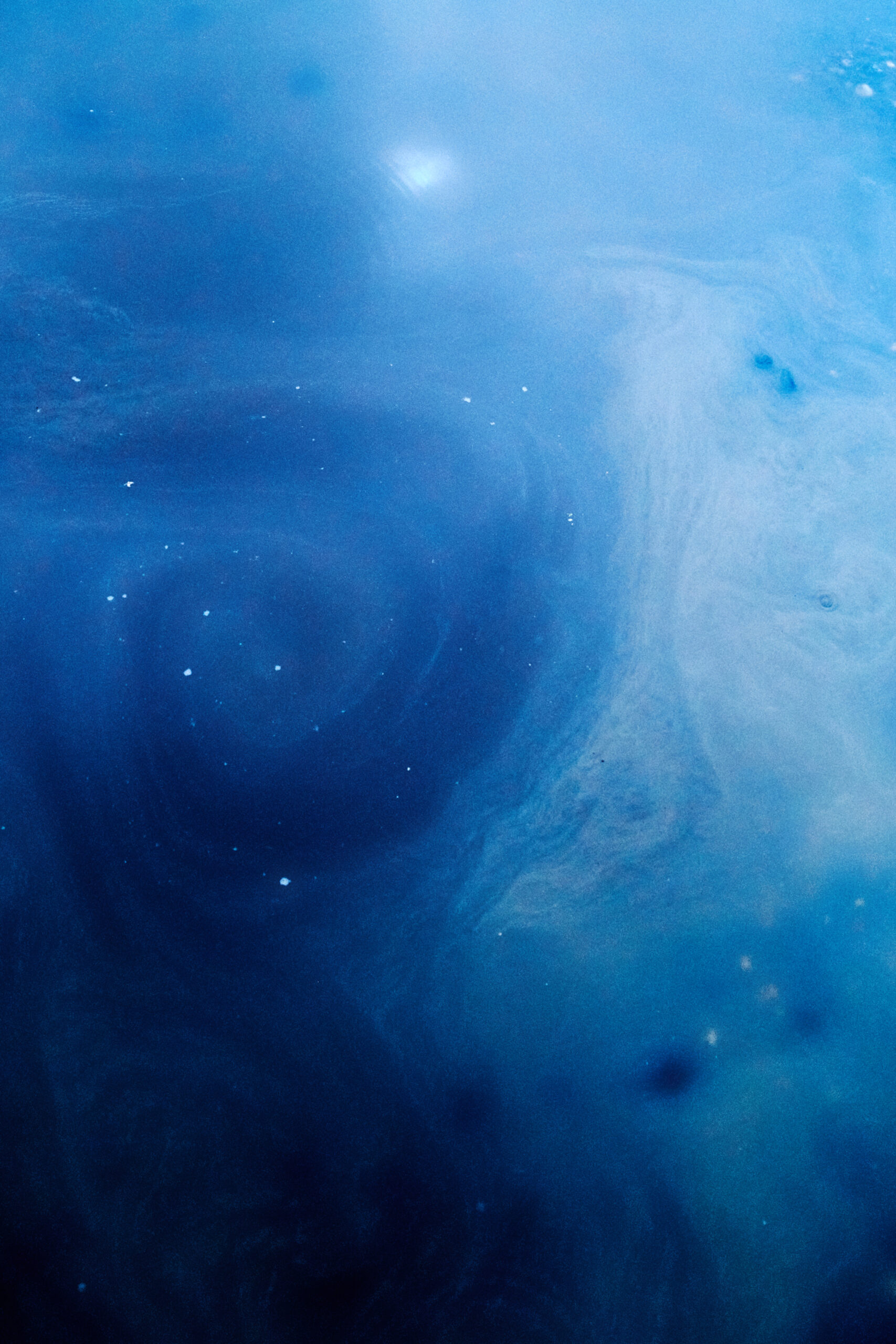
Something I didn't mention enough is that the name of the series is literally taken from Philip José Farmer's science-fiction novel "To Your Scattered Bodies Go," in which Farmer describes a sort of controlled afterlife nightmare in a river planet. My interpretation is based on how much human existence can be fragmented within the landscape, an intersection that transforms bodies into landscape elements and landscapes into subjects or narrators. Yes, I tend to incorporate elements of synesthesia, as you said, simply because I want to have a closer look, I want to find icons and catalysts that reveal the context outside of the frame without showing what's really outside. But I'm also obsessed with sound and how much images can suggest sound. These images are different from a vast part of my work because they don't suggest artificial sounds—no music, no traffic, no voices. But if you look at them for long enough, you can hear rain, quiet steps in the mud, bubbling sounds, birds, and wind.

How this year visual identity addresses more-than-human/in-human geographies?
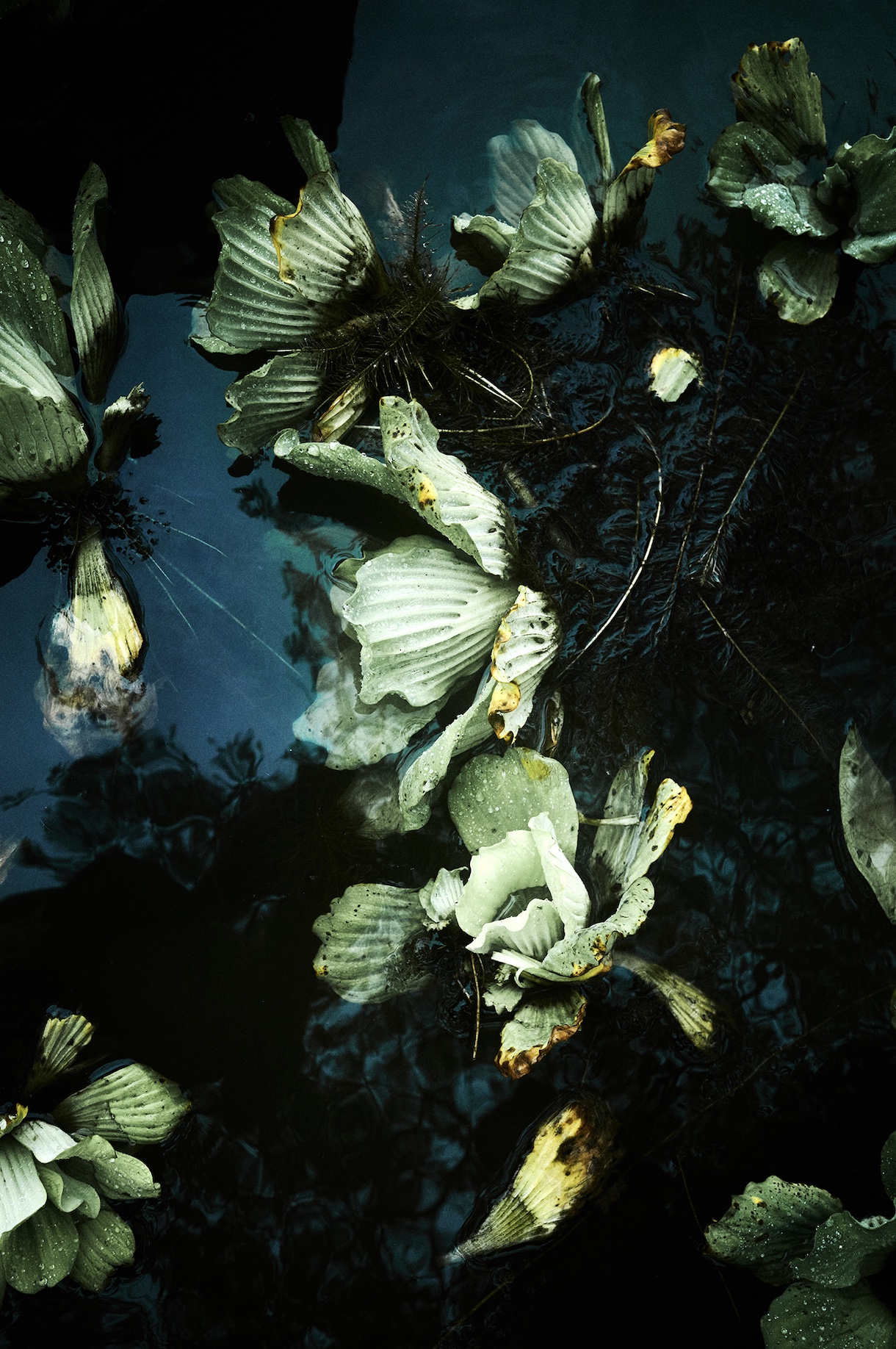
This series serves as an exchange between human and landscape iconography, while consciously avoiding colonial influences in doing so. However, to illustrate the opposite perspective, let me share something curious... When I was a child, there was a Marlboro TV commercial that left a lasting impression on me. The spot portrayed a dominant white man, figure in control of the "wildness." He rode a horse and orchestrated nature to his own needs, taming animals and plants, making fires at night, and smoking his rewarding Marlboro as a ritualistic end-of-day activity. Obviously, it was targeted at a specific audience, a rudimentary but effective marketing design. It made sense because humans have no idea what's going on with nature, and we need to make sense of it to create mental pockets of comfort because we're afraid and aggressive. As Edward Said said in his book ‘Orientalism' "To make sense of the world, the British had to categorize it”.
Terraformation is a speculative process of deliberately design a planet to make it hospitable for humans. Do you sense a similar demiurgic inventiveness in the process of capturing a photograph and/or producing new imaginaries and visual code also touching upon fashion?
My method generally involves a lot of instinct and openness to change. Instinct itself is triggered by pre-existing stories, characters, places, names, and, of course, budgets. I wouldn't say that I terraform reality to fit my narrative; on the contrary, I let reality flow within my mise en scène. The majority of images I produce come from true experiences that I either wait to naturally repeat or deliberately re-stage where they happened. That's the currency that feeds my work. And regarding the fashion realm, yes, it’s constantly informing my artistic practice too. Commercial images are part of our metropolitan landscape, way more that art works, in that sense art production became lazy, never improved that aspect, only a limited part of society interacts with artistic work, and I genuinely enjoy interpreting clothing with my own vision, just as much as I enjoy having the opportunity to participate in an exhibition. In conclusion, I probably let the environment terraform my point of view instead, or maybe, then, I do terraform the urban landscape with my work as an artist infiltrated in commercial image making(?) Perhaps one day, who knows…

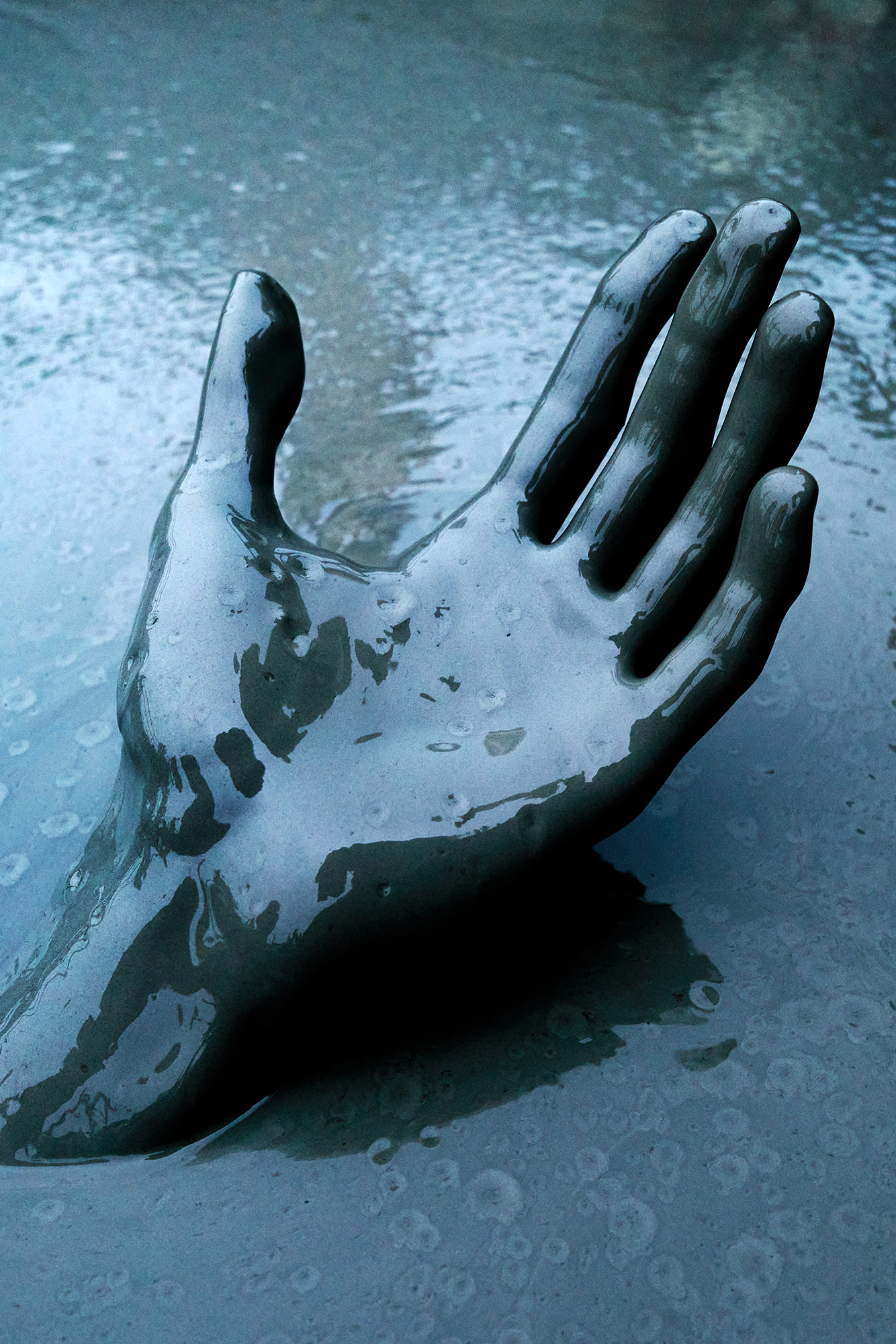
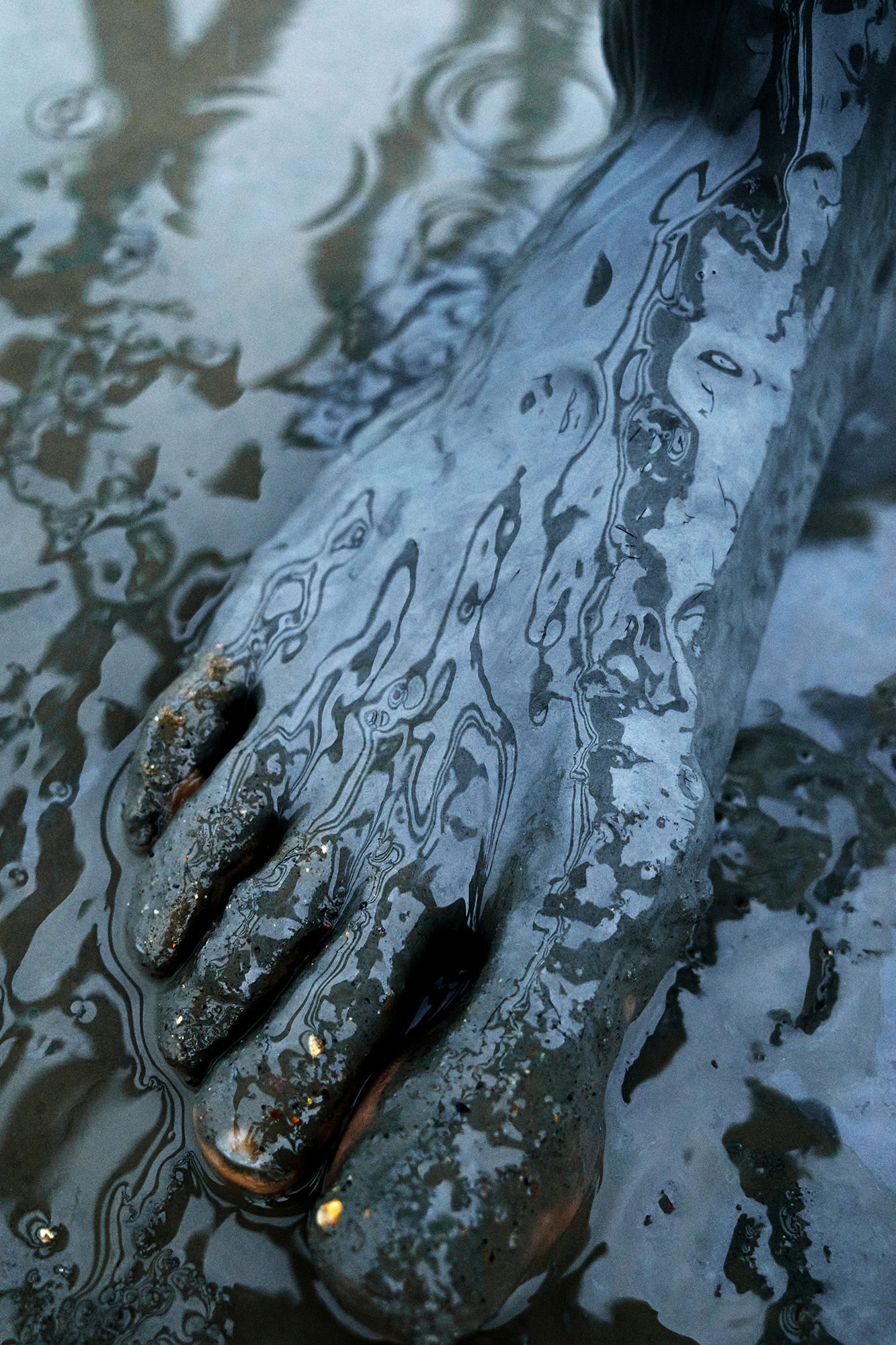
Jim C. Nedd
in conversation with Giulia Colletti
Terraforma 2023
9, 10, 11 June 2023
All images:
Jim C. Nedd
‘To Your Scattered Bodies Go #00’
Courtesy the artist and SANDY BROWN.