Text by Lumi Tan
CURA. 43
Coming of Age
Audio recording by Dossiers HQ
Coming-of-age films often fall prey to facile nostalgia; the genre exists for directors to romanticize their past, complete with sing-along soundtracks, fashion mistakes, and winking pop cultural references that swiftly situate their audience in the emotional upheaval linked to the burgeoning sexuality and individuation from family and slow-to-catch-on friends. The innocent self is left behind, replaced by a cynical, more liberated one. These films reassure us that while it’s escapist fun to indulge in the past, we’re never trapped in our younger selves. Meriem Bennani and Orian Barki’s collaborative film For Aicha (2024) offers us a version of the genre that feels less resolute and teleological, where what has been left behind is still unfolding in the present—notably, in how time tends to stand still in relation to our parents, with mutual understanding maintained instead of cultivated. The emotional breakthrough at the heart of For Aicha necessitates the long narrative format—Bennani and Barki’s first—and its attendant conventions, and reveals what opportunities being off-camera, but on-screen, affords.
The most cited genres when referring to Bennani’s previous videos include reality television, documentary, and ethnographic film; while these all share the potential for sharing incisive truths, they also employ dominant directorial framing towards the most convincing, consumable story. Bennani’s signature integration of absurd visual effects and 3D animation into her live-action footage can be seen as attempts to usurp her own authority behind the camera, positioning herself as a sharply curious, never cruel eye. Despite these surreal interferences into “real life,” the works never lose their emotionally authentic feel in part because her subjects or actors rarely ignore the camera or Bennani; she deliberately includes her voice asking questions or giving brief direction, building trust by removing the threat of false objectivity. Bennani’s work communicates so effectively as it shows confidence in both those who appear on-screen as well as her audience, that those on all sides are schooled in a spectrum of genres and understand the power of self-representation on-screen, no matter their age or fluency in digital media.
While Bennani has never been “in front” of the camera, over the years she has made herself increasingly visible, and by extension, vulnerable. In Mission Teens: French School in Morocco (2019), Bennani returns to her French high school in Rabat to interview present-day students in the form of a donkey avatar that marks her as an interlocutor who has graduated long ago. Yet with her typical humility, instead of using her age and position to be a wise elder, the donkey renders Bennani harmless and thus trustworthy of the frank interviews delivered by the teens. The cliché of “you never truly leave high school” is amplified by the cartoon’s slapstick comedy, such as when the donkey runs down the hall, clutching her film equipment in her hooves to make it in time to class as the school bell blares. But no matter how familiar the territory, the donkey ensures she can never truly blend in. Its on-screen presence reveals a filmmaker’s willingness to be seen, even if rarely without a camera in hand; her teen subjects are often seen in relation to the donkey’s body language and physical presence rather than a disembodied voice off-screen.
Despite the potential Mission Teens held for looking back, it was not a vehicle for Bennani to directly address her biography or high school experience. Just a year later, the Covid-19 pandemic forced a somewhat immediate nostalgia for our past lives, which seemed to evaporate overnight. The first episode of 2 Lizards (2020), Bennani and Barki’s first collaboration and for which they voiced the main characters, premiered on Instagram just a few days after the official lockdown in New York City. At a moment when there was little to like or share on the platform other than Zoom screenshots, Bennani and Barki’s animated series reframed the repetitive nature of isolation as an ever-evolving paranoid state of social distancing intertwined with the societal inequities exacerbated by the uncertain state of the future. The majority of artists at the time were cowed by the responsibility to create work about the immediate present, but Bennani and Barki embraced the time capsule quality of individual stories and told them in four minutes or less: losing a visa and having to return to your childhood home; holding a phone up for a patient on a ventilator, so that they could hear their favorite music; seeing the previously empty streets fill back up with protests and riot police. 2 Lizards established this all in a world devoid of human bodies, with 3D animated lizards, cats, sheep, bears, and insects (amongst others) set within live action street scenes. Animals became a great equalizer, with Bennani and Barki refuting the traits humans often place on them: reptiles aren’t sneaky, prey animals aren’t submissive, and (in a flashback, naturally) animals of all scales eat dumplings together in a Chinese restaurant after a night out dancing. The diversity of species slyly captured the culture of the diaspora in New York—we’re all animals driven from our natural habitats, speaking one language in a multitude of accents.
The levity of animals playing out the daily struggles of living under a pandemic—most of them simultaneously minor and potentially life-altering—made 2 Lizards imminently entertaining. In 2 Lizards and For Aicha, the animals are no longer representative of difference, as was seen in Bennani’s earlier videos. Instead, they lend deep empathy to the characters and their relationships. It’s not that they live in “our” world, with “our” problems; they actually are us, an idea supported by the naturalism of Bennani and Barki’s voices and their cast of family, friends and local acquaintances. Bennani sees the role of the animator as not only simulating life but sustaining it. In 2020, we may have asked what constitutes living as we spent our days without physical human contact; in 2024, we can understand the gravity of this motive as we regularly experience war and genocide as images on our phones, grappling with how humanization is granted or denied by imperial powers. Bennani has given herself the responsibility to use animation not as a way to construct life anew or escape the laws of physics, but as a sincere reflection of our reality where emotions are rarely broadcast as loudly as a Pixar film. The exaggerated feelings of popular animation are ostensibly targeted toward children, yet the unspoken undercurrents are what make adults cry in ways children can’t yet comprehend. Bennani’s belief in the affective potency of small gestures, and the emotions that can’t make their way to the surface or to those we love, is what moves her characters and her audience to tears.
For Aicha vastly expands on the world-building of 2 Lizards—which is to say, it is even more like our world. Its long narrative format lends time for further character development and narrative agility, and Bennani and Barki’s collaboration with creative producers and animators John Michael Boling and Jason Coombs achieves an astounding level of visual detail. Now, the animals are highly individualized, with custom wardrobes and accessories to express their personalities in addition to the particulars of their fur, teeth, manicured nails and styled hair, and facial tics. They move between sets that are hybridized between live video backgrounds and 3D models, the artificial luminosity of city streets casting reflections onto the character’s shiny fur or wet eyes. The uncanny tension between live action background and animated characters promotes a cartoonish playfulness that feels like signature Bennani; for instance, a character remarks as a giant tube of toothpaste painted on the side of a truck gets “squeezed” as the accordion-style door opens. But even when completely absorbed in the visual world of For Aicha, voice plays a primary role. It is a given that in animation the voice is key to anthropomorphization and its plausibility; the human voice allows us to believe that animals can talk, walk upright, wear clothes, have fingers and ultimately exist as we do. If mainstream cartoons match their outsized voices to their fantastical forms, Bennani and Barki have done the opposite, treating the recorded audio like documentary footage. It is fitting then that the emotional core of For Aicha is a phone call between Bennani and her mother, and the catalyst for the fictional film within a film—the opportunity to envision what can’t be seen on the other end of the line and manifest it into reality.
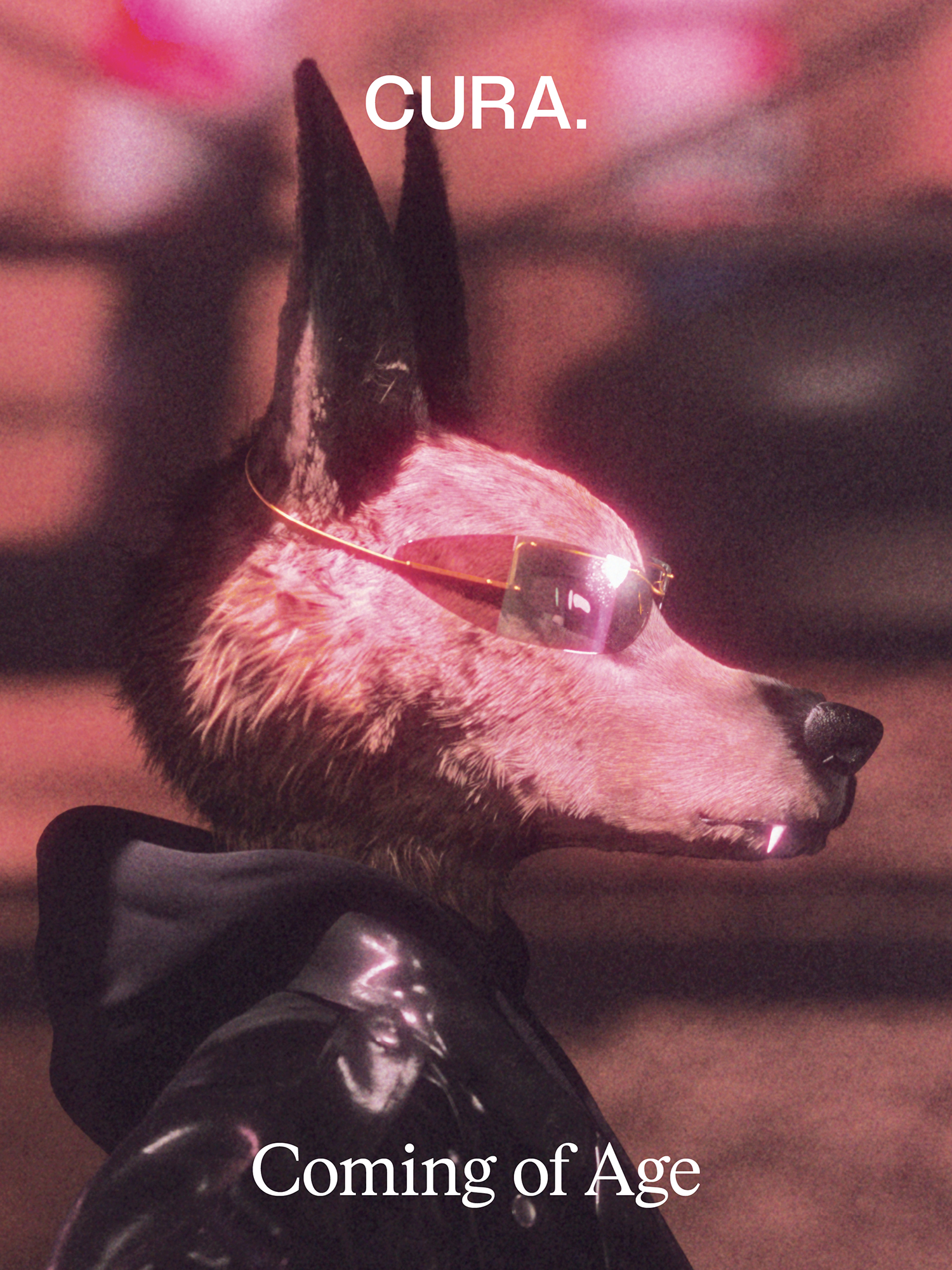
The two protagonists of For Aicha are “filmmaker Bouchra,” voiced by Bennani, and “fictional Bouchra,” voiced by Fatim-Zahra Alami. Both are handsome 35-year-old jackals in leather jackets and hoodies, with filmmaker Bouchra’s fur rendered in warm brown tones and fictional Bouchra in a cooler gray. As filmmaker Bouchra calls her cardiologist mother Aicha on the phone while she works on a script and storyboard in her apartment in downtown New York, “fictional Bouchra” is visiting her painter mother Aicha and family in Casablanca. Bennani’s voice is slightly deeper and exudes more confidence; El Alami’s voice comes off a bit younger and reflects the insecurities awakened by reentering your parent’s home as an adult. Filmmaker Bouchra’s queer social life is vividly portrayed through parties, exes and confidants, whereas fictional Bouchra primarily socializes with family until a clandestine night out gives her belief in the possibility of romance in her hometown. Both Bouchras are negotiating the same issue with their mothers: the years of avoidance around Bouchra’s queerness after Bouchra came out to her parents via a letter sent from New York. The phone calls between filmmaker Bouchra and her mother—reenacted from actual phone calls between Bennani and her real-life mother—use Bouchra’s creative block around the making of the film and the need to understand more intimately the experience of being a parent to break through the silence. While filmmaker Bouchra distracts herself from the strained conversations in the privacy of her apartment by staring at her computer screen or cooking, her mother remains a voice on the other side of the phone; fictional Bouchra faces this tension in the presence of her mother, whose disapproval of something that she knows has happened, but hasn’t yet encountered, is captured in penetrating silence at the dinner table. By the time the mise-en-scène appears, we are unconcerned with distinguishing truth from fiction, or between the parallel lives of the two Bouchras. Many films detail the tedious, painstaking nature of filmmaking—the rewrites, edits, reshoots, and overall repetition until everything is precisely as the director wishes. For Aicha applies that labor and drive to the film and the mother-daughter relationship at once; the film gives shape and reason to rupture the familiar ease that avoidance supports.
This is distinctly poignant in the case of Bennani and her mother, who Bennani refers to as her “main actress,” and who has participated in her work since 2015. Typically, her mother plays expressive characters that draw upon her outgoing, spirited personality. In Bennani’s most recent work, the characters have crept closer to reality; in the Life on the CAPS trilogy (2018–2022), the artist’s mother plays a pharmacist (her real-life profession). In the accompanying book, she confesses to Bennani that this was difficult for her due to her trusted role in their neighborhood and community. They continue to discuss how Bennani has only drawn from the joyful aspects of her mother’s personality, and both acknowledge how representing her darker, more intimate side would be difficult. While her mother voices the role of the pharmacist mother in 2 Lizards, she ultimately declined to voice her role with Bennani in For Aicha. Yet, the piercing emotional effect remains the same. On-screen, the “real Aicha” admits that the film is a therapy that she could not provide; despite the years of developing their director/actress roles, Bennani and her mother had to take themselves off-screen to contend with this dormant pain between them.
The opening scene of For Aicha is the studio of a call-in radio show entitled Khoui Qelbek (What’s On Your Heart?). The hosts invite callers to pour their hearts out to them rather than “in the garbage.” The first caller declares their devotion to “S, who is listening”; later in the film, another caller complains about her new husband’s poor household etiquette, to which the host responds, “If only couples could live together before they got married, it would save us so many divorces!”. The call-in radio show has long been a space of public confessional—anonymity is not ensured, but it counts on the fact that the mere risk of broadcasting your dilemma to an unknown audience is enough to make that one person who truly matters hear you. For Aicha gives us generous permission to listen in on a revelatory phone call; after many years, both mother and daughter have decisively been heard.
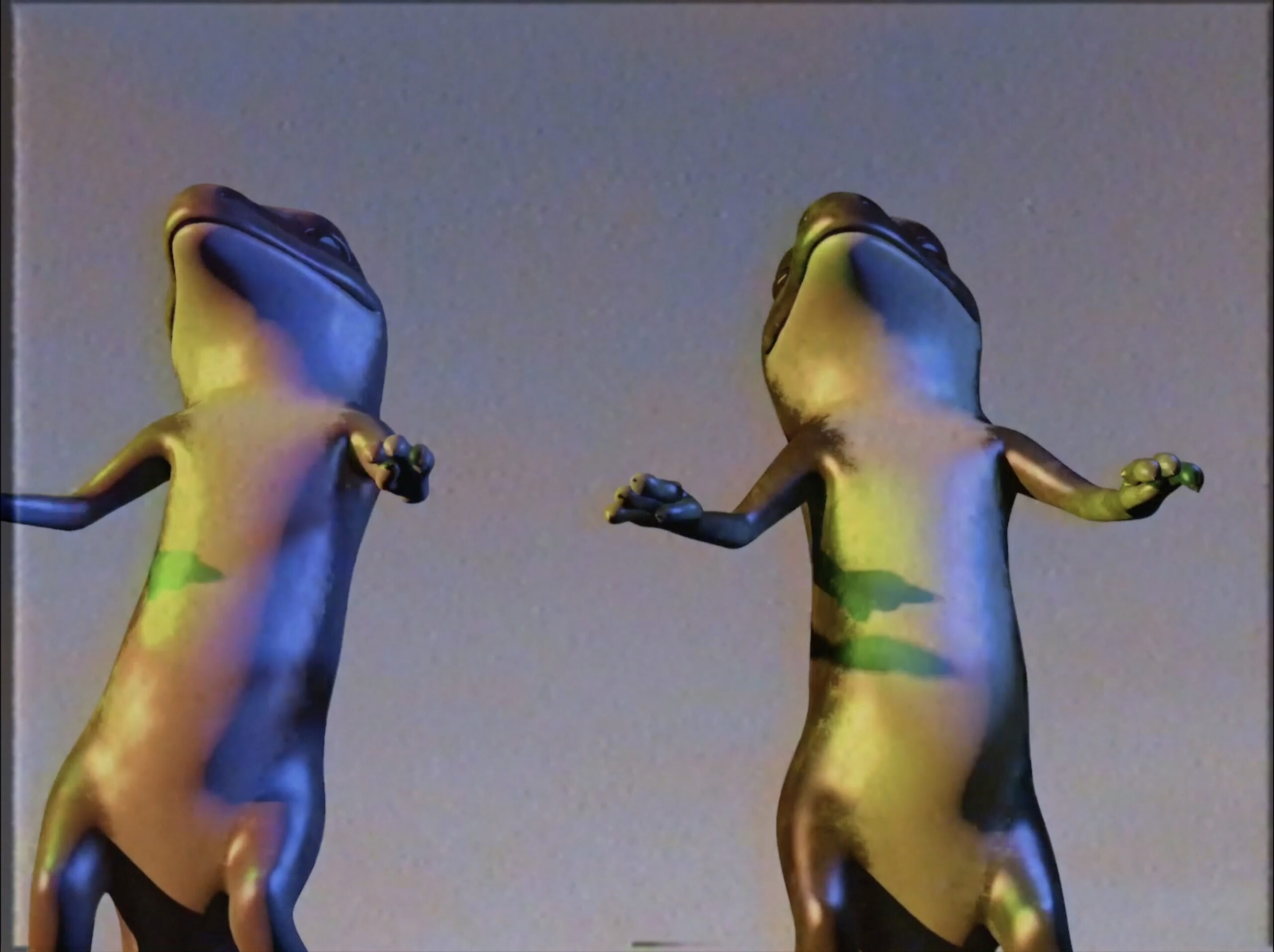
Meriem Bennani and Orian Barki, 2 Lizards, 2020 (video stills) Courtesy: the artists
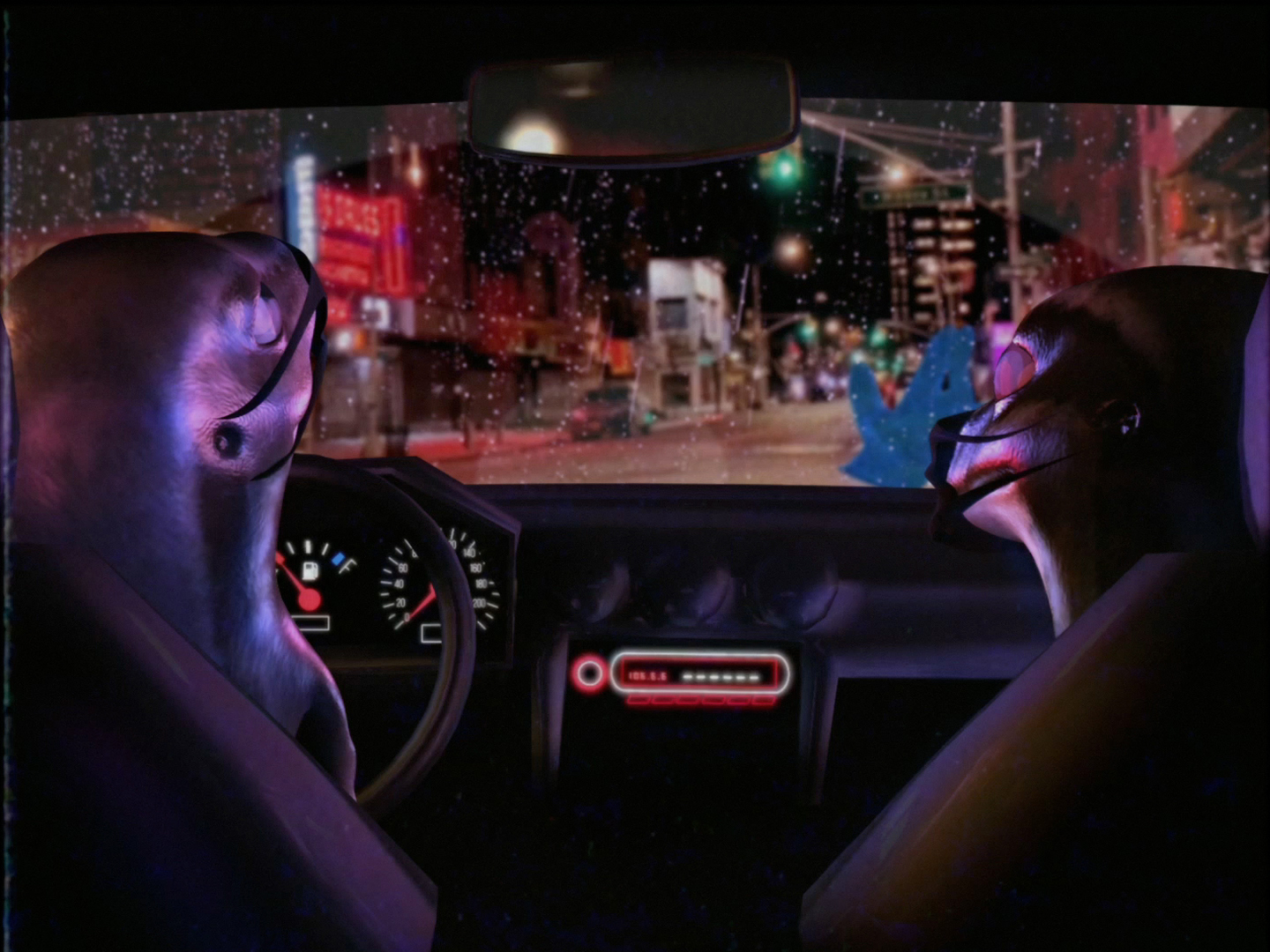
Meriem Bennani and Orian Barki, 2 Lizards, 2020 (video stills) Courtesy: the artists
Meriem Bennani
and Orian Barki in conversation
CURA. 43
Coming of Age
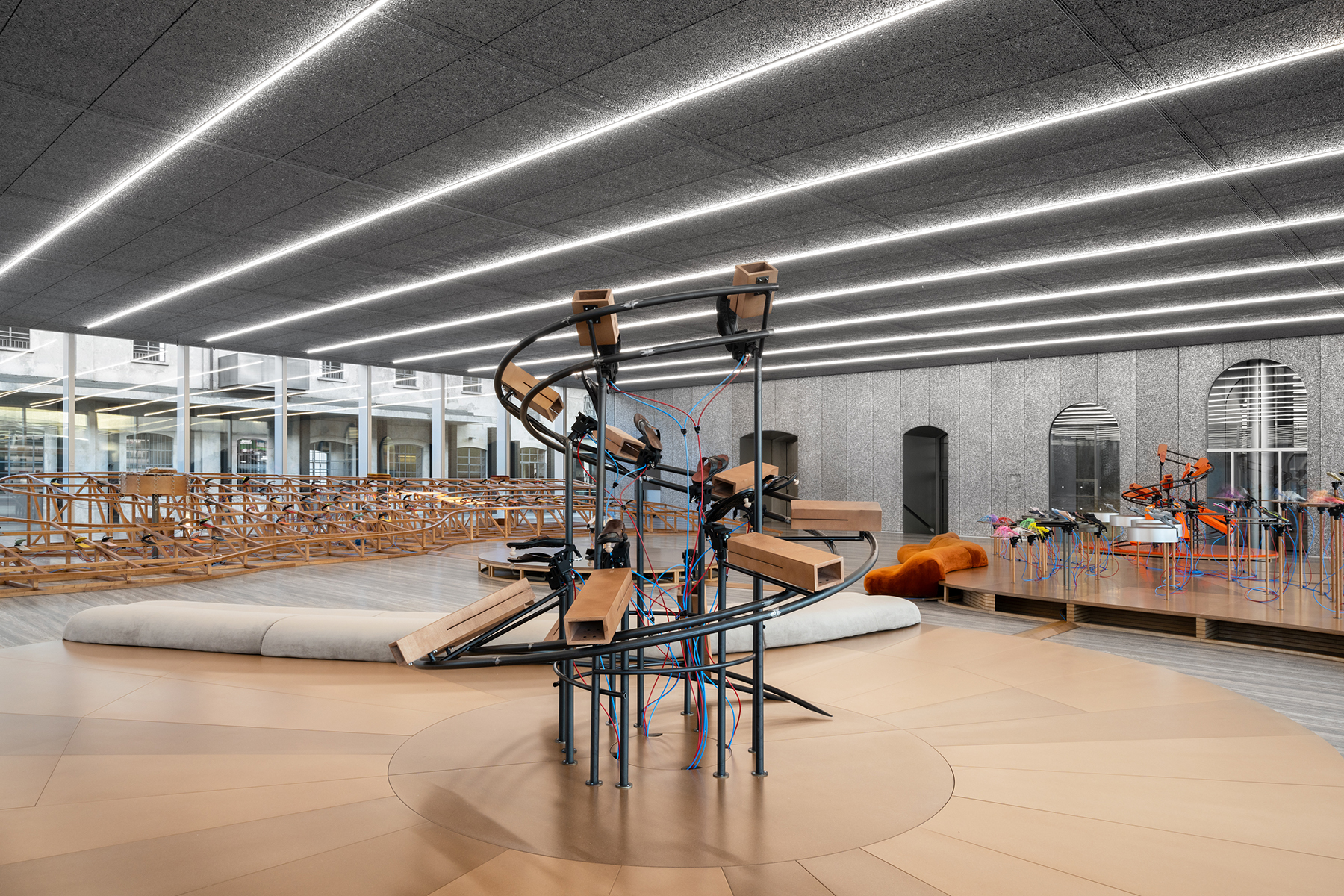
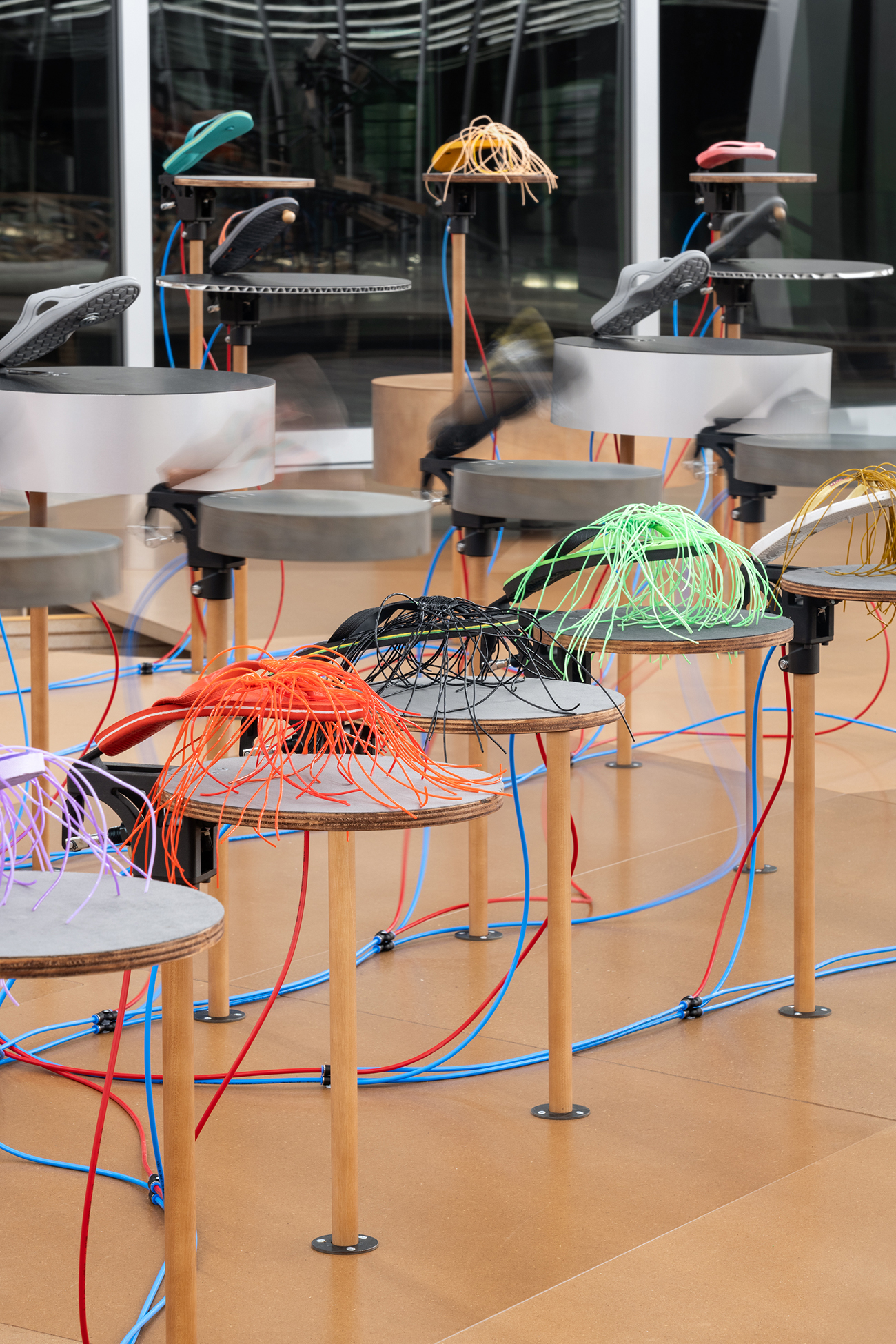
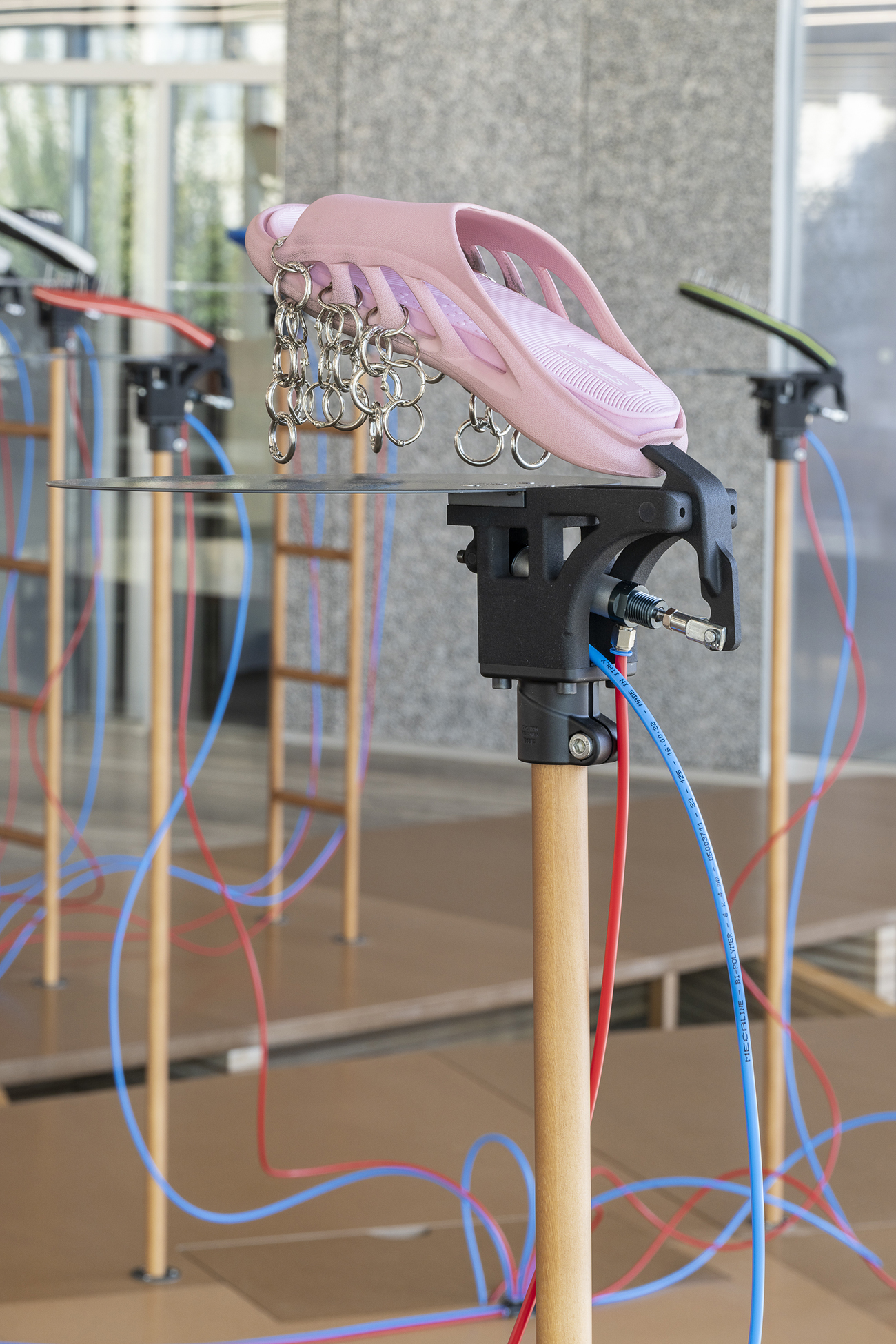
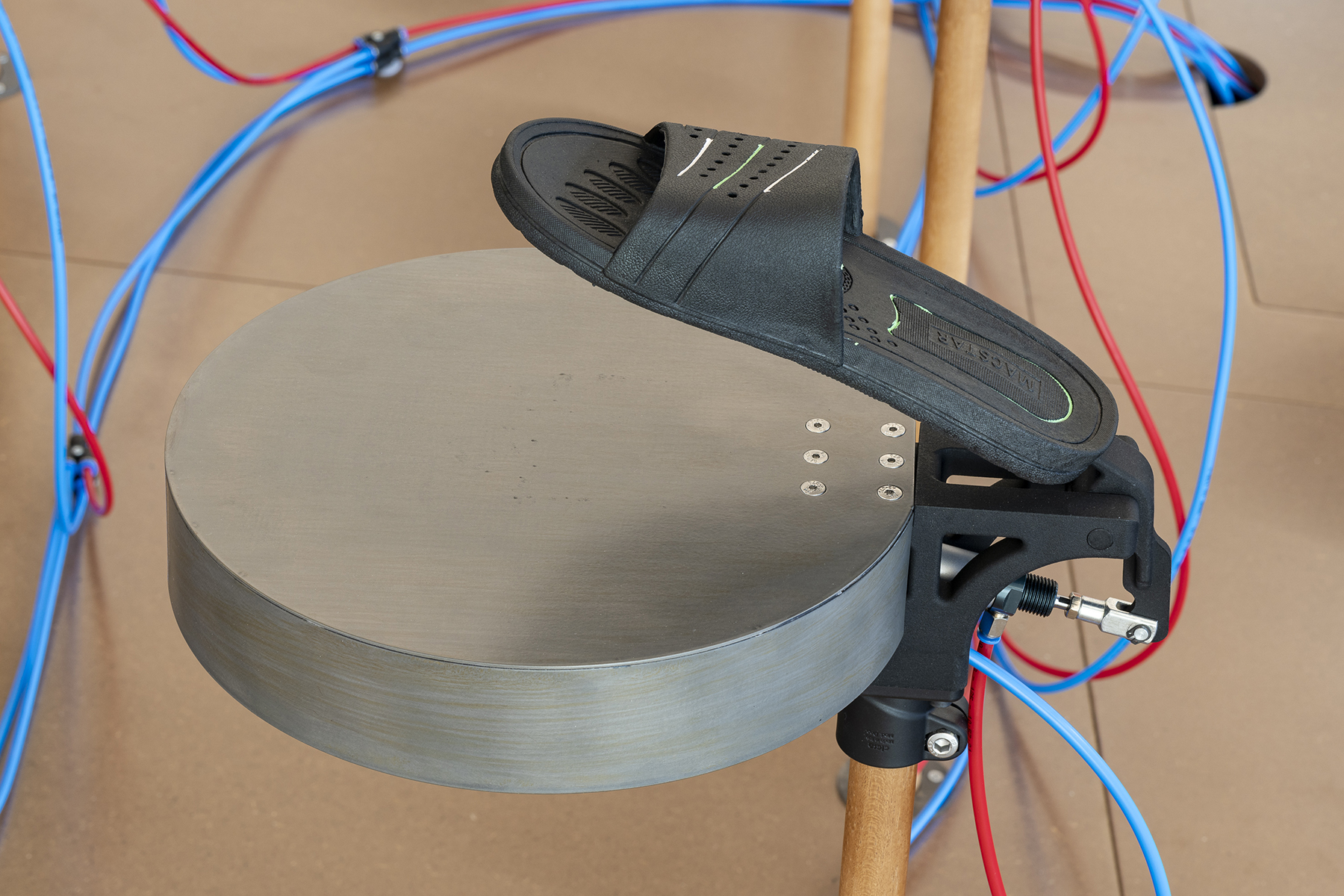
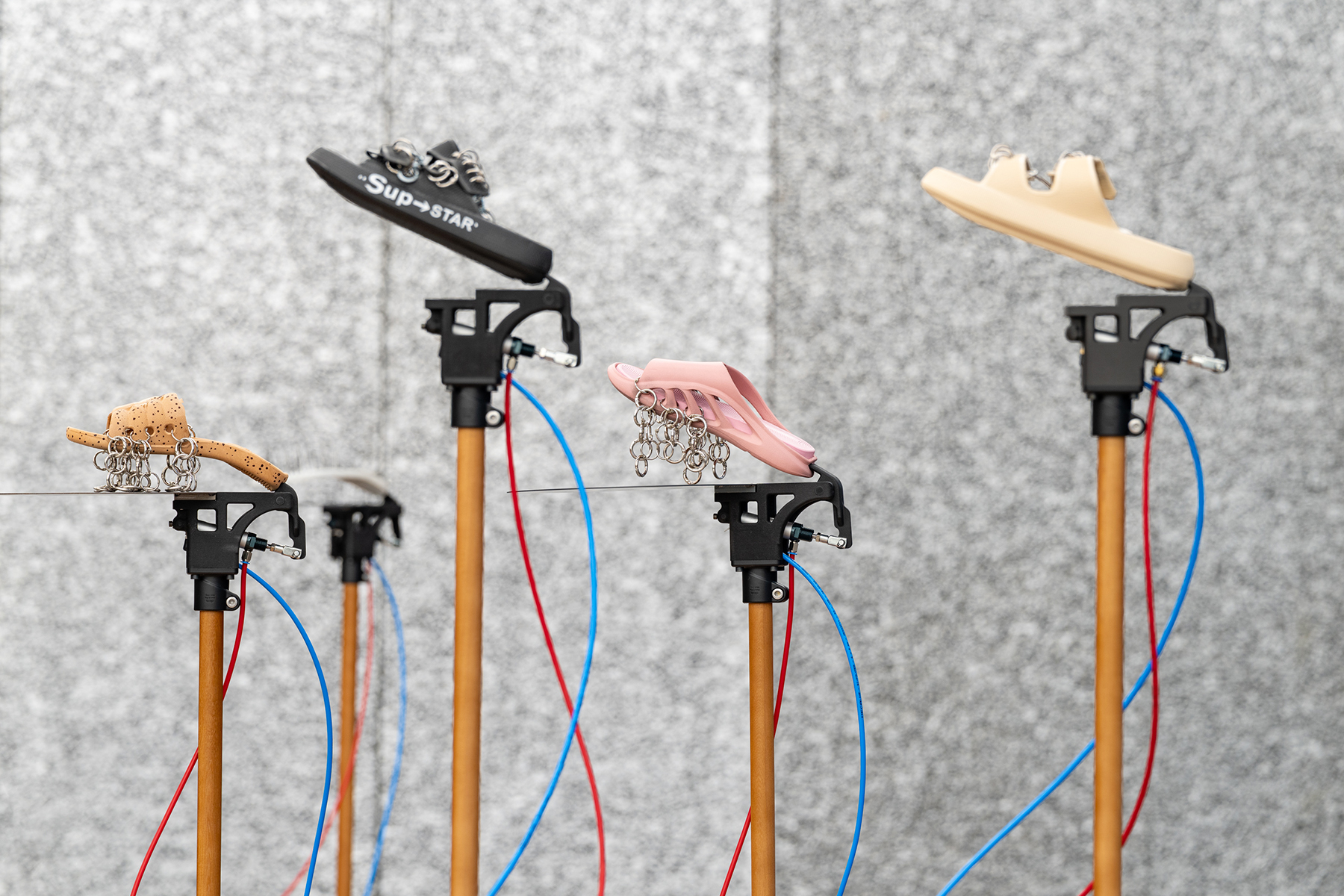
Exhibition view of “For My Best Family” by Meriem Bennani
Photo: Delfino Sisto Legnani – DSL Studio
Courtesy Fondazione Prada
MERIEM BENNANI (b. 1988, Rabat, Morocco) lives and works in Brooklyn. Solo exhibitions of her work have been held at: Whitney Museum of American Art, New York; MoMA PS1, New York; Fondation Louis Vuitton, Paris; The Renaissance Society, Chicago; Nottingham Contemporary, Nottingham; The Kitchen, New York, among other venues. A major solo exhibition opens in October 2024 at Fondazione Prada, Milan. A selection of her participations in group exhibitions include: Whitney Biennial, New York; Geneva Sculpture Biennial; Biennale de l’Image en Mouvement, Geneva/Turin; Shanghai Biennale; Munch Triennale, Norway; The High Line, New York; Centre Pompidou, Metz; Palais de Tokyo, Paris.
LUMI TAN is a curator and writer based in New York City. She recently served as the Curatorial Director of Luna Luna. Previously, she was Senior Curator at The Kitchen, New York, where she organized exhibitions and produced performances with artists including Kevin Beasley, Meriem Bennani, Gretchen Bender, Abraham Cruzvillegas, Autumn Knight, Danh Vo, and Anicka Yi. Tan has also held positions at the Fonds Régional d’Art Contemporain Nord Pas-de-Calais, France; Zach Feuer Gallery, New York; and MoMA/P.S.1, New York. Her writing has appeared in The New York Times, Artforum, Frieze, Mousse, CURA., and numerous exhibition catalogs.