in conversation with Giulia Colletti
Radis #02
Special Project

Launched in 2024 by Fondazione Arte CRT, in collaboration with Fondazione CRC, Radis is a programme dedicated to fostering public art interventions in small towns across Piedmont. Curated by Marta Papini, each edition commissions site-specific works developed in dialogue with their host territories.
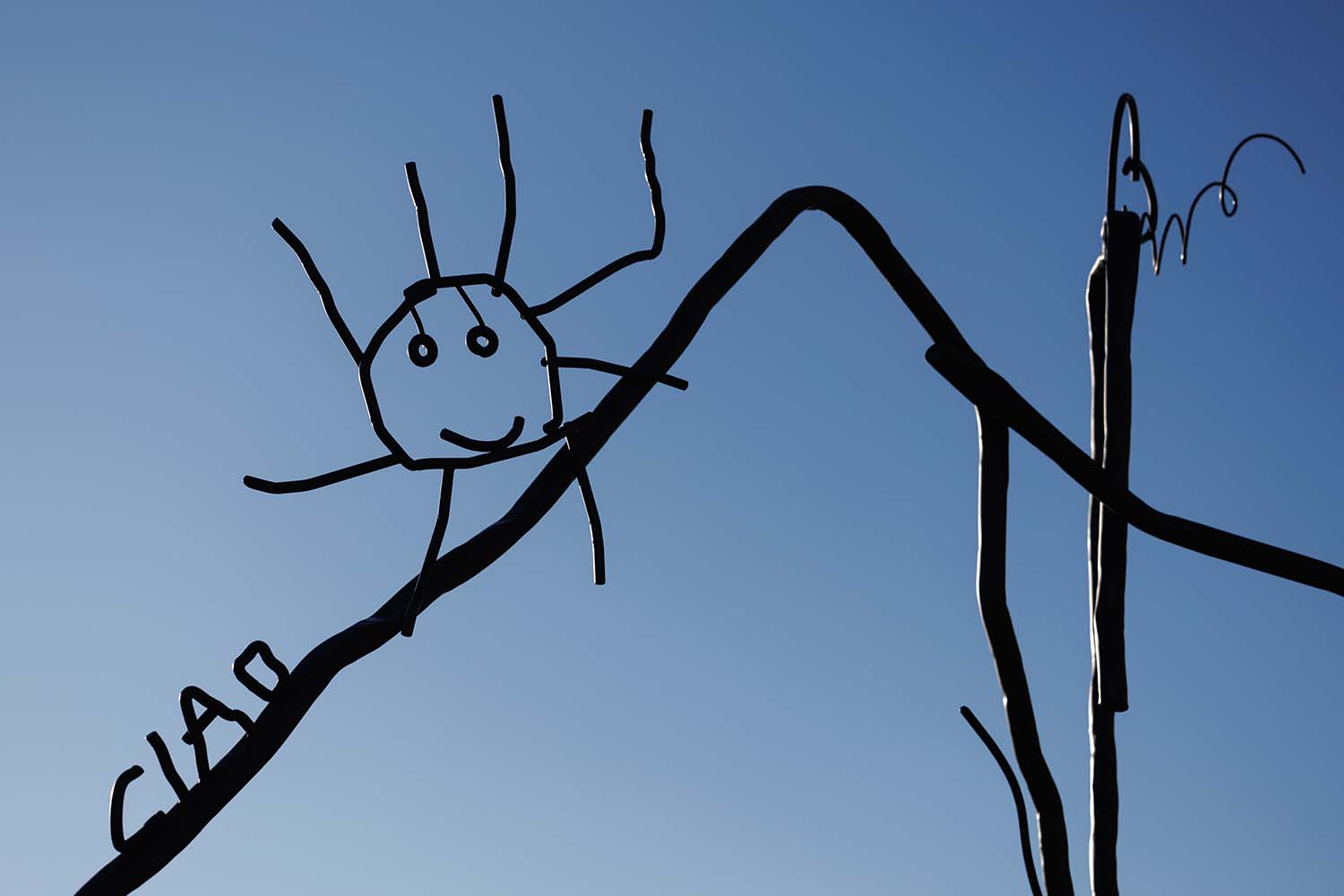
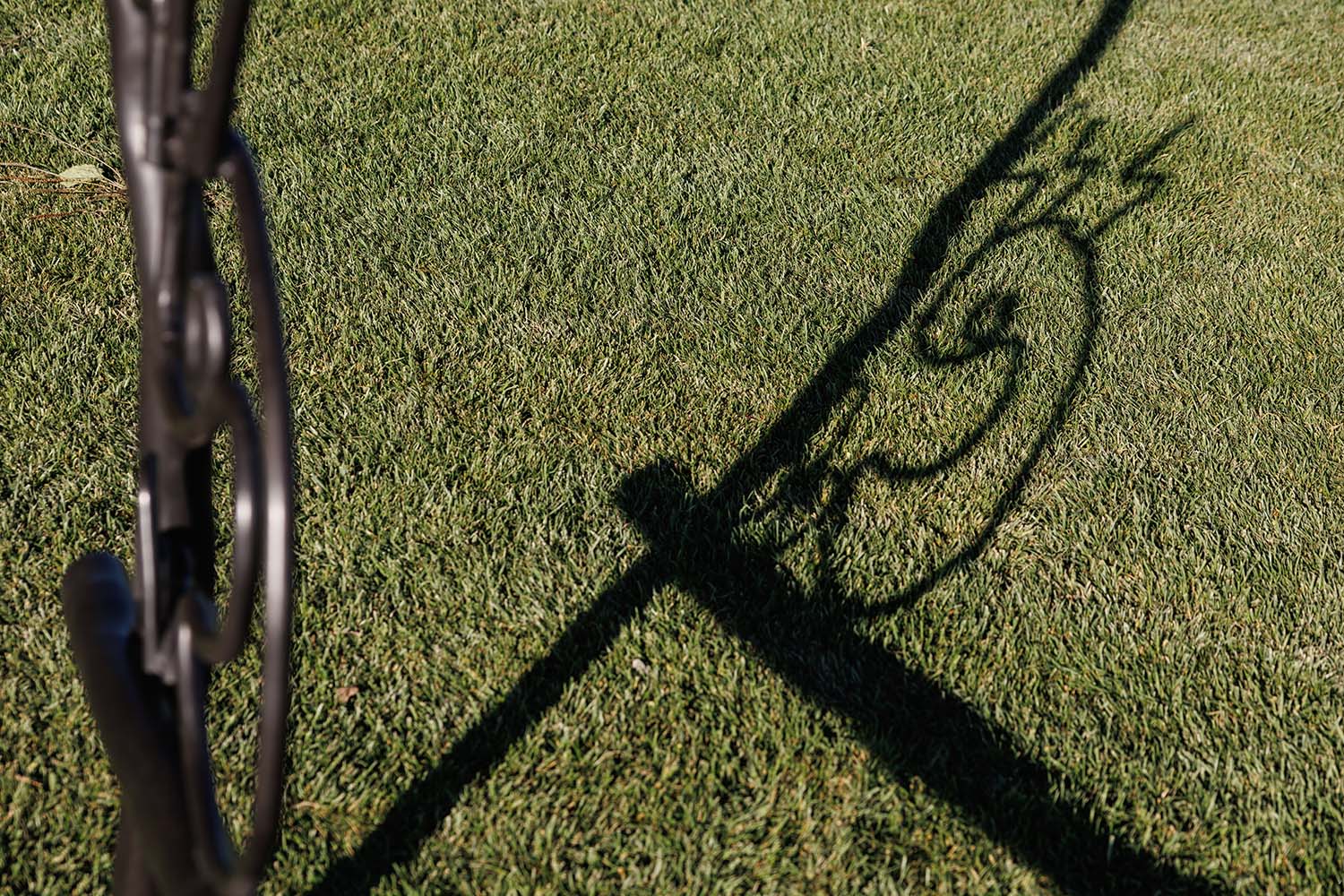
In this second feature of CURA.’s editorial series on Radis, Marta Papini engages in conversation with Giulia Colletti about the ethics of presence and the shared responsibility of working with local communities. Revisiting Giulia Cenci’s le masche at Chiot Rosa and Petritit Halilaj’s Abetare (a day at the school) in Borgata Valdibà, the dialogue explores how desire and memory shape Radis as a living method rather than a fixed format, envisioning public art as a process that unfolds over time.
I’d like to return to your first visit to Rittana. How did your encounter with the territory emerge, and how did it guide your decision to invite Giulia Cenci? I’m curious to know whether the place came before, or whether it was her work that suggested how to look at it.
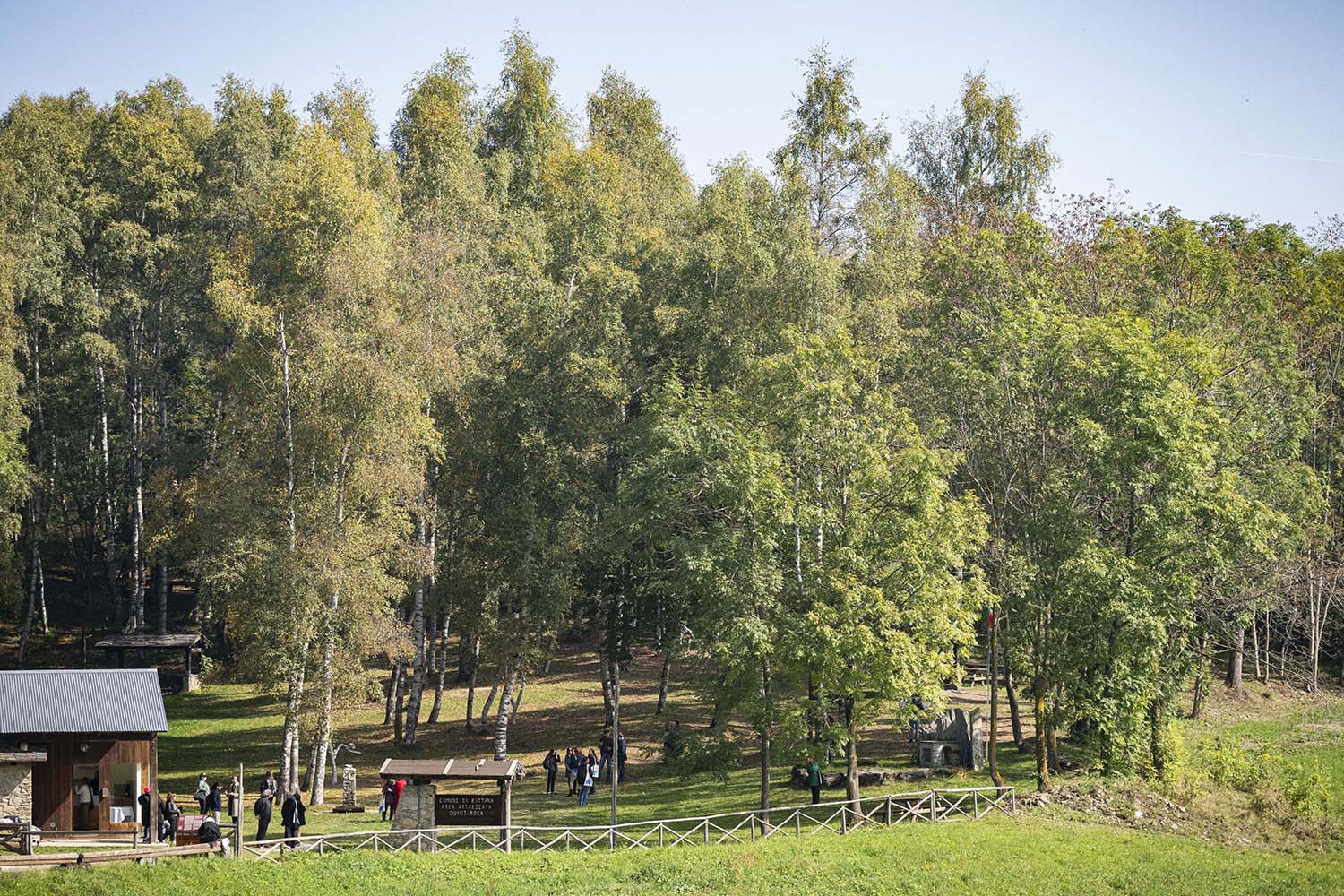
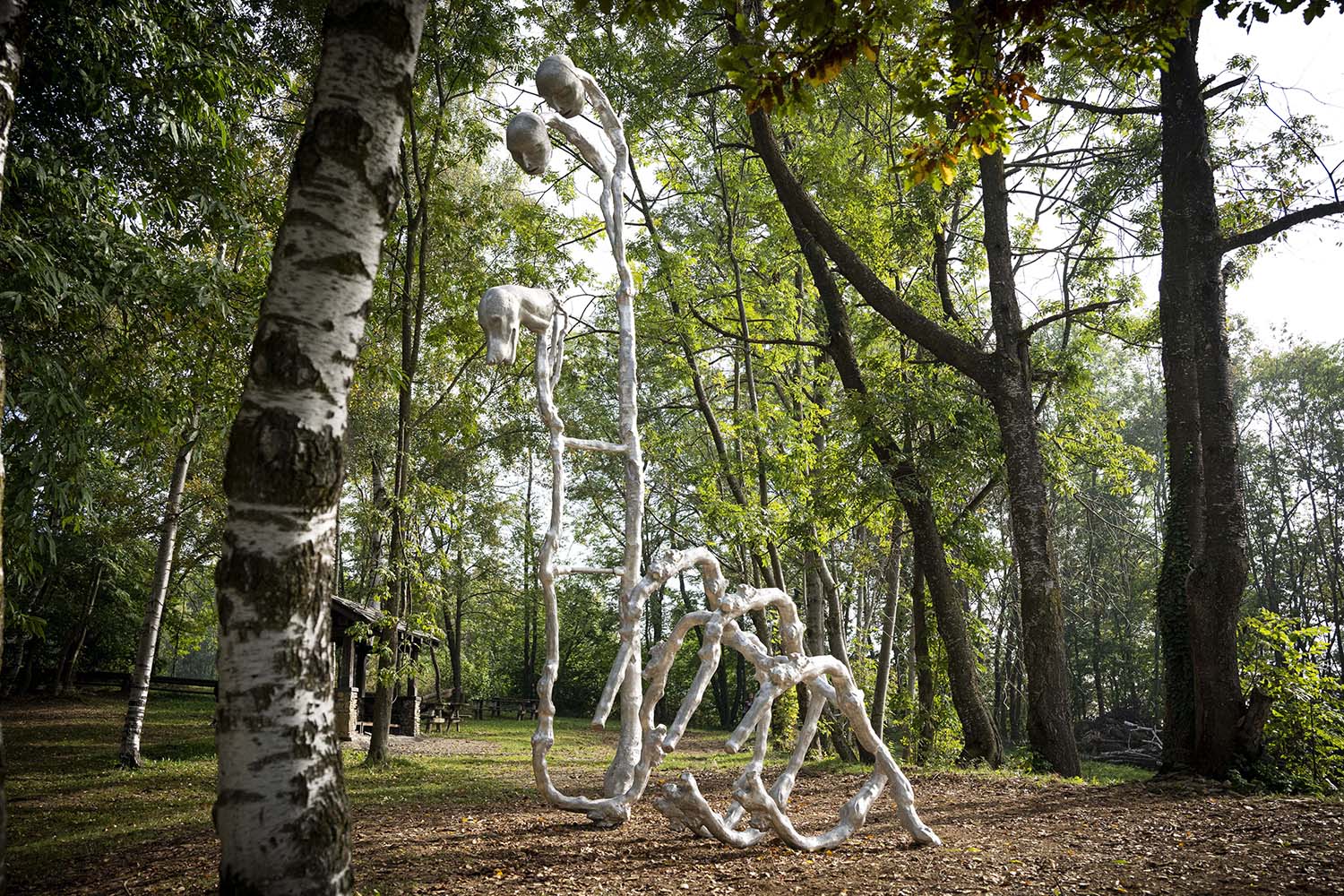
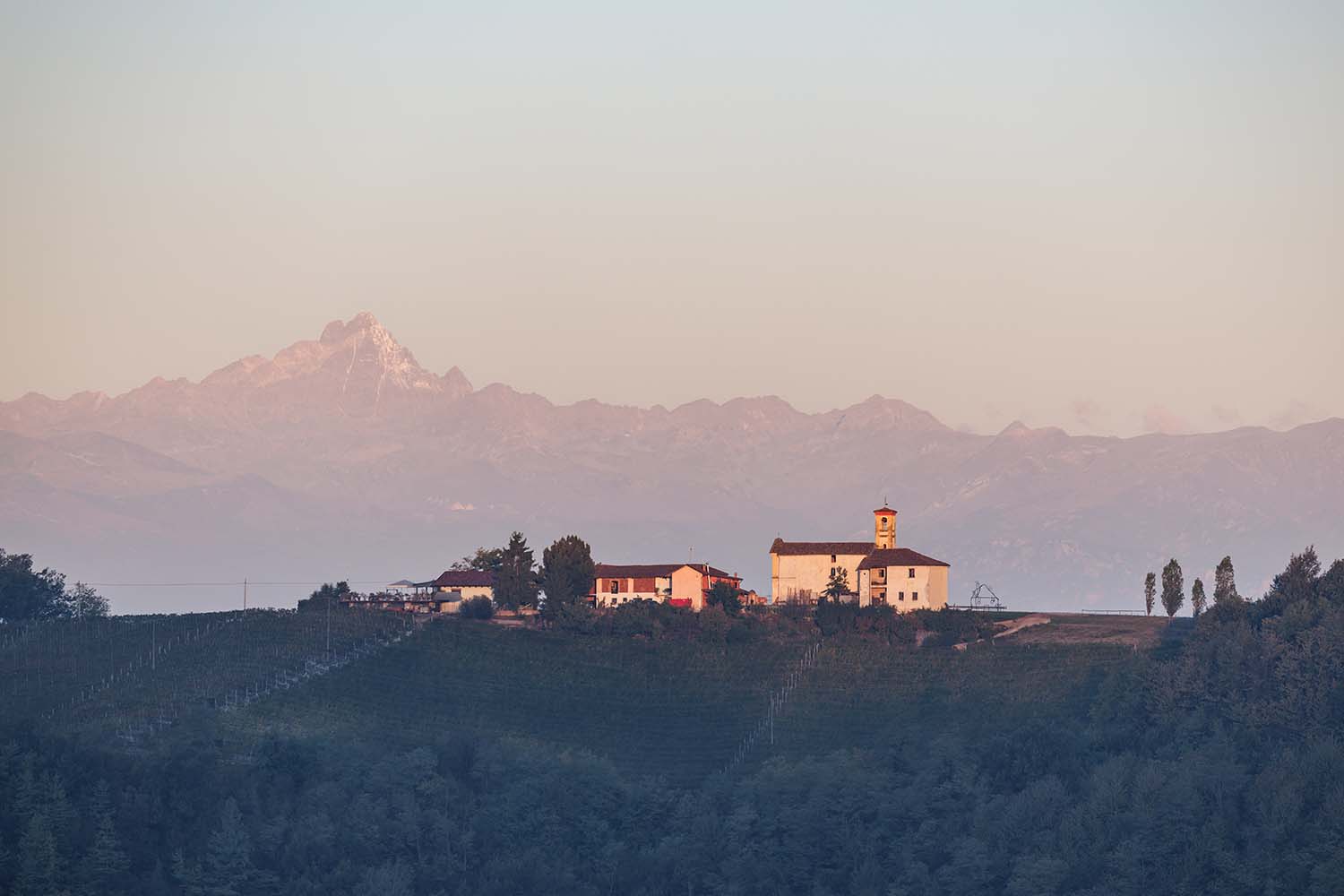
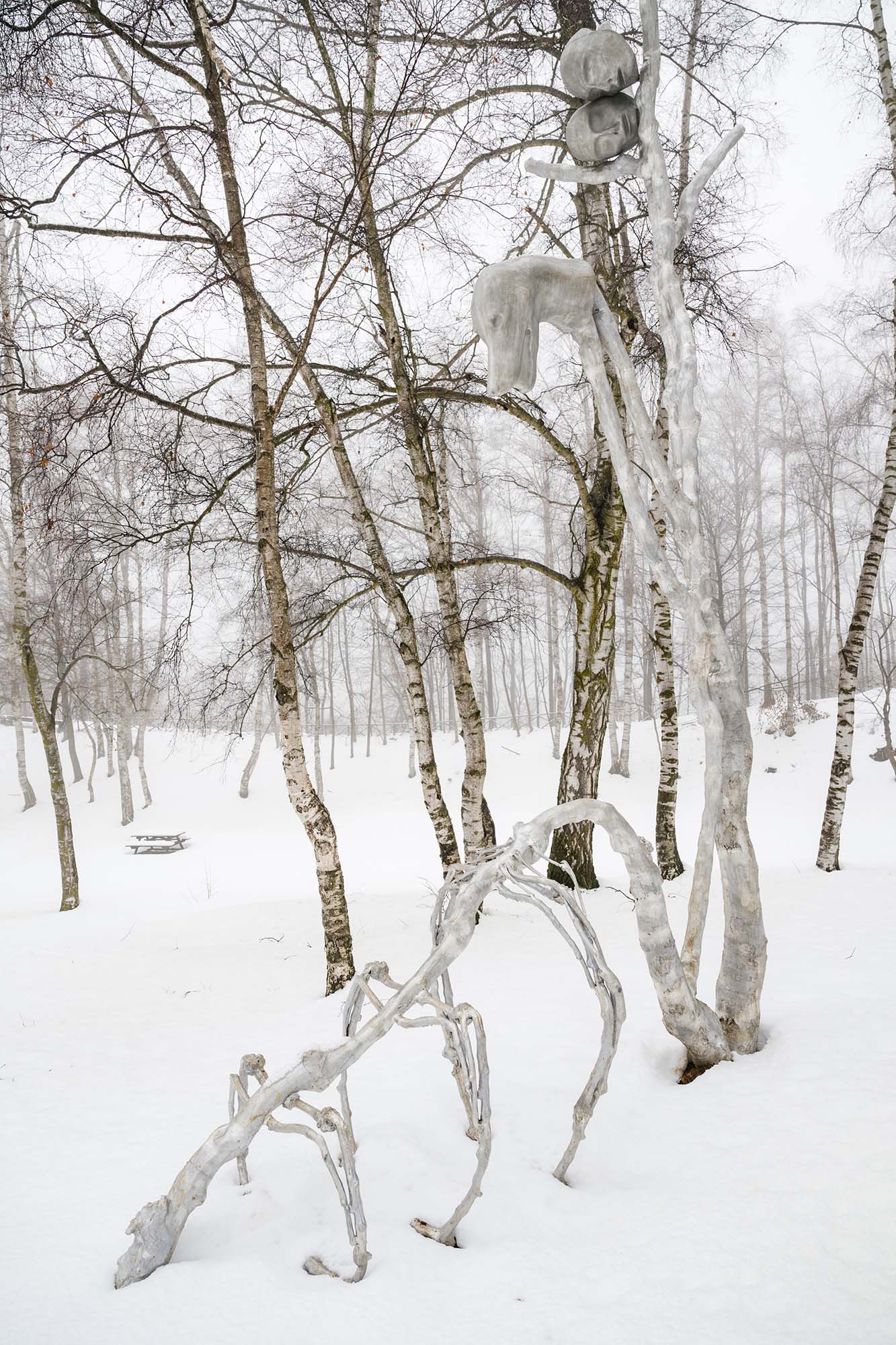
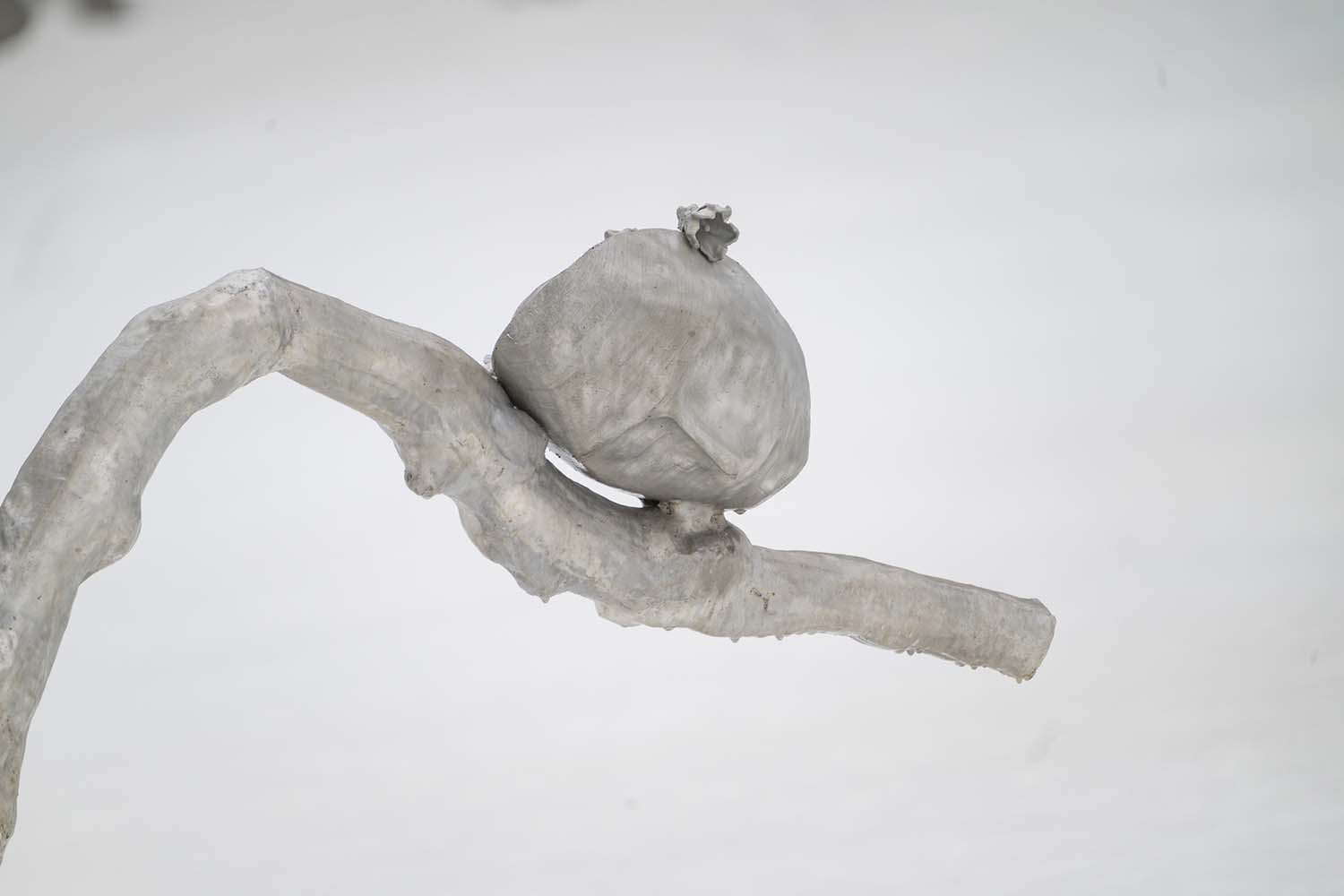
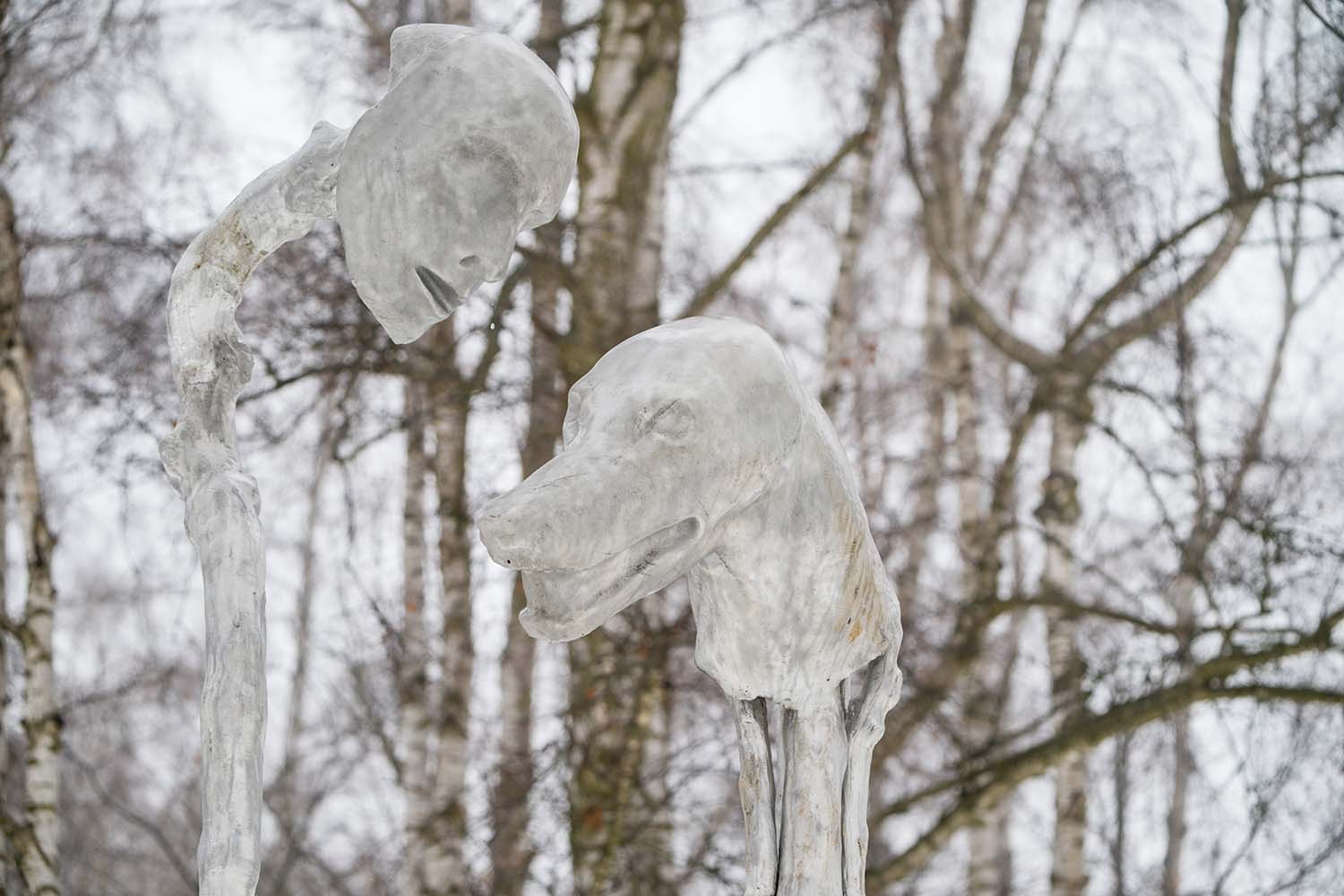
The first time I visited Rittana, for the first edition of Radis, the mayor and some members of his team offered us an overview of the area. The very first reference they mentioned was Il mondo dei vinti by Nuto Revelli, a book collecting oral testimonies from a disappearing rural world after the Second World War. Those voices still resonate today, because that territory has never really been repopulated and depopulation remains a pressing issue in the province of Cuneo. During that first visit, we reached Chiot Rosa, and I immediately sensed it was the right place. It’s a public space that remains active throughout the year, connected to several valleys. It is a point of passage but also of encounter. What caught my attention most, however, was the birch grove. The birches aren’t native to this part of the Alps. They were planted in the decades following the abandonment of the pastures, when many families left the mountains and the land ceased to be cultivated. Over time, these trees became pioneering species, reclaiming the slopes once kept open by human labour. In that sense, they embody the passage from human presence to ecological succession. From that moment, thinking of Giulia Cenci felt almost instinctive. At the time, she was presenting Secondary Forest at the High Line in New York, a work exploring the notion of “secondary nature,” meaning a landscape that emerges after human intervention. Inviting her to Rittana seemed the obvious choice, precisely because her practice already revolved around such reflections on the afterlife of human activity. With le masche, she captured both the condition of depopulation and the notion of a landscape that is only apparently natural. Those hybrid figures seem to have sprung from the ground itself and, at the same time, reveal the ways in which we abandon and reinvent places. I too was coming from a similar experience in Val Gardena, where I co-curated the Biennale Gherdëina. Julius von Bismarck’s project was about the spruce bark beetle, a small forest insect that has always existed but has now become problematic due to the monoculture of spruce. As in Rittana, the landscape we imagine as “natural” is, in fact, the outcome of very specific economic and cultural choices. Giulia Cenci’s work integrated seamlessly because it was already part of a broader trajectory of research. In the end, le masche became a public artwork that speaks both to those who live there and to those who arrive from elsewhere. It addresses depopulation, of course, but also our illusion of untouched nature. Because, ultimately, no landscape is ever truly natural. Everything, in one way or another, bears the trace of human passage.
What strikes me most in Giulia Cenci’s work is the refusal to impose a presence on a place that, beyond its historical and geographical dimensions, is also someone’s personal site of memory. It reminded me of Lucy Lippard’s words in The Lure of the Local (1997), where she writes that place is the locus of desire. It seems to me that with Radis you, too, are working on the desire within a place, rather than on its representation. So I wonder how the desires of these places, and of the people who inhabit or remember them, have been reflected in your projects. In the second edition of Radis, together with Petrit Halilaj, you engage with the memories of students and teachers from a former neighbourhood school, a building abandoned since the 1970s yet still vividly present in the collective imagination. This, too, seems to become a kind of “place of desire.” How did you seek to make these memories resonate, while giving something back to the territory, honouring those desires yet avoiding both the rhetoric of loss and the nostalgia of absence?
The first thing is always the collaboration with the artist. It’s a responsibility I feel deeply towards. What matters is the ability to recognise which artistic language is right for that place. Giulia Cenci was already exploring those themes, and I felt her practice could truly resonate with that context. Responsibility lies not only with the territory but also with the artist. It makes no sense to involve someone in a context that neither belongs to them nor inspires them, and this was equally true for Petrit Halilaj. When we found the school, I knew immediately it was the right place for Petrit Halilaj. I saw the presentation he did at the MET for the Roof Commission in 2024 and I have had the Abetare series in mind since then. It’s an alignment that’s hard to explain. With Giulia Cenci, it was similar. Responsibility, therefore, extends to everyone involved, demanding the same level of commitment from all sides. Once the work is defined, I accompany the artist through the production phase, ensuring that the proposal doesn’t overwhelm the context but rather speaks the right language to be embraced by those who inhabit it. With Giulia Cenci, we spent several days on site during the installation. Technically, the work could have been assembled in a day or two, but the key was understanding how. Any 3D simulation was pointless. It was about sensing the spatial rhythm and its dialogue with the surroundings. The area offered multiple paths and vantage points, and we wanted to avoid the impression of an alien body, making it feel instead as though it had emerged organically. We studied the relationship between trees and clearings until we found the right position for each sculpture. To prevent the work from imposing itself visually, we placed it along a path that reveals it gradually within the grove. Since the sculptures were distinct, we debated whether to start with the more figurative or the more abstract one. The latter became the culmination of the journey yet, for those entering from the forest, abstraction was the first encounter, leading back towards form. Another crucial aspect was that locals were already familiar with contemporary art, thanks in part to the mayor. Working with administrations that are open to a genuine dialogue between art and community remains a key principle of Radis.

Listening to you, it seems that you’ve created not so much a format as a living organism. Over time, have you had the impression that Radis has evolved into something larger, something that sometimes even surprises you? Or do you still manage to keep it within a clear structure?
That’s a good question, I’m not sure I can fully contain it. I’ve never really thought of Radis as a format. Though, inevitably, it has become one, in the sense that it follows a certain structure. It moves and shifts, but each time it changes profoundly. More than a format, I think of it as a method. A method shaped by the places and the people I meet. It’s situational, and therefore constantly evolving. It is never something I can fully plan, but something that adapts continuously. Perhaps that’s what keeps it alive. Of course, that also makes it harder to manage, because you have to start over each time but that’s precisely what I find stimulating, there’s never a fixed formula.
It’s interesting that you use the word method rather than format, because the distinction is crucial. A method implies a process not a rigid structure. In that sense, your curatorial practice also seems to follow this logic, not as a framework to be applied, but as a way of being in places and in relationships. How much of your curating comes from listening and exchange, and how much from personal intuition?
Very much from dialogue. I don’t think I could curate without building a relationship both with the artist and with the context in which the project unfolds. At the same time, there’s always an element of personal vision. In the end, you’re the one who brings things together, giving them an inner coherence: it’s a balance between giving space and guiding it.
I like this idea of inner coherence, because it seems to me that in Radis, as in other projects of yours, there’s always a tension between the notion of a finished work and that of a process still in becoming. Perhaps that’s also why the works that emerge in those contexts never feel as though they’ve been “plonked there,” as you said earlier. They seem to belong to the place and to breathe with it. Do you think this capacity to let art and territory breathe together also stems from having worked in very different contexts and from developing, over time, a certain curatorial elasticity?
Yes, I think so. Having worked in very different contexts has taught me that each has its own rules, and you can’t impose a single way of working. This capacity to adapt certainly comes from there. It also stems from my interest in turning given conditions into opportunities rather than constraints.
That’s a form of resistance too, isn’t it? A resistance to pre-established logics. Perhaps that’s why your projects, while rigorously conceived, always leave space for the unforeseen. That makes me think the physical dimension (walking, for instance) becomes an integral part of the work. It’s as if the sculpture exists not only in space but also in the time of the body that travels to encounter it. In that sense, your curatorial work extends to the way the public moves through the place. It’s almost like choreography.
Exactly. I like that word very much. It is a choreography, though not in the sense of something imposed, but rather something you suggest and that each person interprets in their own way. I always think about how people will move through space, what they’ll see first, what they’ll discover later, how the light will change perception over the course of the day. So yes, it’s a kind of spatial writing, almost choreographic, yet it still leaves room to take a wrong turn and stumble upon something unexpected.
It seems to me that this balance between precision and freedom is also a hallmark of your curatorial personality. Perhaps that’s why you manage to hold together the poetic and the political, which interweave so strongly in Radis. On one hand, there’s the poetry of landscape and memory; on the other, the politics of territory and relationships. Do you recognise yourself in this double tension?
Very much so. I don’t believe in separating the poetic from the political. Every poetic gesture is also political, if enacted consciously. And conversely, every political gesture can carry poetic force when it isn’t merely instrumental. So yes, I think Radis has this double soul and that’s also why it works. It’s neither only an aesthetic question nor only a social one. It’s a way of being in the world. Taking a position, but also welcoming and imagining. For me, that’s the most compelling dimension of public art.
It’s interesting that you say “a way of being in the world”, because it seems to me that, in the end, your curating is less about representing the world than about inhabiting and traversing it. Perhaps that’s why the works that emerge from your projects are never monuments, but presences. Do you think this notion of presence could be a key to rethinking the relationship between art and landscape today?
I think the time of monuments is over or at least it should be. We no longer need things that commemorate in a celebratory way. We need presences that accompany us and change with us. I believe that when public art works, it isn’t the kind that strikes you straight away, but the kind that returns to you afterwards. It needn’t be a coup de théâtre. It should be a presence that grows over time. That’s why I’m more interested in duration than in impact. In that sense, public art can be a living presence, not a fixation of the past. Petrit Halilaj, for example, is designing a sculpture that you can touch and interact with, and so did Giulia Cenci.
That’s fascinating, when a work isn’t “donated” in a condescending sense, but is recognised and inhabited. Perhaps that reciprocal recognition between artist, curator, and community is the hardest thing to build and the most valuable. Do you think the places you’ve worked with so far share something that predisposes them to this kind of process?
I’m interested in working with a living community, even if small or fragmented, with a sense of belonging. I couldn’t imagine Radis in a completely uninhabited place, or somewhere with no one to care for it. And there must be an open-minded administration, as I mentioned, that sees art as an opportunity. I’d say the two essential conditions are a willingness to listen and a care for the territory. Without those, it wouldn’t make sense.
And that listening becomes, in turn, a political act, because it implies recognising the other and relinquishing a certain degree of control. It’s a form of trust. In times like these, it’s also a radical gesture.
It’s radical, and also very fragile. Trust is built slowly but can be lost in an instant. It needs cultivating…like a field. Perhaps that’s the most invisible, yet most important, part of my work as a curator.


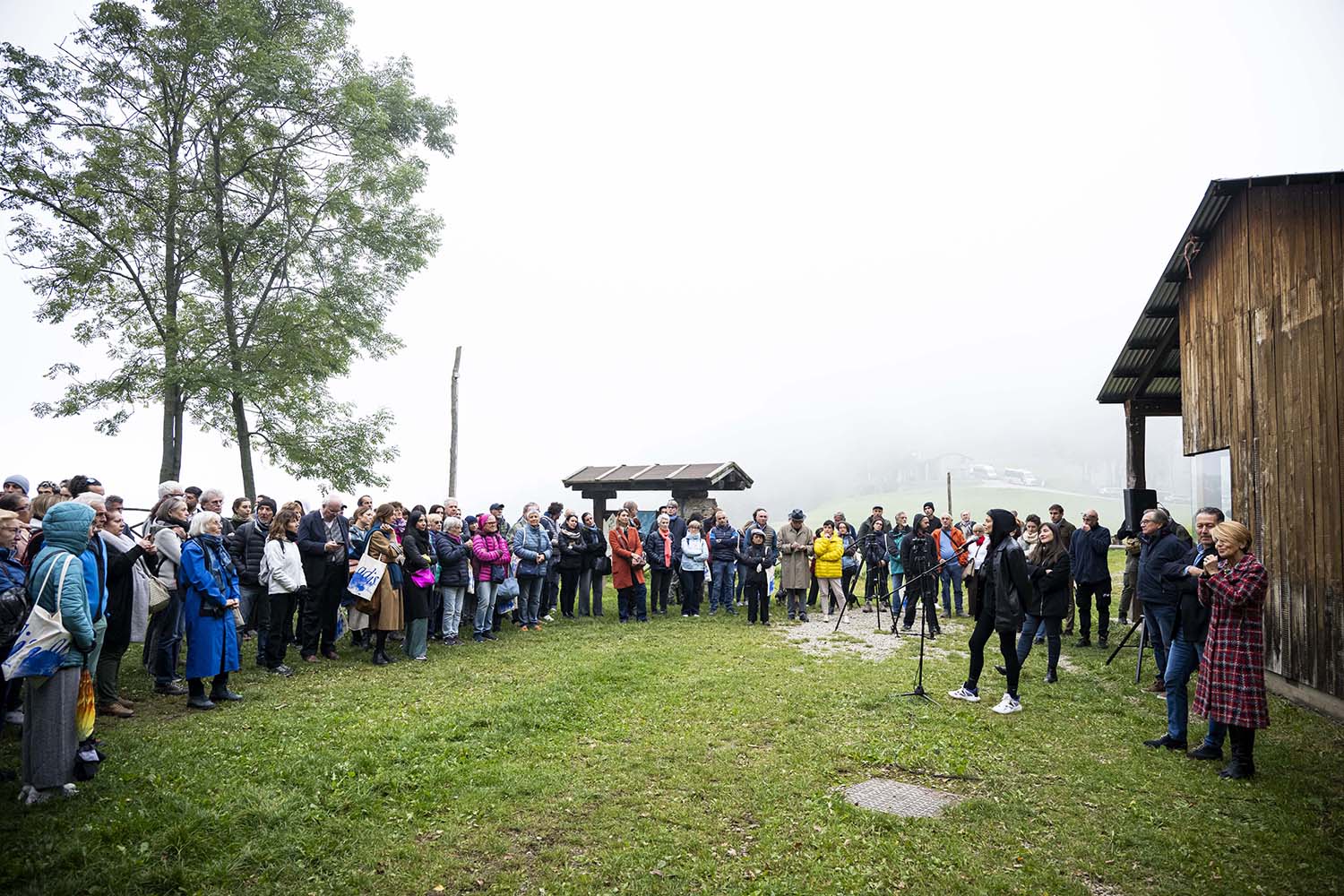
That’s a crucial point. The knowledge of a place doesn’t have to come only through physical presence, but also through imagination and resonance. In Giulia Cenci’s project, you can sense that it isn’t an immediate response to the context, but something intertwined with an ongoing inquiry. It’s as if the territory found an echo within a living research, rather than the other way round. Has this continuity between an artist’s research and the context emerged in the second edition of Radis?
Yes. Petrit Halilaj’s research has long revolved around places of learning and transmission, both institutional and informal. When we found the school, it naturally became the starting point. It wasn’t about adapting to the context, but about genuine mutual recognition. It was as if the place had called to him, and he had responded. For me, that dynamic is fundamental. Not imposing a theme from outside, but allowing what already exists, perhaps in latent form, to surface. In this sense, Radis works through those silent dialogues that emerge between artists and places.


So, on what I’d call latent resonances. That implies a deep listening, unfiltered by a pre-set interpretative grid. It also seems to reflect your view of the curator as someone who tunes different sensibilities and tempos.
I believe that, today more than ever, the curator must be a mediator. Of course, you also need a vision. Otherwise, everything risks dispersing. But it’s a vision that must be cultivated in dialogue. And that, in turn, requires patience and trust…elements the art system often overlooks, yet which, for me, remain essential. Without them, neither authentic relationships nor genuine transformation can take place.
I find it compelling that, in this sense, your role as curator seems closer to that of a director than a critic. You don’t build a thesis to be proven, but a field of relations to be inhabited. That perspective resonates with your earlier idea of landscape as a living organism. Do you ever think of your projects as systems in which each element, human and non-human, bears responsibility for the overall balance?
I like thinking of projects as ecologies because it forces you to consider every element at play, not only works and people, but also climate, light, sound, and time. Everything exerts an influence. That’s why I try to work holistically rather than hierarchically. I never place the artwork at the centre, but the relationships that form around it. The work, for me, is a catalyst rather than an endpoint. It is what sets a process in motion. And the process is the liveliest part that keeps changing.
This ties closely to what you said earlier about the time of monuments being over. If the work is no longer conceived as a fixed object but as an ecological process, then the roles of artist and curator are radically transformed. It’s no longer about creating something permanent, but about activating a system of relations and shared responsibilities. I’m wondering how this vision translates into the day-to-day practice of the project in those very concrete dimensions (permits, budgets, maintenance...) that often determine whether a public work survives or disappears.
This is the least poetic yet most decisive part. I try to approach it with the same care I bring to the artistic aspects. I don’t experience it as a nuisance, but as an essential part of the process. For me, the admin side is a natural extension of curating. It means caring for the invisible infrastructures that sustain the project. And then there’s the budget (always limited) which requires a great deal of creativity. Often this leads to smarter, more rooted solutions. Done with sensitivity, it doesn’t impoverish the work. On the contrary, it anchors it more deeply in its context.
It’s as if care shifted from the purely aesthetic plane to a systemic one, in the broadest sense, encompassing management and the capacity to relate. That also implies a different way of thinking about time. No longer a climax but a duration. The work isn’t conceived for a single moment, but to transform and sediment over time. Do you think of Radis in those terms, as a stratified organism where each edition leaves a deposit, a sediment that doesn’t disappear but becomes the ground on which the next grows?
I see it as an accumulation of experiences and learnings. Each edition leaves a trace, sometimes visible, sometimes subtler, almost impalpable. Over time, these sediments intertwine and contaminate one another, generating new possibilities. With Petrit Halilaj, for instance, we found ourselves touching on issues that, differently, we had already explored with Giulia Cenci. Although the projects are far apart, a thread holds everything together. It’s as if Radis were a living archive in constant transformation. And that, to me, is what gives a true sense of duration. Not the permanence of a monument, but the persistence of an active memory that continues to generate relationships.
In your work, how important is the emotional component? Listening to you, one senses deep affective involvement paired with a capacity for clarity and rigour.
It’s a delicate balance. I’m very emotional and I often get deeply involved in what I do. But I’ve learnt that if you don’t govern emotion, you can lose sight of the whole. I try to use it as a compass, not as the sole engine. Emotion helps me understand whether something truly works, whether it touches something real. But you also need cool-headedness to make practical decisions or handle conflict without being overwhelmed. It’s a constant back-and-forth between heart and head.
Radis #02
Marta Papini
in conversation with
Giulia Colletti
Fondazione Arte CRT
in collaboration with the Fondazione CRC