Text by Cédric Fauq
CURA. 44
The Generational Issue
New words to say I love you. On Tarek Lakhrissi’s holes
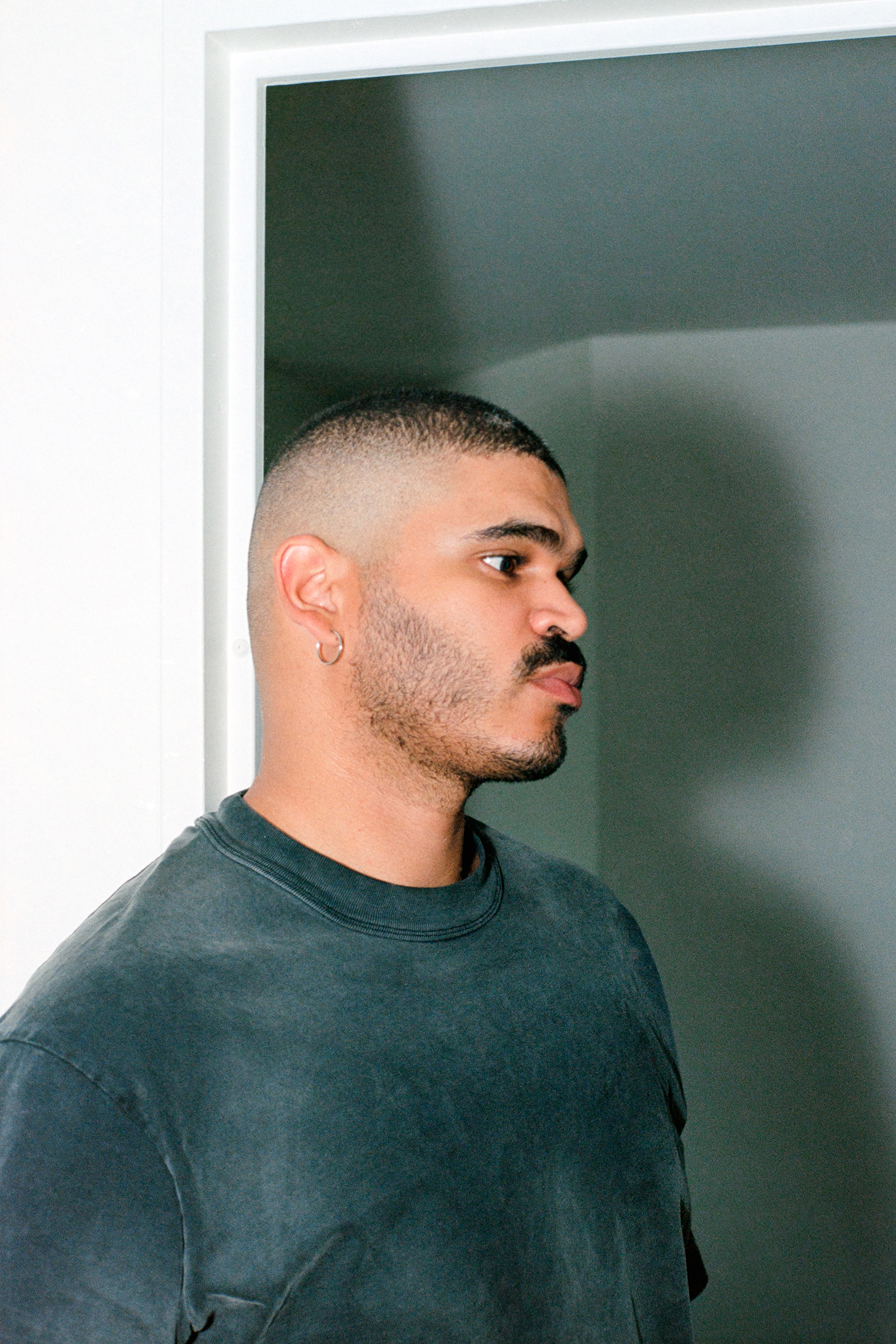
Portrait by Emil Kosuge
I have recently been thinking about an exhibition or series of exhibitions that would look at the impact of certain cultural practices on a generation of artists close to mine. It was probably triggered—amongst other things—by the recent death of the social network Skyblog, launched in December 2002 and shut down on the 21st of August 2023. For people born in the early ’90s in France, Skyblog was an important space for expressing oneself as a teenager. Preceding MySpace (2003), Facebook (2004), Tumblr (2007) and Instagram (2010), it not only allowed teens to share images, but also writing, comments, and the customization of the said blog (notably color-wise).
Skyblogs worked hand in hand with MSN Messenger (1999–2014), both platforms enabling the development of a certain online aesthetic that centered on emojis, image-collages, over-ornamentation and saturated gifs. As the use of mobile phones was also spreading and text-messaging culture shaped a new language, MSN and Skyblogs gave space for it to expand, so much so that words became sculptural. Looking back at it, what was then deemed kitsch and naïve can be recognized as pure invention and poetry.
As a form of public-private diary, Skyblogs, MSN, and the like also played a role in the precarious crafting of identity at the margins of the normative. French researcher Oriane Deseilligny wrote in her 2009 essay Pratiques d’écriture adolescentes : l’exemple des Skyblogs[1] (Teenagers’ writing practices: the Skyblogs case): “In the background of blogs and these writing exercises, the construction of identity is at play—one that uses the medium as a means of mediation between oneself and oneself, but even more so as a mediation between oneself and others.” That being said, because the language to speak—and exchange—about precarious identities in teenage culture was lacking, it could only happen “in the gaps.”
So on one hand we had the proliferation of platforms that enabled a new kind of semi-public journalling to emerge. On the other there was a missing vocabulary. The hunt was on for a language to come in the crevasses of mainstream culture.
I am seeing in Tarek Lakhrissi’s practice the occupation of a space shaped by this very tension, which makes it not purposefully but inherently queer (I’m not a specialist of José Esteban Muñoz and actually never read Disidentifications (1999) fully but I think what I am saying is somewhat close and informed by its content). However, that occupation didn’t happen overnight. It occurred gradually as experiments were made possible, and with the help of a few guiding lights and fellow travelers: from Buffy the Vampire Slayer and Jean Genet to RuPaul and Elsa Dorlin. It might seem like a strange collage of references but I remember at the age of 18 articulating the necessity to consider Lady Gaga and Gilles Deleuze on the same playing field. To make philosophical thinking pop. Meaning, to make it fill stadiums. And to consider pop culture as a holder of its own philosophical substance. I felt both the need for our conceptual artillery to be crafted at another scale and the necessity to think through pop culture.
Whether in his poetry, sculptures or drawings, references to pop culture often make an appearance in Tarek’s works. The shape of some of the weapons in Unfinished Sentence II (2020) was inspired by some featured in Xena: Warrior Princess (1995–2001). For his solo exhibition at the Migros Museum in Zurich (BLISS, 2024), several works referenced components from late ’90s series or anime: Pending (to Karim) (2024) was the blown-up version of Phoebe’s pendulum in Charmed (1998–2006), while a large-scale purple horned head had been partly inspired by the ghost and poison type Pokémon (created in 1995) Gengar. The first time I saw pictures of Gay Angel I and Gay Angel II (both 2021), I couldn’t help but think of both Isaac Julien’s Looking for Langston (1989) and Cardcaptor Sakura’s Kero (1998–2000). Tarek’s first poetry book’s title fantaisie finale (2019) is also an operation (translation/reversal) on the popular videogame’s name.
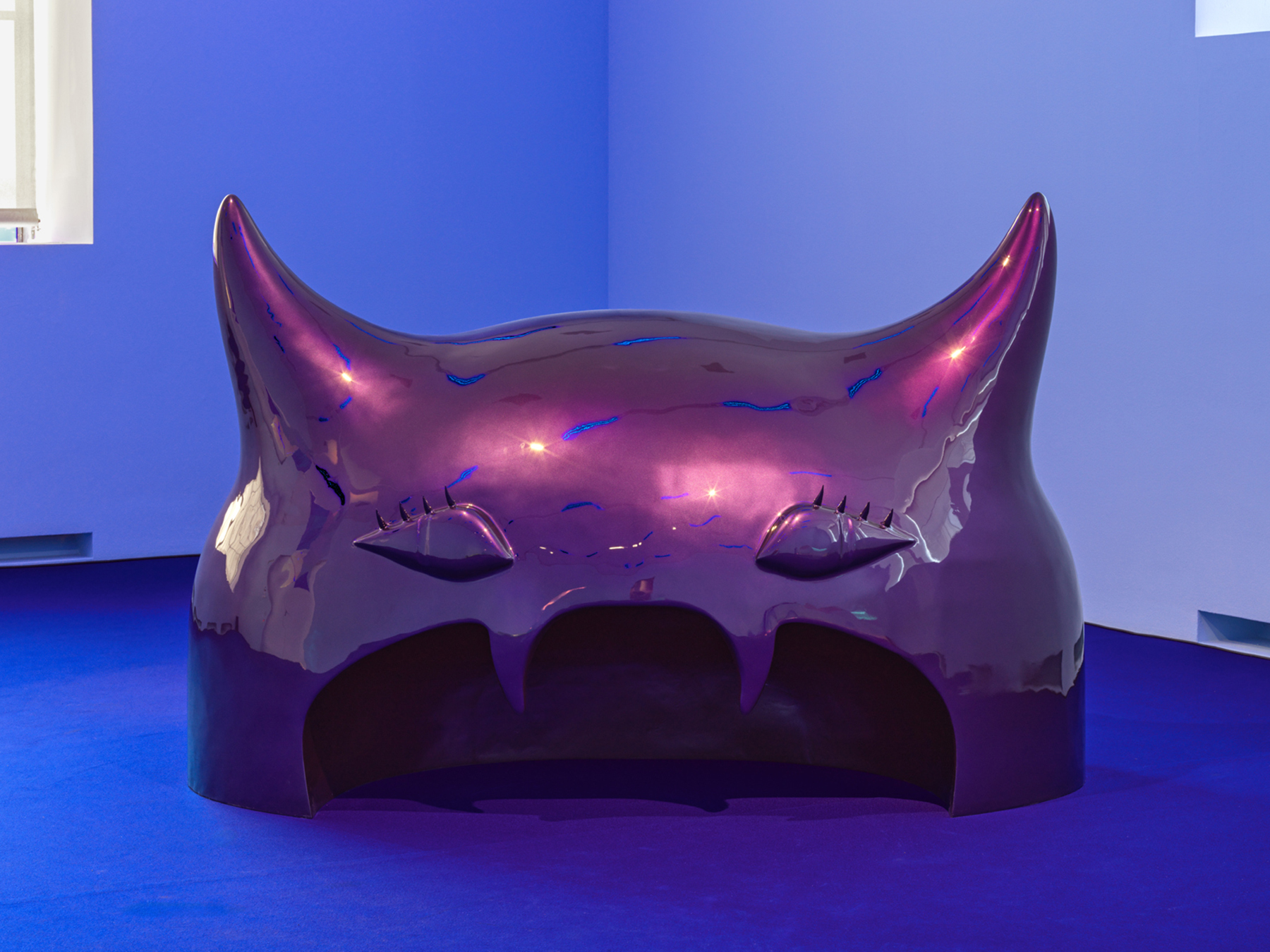
Bliss, installation views, Migros Museum, Zurich, 2024
Photo: Studio Stucky—Stefan Altenburger Photography Collection of Migros Museum

Bliss, installation views, Migros Museum, Zurich, 2024
Photo: Studio Stucky—Stefan Altenburger Photography Collection of Migros Museum
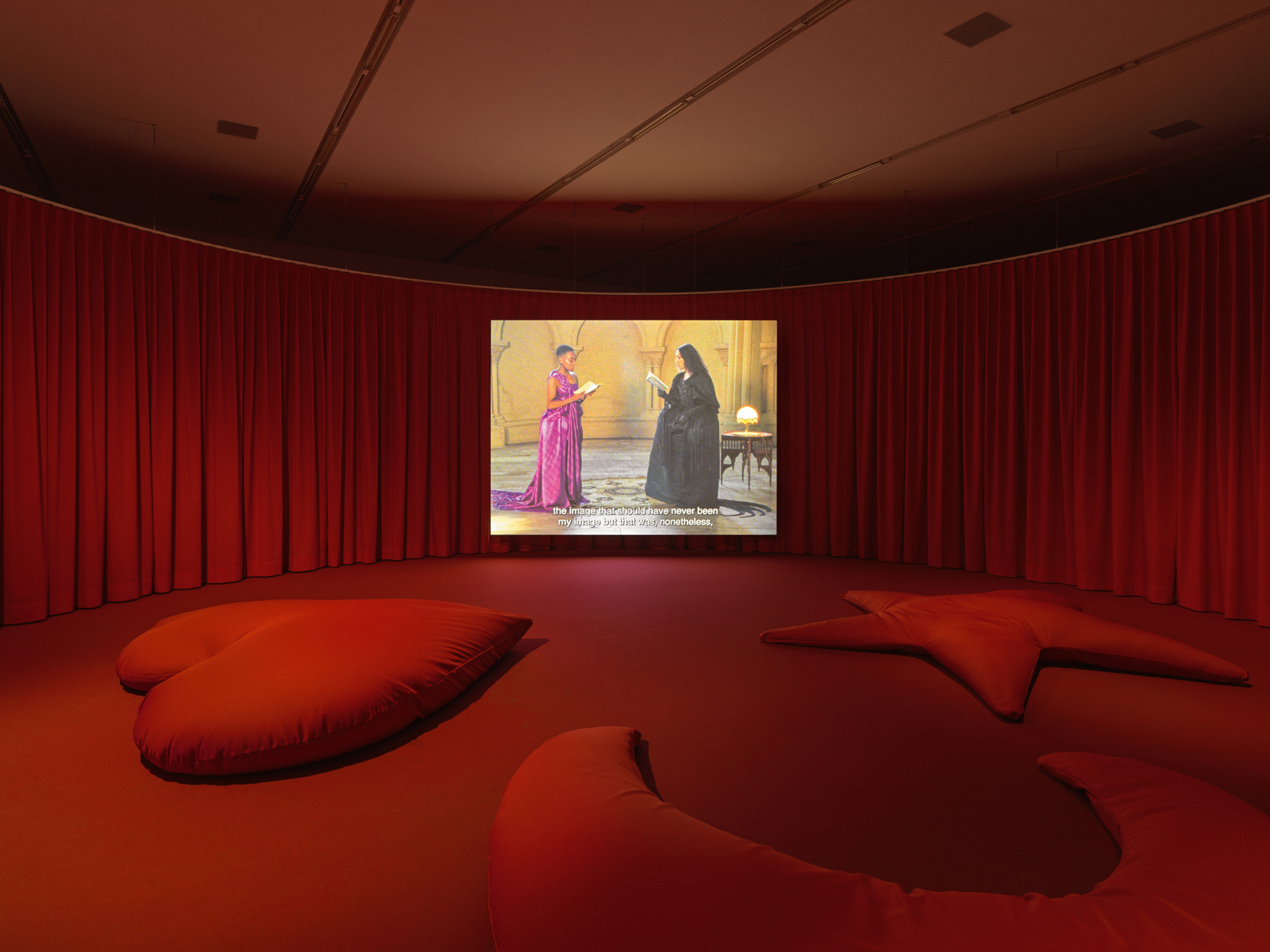
Bliss, installation views, Migros Museum, Zurich, 2024
Photo: Studio Stucky—Stefan Altenburger Photography Collection of Migros Museum
In an interview given in 2015 to The Hollywood Reporter, Lady Gaga speaks of director, writer, and producer Ryan Murphy in these now infamous terms: “Talented, brilliant, incredible, amazing, show-stopping, spectacular, never the same, totally unique, completely not ever been done before, unafraid to reference or not reference, put it in a blender, shit on it, vomit on it, eat it, give birth to it.” As a modus operandi, the second half of the quote looks like it could be applied to Tarek’s practice, since, as much as he references pop culture, his work is also shaped by literary figures such as Monique Wittig, Jean Genet, and Kaoutar Harchi (to name but a few). It also feels important to underline that the referencing is never just a mere quote. They go through a certain transformative process. In the end, it’s not about “finding the reference” or trying to fill a bourgeois pleasure in recognizing sameness.
Indeed, Tarek’s work is busy with belonging and difference (and belonging in difference). Meaning that his aim—if there is really a fixed one—isn’t to fill the gaps to provide reassurance, but to enlarge them, and provoke instability, the fall. As such, references aren’t anchors but spades, arrows, tongues, horns, tails, and wings (which are parts of Tarek’s cosmology of appendices). His recent turn towards drawing as a daily practice could come across as a rupture, but it appears to give other modes of translation to the ideas and intuitions embodied in his poems, videos, performances, sculptures, and installations: we can easily recognize some figures or shapes that are part of Tarek’s vocabulary. In the temporality of their production, drawings also become a journaling exercise. As such, they could be seen as the natural cycle of experiments started with Skyblogs, MSN and Tumblr.
They could also be likened to just “exercises”, meaning physical exercises. One drawing, titled Heavy Existential Questions (2025), shows an arm without much of a body holding a weight whose top somehow looks like a mushroom. Two arrows and the indication “This Way” point towards a movement (upwards). At the bottom of the weight can be read “Weight” and to its right “27 kg.” In the bottom right portion of the drawing, circled, appears the title of the work “Heavy Existential Questions” in black and bold. Just below, in blue, demurely, is noted: “At the gym.” Tarek confessed to me that he was currently obsessed with both going to the gym and an essay penned by Kathy Acker in 1993 titled Against Ordinary Language: The Language of the Body—which coincidently is an attempt at a diary practice (initially failed). I haven’t had the time to properly sit with the text and take distance with it but one sentence struck me as a powerful one to conclude, where she describes bodybuilding’s purpose as “to come face to face with chaos, with my own failure, or a form of death.” Bodybuilding not to fill in the body but to create more holes in life.
1
O. Deseilligny, “Pratiques d’écriture adolescentes : l’exemple des Skyblogs,” Le Journal des psychologues, 272(9),
2009, 30–35, https://doi.org/10.3917/jdp.272.0030.
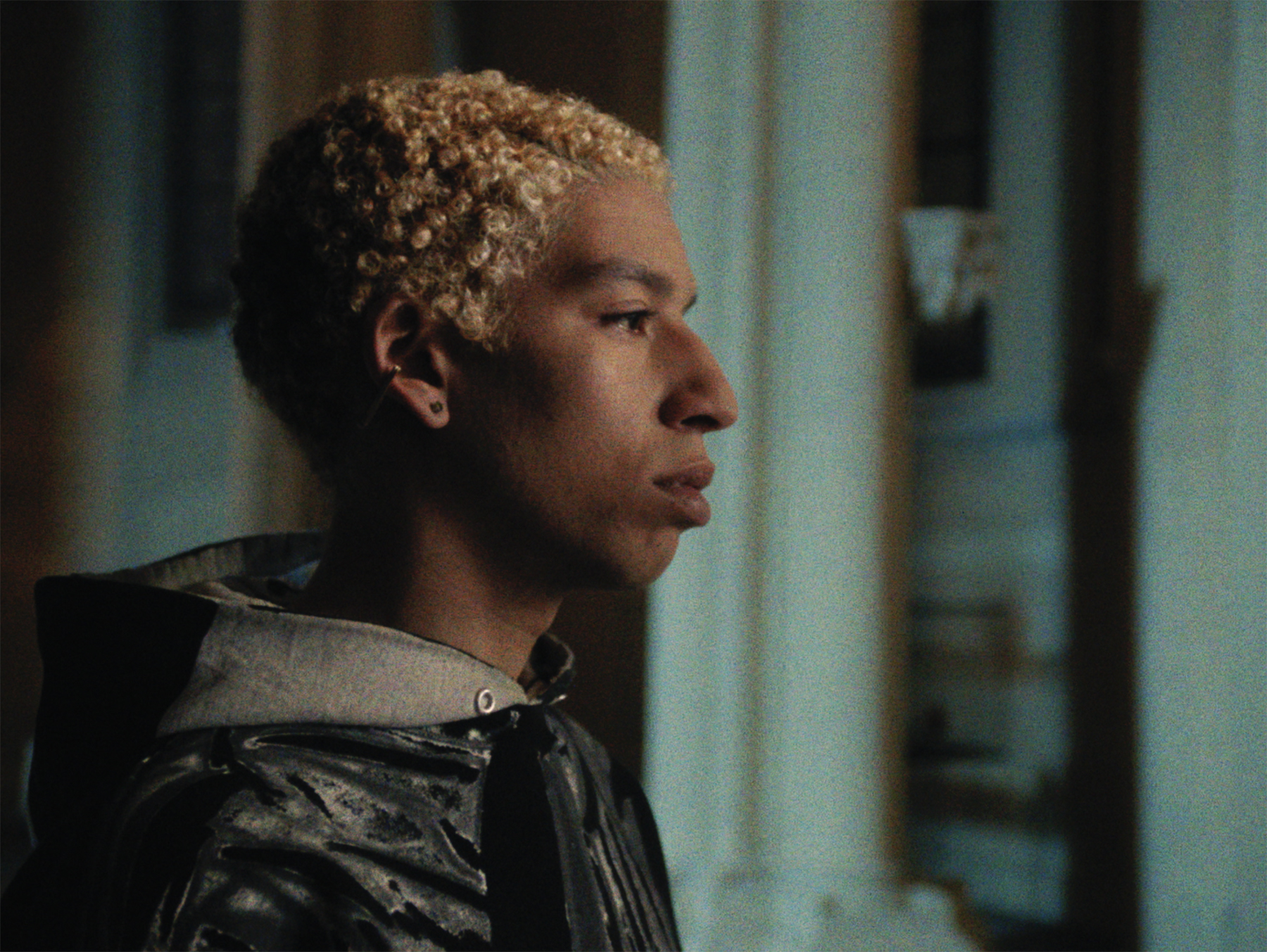
Coeur Brillant, 2023 (video stills)
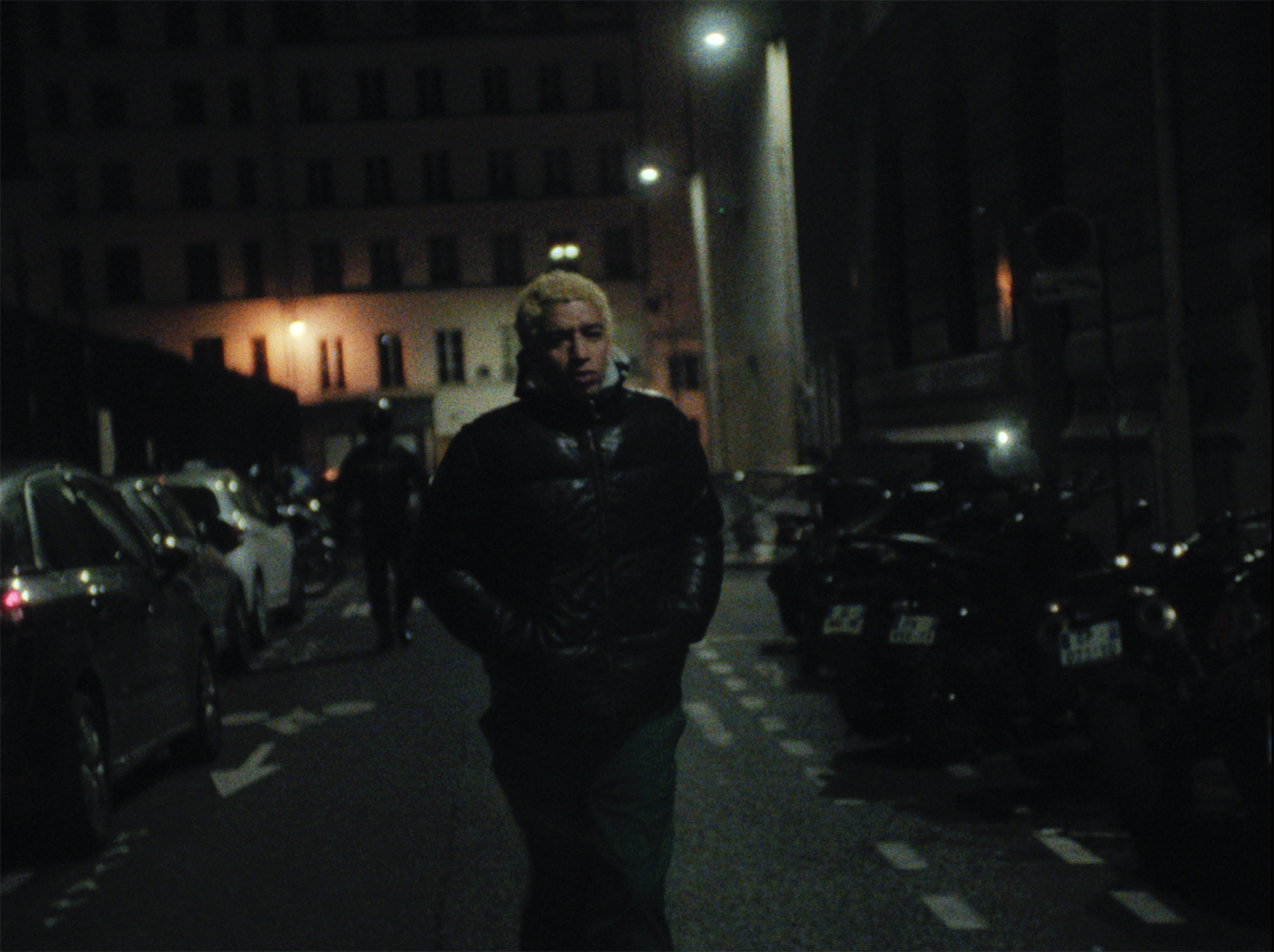
Coeur Brillant, 2023 (video stills)
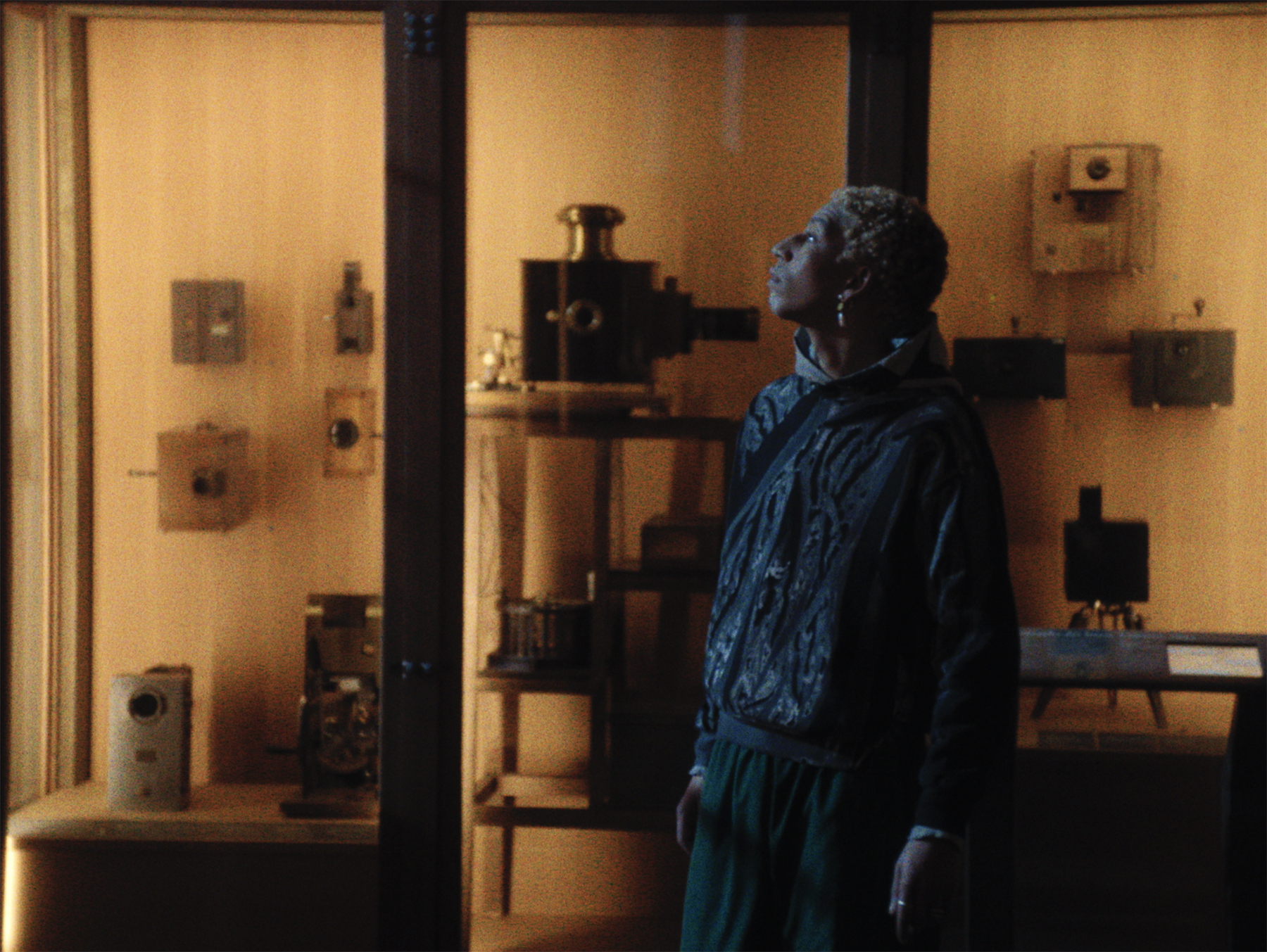
Coeur Brillant, 2023 (video stills)
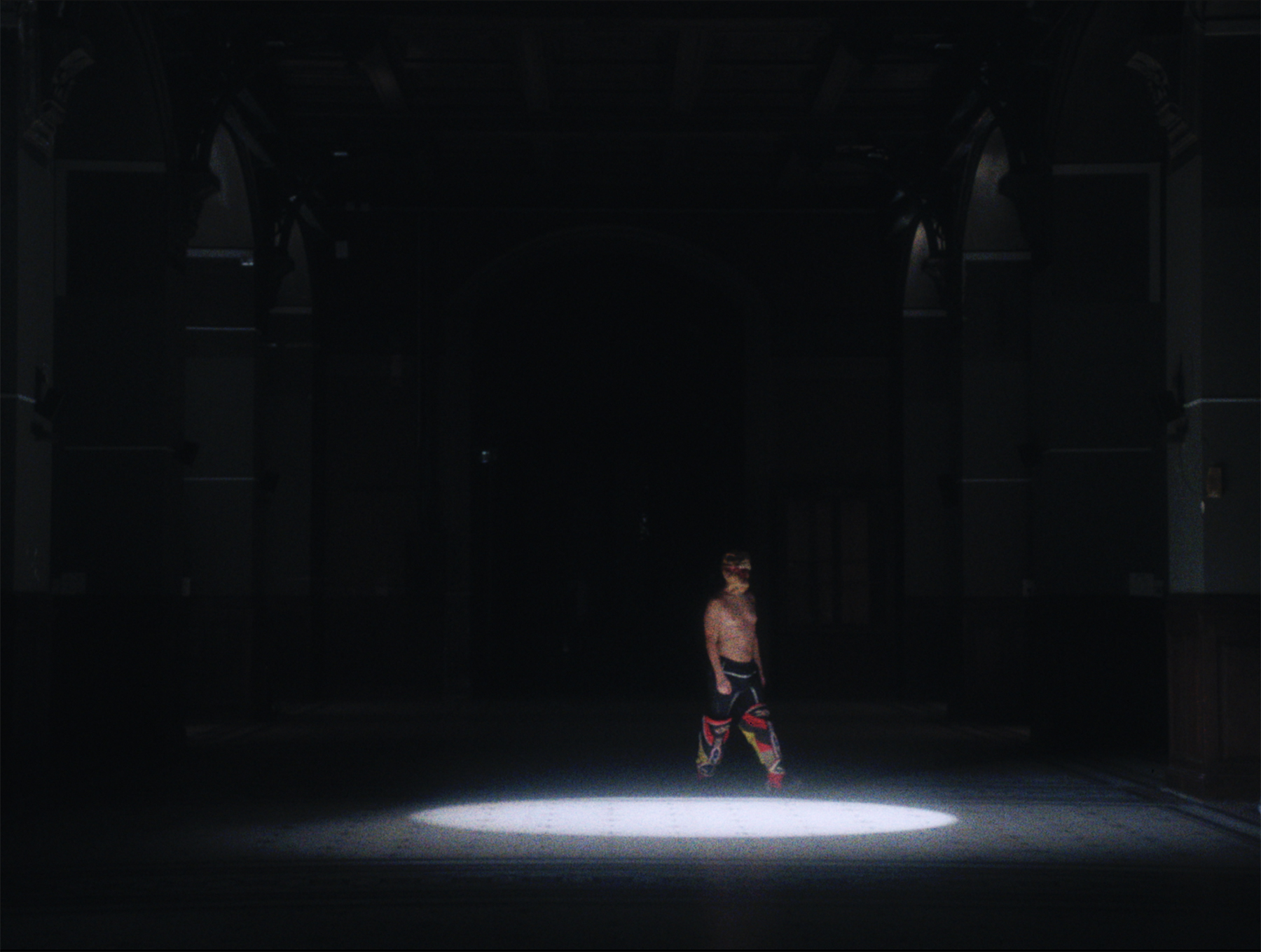
Coeur Brillant, 2023 (video stills)
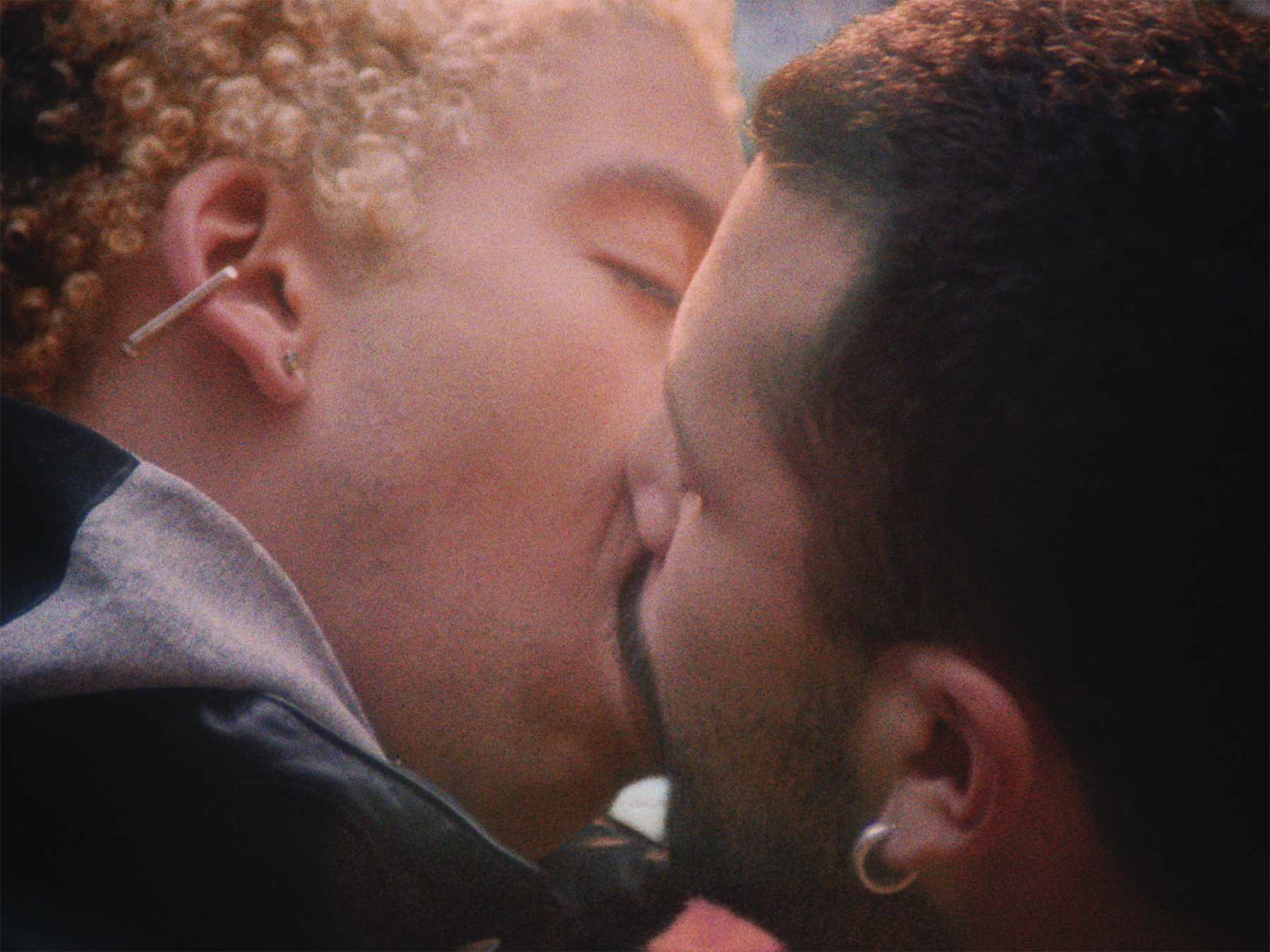
Coeur Brillant, 2023 (video stills)
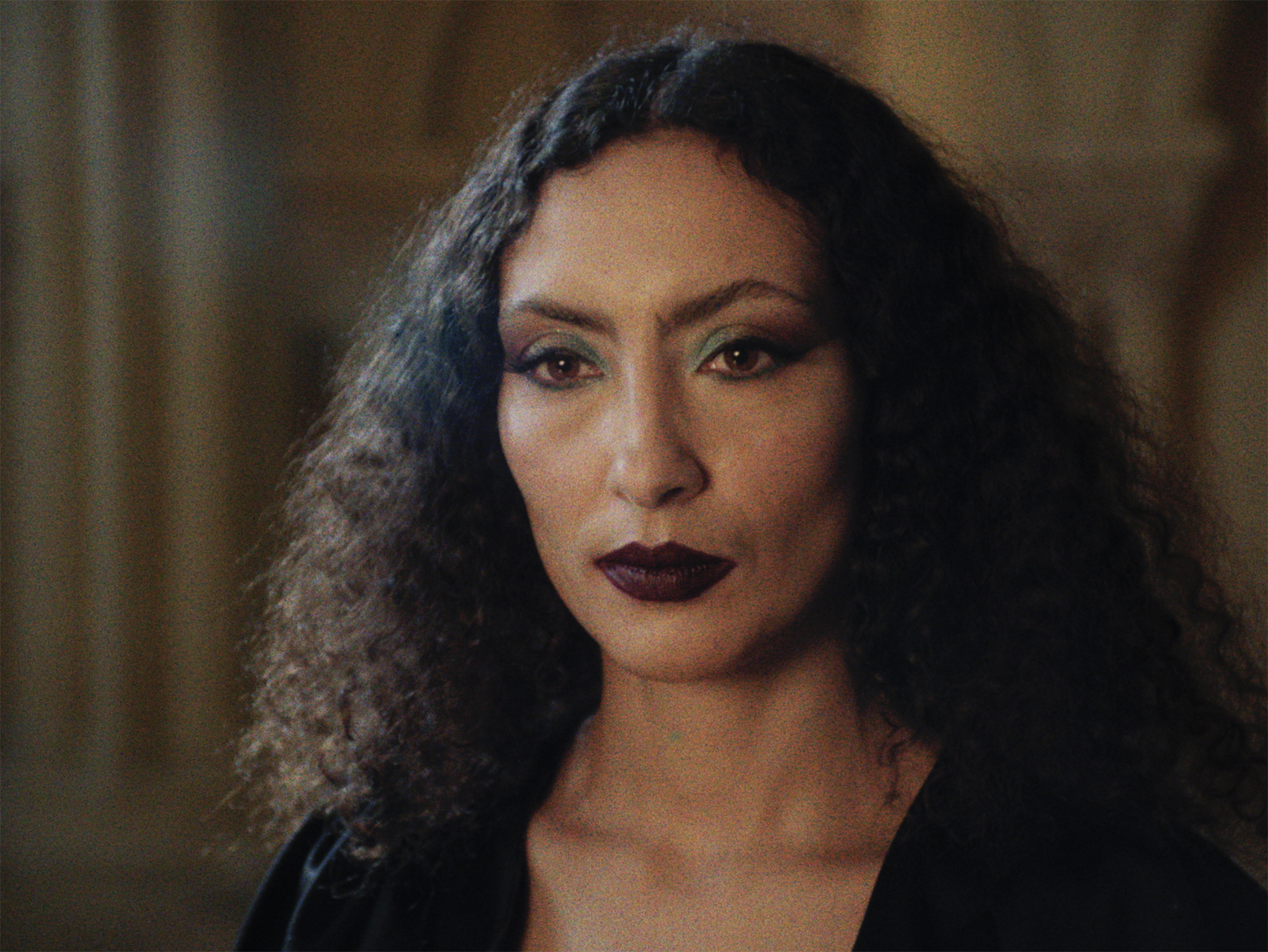
Coeur Brillant, 2023 (video stills)
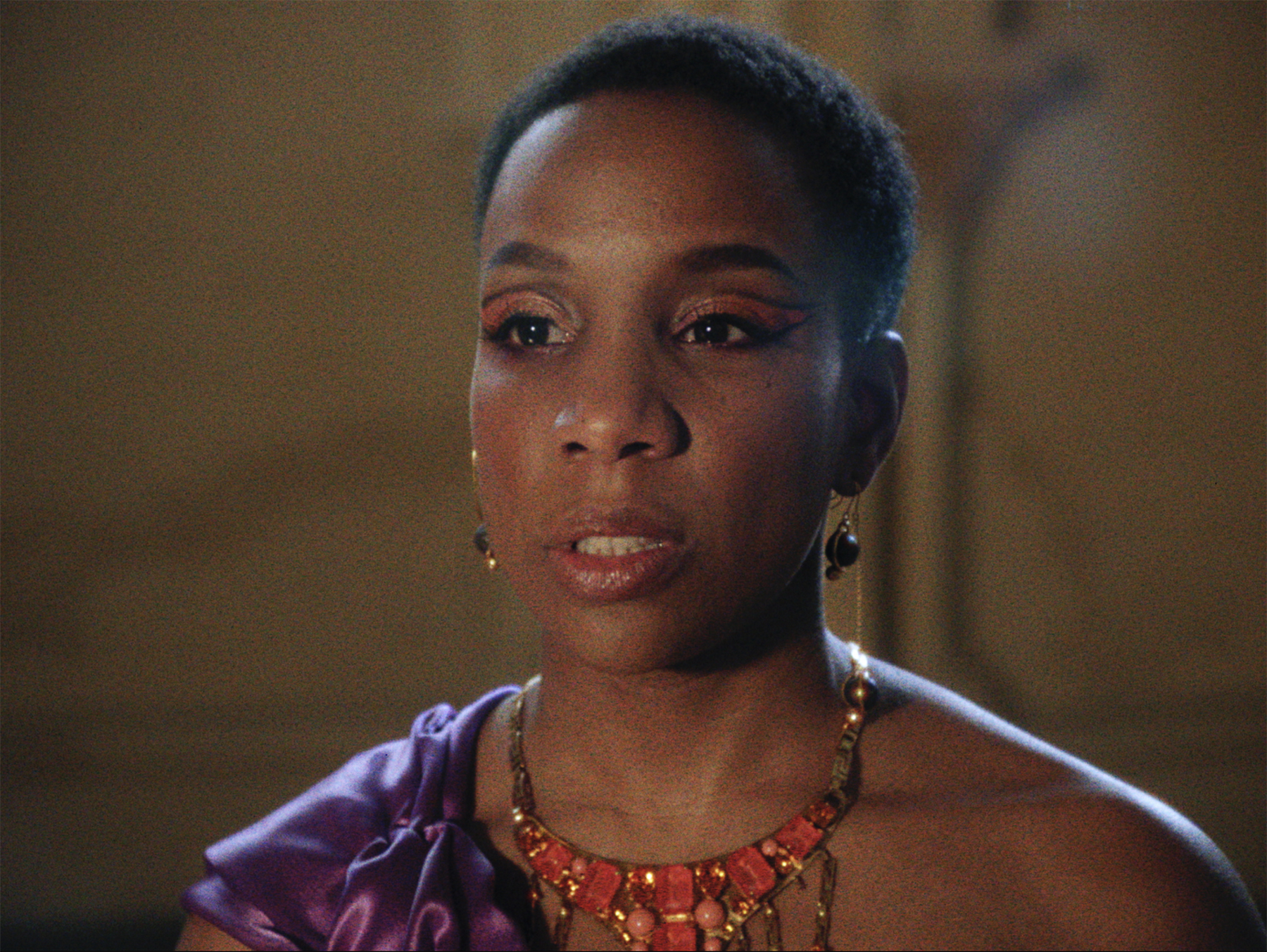
Coeur Brillant, 2023 (video stills)
New words to say I love you. On Tarek Lakhrissi’s holes
Text by Cédric Fauq
CURA.44
The Generational Issue
All images Courtesy: the artist and Galerie Allen
Tarek Lakhrissi (b. 1992, Châtellerault, France) is a Paris-based artist and poet with a literary background. Recent solo exhibitions include: SPIT, Nicoletti Contemporary, London (2024); RISING FAÇADE #3, KANAL-Centre Pompidou, Brussels (2024); BLISS, Migros Museum, Zurich (2024); Double feature, Julia Stoschek Foundation, Berlin and Düsseldorf (2024); THE PRELUDE THE HOURS THE KISS THE END, Galerie Allen, Paris (2023. Recent group exhibitions have been held at: MAMCS, Strasbourg (2024); Fragment Gallery, New York (2024); Institut du Monde Arabe, Paris (2024); Mo.Co, Montpellier (2024); Julia Stoschek Foundation, Berlin (2023); Somerset House Studio, London (2022), among other venues.
Cédric Fauq is Chief Curator at Capc Bordeaux where his most recent projects include the collective exhibitions Air de repos (Breathwork) and Barbe à Papa (Cotton Candy) as well as the festival L’Académie des Mutantes (The Mutant Academy). From 2020 to 2021, he worked as curator at Palais de Tokyo. Previously, he worked as exhibitions curator at Nottingham Contemporary. He also writes and develops projects independently.