Text by Martha Kirszenbaum
CURA. 44
The Generational Issue

Portrait by Tohé Commaret
A Franco-Chilean artist based in Paris, Tohé Commaret’s (b. 1992) film practice intertwines experimental cinema and documentary. Through her prolific production of enigmatic short features, she has developed a distinctive cinematic language that challenges traditional storytelling, narrative constructions, and visual conventions. Exploring human experience through a poetic lens, she weaves together personal and collective memory, identity, and sociopolitical themes. Her delicate interplay of image and sound creates immersive worlds where intimacy and broader societal issues converge, often blurring the lines between reality and fiction. Commaret’s work redefines cinematic expression in an era of rapid cultural and technological change. Her films interrogate art as a form of resistance, questioning power structures, marginalization, and the lasting imprint of history on contemporary identity.
Chilean heritage, brought to her by a mother who fled the Pinochet dictatorship to take refuge in France, appears in the background of most of her works. Pukyu (2025) is named after an eponymous Quechuan myth referring to the fontanel, the soft spot on a baby’s skull that gradually hardens and closes a few years after birth. According to the myth, some individuals’ fontanels never fully close, causing them to experience the world more intensely. In Eso Que Nos Lleva (2021), the protagonist lives on a windswept hill in Valparaíso, carrying the dreams and nightmares of a people scarred by a painful history. Commaret’s aesthetics and storytelling subtly recall magic realism—a genre of literature and art that originated in Latin America in the mid-20th century, blending elements of fantasy with the everyday. Her films draw deeply from folklore, mythology, and fairy tales, enriching their narratives with cultural and historical depth. Ancestors and ghosts profusely haunt her films. Some characters seem to float between two worlds, while some others seem to be possessed, or looking for something beyond reality, beyond what is visible, like the protagonist of Because of (U), a young girl who keeps ringing, in vain, at intercoms and doorbells of empty corridors. A hypnotic music made of layers of sounds and echoes adds to this impression of floating reality.
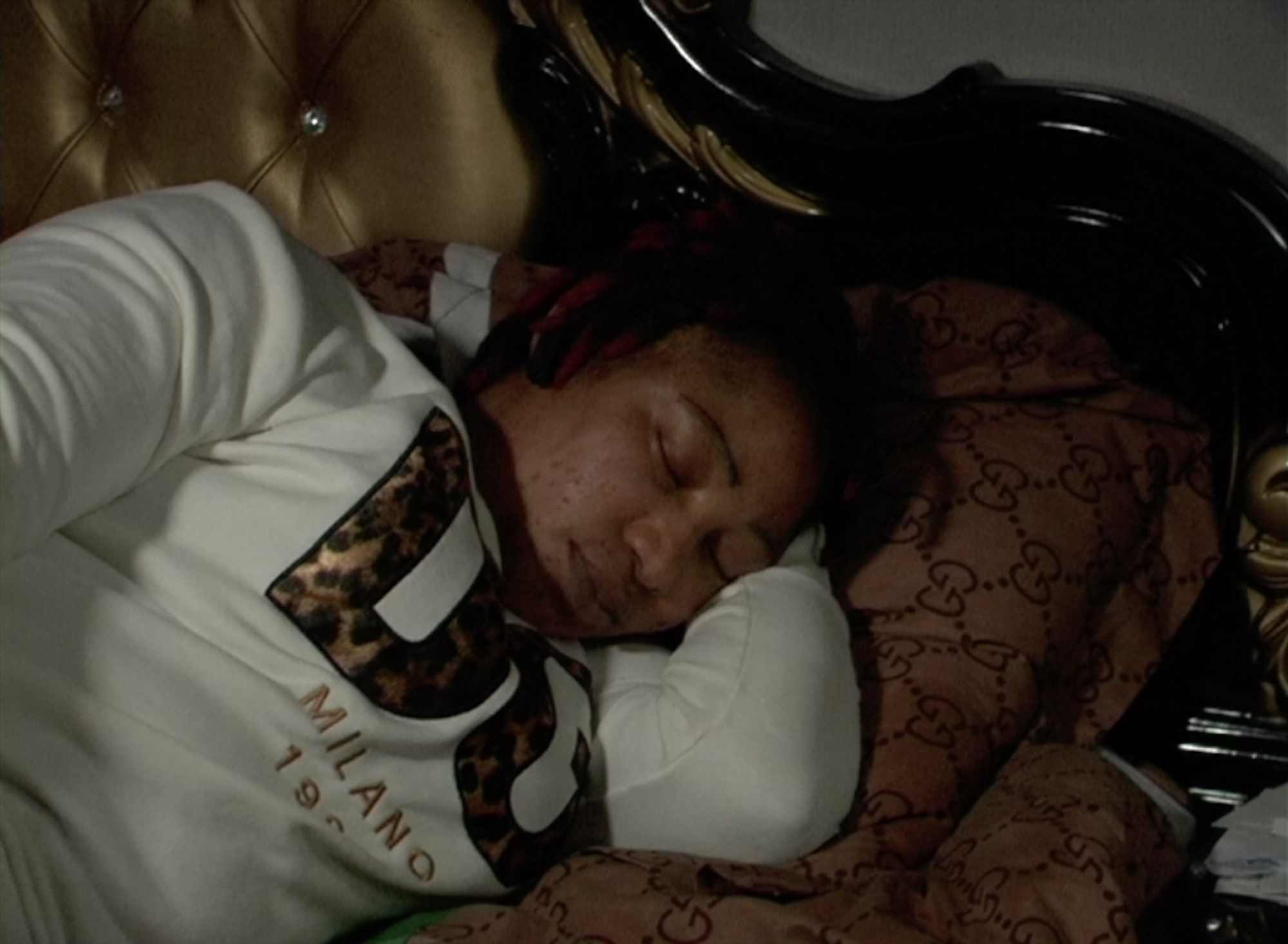
8, 2024 (film stills, details)
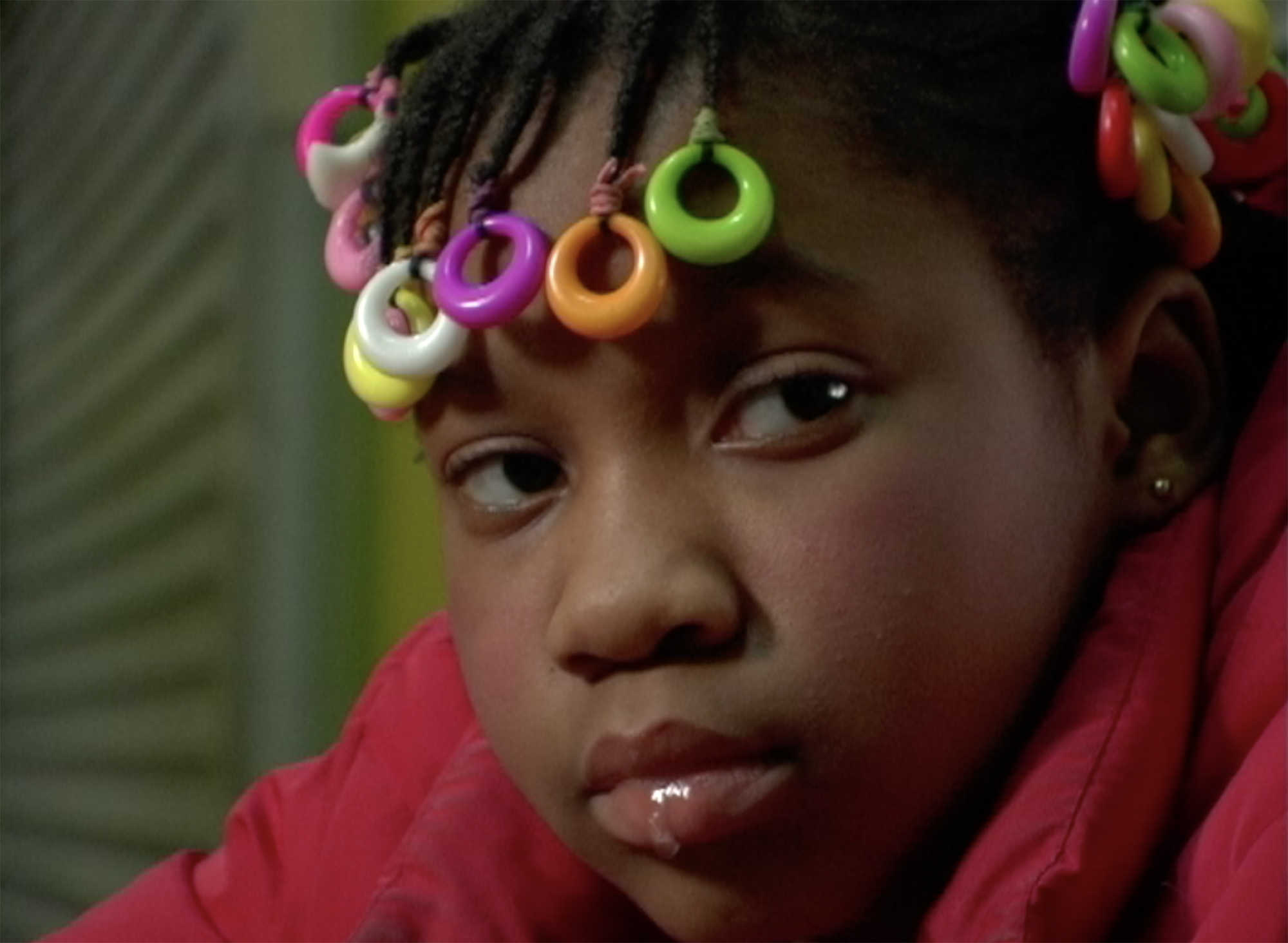
8, 2024 (film stills, details)
Suburban spaces and concrete architecture appear to play a fundamental role in the artist’s aesthetics. Growing up in Vitry-sur-Seine, in the southeast of Paris, her childhood centered around the “dalle Robespierre,” an esplanade made of concrete and surrounded by project buildings, a raw space that evokes a sense of strangeness, anxiety, and paranoia—but one still marked by social interaction. Tohé Commaret seems to have transformed the dalle into a stage where attraction and repulsion continuously interplay, a dynamic so deeply woven into her cinema that it takes on the role of a protagonist in its own right. The characters she captures, who seamlessly move from one film to another, all come from her neighborhood, with some even being childhood friends. In an earlier work, Sur la Dalle (2018), she films kids playing and chatting on the concrete esplanade. In Palma, Paloma wanders around a fictional neighborhood and square that is the dalle in Vitry. Here, the artist seems to transcend both her city and neighborhood, transforming them into a surreal, undefined, and dystopian realm. This evokes what the American writer J.G. Ballard described in his short story collection Vermilion Sands (1971) as an “exotic suburb of the mind,” a place that exists beyond conventional reality.
Tohé Commaret’s videos are largely unscripted, encouraging collaboration and improvisation. She captures what her characters choose to reveal about themselves. Viewing cinema as a tool for addressing injustice, she creates space for those denied visibility or a voice, giving them the opportunity to shape their own images. Her work explores the narratives we build to protect ourselves from painful truths, the identities thrust upon us, and the lengths we go to in order to break free from them. Her filmography creates a cinema of empathy and hypersensitivity, focusing on marginalized characters, in particular women and children, conveying the representation of their experiences and feelings.
Her attention to feminine details can be observed in the numerous close-ups she gracefully captures on camera: details of nails in Palma, blue make-up and blue tights in Because of (U), platform shoes and hair pins in Pukyu. In the installation Because of (U), presented at the 2024 Lyon Biennale, we observe a young woman, motionless and silent, while we hear a young man—whose face remains unseen—speaking aggressively about their break-up. The scene exudes an intense feeling of toxic masculinity and deep violence, reflecting the artist’s sensitivity to women’s pain. In Pukyu, the young girl comes home from school to find her mother in tears, and we follow her attempt to comfort her. There is also humor and lightness in Tohé Commaret’s portrayal of sisterhood, as well as women’s complicity and solidarity. In Mustard, for example, two women who appear to be sex workers make a series of playful phone calls to provoke and convince their client to join them in a threesome. Children and teenagers also play central roles in Commaret’s films. In the book Politiser l’enfance [Politicizing Childhood] (2024), author Vincent Romagny challenges the notion of childhood as a natural state and invites us to move beyond the idealization of innocence. Similarly, Tohé Commaret’s filmography brings to the screen child and teenage characters who not only embody purity but are also portrayed as exceptionally clear-sighted, perceptive, and, most importantly, honest and unfiltered, echoing the cinema of François Truffaut or Ed van der Elsken. 8 (2022) follows three teenage girls talking about immersing oneself in self-created stories, of dreaming while awake, as the drowsy adults around them seem oblivious to the signals they perceive.
Commaret’s practice extends beyond film, particularly through collaborations with her brother, Grichka Commaret, whose cryptic paintings and installations complement her work. They were exhibited side by side at Forde in Geneva in 2024 and at Fondation d’Entreprise Ricard in Paris in 2025. Together, their works create an immersive dialogue where spirituality, animism, architecture, and the blending of fiction and reality converge to explore the interaction between the seen and unseen, the real and imagined. Recently, Commaret collaborated with musicians KUKII and Oklou, directing their music videos Rare Baby and Take Me by the Hand. The first is a vibrant ode to the city of Cairo, brought to life through energetic, rhythm-driven editing, while the second is an introspective, dreamlike journey. Here again, screens and stories intertwine, rumors spread, and characters reappear to portray figures connected to elusive, ever-shifting realities.
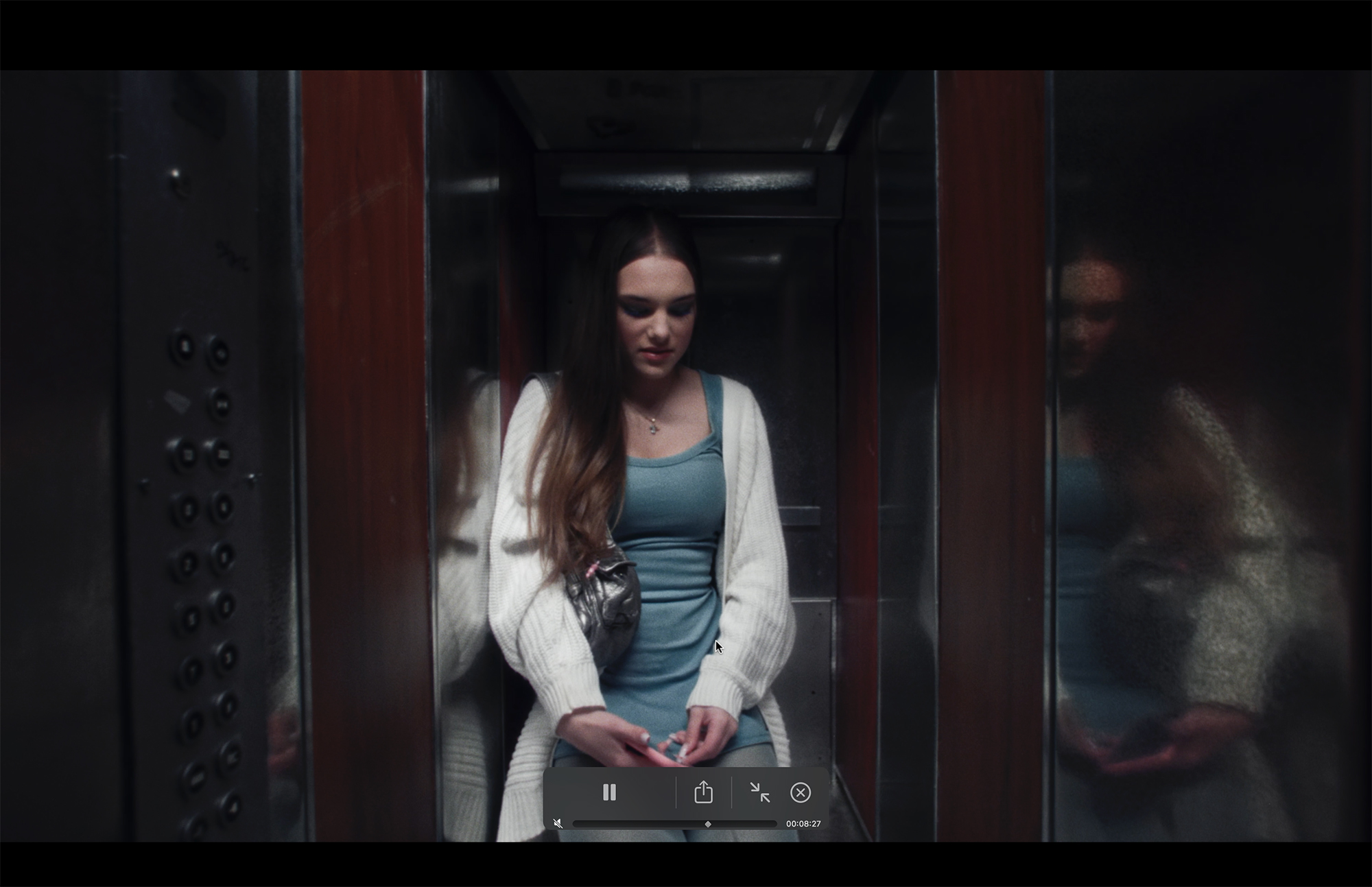
Because of (u), 2025 (film stills)
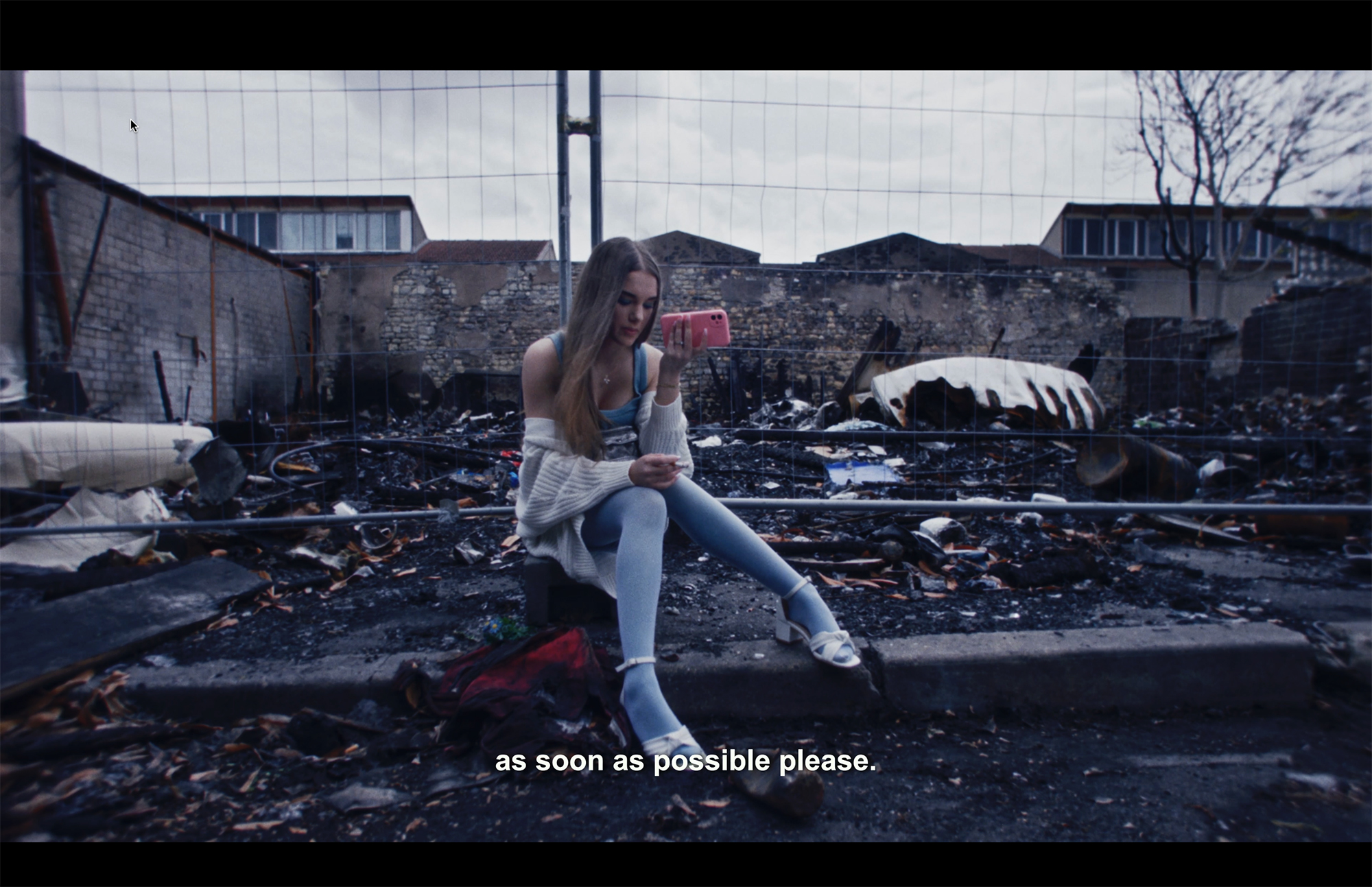
Because of (u), 2025 (film stills)
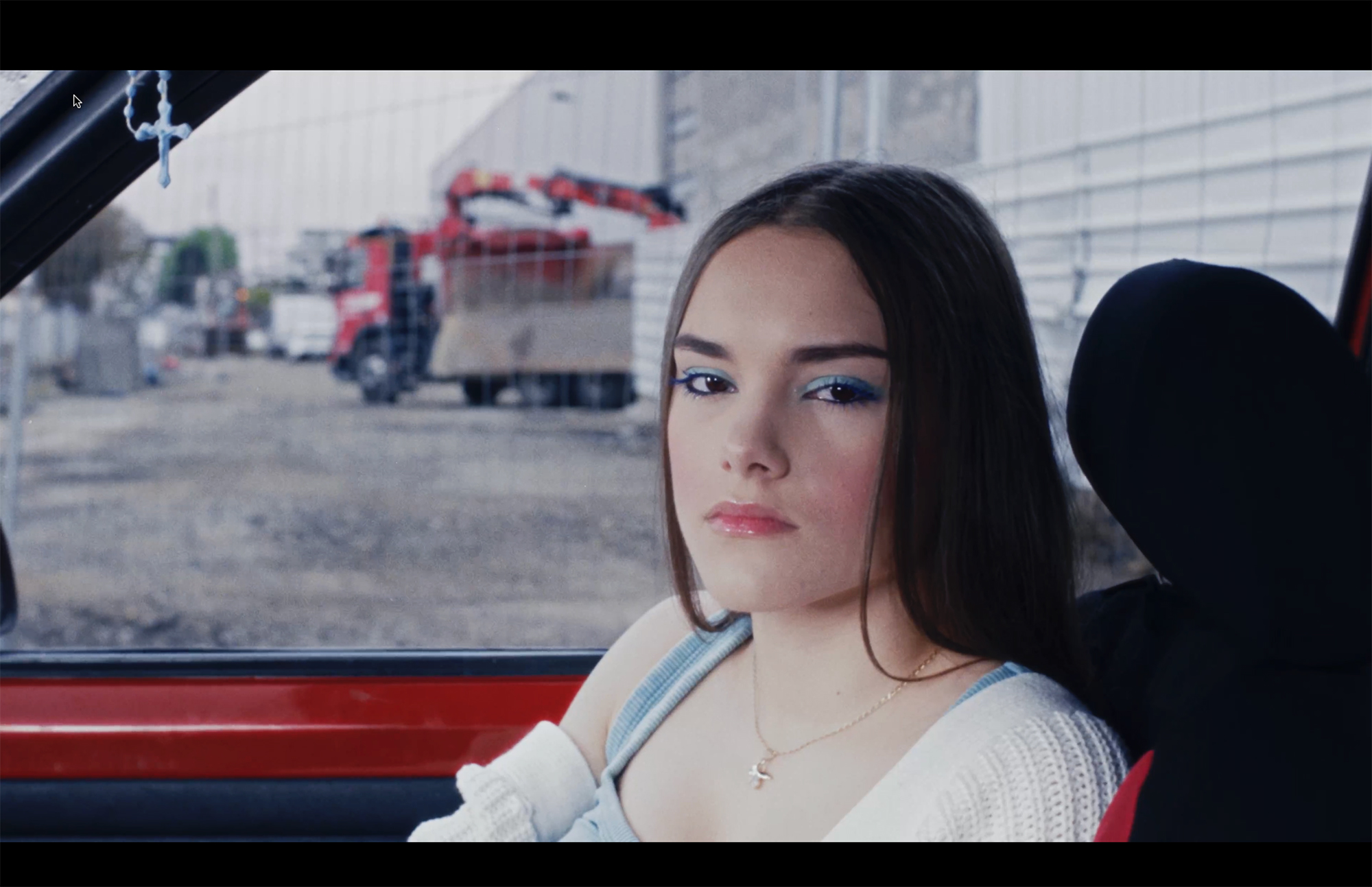
Because of (u), 2025 (film stills)
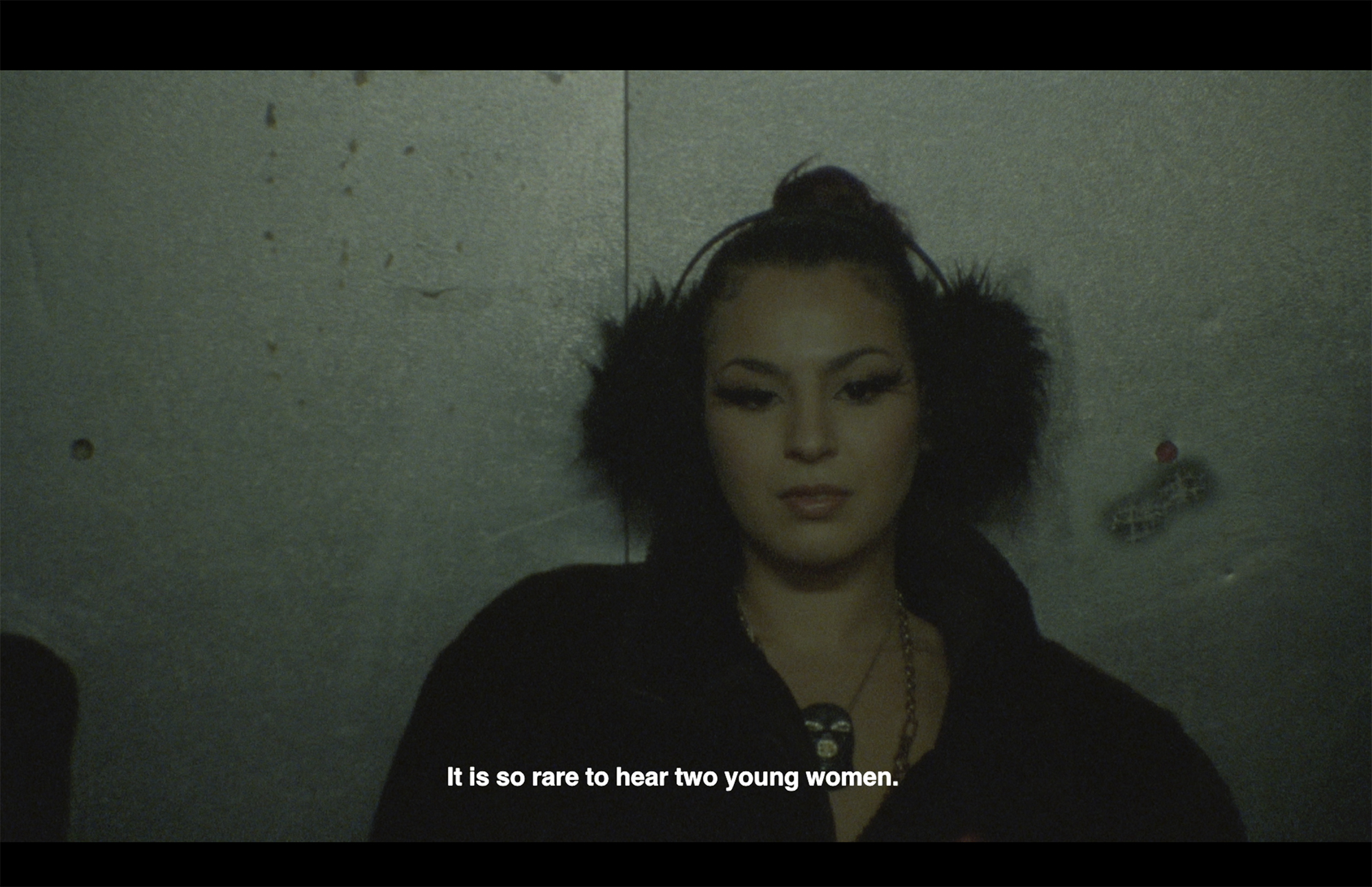
Mustard, 2023 (film stills detail)
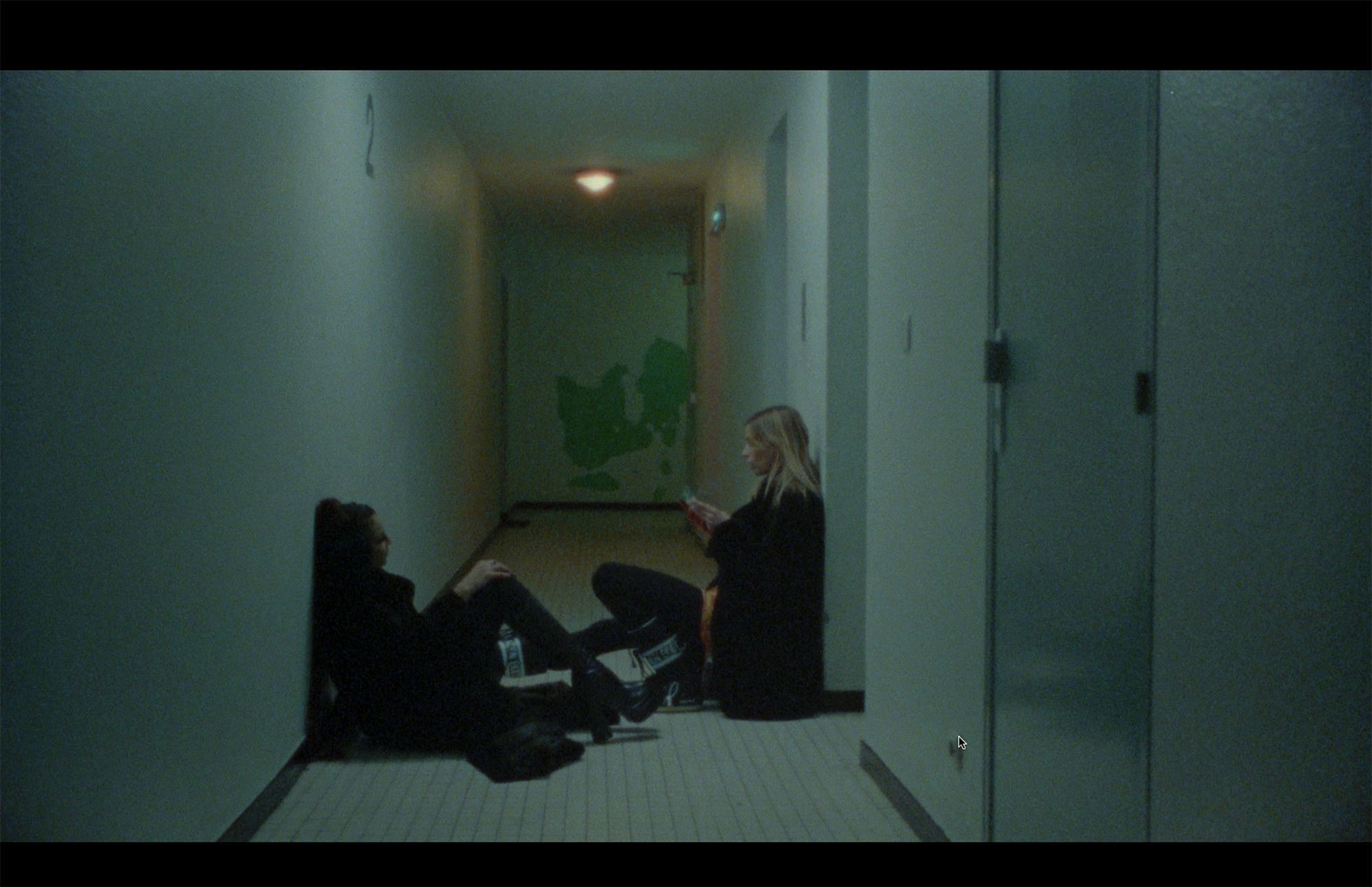
Mustard, 2023 (film stills detail)
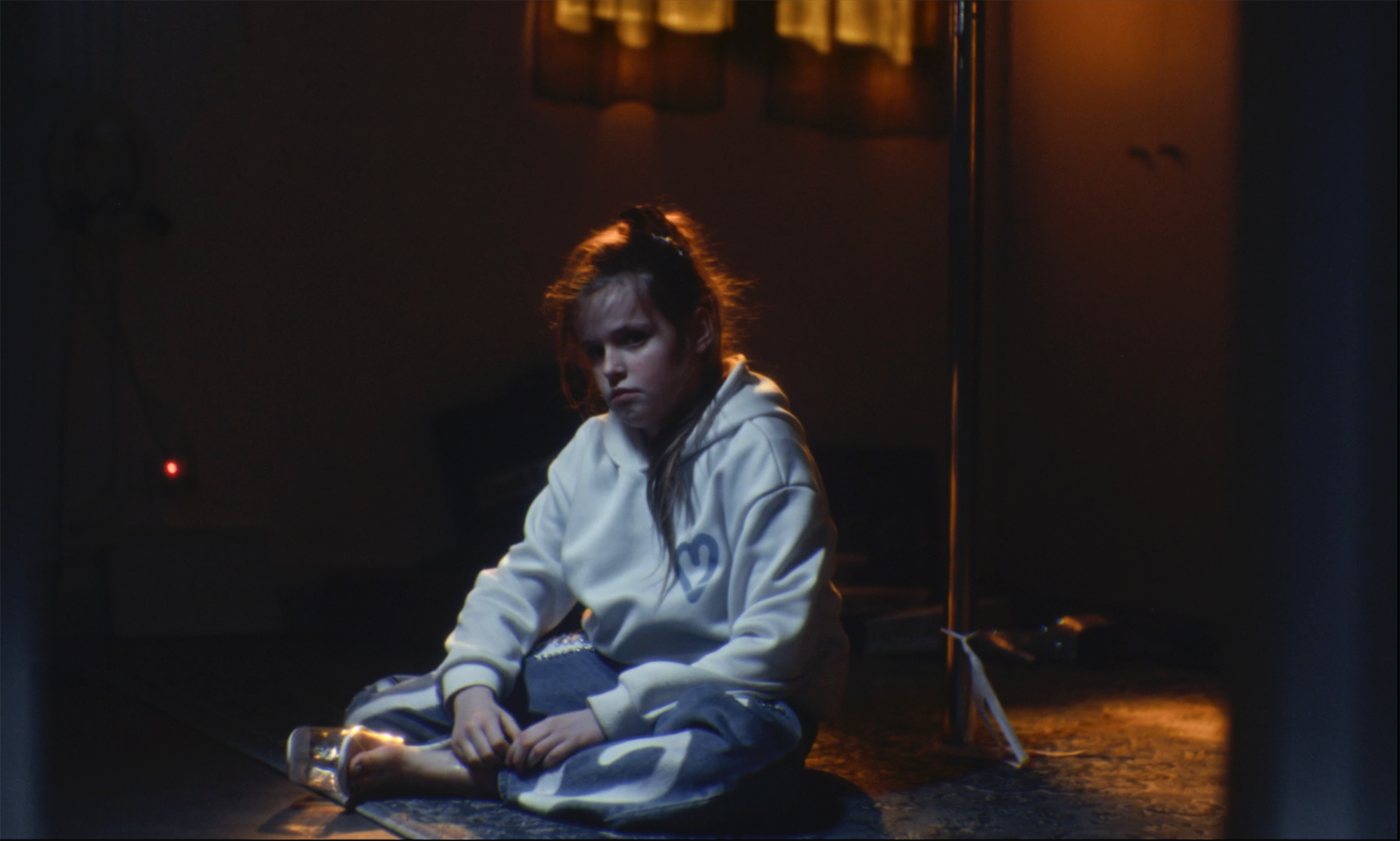
Pukyu, 2025 (film stills detail)
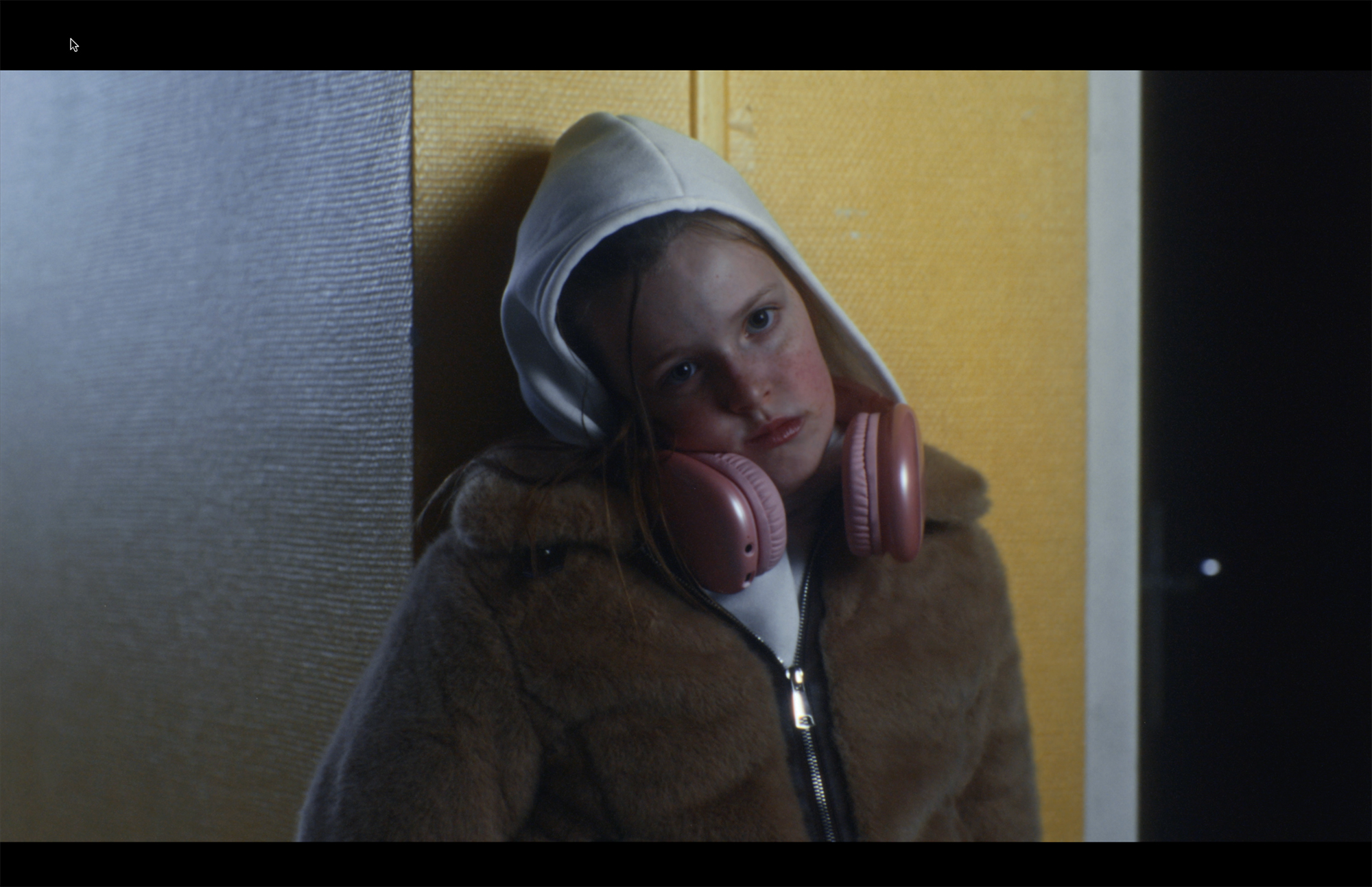
Pukyu, 2025 (film stills detail)
Tohé Commaret
Text by Martha Kirszenbaum
CURA.44
The Generational Issue
All images Courtesy: the artist
Tohé Commaret (b. 1992, Vitry-sur-Seine, France) is a Franco-Chilean filmmaker. Her films have been selected for festivals such as the Berlinale. She has won several awards at international festivals. In addition to her cinematic work, she has also exhibited her pieces at the Fondation Ricard, Palais de Tokyo, and Centre Pompidou, Paris.
Martha Kirszenbaum is a curator, writer, and editor based in Paris. She was the curator of the French Pavilion of the 58th Venice Biennale represented by Laure Prouvost, and founded and directed Fahrenheit, an exhibition space and residency program in Los Angeles. She previously worked at MoMA, New Museum, and Centre Pompidou and has organized exhibitions, screenings, performances, and talks at renowned international institutions. She is a regular contributor to numerous art publications and teaches internationally.