BAAB_Issue 00
(Anthony Huberman)
“Most basements aren’t for people. They are for washing machines, cars, wine, or boilers. If kitchens are for cooking, dining rooms are for dining, and bedrooms are for beds, basements tend to be left undefined—they are simply underground. They are out of sight and open to interpretation. When people go there, they are free to do anything.”
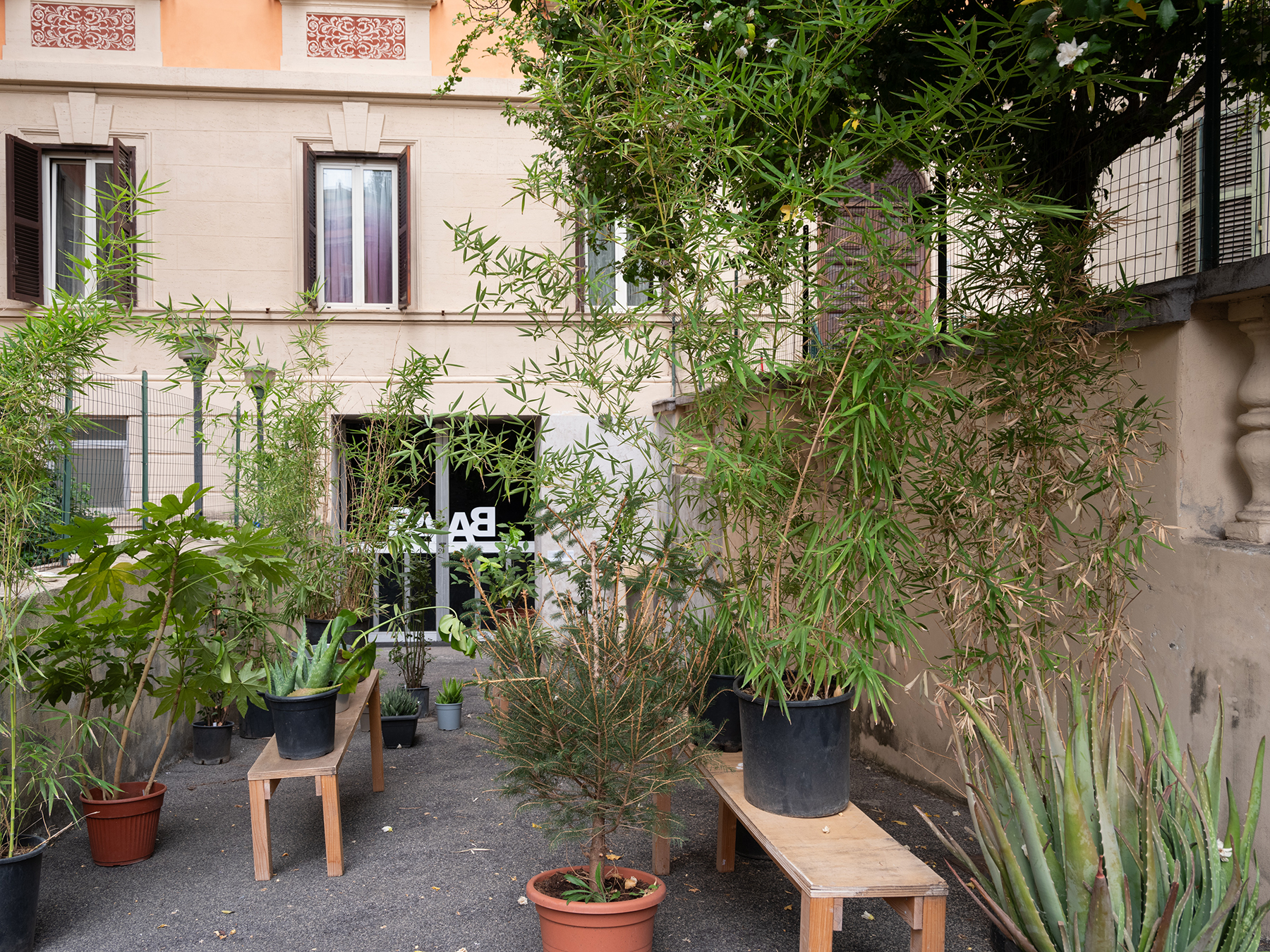
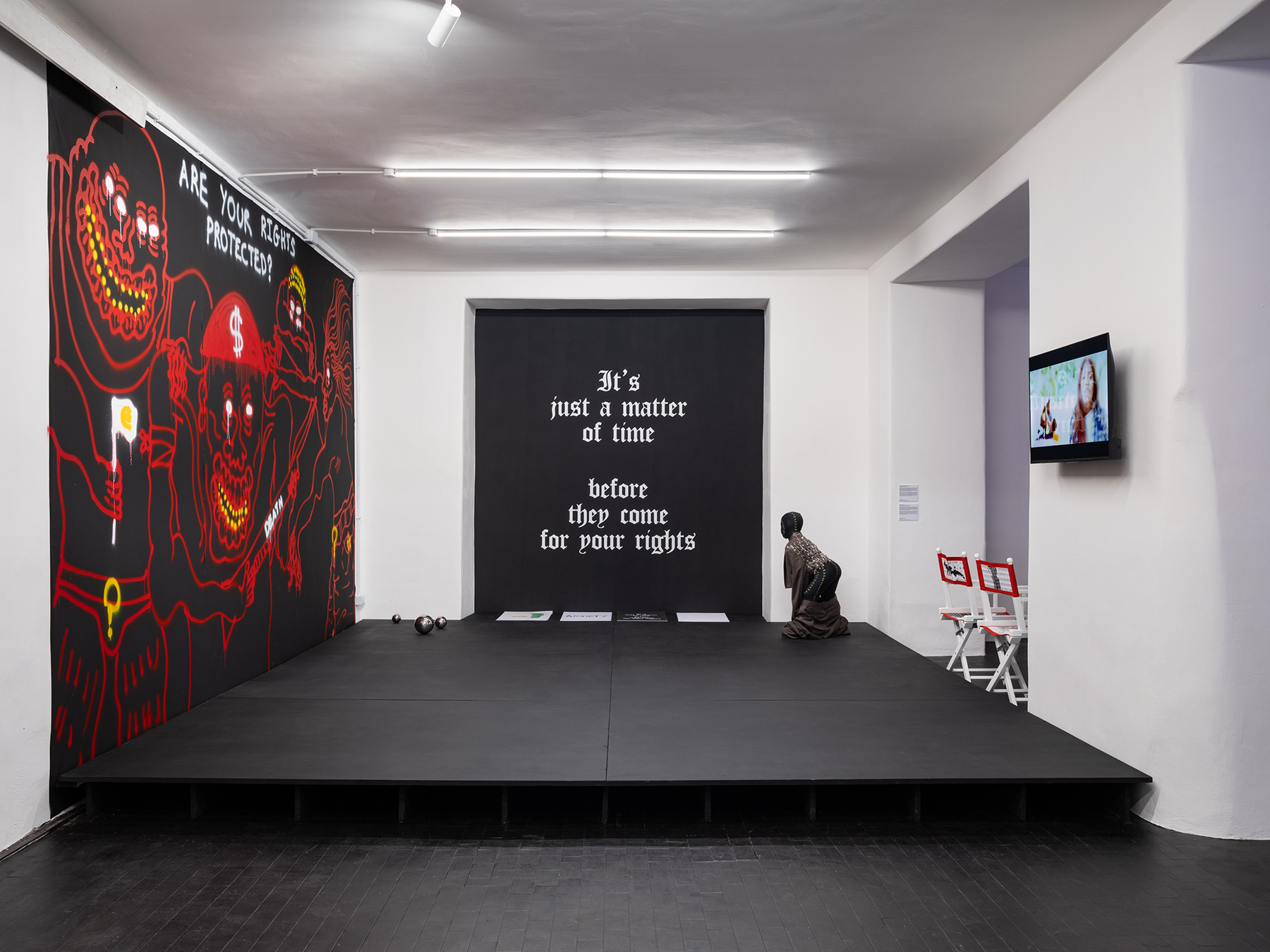
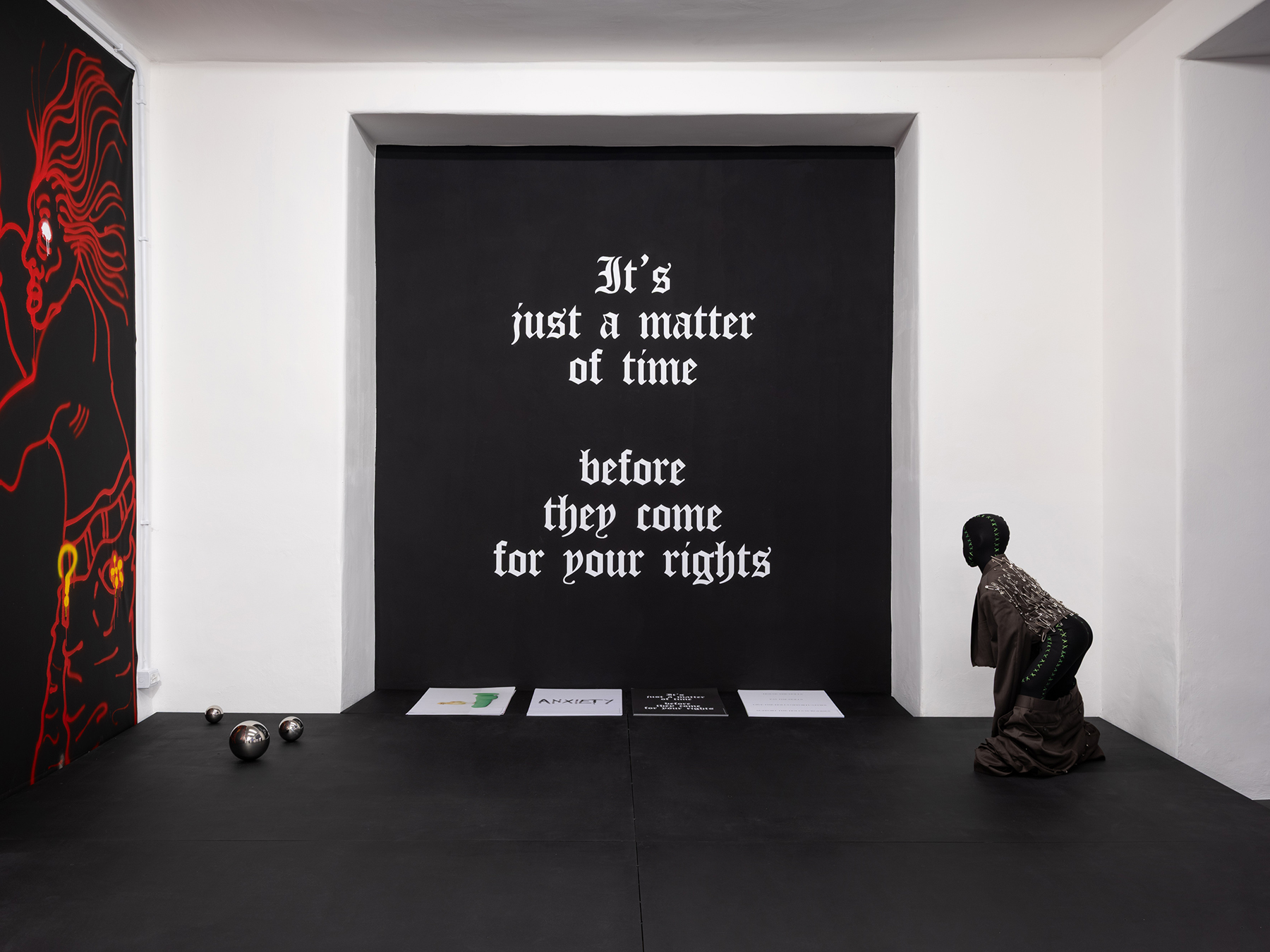
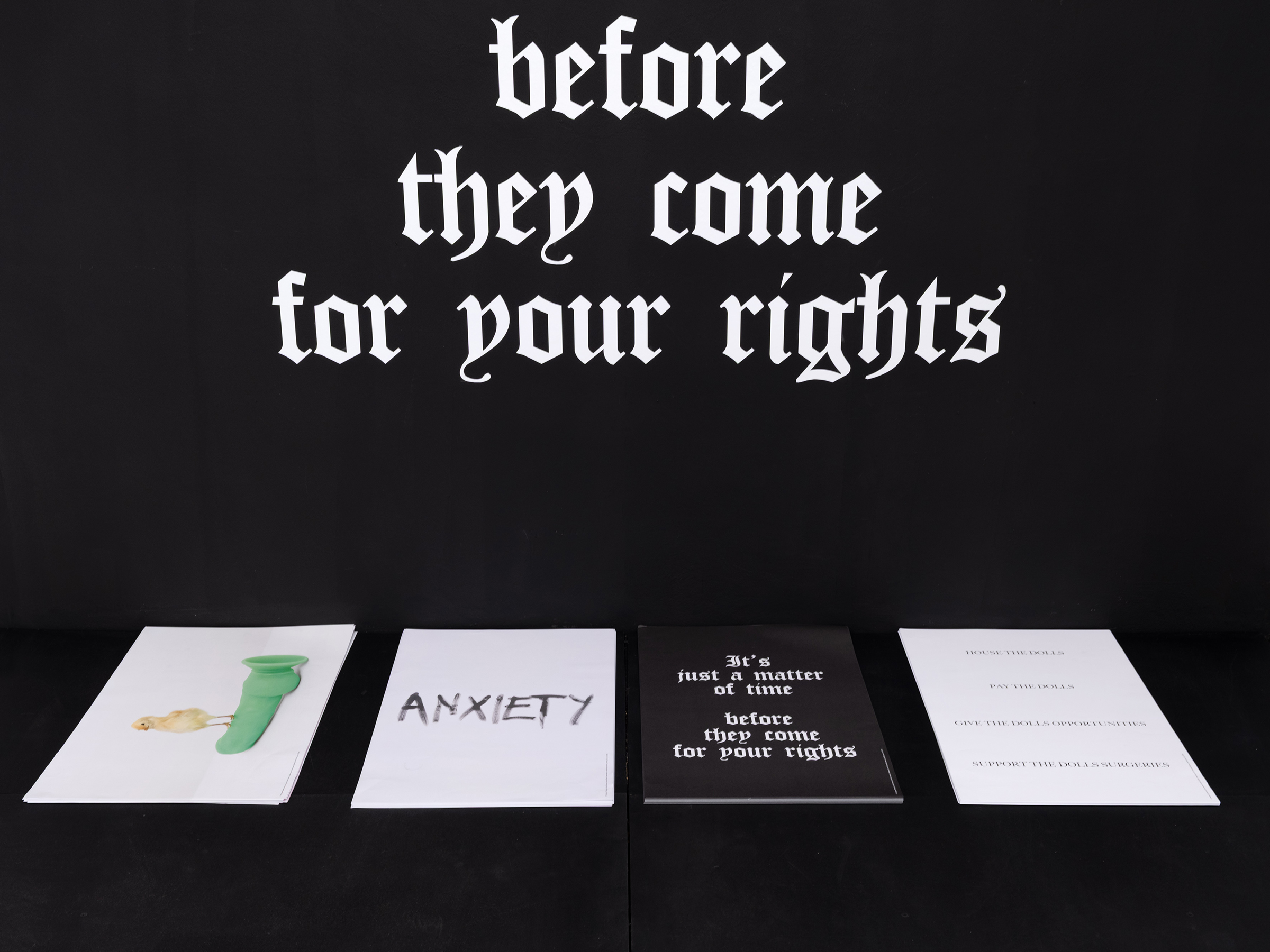
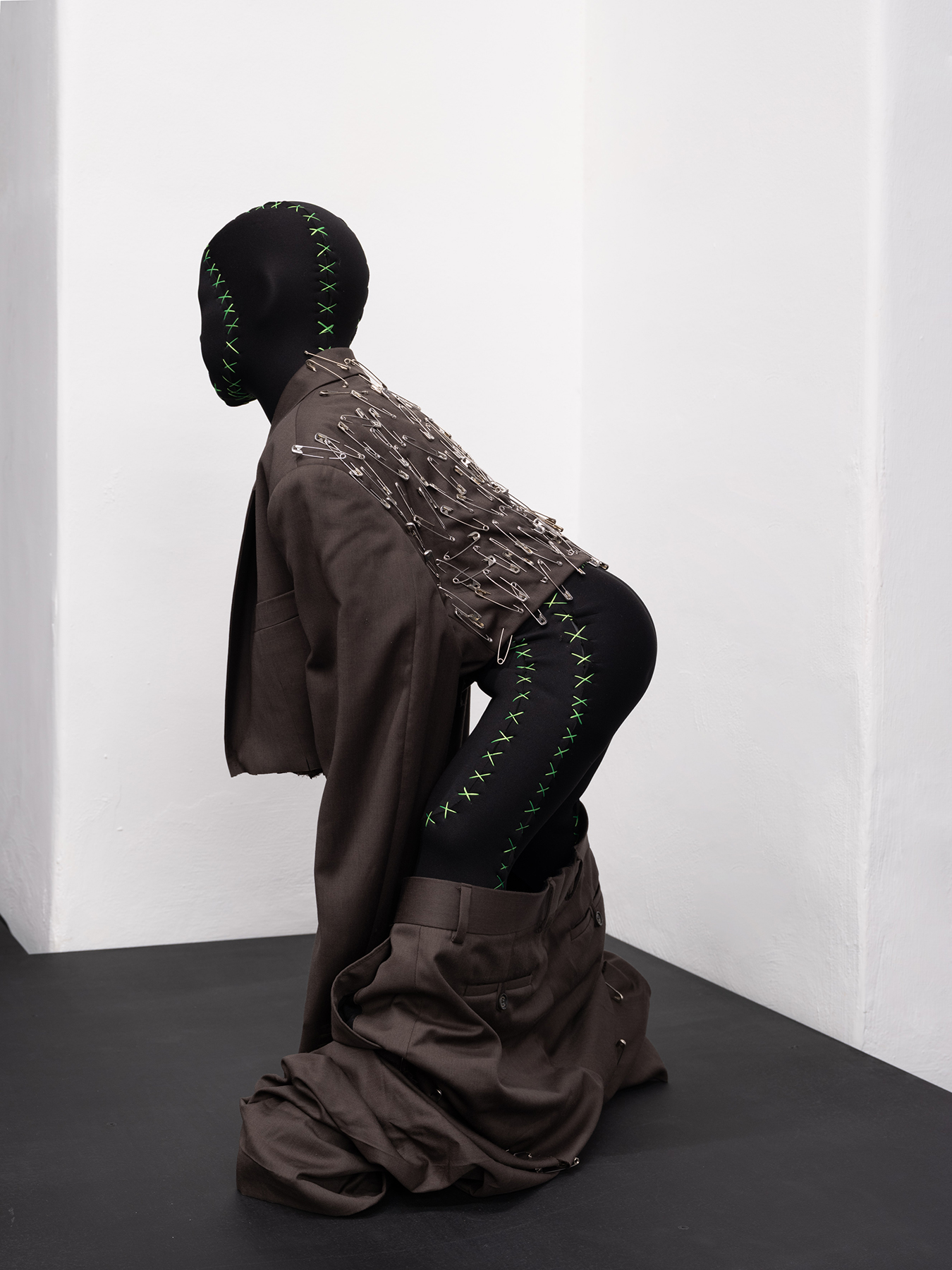
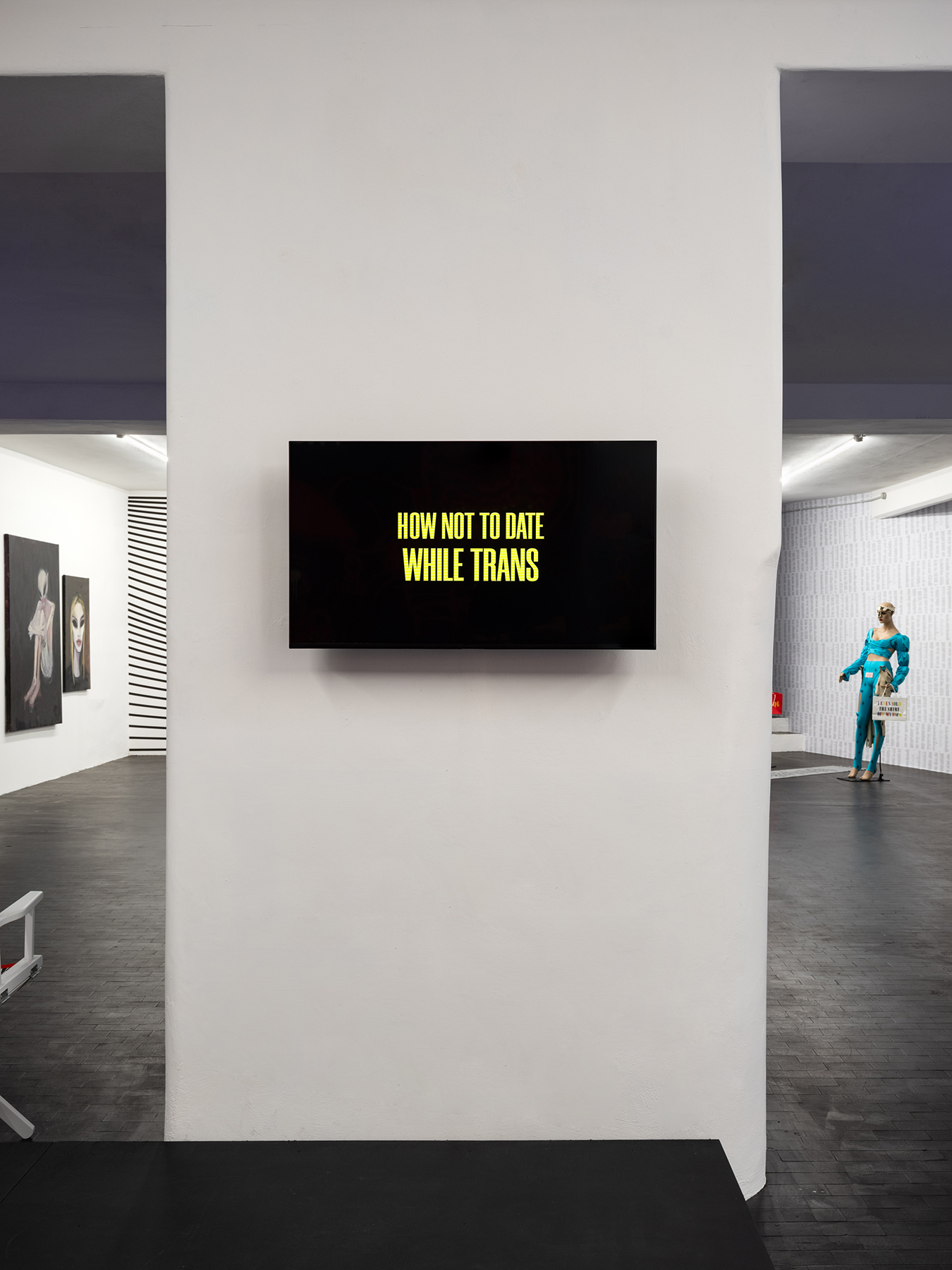
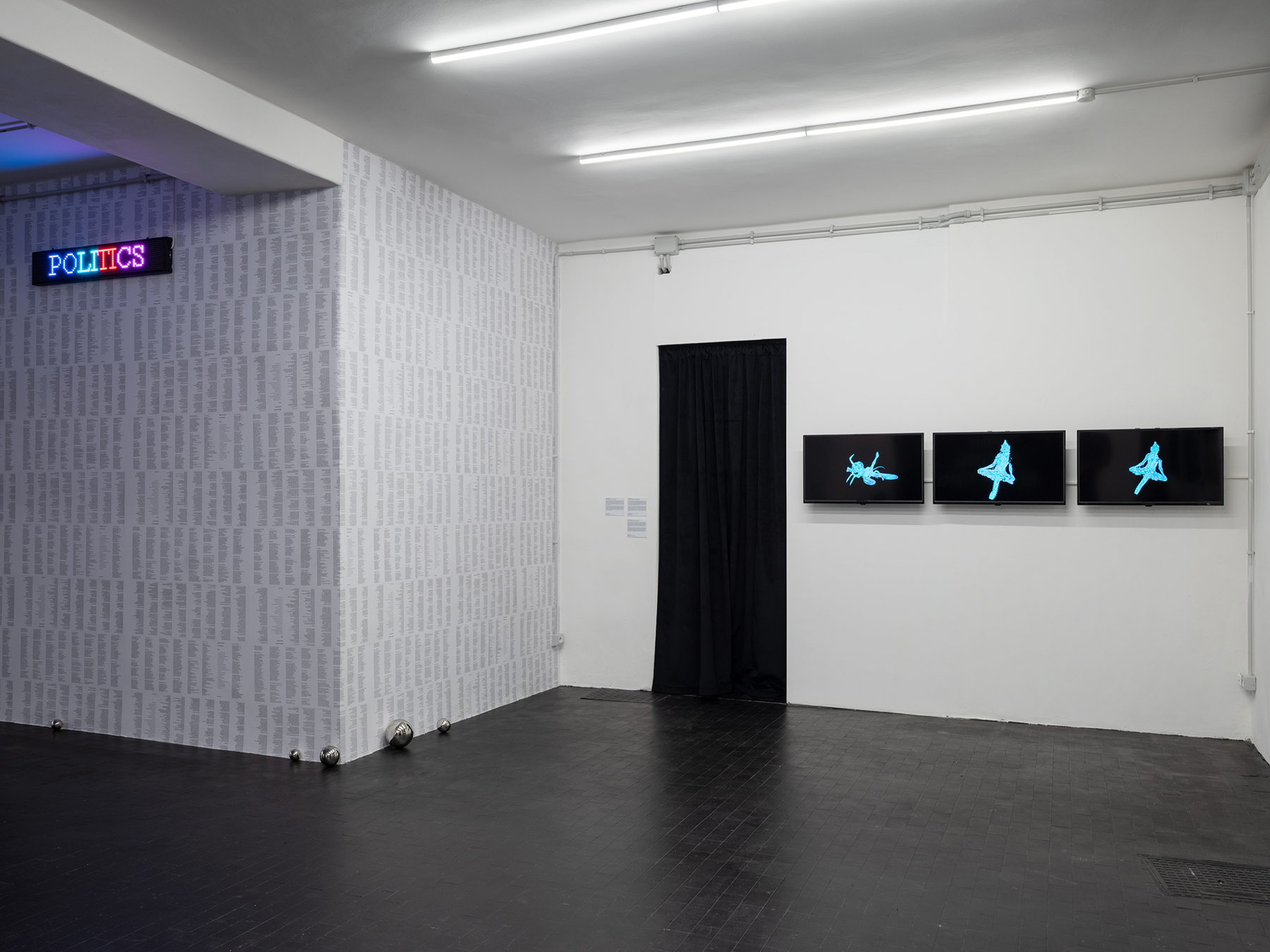
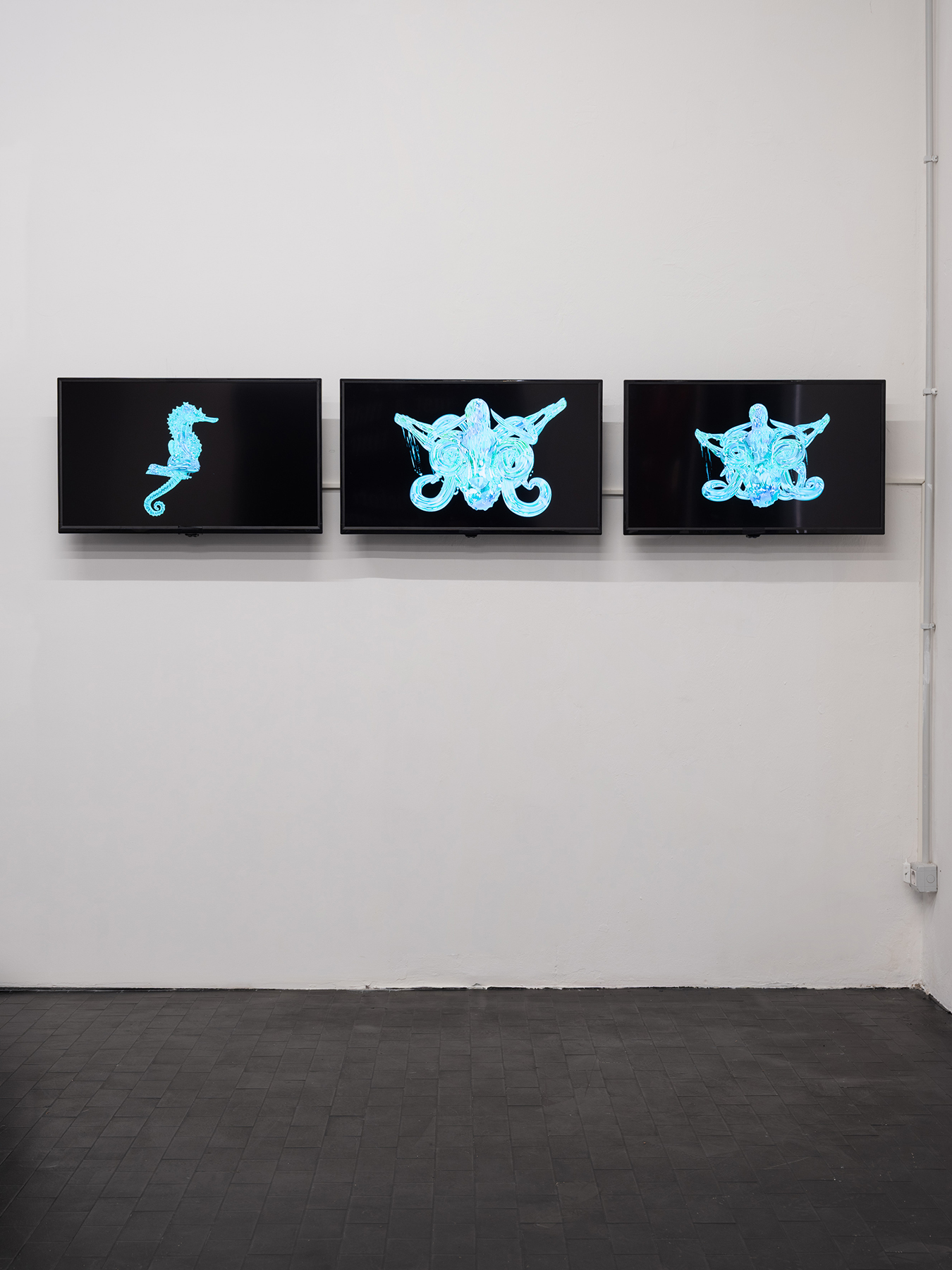
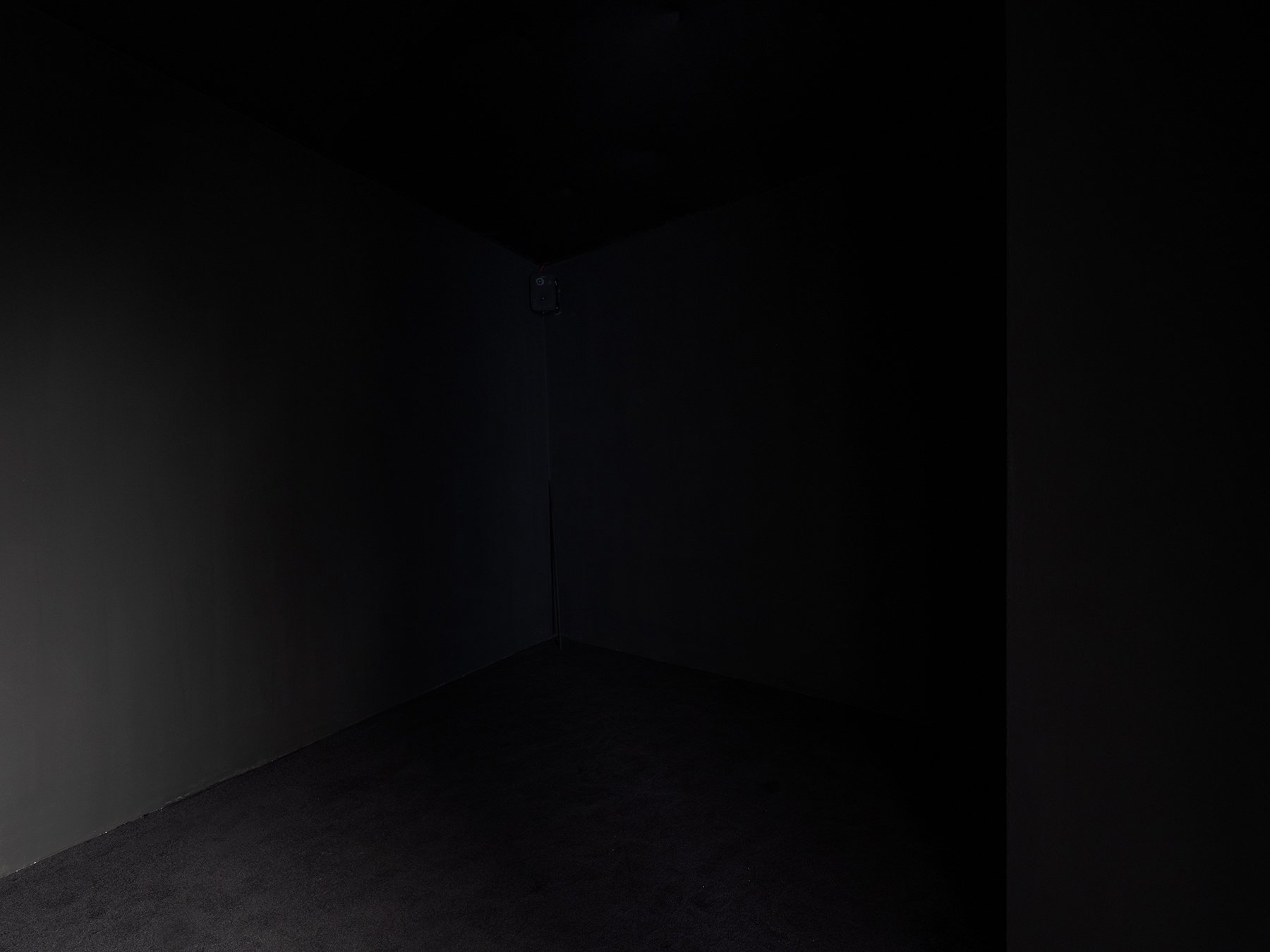
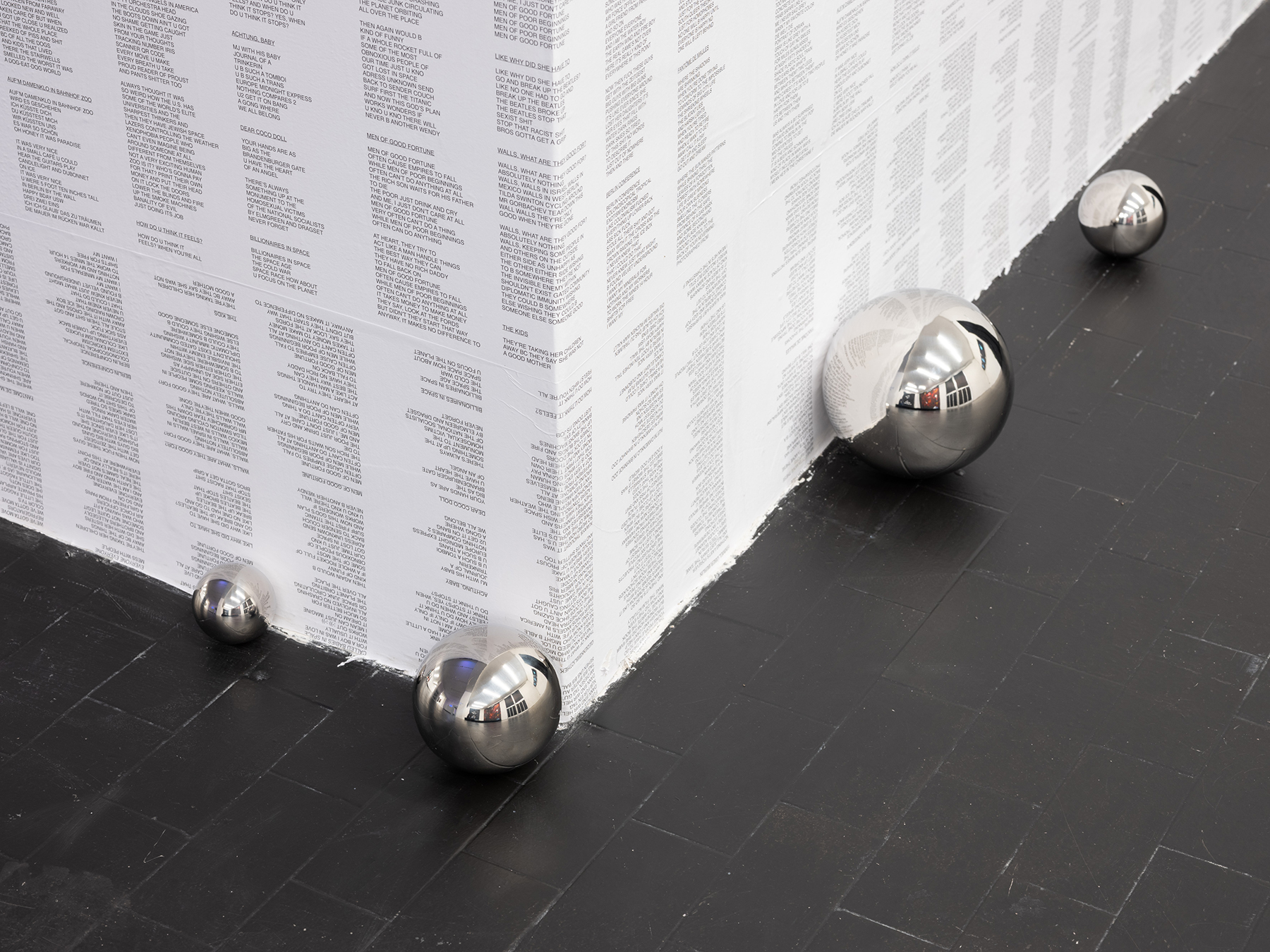
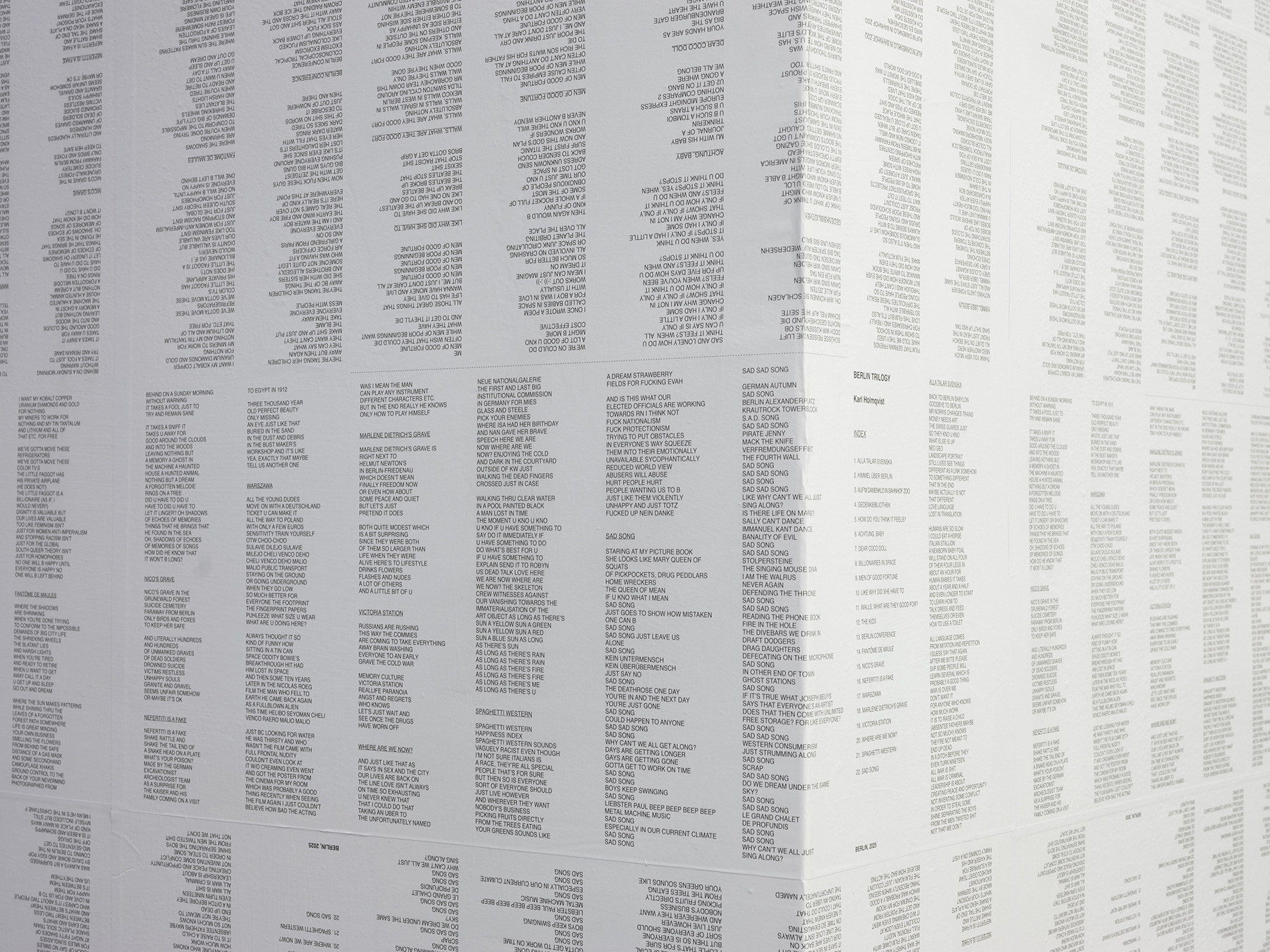
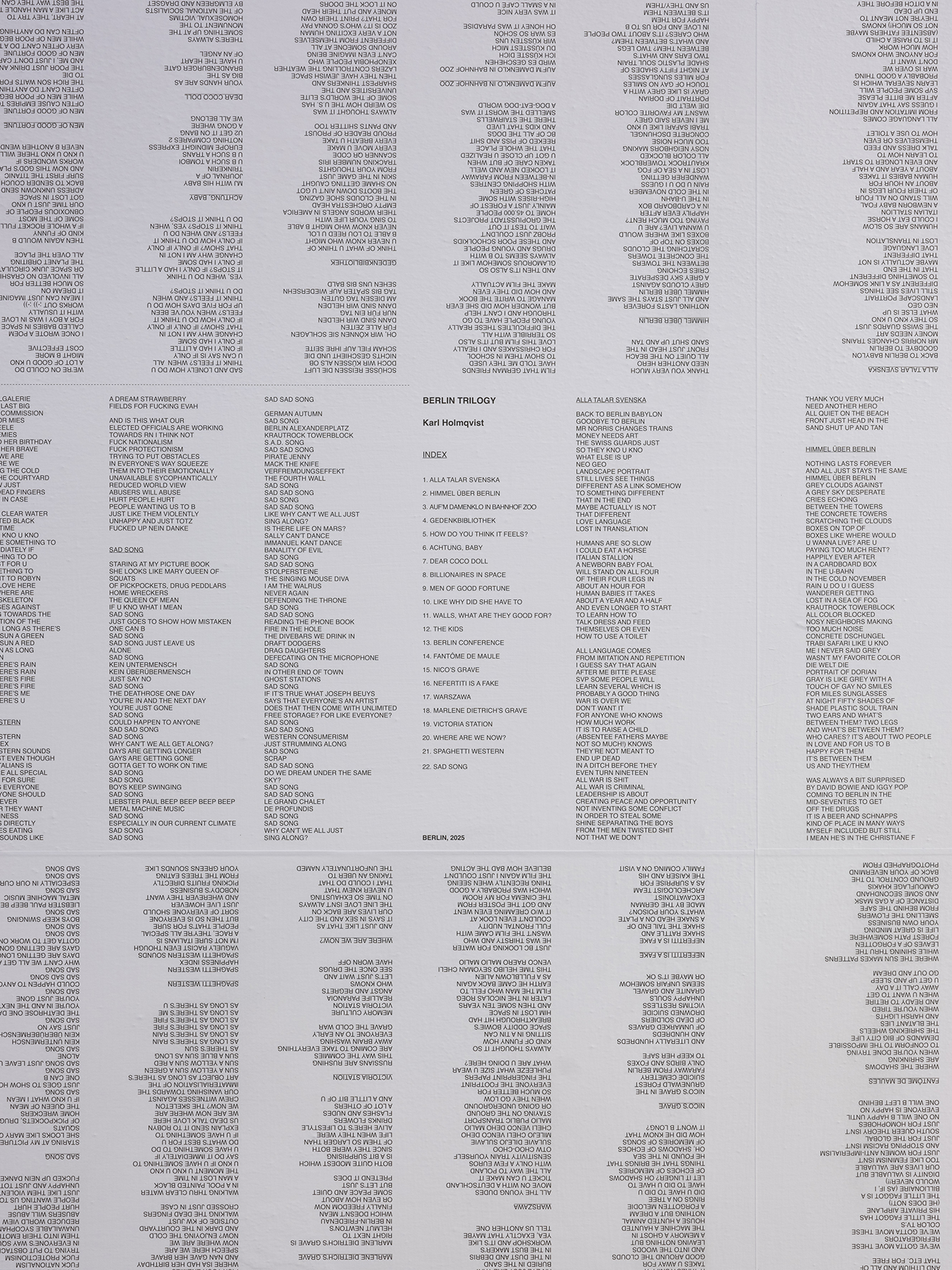
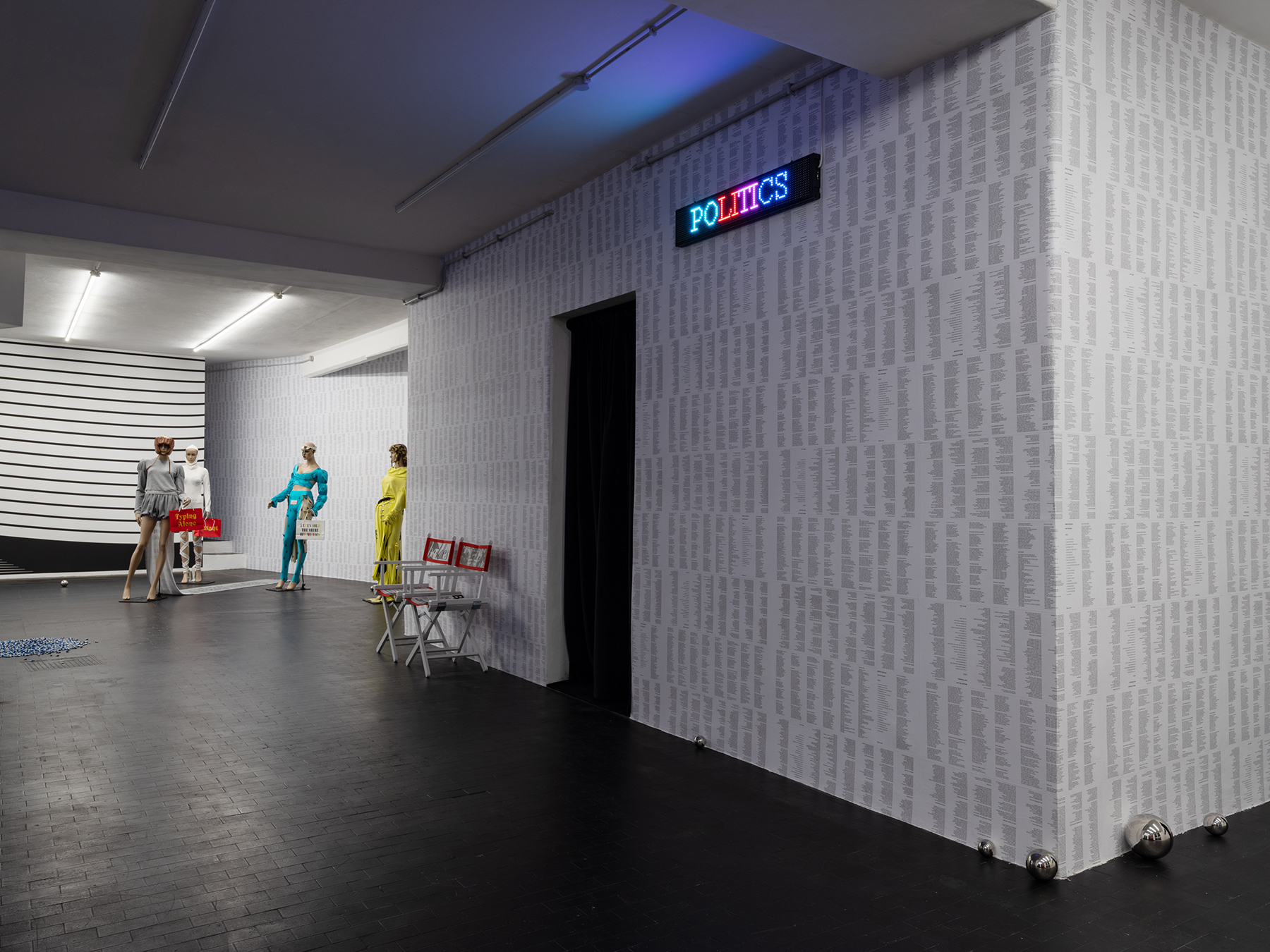
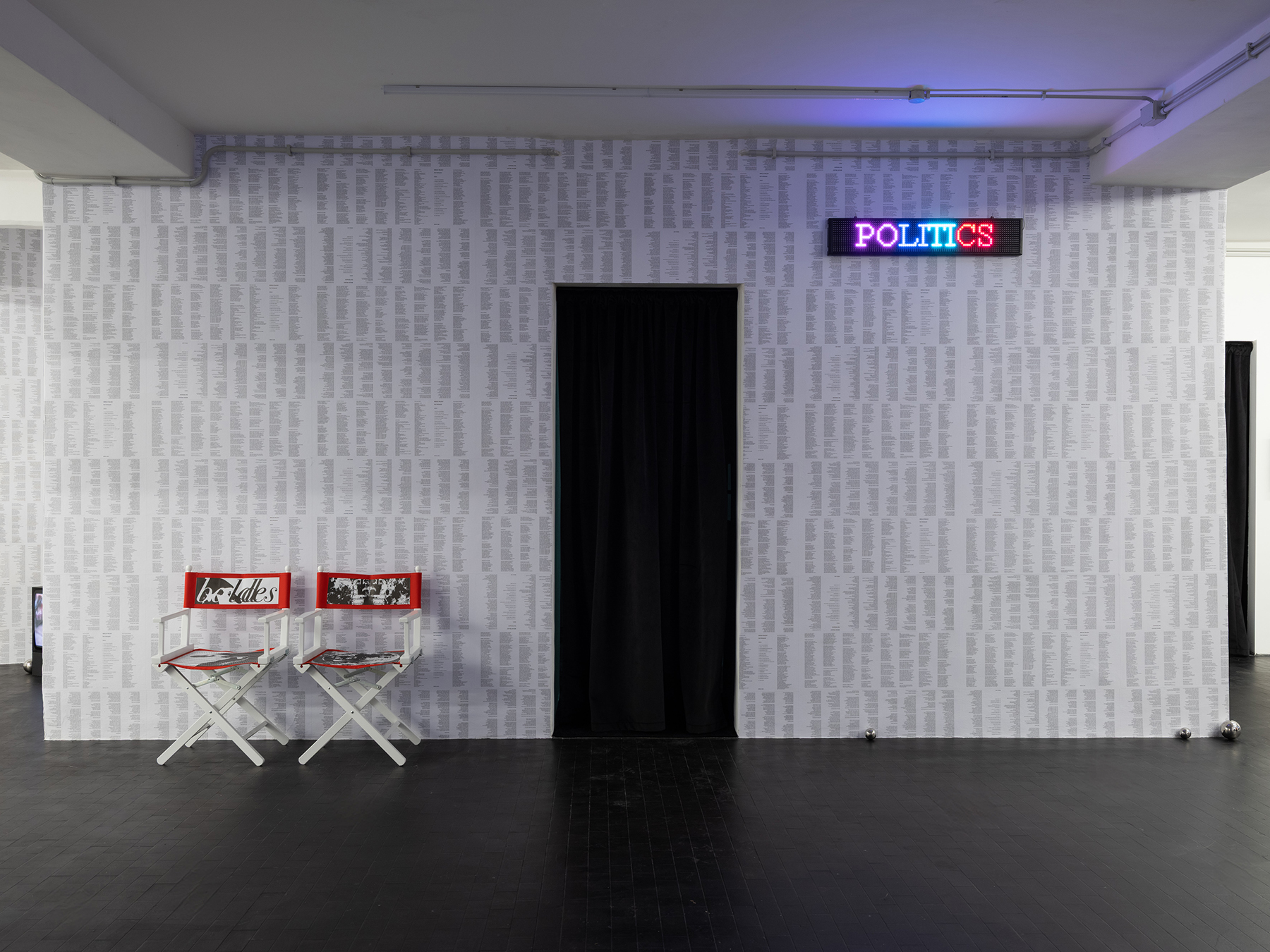
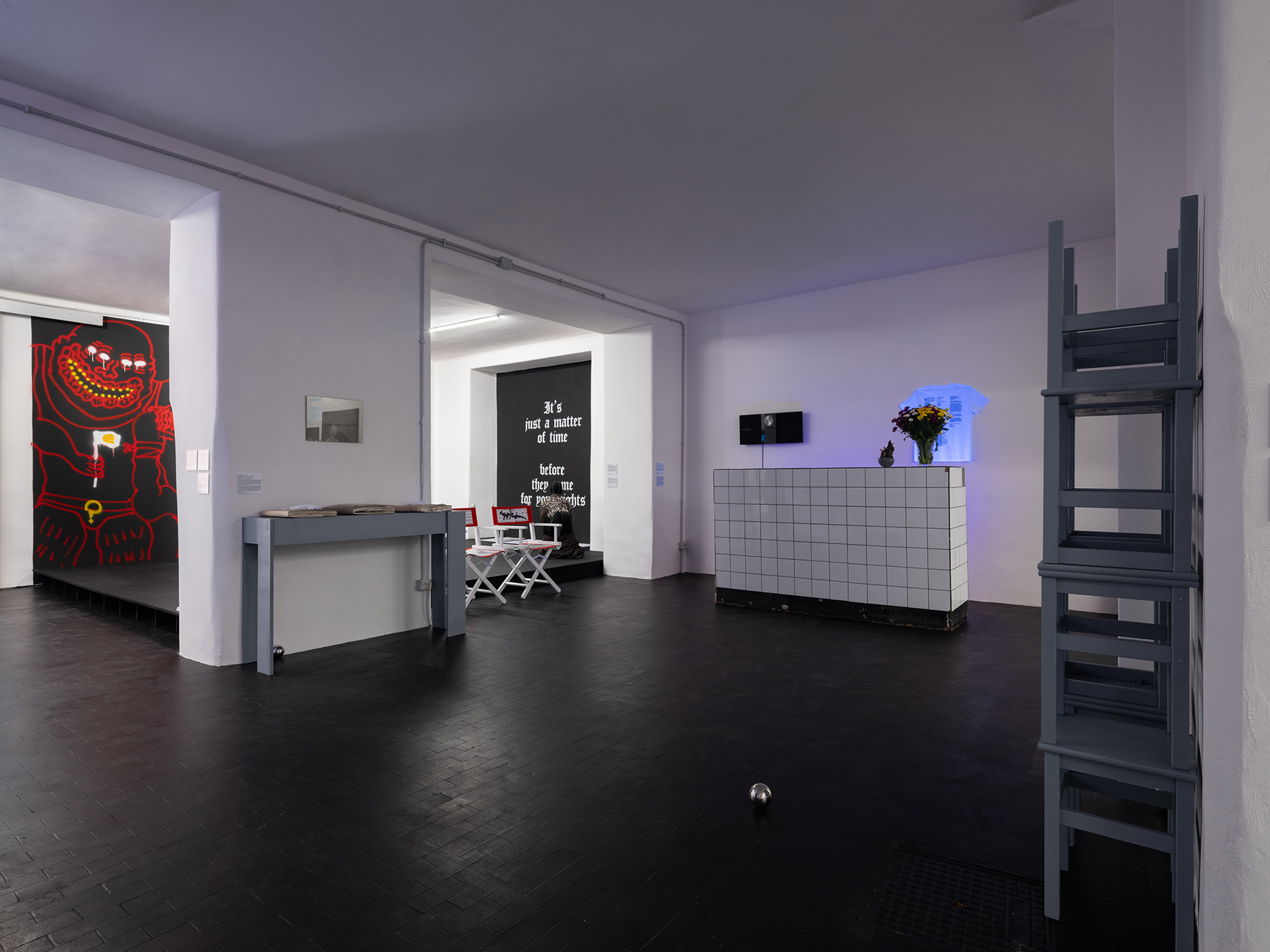
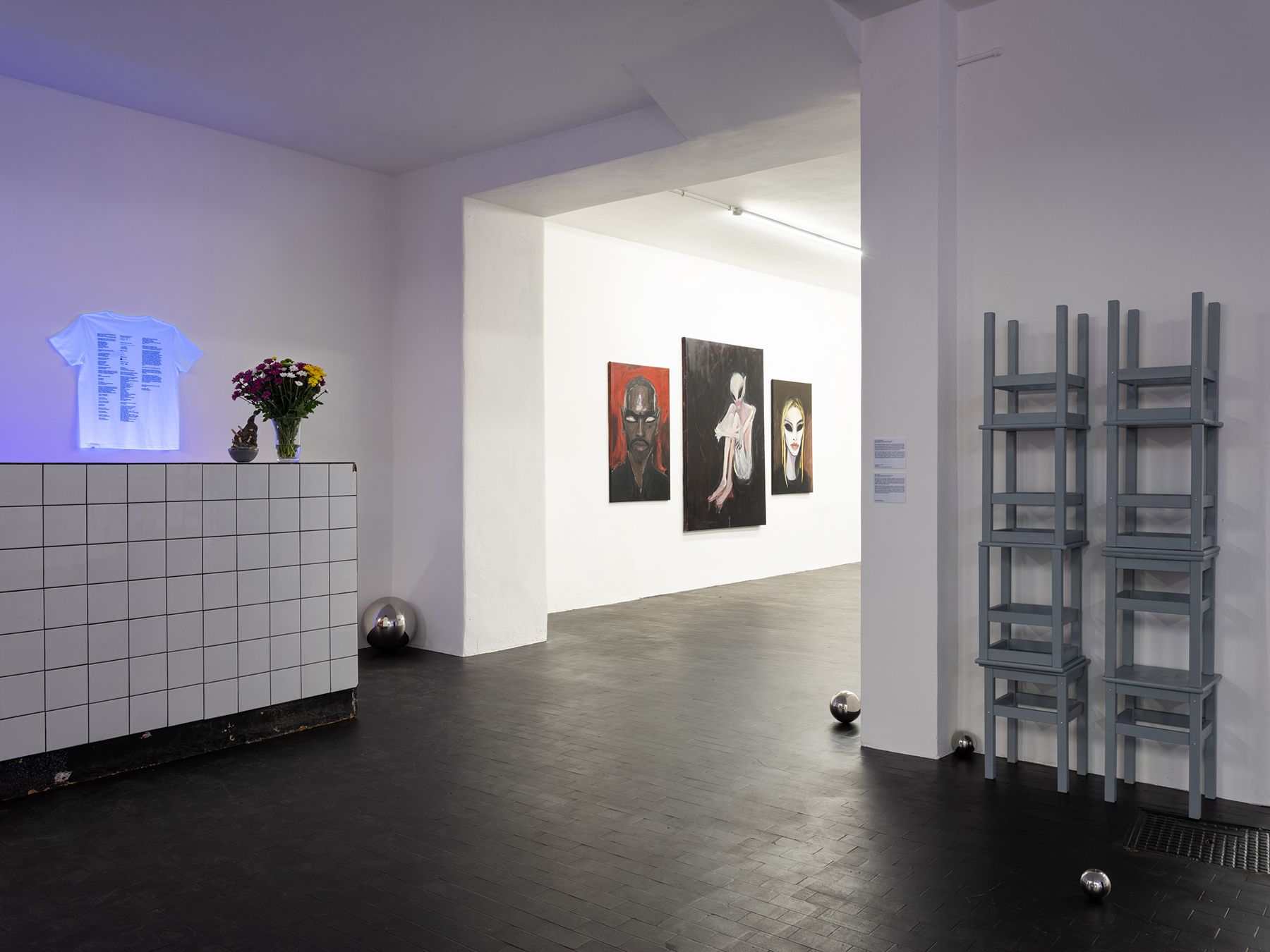
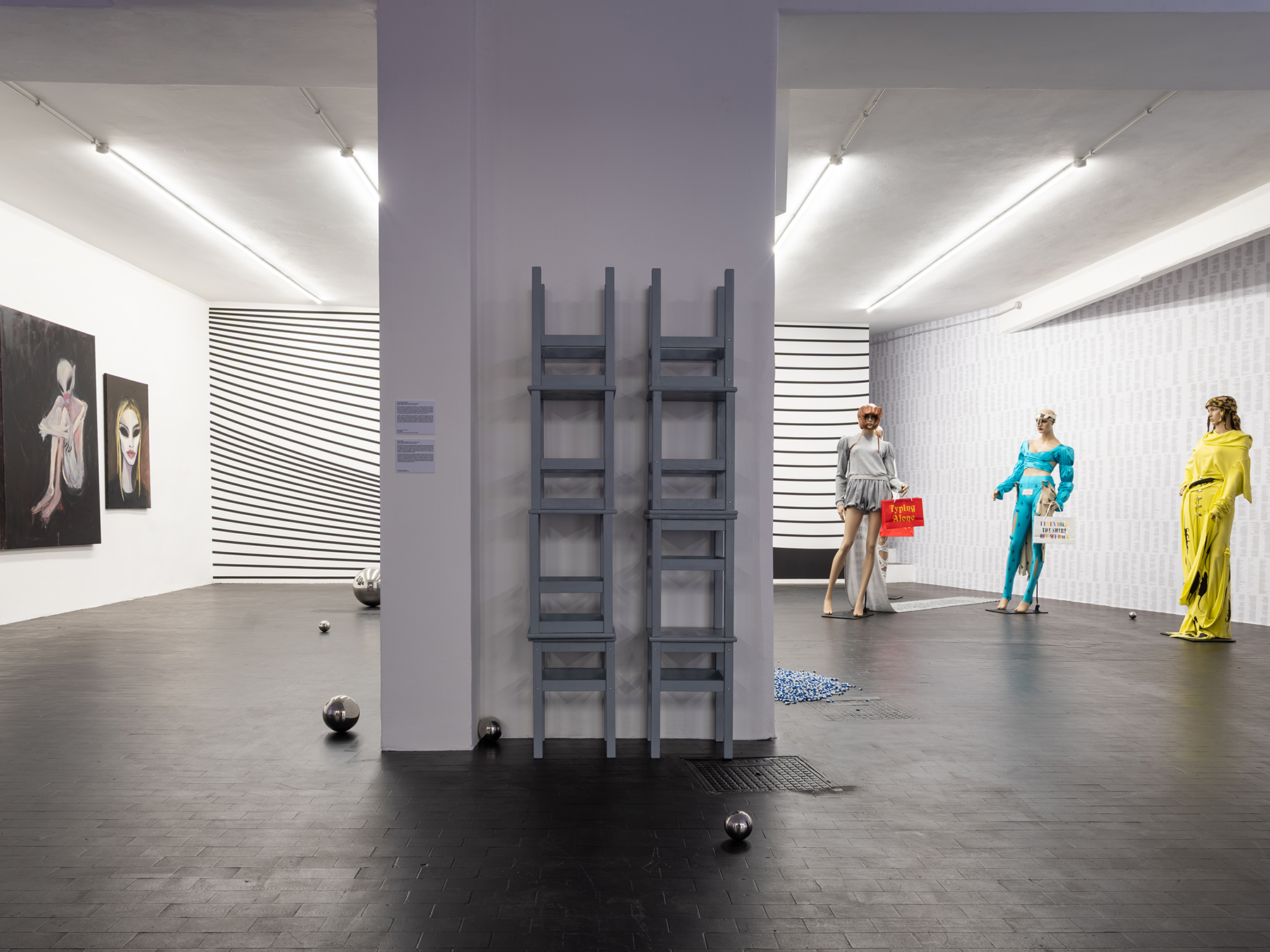
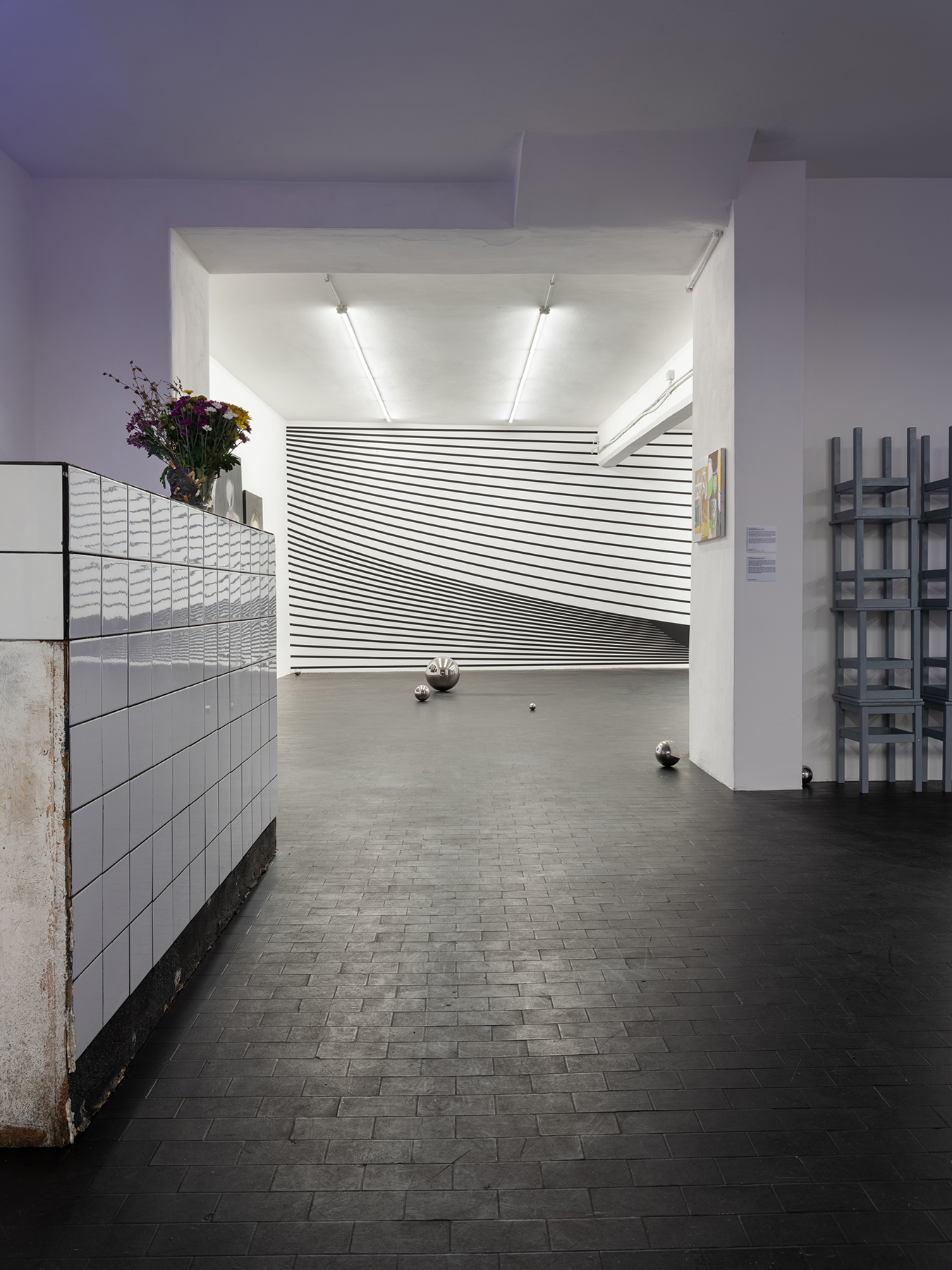
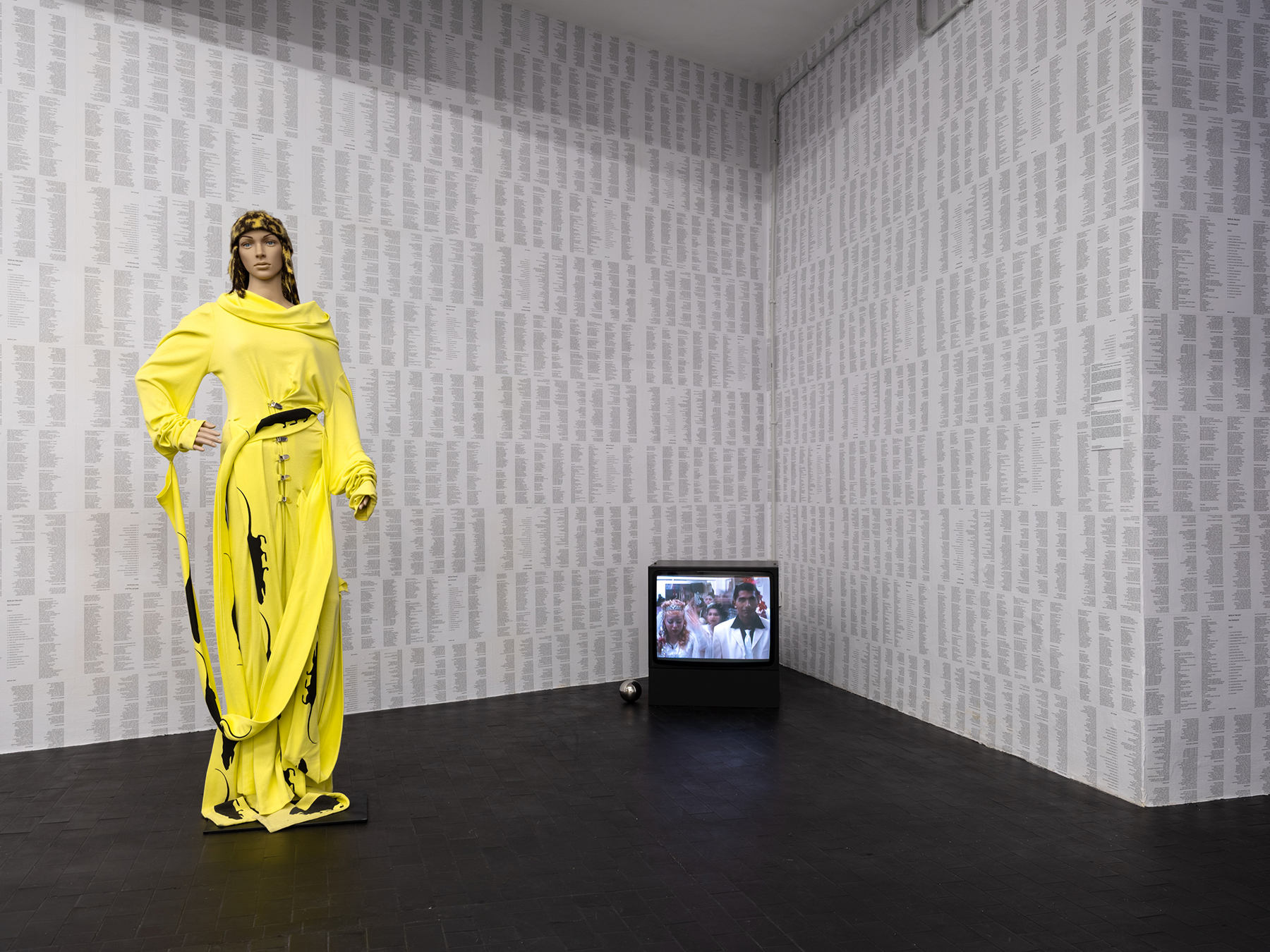
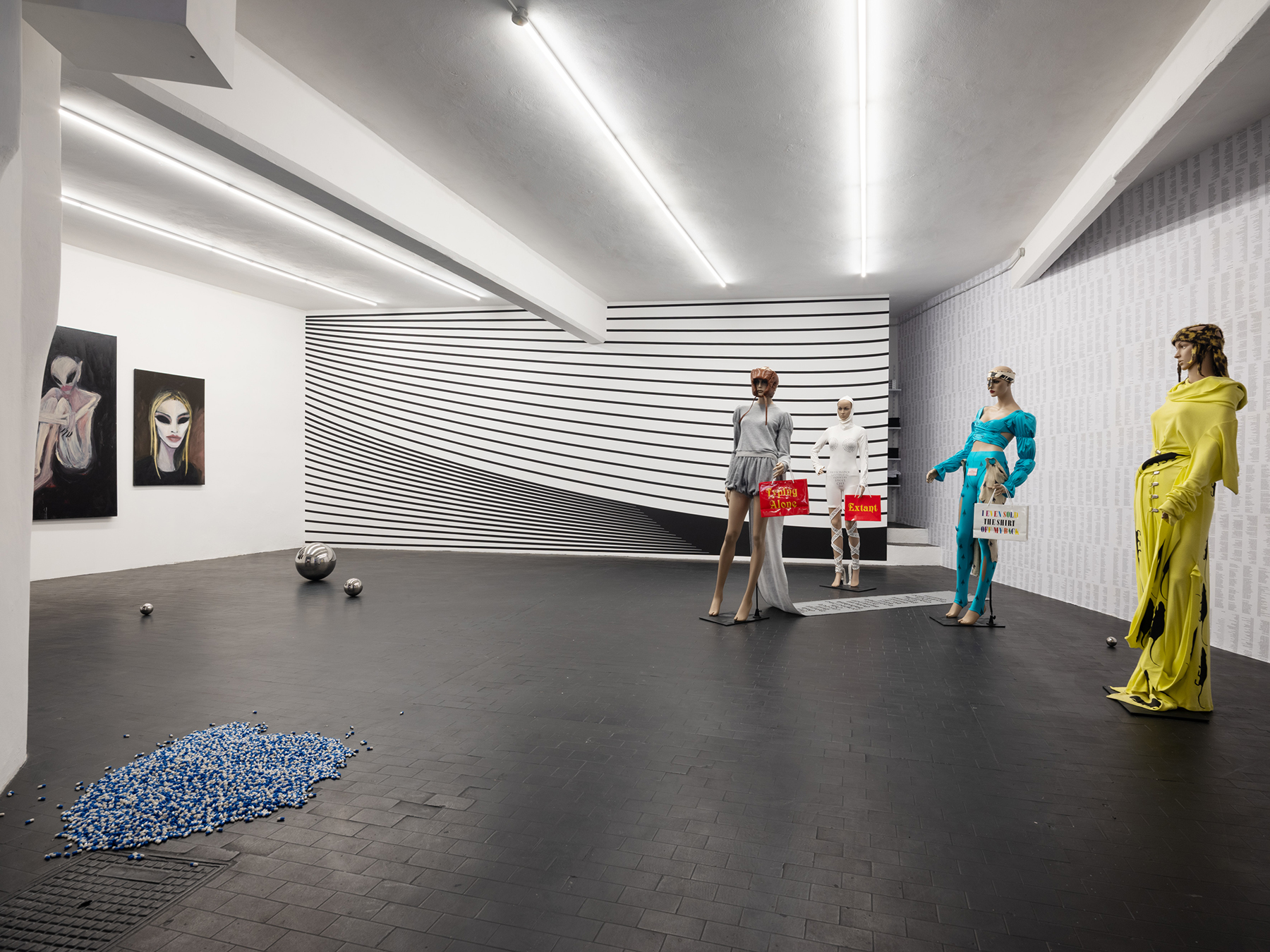
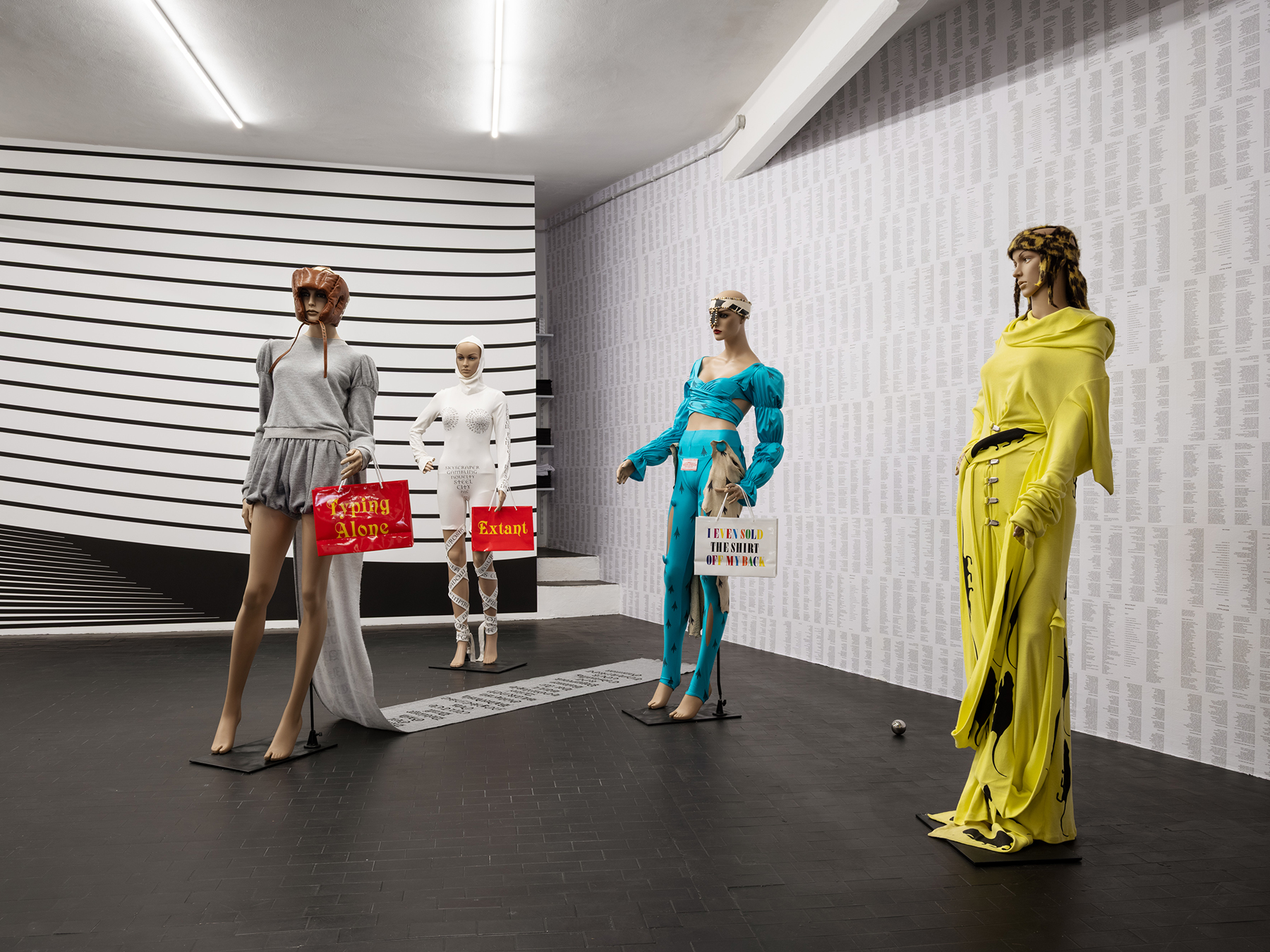
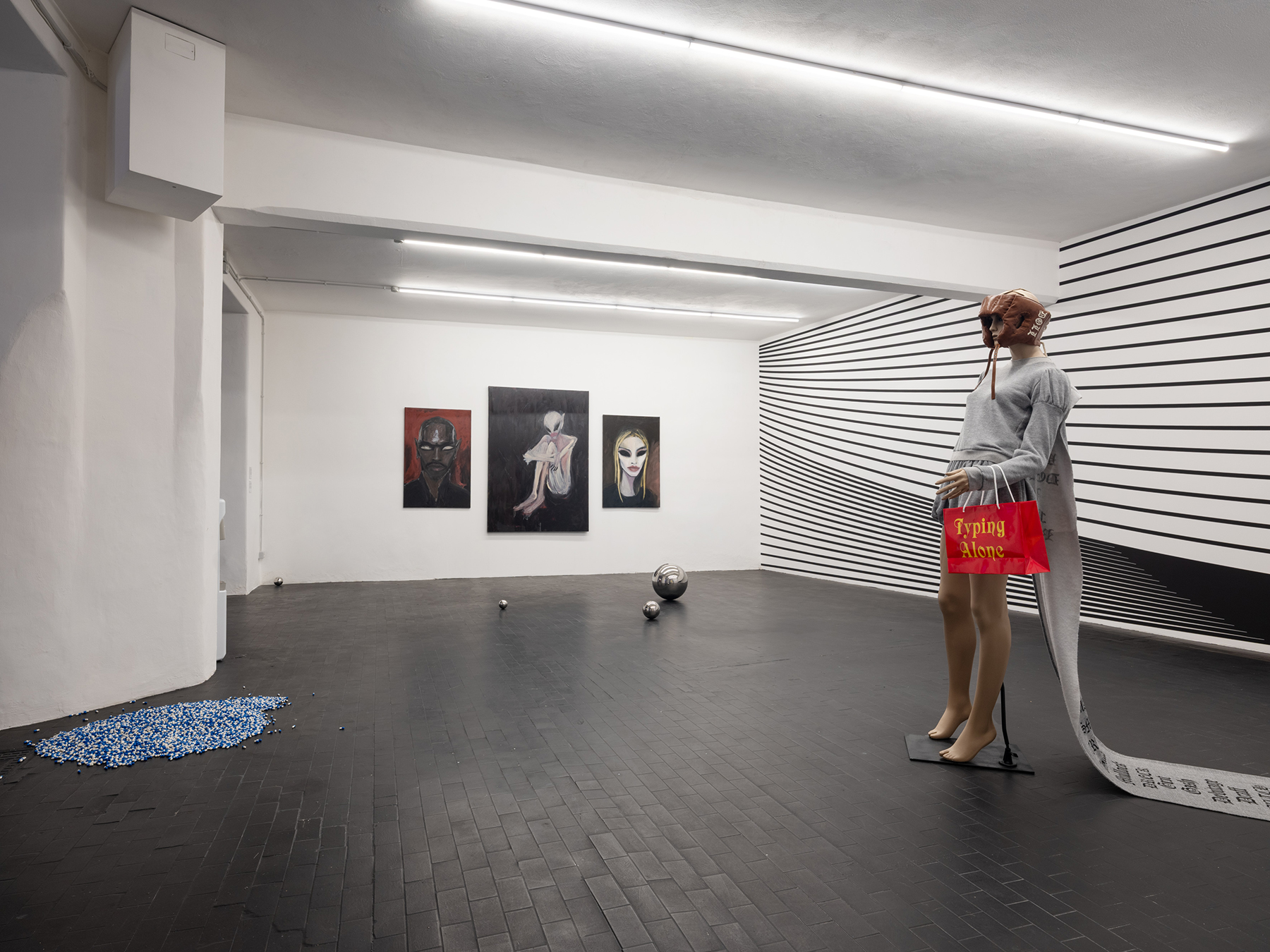
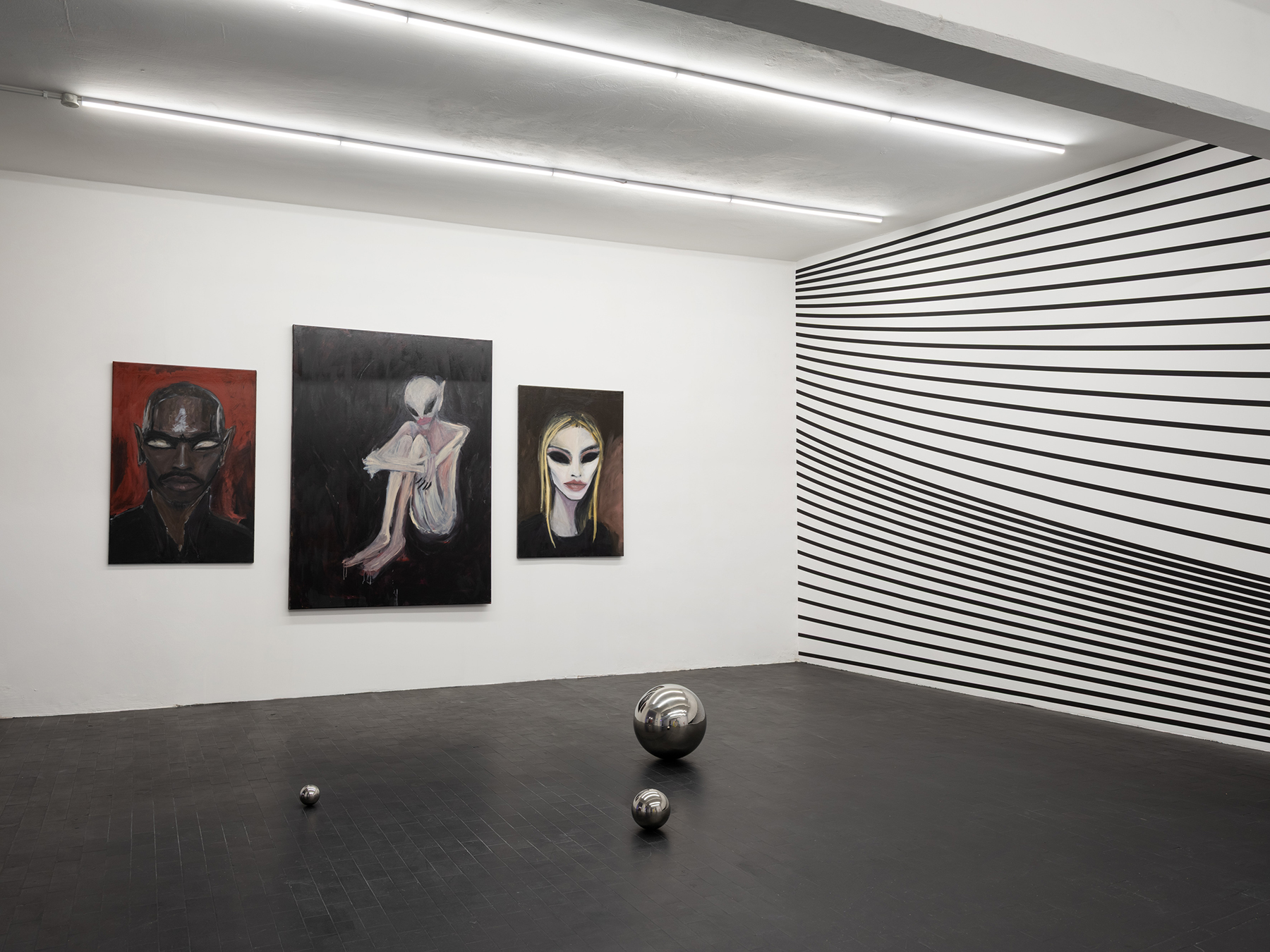
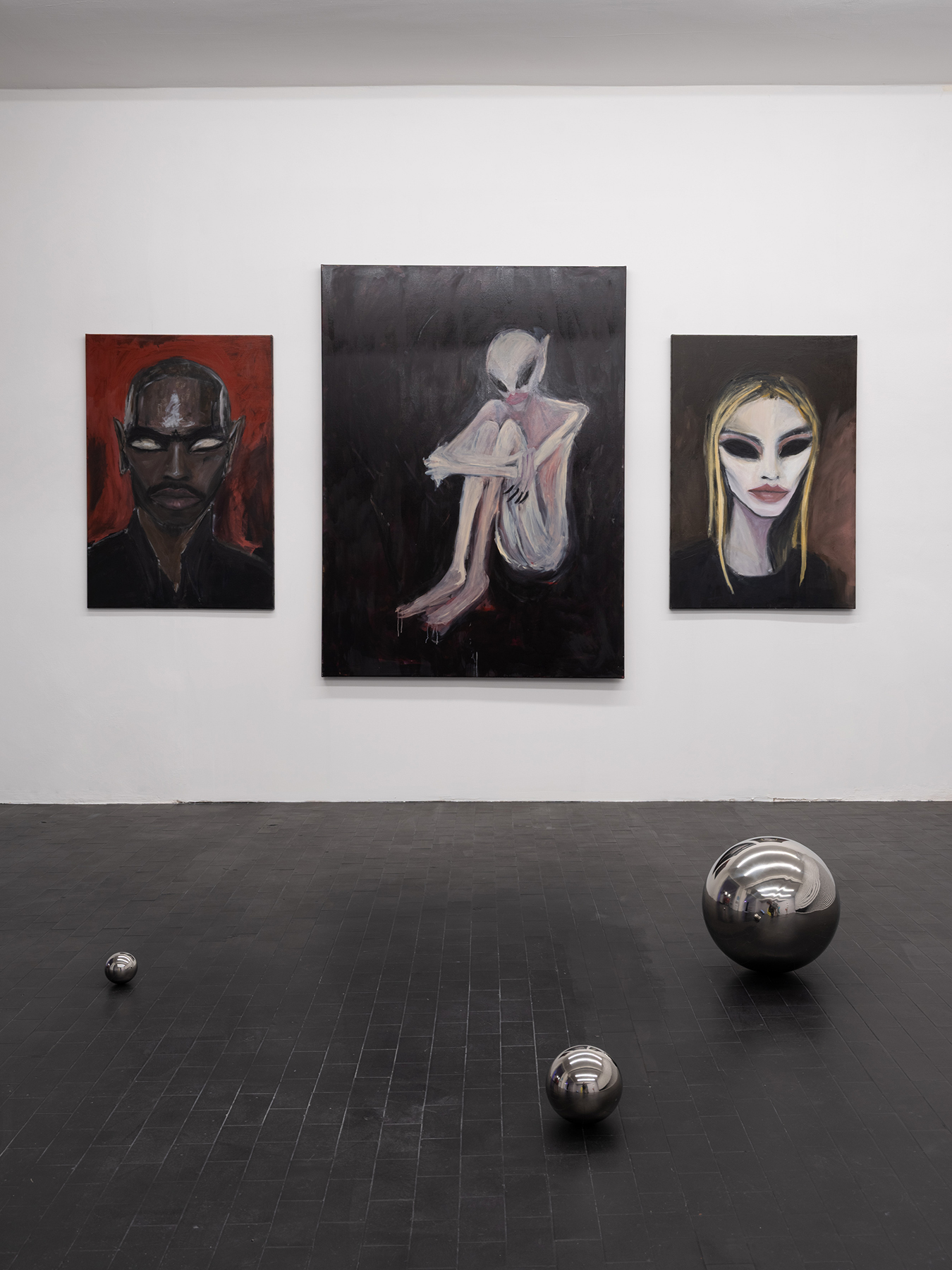
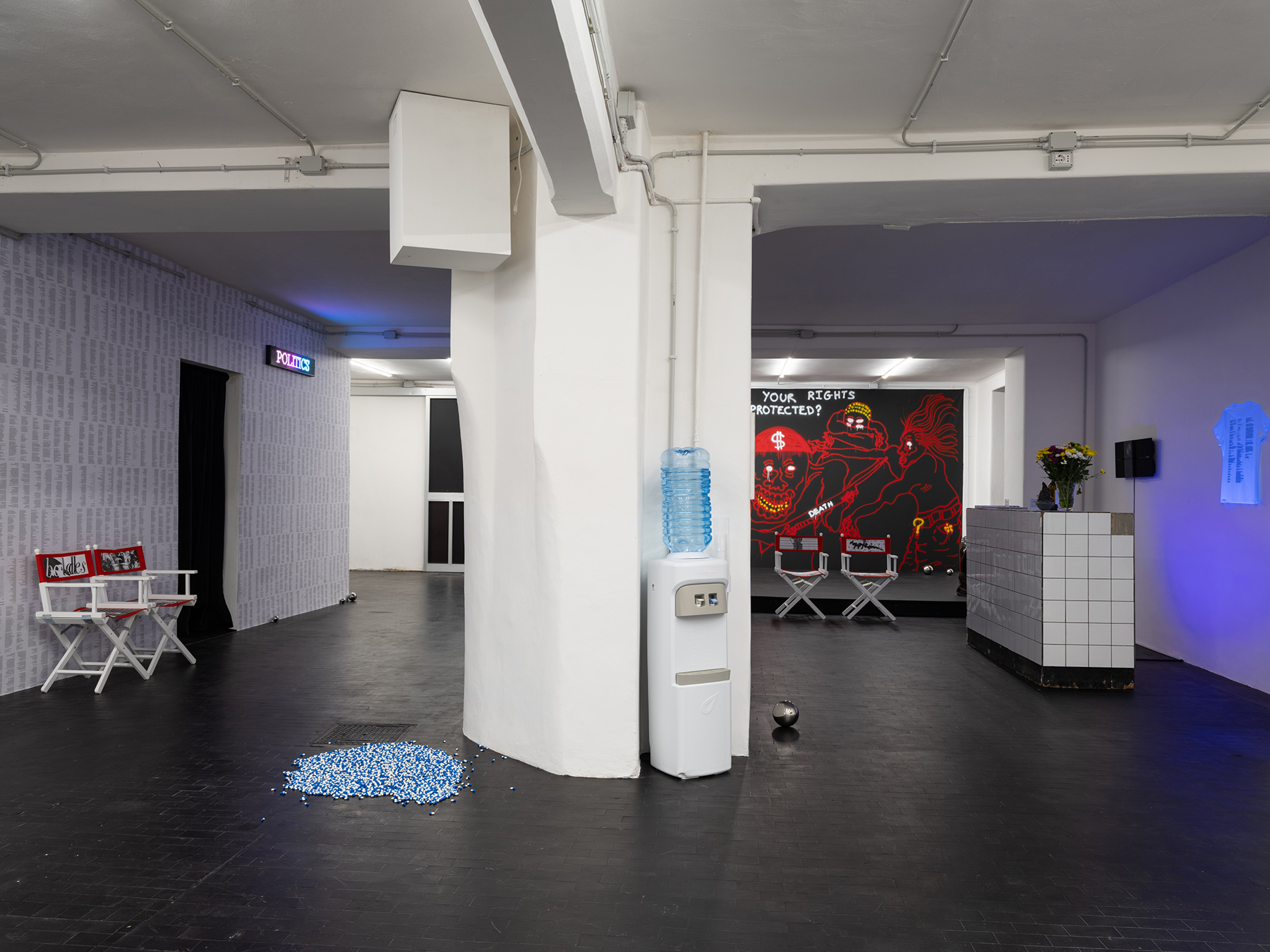
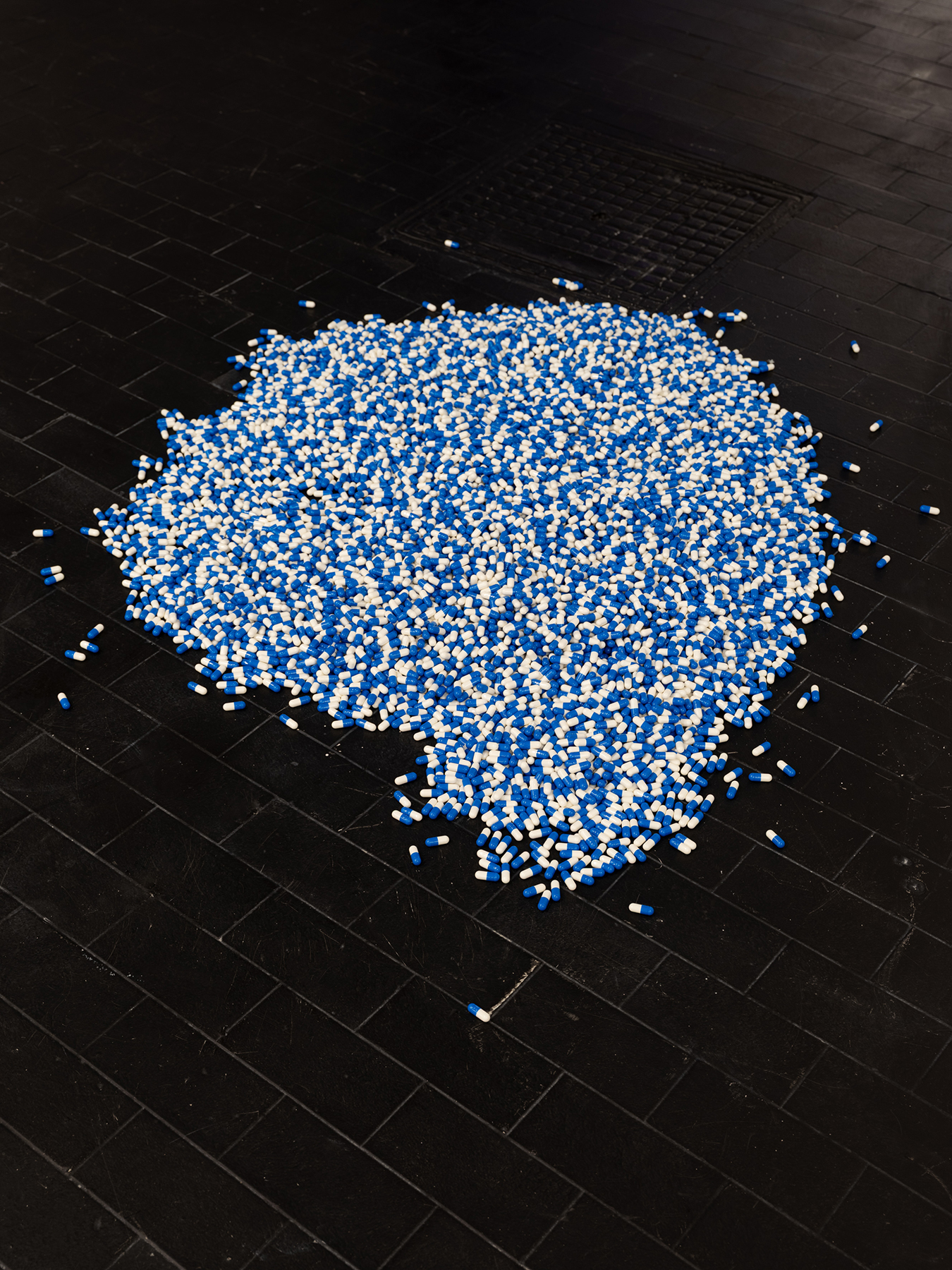
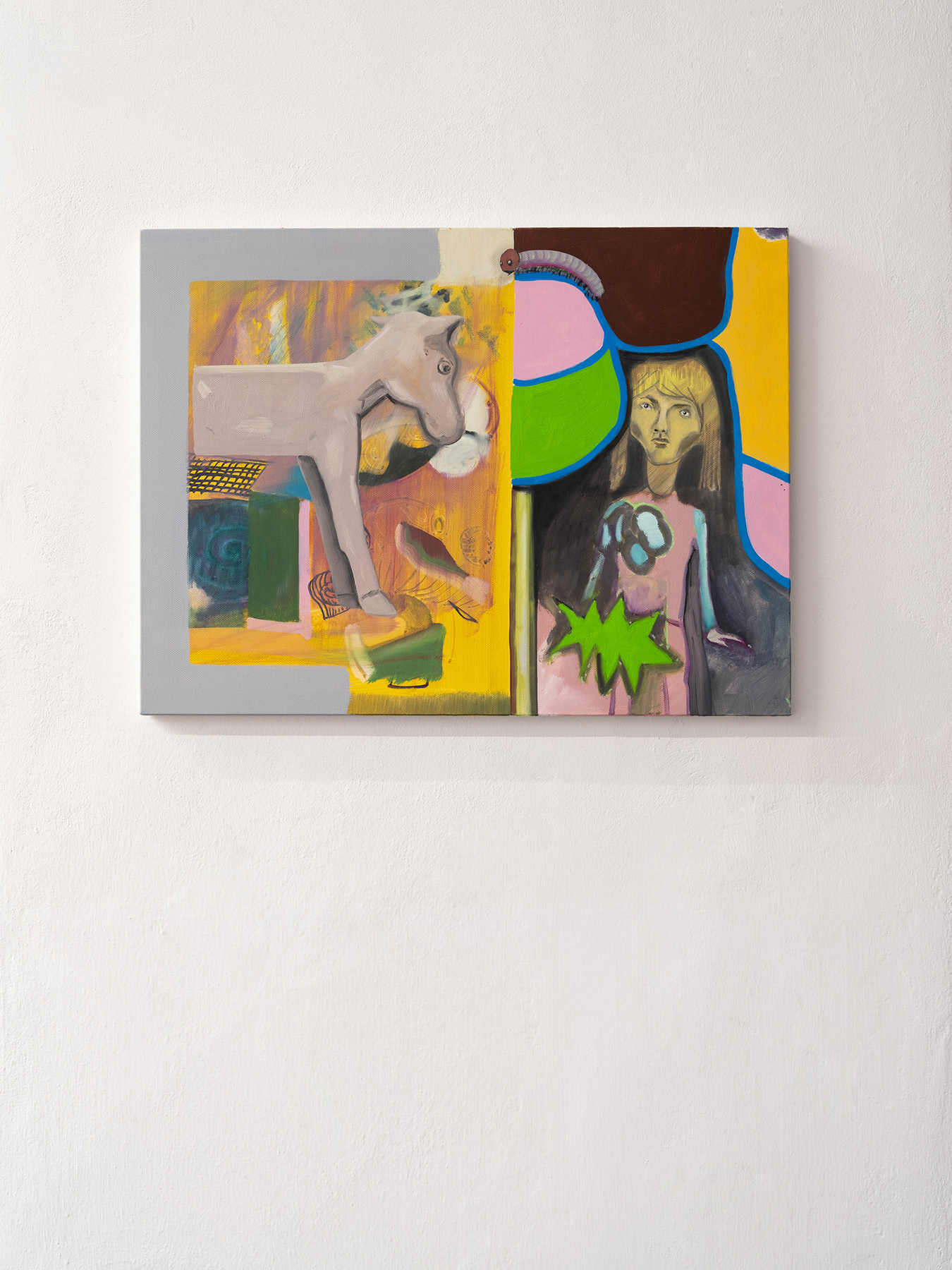
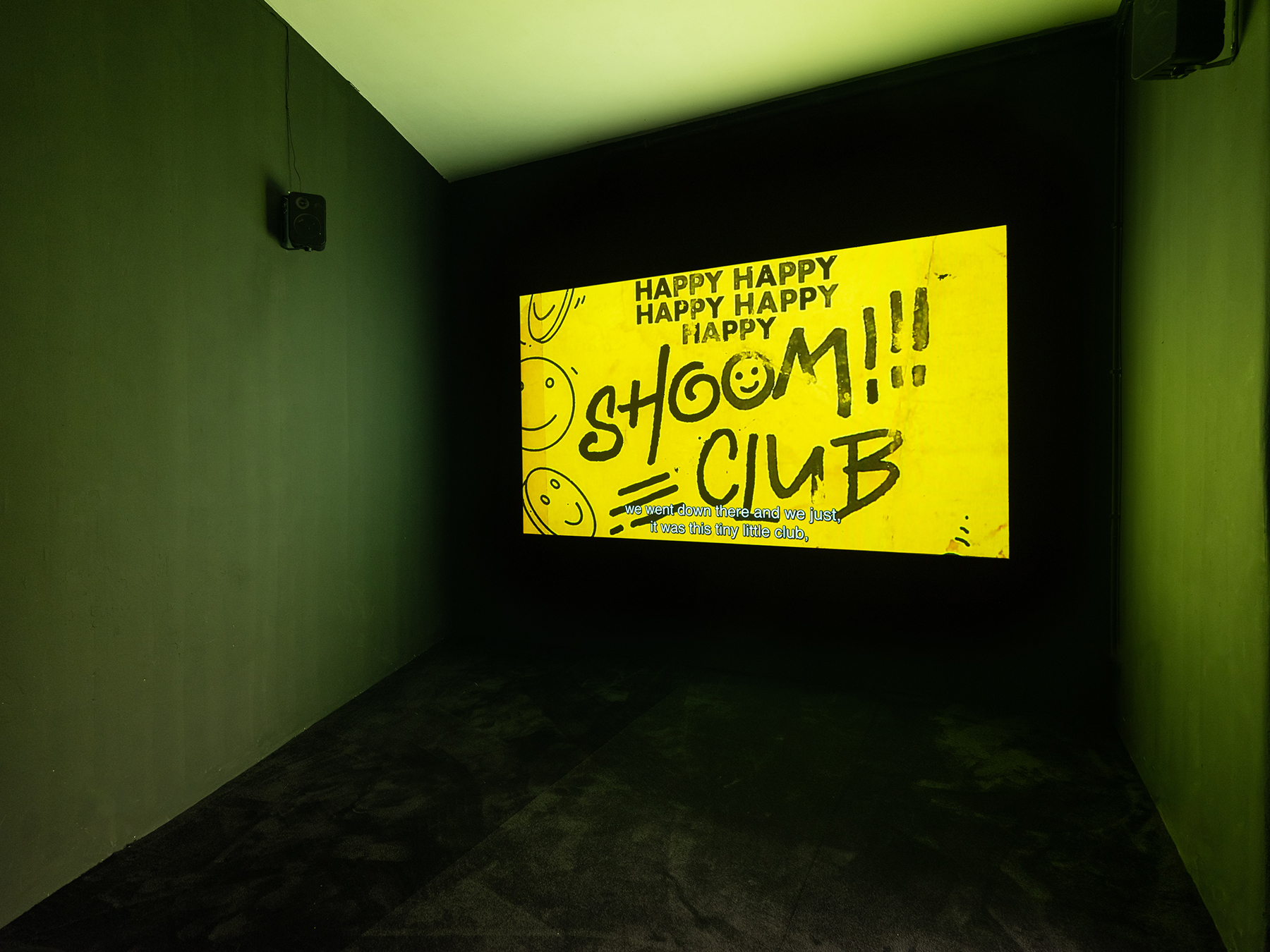
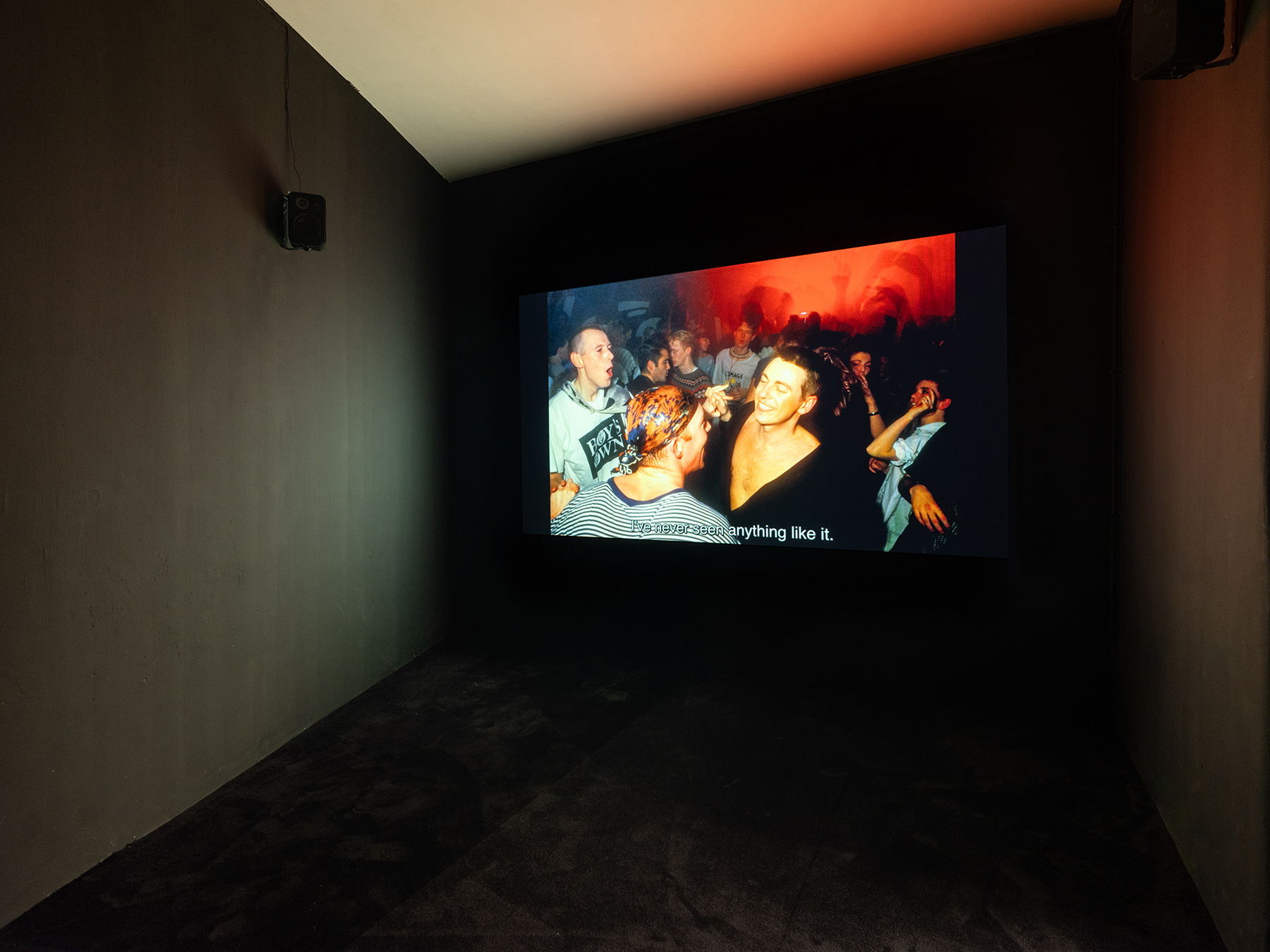
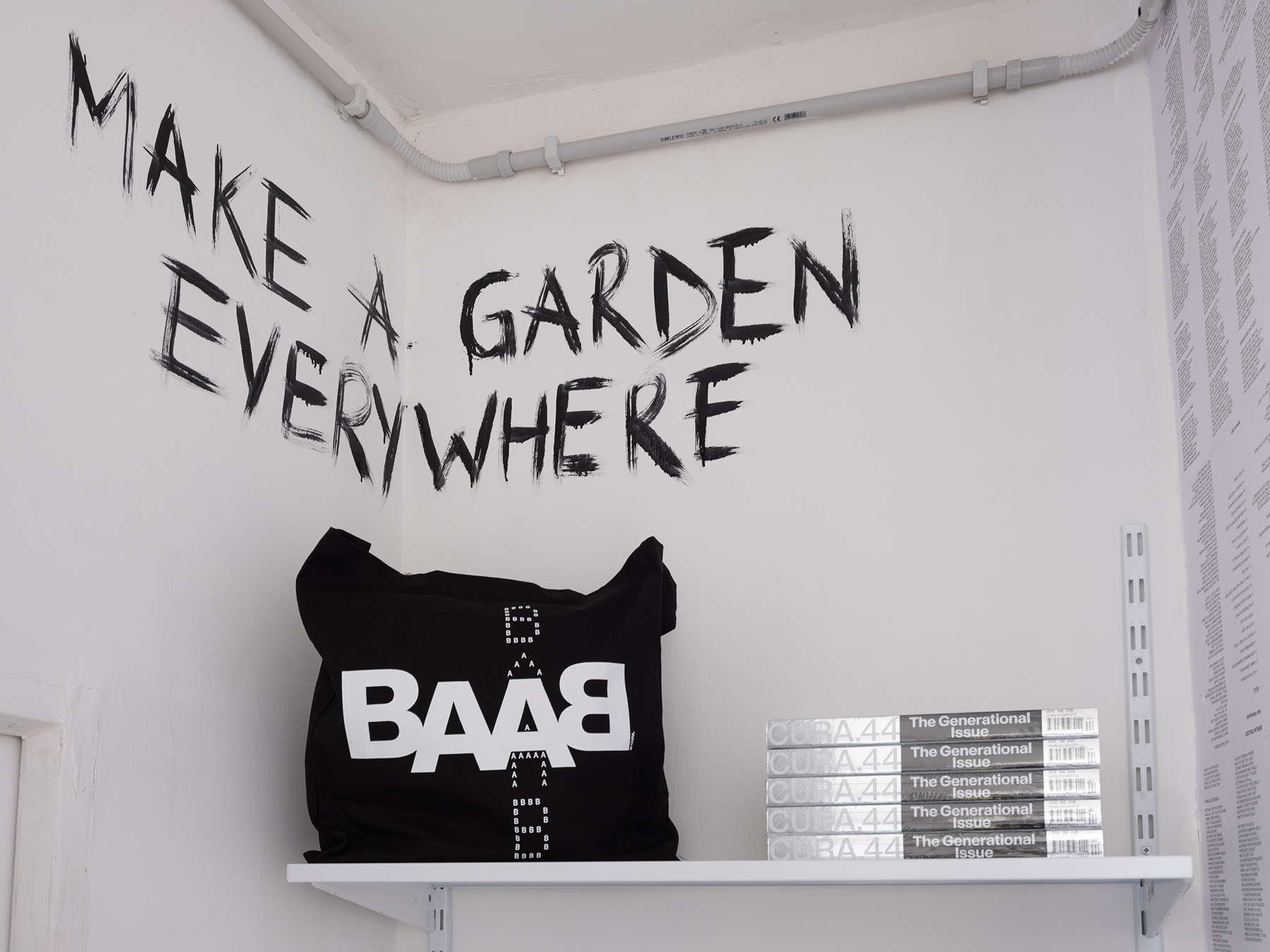
With a wide range of media, site-specific works, installations, performances, films, actions and new productions, the debut edition of Basement Art Assembly Biennial (BAAB), Issue 00 opened in Rome on September 10, 2025.
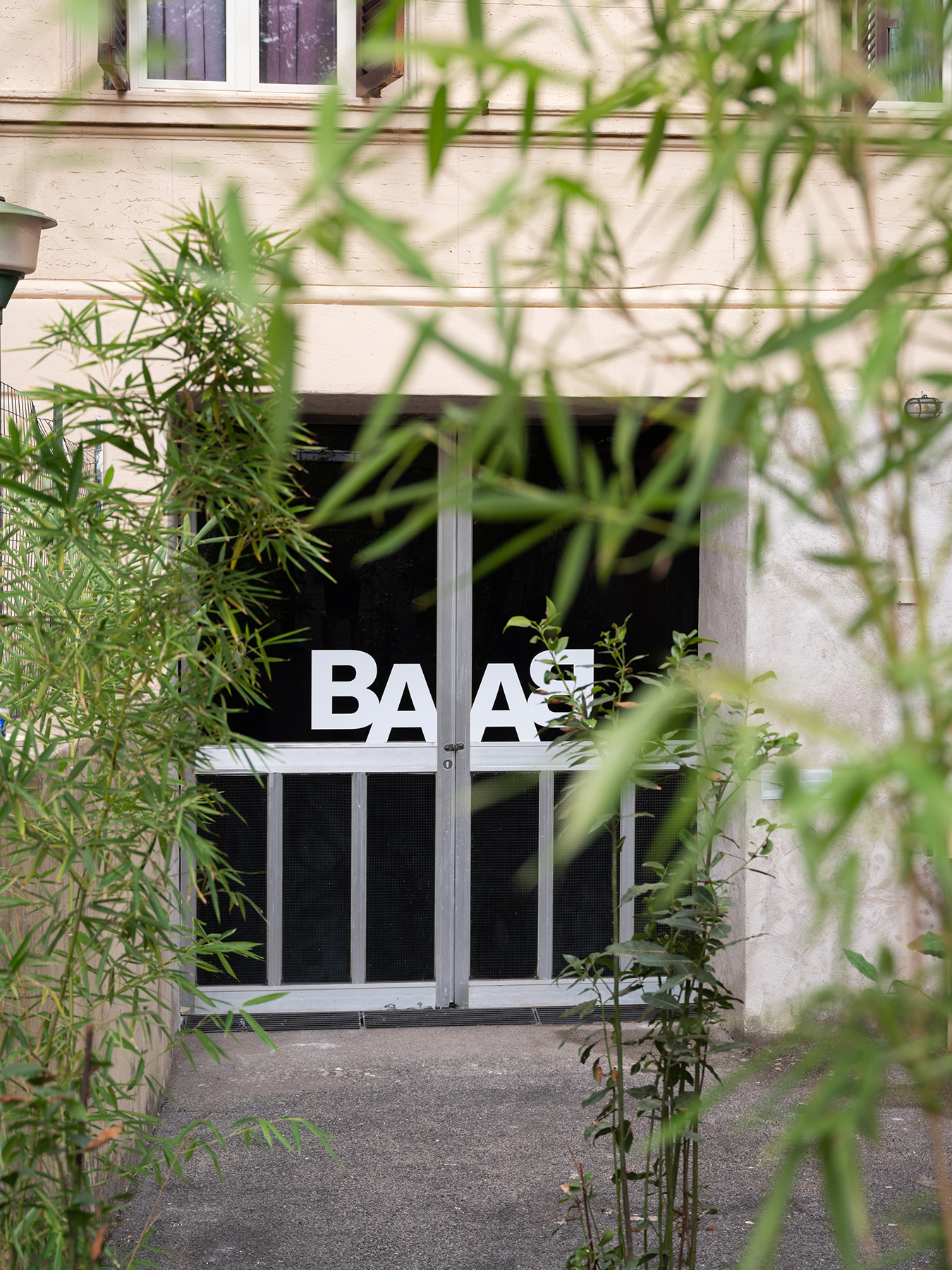
Conceived and curated by Ilaria Marotta and Andrea Baccin, founding directors of CURA. and in dialogue with an Advisory Board composed of Nicolas Bourriaud, Jean-Max Colard, Simon Denny, Anthony Huberman and Lumi Tan, BAAB Issue 00 is set within the limited confines of Basement Roma – a liminal and self-sustaining exhibition space, founded by CURA. in 2012 –, and is intended as a moving organism, a performing space called to change over time, until it becomes a single body and a choral and collective experience. The first draft (Issue 00) of BAAB thus presents itself with its own limitations and questions with respect to an ever-changing world, in which to nurture a new critical thought, and activate energies, connections, experimentations, languages, and a new sense of community.
(Anthony Huberman)
“Being basement-based is a state of mind.”

(Ilaria Marotta, Andrea Baccin)
“It’s the space for underground assemblies and new tribes.”
Like every shared moment, the ritual is marked by the repetition of the event, hence a biennial, which allows the necessary time to consolidate, regenerate, retake shape, through a normal cycle of refoundation of the group: new art tribes—as Achille Bonito Oliva would call them—that in addition to intellectual affinities are nourished by sociality, by being together and by a collective regeneration.
(Nicolas Bourriaud)
“BAAB has no fixed location, nor any exhibition model, because art no longer has one. Let us therefore celebrate its inaugural statement: ‘Underground is the new institution.’”
The list of participating artists includes: Davide Balula (1978), James Bantone (1992), Cecilia Bengolea (1979), Hannah Black (1981), Danielle Brathwaite-Shirley (1995), Vittorio Brodmann (1987), Claudia Comte (1983), Jeremy Deller (1966), Gina Fischli (1989), Gina Folly (1983), Calla Henkel (1988) / Max Pitegoff (1987), Carsten Höller (1961), Karl Holmqvist (1964), David Horvitz (1988), Than Hussein Clark (1981), Mark Leckey (1964), Lily McMenamy (1994), Nyala Moon (1992), Valentin Noujaïm (1991), Puppies Puppies (Jade Guanaro Kuriki-Olivo) (1989), Michele Rizzo (1984), Selma Selman (1991), Tobias Spichtig (1982), Nora Turato (1991), Women’s History Museum (Mattie Barringer, 1990 / Amanda McGowan, 1990).
An extensive interdisciplinary program of readings, talks, film premieres, workshops, screenings and performances, designed to engage both the local and international art scenes also includes: Alessandro Cicoria, CRC Reading Club, DIS, Invernomuto, Lily McMenamy, Cecilia Bengolea, Michele Rizzo, Selma Selman.
Each week, the exhibition will be also enriched with a growing number of rotating works (featuring Elisabetta Benassi, Diego Gualandris, Nicola Pecoraro, Gianni Politi, Lorenzo Silvestri, among others) introduced by Q&A by editor Eleonora Milani. A podcast curated by Martha Kirszenbaum and Giulia Colletti will accompany the voices of the artists along the duration of the show. The performing program is co-curated by Ilaria Mancia.
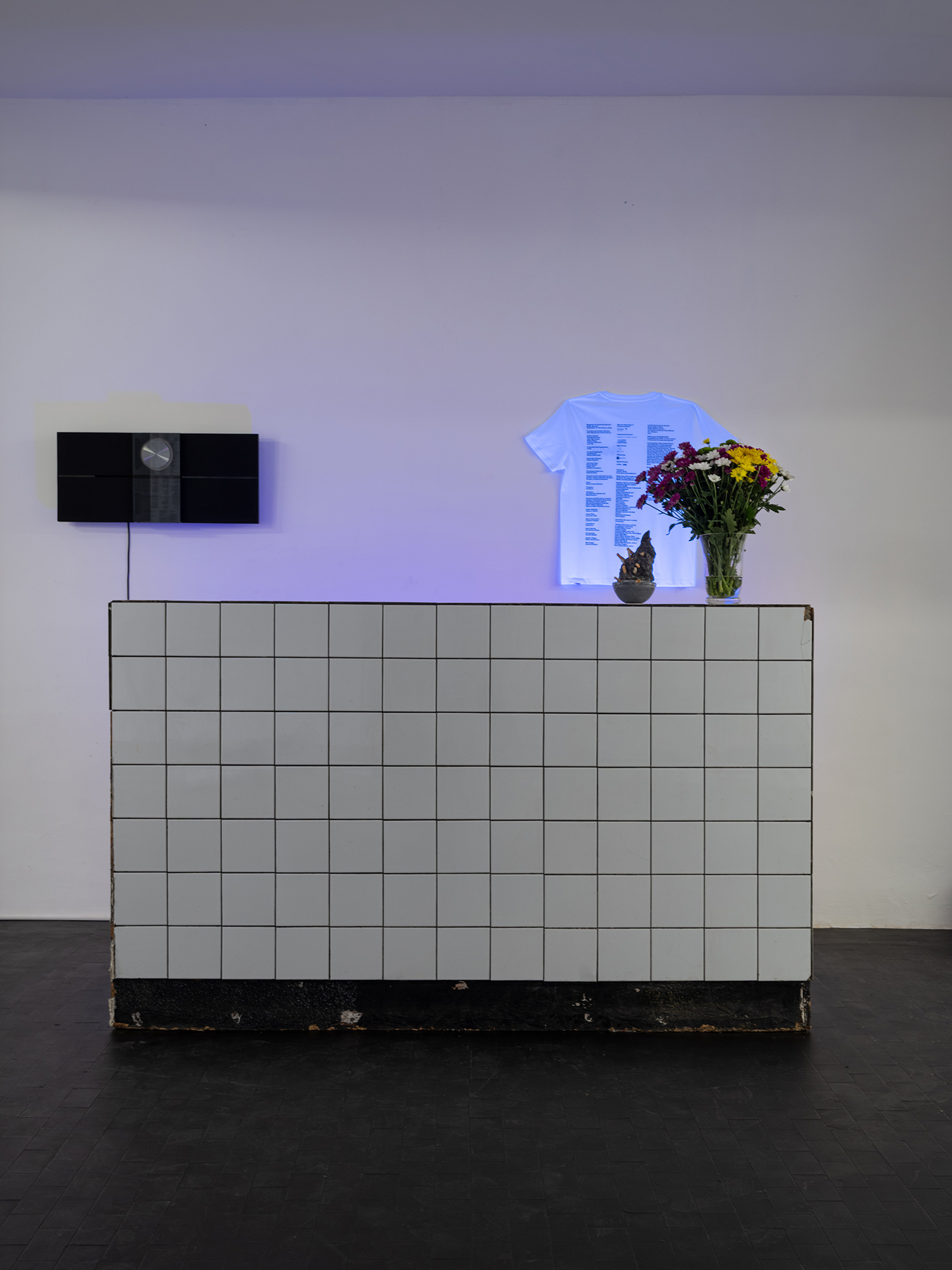
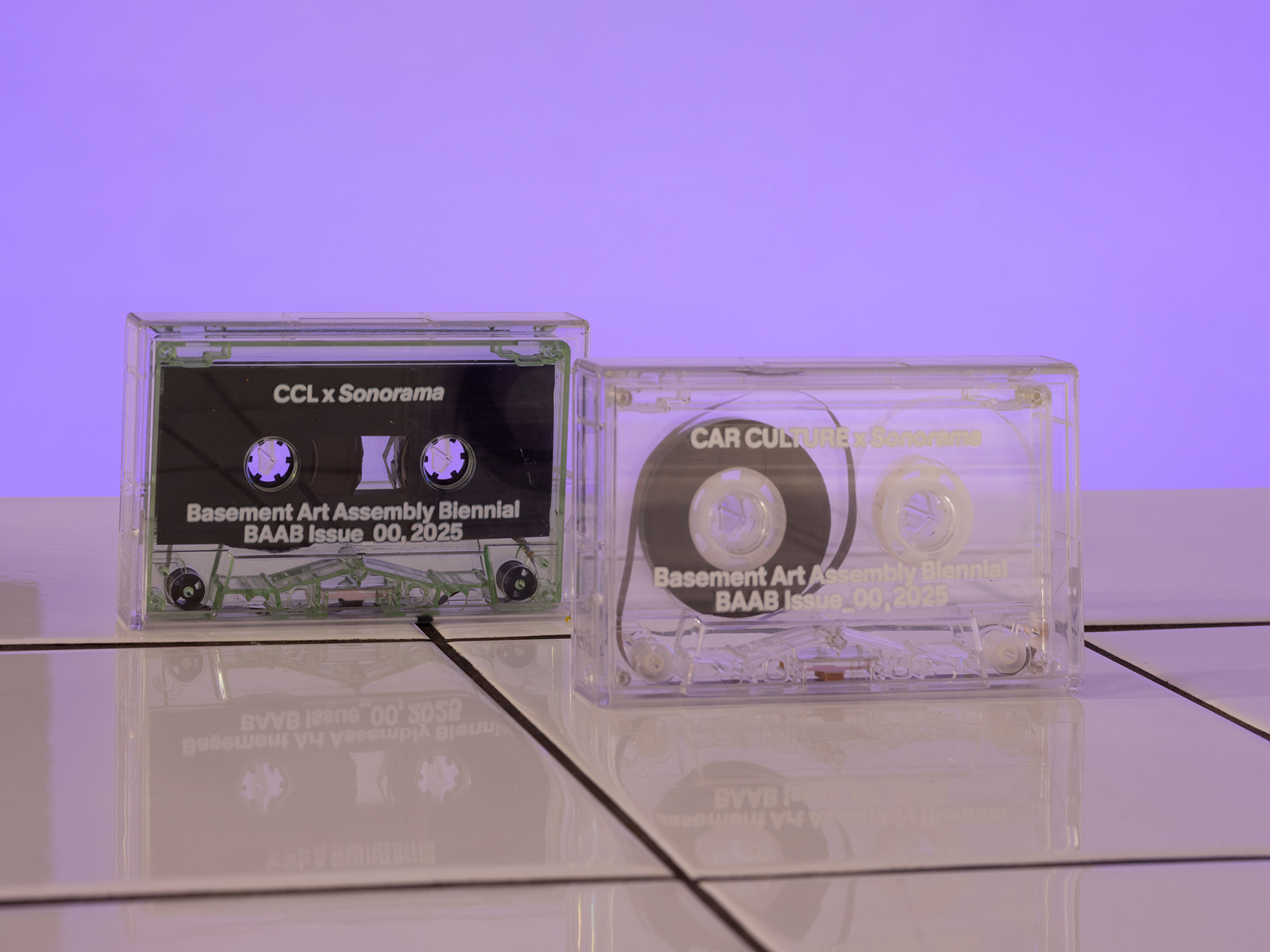
In addition, Ruggero Pietromarchi presents Sonorama, a sonic device that catalyzes dialogue and connection. Accompanied by a series of mixtapes commissioned from CCL, Dr. Pit, Car Culture, it offers a collective and layered sonic experience.
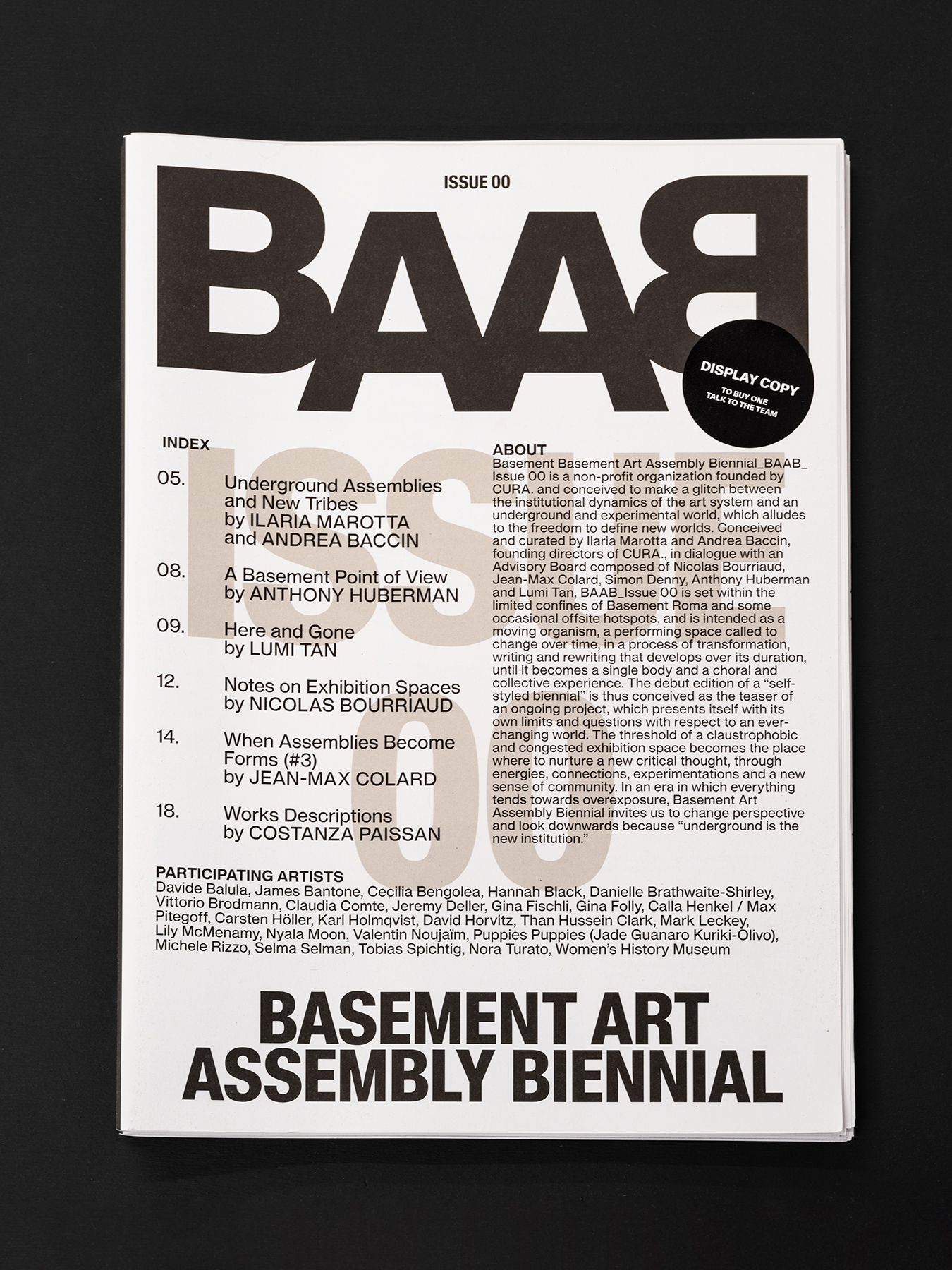
A social dinner called to involve the community of participating artists, around a cooking session, will conclude the exhibition. The exhibition – with Soho House Rome as main partner and the media partnership of e-flux and Zero – is accompanied by a newspaper published by CURA. which includes texts by the curators, Nicolas Bourriaud, Anthony Huberman, Lumi Tan, Jean-Max Colard, with work descriptions edited by Costanza Paissan. A second chapter of the newspaper will be published at the end of the Public Program and will collect documentation of all the interventions.

Underground Assemblies and New Tribes
by Ilaria Marotta and Andrea Baccin
To get together, be together, share places and experiences, to assemble means to assume an individual posture connected with everything around us, people, ideas, voices, objects, sounds, worlds. “It is impossible to live without assembling our lives,” writes the philosopher Emanuele Coccia. “To live in the world is to assemble, aggregate, put together presences and ideas. The assembly coincides with the form of the world and with the process through which it comes together.” It is a process of exchange and reformulation of the self through the others. It is a reflection between us and what is other than us, which includes everything, from the objects that represent us, to the music we listen to, to the sharing of a space. The assembly is also debate, exchange, common sense. It is a political act, read in the controversial relationship between theater and manifesto, or the act of making visible, highlighting, manifesting. It is the moment in which the passage from being in an individual form to being in a collective form occurs. It is the energy that goes around places and shared experiences, where people gather and where the same rituals take place.
In art, one of these places is the Times Bar, a project started in Berlin between 2011 and 2014 by Calla Henkel and Max Pitegoff, two artists from the Cooper Union University in New York. The Times Bar, a small street venue, born in a little-attended area of Berlin, quickly became the meeting place for an entire community of artists, who met spontaneously every evening, as happens in ordinary bars, or in nightclubs, where sociality is transformed into a vibrant and collective energy, linked to a different way of being together. A hang-out for many of the artists in the exhibition, Simon Denny, Vittorio Brodmann, Karl Holmqvist, Tobias Spichtig, critics and curators such as Elvia Wilk and Carson Chan, among others. The Times Bar closed after a few years, transforming itself, through the work of Calla and Max, into many other choral and collective projects that have embraced theater or other not dissimilar formats, in which the art community born around that moment has kept connecting and sharing experiences. Far from the stiff sociality of art, the participatory spirit of the Times Bar is evoked nowadays within the exhibition, in which the audience, no longer the passive guests of a work of art, is called to activate, connect and give shape to a new community. “When audiences are released from their positions as mere consumers or witnesses, when we stop being afraid of articulating what we need from them, what freedom does that allow and what experimentation can that ferment?,” writes Lumi Tan in the text published here. “Only when we make it known that attention is a shared responsibility can we believe in the meaning of what we do. It’s on us to make the ask.”
As Jean-Max Colard, founder of the Platform for New Assemblies project at the Centre Pompidou, argues, the assembly is nothing but a new form of collectivity, whose earliest expression can be found in the classical agora. It is a form of art that we need in a world that is undergoing profound transformations and in which moments of aggregation become increasingly rare. The assembly is a moment of explicitation of the collective representations of a community. Having overcome the archetypical way of meeting, we must thus find new ways of living together. Like every shared moment, the ritual is marked by the repetition of the event, hence a biennial, which allows the necessary time to consolidate, regenerate, retake shape, through a normal cycle of refoundation of the group: new art tribes—as Achille Bonito Oliva would call them—that in addition to intellectual affinities are nourished by sociality, by being together and by a collective regeneration.
BAAB Issue 00 stages an underground world. An assembly of artists, works, objects, interventions, actions, performances, in which extemporaneity and unpredictability, critical discourse and sociality, artistic personalities and improvisation mix; an open arena, a stage, a theater, in which actors and audience mingle and everyone is called to play their part.
What is brought to light is above all an embryonic, hybrid, metamorphic world, in which roles, times, actions, cultures and civilizations mix; it is the zero point in which differences and plurality coexist, in which the classical principles of artistic representation are undermined and the open boundaries of a new space of freedom are defined. It is the freedom of single individuals who connect in a collective, dynamic and non-homologated body; an inner world that contrasts the spatialized time of science; a constant flow of self-expression involving individuals and their community. Whether it is accumulation, acceleration or chaos, it is the freedom to define oneself and get lost, to play and to welcome unpredictability, error and transformation as parts of the whole. It is the freedom to find new surfaces, new grafts, new words, new collective forms. It is the freedom of improvisation and participation; freedom of the collective claim for the space of darkness. It is freedom of bodies, movement and otherness. It is the space in the cracks of an overexposed world, a rest area where silence and noise, consensus and dissent mix. It is the lubricant for the engine, the body that dances, the voice that screams or whispers, it is the pen that writes. It is a rebellious, anti-systemic and revolutionary state, it is the glitch between a fossilized past and an unwritten future, it is the prequel of what is to come. It is the ability to create worlds, and not just inherit and live within existing ones.
“Today, singular projects and atypical exhibition spaces are increasingly becoming a necessity, as the art world is dying of its conformism and reluctance to experiment.” (Nicolas Bourriaud)


















Founders and organizers
CURA. is a leading platform for critic, editorial, and curatorial practice, founded in Rome in 2009 by Ilaria Marotta and Andrea Baccin.
Basement Roma is a center for contemporary art and a non-profit organization founded by CURA. in 2012, which operates with a spirit of experimentation and artistic freedom, between critical thinking and publishing. Imagined as a multi-disciplinary, experimental and independent art institution, Basement Roma embodies in the underground soul of its space a spirit of research, experimentation and radical imagination. Drawing on historical experiences that have characterized the city’s avant-garde since the late 1960s Basement Roma redefines through art and artists, the sense of community and public participation and the centrality of abandoned, peripheric and disqualified spaces.
Artistic directors
Ilaria Marotta, Andrea Baccin
Advisory board
Nicolas Bourriaud, critic and curator
Jean-Max Colard, critic and curator, Head of the Talk Program at the Centre Pompidou, Paris
Simon Denny, artist
Anthony Huberman, critic and curator, Artistic Director of John Giorno Foundation, New York
Lumi Tan, critic and curator
Brand Identity
Sometimes Always
Press office
Lara Facco Press
Public relations
Flavia Lo Chiatto
With the patronage of
Comune di Roma
Institutional partners
American Academy in Rome
Accademia di Francia a Roma – Villa Medici
Main partner
Soho House Rome
Official App
Particle
Media partners
CURA., e-flux, Zero
BAAB Issue 00 is made possible thanks to the kind support of BAAB Founding Members.