Text by Greg de Cuir Jr
CURA. 43
Coming of Age
Special Project
“It is a matter of reaching the unknown through the derangement of all the senses. The sufferings are enormous, but one must be strong, be born a poet, and I have recognised myself as a poet. It is not my fault at all. It is false to say:
I think. One should say: I am thought. Forgive the play on words.
I is another. Too bad for the wood that becomes a violin, and mocks the
unconscious, who quibble about what they know nothing of at all!”
– Arthur Rimbaud, To Georges Izambard, 13th May 1871
“In this short Life that only lasts an hour
How much—how little—is within our power.”
– Emily Dickinson, untitled, undated
“The difference between poetry
and rhetoric
is being ready to kill
yourself
instead of your children.”
– Audre Lorde, Power, 1978
“Come experience life as we know it
As some of you should know it.”
– Jay-Z, Coming of Age, 1996
Sadie Benning,
It Wasn’t Love, 1992
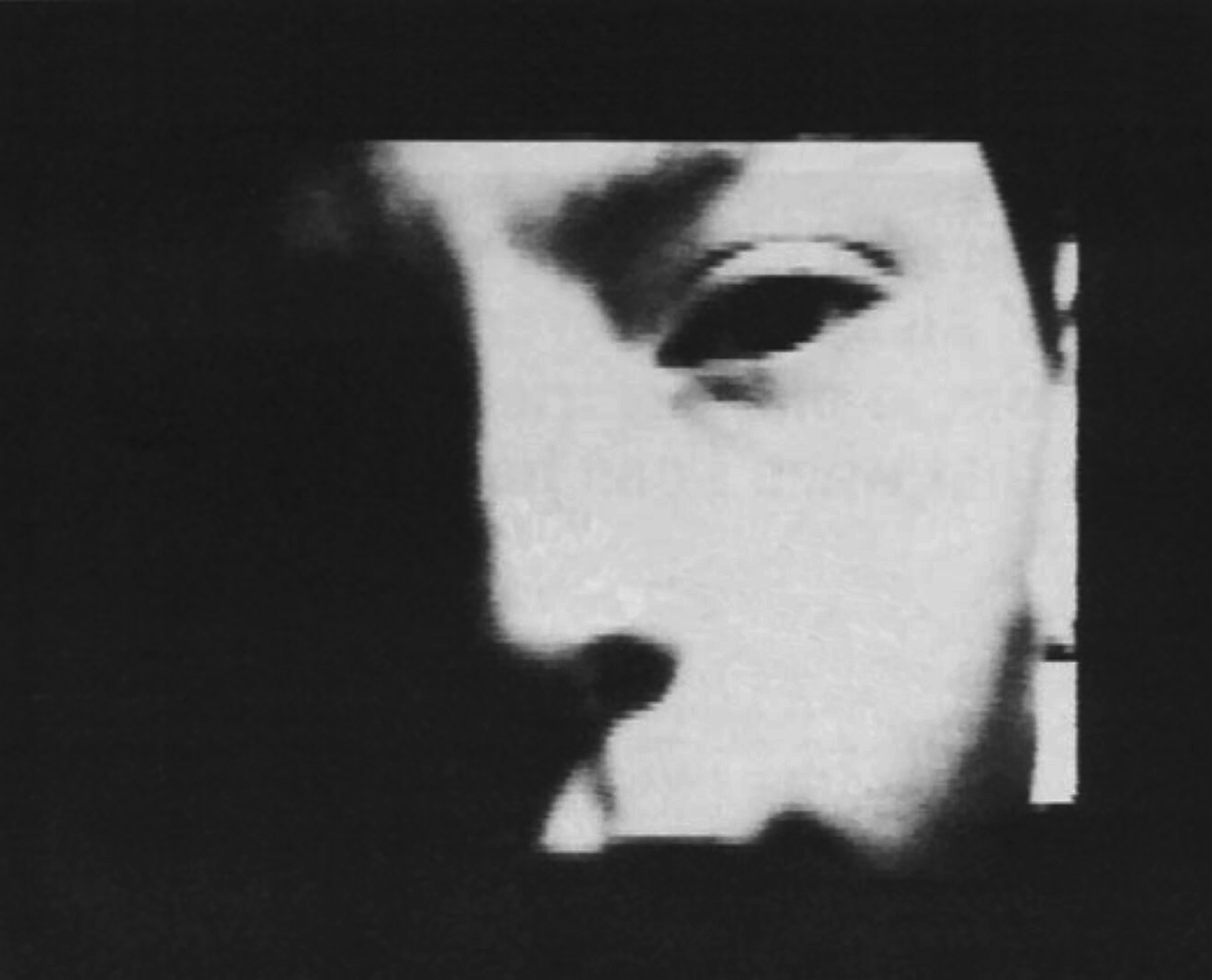
It Wasn’t Love, 1992 (video still) © Sadie Benning Courtesy: Video Data Bank, School of the Art Institute of Chicago
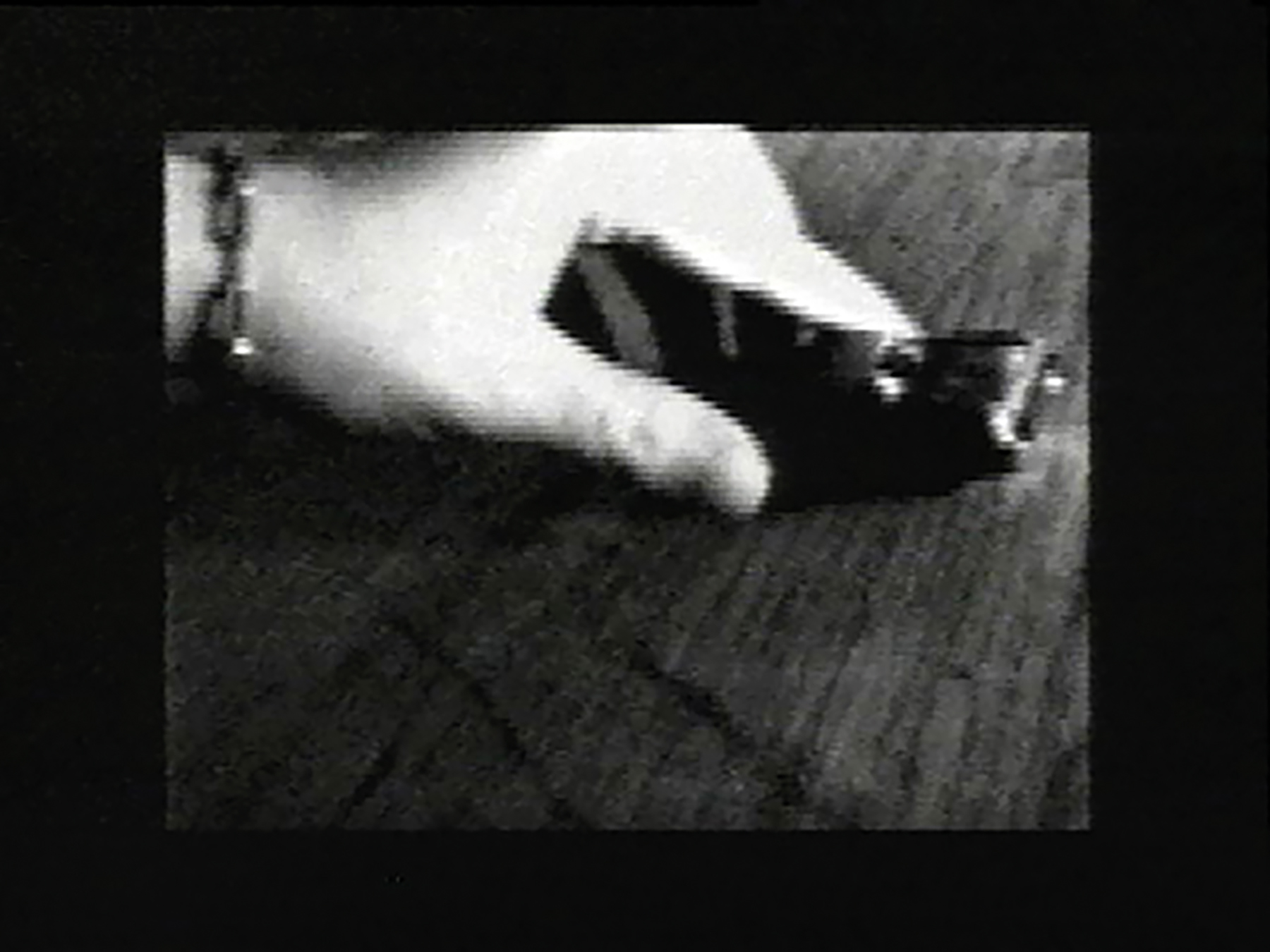
It Wasn’t Love, 1992 (video still) © Sadie Benning Courtesy: Video Data Bank, School of the Art Institute of Chicago
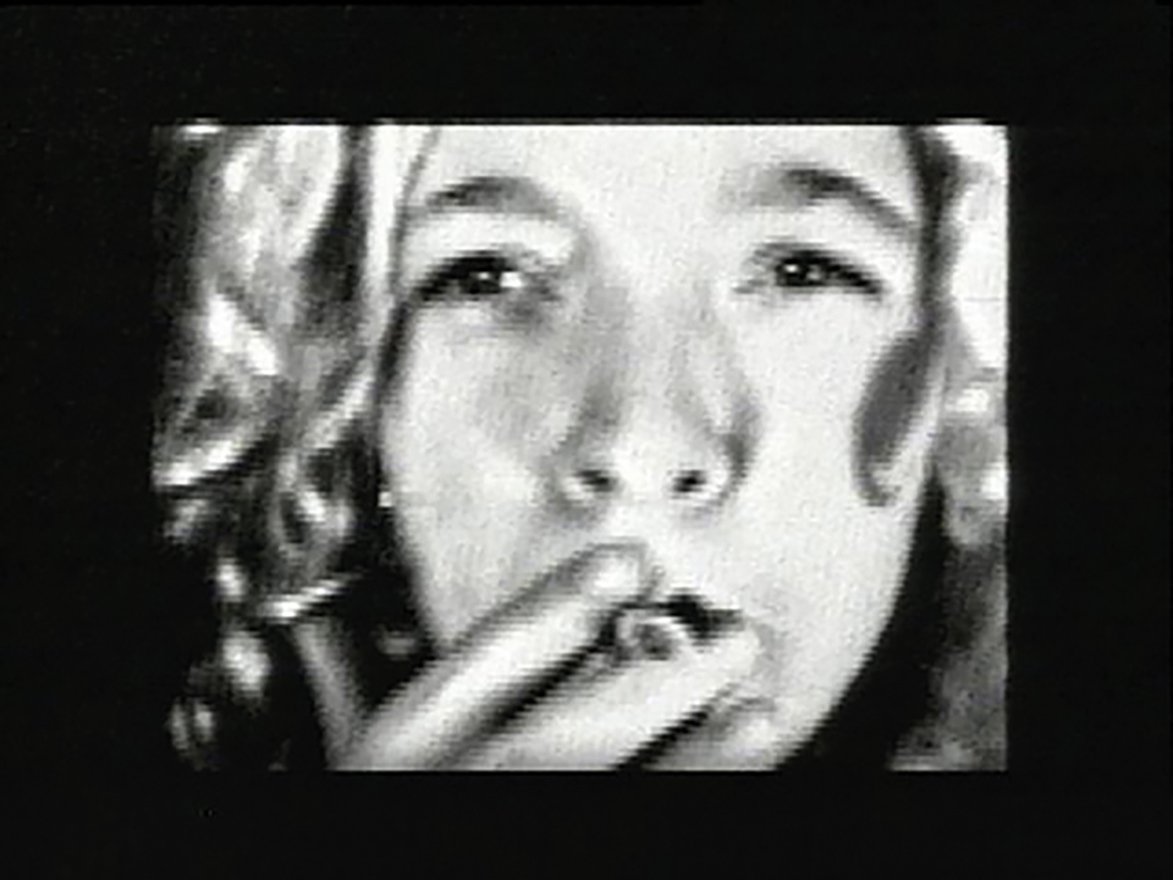
It Wasn’t Love, 1992 (video still) © Sadie Benning Courtesy: Video Data Bank, School of the Art Institute of Chicago
“It wasn’t love… but it was something.” This “something” that Sadie Benning was trying to navigate can stand to represent the mysterious, confounding, biological and emotional passage commonly known as coming of age. It might involve falling in or out of love for the first time, or experiencing the sensuousness of life for the first time. We gain knowledge when we come of age while we simultaneously lose our innocence.
Benning was a teenager when she made the video It Wasn’t Love. She grew up in a slow Midwestern town, and she experienced much of life through her bedroom window, as seen in the video. Benning was awakening to her sexuality at that moment, so it was maybe natural that she utilized the domestic setting of her bedroom as the stage for her journey into a world that corresponded to her desires.
It Wasn’t Love records Benning’s transitional gestures, trying on different identities, surrendering to a passion that would likely be considered transgressive in her neighborhood. We see Benning the artist grow up in front of the camera in this self-reflexive work. The video was shot with a Fisher-Price Pixelvision camera, which was introduced as a toy for children, not as a tool for artistic production. The low-grade black-and-white images that the camera captured with blocky pixelation, made this odd apparatus the ideal mechanism with which to render a coming of age.
Benning made a number of video works with this toy camera before eventually outgrowing it, like the other toys, costumes and childhood items seen that become props for her romantic road movie homage. Rarely have concept, form and technology melded so seamlessly in a work of art that shows what the construct of age is with a sublimity for the ages.
Francis Alÿs
Children’s Games, 1999–present
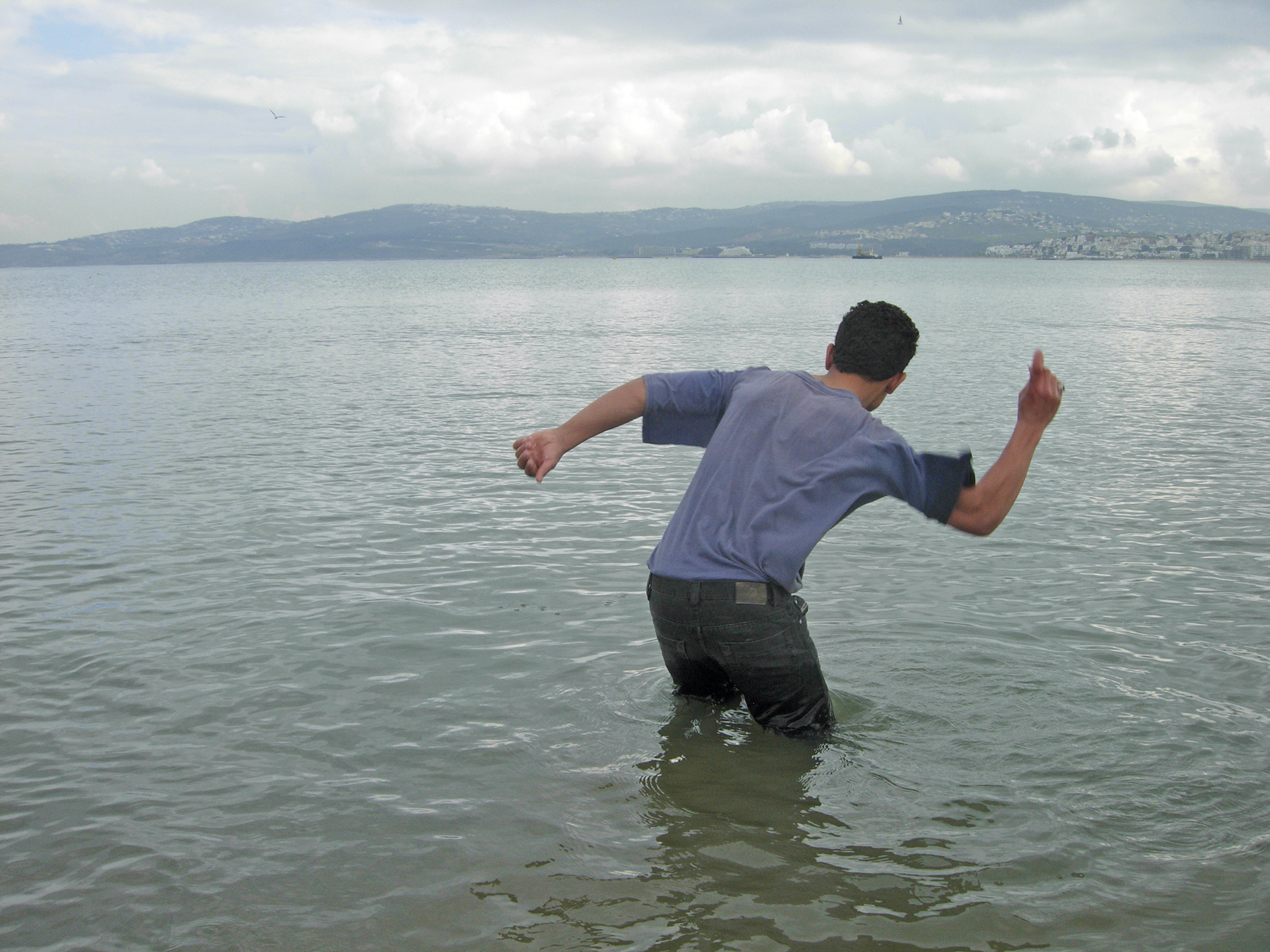
Children’s Game #2: Ricochets, Tangier, Morocco, 2007 In collaboration with Rafael Ortega and Julien Devaux Courtesy: the artist and Barbican Art Gallery, London
The games we play define our childhoods, and learning these games charts our increasing proficiency in life. When we visit different areas, we find different games with different rules of engagement, like different languages to learn. Consider all the children’s games in all the vernacular in all the various cities and countries in the world. Each one designates a specific cultural practice preserved in pristine form, often passed down through generations. Francis Alÿs surveys these unique cultural forms in his monumental series of videos, drawings and paintings.
The numerous short videos that comprise Children’s Games document the various games played by children across the world in a quasi-ethnographic study. However, there is no narration or discernible dialogue spoken in these works; there is no introduction or preparation for what we see. Like children, we are dropped right into the middle of these games and must try to infer the rules as we watch. In the process of watching, we remember what it feels like to experience the ecstatic joys of play. We laugh when a mistake is made, we gasp when someone is on the cusp of success. We swell with satisfaction when we finally understand the rationale behind the actions. And we wish that we could enter the worlds defined and contained on the screen, to try our own hands at these arcane competitions.
Most of the videos in this 25-year-long series exist in a realm of carefree bliss, but some have danger lurking at the edges of the frame—unfortunately but not unexpectedly, mostly those depicting children in the Global South. One game documented by Alÿs in Mosul, Iraq is called “Haram Football”. Young boys get together on a decimated, rubble-strewn road to enact the movements of a football match—with no ball. This is a game of imagination, but also play as extreme form of wish fulfillment. The coordinated movements of the boys and their improvised reactions to what happens on the pitch approach a kind of performance art (which might be more haram than an actual football match). At the end of the video, intertitles describe that a few years earlier militants from Islamic State executed teenage boys on a public street for watching a football match on television. Then we hear automatic gunfire—and the boys scatter. This is a harrowing reminder of the urgency of play as a form of release. It also recalls the fact that coming of age, in some places, is a life-or-death proposition.
Cory Arcangel
Super Mario Clouds, 2002
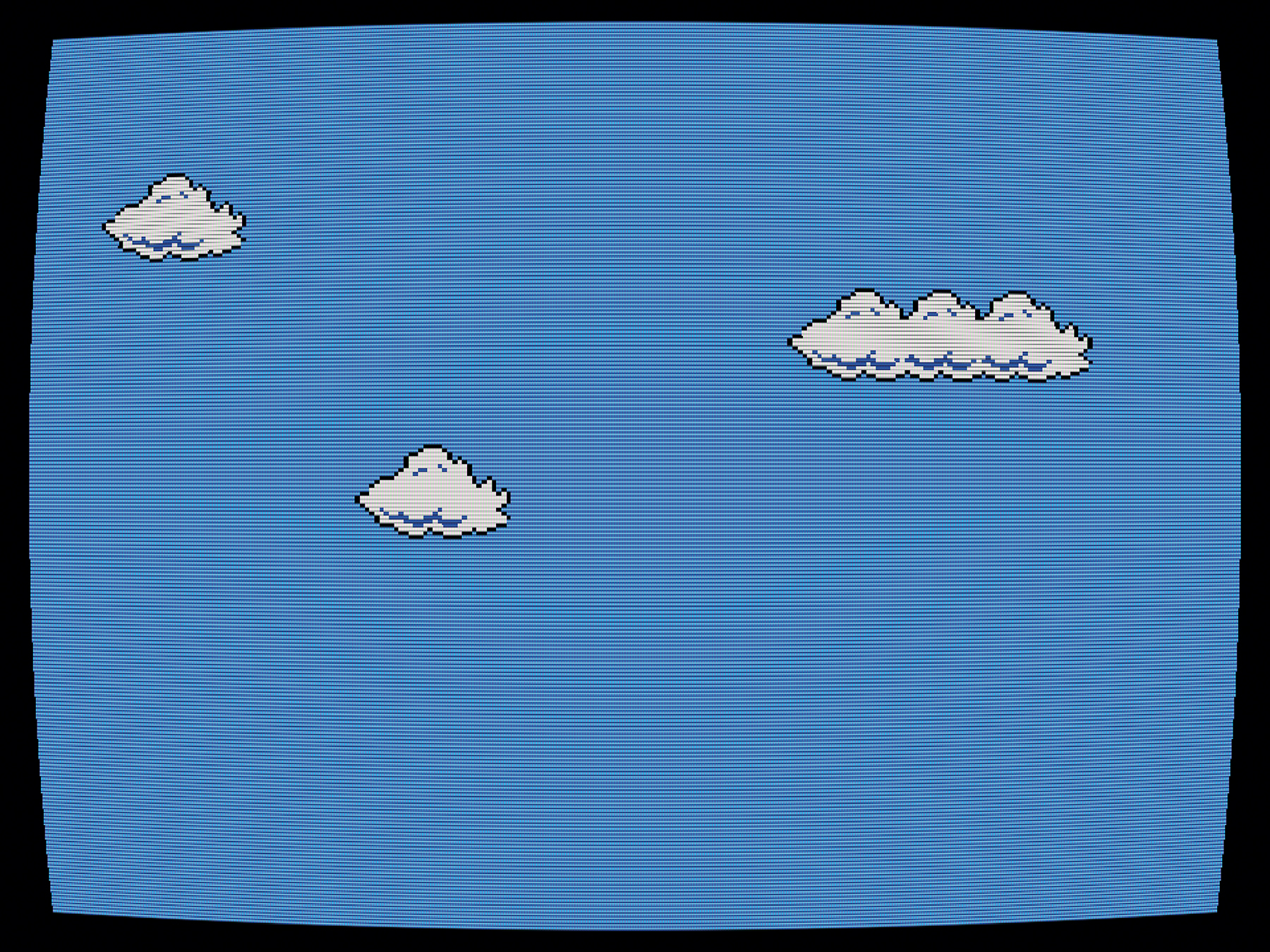
Super Mario Clouds, 2002 © Cory Arcangel Courtesy: Lisson Gallery
For a certain generation, coming of age meant growing up alongside the introduction of home video games, including the first genuine video game sensation: Super Mario Bros. In one of his more recognizable projects, Cory Arcangel hacked into this cherished cultural memory and artifact, distilling it to its dreamlike essence. He removed the iconic characters, removed the pipes and mushrooms and other vivid game mechanics, and left only a few animated clouds visible against an expansive blue sky.
Video games have been material for artistic practice for some time now, while the creation of video games as art is a discipline with an expanding history. Rarely has the materiality of video games been examined and intervened upon in such a direct manner as in Super Mario Clouds. We are living in the era of the cloud, where hardware is slowly becoming less prevalent; digitality often signifies immateriality. When Super Mario Bros. was first introduced, it was in the form of a physical game cartridge the size of a small book. Arcangel performed a vivisection on the cartridge in order to expose its circuit board, thus revealing its techno-commercial ideology, and to reprogram its operations.
Arcangel’s hacked cartridge is an art object itself that produces haptic recollections. Coming of age with Mario and the Nintendo console meant an intimate familiarity with the contours of the game cartridge. For those with this tacit knowledge, the imprint is indelible—from the slight recess that accommodates the forefinger and thumb to the plastic grooves on its surface, the sticker that displayed the game title and logo, and the open end that revealed the game’s circuit board. The distance the cartridge traveled when inserted into the console; the slight downward shift that locked the cartridge into position, thus rendering it machine-readable. The improvised action of resetting a malfunctioning cartridge—which simply meant blowing a gust of breath into the open end, with the blind faith that it would be resuscitated by somehow dislodging collected dust. Arcangel’s work is activated by this archive of sensuous knowledge compounded with ritual practice.
Martine Syms,
My Only Idol is Reality, 2007
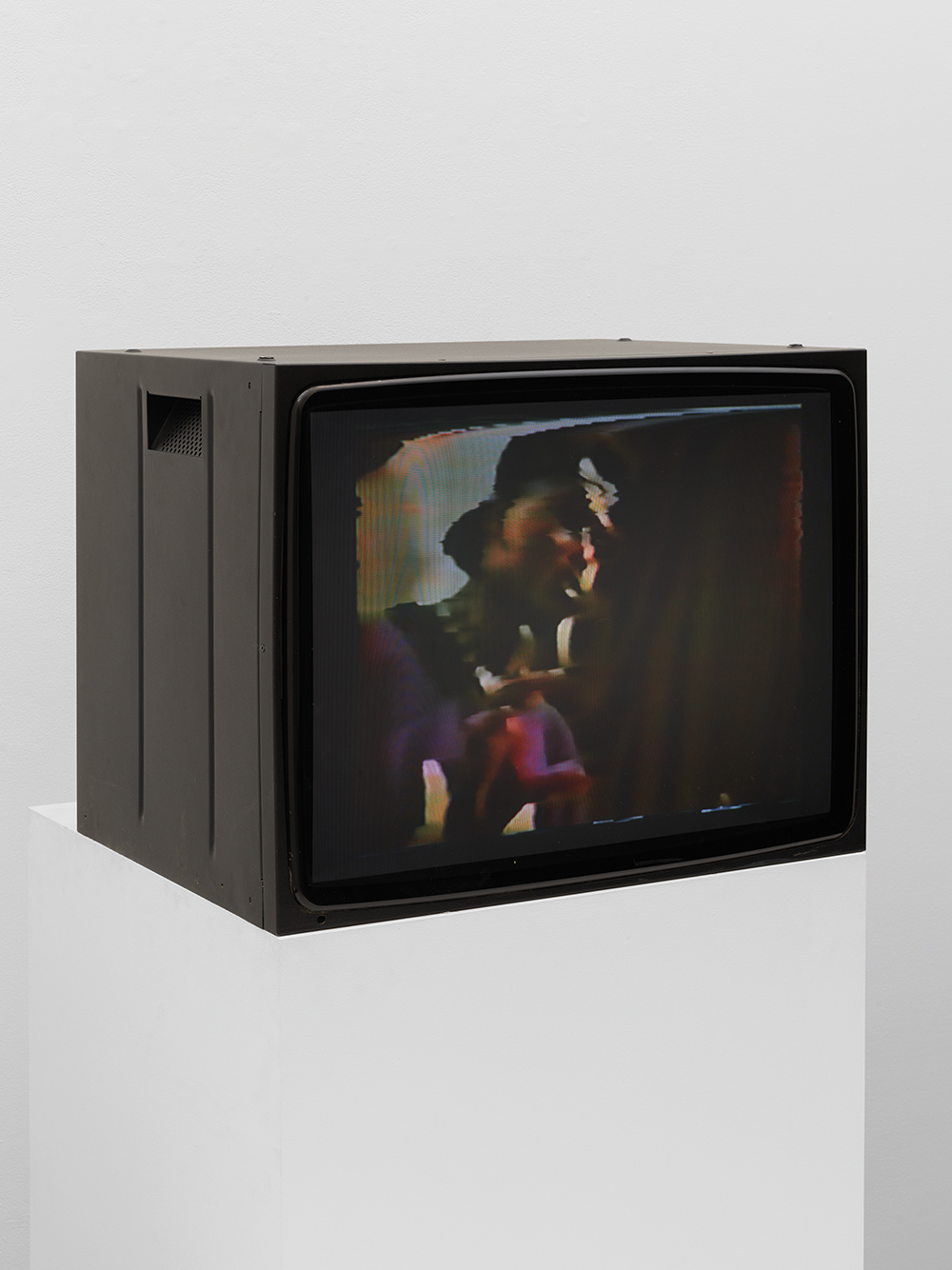
My Only Idol is Reality, 2007 © Martine Syms Photo: Thomas Barratt Courtesy: the artist and Lisson Gallery
Artists often have a second coming of age when they graduate from art school. The thesis work is a rite of passage, meant to demonstrate a maturity in one or more disciplines and a readiness to progress to a professional career. Martine Syms was a graduating student at the School of the Art Institute of Chicago when she made her thesis work My Only Idol is Reality. This video speaks cogently to the passing of an era, maybe even the passing of a medium, and to a generational shift that heralded our current multiplatform condition.
My Only Idol is Reality stands within the lengthy tradition of the readymade work of art. Syms appropriated a videotape recording of the television series The Real World (1992–2017) for her primary material. The Real World defined a generation in many ways, due to its association with the culture-shifting channel MTV, also its focus on young people coming of age in “the real world” and offering their everyday reality to a wide audience. This series was also the origin point for the genre of reality television, which has persisted as the primary mode of televisual language and production for the better part of 30 years.
For her video, Syms selected a clip from an episode that features a fiery conversation on race and social relations in the United States. This short clip comprises the full video piece, and it distills an entire series into something like an abstract trailer. The dialogue between a young Black man and a young white woman is hard-hitting, whether scripted or not. The general challenges and misunderstandings they speak of have the same relevance for the 1990s as for the 2020s—maybe not much has changed in the US. As a media artifact, as a work of art, the video has a powerful fluency running counter to its rough and unpolished visual aesthetic.
Syms repeatedly copied the video to attain multiple generations of loss of resolution, so that the actors are barely recognizable in the matrix of signal noise—they become ciphers. My Only Idol is Reality is a glitch video for a generation that was itself considered a glitch in the late-20th-century timeline. As a portrait, and like all mirrors, it produces an uncanny and distorted image. For those who watched the original run of this show, who are now in their 40s and 50s, and with their own children coming of age, what do you see when you look into it?
Petra Cortright,
VVEBCAM, 2007
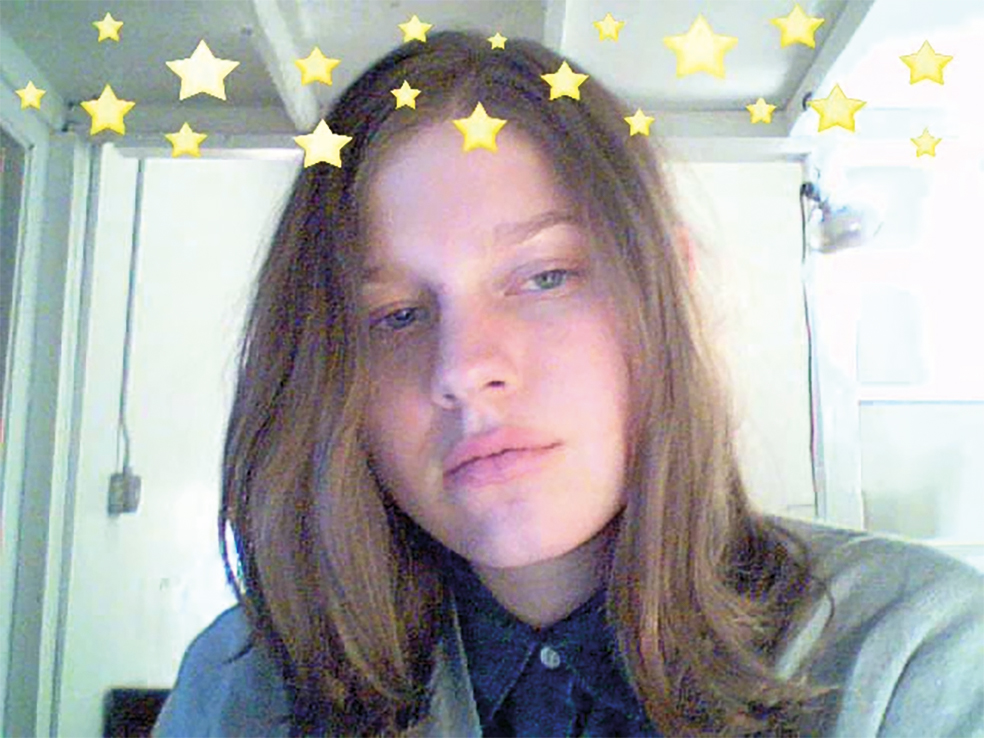
VVEBCAM, 2007 (video stills) © Petra Cortright Courtesy: the artist and Société, Berlin
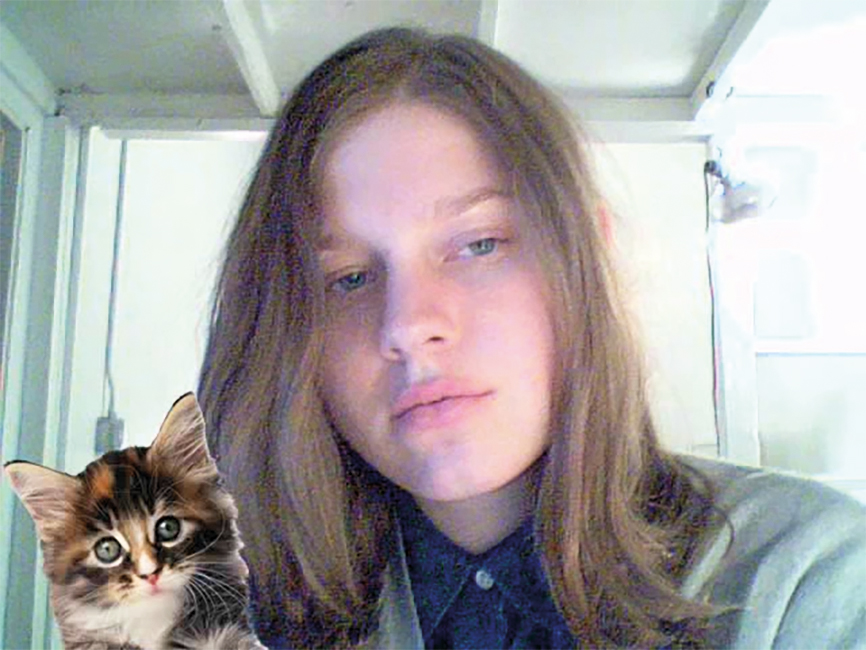
VVEBCAM, 2007 (video stills) © Petra Cortright Courtesy: the artist and Société, Berlin
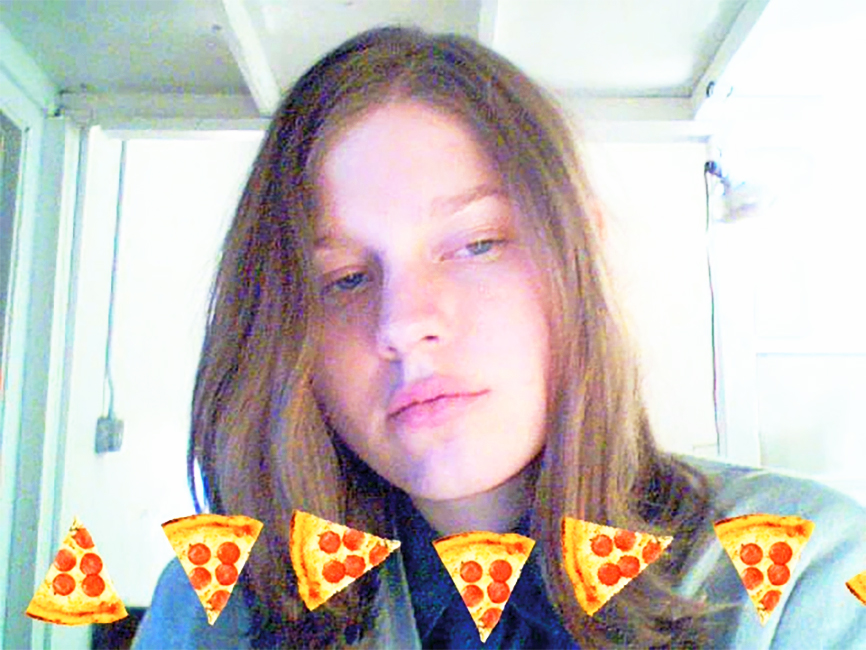
VVEBCAM, 2007 (video stills) © Petra Cortright Courtesy: the artist and Société, Berlin
VVEBCAM was made in the same year as My Only Idol is Reality and they function like companion pieces. Petra Cortright’s anthological work of net art is a media intervention for a generation that came of age online. The webcam was a direct descendant of the reality television camera. It marked an era in which one could stream the contents of their daily life on a continuous basis. Cortright used the webcam to explore the various modes of expression of a vlogger—but particularly a young female vlogger, one that presents herself to an audience hungry to consume images that offer a certain visual pleasure.
For the platform in which to situate her intervention, Cortright chose another descendant of reality television—in fact, the closest descendant of television in general. YouTube was launched with the idea that you could create your own television channel, and it eventually grew to replace, or displace, television. Cortright posted her piece on YouTube so she could also activate her work with the platform’s social media capacities. The comments section for her webcam stream was filled with examples of the way an audience relates to and engages with images of young women online, which is inflected by the charged power and gender dynamics revolving around spectatorship and self-representation. Cortright played with these expectations by labeling her stream with keywords that promised salacious content. Instead, all that she offered was an image of her expressionless face, looking slightly bored, but also a bit confrontational as she gazed defiantly into the camera and out into cyberspace.
Visual media is now hypermedia, characterized by a multi-channel and multi-directional flow of communication, which in many ways signals a coming of age of mass media. Young women (and men) growing up in the age of the algorithm now have a choice to make. How do you show up online? How much of yourself do you give away? How much of your likeness and your essence will be taken and modified and shared without your consent, either by human or machine actors? These are questions of existential import, which Cortright sensed and examined with her radically minimalist work.
Kevin Jerome Everson,
Ears, Nose and Throat, 2016
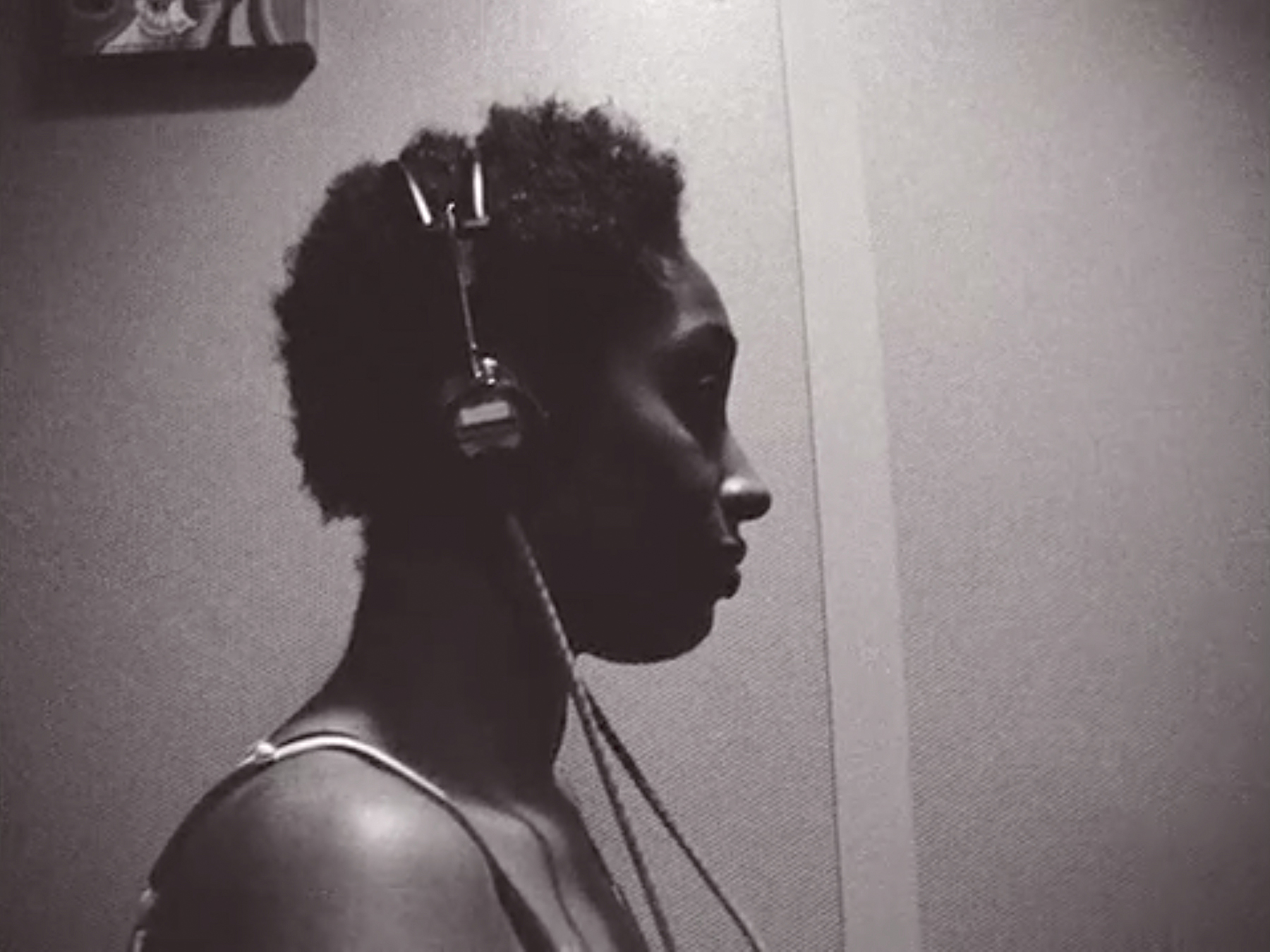
Ears, Nose and Throat, 2016 Courtesy: the artist and Andrew Kreps Gallery, New York
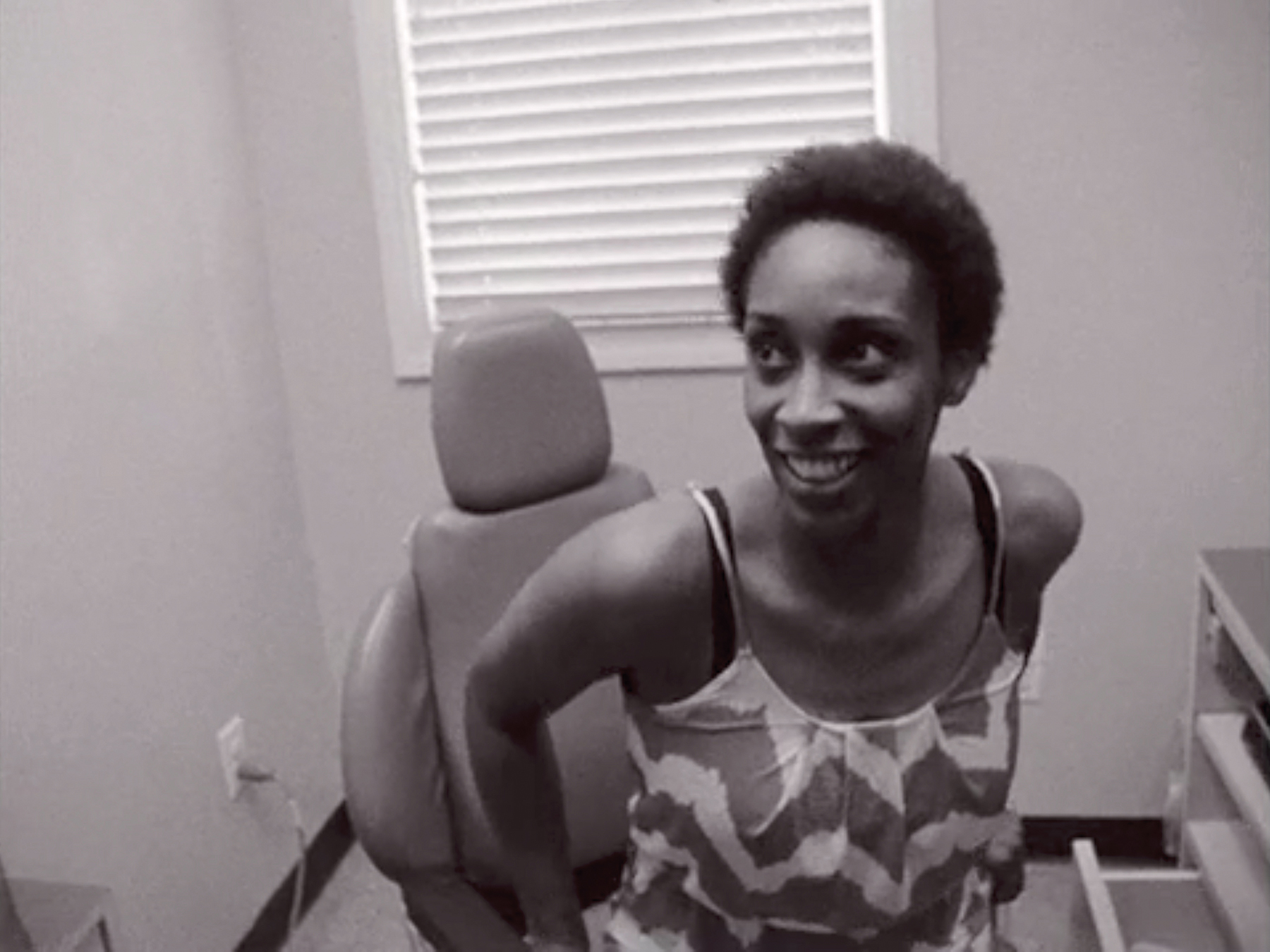
Ears, Nose and Throat, 2016 Courtesy: the artist and Andrew Kreps Gallery, New York
For some, coming of age means learning how to live, and for others it means learning how to stay alive. Young Black men growing up in the United States are subjected to a specific kind of fear and hate. Death is never a far-off proposition. It could come at the hands of police officers, who are trained to surveil and suppress young Black men with an overwhelming exertion of force. Or it might be at the hands of a foe representing a tragic ironic reversal: another young Black man.
Kevin Jerome Everson’s quietly devastating 16mm film Ears, Nose and Throat tells the story of a young Black man being murdered in broad daylight on a public street by his close childhood friend. This narrative is recounted by an eyewitness and is framed in relation to her visit to an ear, nose and throat specialist. The film opens with the sound of an intermittent electronic tone, which might represent the mechanics of her ear exam, or might just as easily represent a body on life support. Along with this sound, we see black-and-white images of an empty road bathed in hazy street lights. The visuals are cut to a syncopated montage that does not match the sound tone, announcing this as a polyrhythmic film that expresses a chaotic reality. It seems apparent that this street must be the scene of the crime, though it exudes a nondescript atmosphere with no visible traces of strife. Yes, this happened here, and it could happen anywhere. But there is no sociological lesson to be learned. There is no politic or polemic to be forwarded. This is not art produced for lay consumption—to this end, it may fail to be lucid, but it has not failed in its first function.
Everson is the Dean of Black film artists in North America; the most productive, the most fearless, the most successful. His work often deals with the cultural and social life of Black peoples. He is particularly interested in the mundane, non-spectacular qualities of Black life, and his preferred subjects are work and the working class. This particular film is unique in his oeuvre. It is apparent that the subject of the story is very close to his heart and his soul. The film offers a release to the eyewitness, but she and the viewer are still left in sensory deprivation. There is no remedy for this, and no resolution for what it means to grow up young, Black and endangered.
Matt Hall and John Watkinson
CryptoPunks, 2017

Larva Labs, Cryptopunk #269, 2017 Courtesy: the artist and Kate Vass Galerie GmbH, Zürich
It seems hard to believe that the CryptoPunks collection was created only in 2017. But as the saying goes, in the crypto space one month is like one year. Technology moves fast, but culture moves faster. This now iconic cast of zombies, apes, aliens and anons feel as if they are from a distant era, some primordial dial-up epoch of digital art. The internet did not come of age with the appearance of the Punks—but the newest iteration of the internet did. This iteration will probably impact our collective lives the most, if only because now it is difficult to imagine life without being online.
When Matt Hall and John Watkinson generated their culture-shifting, 8-bit profile pictures, web3 was a nascent protocol that had not yet gone mainstream. The CryptoPunks were less of an artistic gesture and more transactional—in the sense that they were almost proofs of concept for how art could be inscribed on the blockchain and transferred to addresses that could verifiably “hold” or own them. At that time the limited edition Punks were given away for free to anyone who wanted to claim them. While this was not the first act of “tokenizing” art, and with it an attempt to revolutionize the concept of collecting for an evolving digital reality, it may turn out to be the most consequential indicator of the art to come.
CryptoPunks are now rare specimens of art and cultural history that trade for millions of euros. They are exhibited on the walls of traditional institutions that were never early adopters of digital art and culture. They have substantively changed the terms of the conversation. We might say we are in a post-Punk phase. Or better yet—we might one day say that there is a pre-Punk and a post-Punk contemporary art. We will know when this young 21st century comes of age.
Steve McQueen,
Year 3, 2019

Year 3, 2019 © Steve McQueen and Tate
Courtesy: the artist, Thomas Dane Gallery and Marian Goodman Gallery

Year 3, 2019 © Steve McQueen and Tate
Courtesy: the artist, Thomas Dane Gallery and Marian Goodman Gallery
When Steve McQueen decided to document the children of London in year 3 of primary school he captured a subtly majestic series of portraits of youth in the delicate process of formation. In these simply structured class photographs one can discern a sociological project that details the ethnic and cultural traits of these students and what it reveals about the demographics of present-day England. But there is also an unmistakable humanist project at the core of this photographic series. There is an honest, implicit faith in these children. They will inherit the Earth, and therefore a question lies at the heart of this project: what sort of Earth will we bequeath to year 3 students across the world?
It is a fascinating prospect to contemplate this project in 2024, already five years after it was completed and first exhibited at Tate Britain. The children depicted are now teenagers. Their coming of age meant awakening to Brexit as their new social reality. It also meant living through a once-in-a-generation global pandemic. These children also witnessed the death of the Queen, which brought a symbolic end to an old world that they did not deserve to inherit.
With a new school year come new expectations. These children have been thrown into a new world. The looming shadow of general artificial intelligence is encroaching upon their everyday lives. The growing fire of a new world war is already blazing on multiple continents. The inferno of climate catastrophe is continually asserting its inconvenient presence. It is not a given that the United Kingdom—that the world, in fact—will hold in its current state. These children will also determine those possibilities. McQueen’s pictures capture the innocence that precedes coming of age before those challenges must be met.
Anne Imhof,
YOUTH, 2022
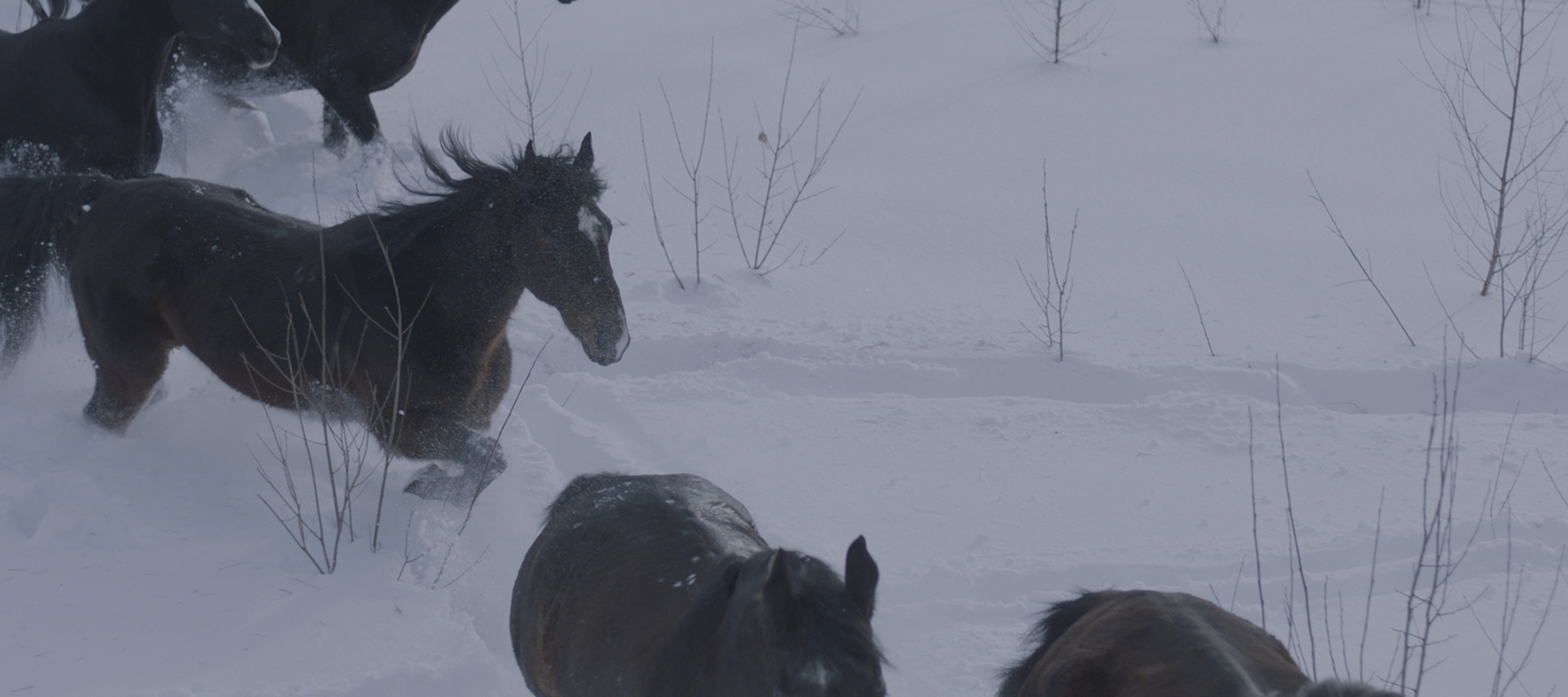
Youth, 2022 (video stills) © Anne Imhof Courtesy: the artist, Sprüth Magers and Galerie Buchholz
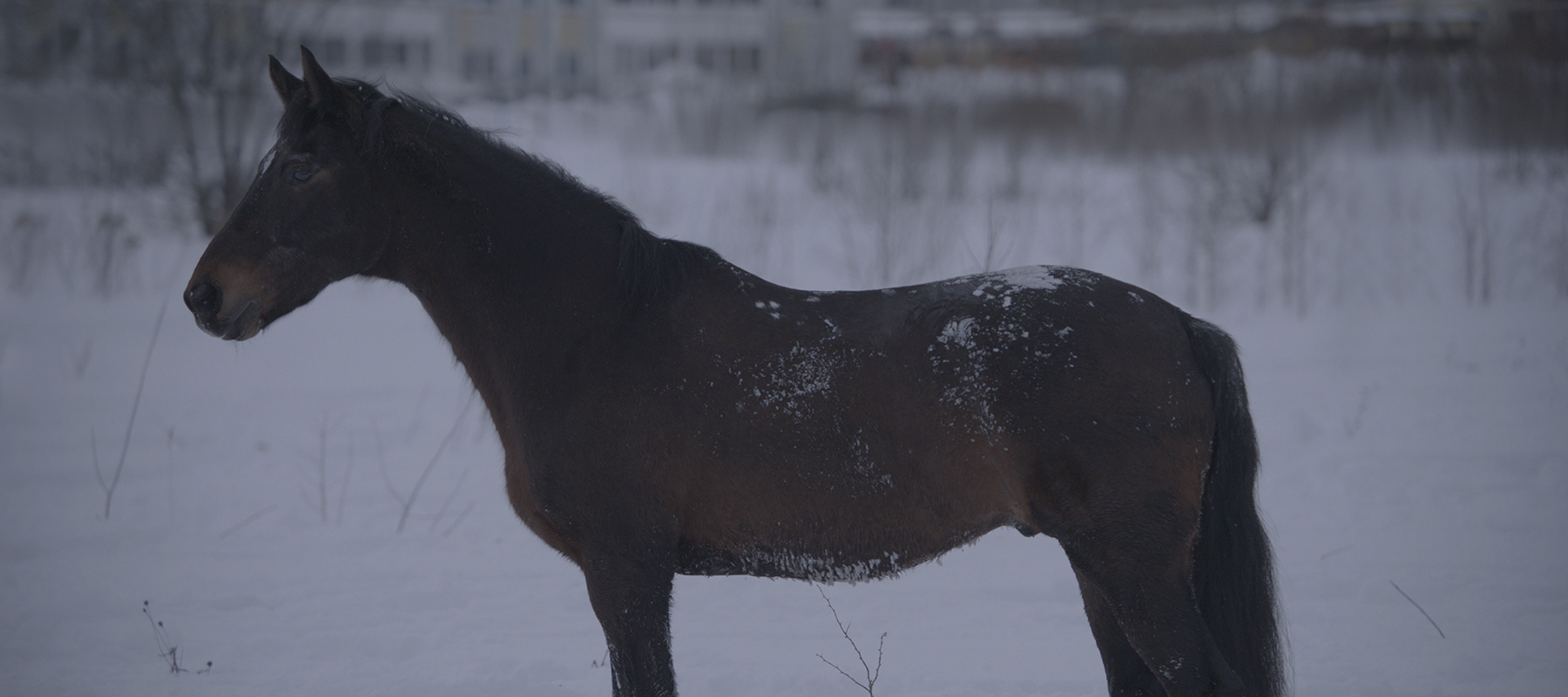
Youth, 2022 (video stills) © Anne Imhof Courtesy: the artist, Sprüth Magers and Galerie Buchholz
Youth, 2022 (video stills) © Anne Imhof Courtesy: the artist, Sprüth Magers and Galerie Buchholz
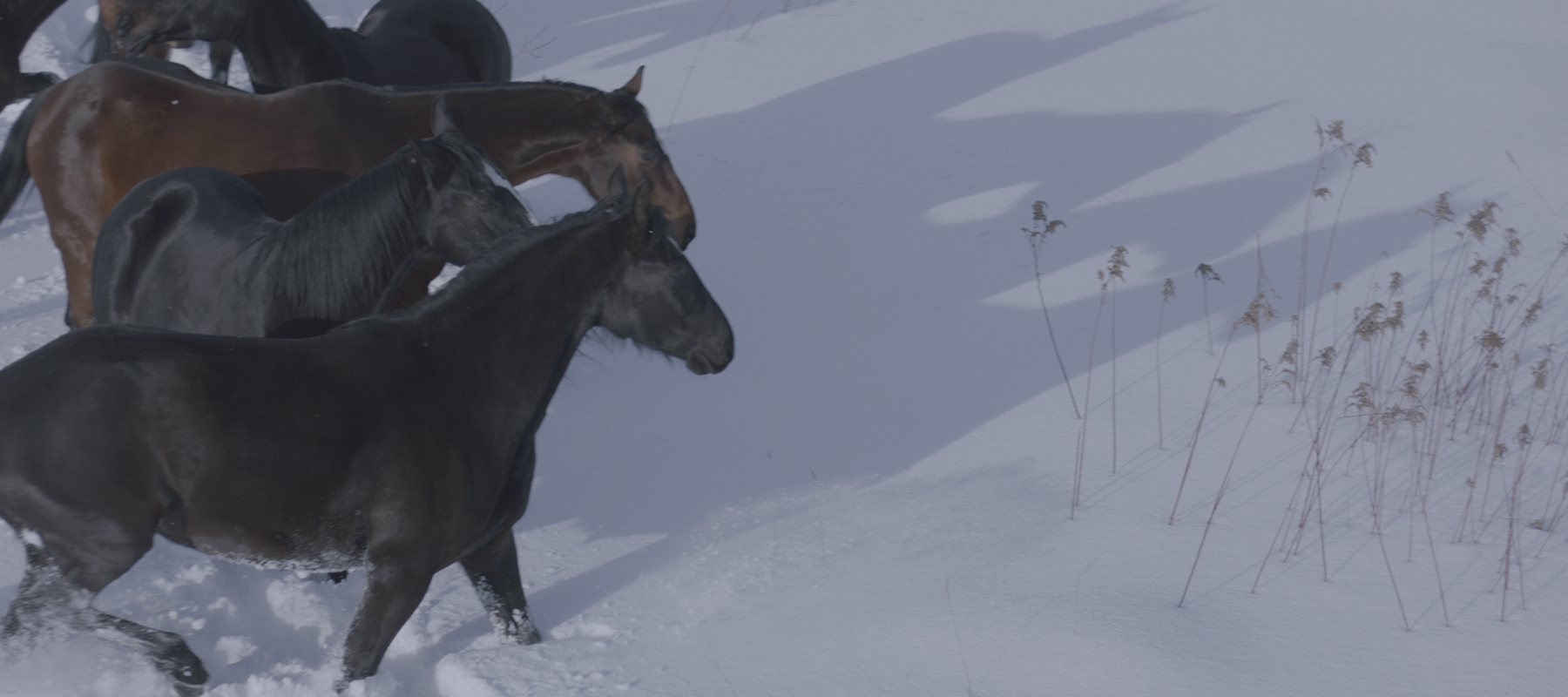
Anne Imhof is a perceptive chronicler of the moods and movements of a young generation. When Imhof channels youth she invokes a condition, usually reflected in the keyword titles of her pieces such as Rage, Angst, Sex, Fate. In her video installation YOUTH, she speaks allusively about the subject she has become closely associated with. This title feels like an open embrace of all the ways her prior performance works have been read in relation to the codes practiced by those passing through a torrent of emotions.
YOUTH features contemplative images of horses in winter snow in the Russian countryside. The baroque oratorio St. Matthew Passion by Johann Sebastian Bach plays on the soundtrack. The video functions through metaphor—but only if we were to speak from an anthropocentric point of view. Animals also have emotions, they have a youth; their coming of age is impacted just as much if not more by the environmental conditions that we share. For Imhof, it seems that the horses also represent freedom of movement, freedom of existence, an Edenic possibility. However, the narrative underlying the musical composition augurs a rupture and the storm to come.
YOUTH was made in Russia because Ihmof had a planned exhibition at the Garage Museum of Modern Art in Moscow. The show was ultimately canceled due to the fallout from the Russian military incursion on Ukrainian territory. Imhof’s work was orphaned. War often stops young lives either outright or forces them to mature quickly. Coming of age in wartime conditions is like navigating the Fall of Man. Art is not and should not be sheltered from this predicament. The question of how art and artists can intervene is a complex one, but it is probably the crucial question for our current moment in contemporary art.
Tyler Mitchell,
A Glint of Possibility, 2022
A Glint of Possibility, 2022 © Tyler Mitchell Courtesy: the artist
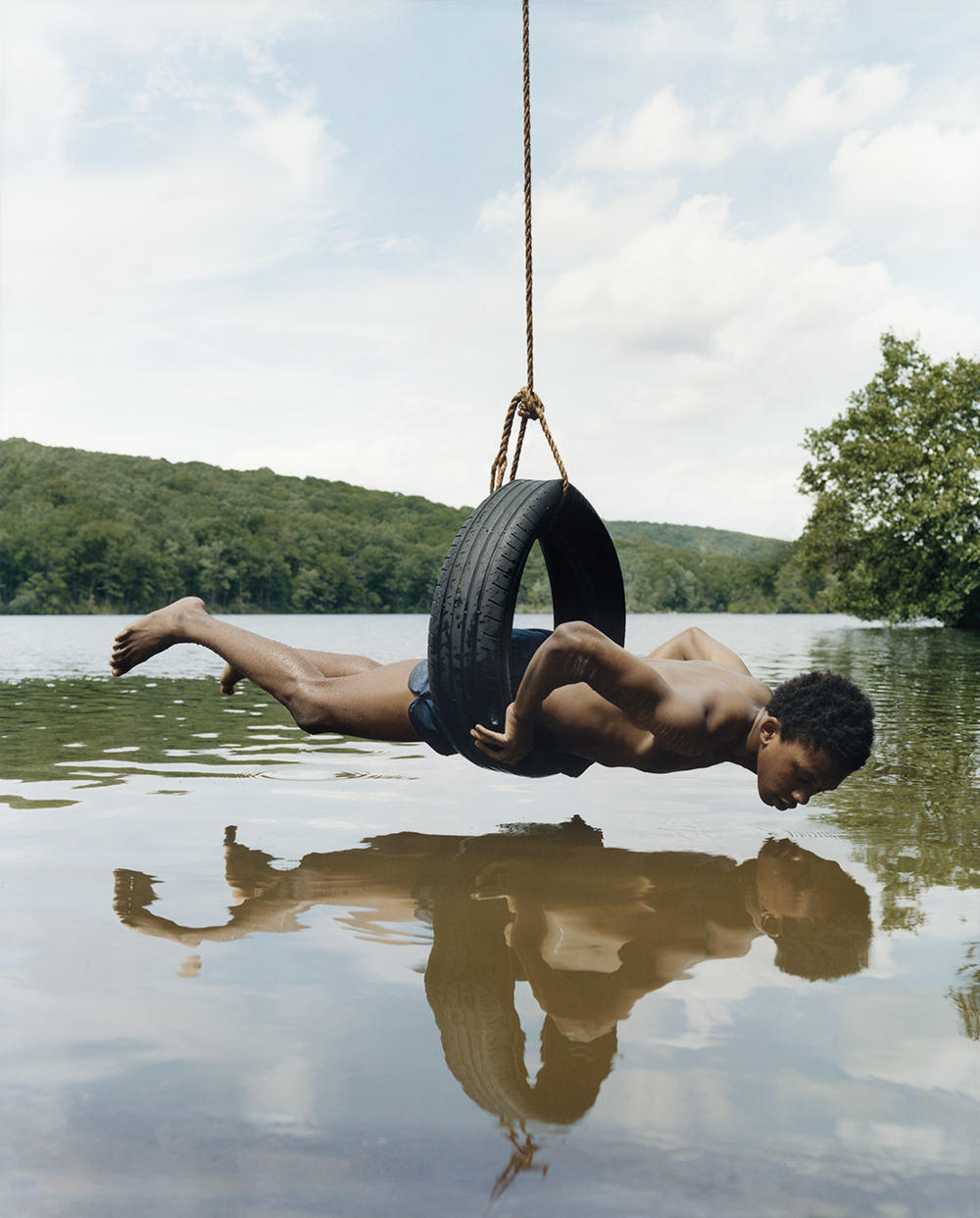
Tyler Mitchell creates genre-defying photographs of Black people that endow them with a novelty and a nobility. As a young photographer, he has been particularly interested in Black youth, as seen in his recent exhibition Chrysalis, which presents his subjects in various states of becoming—emerging from the earth, from water, and fused with other natural forms.
The notion of chrysalis is a biological process of coming of age, implying a physical transformation and launching into a new state of being. Mitchell offers this possibility to his young subjects. Rather than frame them in the prison of an overly determined social reality, saddling them with the burden of representation, he gives them wings and encourages them to fly. Nowhere is this more apparent than in the standout picture in the exhibition: A Glint of Possibility.
A young man balances himself inside of a spare tire, laying horizontally while suspended in mid-air. The tire is hanging from a rope which extends up into the heavens, above the frame line, tethered to some unseen otherworldly source. The young man floats a few centimeters above a lake, just below him his reflection in the water is visible as he gazes at himself. His doppelganger gazes back from the watery depths. Is the young man seeing his future or his past? Is he a descending figure or in the process of ascension? His only article of clothing is a pair of shorts partially hidden by the tire enveloping him. A rebirth is hinted at, and as such, an entire world is within his grasp. One can imagine this glint of possibility in his eyes as he contemplates his position, but this prospective light is masked by a shadow covering his face.
An interval and a reflection, with the promise of an illumination. The tire—a childhood game. The rope—a thin layer of reality to be negotiated. The water—the other side of everything. Coming of age means being perched on the brink, staring into the abyss, and leaping into the unknown. This is less a matter of courage and more a matter of destiny.
Life as we know it
Text by Greg de Cuir Jr
CURA.43
Coming of Age
FRANCIS ALŸS (b. 1959, Antwerp, Belgium) is an artist based in Mexico. A selection of major solo exhibitions includes: WIELS, Brussels (2023); MUAC, Mexico City (2023); The Belgian Pavilion, 59th Venice Biennale (2022); Fragmentos, Bogota (2020); Tai Kwun, Hong Kong (2020); Rockbund Art Museum, Shanghai (2018); Art Gallery of Ontario, Toronto (2017); Secession, Vienna (2016). Recent major international group exhibitions include: Shanghai Biennial (2018); Iraqi Pavilion, 57th Venice Biennale (2017); dOCUMENTA(13), Kassel (2012).
CORY ARCANGEL (b. 1978, Buffalo, NY, USA), is an artist, composer, curator, and entrepreneur living and working in Stavanger, Norway. Recent and ongoing projects include: ALL I EAT IN A DAY, Kunst Halle Sankt Gallen; Form Matters, Matter Forms: From Readymade to Product Fetish, Kunst Museum Winterthur; Let’s Play Majerus G3, Michel Majerus Estate, Berlin; and Worldbuilding: Gaming and Art in the Digital Age, Julia Stoschek Collection, Dusseldorf, and Centre Pompidou Metz. Previous solo shows include: Midnight Moment, Times Square Arts, New York (2022); Topline, Cc Foundation, Shanghai (2019); The Kitchen, New York, (2017); Be the first of your friends, Espace Louis Vuitton, Munich (2015); All The Small Things, Reykjavik Art Museum, Iceland (2015).
SADIE BENNING’s (b. 1973 Madison, WI, USA) work has taken the form of experimental video, performance, and most recently mixed-media wall-mounted works that trouble the distinctions between painting, drawing, sculpture, and photo collage. Solo exhibitions include: Pain Thing, Wexner Center for the Arts, Columbus; Shared Eye, Renaissance Society, Chicago, and Kunsthalle Basel, Switzerland; and “Play Pause”, DIA Foundation for the Arts, New York, the Power Plant, Toronto, and the Whitney Museum of American Art, New York. They are one of the founding members of the iconic band Le Tigre.
JOHN MICHAEL BOLING is an artist currently based in New York. He is the creator of the meta-fictional animated universe CULTURESPORT, co-founder of the creative research platform Are.na, creator of the infamous art website 53 o’s, and was a founding member of the foundational internet group blog, Nasty Nets.
JASON MATTHEW COOMBS is an artist currently living and working in New York. After several years pursuing a career in academic research, he began an ongoing creative relationship with John Michael Boling, helping to produce the animated short film Rotterdam 95. He has worked on many projects and collaborations, ranging from music videos and documentaries to fashion campaigns.
PETRA CORTRIGHT (b. 1986, Santa Barbara, CA, USA) lives and works in Los Angeles. Her work has been the subject of solo exhibitions at: Palm Springs Art Museum; Doota Plaza, Seoul; LIMA, Amsterdam; UTA Artist Space, Los Angeles; University of Edinburgh; and Depart Foundation, Los Angeles. She has also participated in numerous group exhibitions at international venues including: MoMA, New York; Hammer Museum, Los Angeles; Ludwig Museum, Budapest; Walker Art Center, Minneapolis; KM – Halle für Kunst & Medien, Graz; Museum of Contemporary Art, Chicago; Kunsthaus Langenthal; New Museum, New York; 12th Biennale de Lyon; and 01SJ Biennial, San Jose.
GREG DE CUIR JR is an independent curator, writer and translator. He is co-founder and artistic director of Kinopravda Institute in Belgrade. Current projects include organizing screen programs for the Whitney Biennial 2024, Anthology Film Archives in New York, and Musée d’ethnographie de Genève. De Cuir is editing the first translation of the canonical monograph Constructivism in Film by Vlada Petric. In Autumn 2024 he is visiting lecturer at Universität Basel.
KEVIN JEROME EVERSON (b. 1965, Mansfield, OH, USA). Since the late 1990s, he has created a singular body of work that conflates archival, documentary, and scripted footage, blurring the distinctions between what is real, and what is simulated. Recent presentations of his work include: 15th Baltic Triennial, Contemporary Art Center, Vilnius (2024-2025); Inaugural Exhibition at The Campus, Klaverack (2024); Newark Museum (2023); MoMA, New York (2022); Block Museum, Evanston (2022); McEvoy Foundation for the Arts, San Francisco (2021); Centre Pompidou, Paris (2019), among others. He participated in the Carnegie International (2018), the Whitney Biennial (2017, 2012, 2008), the Sharjah Biennial (2013).
MATT HALL & JOHN WATKINSON are creative technologists who have worked on almost every kind of software. Examples include large-scale web infrastructure, genomics analysis software, 8-bit roleplaying games, an art project on the blockchain, an endless driving game that ends badly (there’s a VR version too), an app for Android called AppChat, two different versions of a completely new Android homescreen experience: Slide Screen (2009) and Flow Home (2014), a motion tracking dance booth on a beach in France, and an app with Google called Androidify. As a result of their work, they have spoken at a wide range of venues including the MIT Media Lab, Harvard Business School, Stanford Law School, Art|Basel Miami, The Berkman Center for Internet and Society at Harvard, The NY Tech Meetup, and Christie’s Auction House in London.
ANNE IMHOF (b. 1978, Gießen, Germany) lives and works in Berlin and Los Angeles. For the 57th Venice Biennale in 2017, she presented her work Faust in the German Pavilion for which she was awarded the Golden Lion for Best National Participation. This was followed by solo exhibitions at: Tate Modern, London (2019); Palais de Tokyo, Paris (2021); Stedelijk Museum, Amsterdam (2022); Kunsthaus Bregenz (2024).
STEVE MCQUEEN (b. 1969, London, United Kingdom) lives and works in London and Amsterdam. Large-scale surveys of his work have been held at Pirelli HangarBicocca, Milan (2022); Tate Modern, London (2020); Schaulager, Basel (2013); and the Art Institute of Chicago (2012). Recent solo presentations include Steve McQueen, Dia Beacon, New York (2024); Grenfell, Serpentine Gallery, London (2023); Year 3, Tate Britain, London (2019-2021), and exhibitions at the Institute of Contemporary Art Boston, Massachusetts (2017); The Whitworth, Manchester (2017); the Pérez Art Museum, Miami (2017); The Museum of Modern Art, New York (2017). McQueen has previously participated in Documenta XI (2002) and X (1997), and the Venice Biennale (2015, 2013, 2007 and 2003), representing Great Britain in Venice in 2009.
TYLER MITCHELL (b. 1995, Atlanta, GA, USA) currently lives and works in New York. Selected solo and two-person exhibitions include: The New Black Vanguard, Aperture, New York (2019); I Can Make You Feel Good Pt. 1, Foam Fotografiemuseum, Amsterdam (2019); I Can Make You Feel Good Pt. 2, International Center of Photography, New York (2020-21); An Imaginative Arrangement of the Things Before Me, Gordon Parks Foundation, Pleasantville (2021); Sunlight, Shadow, and A Rainbow: Matt Eich and Tyler Mitchell, Cleveland Museum of Art (2022); Domestic Imaginaries, SCAD Gallery, Savannah (2023, traveling to North Carolina Museum of Art, Winston-Salem, 2024); Wish This Was Real, C/O Berlin (2024); and Idyllic Space, High Museum of Art, Atlanta (2024).
MARTINE SYMS (b. 1988, Los Angeles, CA, USA) has exhibited internationally with recent solo exhibitions including: Present Goo, Sadie Coles HQ, London (2023); Ugly Plymouths, Carré d’Art – Musée d’Art Contemporain, Nîmes (2023); SHE MAD S1:E4, MCA Museum of Contemporary Art, Chicago (2022); Grio College, Hessel Museum of Art, Bard College, Annandale-On-Hudson (2022); She Mad: Season One, Bergen Kunsthall (2021); Neural Swamp, Fondazione Sandretto Re Rebaudengo, Turin (2021, touring to Philadelphia Museum of Art, Philadelphia in 2022). Recent group exhibitions include: Coming Soon, Fondation Lafayette, Paris (2024); After Laughter Comes Tears, MUDAM, Luxembourg (2023); Stranger in the Village, Racism in the Mirror by James Baldwin, Aargauer Kunsthaus, Aarau (2023); Kunsthal Charlottenborg Biennale, Copenhagen (2023); Signals: How Video Transformed the World, MoMA, New York (2023).