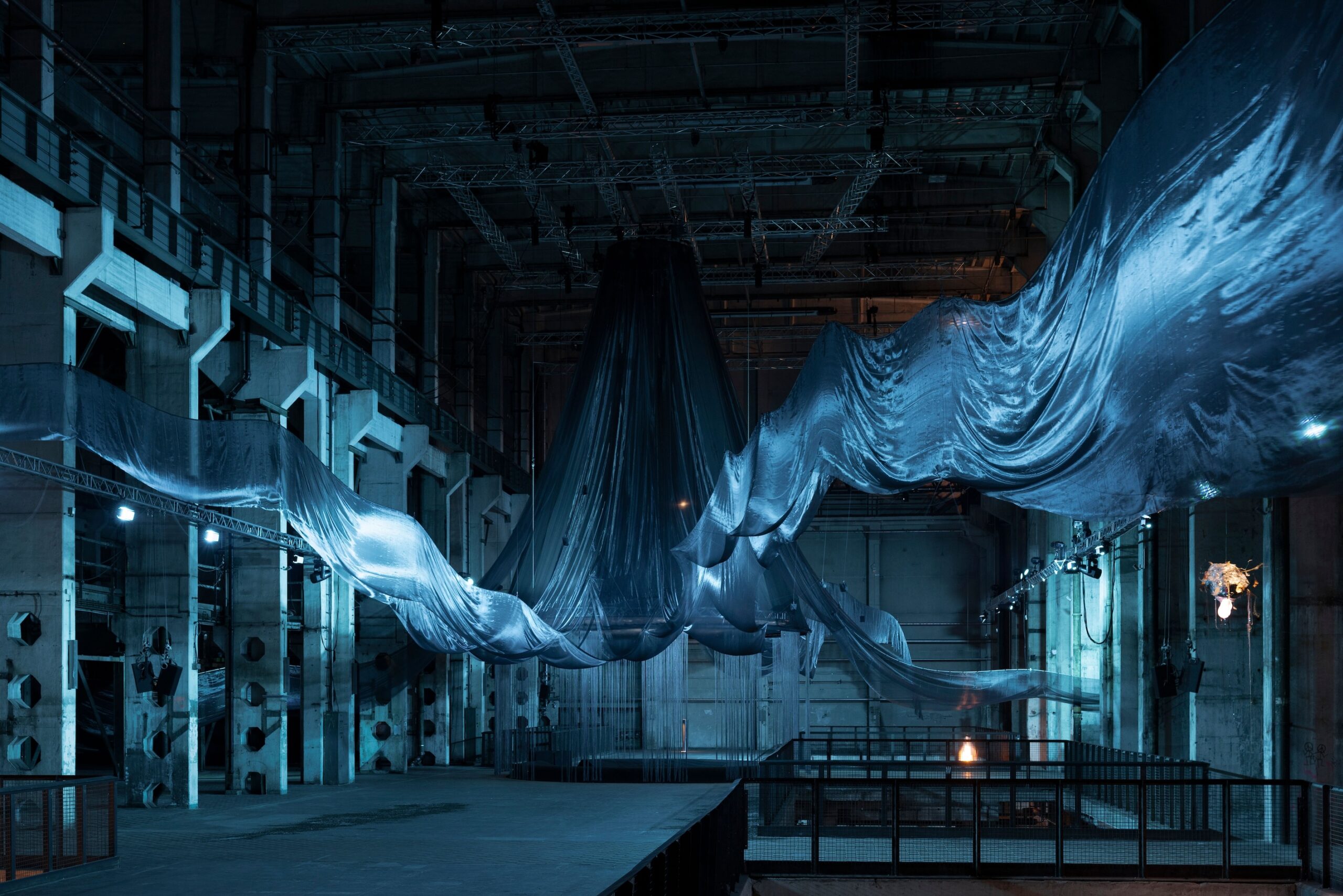
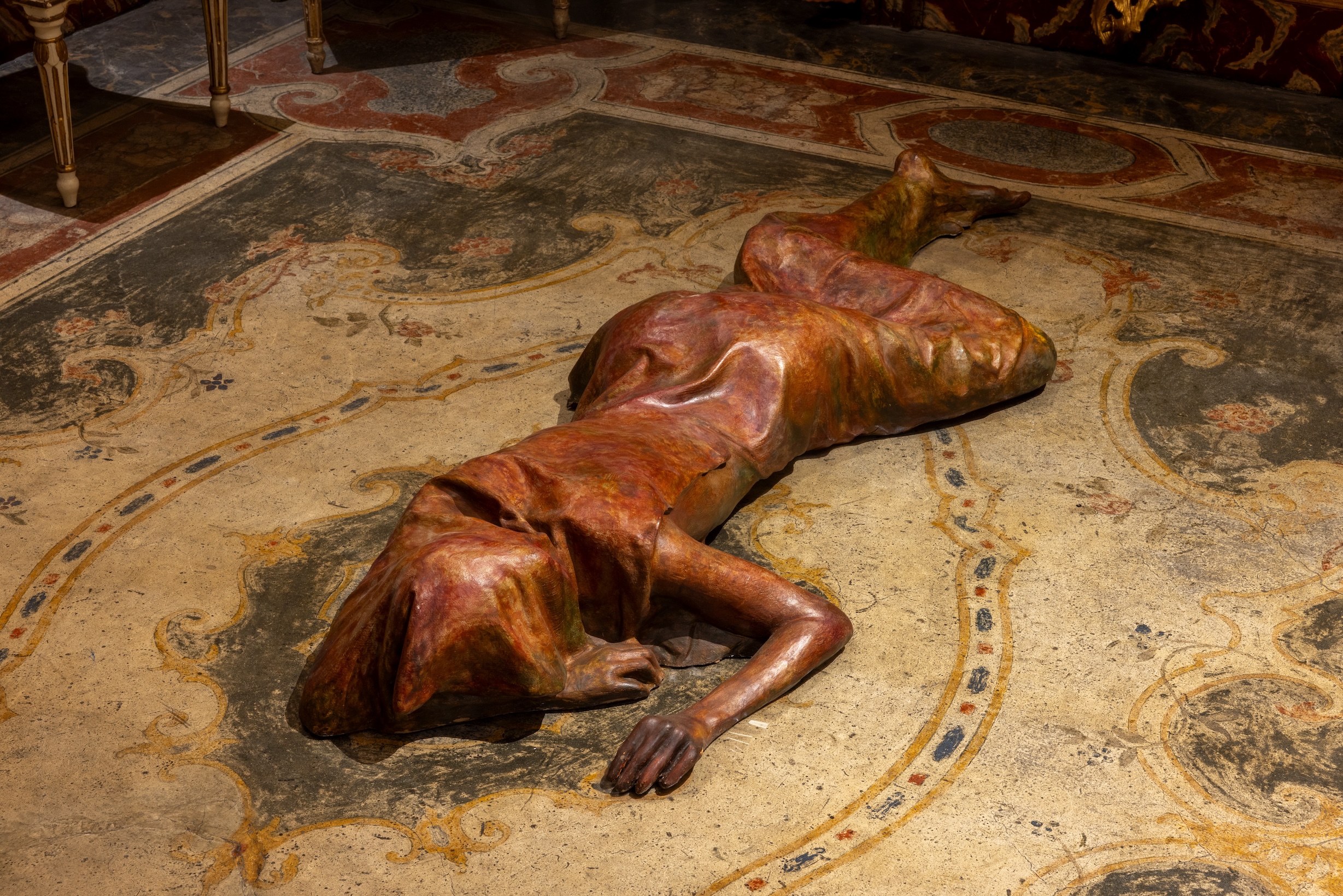
πνεῦμα (Ἔλισσα)
Stedelijk Museum, Amsterdam
Feb 14 — Aug 2, 2026
Review by Matteo Giovanelli
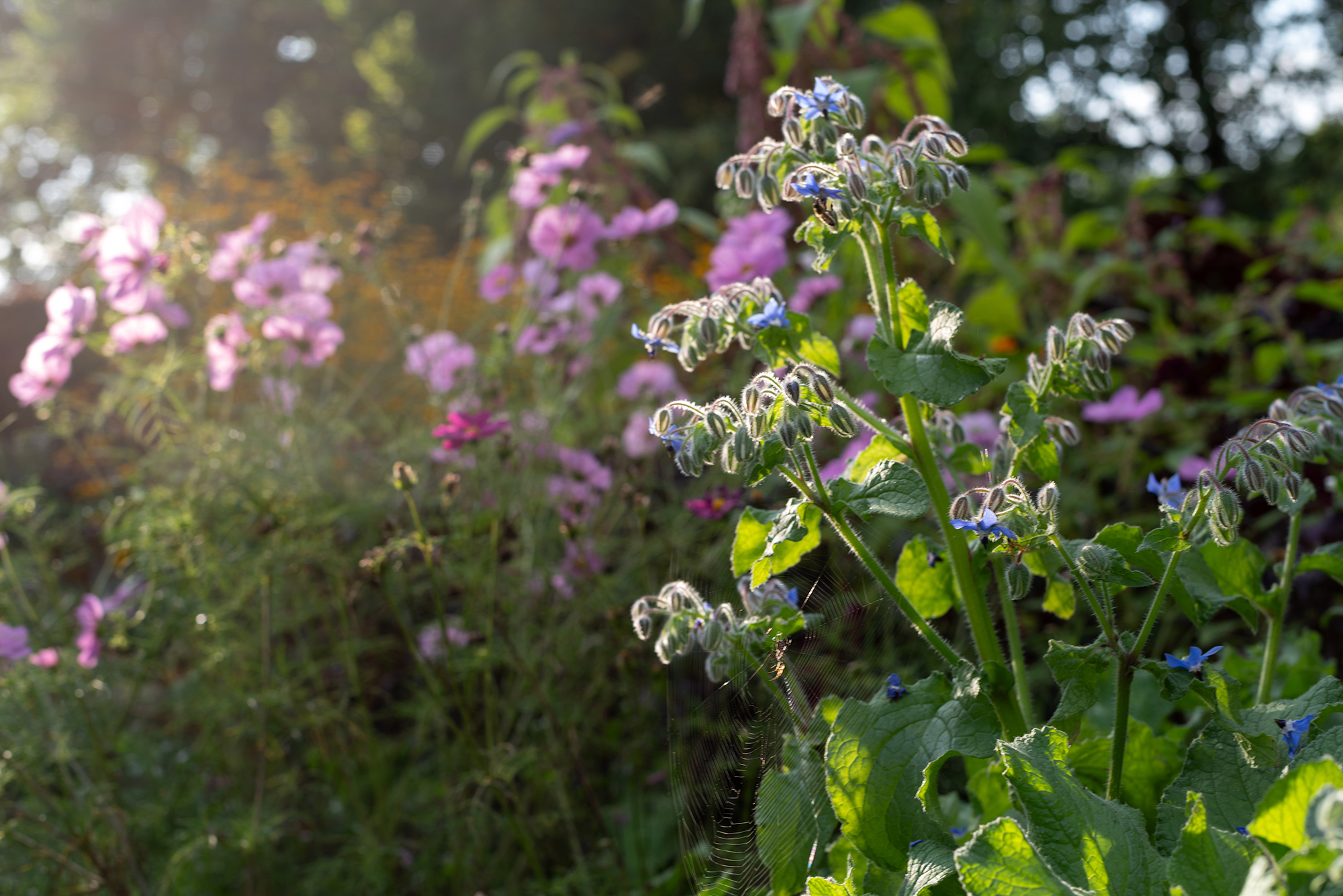
Danh Vo, Güldenhof summer, 2025. Photo Nick Ash
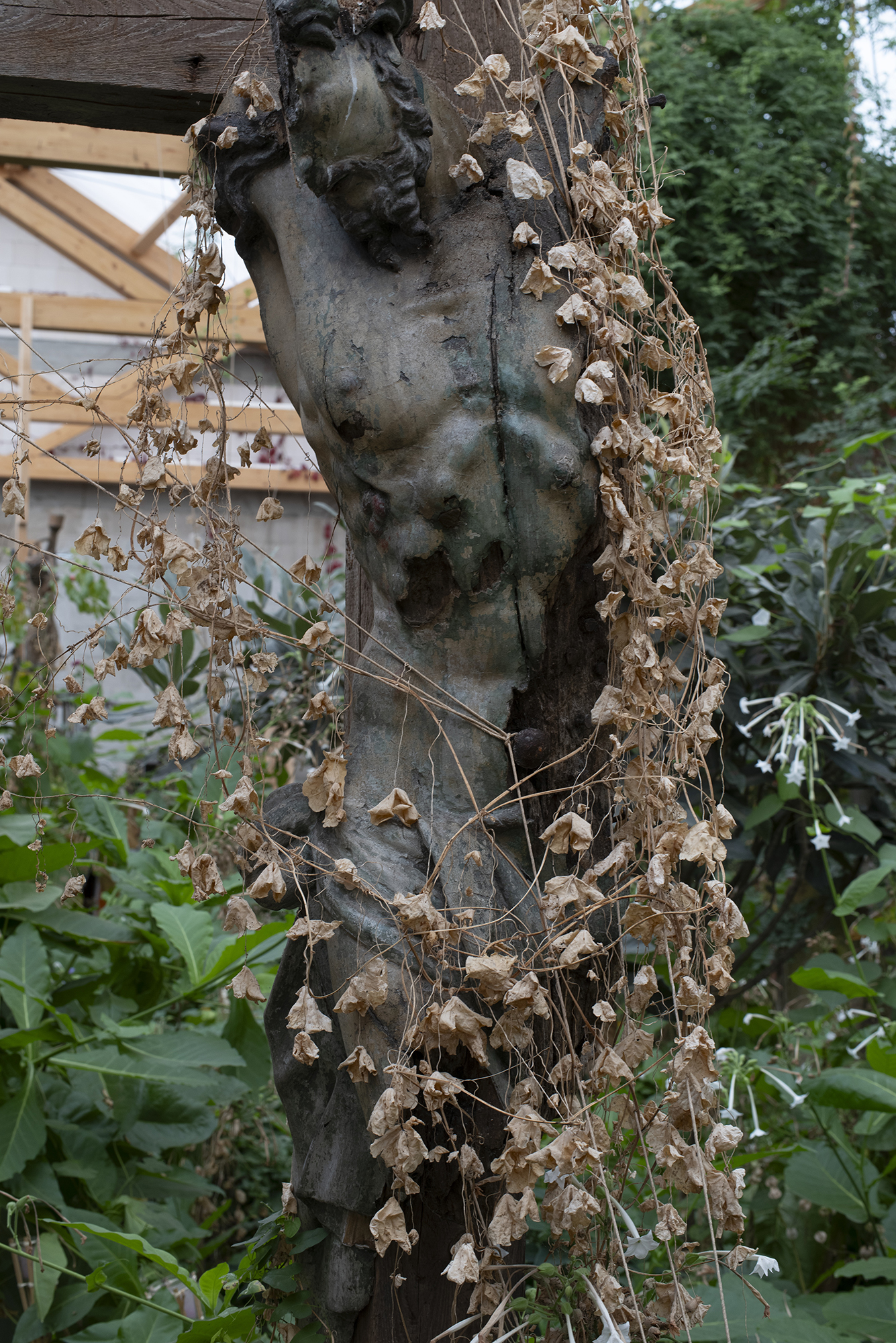
Danh Vo, Güldenhof, autumn, 2024. Photo: Nick Ash
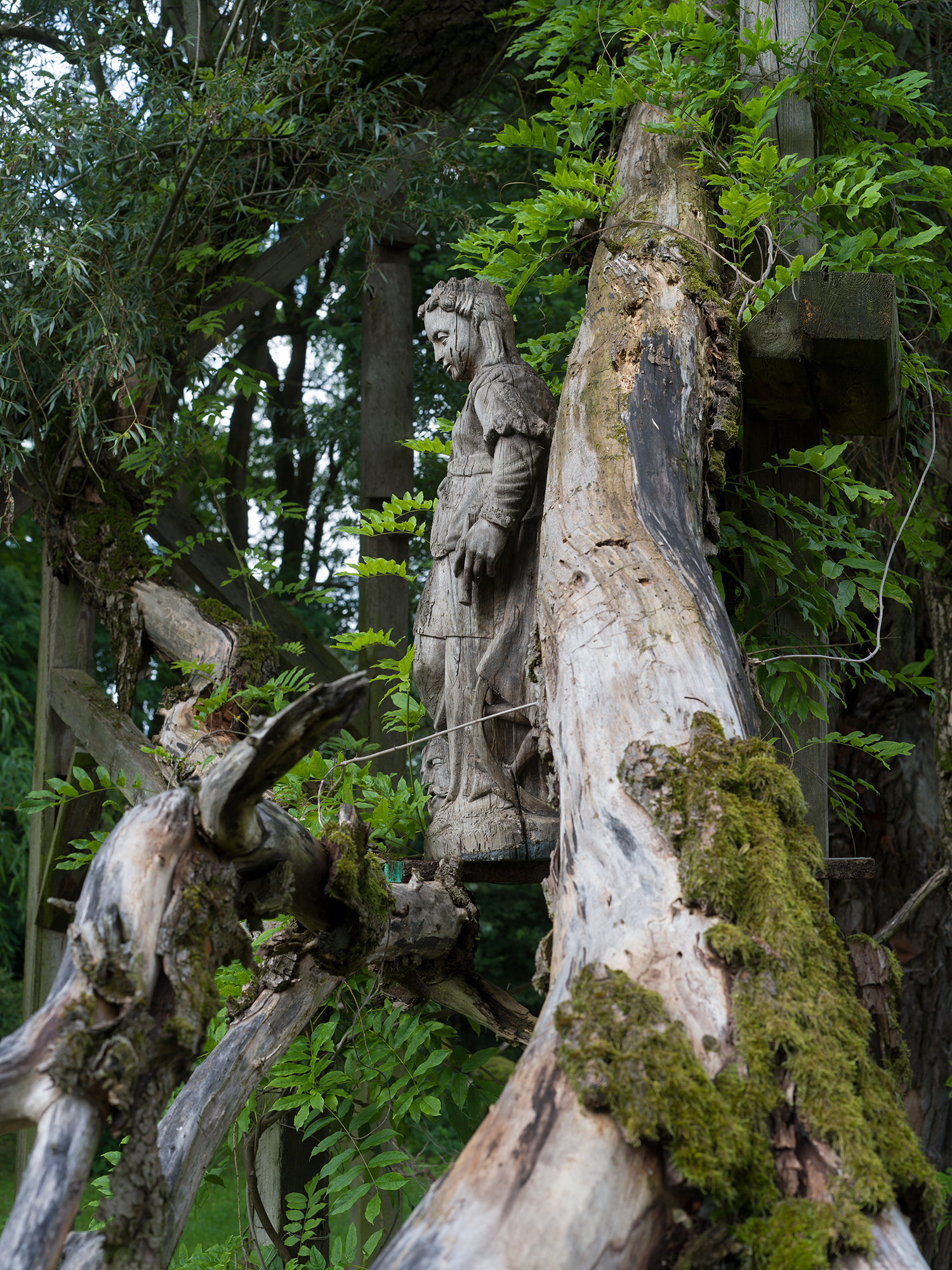
Danh Vo, Güldenhof, 2025. Photo Nick Ash
There is something poetic about a relationship rooted in the unspoken and the invisible.
Relationships – paternal, maternal, fraternal, or shaped by friendship and love – resemble unwritten letters (or well-written ones), in which form itself becomes significant.
From parents we absorb protection, gestures and behaviours; from friends or lovers we gain companionship, a witness to our life steps. A spiritual connection, once formed, continues to unites us. A bond conveyed as energy flows through us via the presence of others, or through the objects and spaces associated with individuals – a constant breath of trajectories and stories.
Danh Vo ( Bà Rja, Vietnam, 1975) is a careful observer of people and realities. He listens and responds to individuals and objects, allowing their spirit, emotions and subtle nuances emerge. What interests him is the invisible spirit behind things – the essence of a father-children bond, or of friendship itself.
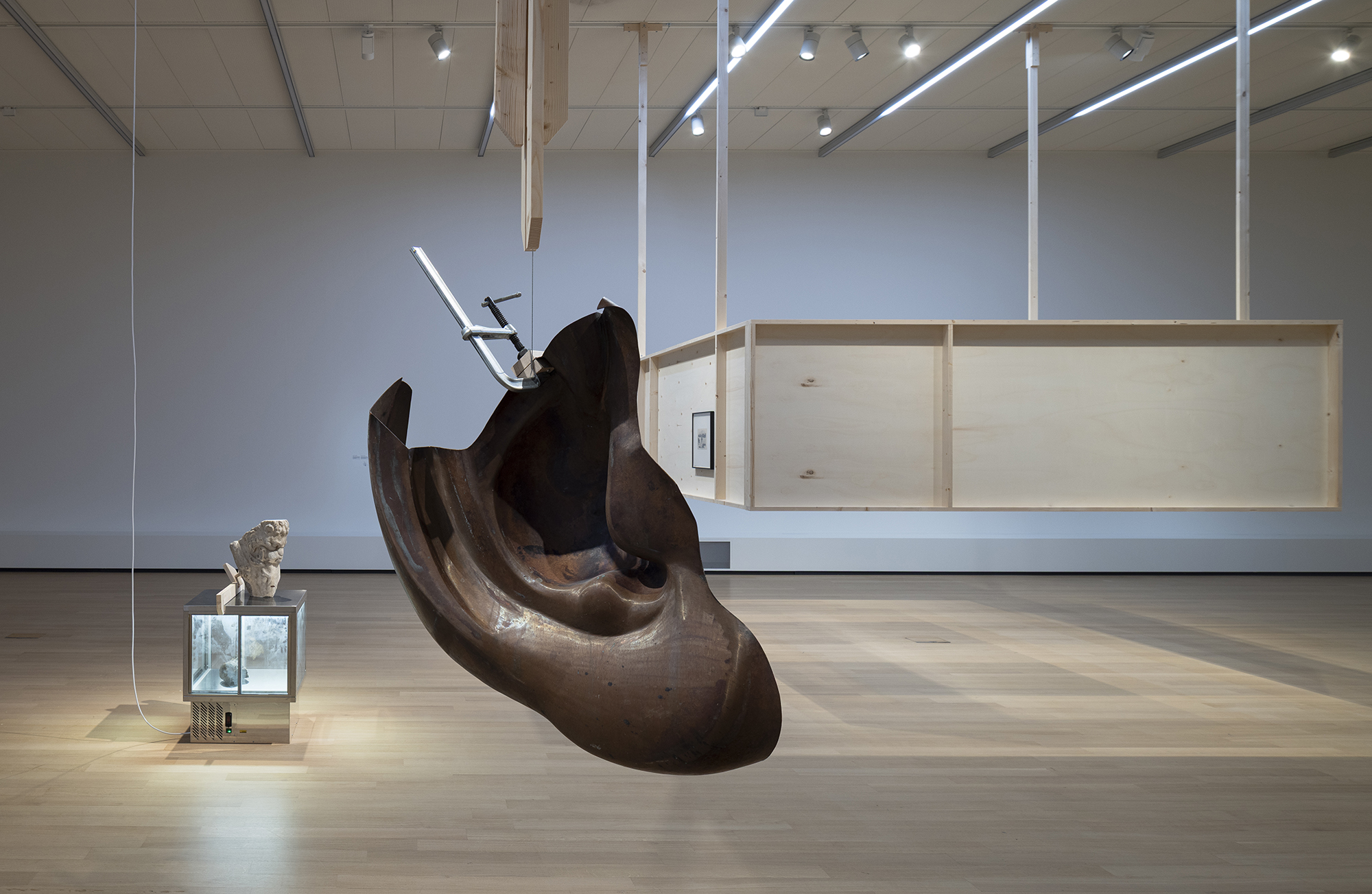
Through observation and learning, he works with intuition and patience. At the Stedelijk Museum, Vo presents something voiceless and implied. Beneath suspended or floor-mounted rooms – sometimes closed, sometimes opened – crafted by carpenters, he suggests multiple scenarios that destabilize the viewer, who must move around or enter them from below.
The artist reveals the unstated, the unexpressed and the unheard. He creeps and plays in the tensions and gaps between contrasts: light and shadows, solids and voids. Some structures feel unwelcoming, others welcoming. This oscillation between public and private, distance and proximity, reflects how spiritual energy connects the globe through unspoken links and silent yet powerful narratives.
Vo’s practice spans macro relationships – market forces, trade routes, historical burdens – and the micro ones, such as family ties and friendship. These connections disperse through space yet remain bound together, forming a three-dimensional collage linking geographies, cultures and knowledge.
The ephemeral structures function as stages, displaying objects and artworks that illuminate these relationships. They include historical and personal memorabilia tied to his father’s desires – a Rolex, an American military class ring and Dupont lighter – alongside paintings such as The westernmost bays of the south aisle of the Mariakerk in Utrecht (c. 1640 – c. 1645) by Pieter Jansz Saenredam – loaned from the Rijksmuseum – and sculptures acquired at auctions. Some works are arranged backwards, facing the wooden wall or the ground, others are cut, altered, or placed inside Coca-Cola and Nestlé crates, or within traval luggage covered in stickers.
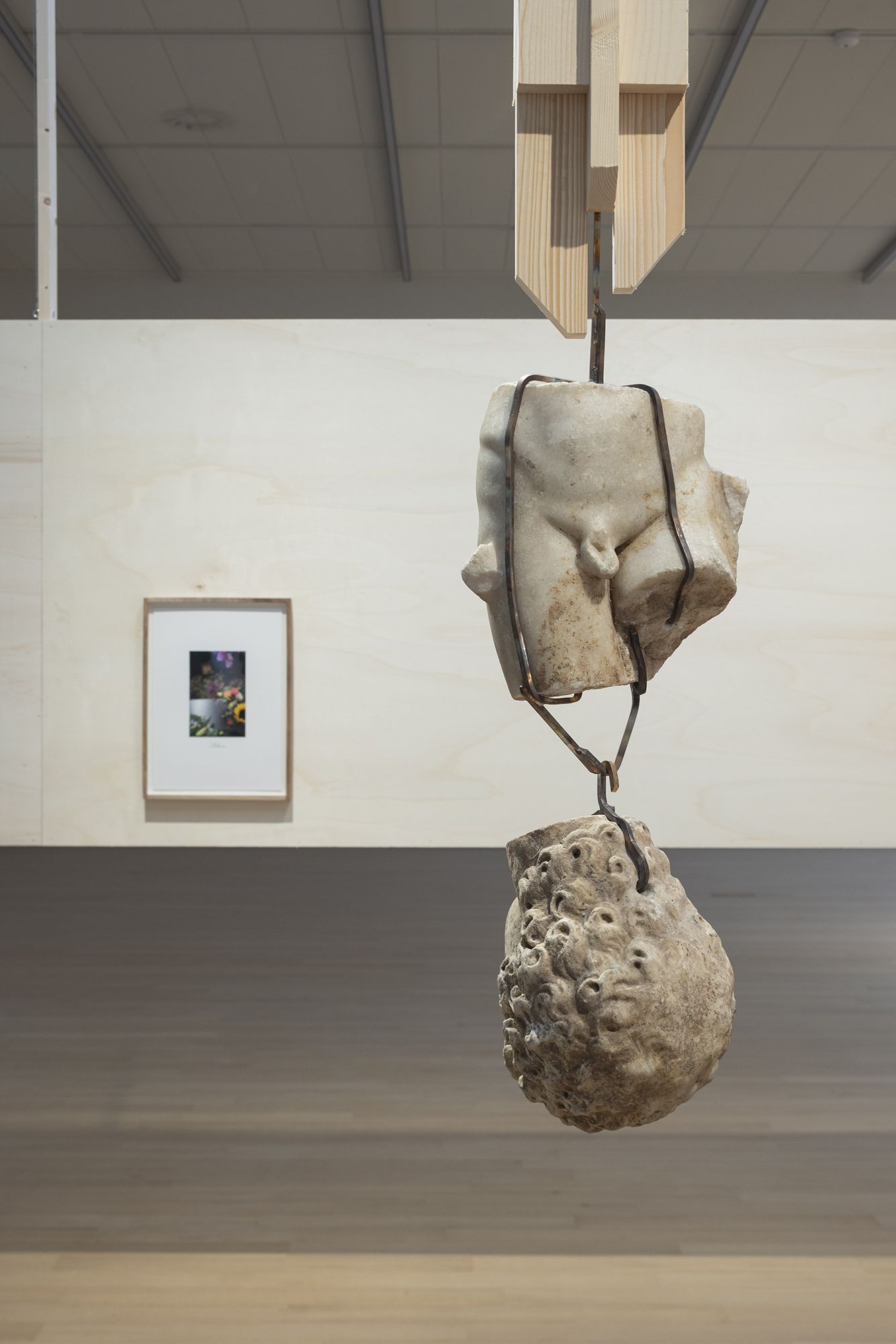
Roman marble and bronze heads, youthful torsos, votive figures, and mythological subjects – including Dionysus – occupy unconventional, intricate positions.
Among them emerges the portrait of Danh Vo’s friend, the artist Julie Ault, represented by a 1st-century CE head of a delicatus – an effeminate Roman boy enslaved for the pleasure of patricians – connected to a German leg torture device by simple wooden pieces.
The sculpture, titled πνεῦμα (Ἔλισσα) – Spirit (“Ellissa”) – evokes the Greek name of Queen Dido of Carthage, who, abandoned by her lover Aenea, threw herself onto a pyre, and stabbed herself with a sword. This assemblage is not just a portrait of Ault, but a key of Vo’s practice: an archive collage of relationships – here, a friendship that moves between public collaboration and private intimacy, charged with tensions.
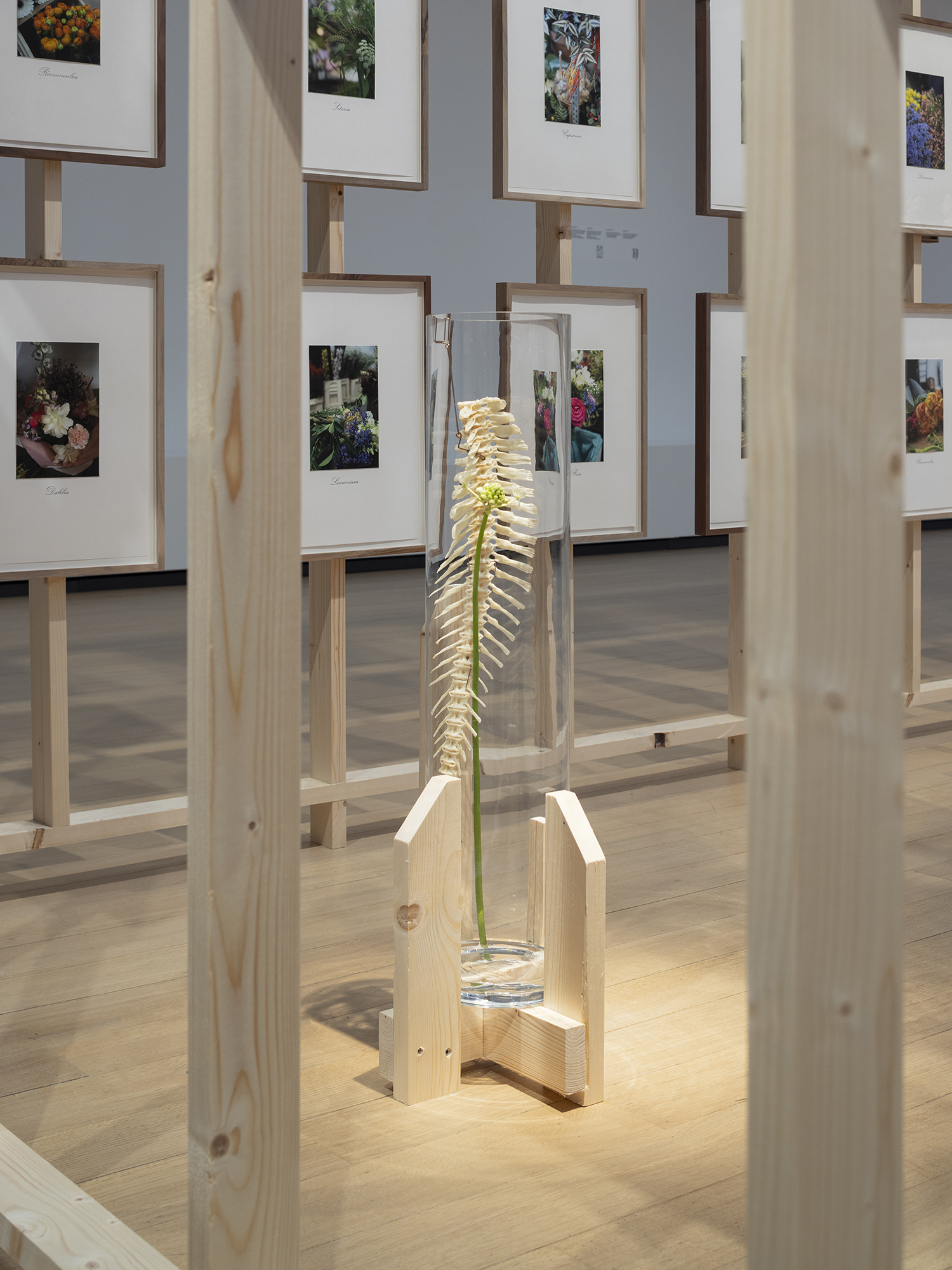
Wooden frameworks recreate ephemeral greenhouses, emphasizing material simplicity and the presence of flowers. Some are suspended in glass vases, while others were photographed by the artist in a flower shop of a Vietnamese family of friends in Berlin, forming a dispersed yet ordered inventory. Vo framed these images in black walnut from Sierra Orchards, a Californian farm owned by his friend Craig McNamara, pioneer of sustainable agriculture and son of Robert McNamara, U.S. Secretary of Defense during the Vietnam War, when Vo’s family was forced to flee.
Vo asked his father to write the Latin name beneath each image, pointing to the colonial imposition embedded also in botanical nomenclature, where Latin replaced original, visceral language. This act of writing becomes a quiet symbol of their father-son relationship – unuttered and unavowed, yet articulated through calligraphy – and recalls Vo’s earlier work 2.2.1861 (2009), in which his father meticulously transcribed Jean-Théophane Vénard’s final letter before execution. The gesture binds French colonial and missionary history in Vietnam to an intimate narrative of courage, faith, and memory. The work appears in a closed room, accessible from below, accompanied by a photograph of Vénard with fellow priests, and a found infant portrait, placed in dialogue with anthropologist Joseph M. Carrier’s photographs of boys holding hands in public in Vietnam (1962-1973), revealing non-romantic affection and enduring bonds.
Life and work converge. Guided by intuition Vo reveals the present impermanence of relationships through layered history and global entanglements. This is embodied in a bronze figure of Christ, removed from the cross and missing its original arms, bearing instead two disproportionately large hands: his father’s hands holding flowers, expressing a final unspoken yet present spiritual tension.
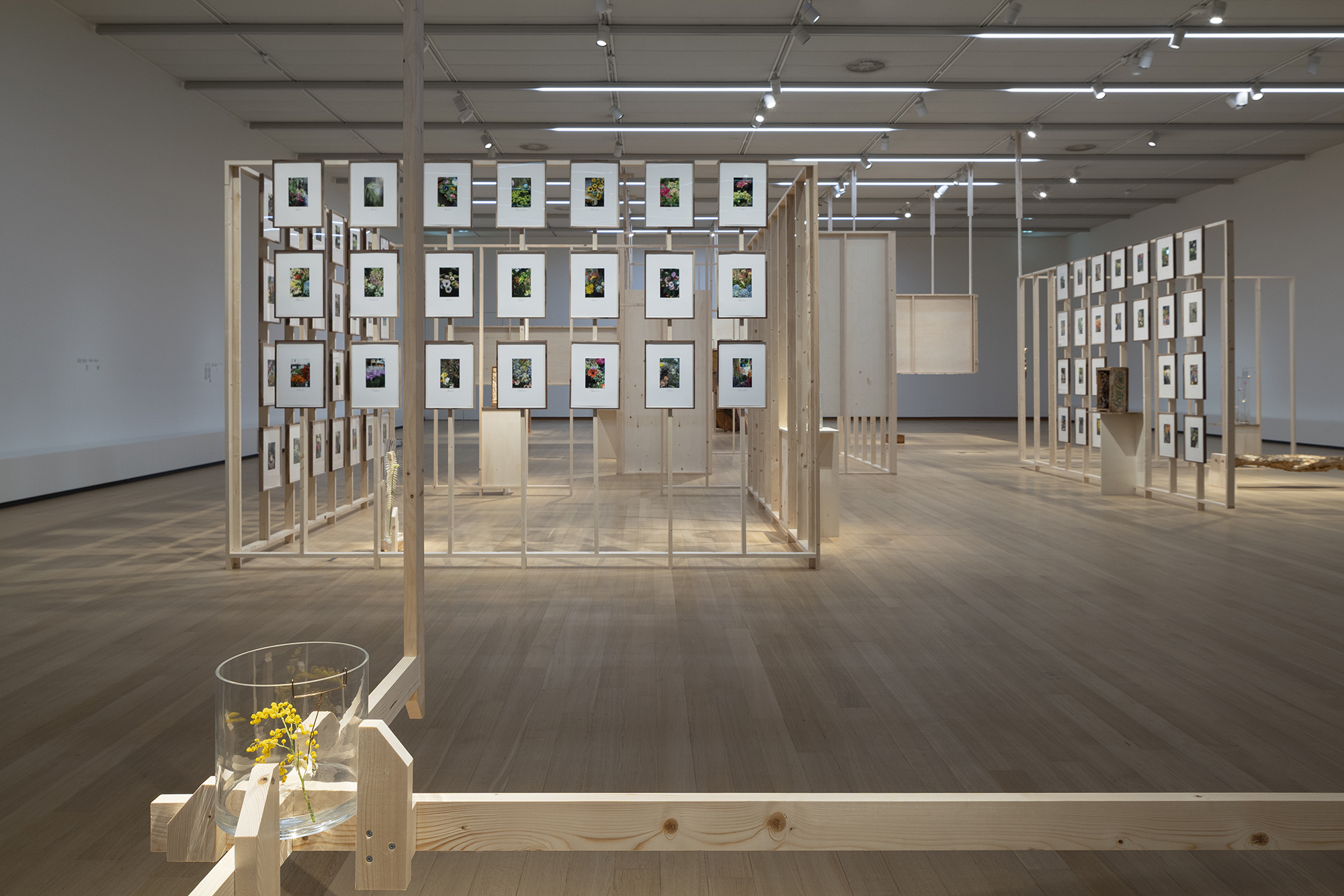
Installation view Danh Vo — πνεῦμα (Ἔλισσα), 2026. Stedelijk Museum Amsterdam. Photo: Peter Tijhuis
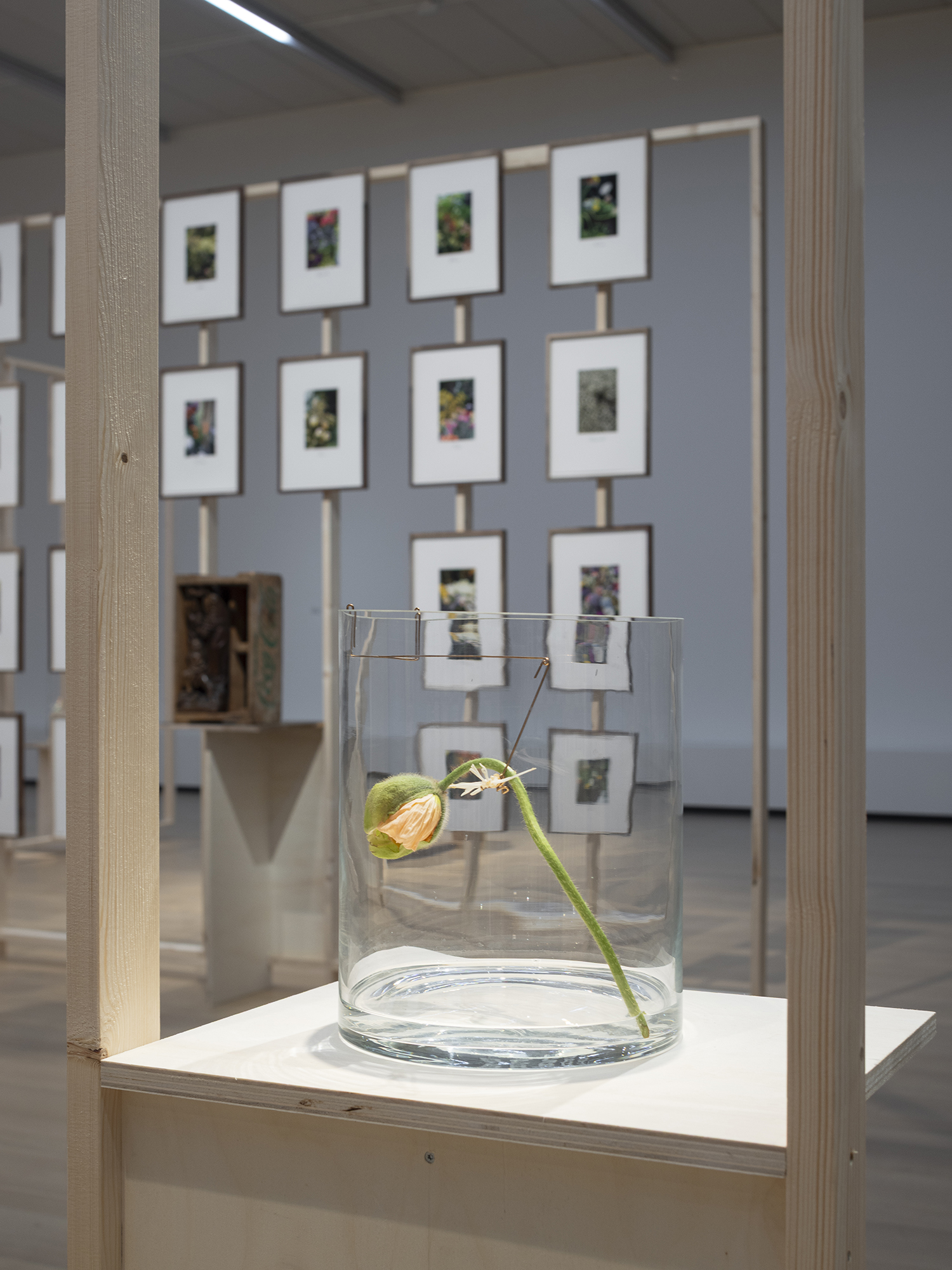
Installation view Danh Vo — πνεῦμα (Ἔλισσα), 2026. Stedelijk Museum Amsterdam. Photo: Peter Tijhuis
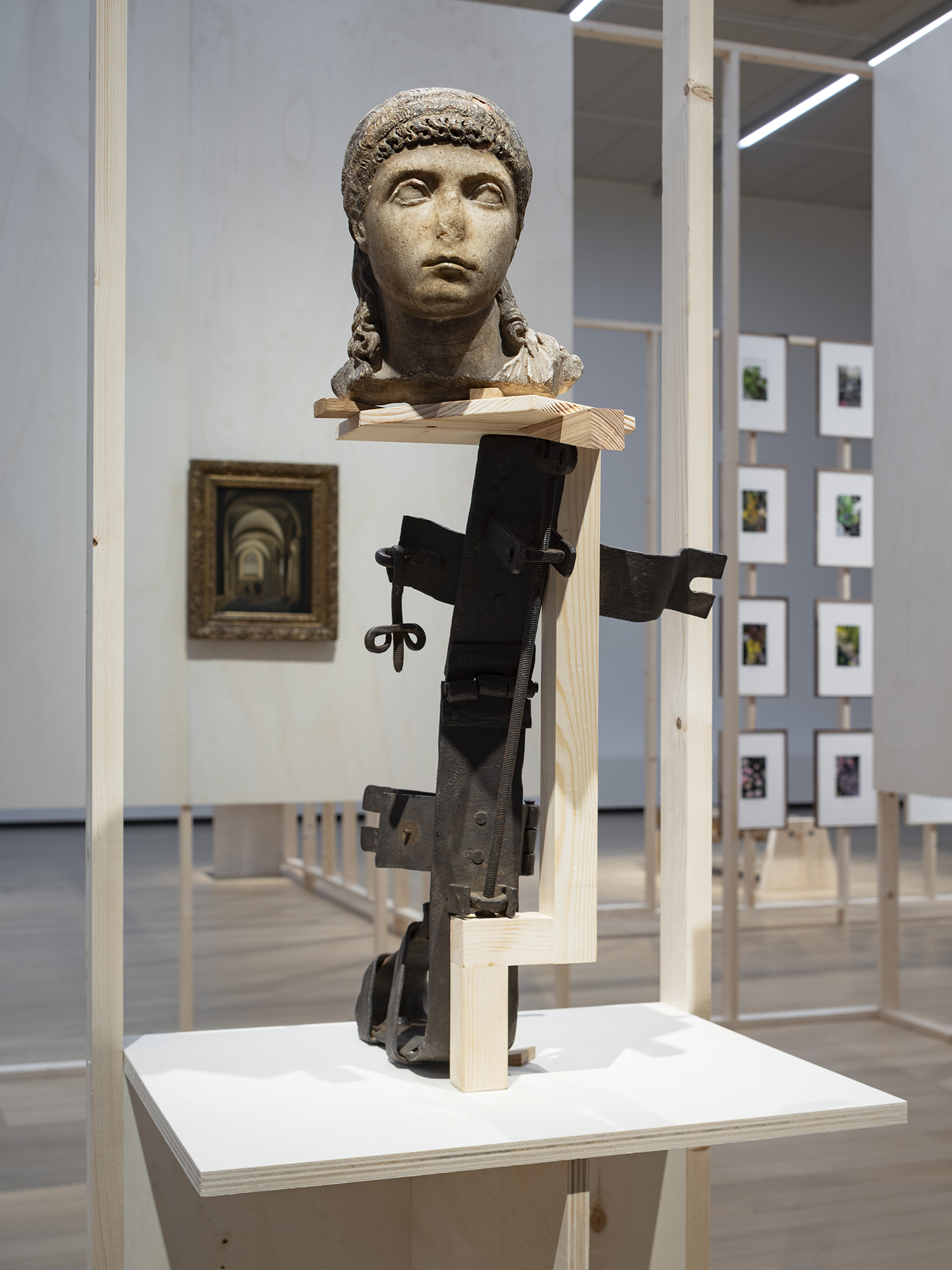
Installation view Danh Vo — πνεῦμα (Ἔλισσα), 2026. Stedelijk Museum Amsterdam. Photo: Peter Tijhuis
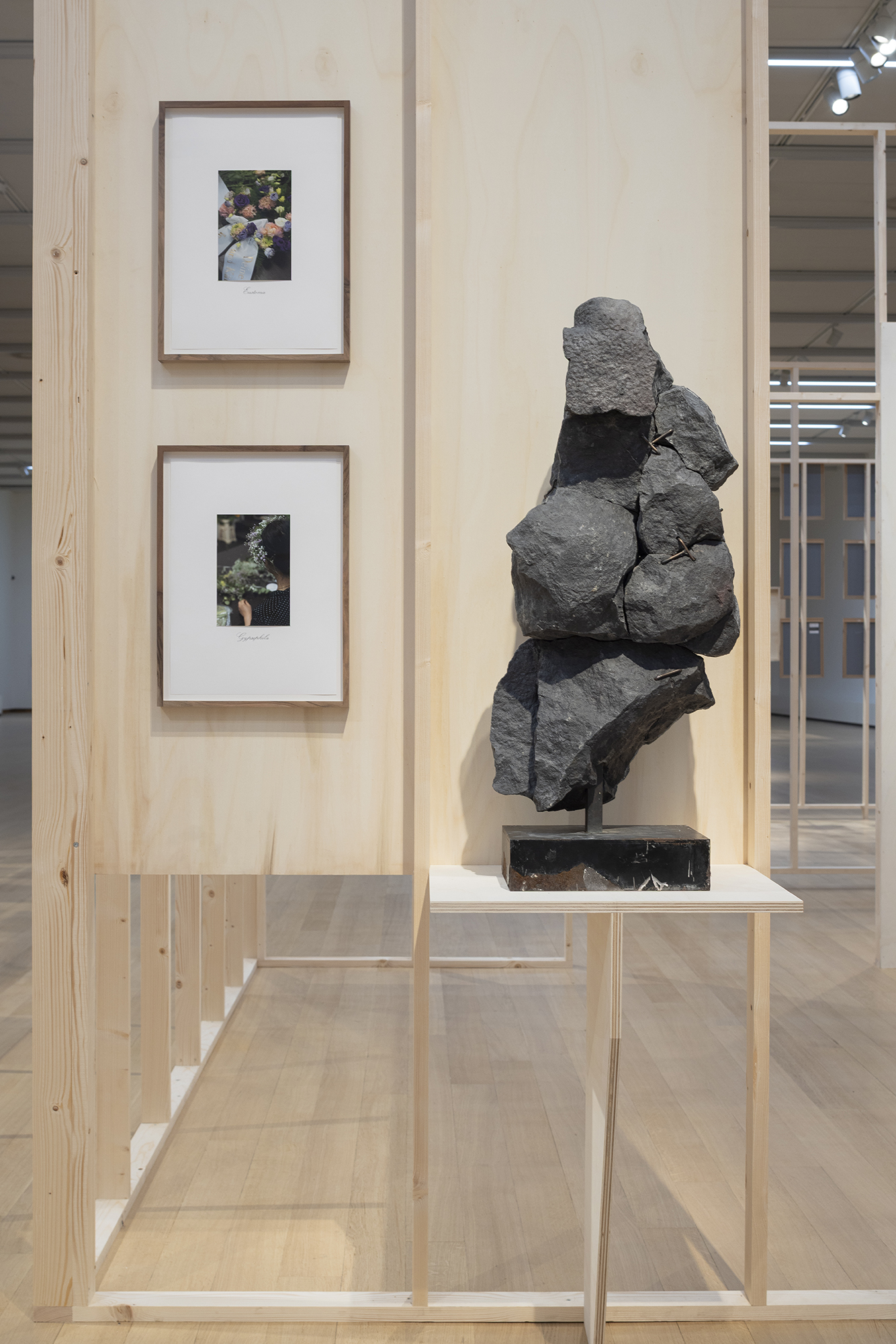
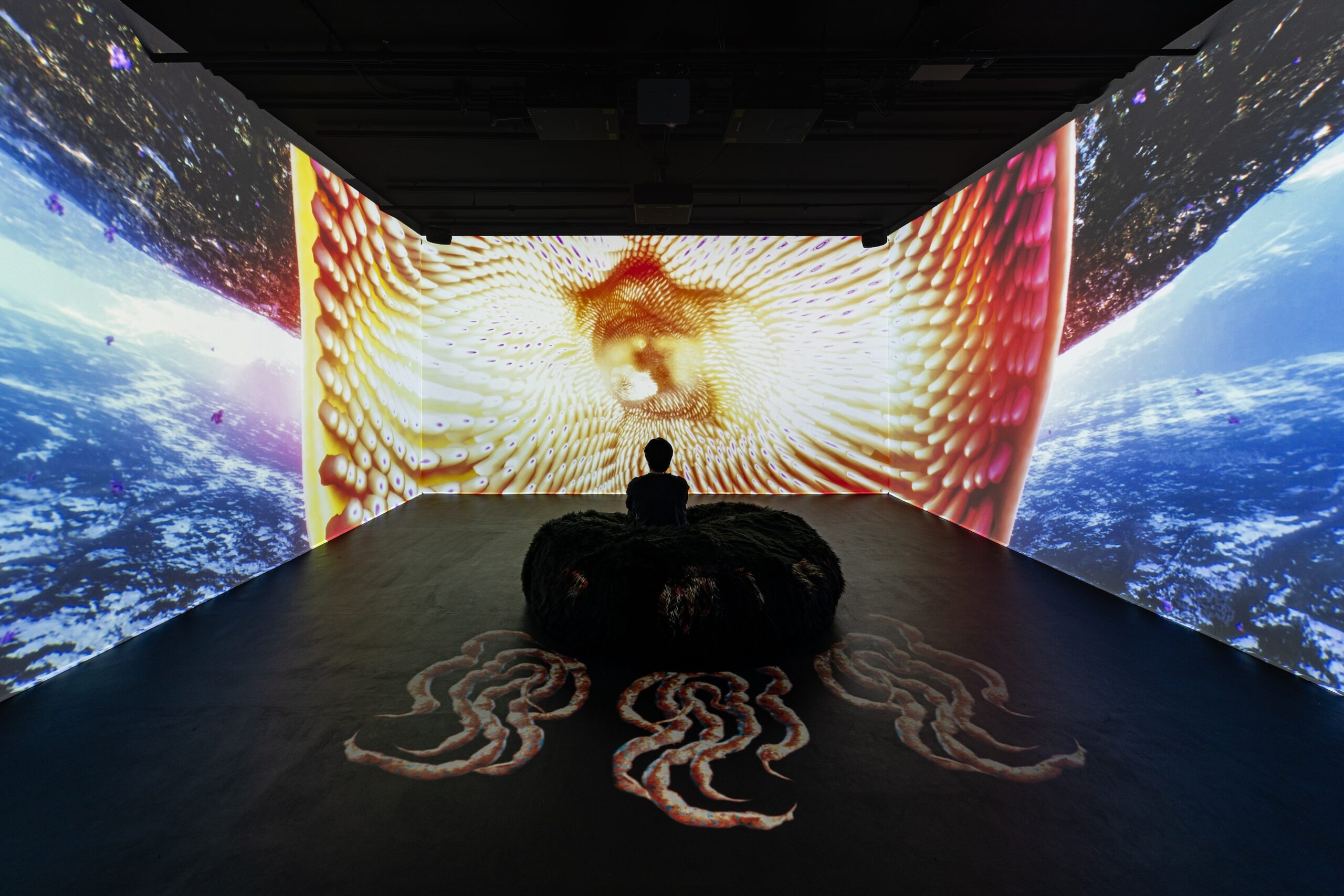
Installation view Danh Vo — πνεῦμα (Ἔλισσα), 2026. Stedelijk Museum Amsterdam. Photo: Peter Tijhuis
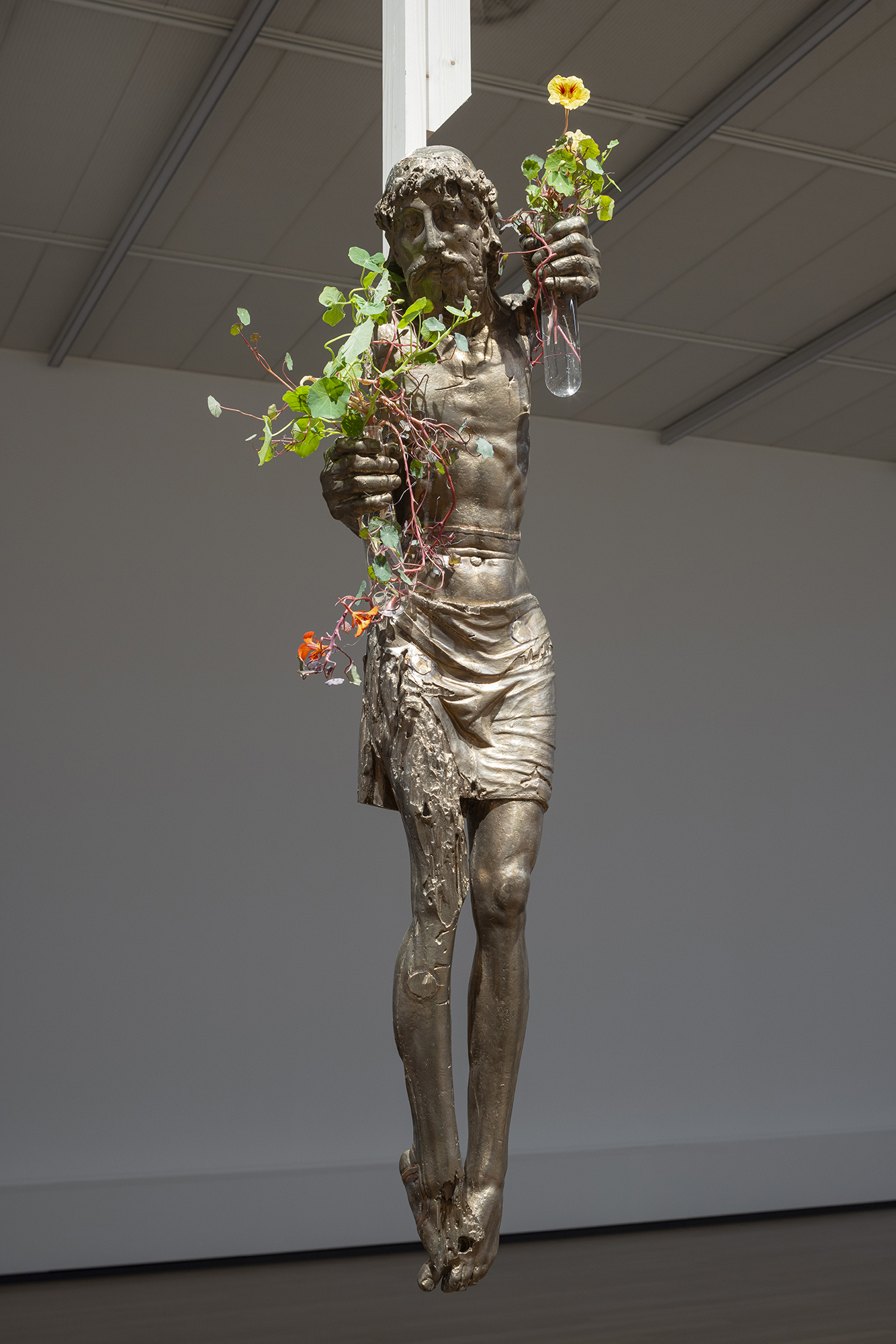
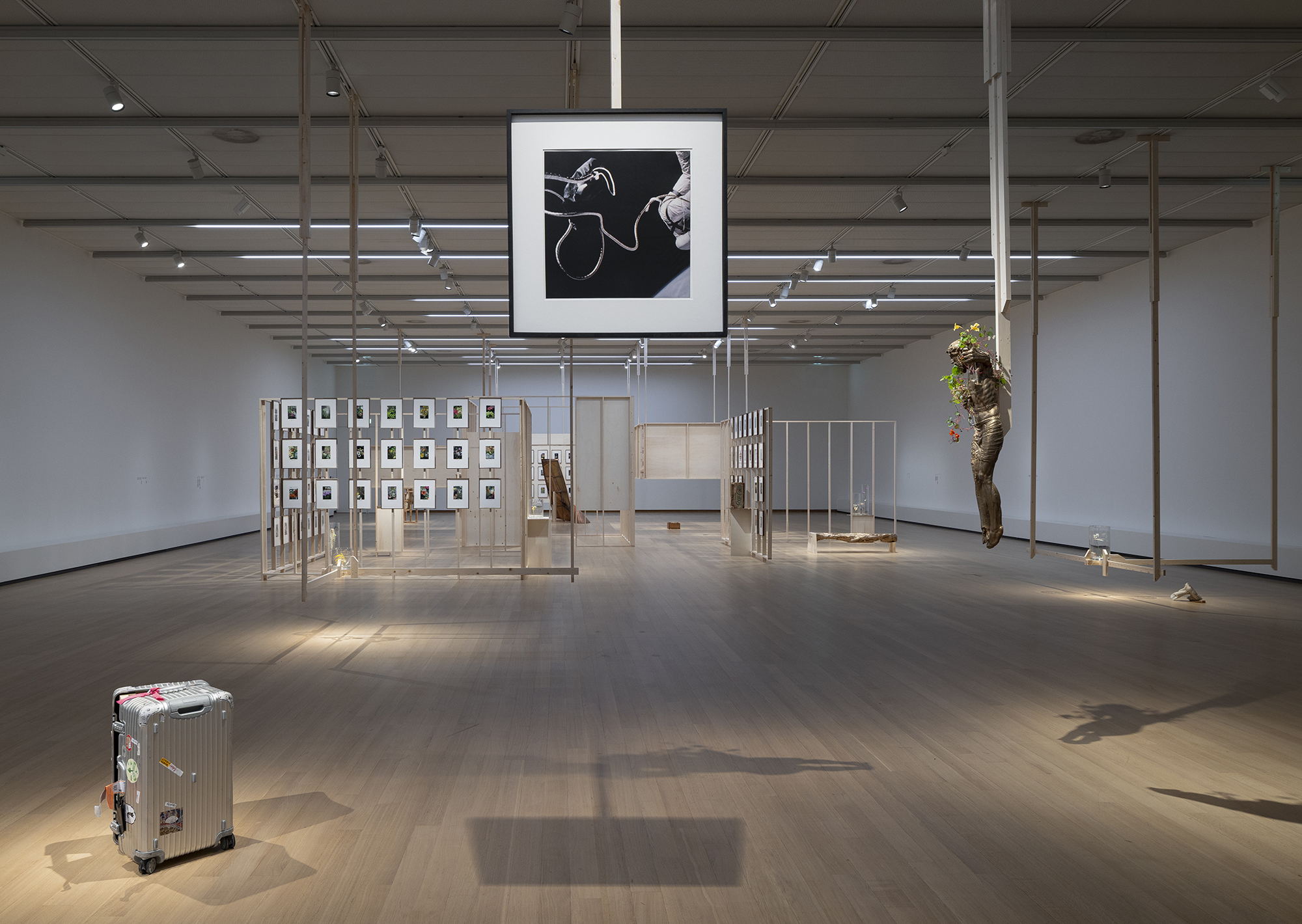
Installation view Danh Vo — πνεῦμα (Ἔλισσα), 2026. Stedelijk Museum Amsterdam. Photo: Peter Tijhuis