Fata Morgana: memorie dall’invisibile
Fondazione Nicola Trussardi
October 9, 2025 – January 4, 2026
Review by Annalisa Inzana
The first time (and there have been several) I entered the exhibition Fata Morgana: memorie dall’invisibile [Fata Morgana: Memories from the Invisible] – curated by Massimiliano Gioni, Daniel Birnbaum, and Marta Papini, conceived and produced by Fondazione Nicola Trussardi for Palazzo Morando in Milan –, I thought a lot about a 2008 TED Talk given by American neuroscientist Jill Bolte Taylor, who in 1996 was able to directly observe her brain functions freeze because of a stroke.
Why did I think of her? Because, looking at many of the works on display – from Jacob Mohr’s haunted drawings to Johanna Natalie Wintsch’s embroideries, from Annie Besant’s “thought forms” to Augustin Lesage’s monumental, kaleidoscopic canvases – I couldn’t help but think that this was something I couldn’t understand because I had never experienced anything like it.
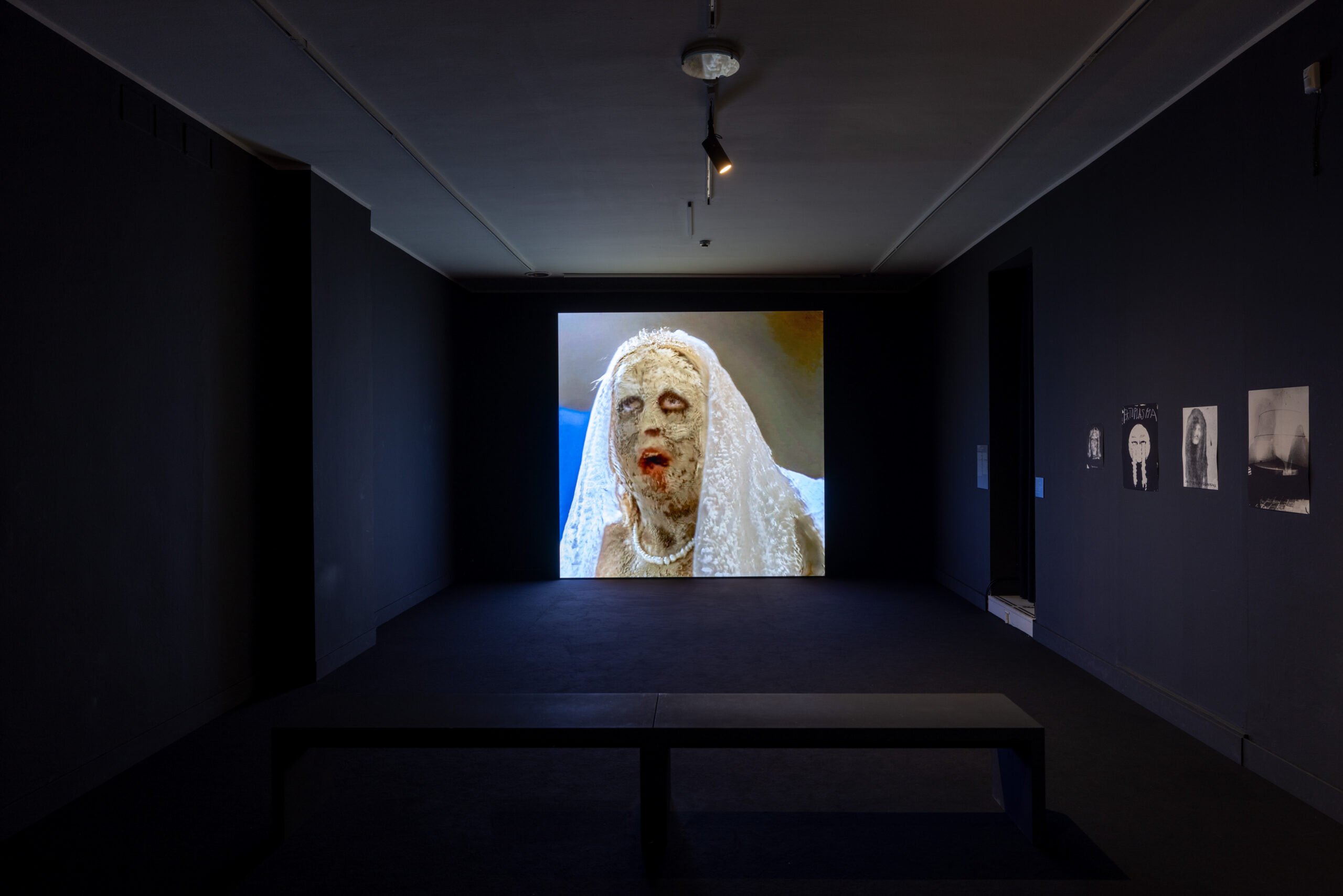
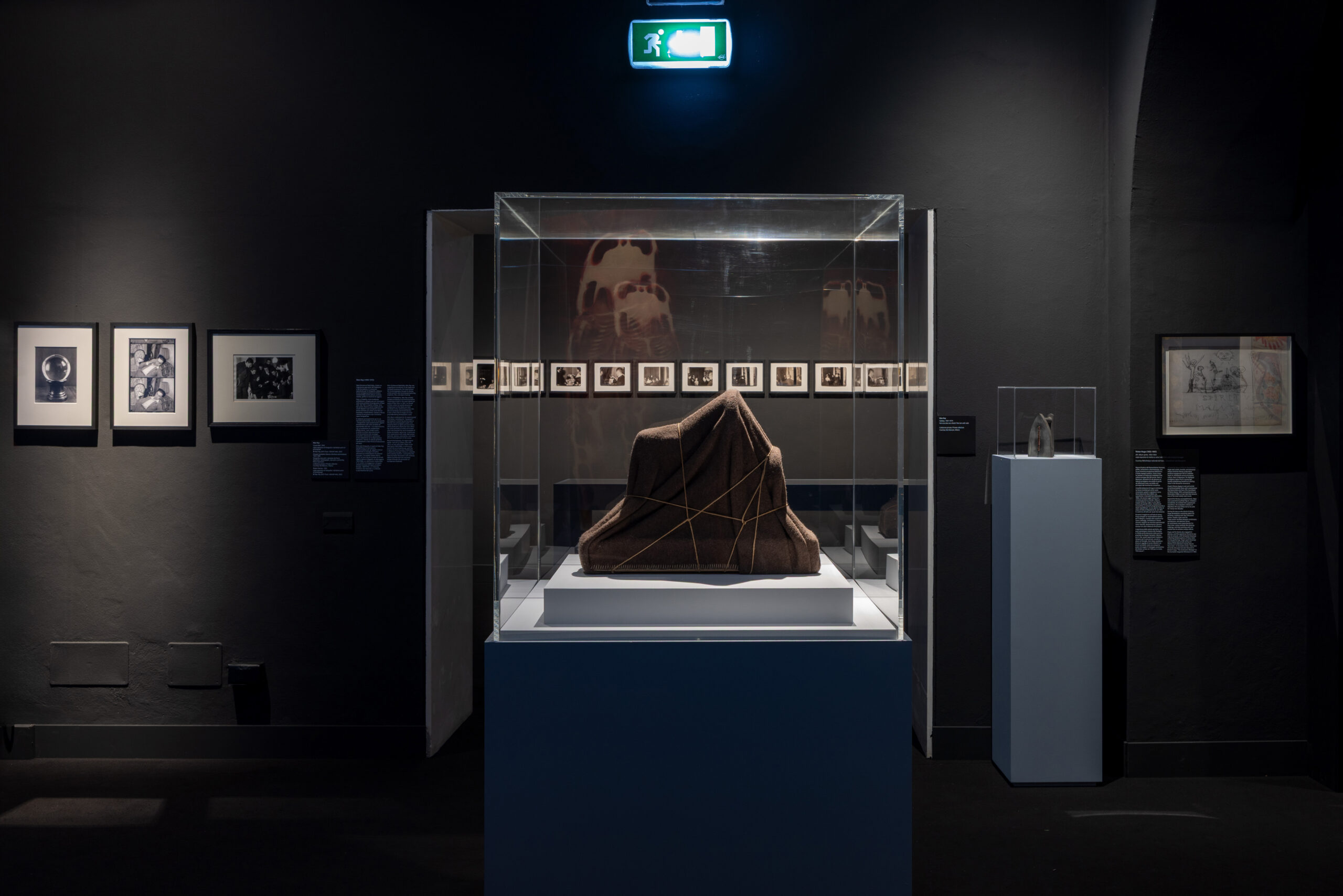
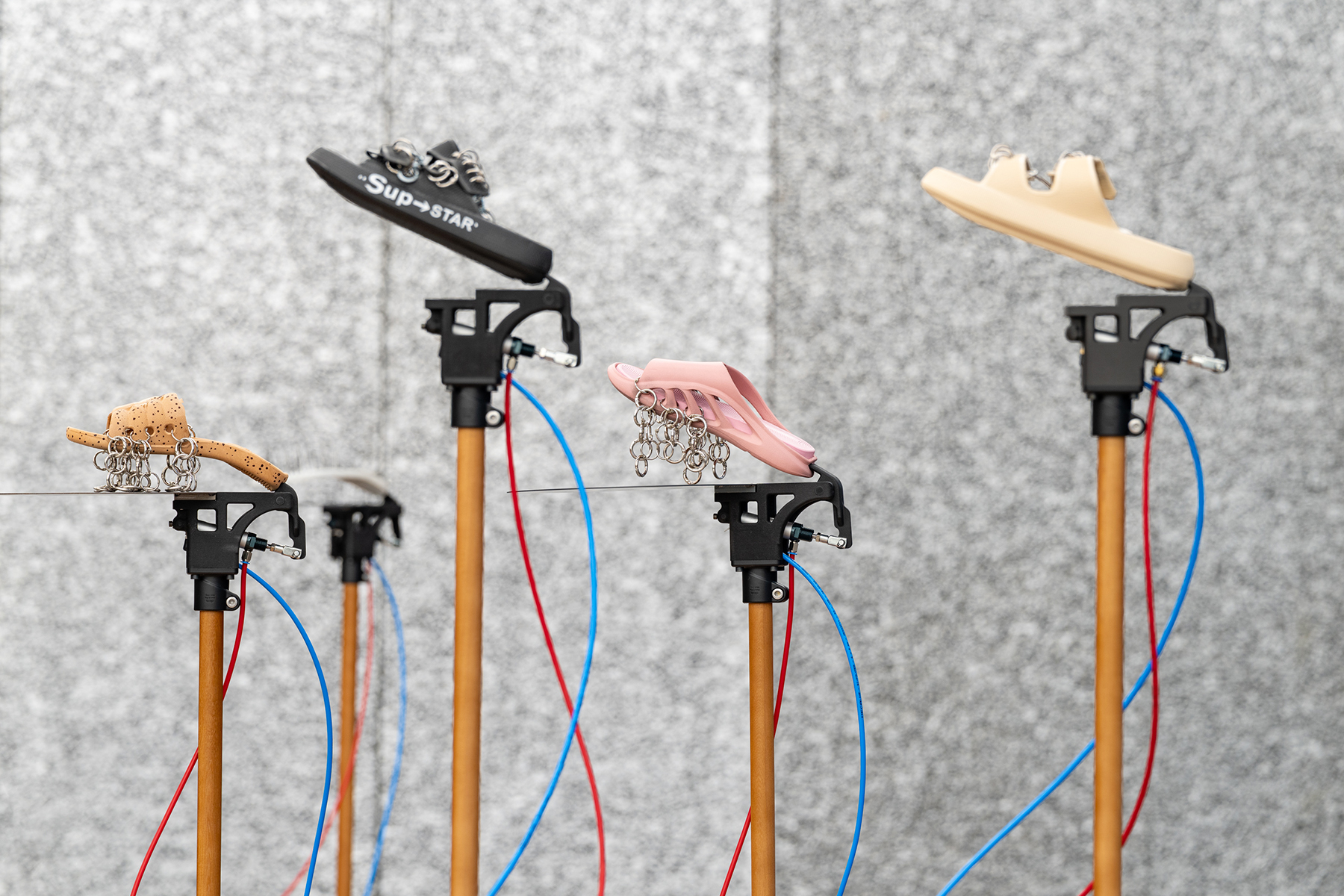
The over 250 works on display, including paintings, photographs, films, documents, drawings, sculptures and ritual objects, created by 78 people including mediums, mystics, visionaries, and contemporary artists, are responses to experience, responses that a rational mind – or, as Dr. Taylor would say, our left hemisphere, the one that categorizes and analyzes the world based on experience and language – cannot grasp. The fact that many of the artists on exhibition had spent their lives in psychiatric hospitals further proves the inability, past yet still enduring, to accommodate neurodivergent responses to the experience of reality, or even to consider worthy of attention attempts to open a gap between reality and invisible dimensions.
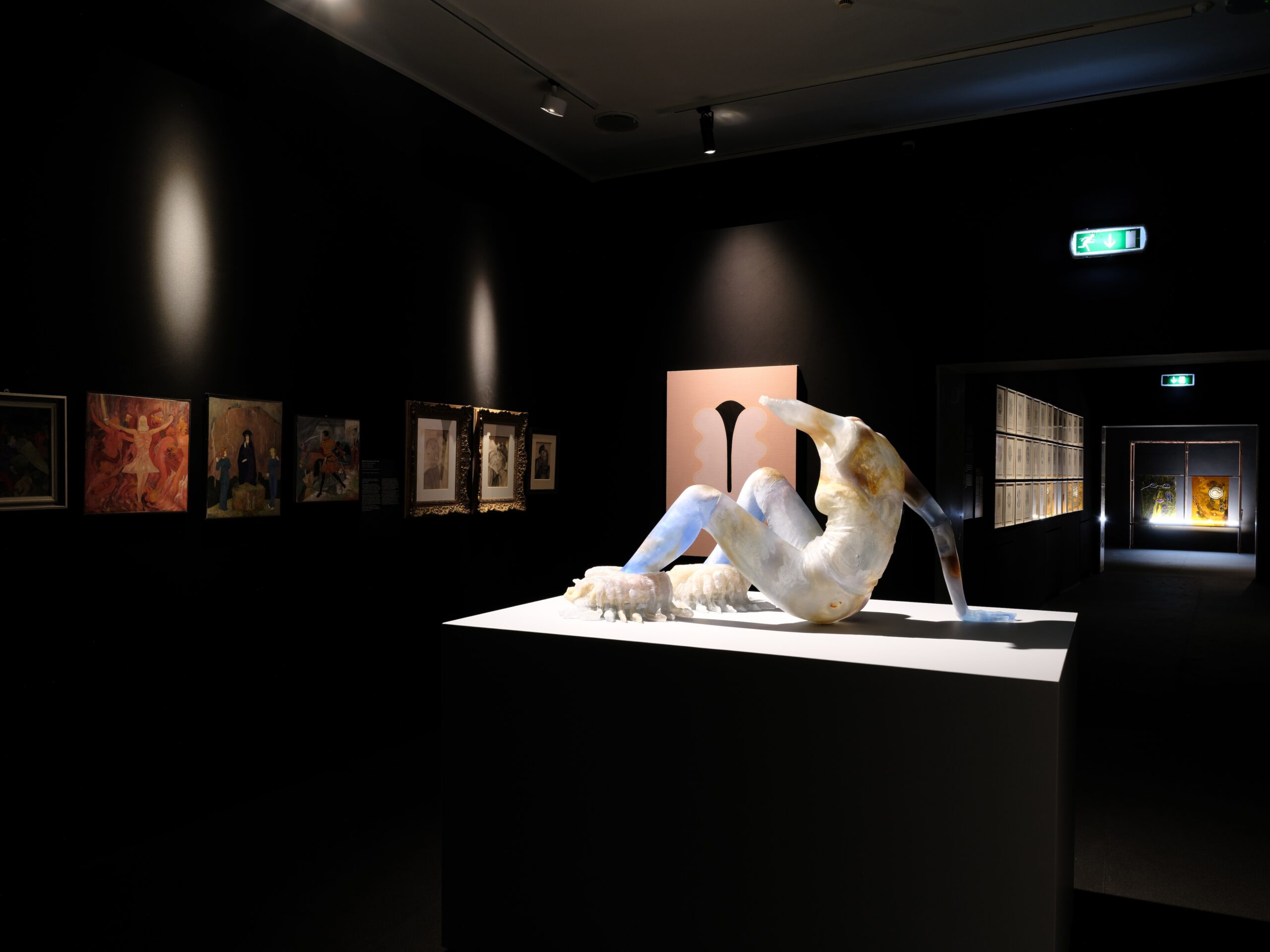
For the father of Surrealism, André Breton – who in 1940 wrote the poem Fata Morgana, which inspired this very exhibition and in which he evoked an elsewhere between visible and invisible, dream and reality, with blurred boundaries –, all these artists, many unknown, self-taught, often marginalized, keen on mediumistic practices, able of connecting to forces beyond conscious control, were the purest form of Surrealist expression.
With the exhibition Fata Morgana: memorie dall’invisibile, the curators wanted to pay homage not only to an expanded vision of art that, transcending all boundaries – historical, geographical, curatorial – goes beyond the traditional way of categorizing the world. They also wanted to pay homage to all those artists who have attempted to open that very gap between reality and invisible dimensions, infusing the arts with mysticism, the paranormal, spiritualism, esotericism, theosophy, and symbolism, showing how these practices (at best considered eccentric) have been able to redefine the role of art in society, undermining its conventions. After all, these practices have always reflected collective anxieties and desires, and sought answers in those mysteries where science or rational thought seemed lost. Answers we seek and will keep on seeking.
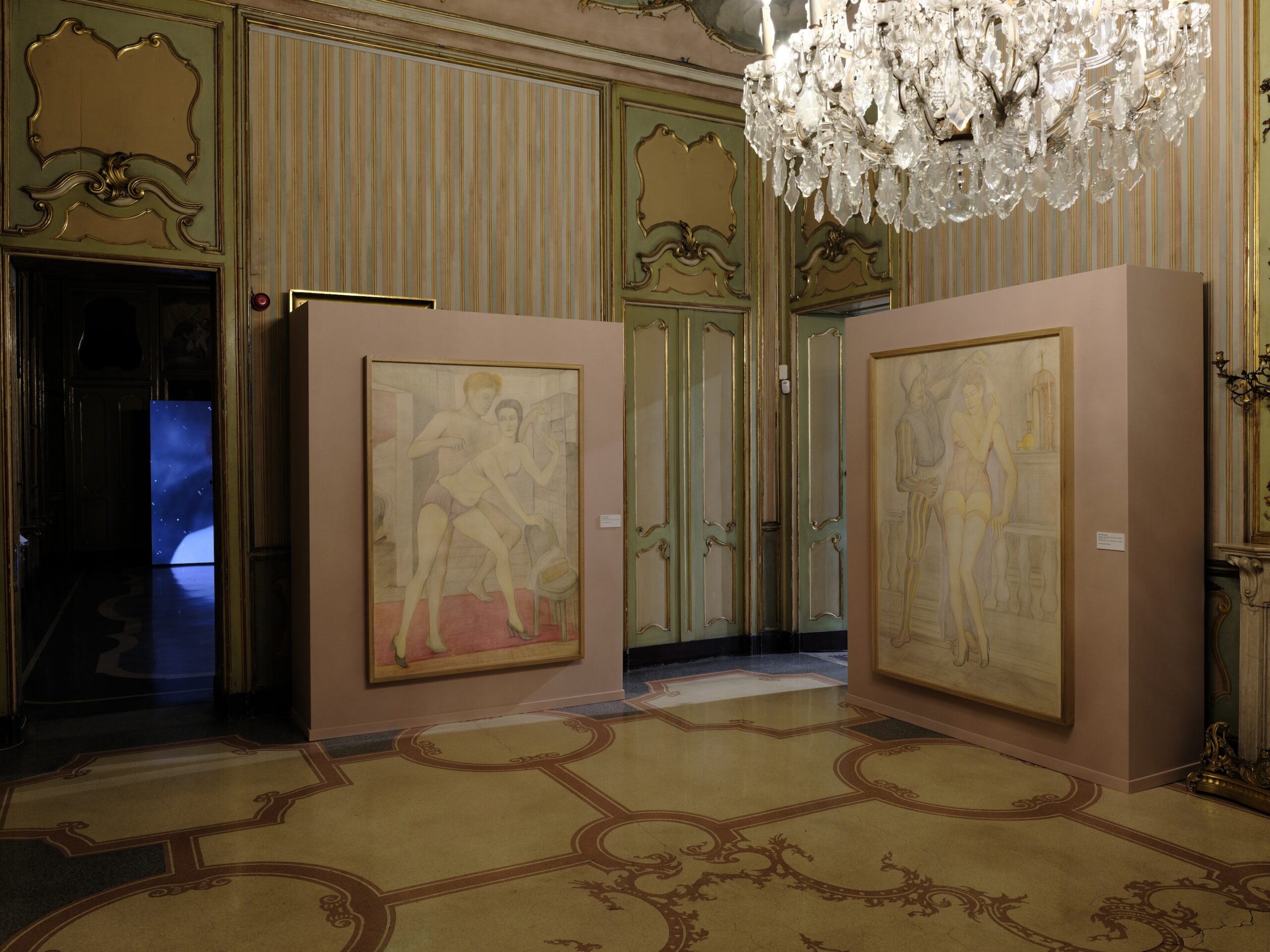


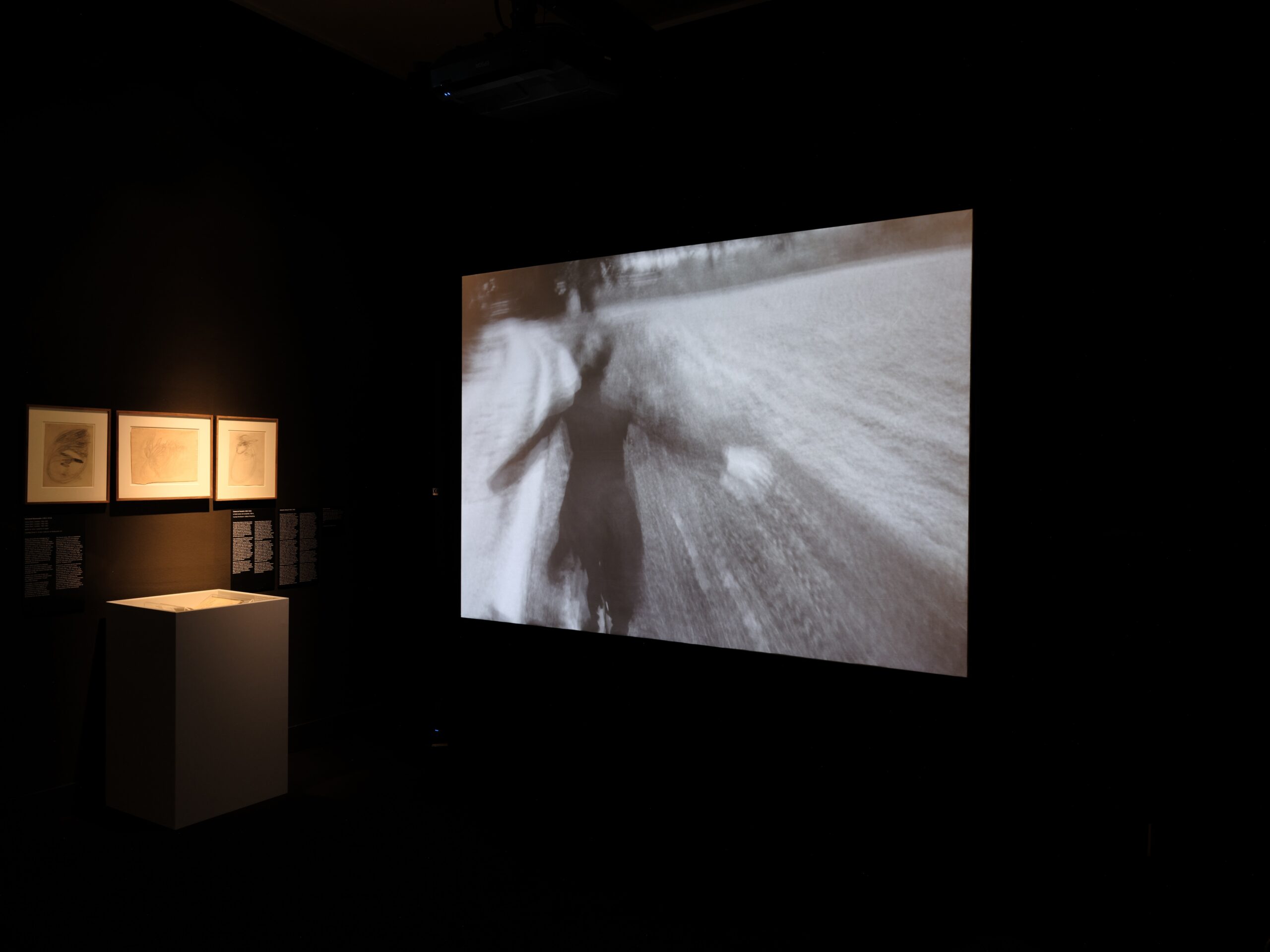
From works by Hilma af Klint, which the artist considers a visual transcription of otherworldly messages, to watercolors by Georgiana Houghton created thanks to spirit guides, and the geometric diagrams by Swiss healer Emma Kunz; to the experimental films of Maya Deren, the surrealist photographs of Man Ray and Lee Miller, the esoteric and monumental paintings of Kerstin Brätsch, Marianna Simnett’s explorations of trance, Andra Ursuţa’s photographic apparitions, and Diego Marcon’s exposed psychologies, to name just a few, Fata Morgana: memorie dall’invisibile shows how the allure of the invisible has played and keeps playing a central role in artistic practice. If, as Marcel Duchamp said, “art is an outlet to regions which are not ruled by time and space,” this exhibition allows us to have this experience, ‘taking us on a trip’ where our rational thought – our left hemisphere – would never take us.
When that morning in 1996 Jill Bolte Taylor lost access to her left hemisphere and entered into a deep connection with her right one, she used these words: “At first I was shocked to find myself inside a silent mind. But then I was immediately fascinated by the grandness of the energy around me. And because I could no longer identify the boundaries of my body, I felt huge and expanding. I felt at one with all the energy there was, and it was beautiful.” Breton would have liked this.
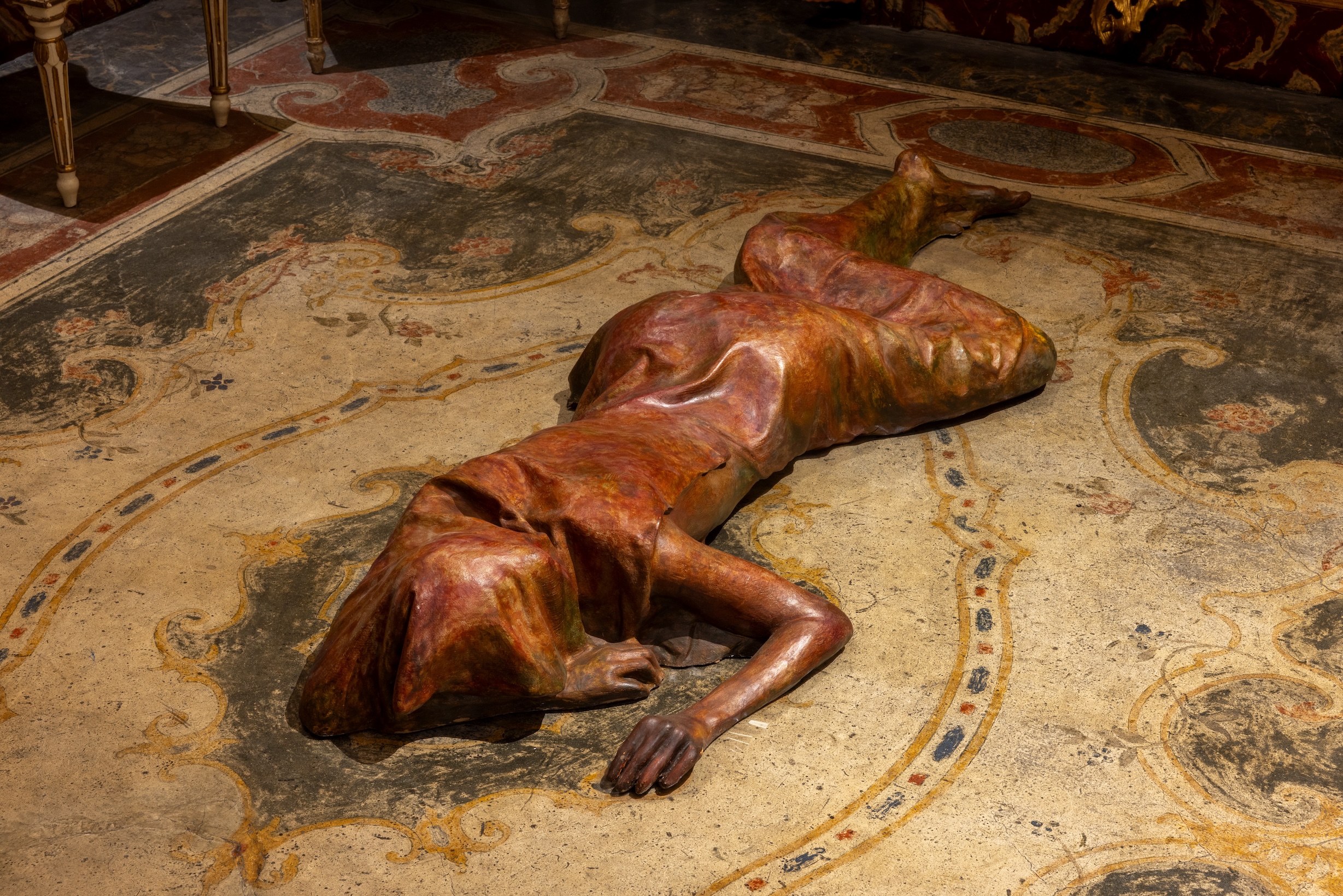
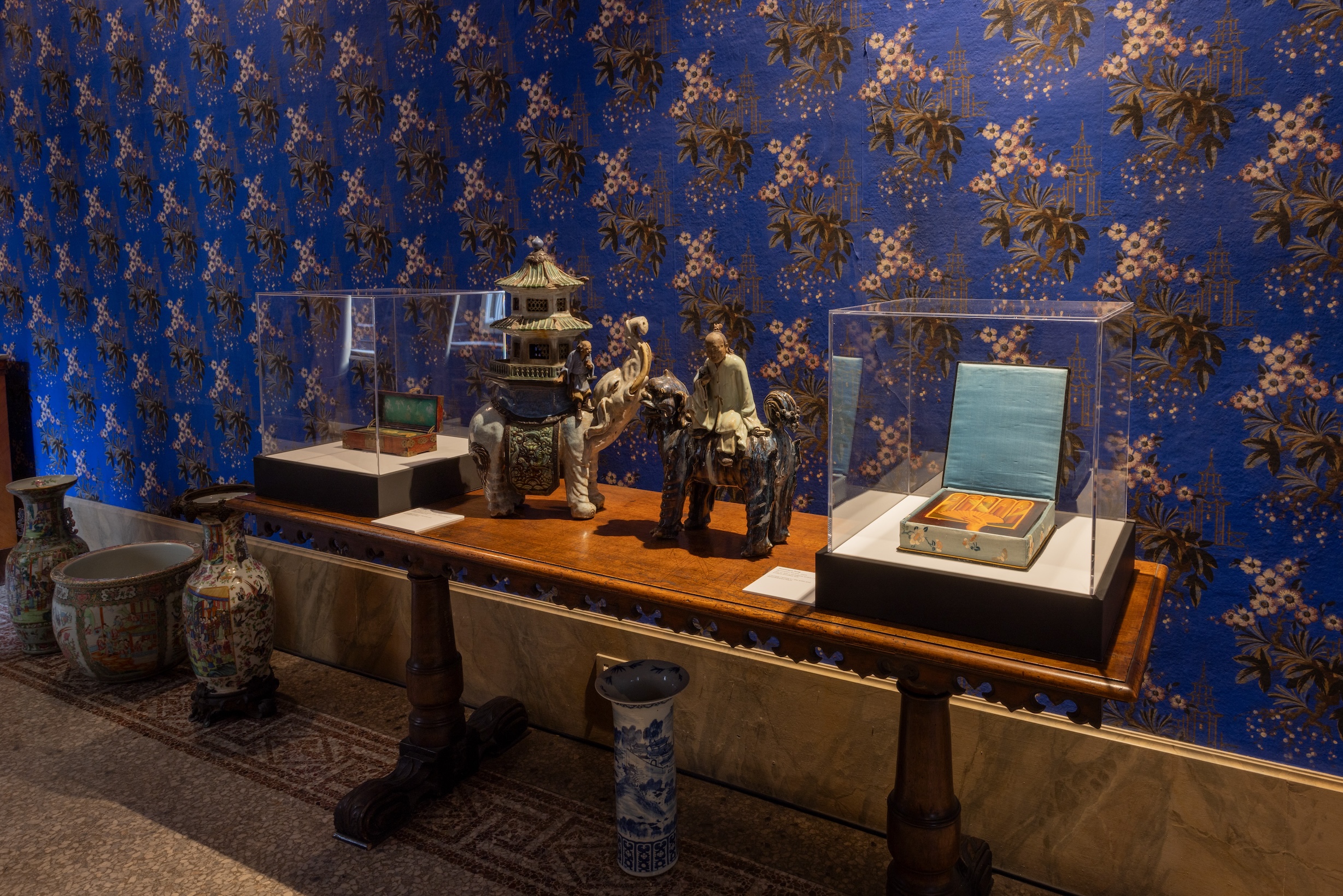
Fata Morgana: memorie dall’invisibile
curated by Massimiliano Gioni, Daniel Birnbaum and Marta Papini
Fondazione Nicola Trussardi
October 9, 2025 – January 4, 2026
Photos: Fata Morgana: memorie dall’invisibile, 2025.
Installation views of the exhibition conceived and produced by the Fondazione Nicola Trussardi for Palazzo Morando | Costume Moda Immagine
Courtesy Fondazione Nicola Trussardi.
Photos by Marco De Scalzi and Roberto Marossi