Extrasensory
Kulturstiftung Basel H. Geiger | KBH.G
Curated by Samuel Leuenberger
Review by Eleonora Milani
In one of the most frequently cited passages of his reflections on perception, Andrea Pinotti evokes the image of the eagle to describe a form of vision that does not belong to the human: a perception that hovers above the world, grasping its totality and anticipating relations and configurations invisible from the ground. The eagle is the animal that sees farthest, that perceives what cannot be seen from below, that apprehends relations, movements, and configurations that escape the human gaze. For Pinotti, the eagle is an epistemic image in the sense that it represents an exceeding, environmental form of perception—one that does not observe a specific object but immerses itself in the perceptual field. I returned to this metaphor while watching PsyFi\* (2026) by Chloe Wise, repeatedly drawn to her alien-chic gaze, vaguely reminiscent of Demna-era Balenciaga.
This association is not necessarily obvious or universally persuasive, yet something in that gaze unexpectedly coincides with Pinotti’s eagle. It is essential to reiterate that perception is never a neutral act: it is always a position, an embodied point of view. The eagle sees differently because it inhabits the world’s visibility differently. Radicalizing this association between alien and aquiline vision, one might say that perception, in general, is a flight across a field. This holds true for much of the aesthetics developed in the 2010s, and especially for an artist like Chloe Wise, whose practice moves across painting, sculpture, video, and installation with ease, navigating irony, hyper-stylization, and a sharp reading of contemporary visual culture. Wise first gained recognition with her celebrated bread bags, trompe-l’oeil sculptures that transform bread and baked goods into luxury accessories—a satire of consumption and brand fetishization. From this pop-material phase, her research evolved toward a more complex figurative painting: portraits of friends and muses, saturated still lifes, and consumer objects that become symbolic devices for interrogating the construction of identity, the performativity of desire, and the aesthetics of wellness and lifestyle.
Her work, often played on the porosity between image and subjectivity, between fiction and materiality, destabilizes the polished surface of contemporary visual culture, oscillating between parody and technical rigor. This trajectory has consolidated Wise’s aesthetic as one of the most recognizable in contemporary figuration, capable of combining virality with formal complexity, albeit with some tension toward the “Instagram‑friendly” aesthetic that informs her production.
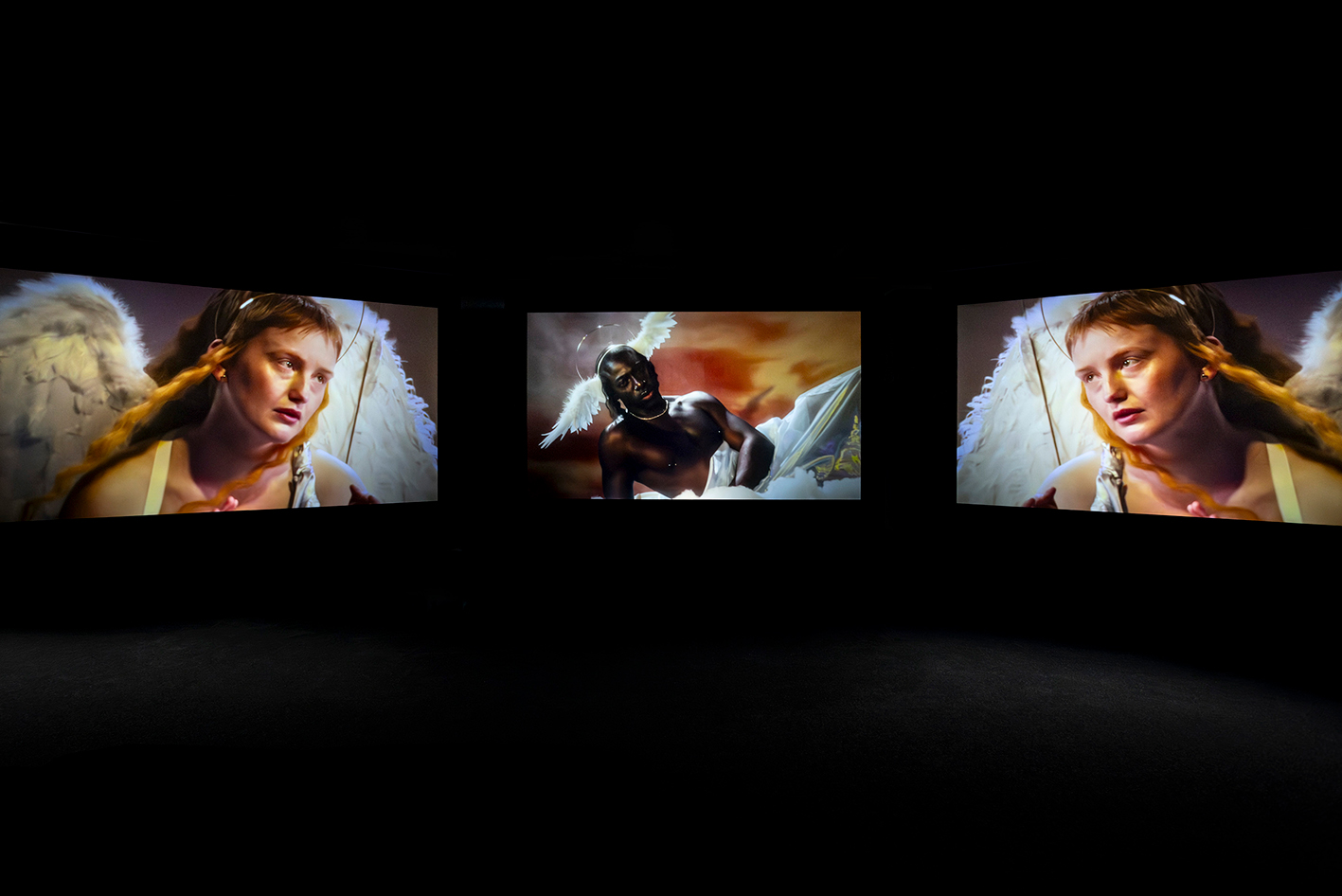
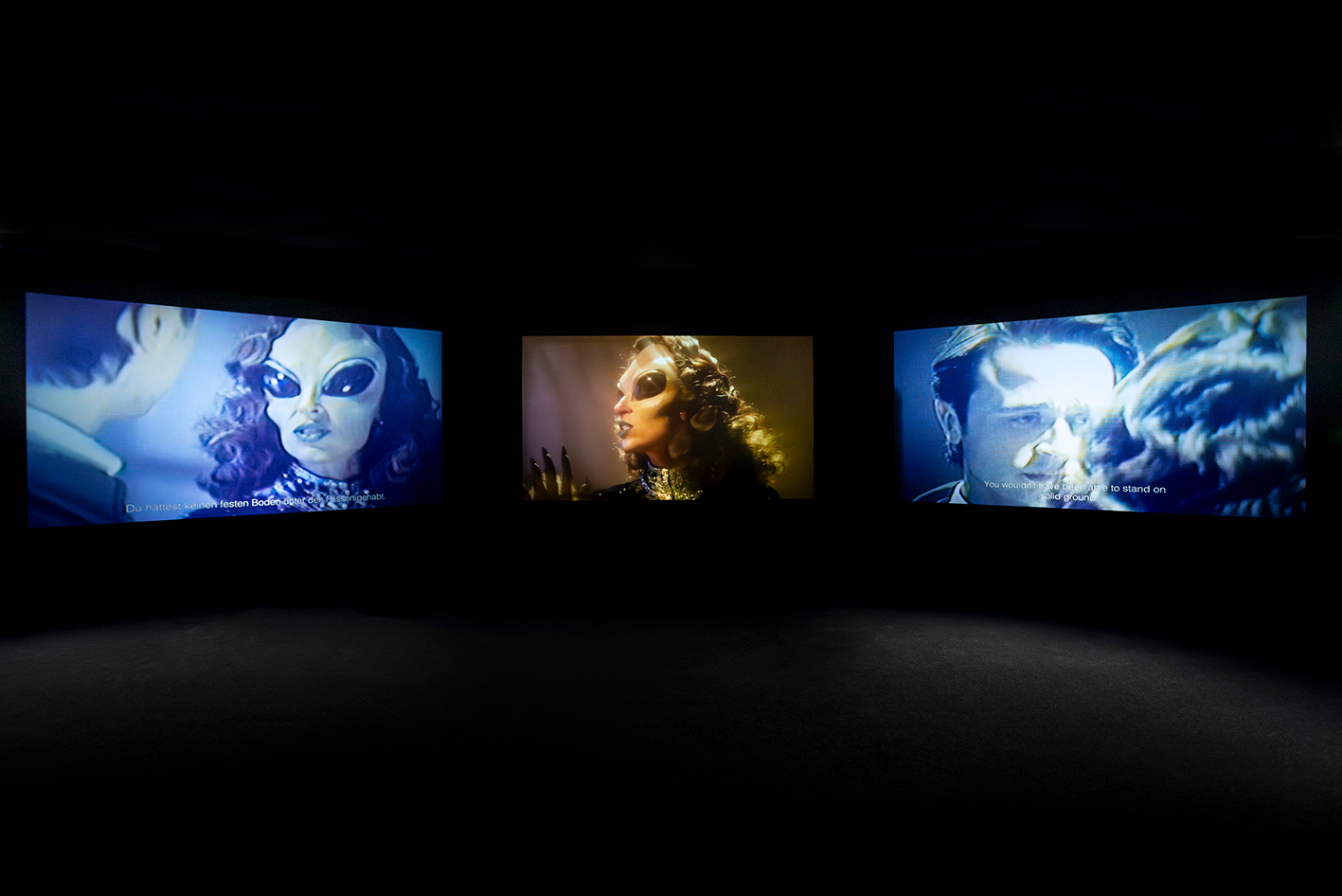
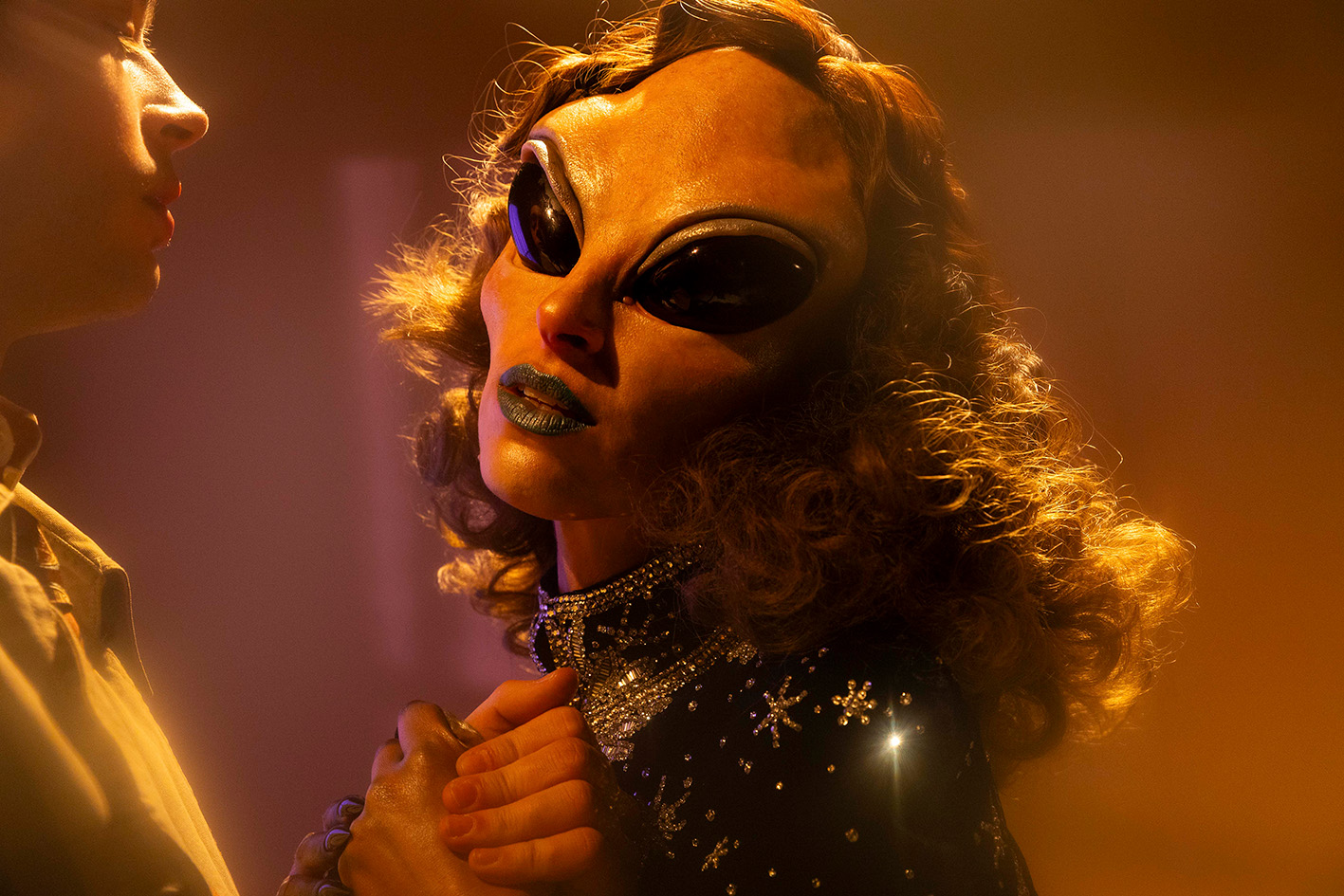
Filmshot from PsyFi*, Extrasensory – Chloe Wise, Kulturstiftung Basel H. Geiger, 2026
Photo: © Logan White
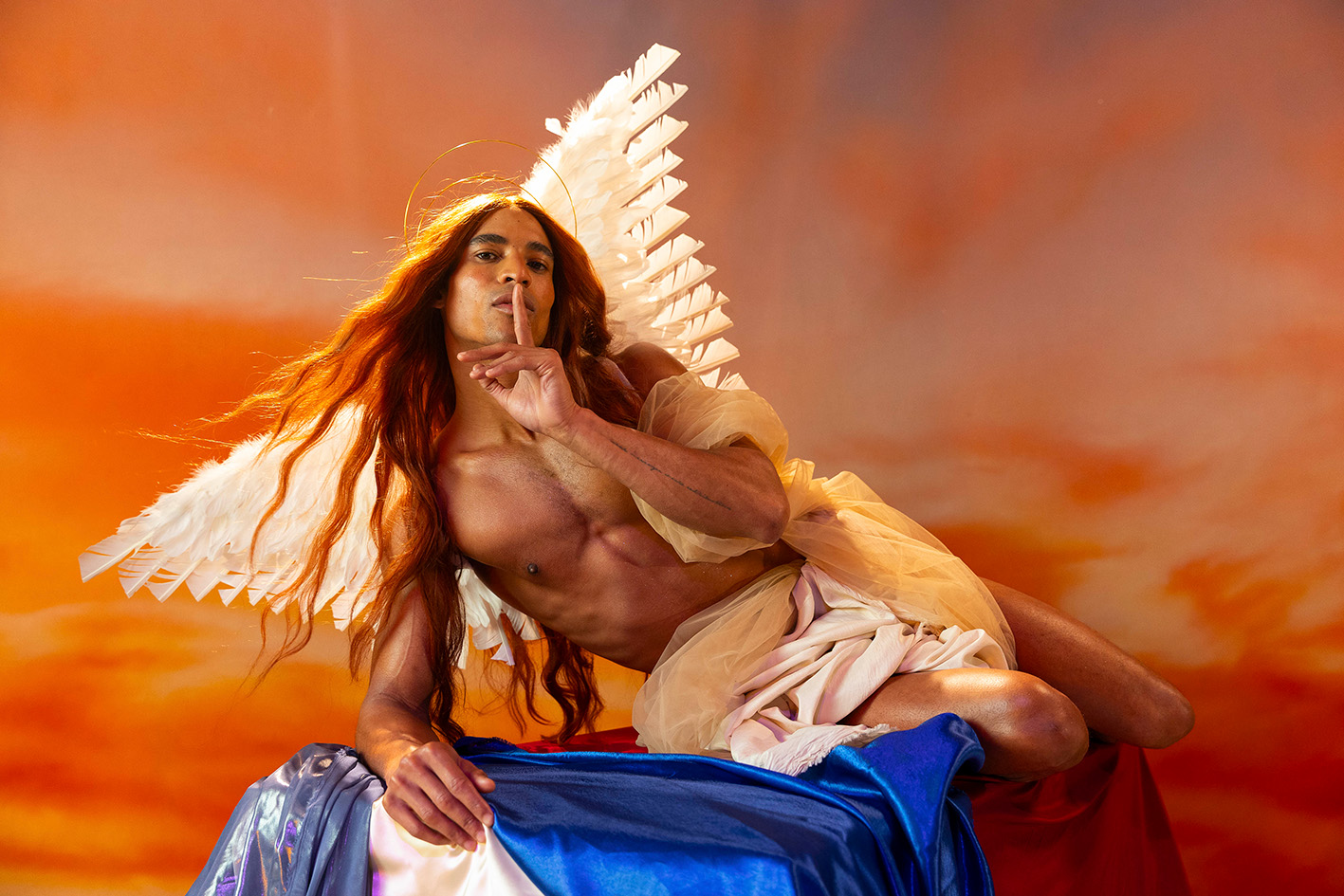
Filmshot from PsyFi*, Extrasensory – Chloe Wise, Kulturstiftung Basel H. Geiger, 2026
Photo: © Logan White
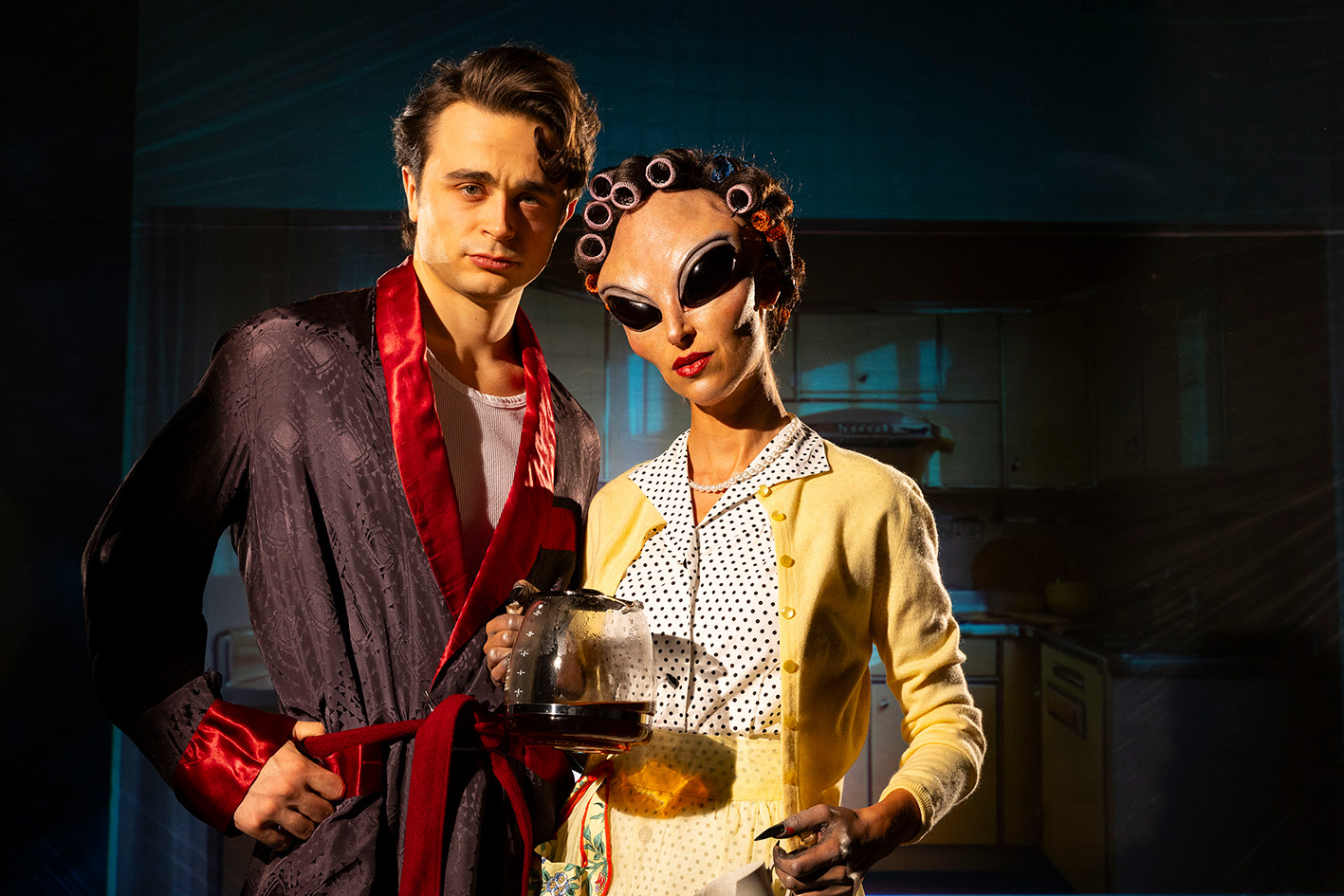
Filmshot from PsyFi*, Extrasensory – Chloe Wise, Kulturstiftung Basel H. Geiger, 2026
Photo: © Logan White
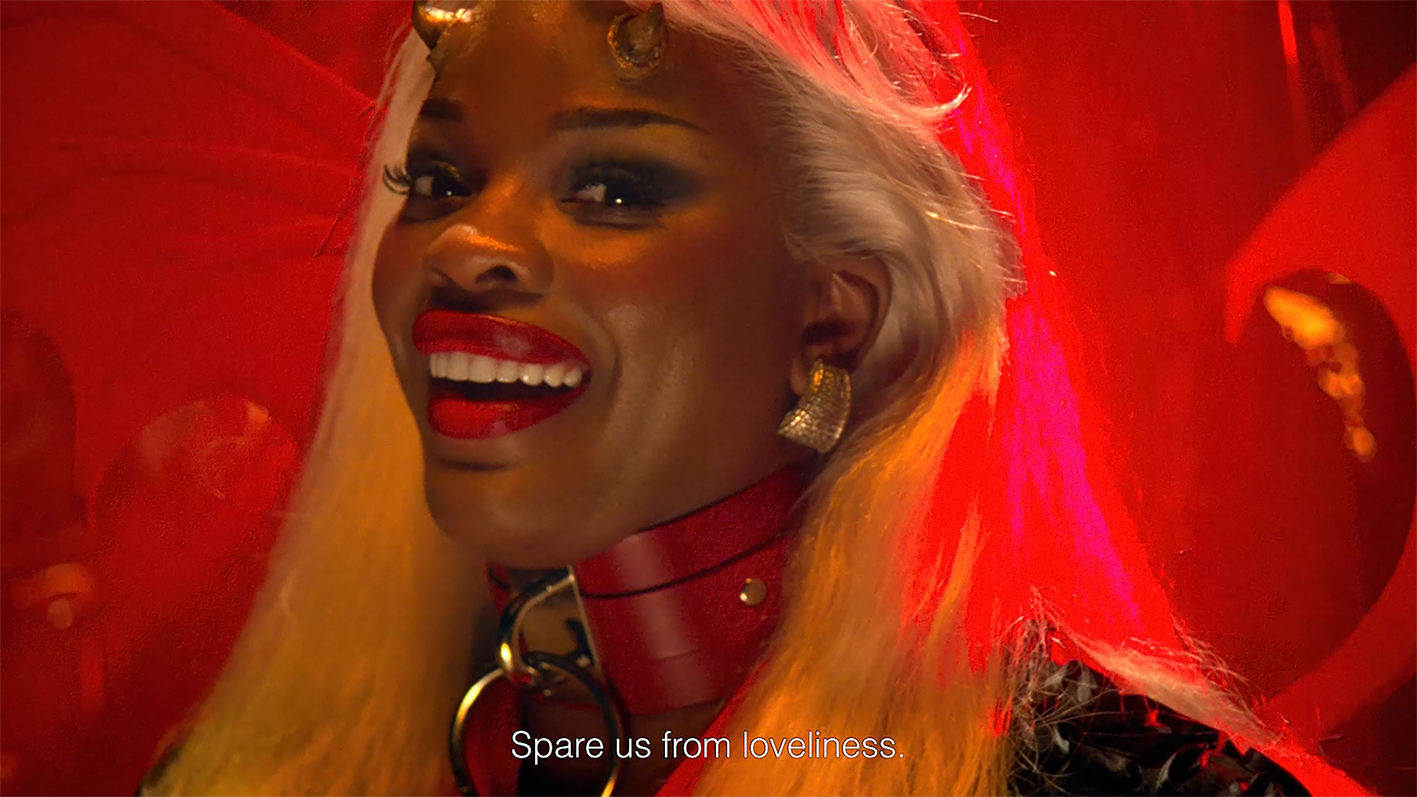
Filmshot from PsyFi*, Extrasensory – Chloe Wise, Kulturstiftung Basel H. Geiger, 2026
Photo: © Logan White
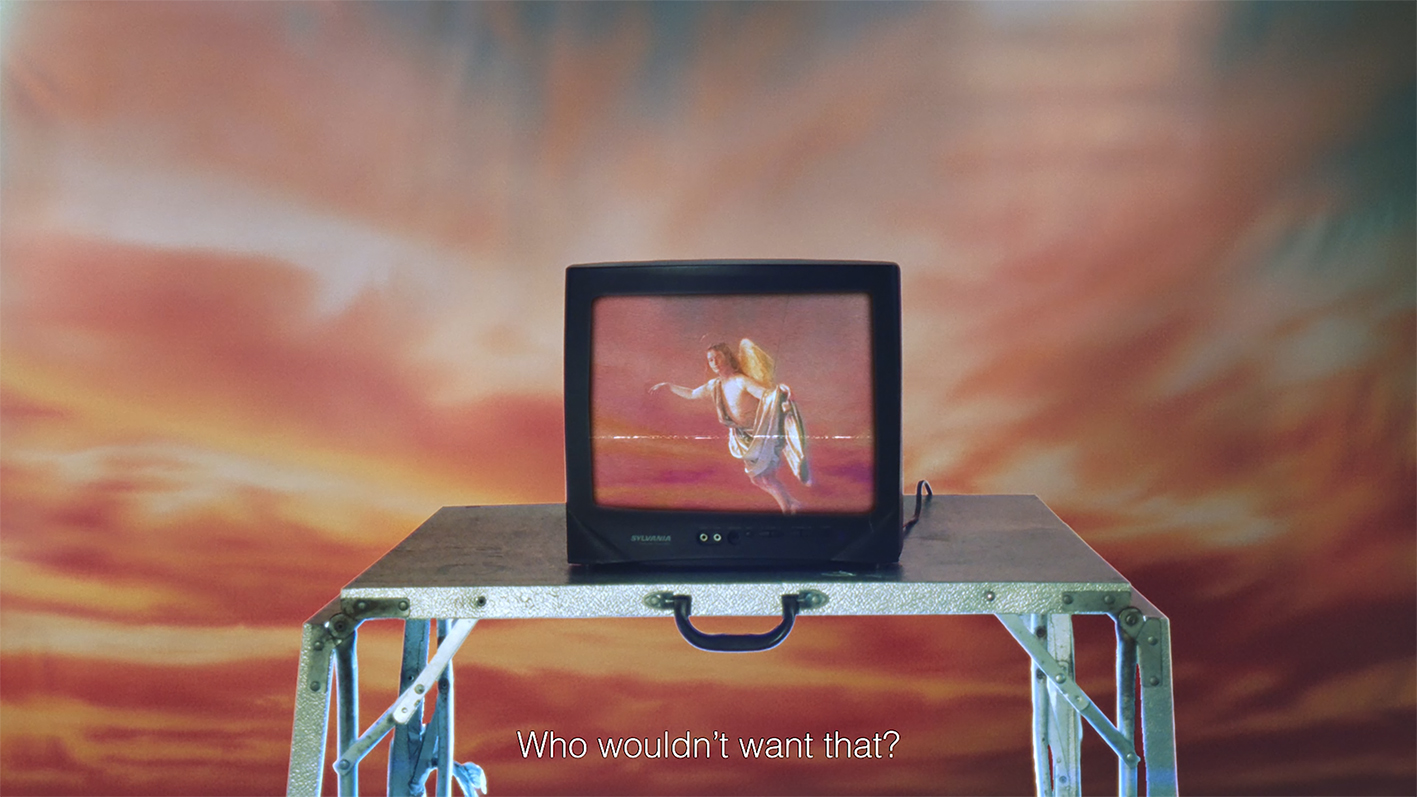
Filmshot from PsyFi*, Extrasensory – Chloe Wise, Kulturstiftung Basel H. Geiger, 2026
Photo: © Logan White
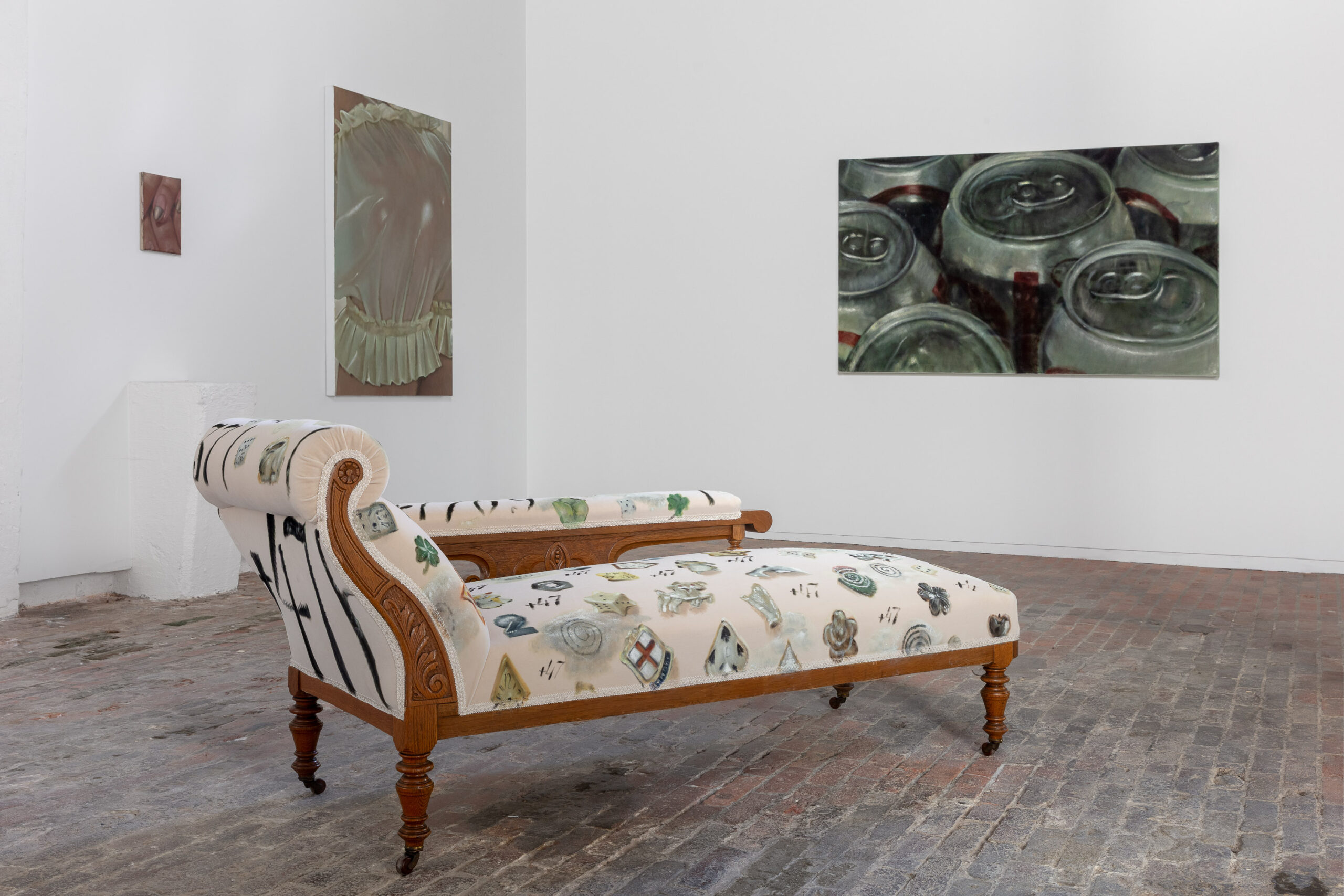
In the three-channel film PsyFi\*—written and directed by Chloe Wise and produced by GUMMY Films, and presented at the Kulturstiftung Basel H. Geiger as part of Extrasensory, her most ambitious European exhibition—the artist appears with alien eyes, a perceptual prosthesis that recalls Demna’s hyper-stylized aesthetic, in which eyewear is no longer an accessory but a device that alters facial perception and produces a posthuman, filtered, non-anthropocentric subject. This visual choice, seemingly pop, aligns closely with what Pinotti describes through the metaphor of the eagle: a perception that is neither terrestrial nor linear but environmental, capable of surveying the world as a field of forces rather than as a sequence of objects. If the eagle represents a perception that anticipates, connects, and synthesizes, Wise’s alien eyes materialize this modality: her vision in the film no longer belongs to the human but to the devices that surround it, to the prostheses that define contemporary perception. In this sense, the alien aesthetic—already read by critics as post-human eyewear or hyper-visibility aesthetics—is not a sci-fi flourish but a commentary on perception as a post-media condition: the subject sees through filters, media, technologies, wellness aesthetics, pop cosmologies, religious iconographies, and sci-fi tropes that saturate the contemporary iconosphere. Pinotti uses the term iconosphere to describe the field of images that construct the visible world, and expanded aesthetics to indicate that aesthetic experience is not confined to the artwork but distributed across the devices that make it possible—media, architectures, technologies, environments. Extrasensory is precisely this: an activatable environment, a perceptual device that predisposes the viewer to adopt an exceeding form of perception, capable of translating a world that cannot be decoded from an exclusively human point of view.
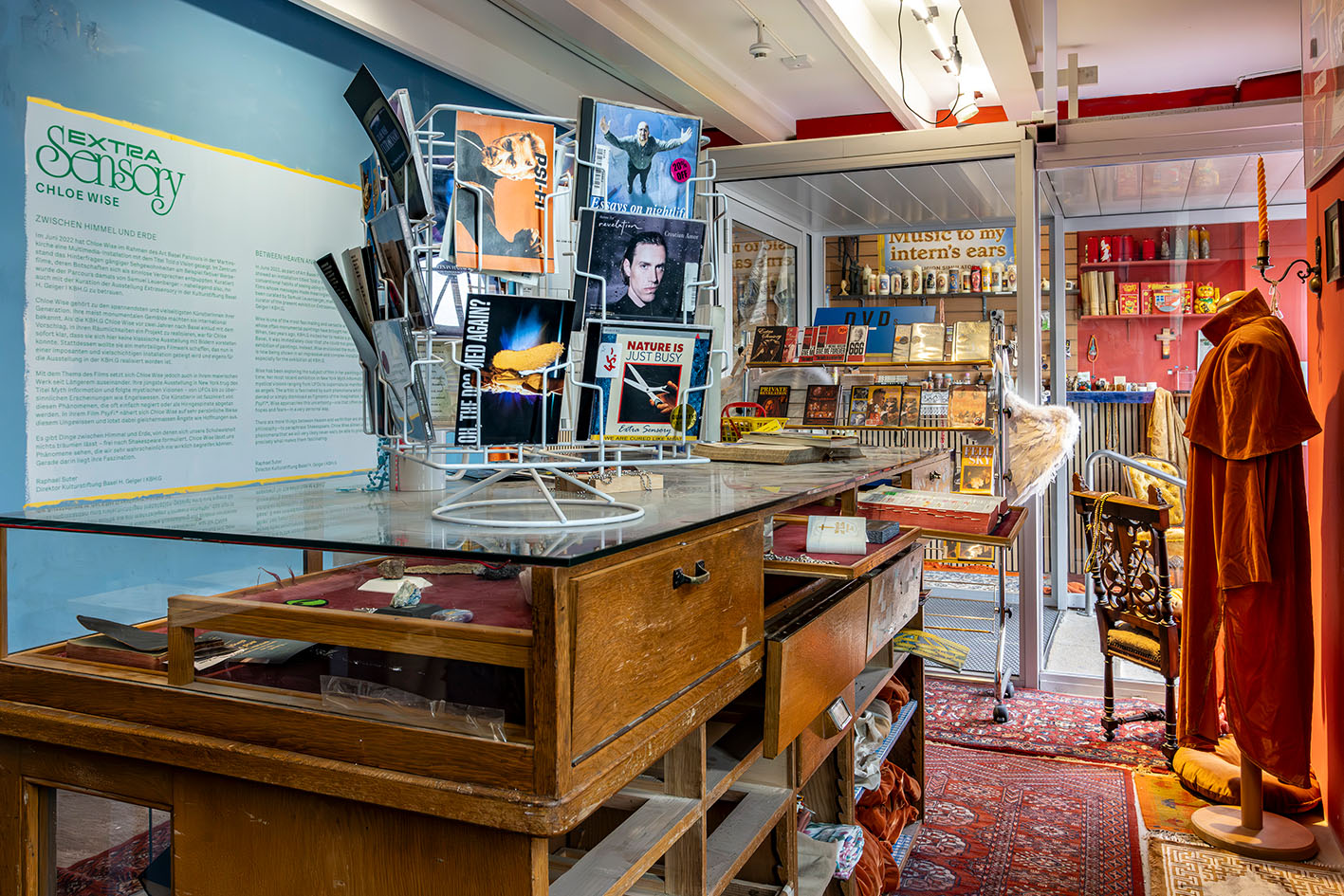
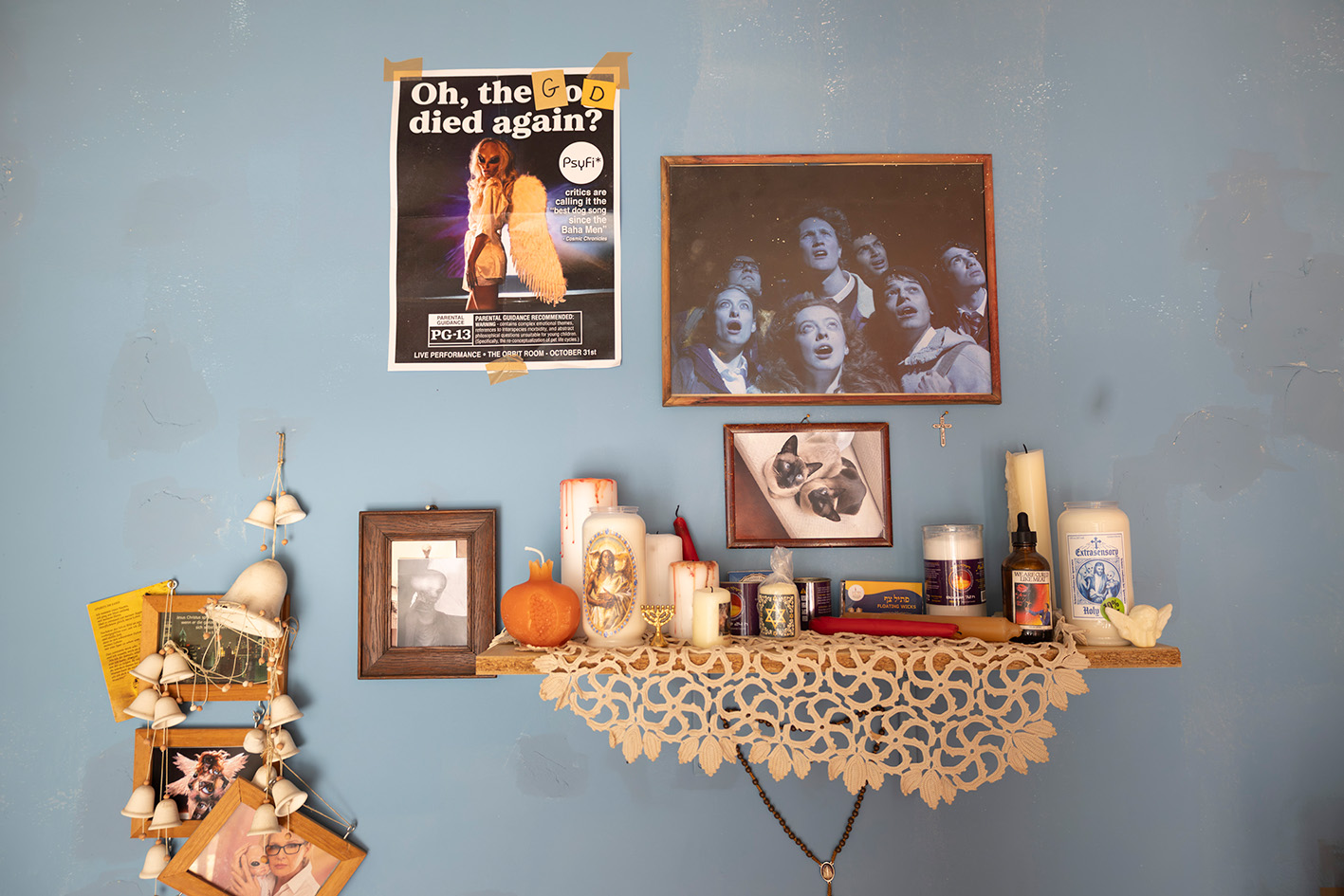
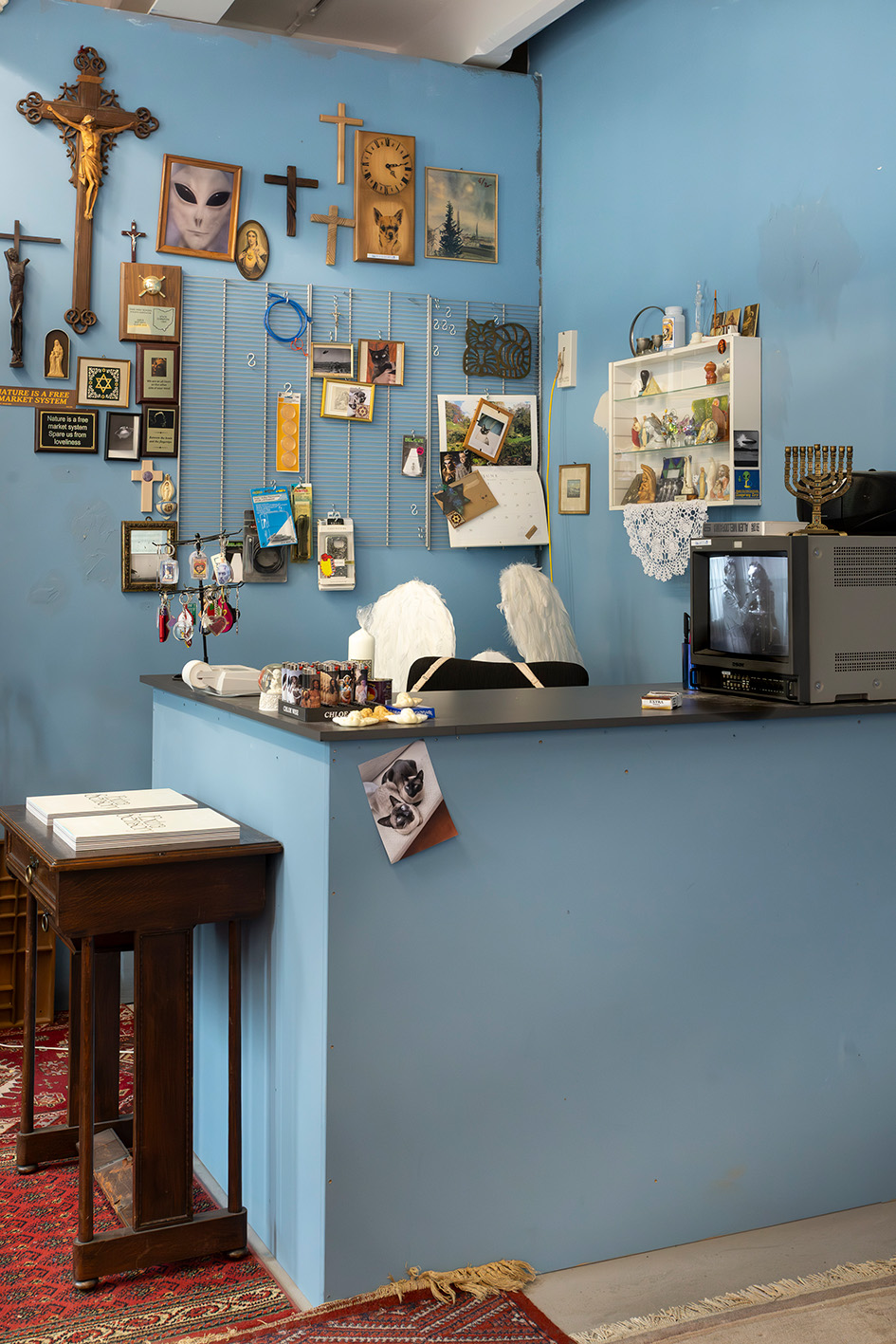
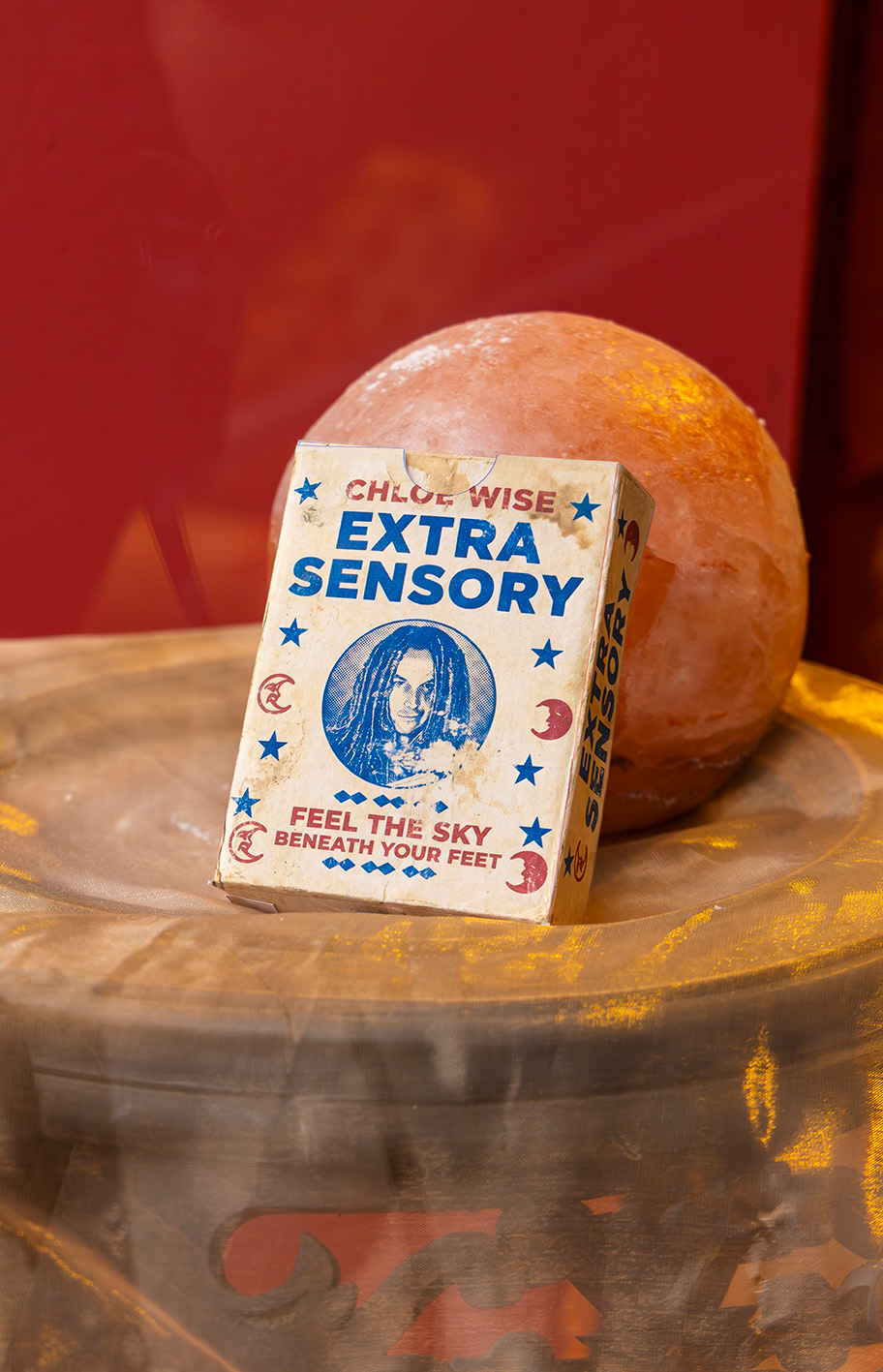
Extrasensory marks a turning point in Wise’s practice, where the artist abandons the grammar of painting—which had defined her recognizability—to construct an expanded filmic environment that interrogates contemporary perception as an epistemic condition. The exhibition stages the extrasensory as that which exceeds representation, operating in the liminal zone between belief, imagination, and consumption. The entrance is conceived as a gift shop, where UFO souvenirs, rosaries, tarot cards, and votive candles bearing the cast’s faces transform the threshold into a device of vision filtered through consumer objects. Wise juxtaposes spirituality, cosmology, science fiction, and pop culture, showing how the contemporary accesses categories such as the sacred through a consumerist logic. The extrasensory is not a mystical elsewhere but a perceptual regime produced by visual culture—a system of beliefs manifested through images, objects, narratives, and viewing devices.
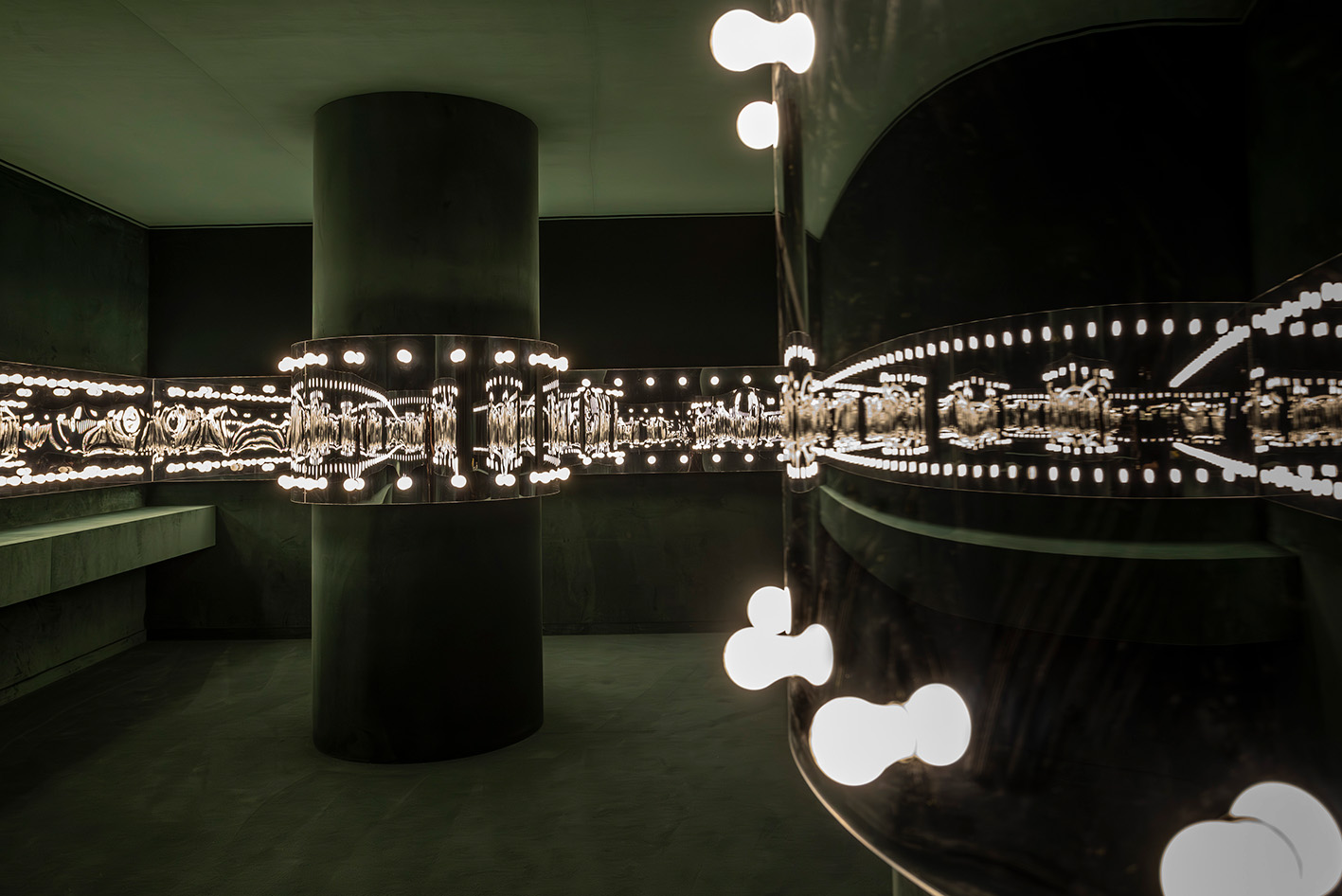
The transition from the gift shop to the film is orchestrated through a room resembling a dressing room entirely in emerald-green velvet, with perimeter seating and pre-show lights, hybridized with central circular elements reminiscent of small spacecraft. A liminal space that is at once backstage, place of worship, and spacecraft interior; and after this obligatory passage, PsyFi\* unfolds as a nonlinear visual cosmology. The film brings together a heterogeneous cast of actors, artists, musicians, and performers—JT, Lucas Bravo, Delaney Rowe, Ben Ahlers, Michael Buscemi, Bianca Leigh, Miles Greenberg, Moses Sumney, Martine Syms, Martine Gutierrez—who embody hybrid figures between religious iconography and pop science fiction: JT as Satan’s ex-wife, Syms and Gutierrez as Victoria’s Secret–style angels, and Wise, in alien-chic mode, mutating form as both internal and external vision of the film. PsyFi\* interweaves religious visions, angelic apparitions, telepathy, beings of light, UFO phenomena, and nonhuman intelligences, showing how different cultures have described encounters with the unknown through distinct languages yet similar experiential structures. The film’s visual structure—a montage of science fiction, sacred iconography, and late-twentieth-century television—constructs a saturated iconosphere in which fragments of knowledge overlap without hierarchy.
Wise offers a vision of the world in which perception is thrown into crisis—because it is too powerful, too charged, too mediated—where the distinction between image and belief dissolves, and where contemporary subjectivity appears as an assemblage of projections, desires, wellness aesthetics, religious iconographies, and sci-fi tropes. The extrasensory becomes a form of hyper-visibility: an excess of signs that produces a perceptual saturation capable of destabilizing the relationship between seeing and knowing. More broadly, Extrasensory is a reflection on the crisis of the image: it generates a regime of beliefs activated in the relation between viewer and device. Wise does not construct an immersive experience in the commercial or arty sense—and indeed explicitly rejects this definition—but a perceptual device that uses immersion as a conceptual tool, avoiding spectacle. The exhibition thus situates itself within a genealogy of practices that produce an imaginary that is both seductive and destabilizing. Extrasensory is, ultimately, a reflection on the perceptual condition of the contemporary: a world in which spirituality is aestheticized, science is spectacularized, pop culture is sacralized, and identity is constructed through images that oscillate between fiction and desire. Wise offers neither synthesis nor solution to this new perceptual condition; rather, she pushes its limits further, testing it, using the extrasensory as a mode of existence for the image.
Chloe Wise
Extrasensory
Curated by Samuel Leuenberger
Kulturstiftung Basel H. Geiger | KBH.G
12 June – 6 September 2026
CREDITS:
Exhibition view, Extrasensory – Chloe Wise, Kulturstiftung Basel H. Geiger, 2026
Photo: Kulturstiftung Basel H. Geiger | KBH.G