Kunsthalle Wien
September 05, 2024 – January 26, 2025
Review by Giulia Colletti

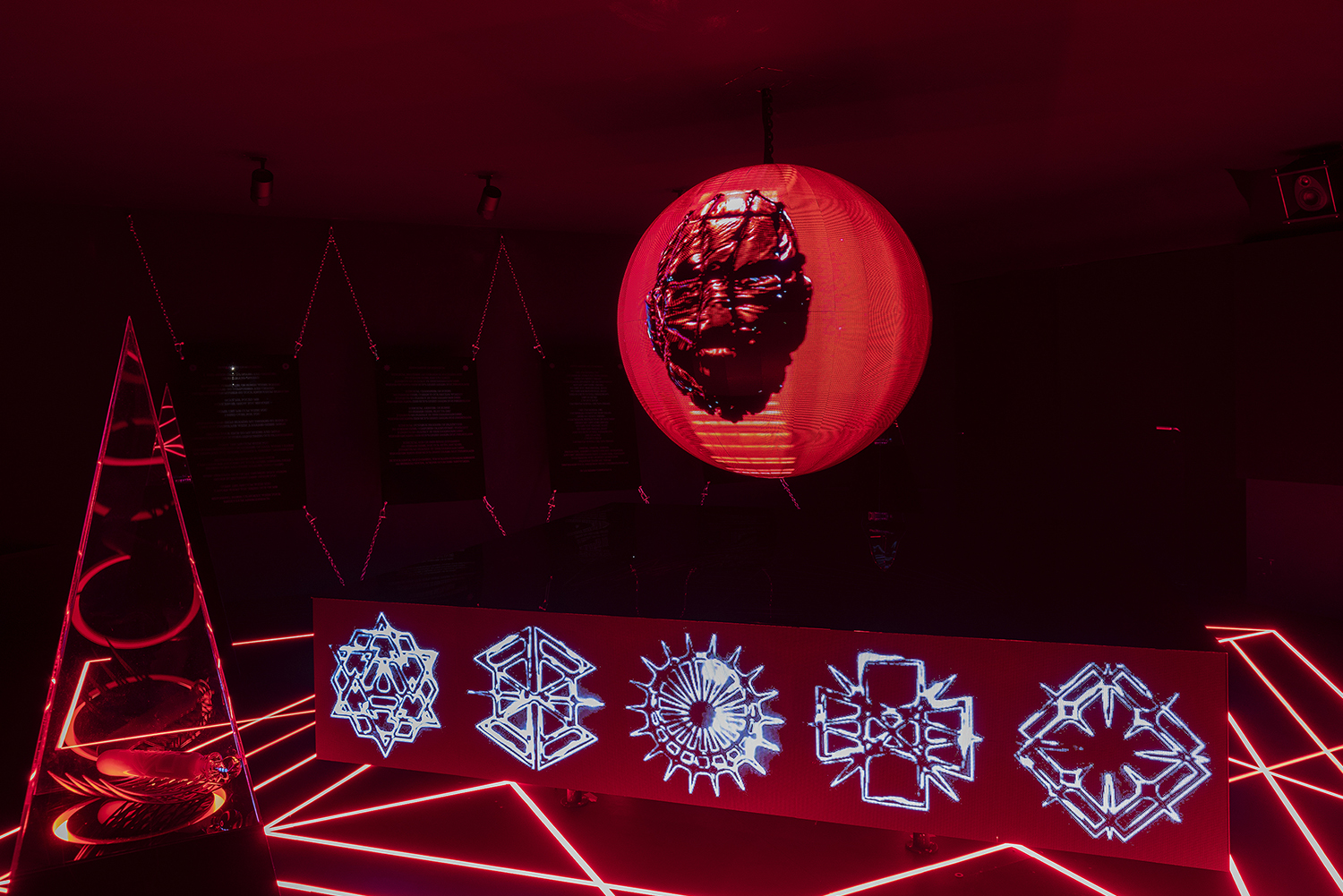
Installation view: Aleksandra Domanović, Things to Come, 2014, Courtesy the artist and Tanya Leighton, Berlin and Los Angeles, Bubanj Fist Relief, 2012, Courtesy Corporate Collection Switzerland, Kunsthalle Wien 2024, photo: Iris Ranzinger
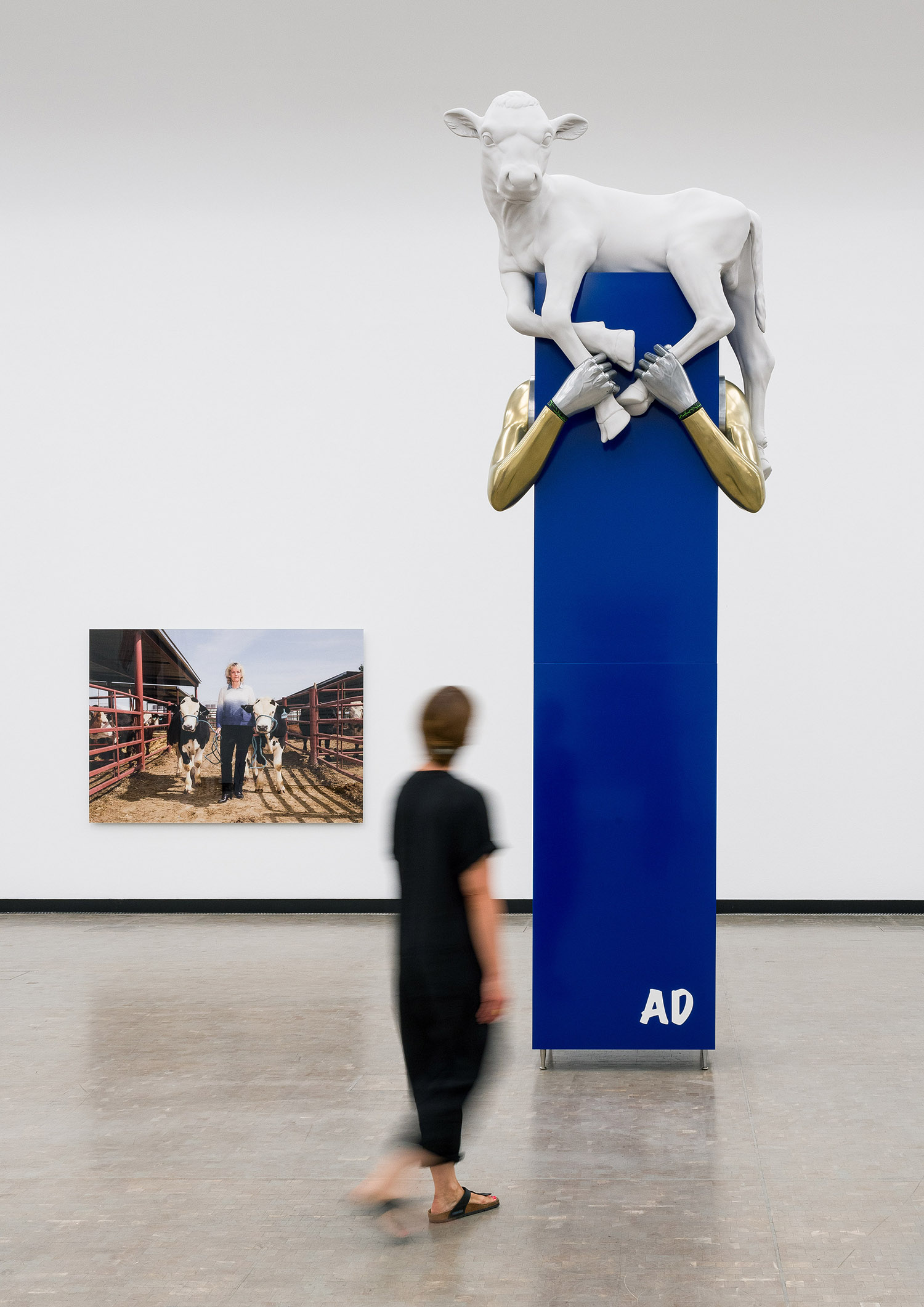
Installation view: Aleksandra Domanović, Bulls Without Horns: Alison With the Bulls, 2016, Calf Bearer, 2017/20, Kunsthalle Wien 2024, Courtesy the artist and Tanya Leighton, Berlin and Los Angeles, photo: Iris Ranzinger
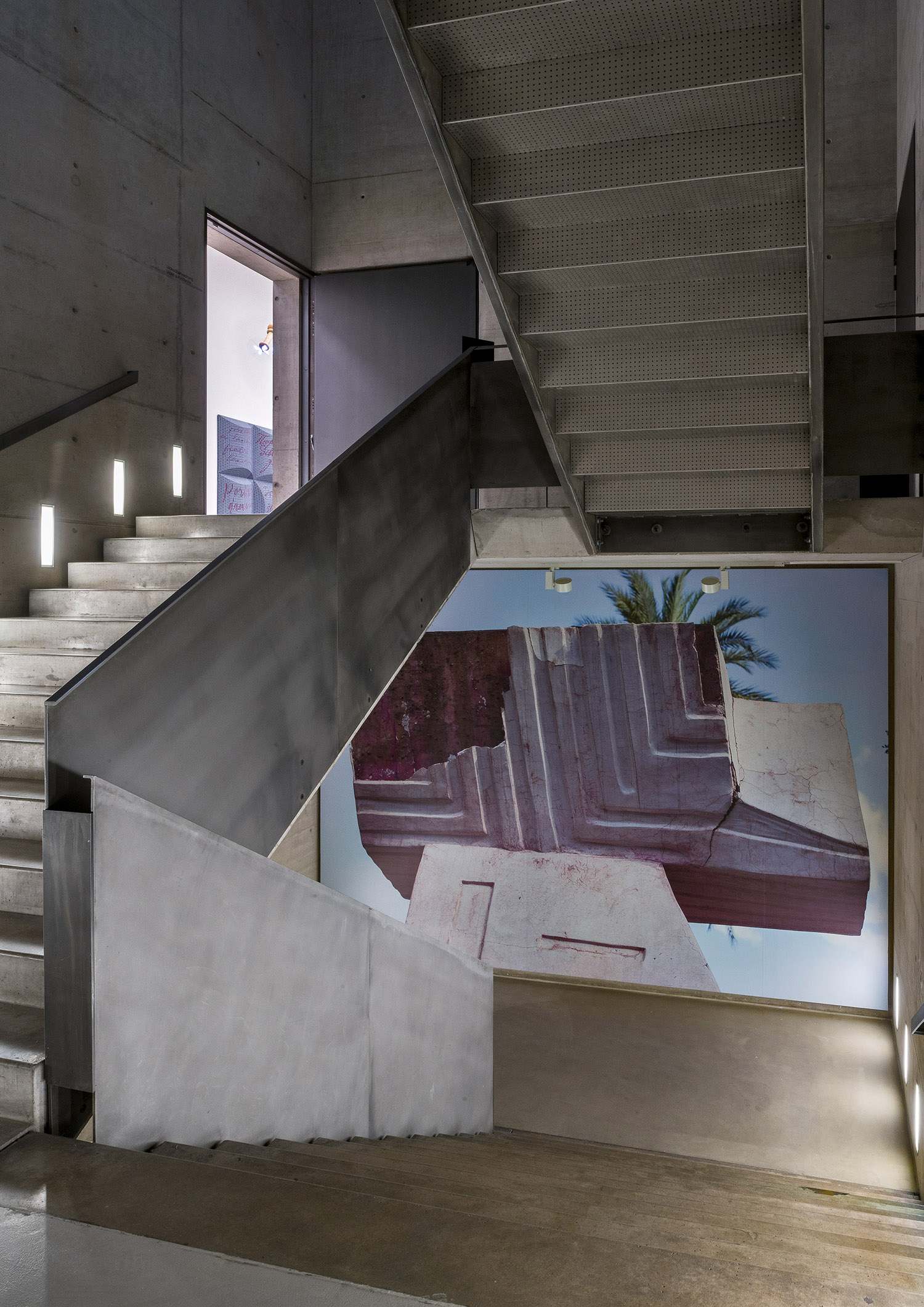
Installation view: Aleksandra Domanović, Kunsthalle Wien 2024, photo: Iris Ranzinger
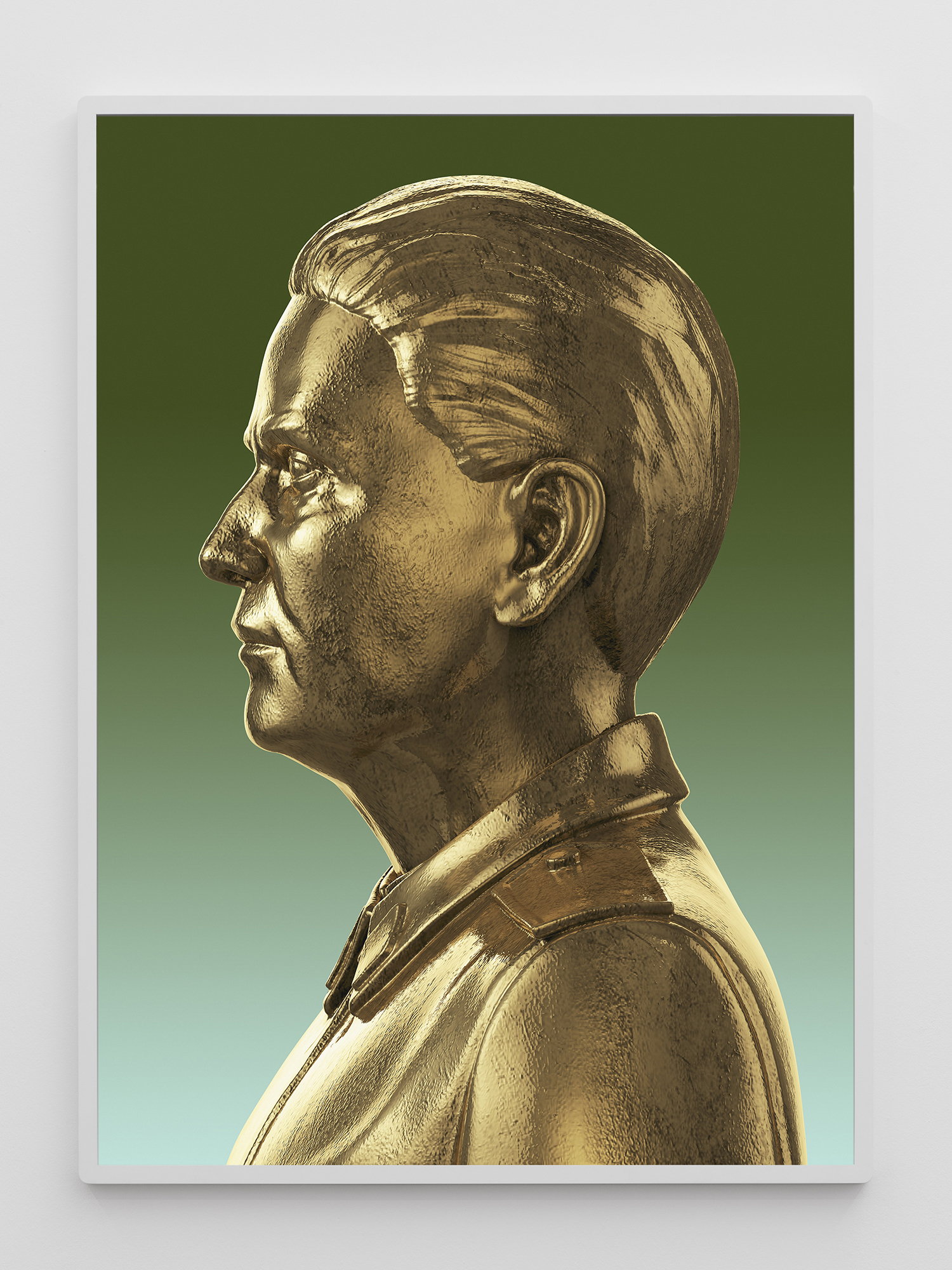
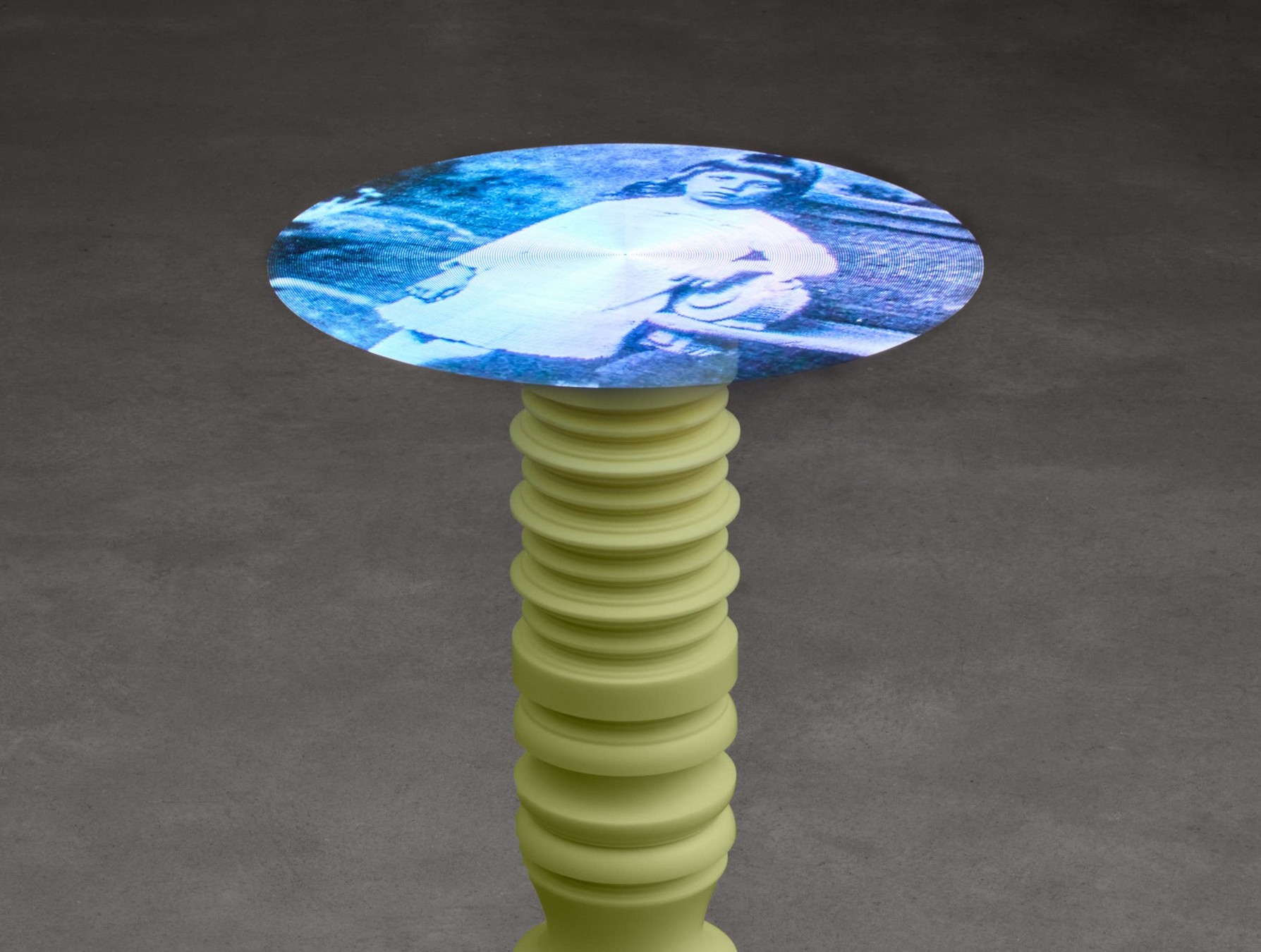
Aleksandra Domanović, Portrait (mesing), 2012, courtesy Valeria and Gregorio Napoleone Collection
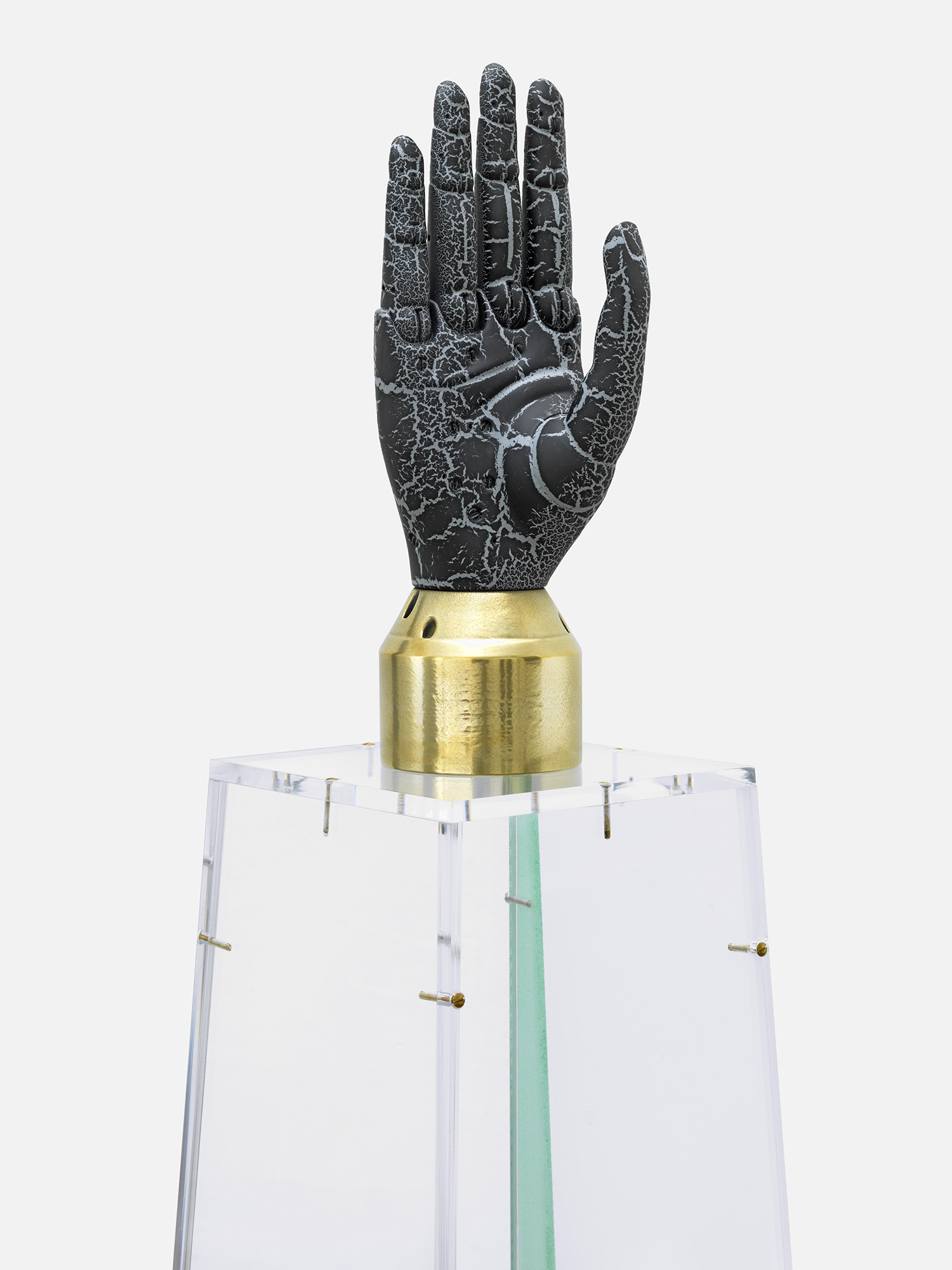
Aleksandra Domanović, Fatima, 2013, courtesy GHB, Geddert Hronjec Berlin
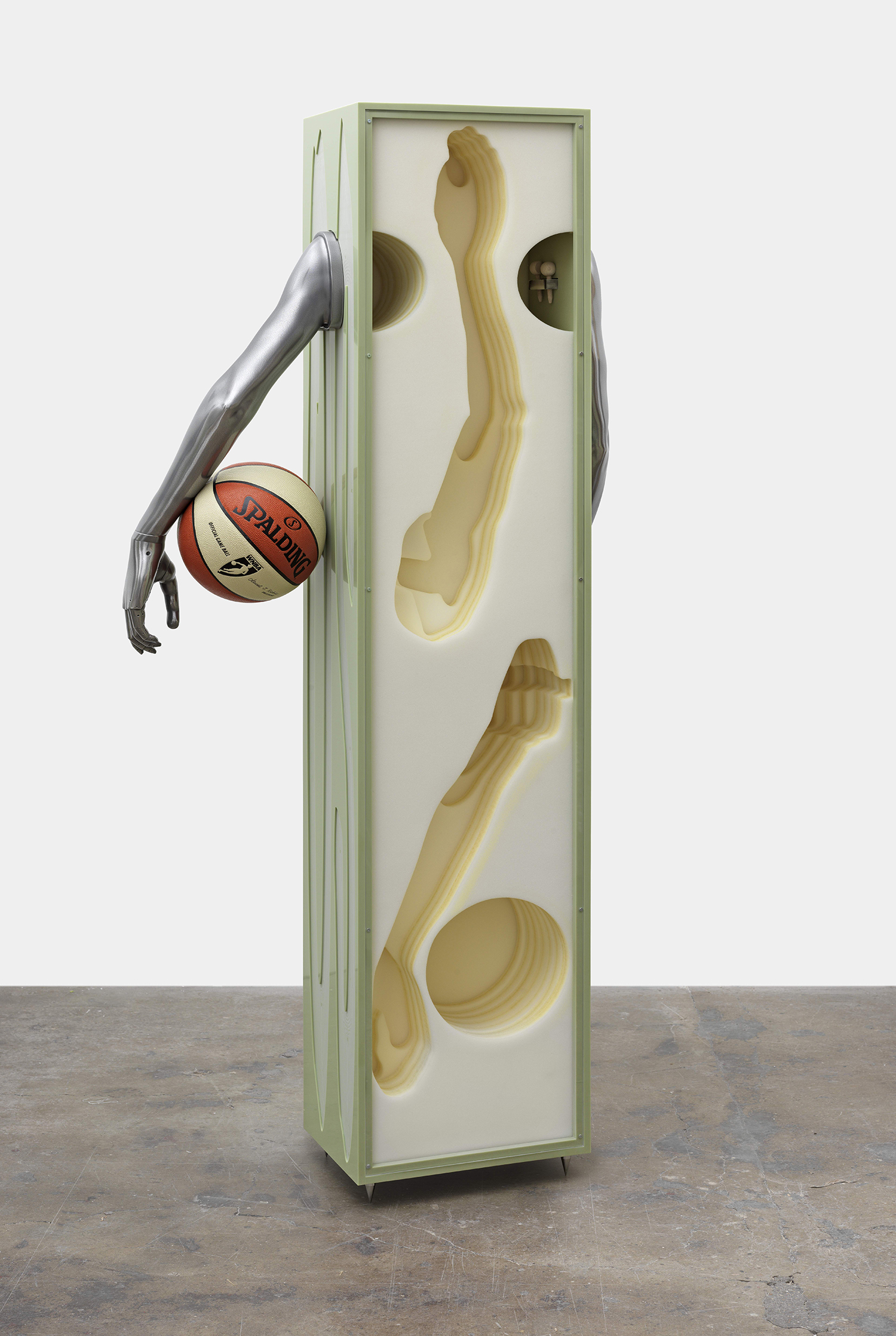
Aleksandra Domanović, Open Man, 2016, courtesy the artist and Tanya Leighton, Berlin and Los Angeles, photo: Gunter Lepkowski
In 1981, Yugoslavia stood at a crossroads, grappling with technological transformation and social unrest that strained the fragile unity of the federation. In Pristina, Albanian students filled the streets with chants for greater autonomy—calls swiftly met with military repression. Amid this turbulence, Slovenia’s factories, such as Iskra Delta, spearheaded local computing innovations like the Iskra Delta Partner, an early microcomputer utilized in administration and telecommunications. Technology was also reshaping industrial landscapes: automated production systems transformed factories, while advancements in telecommunications—supported by partnerships with Siemens and Ericsson—sought to connect urban centers with remote villages. The nuclear power plant in Krško symbolized Yugoslavia’s ambitions in energy technology, complemented by Slovenia and Croatia’s research into hydropower and solar energy.
Aleksandra Domanović’s first retrospective at Kunsthalle Wien, deeply rooted in this intricate legacy, delves into cultural memory, regional identity, and the societal implications of technology, weaving new dialogues between her works across time. Turbo Sculpture (2009–24)—a critique of the Balkans’ public monuments dedicated to Western pop culture figures—is here enriched by recent additions addressing contentious political monuments in Macedonia, demonstrating Domanović’s responsiveness to shifting historical narratives. Curated by Michelle Cotton, with whom Domanović shares a longstanding professional relationship, the exhibition offers a rare opportunity to trace the connections across her oeuvre within a cohesive space.
Her engagement with the digital takes center stage. Works like From yu to me (2013), which explores the disappearance of the Yugoslav internet domain ‘.yu,’ reflect on the transient nature of digital identity while spotlighting female computer scientists Borka Jerman Blažič and Mirjana Tasić, key figures in establishing the domain. The inclusion of archival materials alongside video installations bridges online and offline realms. This approach is especially prominent in Untitled (30.III.2010) (2010), which memorializes the expiration of the ‘.yu’ domain. Featuring three stacks of approximately 7,500 A4 pages, the work symbolizes reproducible monuments, emphasizing impermanence and accessibility in archives.
Employing hybridization as an essential methodology to reinterpret the past and challenge its static assumptions, Domanović often recasts figurative motifs to imagine futuristic, post-gendered, and post-human bodies, as exemplified in Portrait (mesing) (2012)—a queered portrait of Yugoslavia President Josip Broz Tito—juxtaposed with the five-fingered prosthetic Belgrade hand, created in 1963 by scientists Miodrag Rakić and Rajko Tomović.
The exhibition’s reflective structure mirrors Domanović’s approach. In Vienna—a city deeply entwined with the histories she examines and her own experience, as the opening work, New Me (2006), suggests—Domanović’s art takes on renewed resonance. Works are arranged to emphasize their interconnectedness rather than a linear progression, embracing the fluidity and circularity central to her practice. This decision underscores the enduring relevance of Domanović’s research, offering audiences a chance to explore connections across her oeuvre.
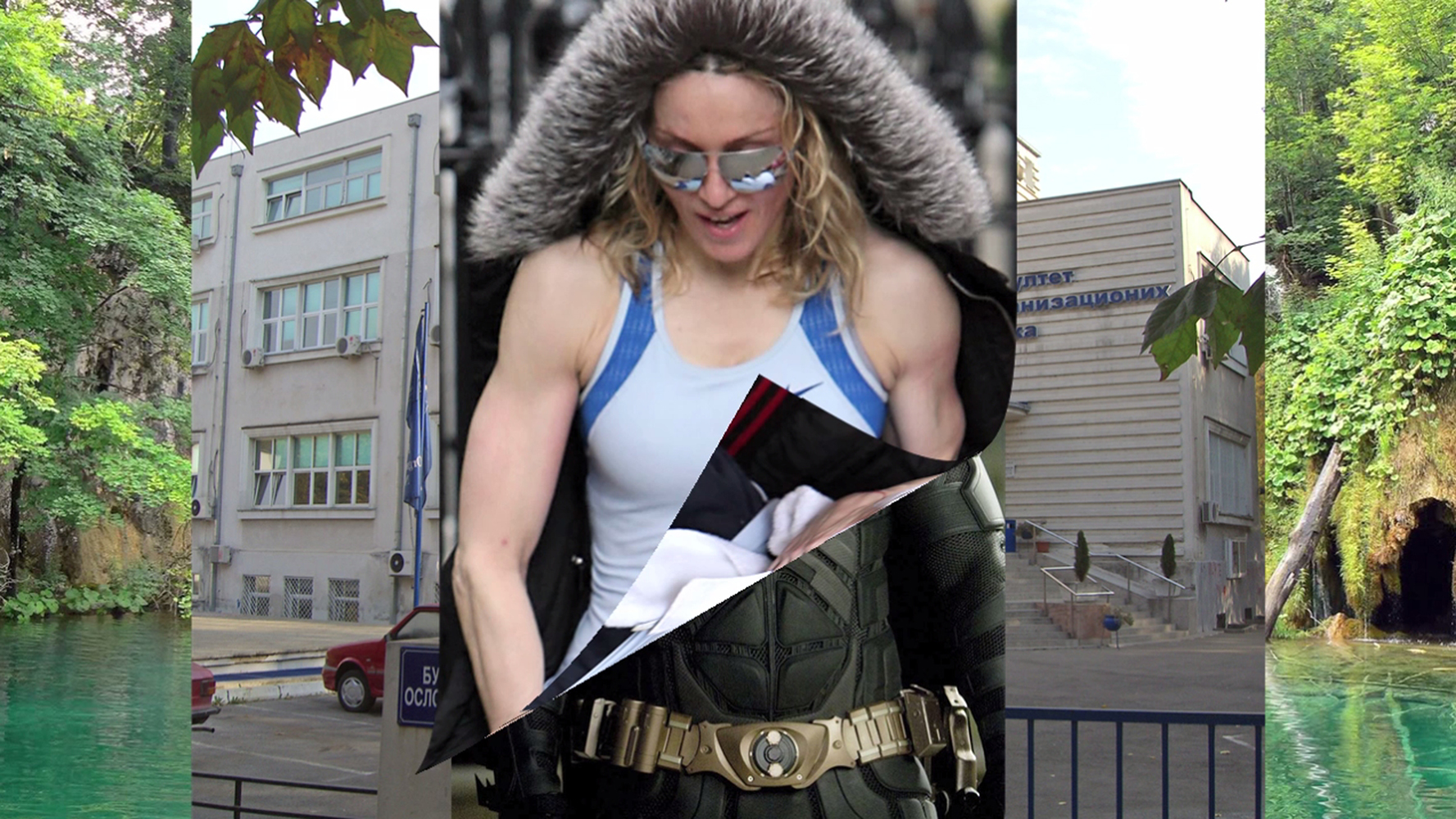
Aleksandra Domanović, Turbo Sculpture, film still, 2010–2024, courtesy the artist and Tanya Leighton, Berlin and Los Angeles
Aleksandra Domanović
Curated by Michelle Cotton
Kunsthalle Wien
September 05, 2024 – January 26, 2025
Review by Giulia Colletti