Infrastructural monsters
RAGE BAIT
Palazzo Franchetti
Le Cabanon
Special Venice Bieannale 2026
Review by Arianna Caserta
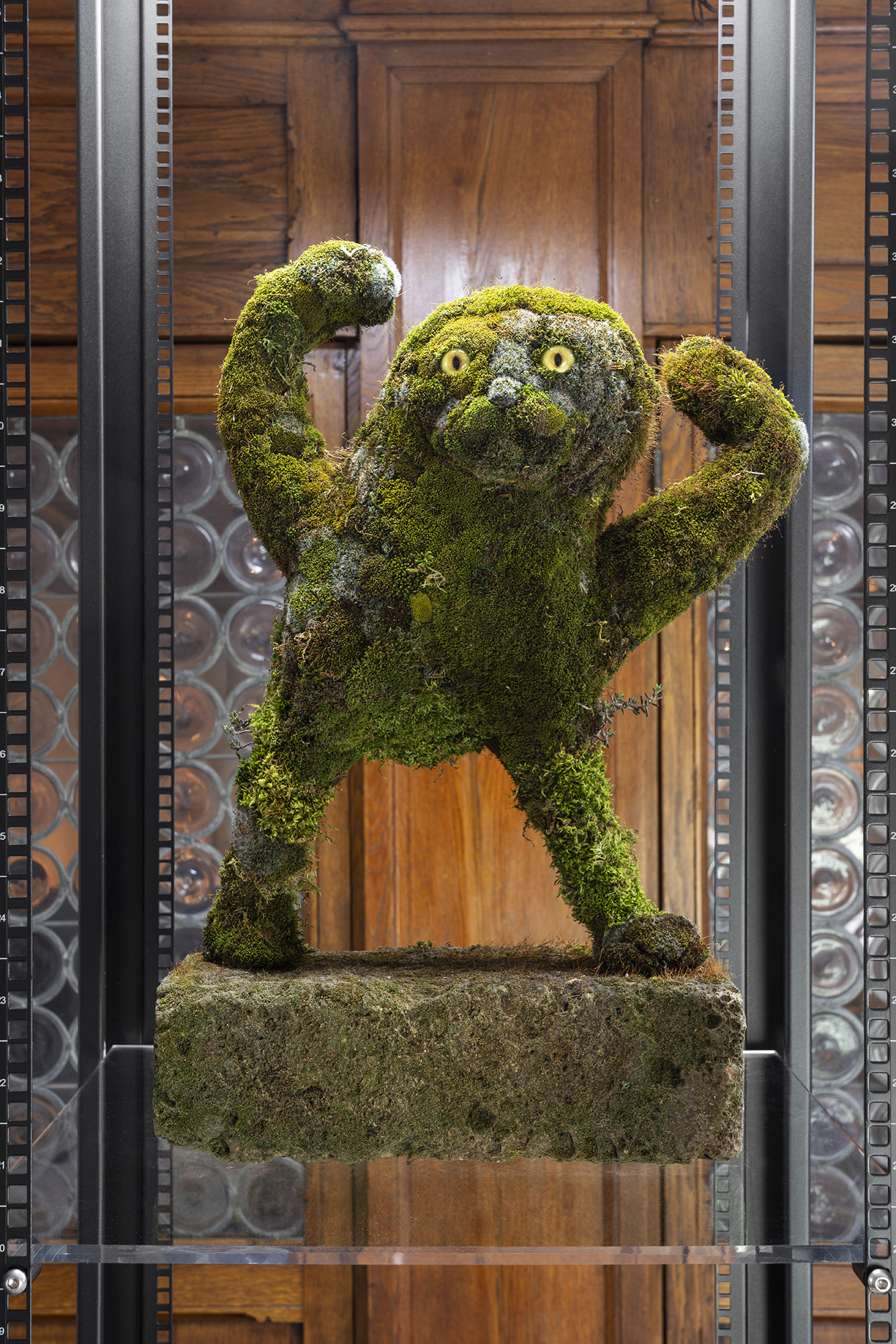

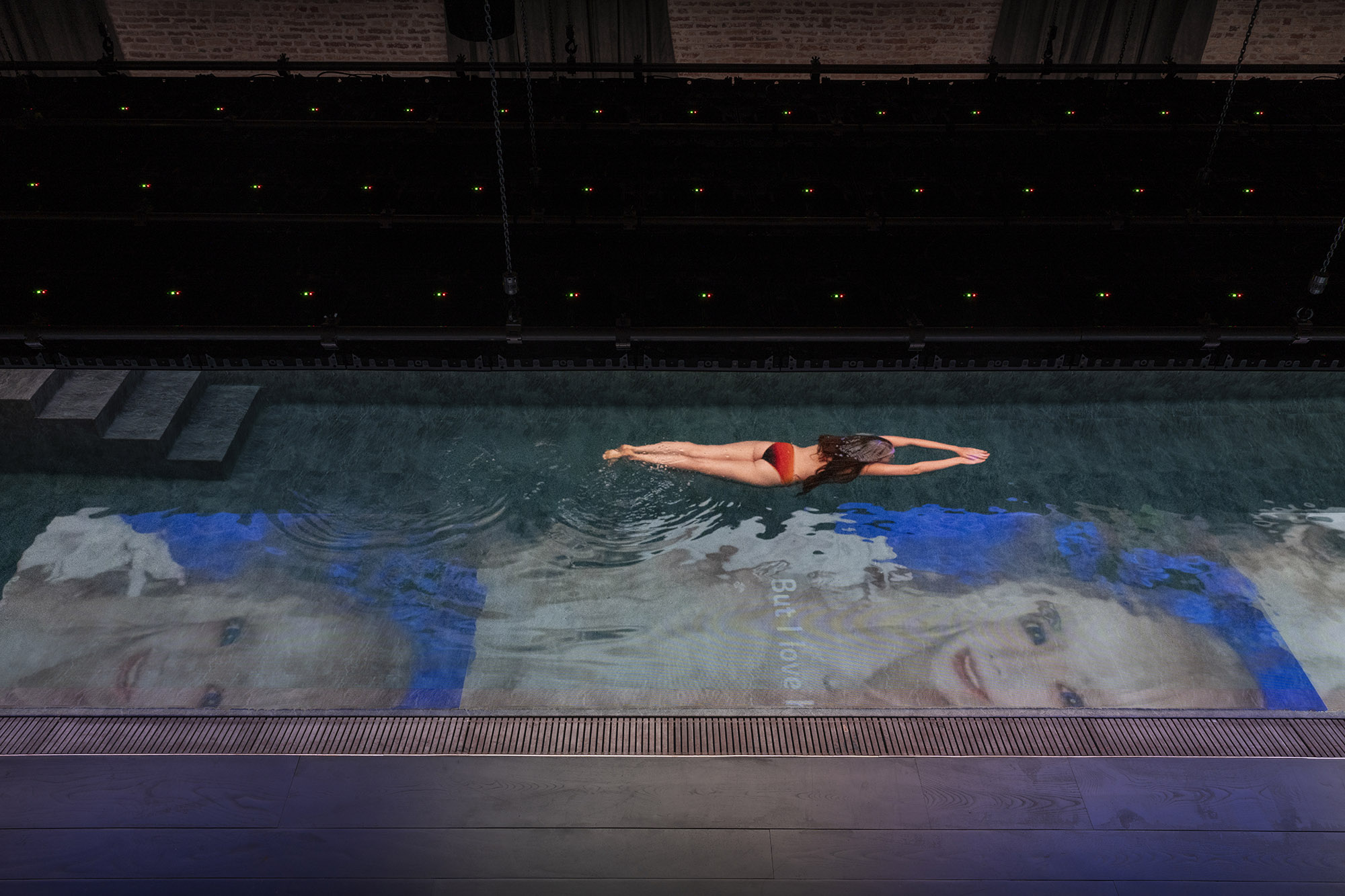
1999: Eva & Franco Mattes bring to the 48th Venice Biennale a posthumous exhibition of the artist Darko Maver, a victim of the crime wars in Yugoslavia who was famous for creating hyperreal mannequins of brutalized bodies. Maver, however, never existed, and the photos exhibited were splatter images taken from the website rotten.com. 2001: the artist duo brings a digital virus to the 49th Biennale, hosted by two computers trapped in an endless cycle of infection and disinfection. It’s now 2026, and the Mattes are still among the very few artists capable of lucidly observing the way technology is influencing visual culture and, therefore, the world itself, within a landscape in which images are becoming increasingly more important than so-called “reality.” Outside the official Biennale activities, Autotelic Foundation presents Eva & Franco’s RAGEBAIT, curated by Luisa Haustein and Nadim Samman, author of the wonderful Poetics of Encryption (Hatje Cantz, 2023), a fundamental text about how inscrutable computational systems have become, and what kinds of new poetics and artistic languages are born from this feeling of impenetrability and mystery. RAGEBAIT, divided into two separate locations – Palazzo Franchetti and a private pool villa in Giudecca – has a lot to do with the infrastructural monsters of generative AI, and even more with the creatures of internet mythology born from the encounter between human beings and an increasingly mimetic assimilation of slop; not as an external condition, but as a constitutive part of our DNA.
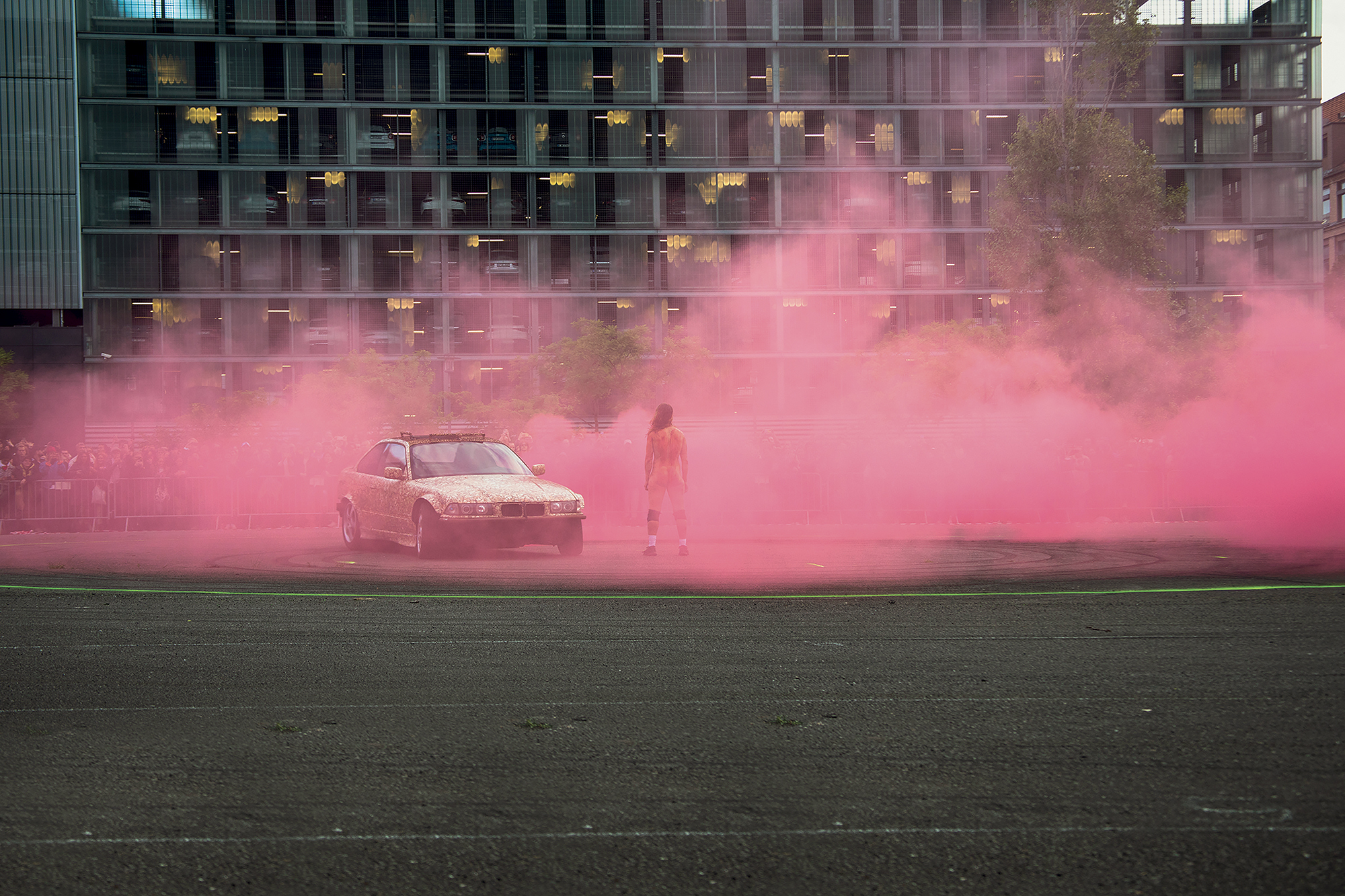
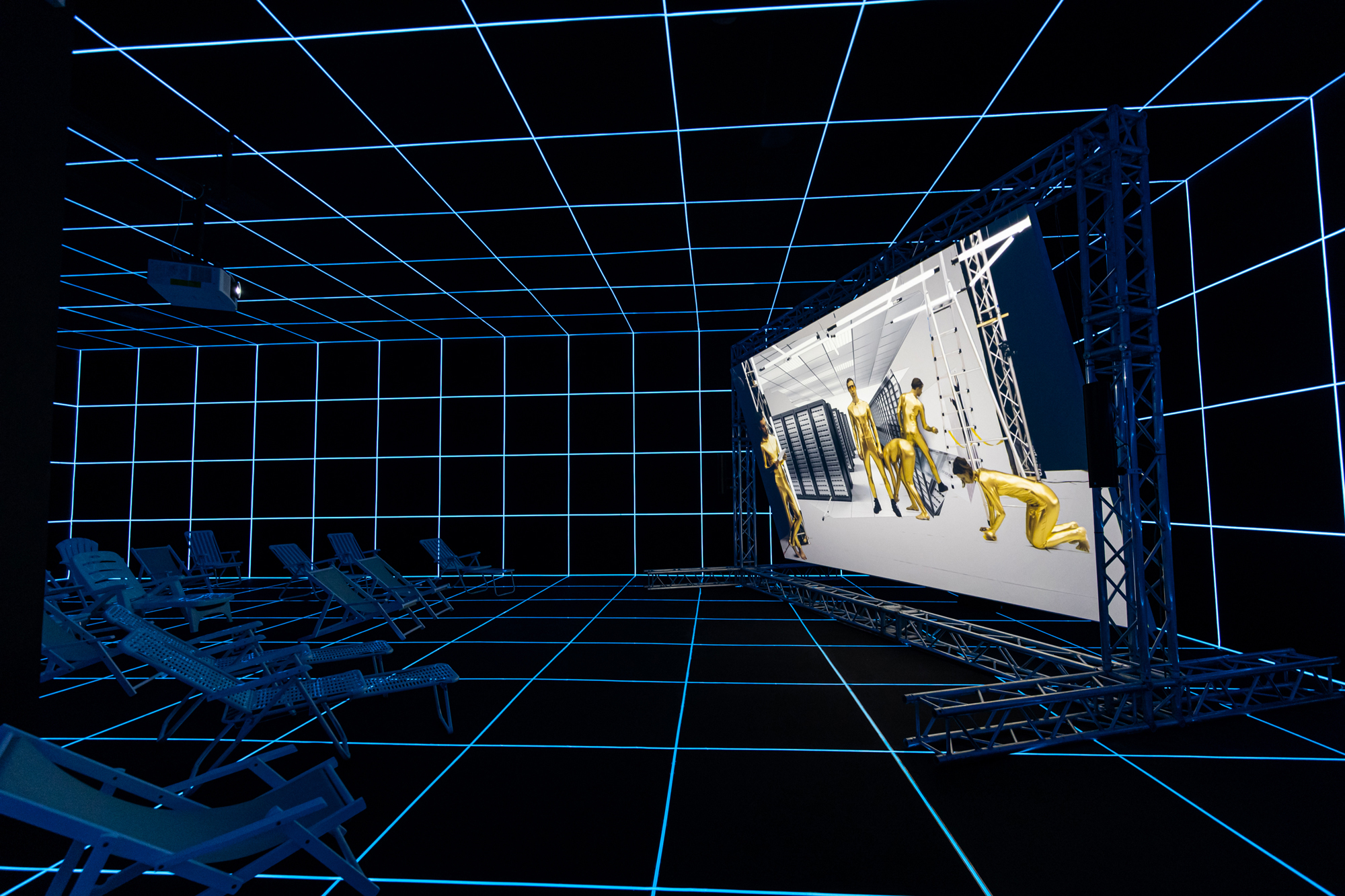
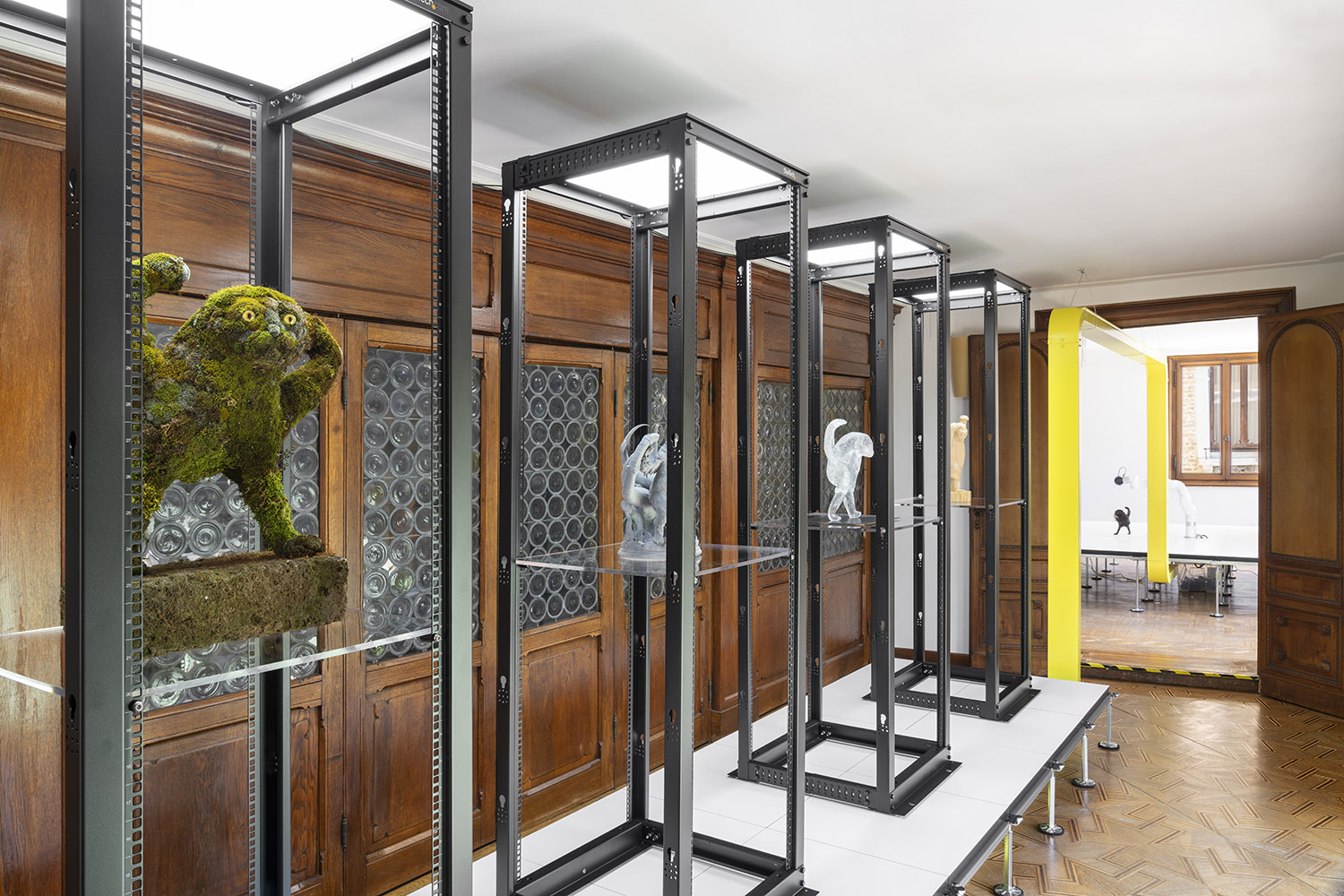
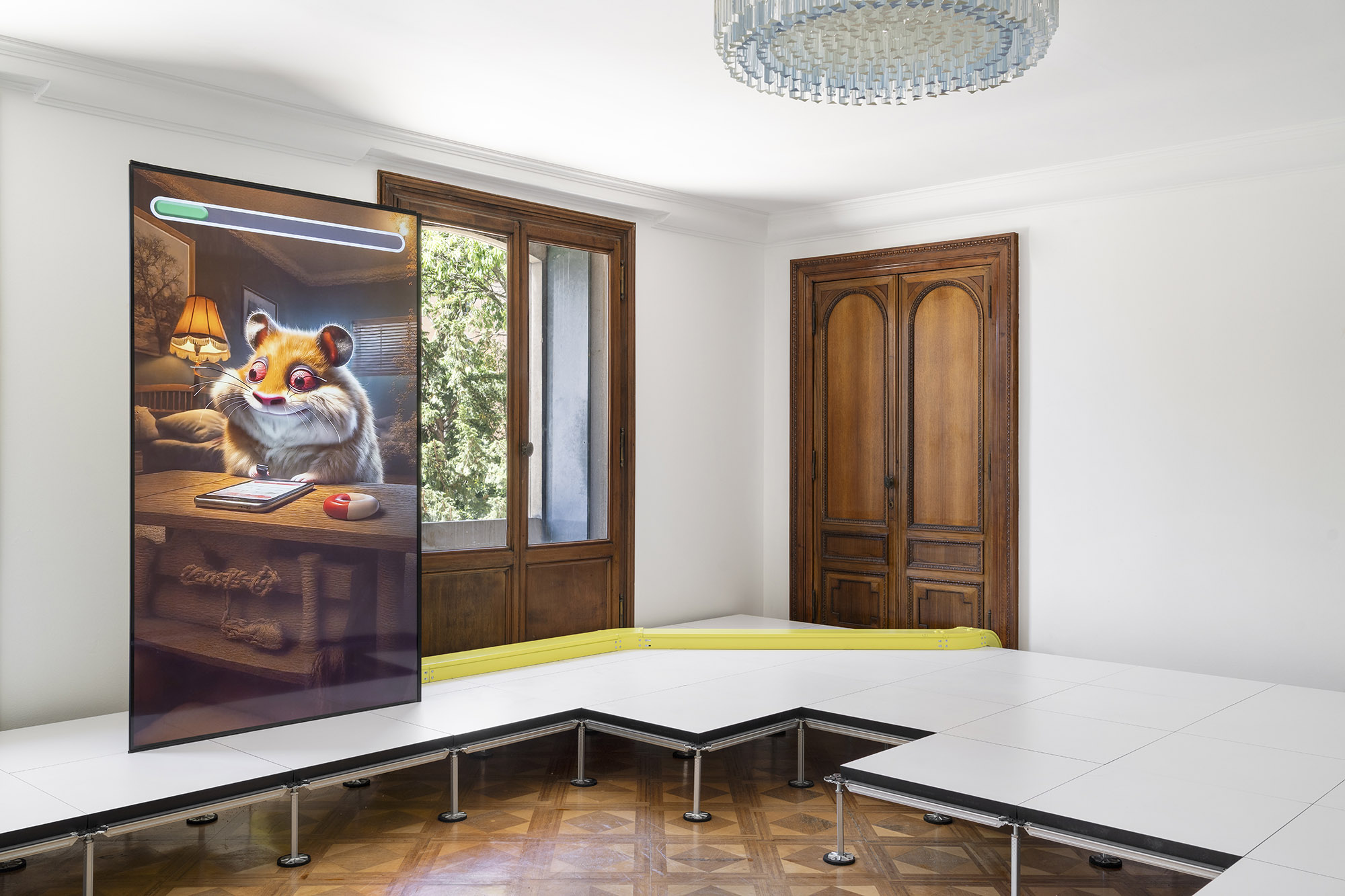
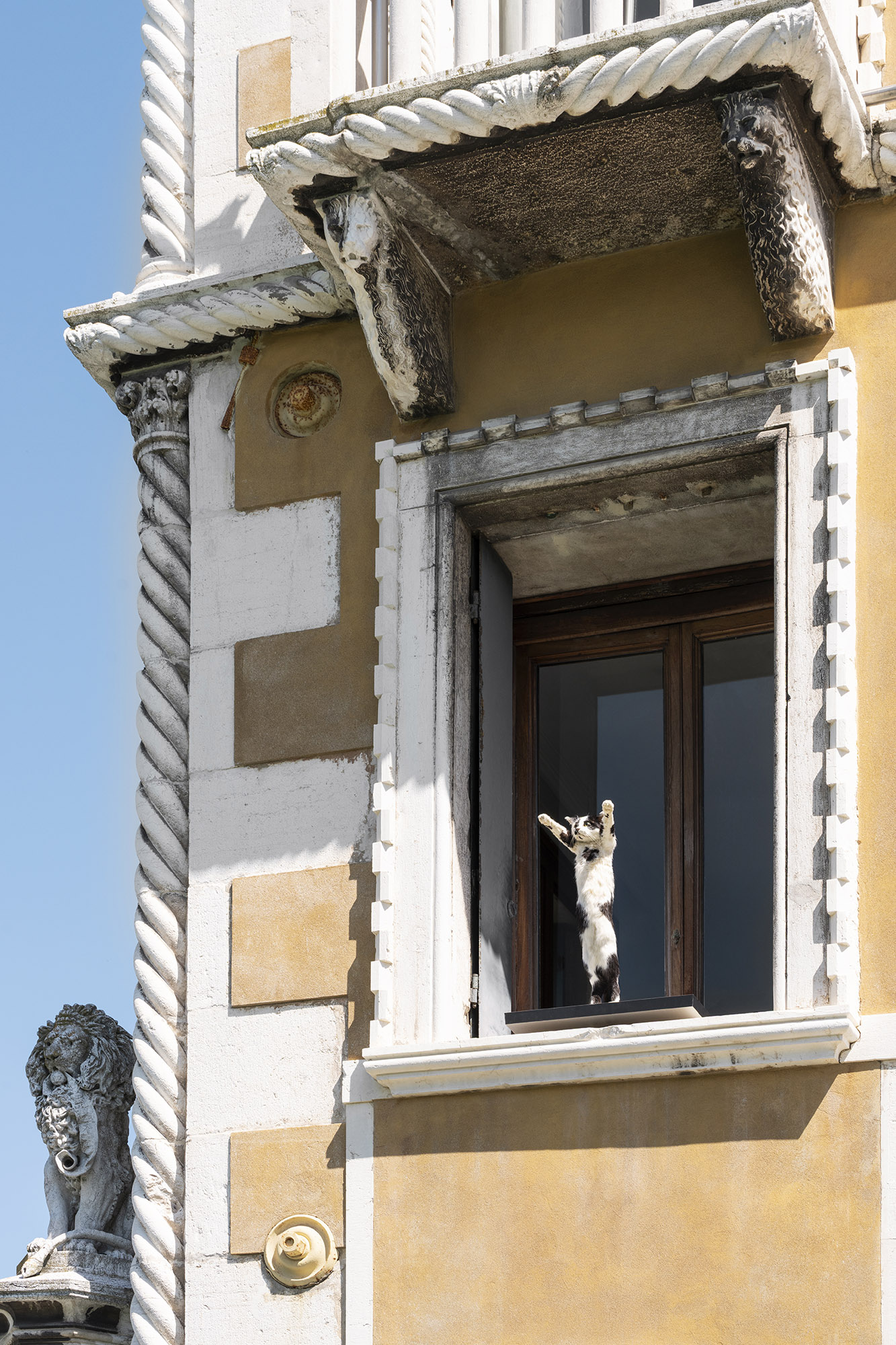
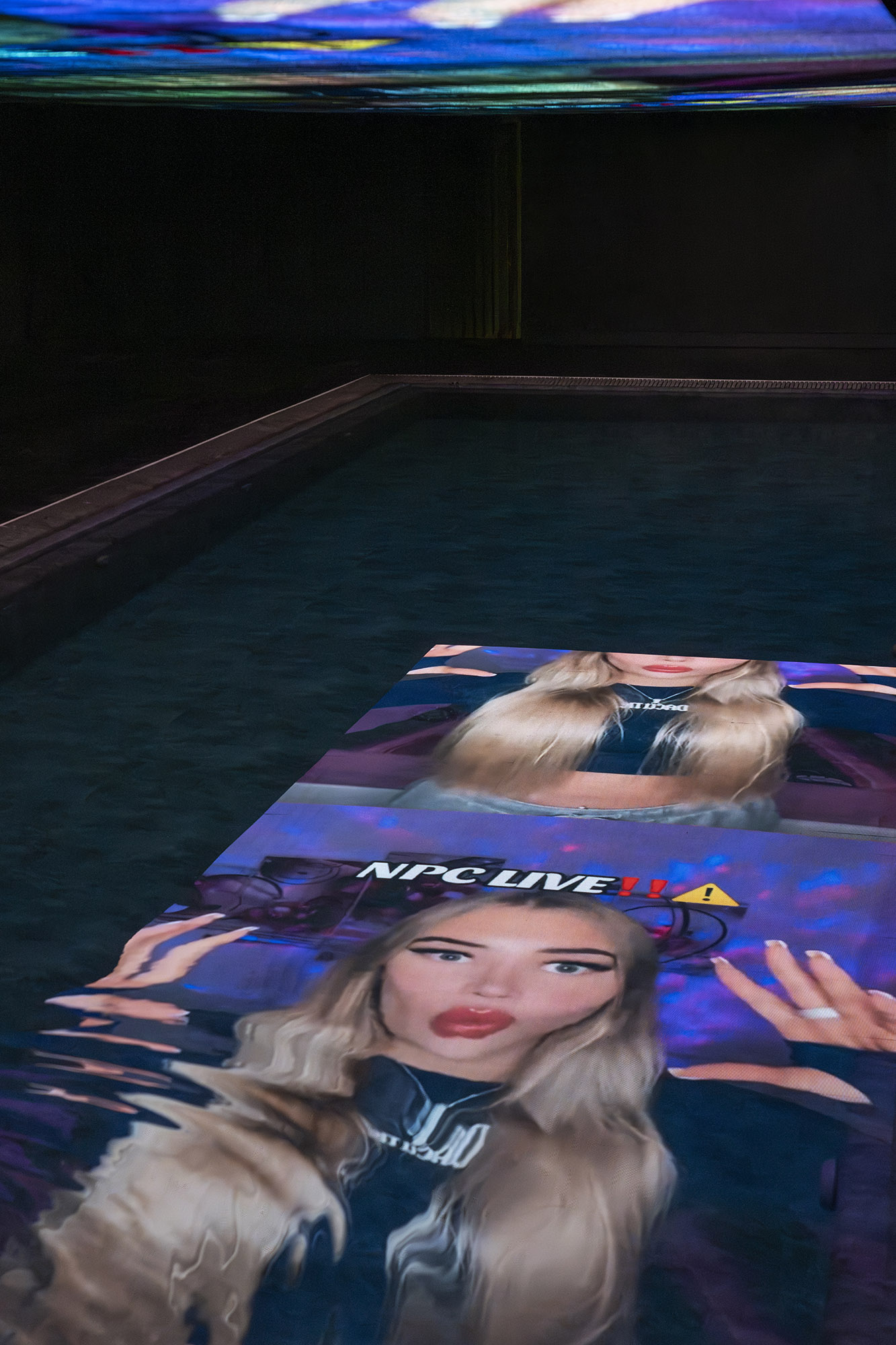
RAGEBAIT is the term used to describe those comments or content that online trolls (as the armies of users from 4chan taught us) release online in order to create chaos and aggressive reactions. In this landscape, the Mattes behave like Edgelords: their work might look “sloptimistic” from the outside, with Italian brainrot characters on giant LED screens, screen captures of TikTok streamers reflected on the surface of a large swimming pool, and the cursed cat meme reiterated across endless materials and forms (with a nod to what theorist Silvio Lorusso calls “Make It More AI kitsch”); but it is only a maneuver to reveal how true generative horror really lies in the power with which digital infrastructures control us. The colorful brainrot characters are in fact performing dramatic conversations recorded from a suicide hotline and found in a public online database, with good reason to believe they were used to train the Large Language Models we use every day. TikTok influencers jerkily move in order to resemble NPCs – Non-playable Characters – part of a fervent online subculture earning incredible revenues by mimicking the automated characters of a videogame (therefore, computers). The multiplication of “cursed cat” is actually a way to create a new egregore within the latent space of generative AI, thus demonstrating how a new monster can be intentionally inserted into the databases of the systems we all share, like a virus someone created in a laboratory. The artists also flirt with a very corporate kind of architectural horror:Palazzo Franchetti is stripped of its elegant interiors and mortified by structures taken from data centers: the places where this unstoppable computational force is forever changing our perception of the world and the way we inhabit it.
While this year’s Biennale theme “In Minor Keys” asks us to focus on subtle tones and whispers, Eva & Franco Mattes’ exhibition poses a fundamental question for our times: Can we still get raged? And, embedded in the works presented throughout the exhibition, there is certainly a feeling of doom, but also – one can only hope – a boiling anger that could plant the seeds of a revolution.



Eva & Franco Mattes
RAGE BAIT
Curated by Nadim Samman and Luisa Haustein
Venice 2026
Palazzo Franchetti
Le Cabanon
All images:
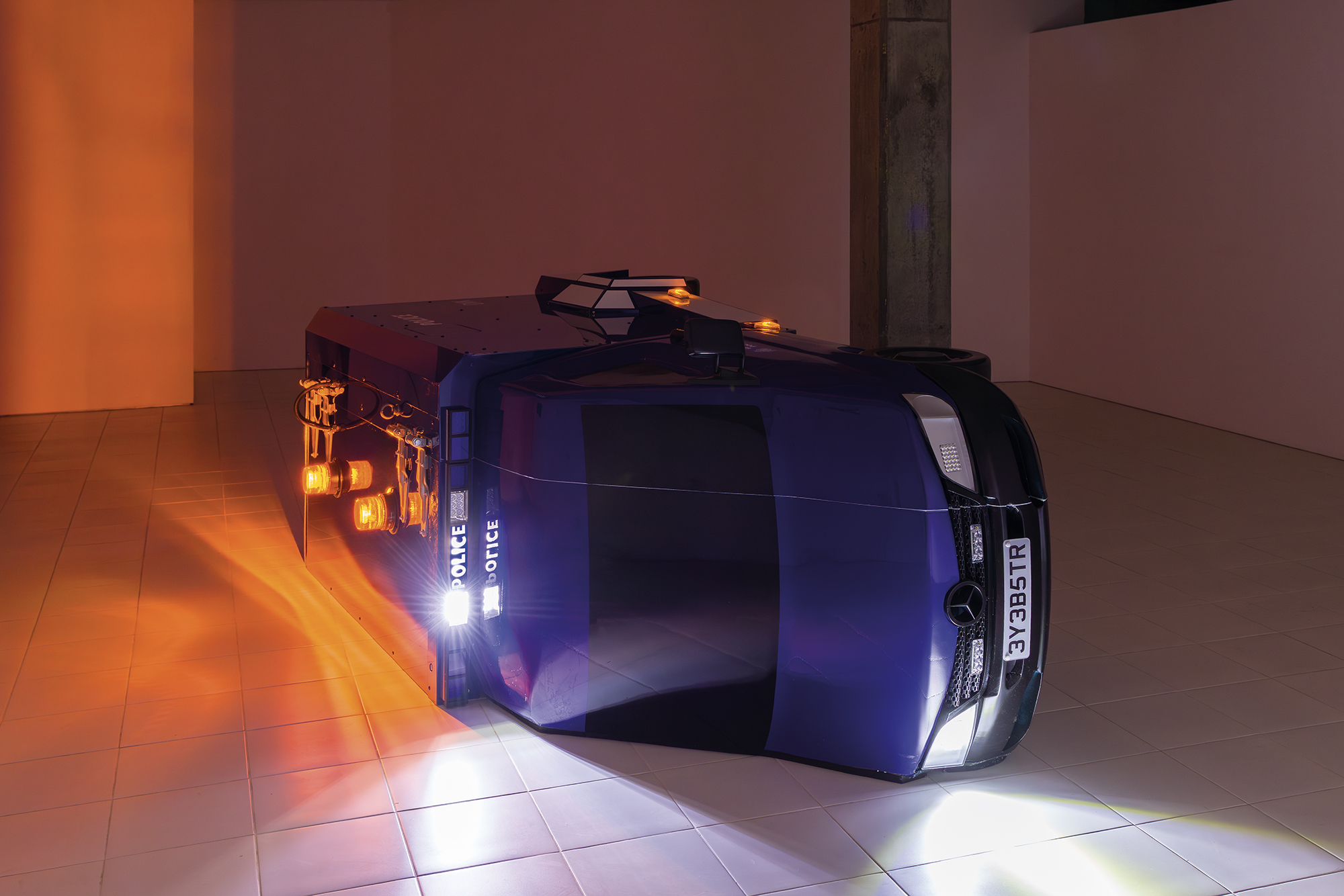
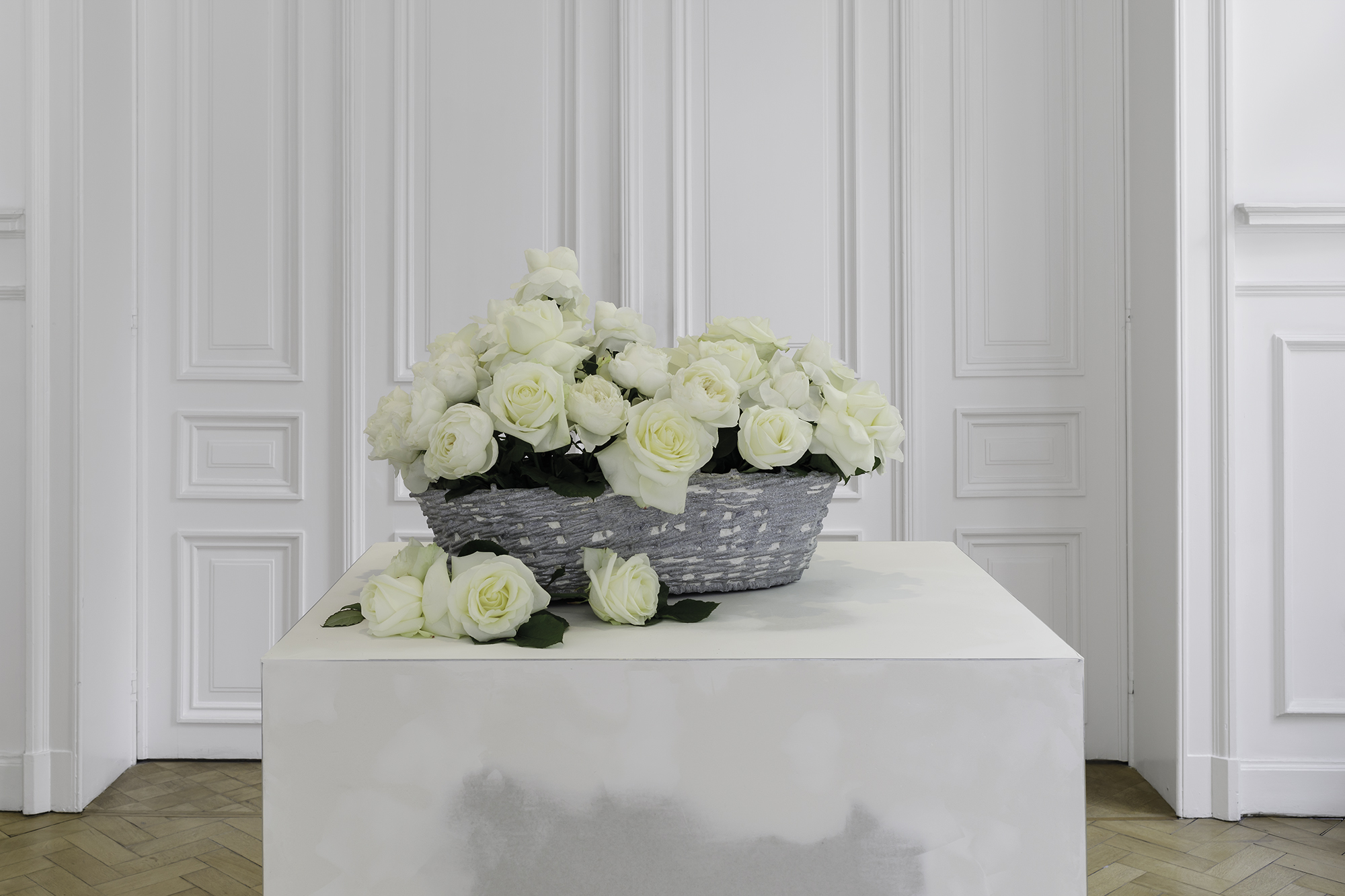
Installation view of RAGE BAIT by Eva & Franco Mattes presented by Autotelic Foundation.
Photo by Melania Dalle Grave for DSL Studio