CURA. 43
Coming of Age
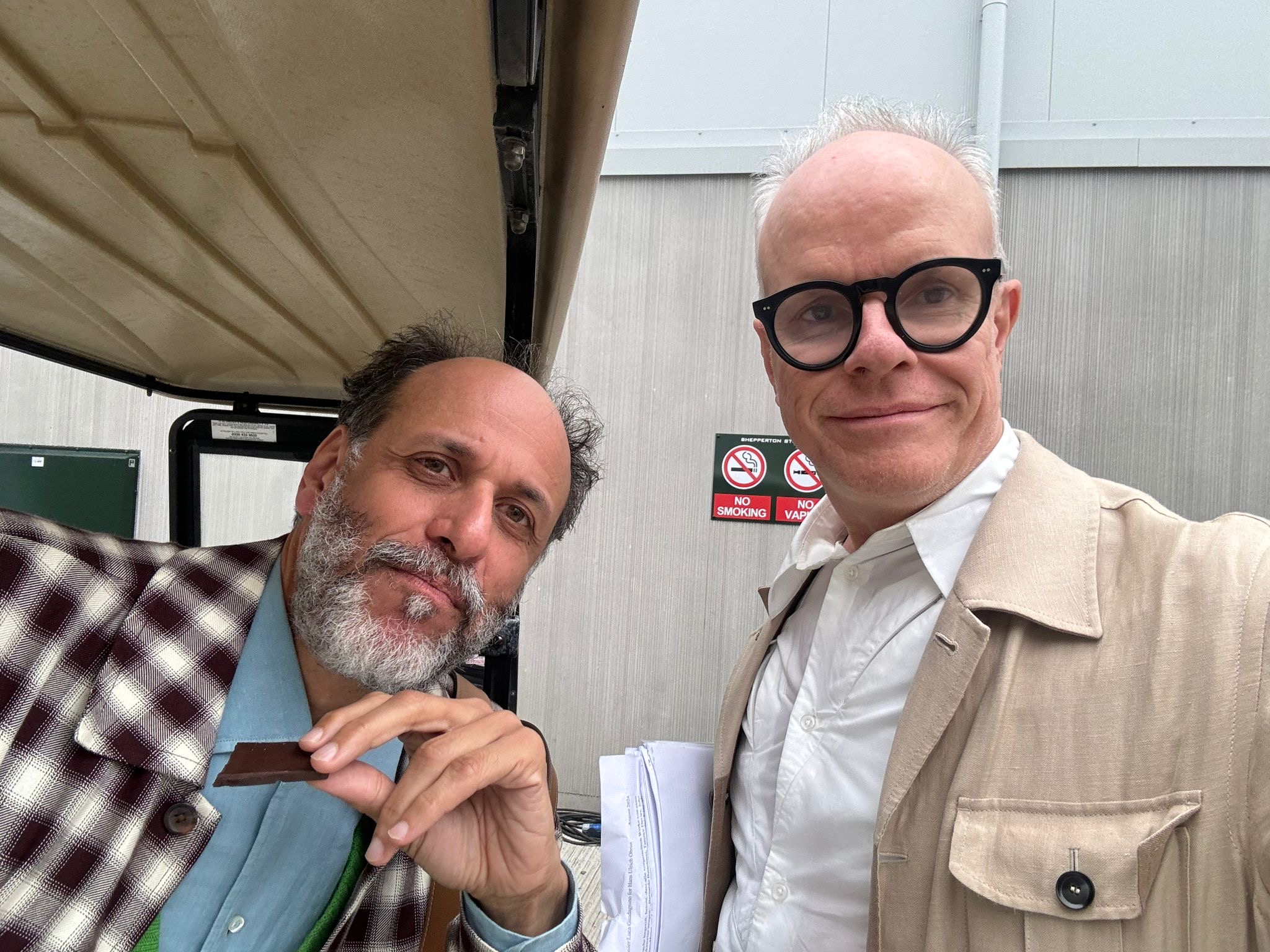
Luca Guadagnino and Hans Ulrich Obrist, August 2024, London
HUO: I would like to ask you how it all began. Was there an epiphany?
LG: The epiphany was the cover of the book Queer in its Italian translation entitled Diverso (which means “different”), published by SugarCo Edizioni, which at the time was publishing the entirety of William S. Burroughs’ texts. I found the book in the Sellerio bookshop in Palermo around 1988 or 1989.
HUO: So after you had come back from Addis Ababa?
LG: Yes, I came back from Addis Ababa in 1979 when I was 8 and I moved to Palermo. A few years later, when I was a teenager, I spent a lot of time in that bookshop because I was very solitary. I saw this book by Burroughs and I bought it. It was an epiphany of a magnitude that clearly had a ripple effect on me, which has stayed with me until today. There was something in it that I didn’t know was already working inside me. Now that I am 53 years old, I can tell you that the epiphany was the moment in which, in the book, Burroughs describes the character of William Lee as having a sort of translucent, ghostly self that reaches out for the neck of Allerton in order to smell it. I think that’s somehow what made me truly willing to make a movie of this book.
HUO: It’s interesting because Burroughs didn’t publish the book for 30 years, and then it also took you 30 years or more to make the film.
LG: Almost 40 years. Well, Burroughs couldn’t publish the book probably for internal reasons. It was too much of an intimate book for him to be dealing with it in a public way. Whereas I always wanted to tell this story, but probably it is good that I did so when I was 51-52 because only in my maturity I was able to grasp the power of the intimacy that Burroughs was running away from. The movie is a reflection on Burroughs but also on topics that belong to my personal sphere. From the way in which I see the loved one, to the way in which I am seen interiorly by the loved one and how I see myself being seen. Then at the same time, it has a lot to do with the way in which I create the world, how to deal with the world of Burroughs from the perspective of the world of cinema that I love.
HUO: You said in an interview that Queer is the movie of your life, which is beautiful, and that you wanted to make it for such a long time. It is not only a childhood memory of this book for you though, you had a script that you discarded. It was an unrealized project. Then it became realized after you made Challengers with the screenwriter Justin Kuritzkes.
LG: I tried to get the rights of the book for a long time and never succeeded. Then, while I was working on Challengers, I felt that there was something about Justin that really strongly resonated with me, a sort of companionship. He’s young and I’m not, but at the same time, there is a youthfulness in both of us that I recognize as a sort of kindred spirit. I bought a copy of the book for Justin and he loved it, so he accepted to adapt it. We went on an immediate quest to write the script and get the rights of the book and we succeeded.
In my career I have many unrealized projects. Even with Suspiria, it took me many years to make it. Then I have Queer. And I have two more: one is Aryan Papers, which is an unrealized project of Stanley Kubrick, an adaptation of Louis Begley’s first book, Wartime Lies, that I have worked on for a long time for Warner Bros., with the blessing of the Kubrick estate and the Kubrick family; the other is an adaptation of Thomas Mann’s Buddenbrooks, that I read when I was 12, and that I have dreamt of making ever since. For 42 years I have been making it in my mind. I am adapting the script right now with the writer Francesca Manieri with whom I wrote We Are Who We Are. These are very complicated projects. The fact that I could remake Suspiria and I could make Queer tells me that I am a very lucky man, or a very persistent man. I get what I want. If I can manage to make either Buddenbrooks or Aryan Papers, then I can conclude my life very satisfied.
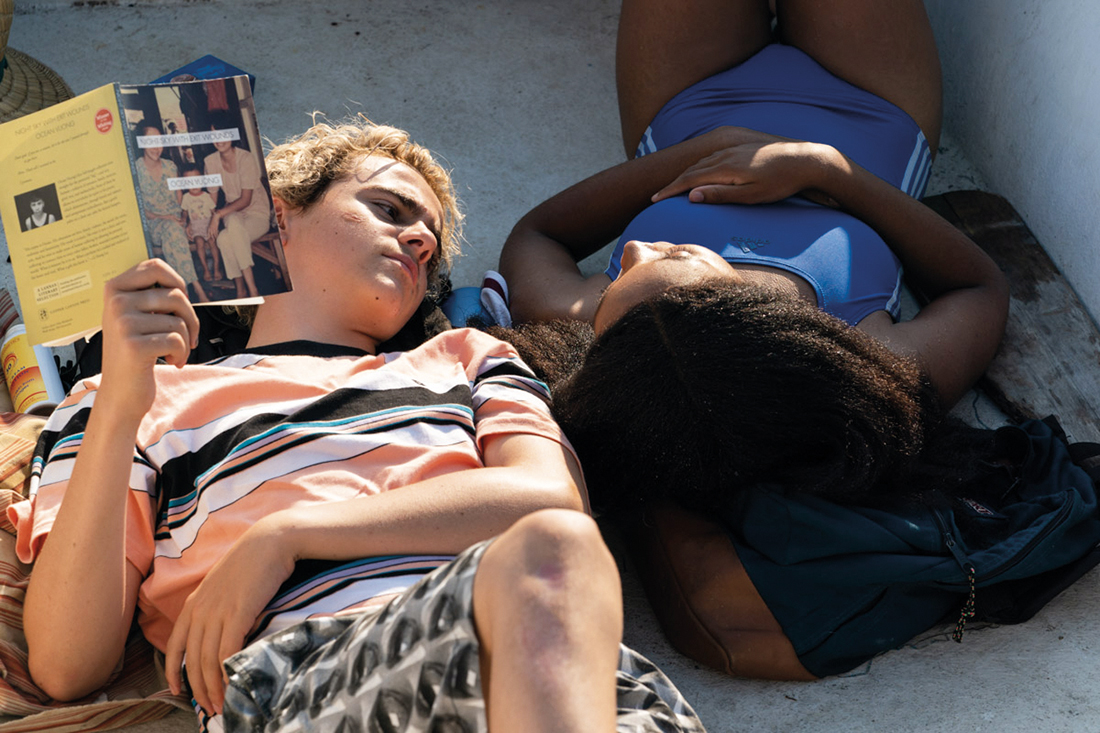
We Are Who We Are, 2020 (film stills) Photo: Yannis Drakoulidis Courtesy: Sky
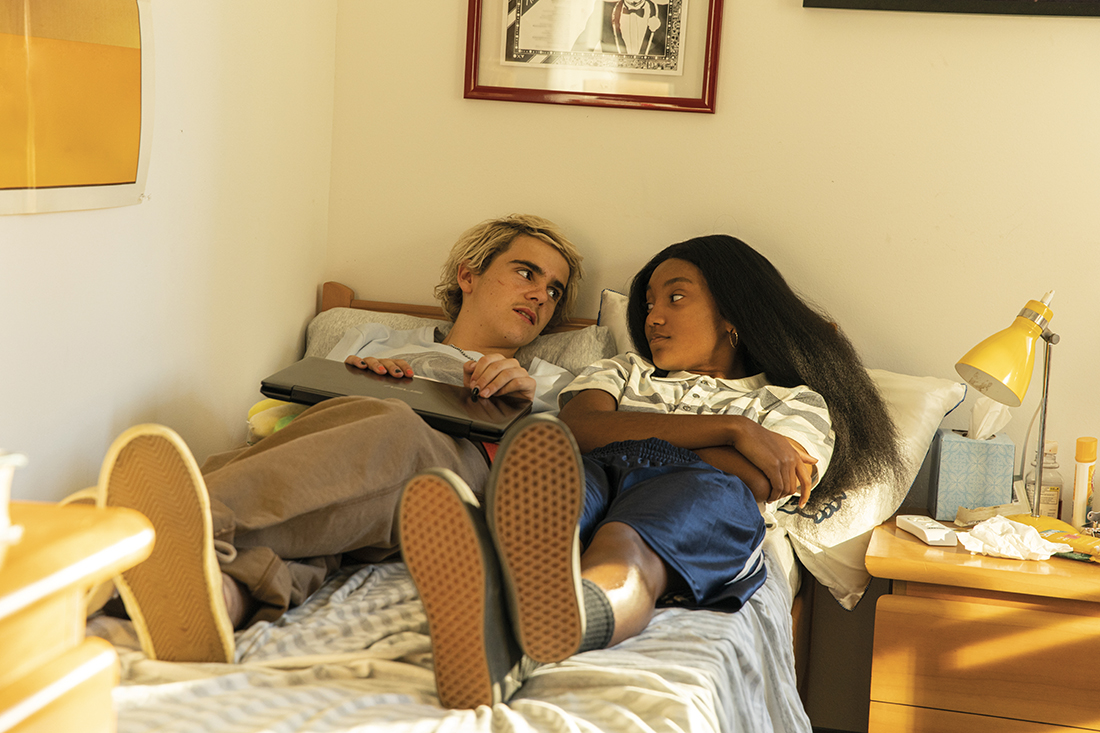
We Are Who We Are, 2020 (film stills) Photo: Yannis Drakoulidis Courtesy: Sky

We Are Who We Are, 2020 (film stills) Photo: Yannis Drakoulidis Courtesy: Sky
We Are Who We Are, 2020 (film stills) Photo: Yannis Drakoulidis Courtesy: Sky
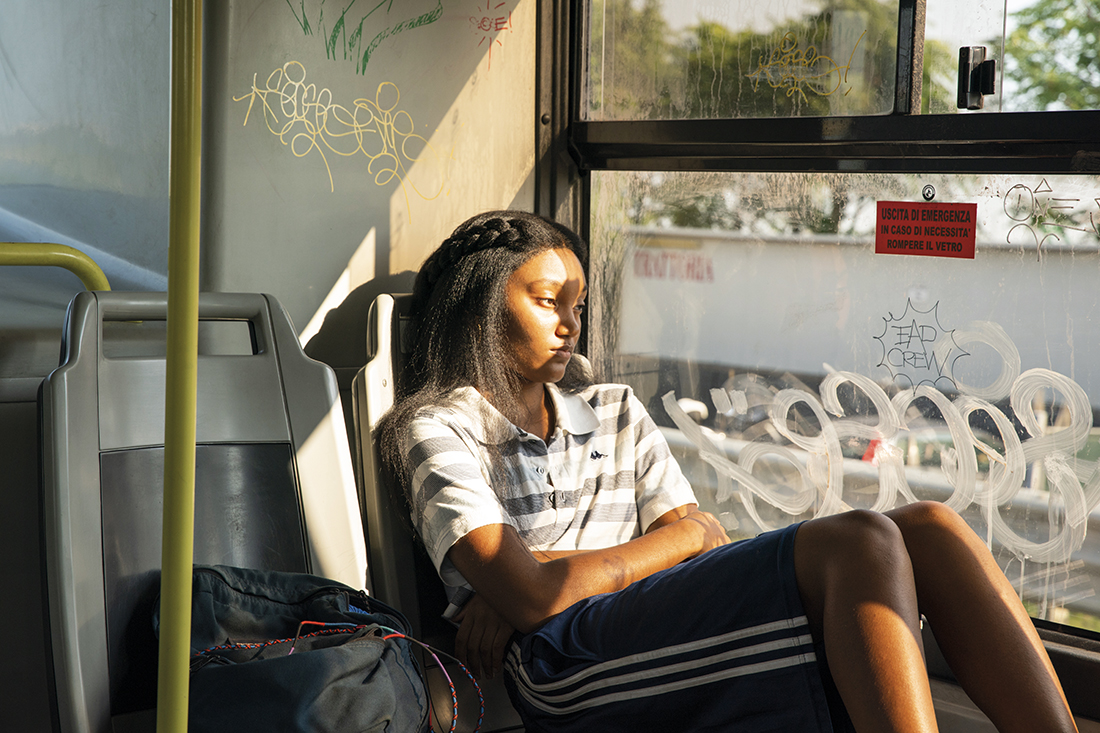
We Are Who We Are, 2020 (film stills) Photo: Yannis Drakoulidis Courtesy: Sky
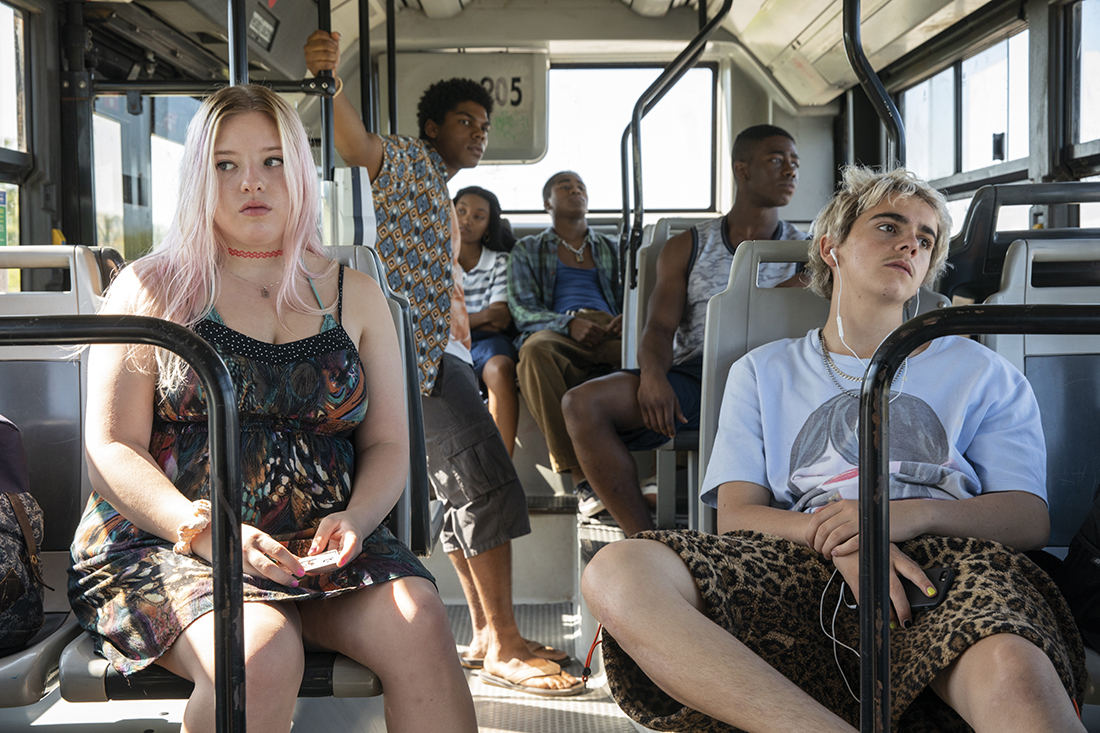
We Are Who We Are, 2020 (film stills) Photo: Yannis Drakoulidis Courtesy: Sky
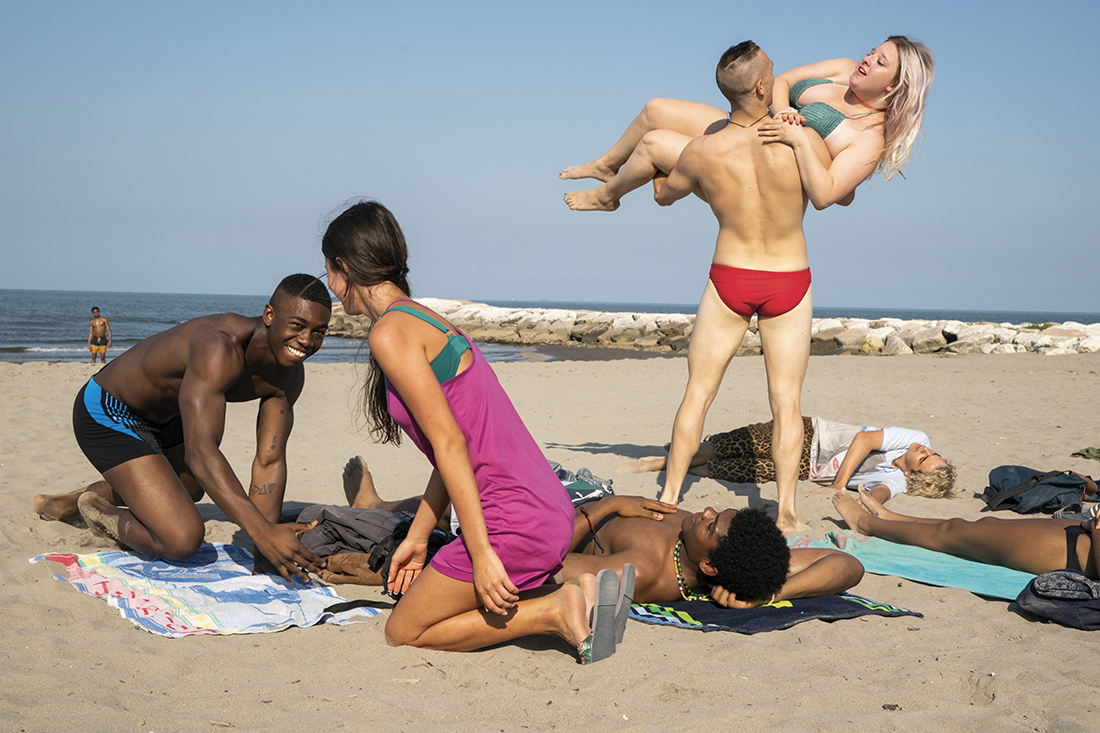
We Are Who We Are, 2020 (film stills) Photo: Yannis Drakoulidis Courtesy: Sky
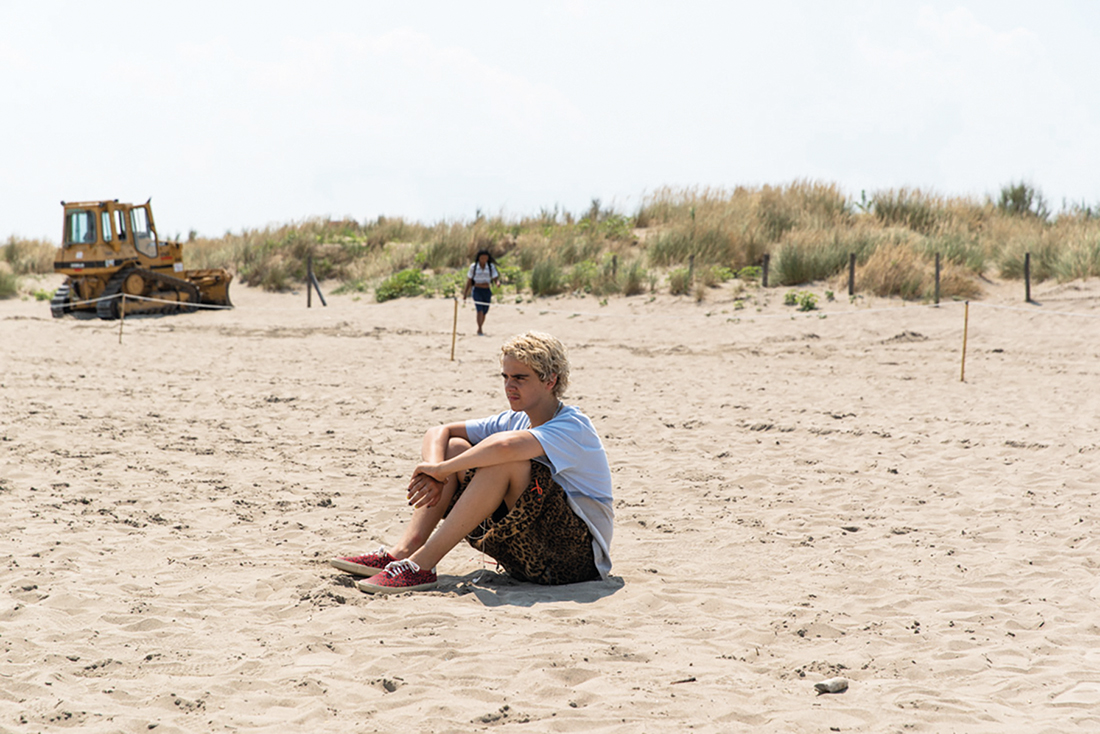
We Are Who We Are, 2020 (film stills) Photo: Yannis Drakoulidis Courtesy: Sky
HUO: A long time ago I did an interview with Jeanne Moreau and she talked about the fact that there are unrealized projects one dreams to do and unrealized projects one refuses to do. She said her entire career was also defined by things she refused to do. I am curious to know if there have been films you said no to.
LG: Many, yes. I totally agree with her. This week I said a very important no to a project that was brought to me with all the great premises, with a possible cast of amazing actors. It’s very important to say no. In Hollywood, they call them “power nos,” because if you can say no to something, that means that you don’t need anything. But it’s not about power for me, it’s more about being truthful to yourself.
HUO: Can you give an example of something it was important for you to say no to?
LG: When I was asked to direct a movie which already had an actor in place, because I choose the actors.
HUO: How did you choose the actors for Queer? What was the process?
LG: Daniel Craig was a dream which became reality very quickly. For Drew Starkey, Peter Spears, one of the executive producers of the movie, showed me an audition tape of him for another movie. It was amazing. I met Drew in Los Angeles a couple of times, the second time with costume designer Jonathan Anderson, and we found him perfect for the role.
HU: I found an interview with Burroughs and Allen Ginsberg where he mentions the idea of the ugly spirit, an external entity that possesses you. Is that idea important for the film?
LG: I like the idea that we left the ugly spirit outside the door in this movie, we didn’t let the ugly spirit come in. We wanted it not to be visible. It was too easy to invite it in. We thought that it is not the ugly spirit informing Lee, it’s just love that is informing both Lee and Allerton, although in two very different ways. Lee is all about consumption, with peaks of intensity. Allerton is about the fear of getting lost in love, and the consequent need to control it.
HUO: It’s very different from the book. Even the characters are different from how Burroughs describes them.
LG: I like the persona that Burroughs built very skillfully throughout his own entire life. But in the movie we wanted to focus on the quest for being recognized by the other. The ugly spirit exists in the space of a sort of cynicism that I wanted to get rid of in this movie. Burroughs says that the ugly spirit inhabited him since he killed his wife while playing William Tell after which the ugly spirit became a sort of enemy within, or a companion within, that allowed him to become a writer. But in our movie, he’s not a writer. There are a lot of typewriters in his house, but we don’t know what he does… He loves.
HUO: There’s an introduction in which Burroughs writes about his books Junky and Queer: “I had written Junky, and the motivation for that was comparatively simple: to put down in the most accurate and simple terms my experiences as an addict. I was hoping for publication, money, recognition […]. My motivations to write Queer were more complex, and are not clear to me at the present time. Why should I wish to chronicle so carefully these extremely painful and unpleasant and lacerating memories? While it was I who wrote Junky, I feel that I was being written in Queer.” Isn’t that interesting?
LG: Very much. But when you adapt, you have to betray in order to be faithful.
HUO: It’s a creative betrayal.
LG: It is a betrayal of a lot of dynamics and vectors in order to be truthful to the reasons why you wanted to adapt the book in the first place, and also to Burroughs himself. I think the movie plays as an ode to the loving Burroughs that he tried to shield himself away from for a long time.
HUO: You said it’s a romantic movie. It’s about love, about being loved. It makes me think of Agnès Varda, who was a very dear friend of mine. About a month before she died, when she was almost 90, we did an interview and she said she had a surprise for me. She had invited home some friends, her son, her daughter, Christian Boltanski and Annette Messager, J.R. and his partner and myself and my partner Koo Jeong A. Then she started to bring people into her kitchen, two by two, and she photographed them from above while they were holding hands. She said, “I’ve been on this planet for 90 years, and the only thing which matters is to love and to be loved.” That came back to my mind when I saw your film.
LG: It is so beautiful, I agree: the only thing that counts is to love and to be loved. Those who are not capable of receiving the love of the other and giving it back to the one who loves them are doomed.
HUO: What does the notion of magic mean to you in relation to the film, but also in general?
LG: Magic comes with the irrational and the irrational comes with abandonment, to abandon yourself to it. I think it’s a political stance, the embracement of the magic means that you are ready and capable of losing control and venture into the irrational.
HUO: In this regard Burroughs says, “Since the word ‘magic’ tends to cause confused thinking, I would like to say exactly what I mean by ‘magic’ and the magical interpretation of so-called reality. The underlying assumption of magic is the assertion of ‘will’ as the primary moving force in this universe—the deep conviction that nothing happens unless somebody or some being wills it to happen. To me, this has always seemed self-evident. […] From the viewpoint of magic, no death, no illness, no misfortune, accident, war or riot is accidental. There are no accidents in the world of magic.”
LG: It is the world of the unconscious. A slip of the unconscious is always a delivered communication, even if you don’t know what you’re doing, you are doing something that is very explicit.
HUO: And what about sound? Earlier we were talking about your friend Arto Lindsay.
LG: I would like to invite Arto to play all his beautiful songs in my house without the noises that usually accompany them. I will convince him.
HUO: We will come back to the film in a minute, but as you mentioned the house, it would be great to talk a bit about this parallel reality you have. You’ve been working for a long time with design, which is not so well known in the film world. Your house is a kind of a Gesamtkunstwerk, because everything comes together within it. You have also presented furniture at Salone del Mobile.
LG: I like the idea of doing things, of exploring things. I like the idea of loving conversations with people, that are informed by love and that you could do things for people, with people, in the context of people. And what is a space, if not a place to fill with the presence of people?
HUO: Like an interaction.
LG: I bought this house a few years ago, and then I restored it with the idea that it might outlive me. At the same time, it is not just a domestic environment, but a place where domesticity becomes also a space for the expression of artists of every field and a communal sharing experience. I think it’s something that somehow fulfills me, and enables me to achieve a lot of the aspirations that I have had since I was a kid.
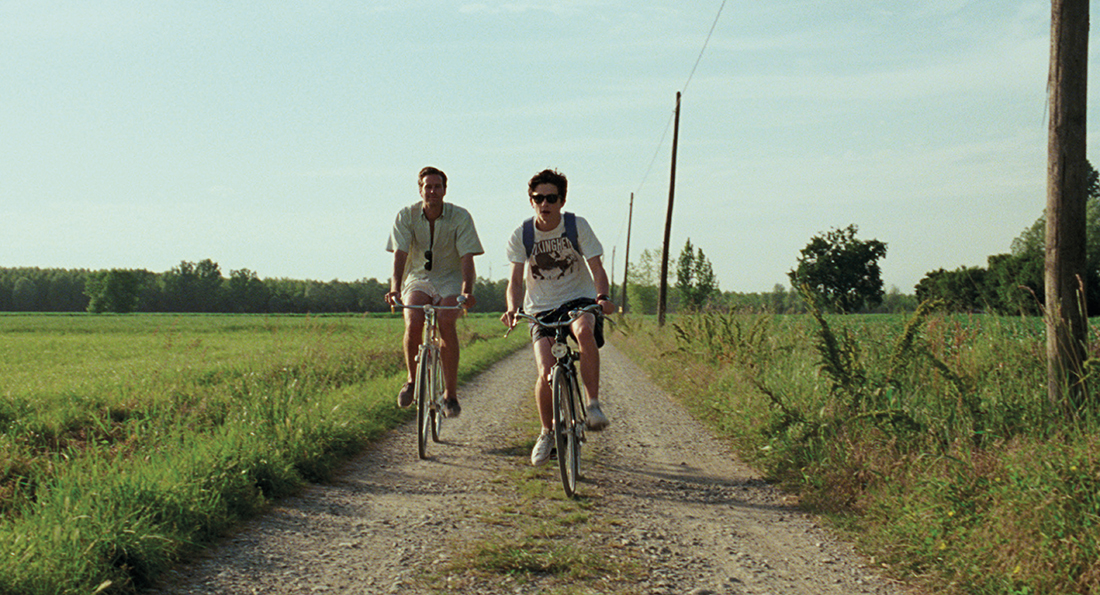
Call Me by Your Name, 2017 (film stills) Photo: Sayombhu Mukdeeprom Courtesy: Sony Pictures Classics
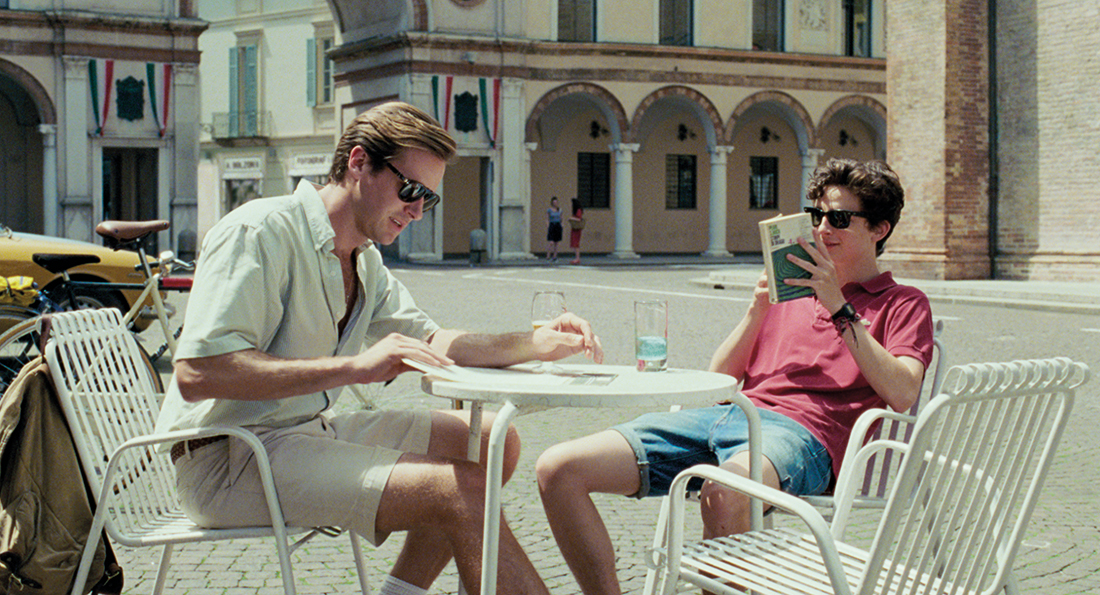
Call Me by Your Name, 2017 (film stills) Photo: Sayombhu Mukdeeprom Courtesy: Sony Pictures Classics
HUO: We have just been on the set of your new film, After the Hunt. In that sense what you are describing is not so different from what happens on a set. It’s about creating places for interaction between people.
LG: Well, the set is more about creating places in order to bring the characters to life. A house, whether it’s for yourself or for someone else, is a place where you actually are a biopolitical subject. You exist in the place, and you live in it. You are not the mirror image of how you could live in that place, but you are actually dealing with it. That’s why the thing that I’m most interested in right now, having done a few projects for private residencies and private stores, would be for me to design public spaces.
HUO: Then you also design furniture. You started the Studio Luca Guadagnino in 2017 to explore this interaction and you had a show in the Salone del Mobile in 2022, Accanto al fuoco. Can you talk about that?
LG: I’ve been practicing interior design for a while and I met Stefano Baisi, a young architect. I like to empower people, so we started a conversation about what we could do to make something proper and strong within the ambitious boundaries of Design Week in Milan. I challenged Stefano to do something in this very limited amount of time, and eventually we arrived at that presentation that was quite successful and made me feel that there was a lot that could have been explored further. That also led me to propose Stefano to be the production designer of Queer.
HUO: He’s also the production designer of After the Hunt. Can you talk about the film we saw today? The stage set is amazing. There’s a lot of art in it, from Vilhelm Hammershøi to Francis Picabia and Georgia O’Keeffe. You’re not only a designer but also a curator in that sense. Also in Queer there are many art references.
LG: Queer is filled with art references, because I discussed at length with both Stefano Baisi and Sayombhu Mukdeeprom, the brilliant director of photography of that movie, what were the references that we had to think about. In Queer the references were more internal—we looked at the paintings of Michaël Borremans and Francis Alÿs as standpoints in terms of the light and the texture we wanted for the movie. We worked a lot on that canon, and then made some direct references to artwork from these artists. We also have artists who played in the movie, like Andra Ursuţa and Michaël Borremans.
For the visual aspect of After the Hunt, we thought a lot about the work of great cinematographers like Sven Nykvist and Gordon Willis, but we didn’t see this movie from the perspective of painting. We put a lot of art in it because it’s a movie about the crisis of contemporaneity within the world of, let’s say, those who rule the world.
HUO: The film is set in a university.
LG: Yes, it is set in an Ivy League university. The character played by Michael Stuhlbarg had an apartment that came with a history of the aristocracy of the academia. We thought about the family of Frederick, who owned the apartment for so long, and we imagined his grandfather was German, was part of the Bauhaus and became a very important historian of architecture before leaving Germany in the 1920s. In the move from Europe to America, he brought his collection of paintings that includes Vilhelm Hammershøi, Georgia O’Keeffe and Francis Picabia. It is absolutely possible that someone who has owned an apartment for the last 80 years had a grandfather who had been able to get those amazing paintings that weren’t expensive, and capable of recognizing them as important art and sustaining the artists.
HUO: Like a connoisseur more than a collector.
LG: Exactly. As a connoisseur and a friend. I’m a collector myself, and I collect basically only contemporaries right now. I hope that maybe in 80 years, some of the things that I have collected are still going to be standing the way in which the art in the apartment of the film stands.
HUO: So there you are, as a designer, as an architect, as a film director, as a curator, and then there you are as a collector. There are many dimensions. It’s like quantum physics, they are all parallel realities, which in your films all come together.
LG: It’s like a millefoglie, you have many layers. I love to do that, because I think movies that are not able to open themselves up to the multiplicities of the disciplines of arts are sterile.
HUO: You have a deep connection to music and sound. In the soundtrack of Queer there’s a lot of ’80s and ’90s music, like Nirvana, Come As You Are. I met Burroughs at an opening at Larry Gagosian in New York in 1993 and I remember that one of the things we talked about was Kurt Cobain. I think he ended up collaborating with him at a certain moment. Could you tell me something about the movie’s soundtrack?
LG: I thought about what was the music that could resonate emotionally with the character of Lee and his desperate quest for being loved and being seen by Allerton. Of course, Nirvana was immediate because of the strong tie between Cobain and Burroughs. But then this led me to think of these great poems of desolation and melancholy. There is New Order’s Leave Me Alone. Prince had this funk that was kind of parallel to the funk of Burroughs. And then we put in two songs from the Italian band Verdena.
HUO: Do you make your own sound?
LG: I worked with this great Canadian sound designer called Craig Berkeley. This is my second movie with him. And then the score was created by Trent Reznor and Atticus Ross, who made this very beautiful Schömberghian romantic score and composed a song that concludes the movie, sung by Caetano Veloso and Trent Reznor himself.
HUO: What is the role of costumes in your movies?
LG: We worked with my very dear friend Jonathan Anderson in order to create a vision of the ’40s. He did great research. Most of the clothes that you see are not recreation, but things that we sourced in museums, historical pieces. Daniel Craig wears suits that are the same brand that Burroughs used to wear in the ’40s, and these are original pieces from that period.
HUO: You also said in an interview that you looked at previous examples, such as the work of Eiko Ishioka for Francis Ford Coppola’s Dracula and Yohji Yamamoto for Kitano’s Dolls…
LG: In these two cases, both Ishioka and Yamamoto made very expressive costume designs, very boldly ‘out’ instead of ‘in’, while I believe that my two films with Jonathan are all about ‘in’ in terms of the approach to the costumes. Jonathan knows that costume doesn’t necessarily need to call for attention.
HUO: Thinking of Rainer Maria Rilke’s wonderful little book, Letter to a Young Poet, what would be your advice to a young filmmaker?
LG: Be brave. You don’t need to please people, you don’t need to find easy solutions or get success early. Be patient. Create a group of people that you are friends with, that you love to work with and be intimate with them, help them help you find what you want to do and say. But also read books, watch art, watch movies, think of things. Thinking is the most important thing to do before anything else.
HUO: Talking about architecture, there is this mysterious image at the beginning of the film. It’s very beautiful.
LG: These are houses made with the manuscripts of William Burroughs’ Queer. Because I think it’s a house. The book is a house. The movie is a house. It’s the house of his literature that meets the house of cinema, and it’s inhabited by the ghosts of love.
HUO: The future is sometimes invented from fragments of the past.
LG: I think it’s about reflecting, almost like an essayist, on the perspective of things from voices of the canon of cinema that I am enamored with. So I was thinking, “How Powell and Pressburger would think of this movie, what would be their perspective?” If that means that you use a fragment of the past in the canon of Powell and Pressburger, that’s a way that I agree with Panofsky.
HUO: Do you have a kind of archive you use when you do films?
LG: We build the archive. We do a lot of extensive research. I have many things in my mind. For example, I would like to make a movie in my house about the ghost of my father, which means that the archive that you described would be alive because it would be in the scene.
HUO: That’s another unrealized project.
LG: This is something I wrote recently, called Bread and Milk. My father used to love having breakfast with bread and milk. I want to make a little movie about a middle-aged man who lives in a house, and then one night, while watching Herzog’s Nosferatu, is awakened by a ghost, and he has a sudden fear, but then realizes that this is a very benign ghost of his father. They chat all night long until the early hours of the day come. The ghost of the father is starving and eats bread and milk for breakfast, and then goes to sleep in his son’s bed. It’s a very light story, but I think it could be a nice, touching movie.
HUO: I love that idea. I would like to ask you about the idea of complexity. I interviewed several writers of the Nouveau Roman (Alain Robbe-Grillet, Nathalie Sarraute, Michel Butor, Claude Simon) and I was fascinated with their capacity (shared with the early Nouvelle Vague) of being most advanced yet accessible, of injecting complexity to the mainstream. I think that’s somehow what you do in your films.
LG: I like this idea. I don’t think that an audience should be subjugated to the banality of simplification. An audience, which is a multitude of people, is able to accept complexities, if they are present and are presented at a sensorial level that allows them to abandon themselves and eventually learn to know themselves better.
HUO: I think that your previous movie Bones and All was a great example of that, because it seems apparently to be about the shock value of cannibalism, but it’s about something else completely.
LG: It’s about the dispossession of America, about these people being completely unseen and invisible and left adrift by this societal system that is so cruel. The real evil people in Bones and All are not the cannibals. And there is the sheer beauty of the landscape at the same time that holds everything together.
HUO: You said you read the script and loved it because you understood the characters.
LG: I felt I was both Lee and Maren. I think I was a subject of love. I was something that loves. I am someone who loves.
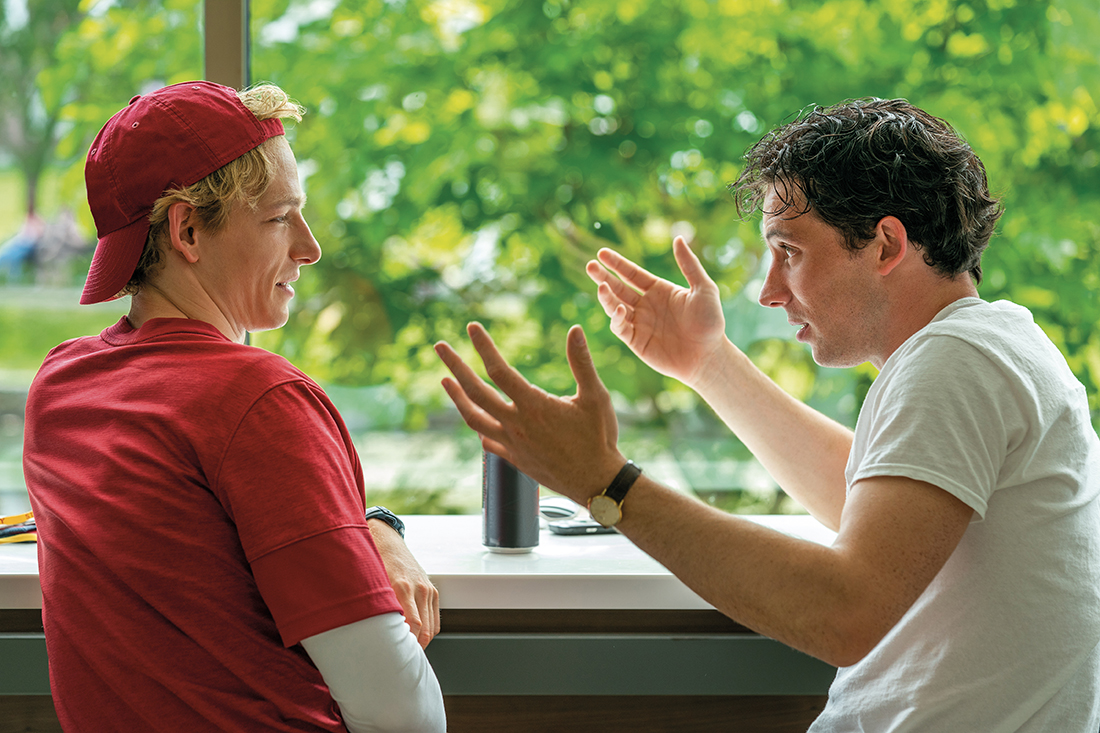
CHALLENGERS Photo credit: Metro Goldwyn Mayer Pictures © 2023 Metro-Goldwyn-Mayer Pictures Inc.
All Rights Reserved
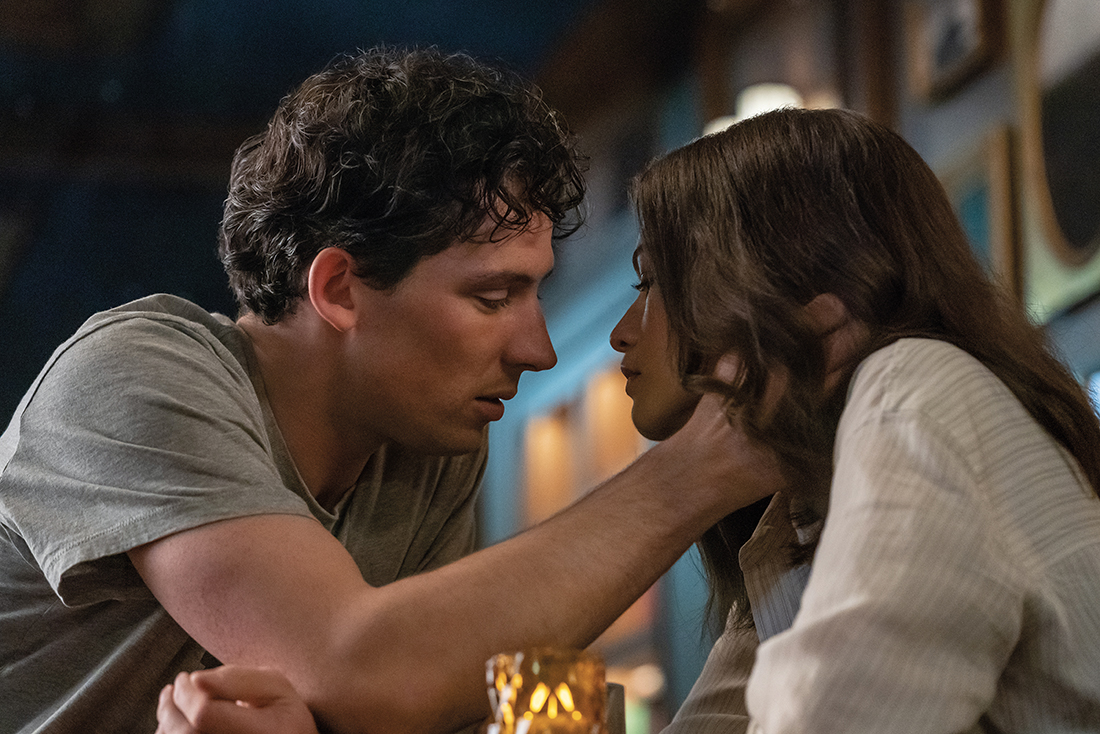
CHALLENGERS Photo credit: Metro Goldwyn Mayer Pictures © 2023 Metro-Goldwyn-Mayer Pictures Inc.
All Rights Reserved
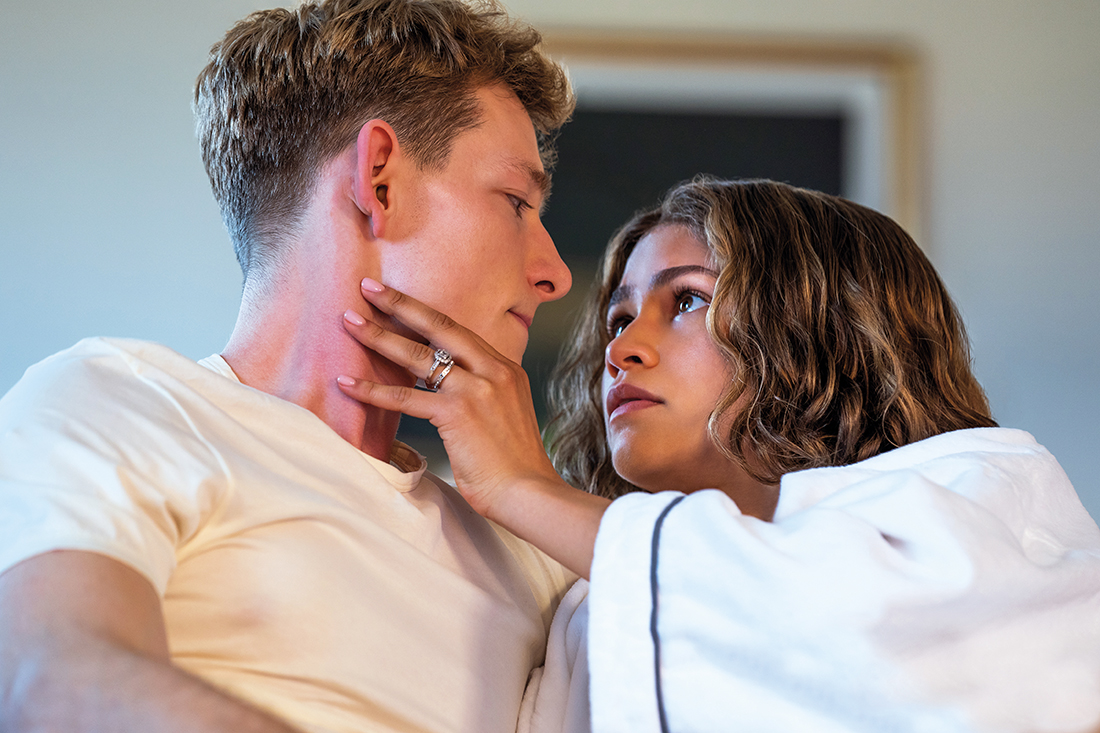
CHALLENGERS Photo credit: Metro Goldwyn Mayer Pictures © 2023 Metro-Goldwyn-Mayer Pictures Inc.
All Rights Reserved
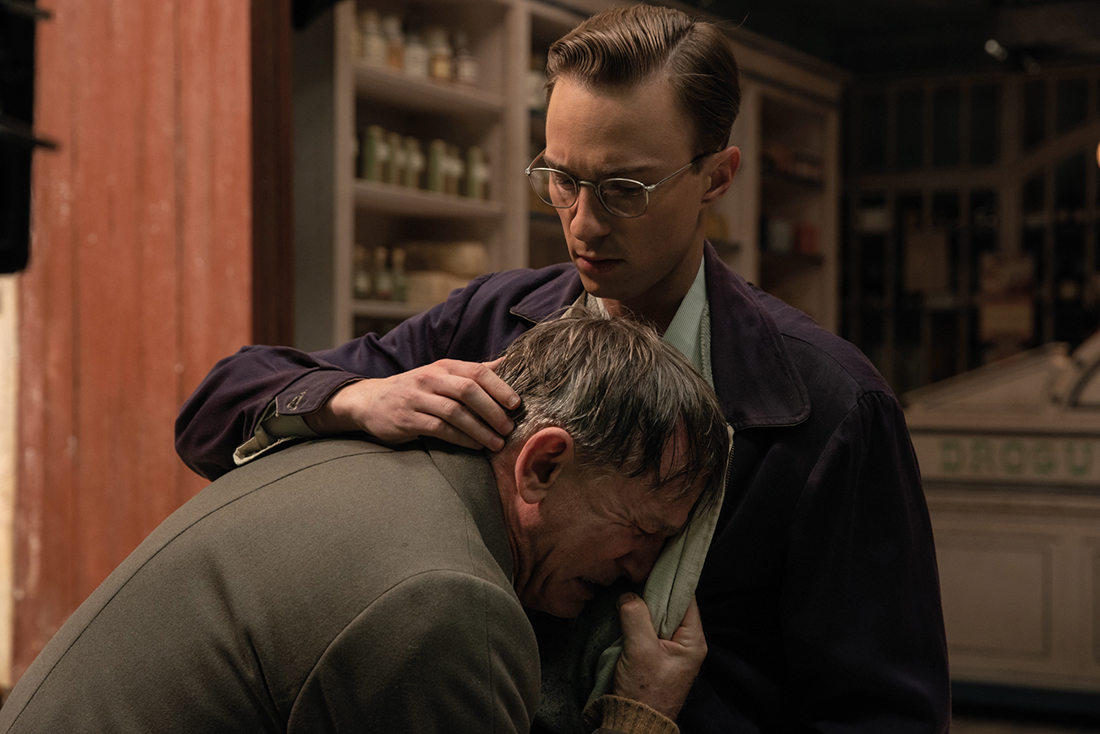
Queer, 2024 (film stills) Photo: Yannis Drakoulidis
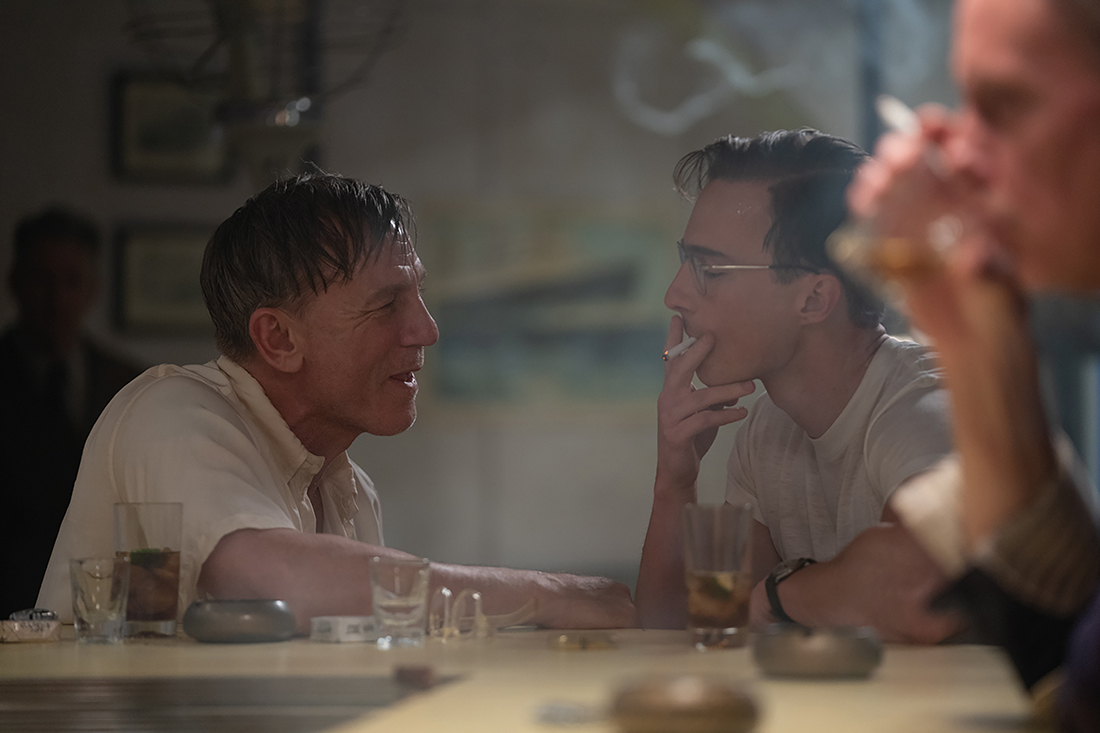
Queer, 2024 (film stills) Photo: Yannis Drakoulidis
Luca Guadagnino
in conversation with
Hans Ulrich Obrist
CURA.43
Coming of Age
LUCA GUADAGNINO (b. 1971, Palermo, Italy) is a director, screenwriter and producer of several films, including Io sono l’amore, A Bigger Splash, Call Me by Your Name, Suspiria, Bones and All, Challengers and Queer.
HANS ULRICH OBRIST (b. 1968, Zurich, Switzerland) is Artistic Director of Serpentine in London, and Senior Advisor at LUMA Arles. Prior to this, he was the Curator of the Musée d’Art Moderne de la Ville de Paris. Since his first show World Soup (The Kitchen Show) in 1991, he has curated more than 350 shows.