IF WE STAY, WE STAY AWAKE
Fundação de Serralves — Museum of Contemporary Art
Review by Nicolas Vamvouklis
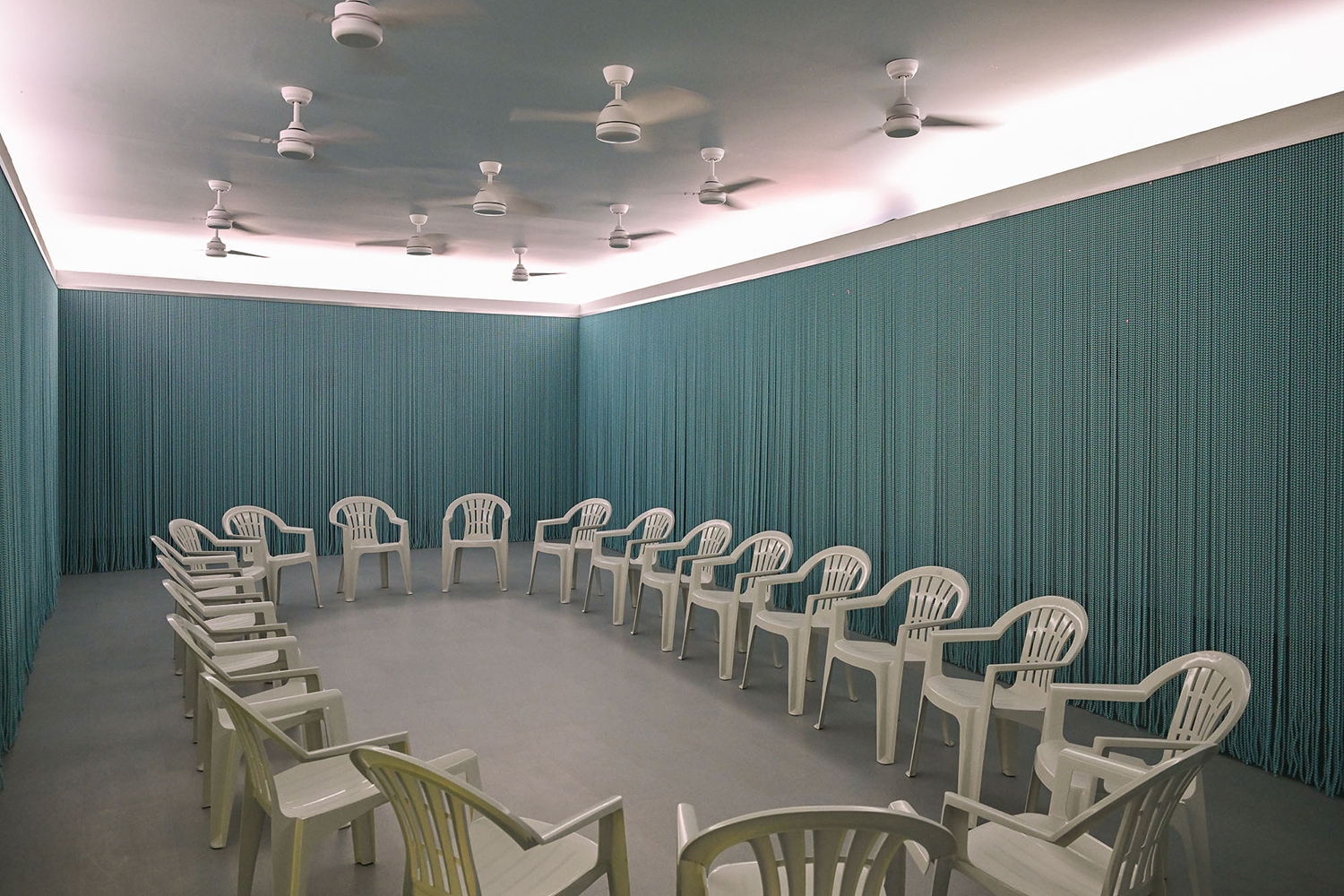
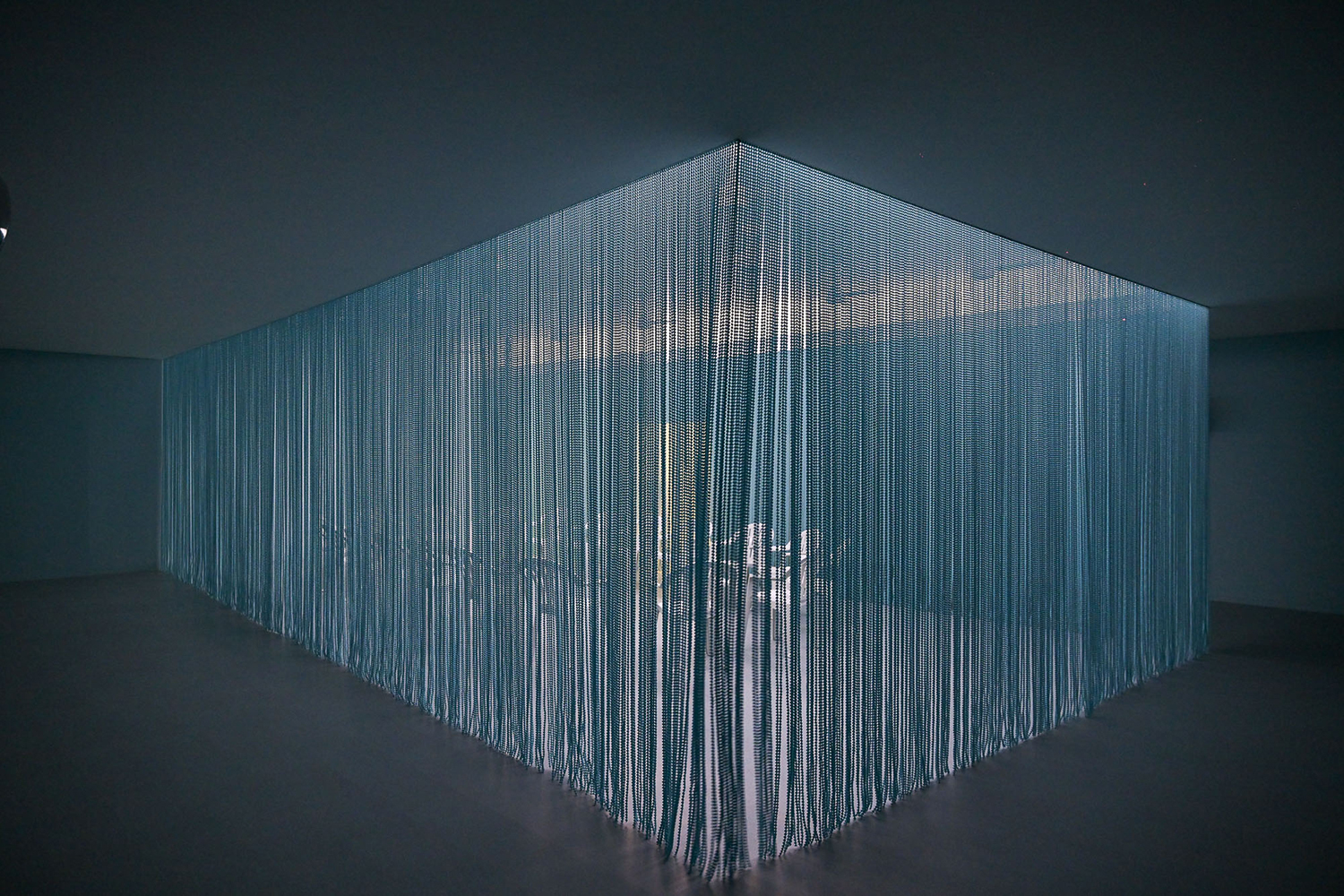
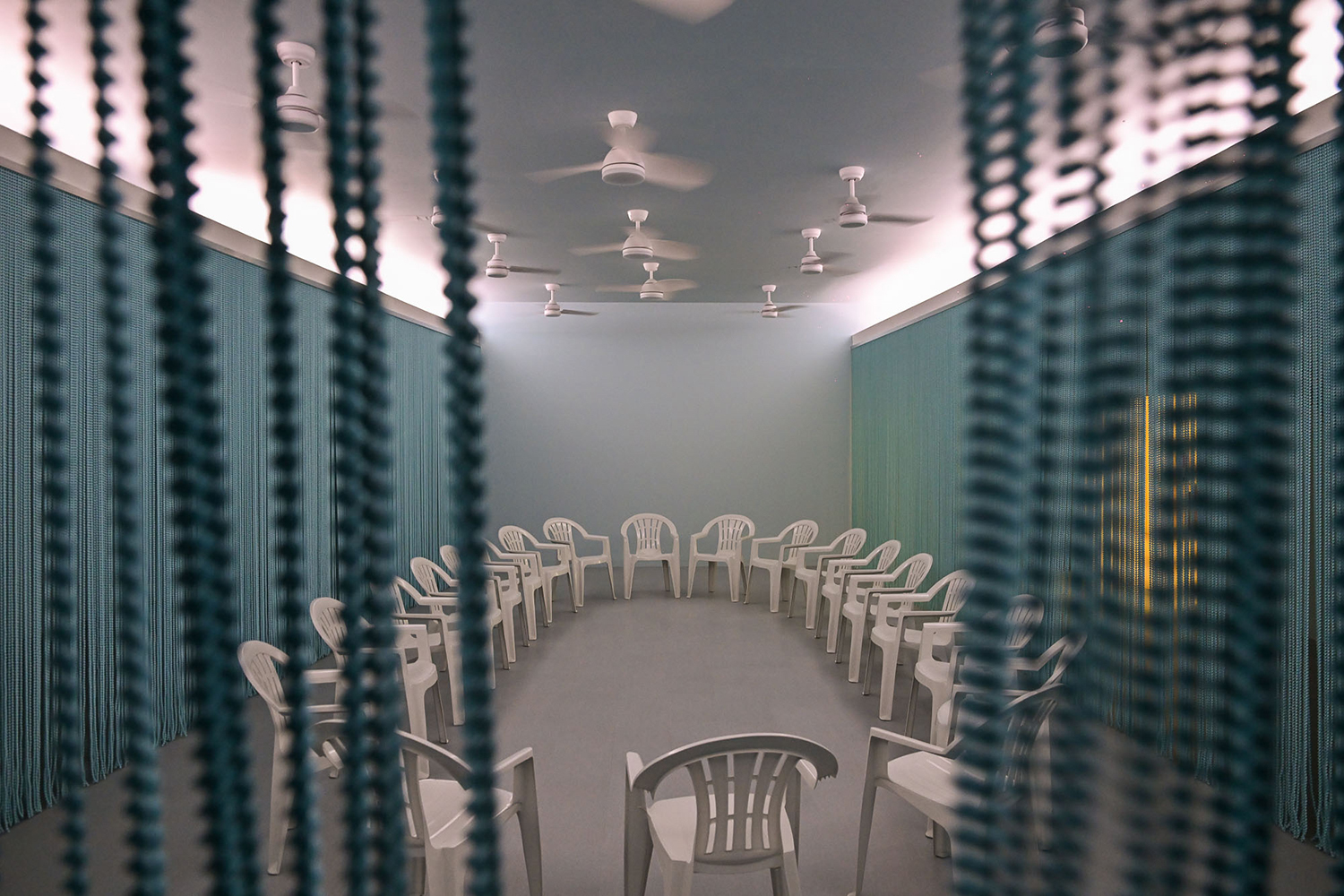
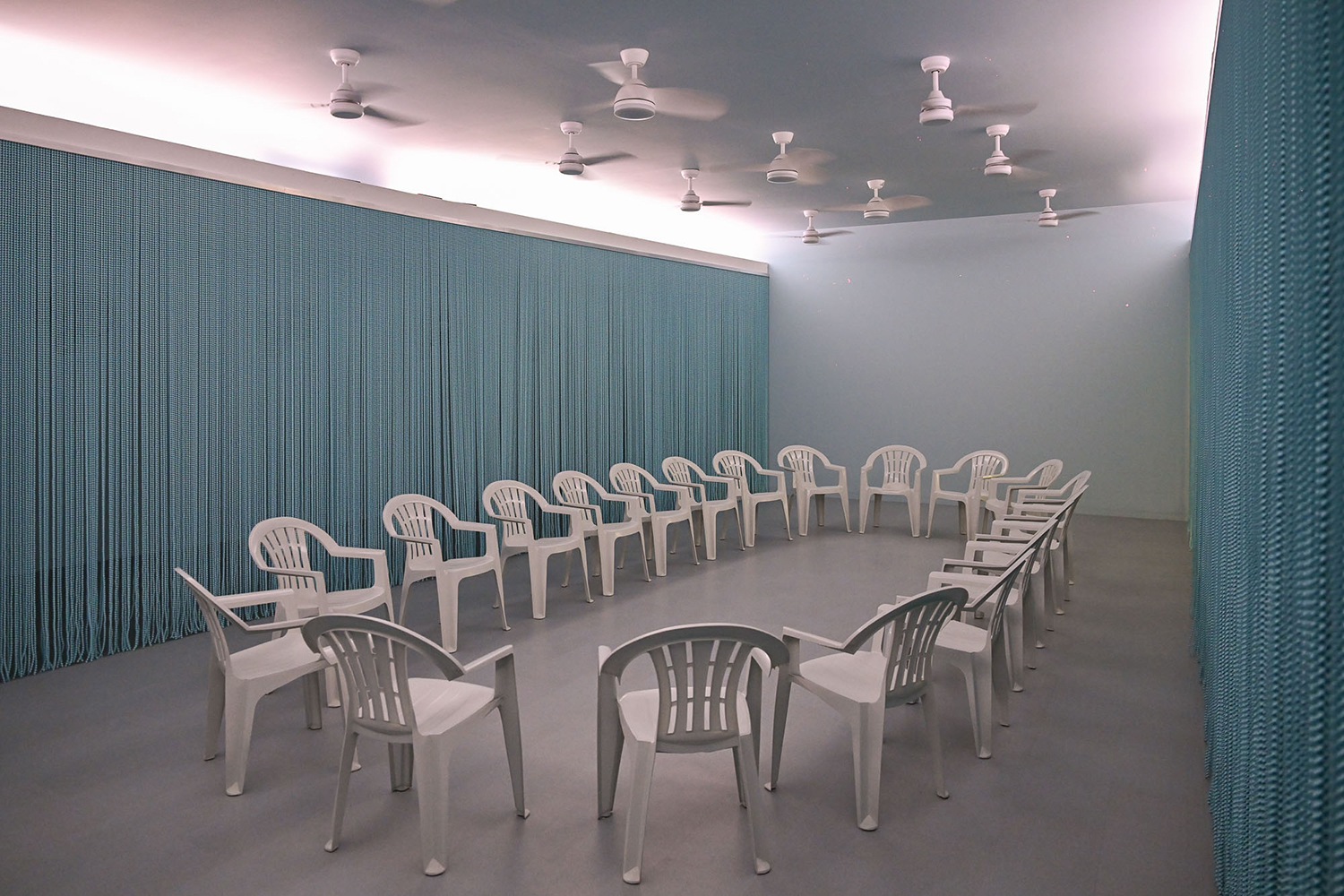
Before crossing the beaded curtain, I sense that a party has either just finished or is about to begin. Sound arrives first. The strands brush against you, adding a brief rhythm to the background. Ceiling fans keep the air moving above white plastic chairs arranged in a circle. There is something familiar about this scene, even without knowing whose home it might be. At her first solo exhibition in Portugal, SAGG Napoli makes hospitality a question of how much we allow in.
Developed through research in Porto, the installation connects two housing histories from the 1970s. In Salento, where her father comes from, families emerging from financial hardship invested their savings in houses they built themselves. Each bore the character of its makers. Following the Carnation Revolution, Portugal’s SAAL programme brought residents into the architectural process, giving working communities a say in the places they would inhabit. These distinct experiences meet around an unevenly distributed privilege: deciding how to live. What gets recognised as design, and what gets dismissed as an improvised adjustment, depends partly on who can claim authorship.
That distinction becomes tangible in furniture rarely granted much consideration. Cheap and easily replicated, the monobloc travels between suburbs across the world, offering a connection between different Souths. Here, the arrangement suggests a gathering without requiring one. Nobody tells you where to settle or how long to linger. The ease of the invitation matters. An object associated with modest means holds its own within a gallery, carrying the possibility of company.
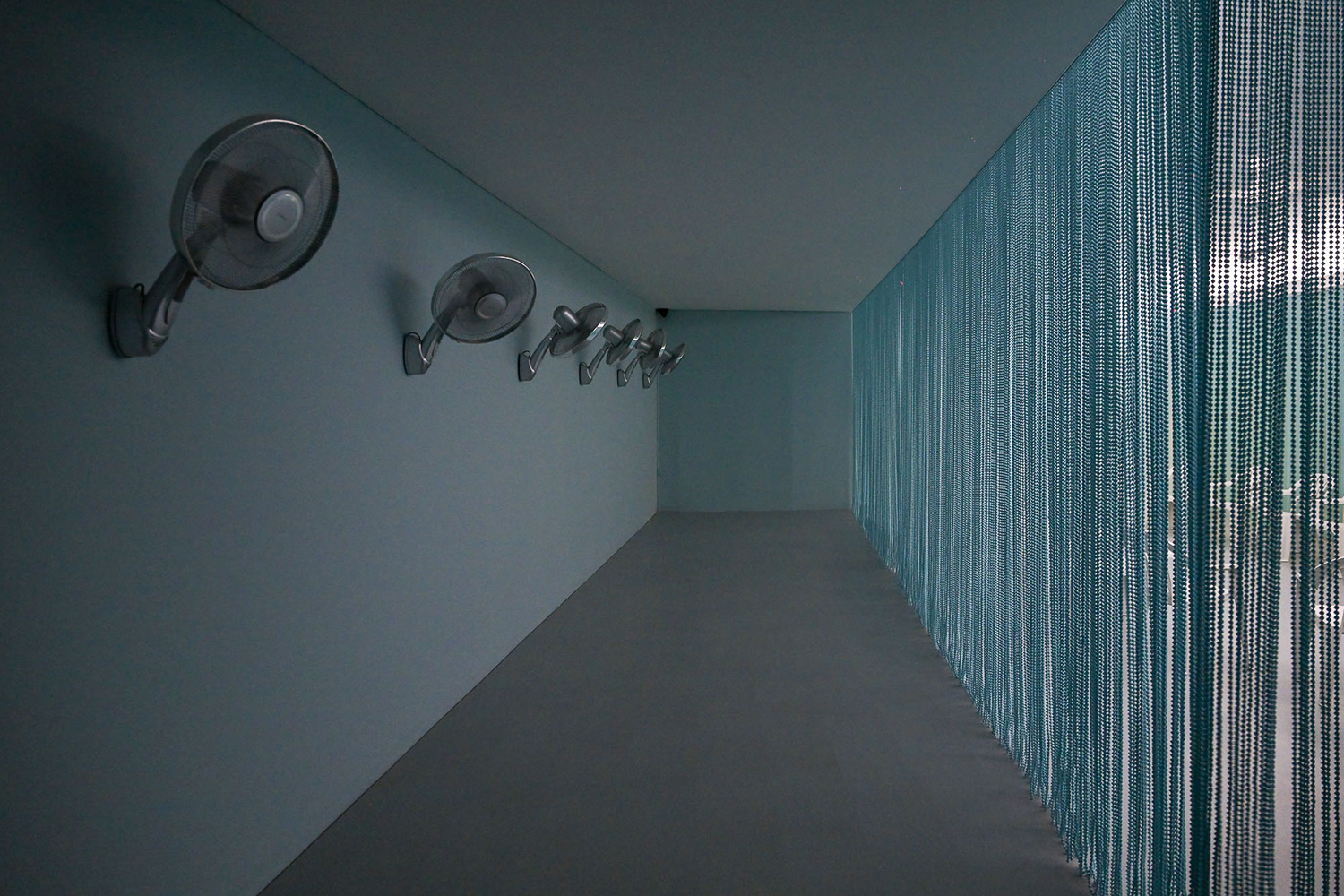
Composer Matteo Pit’s soundscape brings the street closer, with scooters passing through the hum of cicadas. The curtain marks a boundary while allowing noise to cross it. This permeability recalls the practical knowledge embedded in Mediterranean domestic routines. When to open a window, which blind to lower against the heat. Napoli remembers the discomfort of visitors sealing themselves inside an artificially cooled interior, indifferent to conditions beyond it. Against that retreat, her proposal asks for an awareness of what surrounds us. Even temperature involves a relationship with others.
Having followed her recent projects, I am struck by the confidence of this quieter approach. Her own image has receded, opening space for a shared situation. She seems willing to leave behind what once felt urgent and let the encounter unfold without her. The thinking is more assured because it needs so little explanation. Ordinary materials do the work, and the visitor is trusted to respond.
Yet the apparent relaxation carries a demand. Staying present means taking some responsibility for the circumstances we occupy, including those we might prefer to shut out. This political insistence never hardens into a lesson. It is there whenever someone takes a seat and makes room for a stranger nearby. What stays with me is the generosity of that pause. A chance to reconsider something so commonplace it usually escapes attention. For a moment, the setting is available to whoever enters, and that small shift in ownership is enough to make sitting down feel like participation.
SAGG Napoli
If We Stay, We Stay Awake
Fundação de Serralves — Museum of Contemporary Art
Galeria Contemporânea do Museu, Porto
July 3 – November 1, 2026
Photos: © nv studio