In conversation with XUE TAN
CURA. 46
Soft Power
COVER STORY
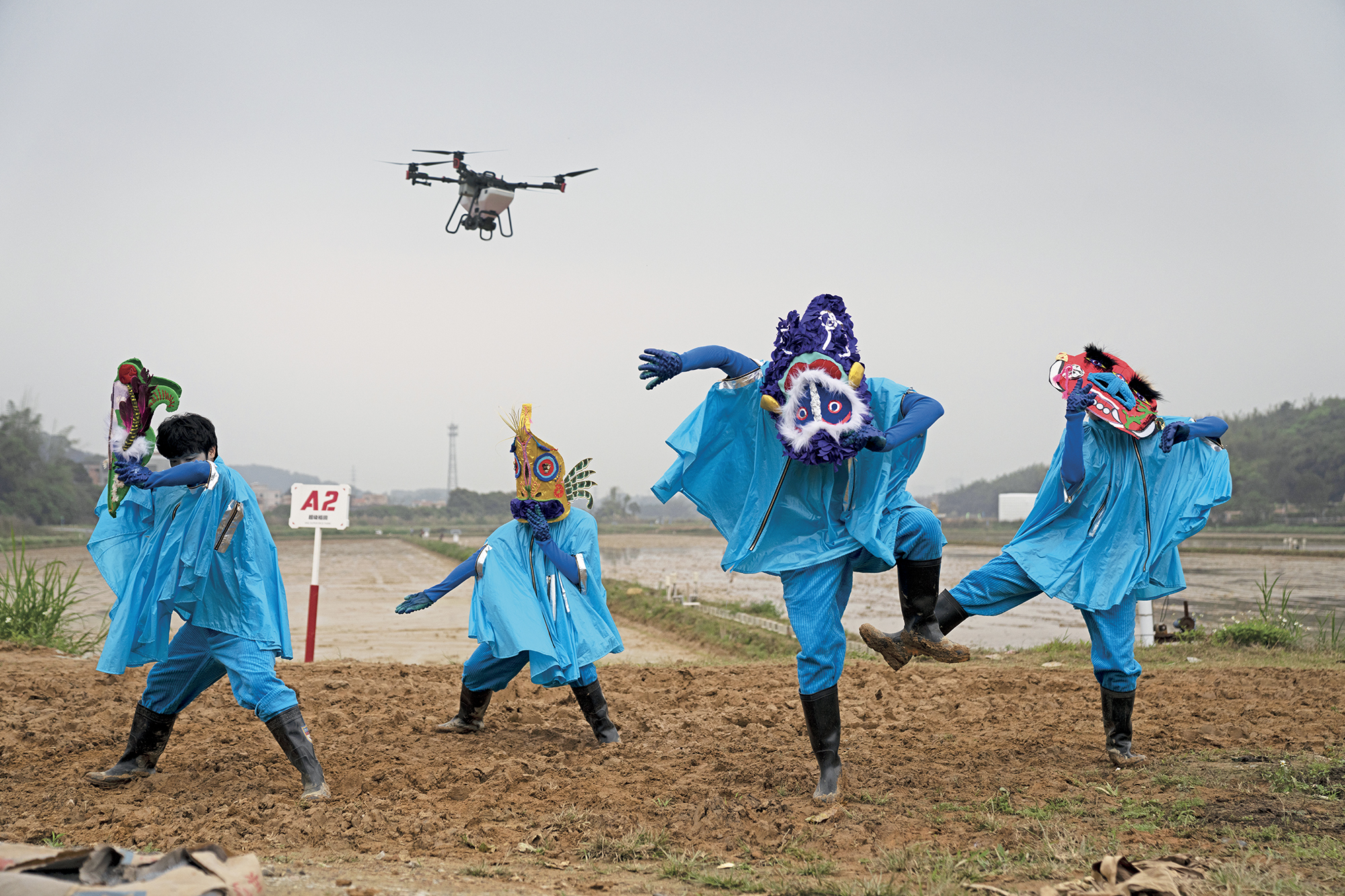
Southward Journey, 2026 (video stills) Work produced by Fondazione Prada
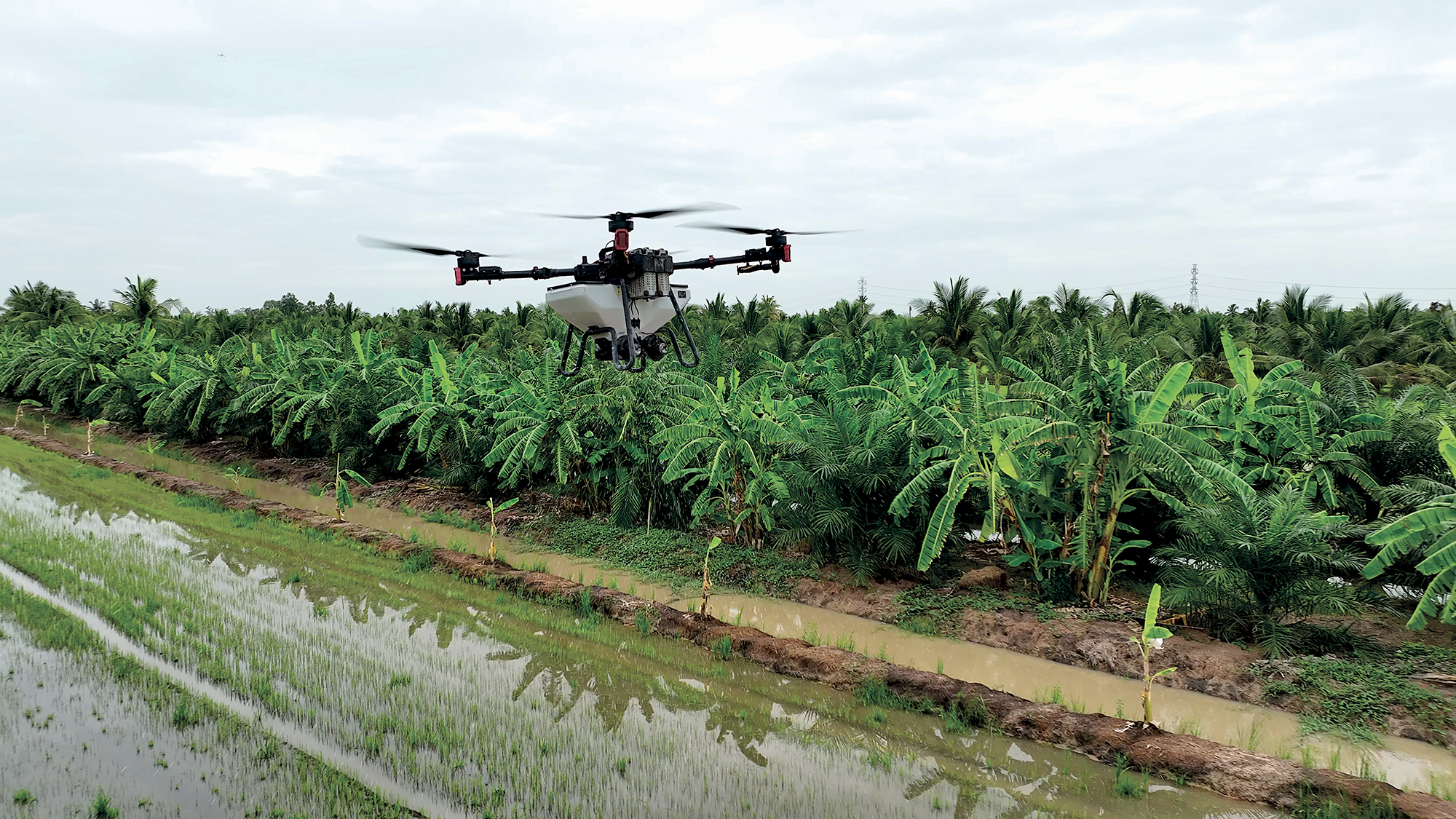
Southward Journey, 2026 (video stills) Work produced by Fondazione Prada
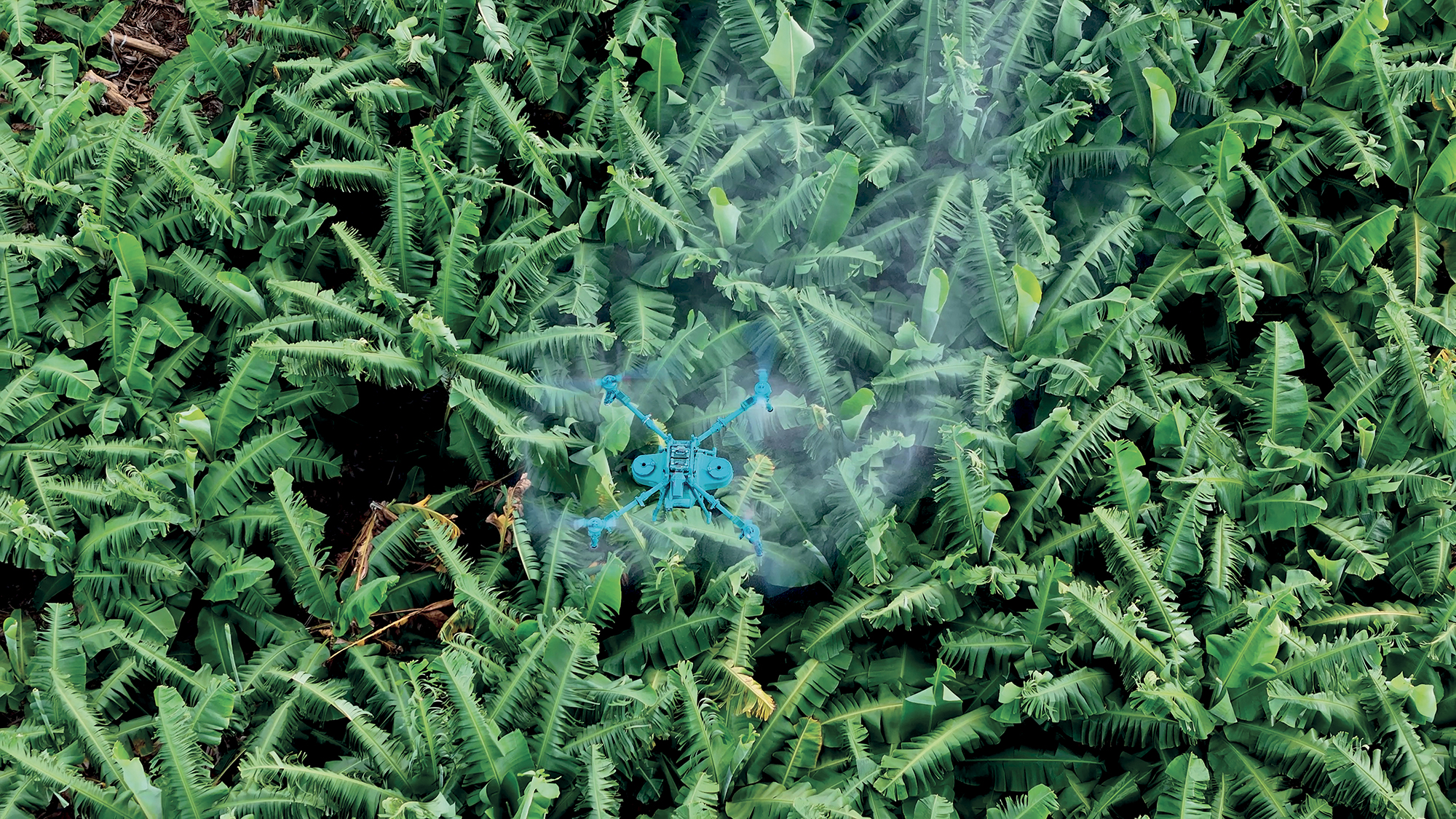
Southward Journey, 2026 (video stills) Work produced by Fondazione Prada
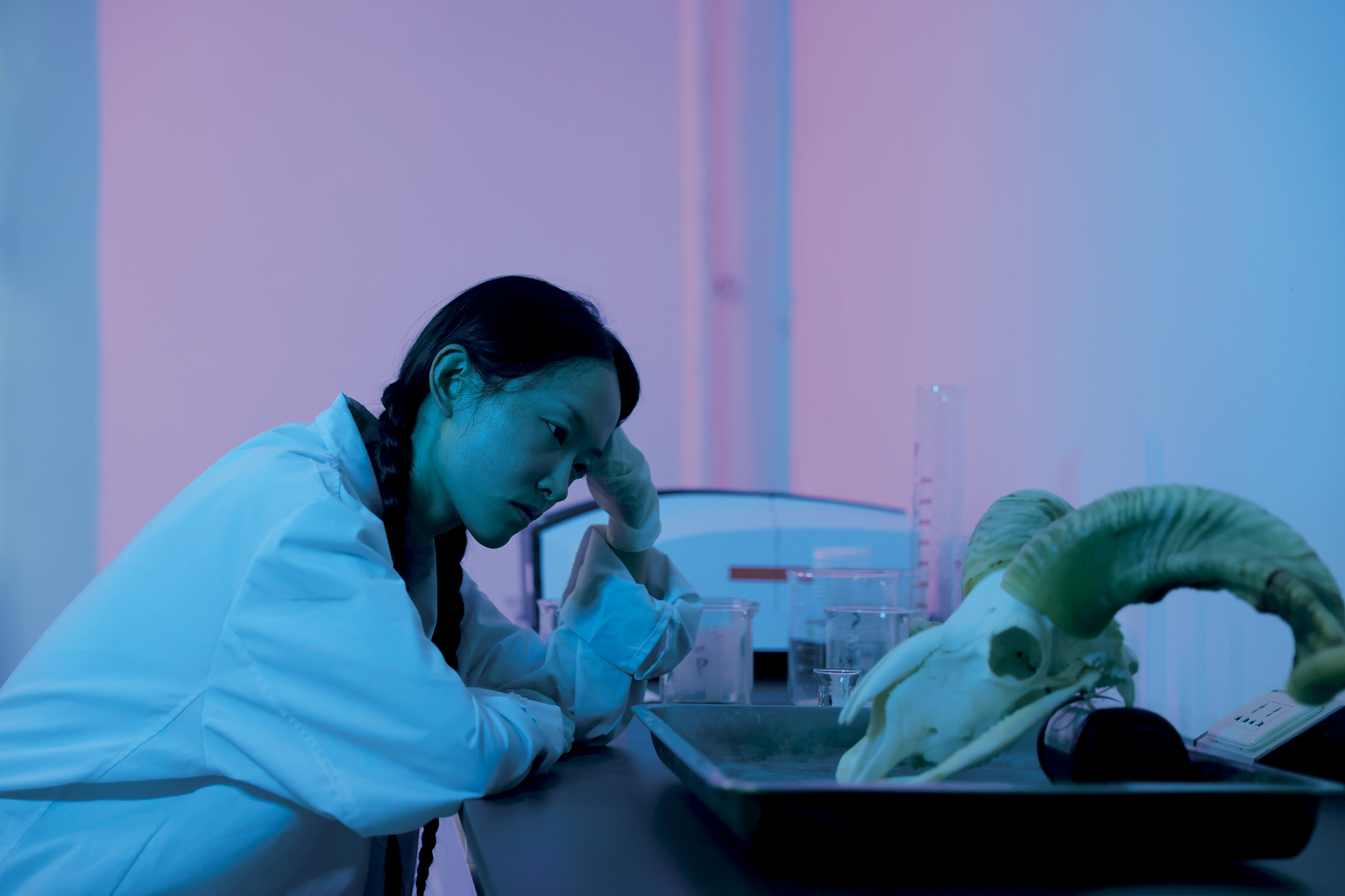
Southward Journey, 2026 (video stills) Work produced by Fondazione Prada
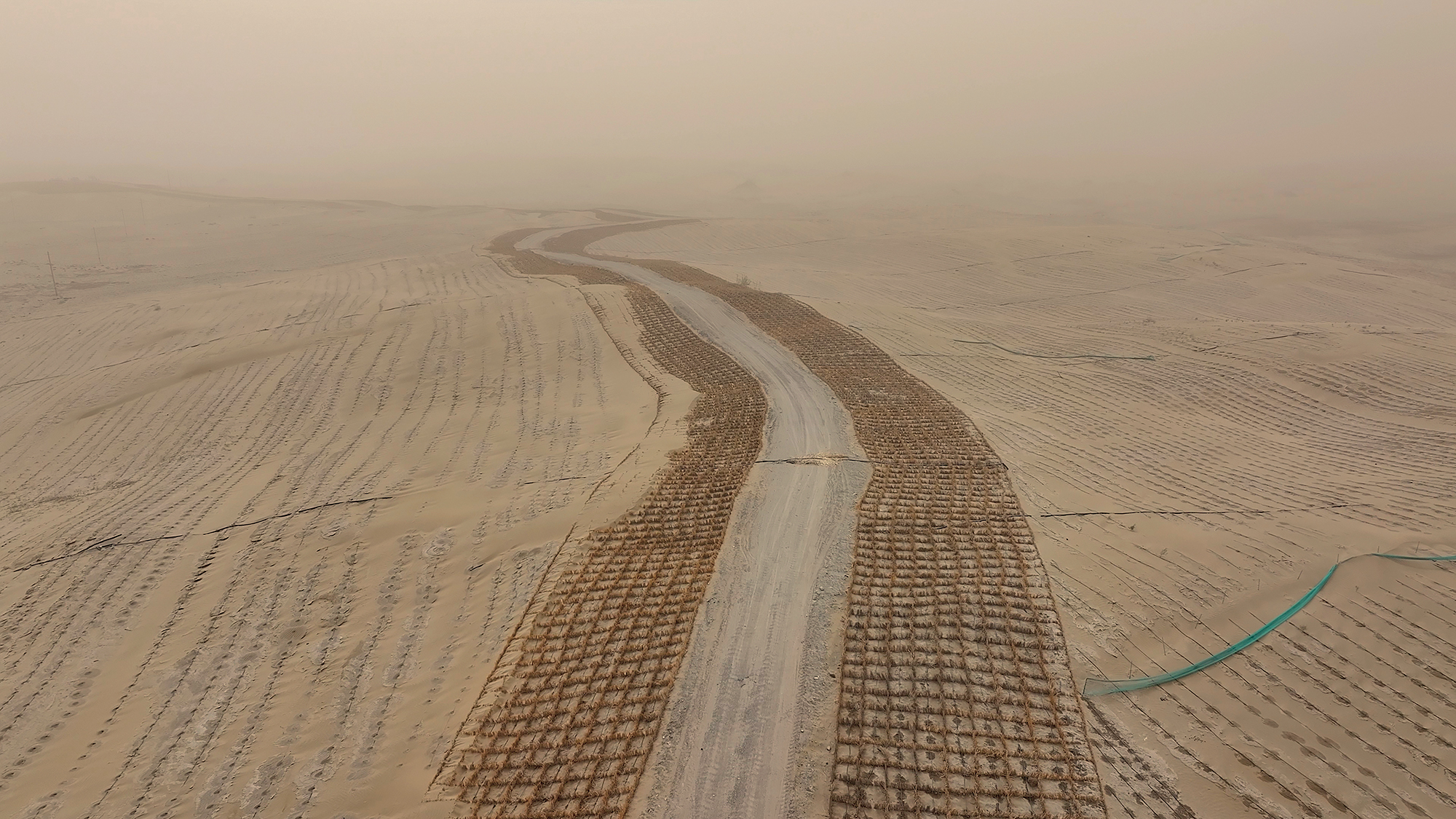
Super Farms, 2026 (video still) Work produced by Fondazione Prada
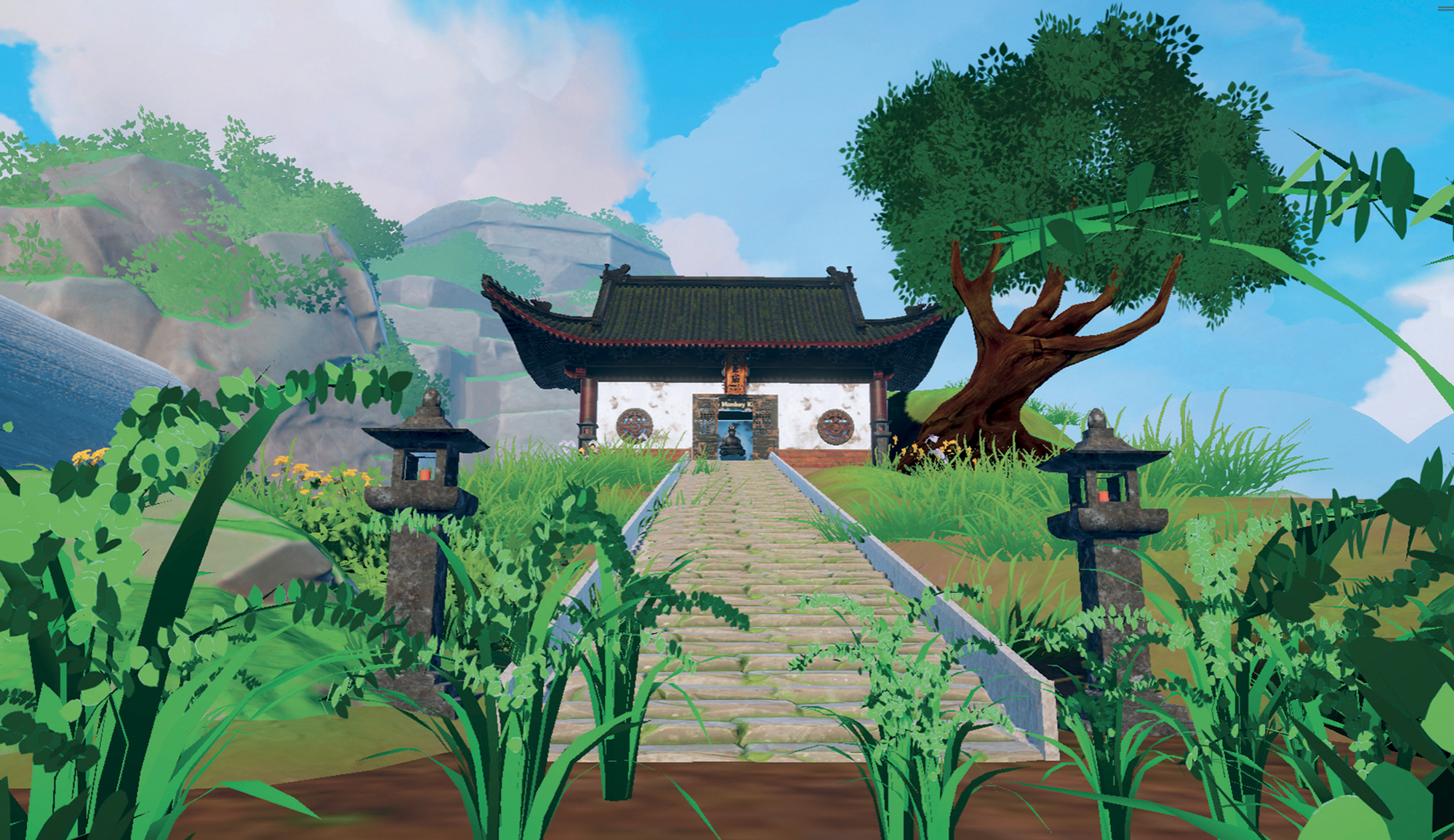
Dash-180c, 2026 (screenshots)
Work produced by Fondazione Prada
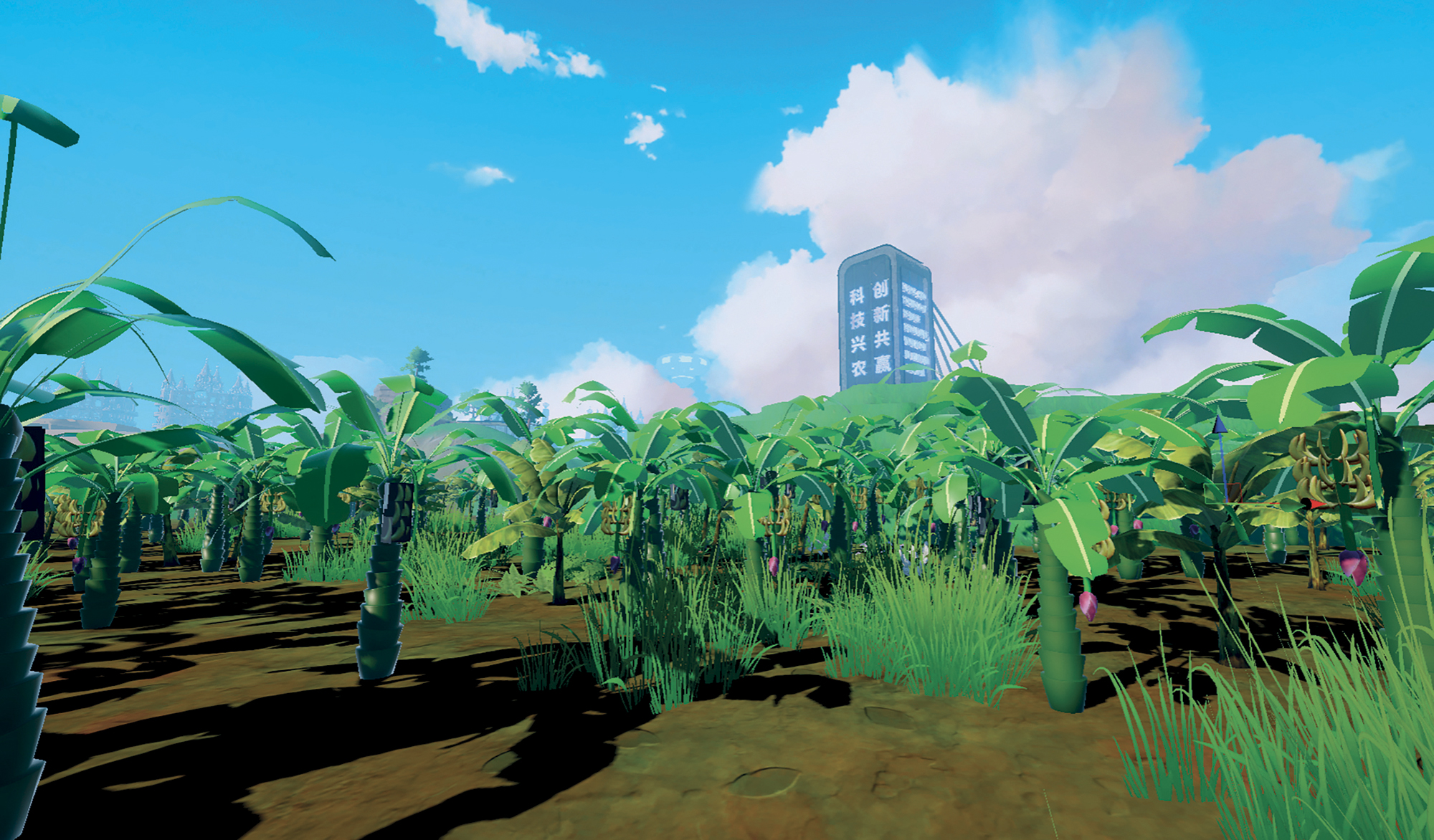
Dash-180c, 2026 (screenshots)
Work produced by Fondazione Prada
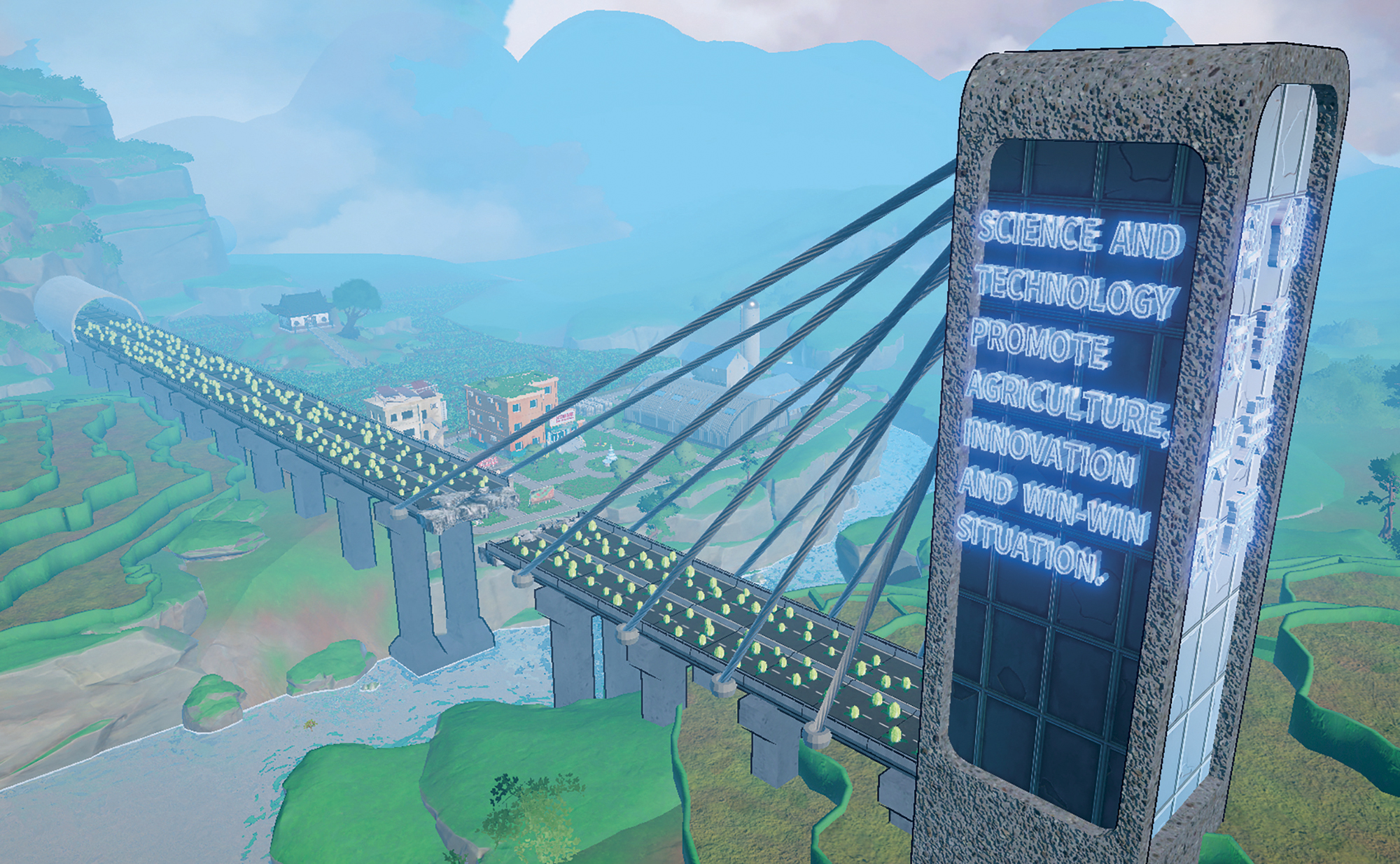
Dash-180c, 2026 (screenshots)
Work produced by Fondazione Prada
XT: As an artist born and raised in Guangzhou, a city in southern China, your work is deeply rooted in the social fabric of the Pearl River Delta. This region was the frontline of China’s “Reform and Opening-up” in the 1990s, a place defined by a collision of Western influence, breakneck economic growth, and a vibrant mix of pop culture, cinema, and music. Looking back, how did this hybrid, fast-changing environment shape your perspective, and when did you realize art was your calling?
CF: I grew up within the campus of the Guangzhou Academy of Fine Arts, where both my parents were sculptors and professors. Their students were always around. I grew up in their studio and was constantly surrounded by their creative processes. My father was renowned for sculpting leaders, heroes, and celebrities, and his work engaged with grand, monumental national narratives. In 1990s Guangzhou, the academy housed traditional academic training in plaster casts and still-life watercolors. Beyond those walls, however, there were video halls showing Western and Hong Kong films, bootleg tapes of rock music, and the vibrant life of migrant workers in urban villages. These worlds coexisted amid the dramatic backdrop of rapid urbanization. Immersed in this environment, I developed an instinctive resistance to “order” and “uniformity.” The richness of that era simply could not be captured through a single language. As a teenager, I loved street dance and playful experimentation. Later, during secondary school and university, I began participating in stage plays. At that time, I never thought of becoming an artist. It was simply something enjoyable. But when what you do begins to be seen and recognized by others, you realize that “self-expression” can become a way of engaging with the world. Looking back, it also feels like a kind of continuation of my parents’ generation, as well as a matter of good fortune.
XT: Your early work was tied to theater, where you acted more as a “director” organizing and coordinating a group of musicians, writers, and technicians. You’ve never really been a “solitary” artist; you prefer to activate collaborative works. How did that theatrical background lead to your work in moving image, and is collective creation a way for you to counter the idea of the singular author?
CF: Looking back, my experience in campus theater defined the working methods I would later develop. At 16, I began directing classmates in stage performances for school events such as welcome evenings and New Year celebrations. During university, when I served as head of the drama society, I wasn’t just directing. I was doing lighting, costumes, props, and even marketing. It was a living, breathing process full of surprises. It reminds me of the Tao Te Ching: “The Tao gives birth to One, One to Two, Two to Three, and Three to all things.” It’s about energy emerging from the friction between different entities. I don’t necessarily see it as a “protest” against singular authorship, but rather a response to reality. When I go into factories or warehouses, every person there has their own story; they become co-creators of the work. A single discipline or medium isn’t enough to capture our chaotic, fast-changing world. I might be a “director-type” artist, but I don’t try to control everything. I see myself as an “activator” or a “connector.” I create a “laboratory” where different voices, bodies, and media, both real and virtual, can ferment into something I could never achieve alone.
XT: You are one of the most visible Chinese artists on the international stage, often seen as a mirror for “Chinese reality.” Your work captures specific urban life and “grassroots” individual’s lived experiences. How do you feel about being cast as a “cultural representative”? Do you lean into that label, or do you try to dismantle it?
CF: At the turn of the millennium, there was a global hunger to “understand China,” which brought a lot of attention to artists like me. I live here, my family is here, and my inspiration is here, which is just a fact. But I’ve never tried to provide a “standard answer” for what China is; the only thing that is authentic is a personal perspective. I don’t pay much attention to the label of “cultural representative.” I have always pursued projects that genuinely interest me. For example, my Hip Hop series has continued from 2003 to 2025, moving from Guangzhou to New York, from Fukuoka to Sydney. Perhaps my works resonate internationally because they contain elements that are both specific and universal. Cosplayers (2004), for example, explores urbanization and youth subcultures, phenomena that exist all over the world. Whose Utopia (2006) reflects on China as the world’s factory, a reality deeply connected to globalization. RMB City (2007–2011), created in the virtual platform Second Life, allowed people from anywhere in the world to enter my imagined city through their avatars. Asia One (2018) examines the era of logistics and online shopping, something that touches all of our daily lives today. People from different backgrounds appear in my work, but I do not believe I have the authority to speak for them. What I can do as an artist is to reveal what is often hidden, the personal, vulnerability, and even dreamlike aspects of their lives. At the end of Whose Utopia (2006), each worker is given a still shot lasting nearly ten seconds, their tired faces gazing directly toward the camera. Some viewers have told me that they cried when they saw this moment. Through different projects at different times, I open up scenes filled with tension and contradiction. In these spaces, viewers might see the intersection of ordinary lives and larger historical forces, the cruelty of reality and the humor of dreams, or the complicated relationship between technological utopias and individual lives. Some may even see themselves moving through the parallel worlds that the work creates.
XT: Your solo exhibition at Fondazione Prada in April will feature your new work Dash. The work continues your long-standing engagement with technology while also returning to contemporary crisis of social reality. Does this series mark a new direction in your practice?
CF: I do not see Dash as marking a new direction. From factories to warehouses to farms, I have always been interested in technological change, human conditions, and social transformation. In 2005, when I filmed Whose Utopia in the Osram factory in Foshan, it focused on young workers on the assembly line, who had just finished vocational schools and were operating within the precise rhythms of Fordist production. Twenty years later, when I returned to southern China and entered XAG’s Super Farm, I encountered a new generation of farmers wearing sun-protective jackets and monitoring crop growth through drones and sensors on iPads. The setting has shifted from factory workshops to intelligent rice fields. The relationship has also changed from cooperation between humans and machines to a more entangled relationship between humans and technology. This is part of a broader narrative of technological evolution and efficiency. Perhaps what is different this time is that I approached the work with a clearer awareness: excavating local memory, the relationship between people and land, the value of tools, and ecological time. I am interested in how agriculture is constantly shifting yet always present and struggles, transforms, and renews itself in a world increasingly shaped by algorithms. When Rem Koolhaas looked at the Pearl River Delta at the turn of the millennium, he saw not only architecture but an accelerated experiment in civilization. I hope Dash is not only about agriculture, but about how we negotiate with technology today, and how we redefine land, rural areas, and humanity in an era of automation.
XT: Your new works create a strong juxtaposition and tension between technology and agriculture. Are you exploring a more pragmatic view of technology? When confronted with myths of efficiency, automation, and productivity, can art become a space for reflecting on technology and its costs?
CF: My work has never been about simply embracing or rejecting technology. Instead, I try to enter real sites, get close to the people and places involved, and reveal their internal complexities. Dash is not just a production site; it is a place where the old and the new coexist, where human and non-human forces intersect. Technological automation is reshaping rural labor ethics and social relationships, but this transition is far from smooth. Who operates these intelligent devices? Who is excluded from these new technological systems? The knowledge accumulated by generations of farmers cannot easily be translated into algorithms. What will happen to their relationship with the land? Agriculture has long been a form of agreement between humans and nature. Today that relationship is shifting. Can the intimacy between people and land survive under new technological conditions? A more pragmatic view of technology belongs to engineers and policymakers. They aim to make technology more efficient, precise, and sustainable. For new farmers, pragmatism means lower costs, higher yields, and stable market prices. Art does not provide answers for technology. Technological progress has never been a simple linear story, nor is it simply a matter of being for or against technology. During three years of field research and artistic production, I often felt lost myself, and the work does not offer clear conclusions. Perhaps the role of such work is simply to prevent these questions from disappearing, to keep them visible as ongoing questions.
XT: Your new work features shamanic elements, bringing technology, theology, nature, and industrial agriculture into one narrative framework. These systems seem opposed to one another, yet in your work they form a curious coexistence. How do you understand these tensions? Do you see them as mutually exclusive categories, or could they be reorganized into a new worldview? Can art act as a medium for mediating contradictions?
CF: In mainstream technological discourse, technology, theology, nature, and industrial agriculture are often framed as opposites: tradition versus modernity, nature versus culture, humans versus technology, mysticism versus rationalism. Through my work, however, I hope to loosen these seemingly separate and opposing frameworks. The ritual performance presented in Dash does not come from any traditional religion. It was inspired by my research in Southeast Asia. During my fieldwork in Vietnam, Cambodia, and Thailand, I observed new-generation farmers, both young and older, performing various local rituals to honor and pray to drones, hoping they would bring favorable weather and good harvests. Things excluded from the dominant narrative of efficiency, such as local memory, ritual traditions, emotional ties to ancestors passed down through generations, and the intimate relationship between people and the land have not disappeared. Instead, they continue to exist in a ghost-like way, lingering and intertwining with the landscape. In traditional agricultural societies, rituals such as seasonal observances, sacrifices, and farming proverbs helped people cope with the uncertainties involved in confronting nature. The role of the shaman was to mediate between different realms, humans and nature, the living and the dead, the visible and the invisible. Under accelerated technological change, however, people’s search for a sense of security has become more complex. In Dash, a newly invented “ritual” symbolically grants machines a communicative spiritual presence. Through prayer, people negotiate with technology and machinery, while technology is also symbolically absorbed into human cultural systems. My aim is to address a deeper uncertainty: humanity’s difficulty in fully understanding how this new world operates. Might the things that technological systems dismiss as “invalid” find ways to re-enter our social and cultural order?
XT: As one of the most significant figures in Chinese contemporary art, you have long worked within an environment where artistic infrastructure is relatively limited. In this unique art ecology, self-organization among artists becomes particularly important. How do you maintain dialogue with your peers, younger generations, and the boarder artistic community? In the post-pandemic time, have you observed any new models or platforms emerged to support a closer exchange in the art community in China and internationally?
CF: Looking back over the past two decades, many of the people around me have been long-term collaborators. For example, the Hong Kong musician Dickson Dee and I began collaborating on Chain (2000), and he continues to compose for my new work Dash (2026). His sound is not only background music; it opens another dimension of sonic narrative within the moving images. Another collaborator is the Shanghai-based musician Ma Haiping, one of China’s earliest techno producers. He composed the music for Asia One in 2018. His abstract and atmospheric electronic music brings a poetic yet critical tone to the work. In recent years, I have also worked several times with the Ergao Dance Production Group, a contemporary dance group based in Guangzhou. Their work focuses on issues of urbanization and often engages rural communities through the body, encouraging participation from ordinary people. For the Dash project, costume design was undertaken by the young Shanghai-based fashion designer Gao Xiang together with textile artist Gao Qizhen. Their approach to materials is highly imaginative, exaggerated, unconventional, and difficult to categorize. It brings a strange mixture of familiarity and otherworldliness into my work. My early experience in theater made collaboration with people from different disciplines essential to my practice. Over the past years, I have taught at the Central Academy of Fine Arts, supervising graduate students working in video and moving images. Some of them are now beginning to emerge in the art world, which makes me very happy. What I see is an ongoing flow between different generations and practices, mutual inspiration and coexistence. In today’s seemingly highly atomized world, there are no fixed platforms or stable structures. Instead, we rely on self-organization, supporting and encouraging one another whenever possible.
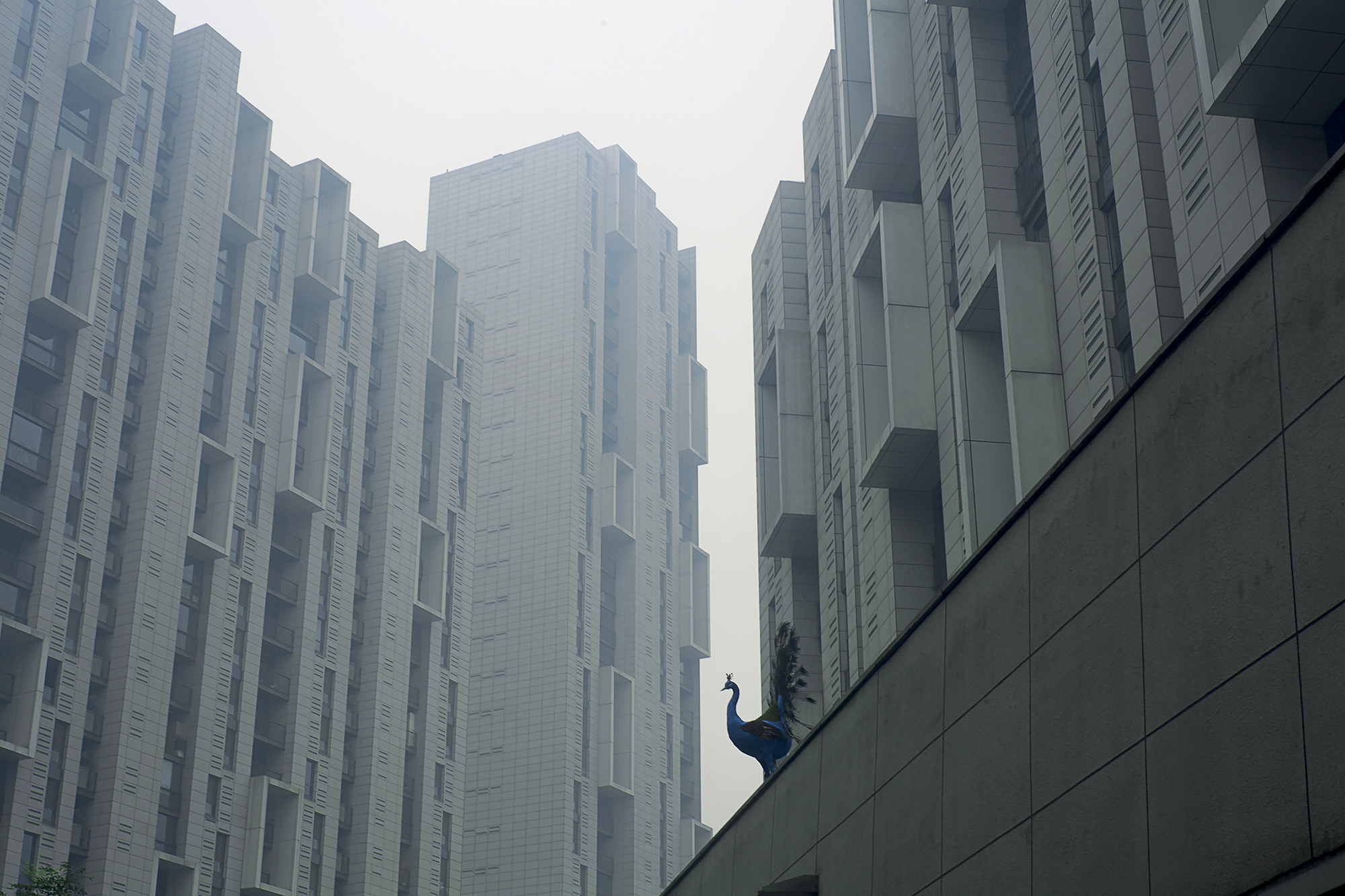
Haze and Fog 09, 2013 (photo from Haze and Fog series)
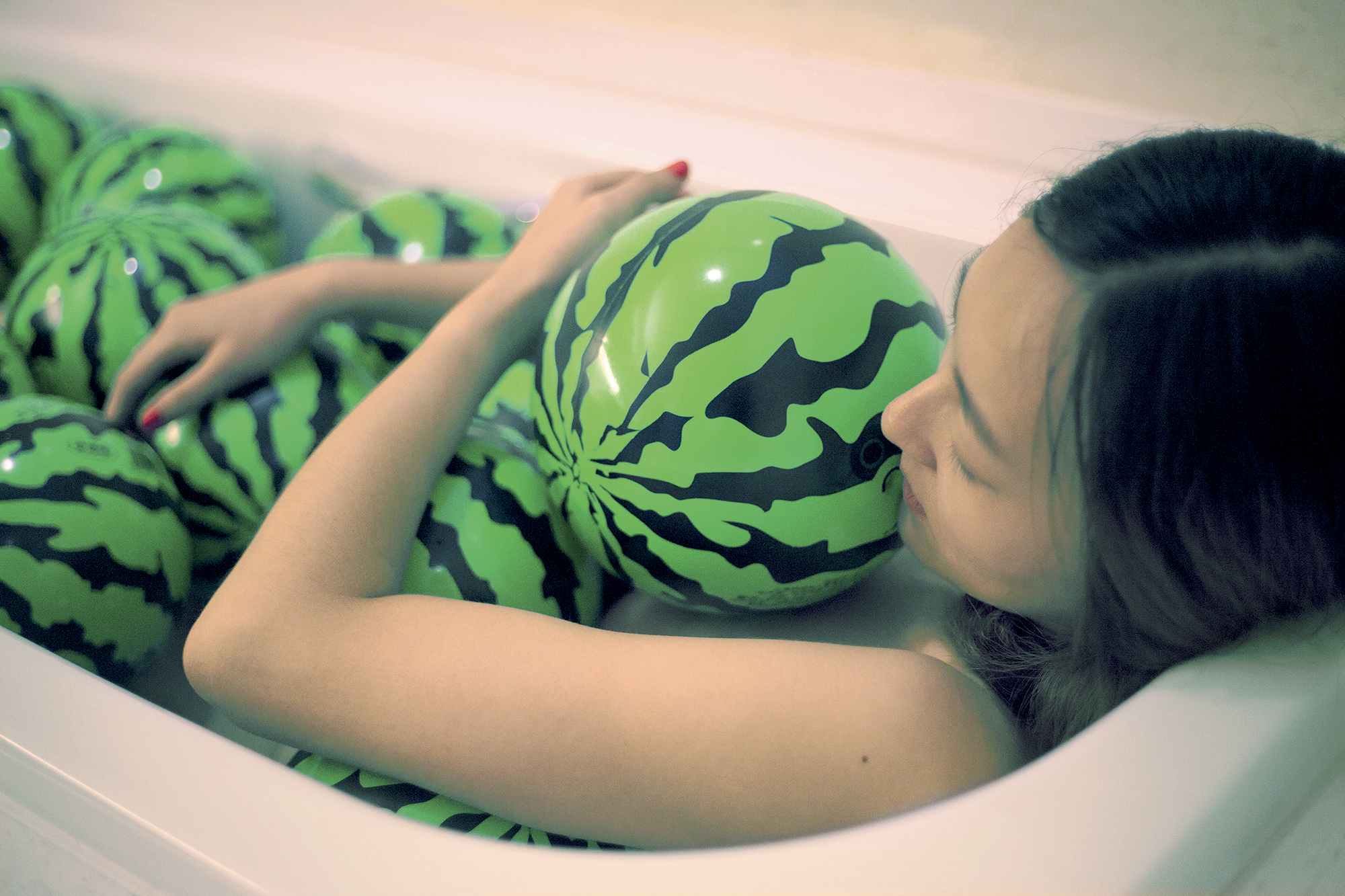
Haze and Fog 09, 2013 (photo from Haze and Fog series)
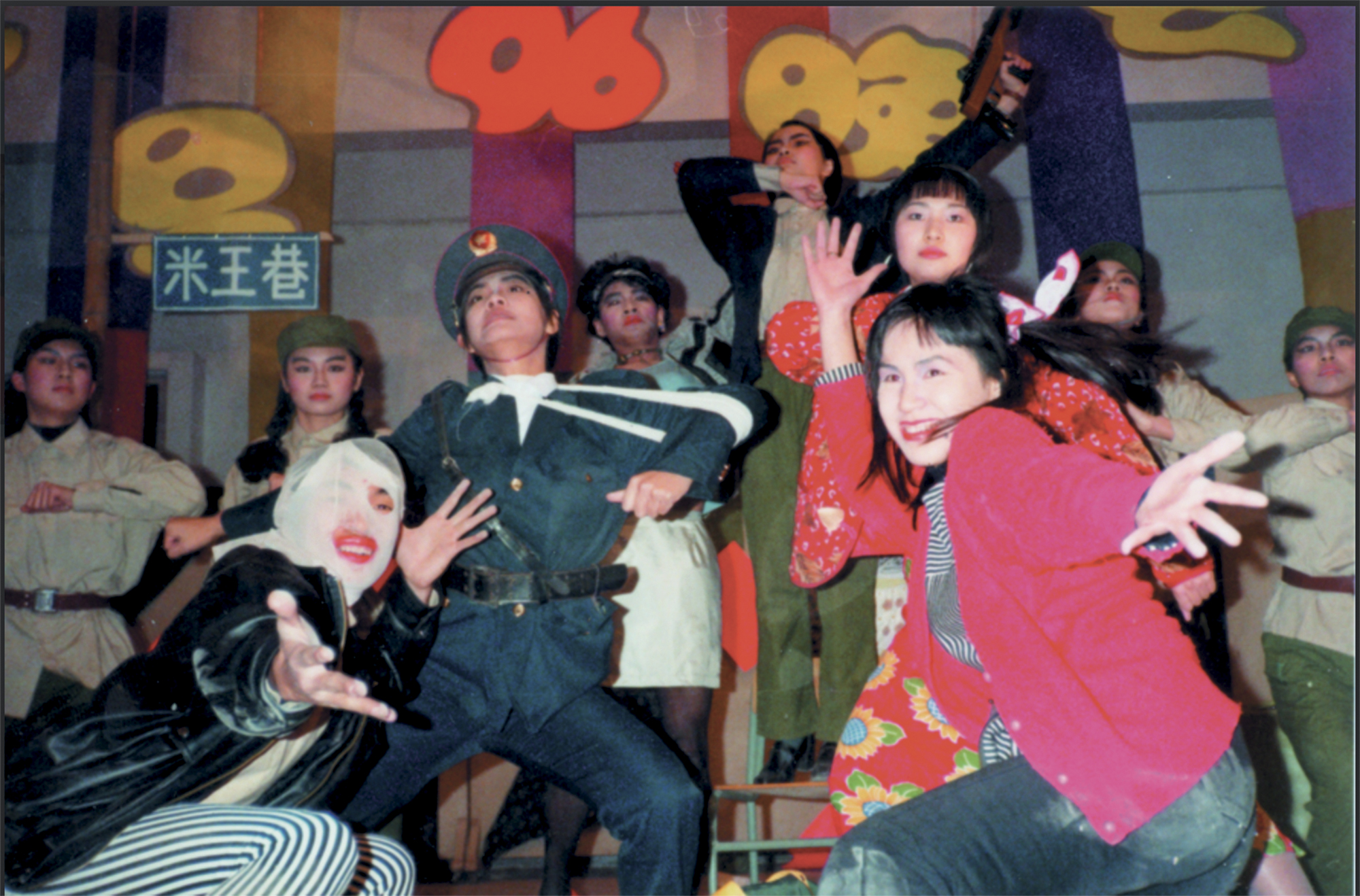
he Little Spark, 1995
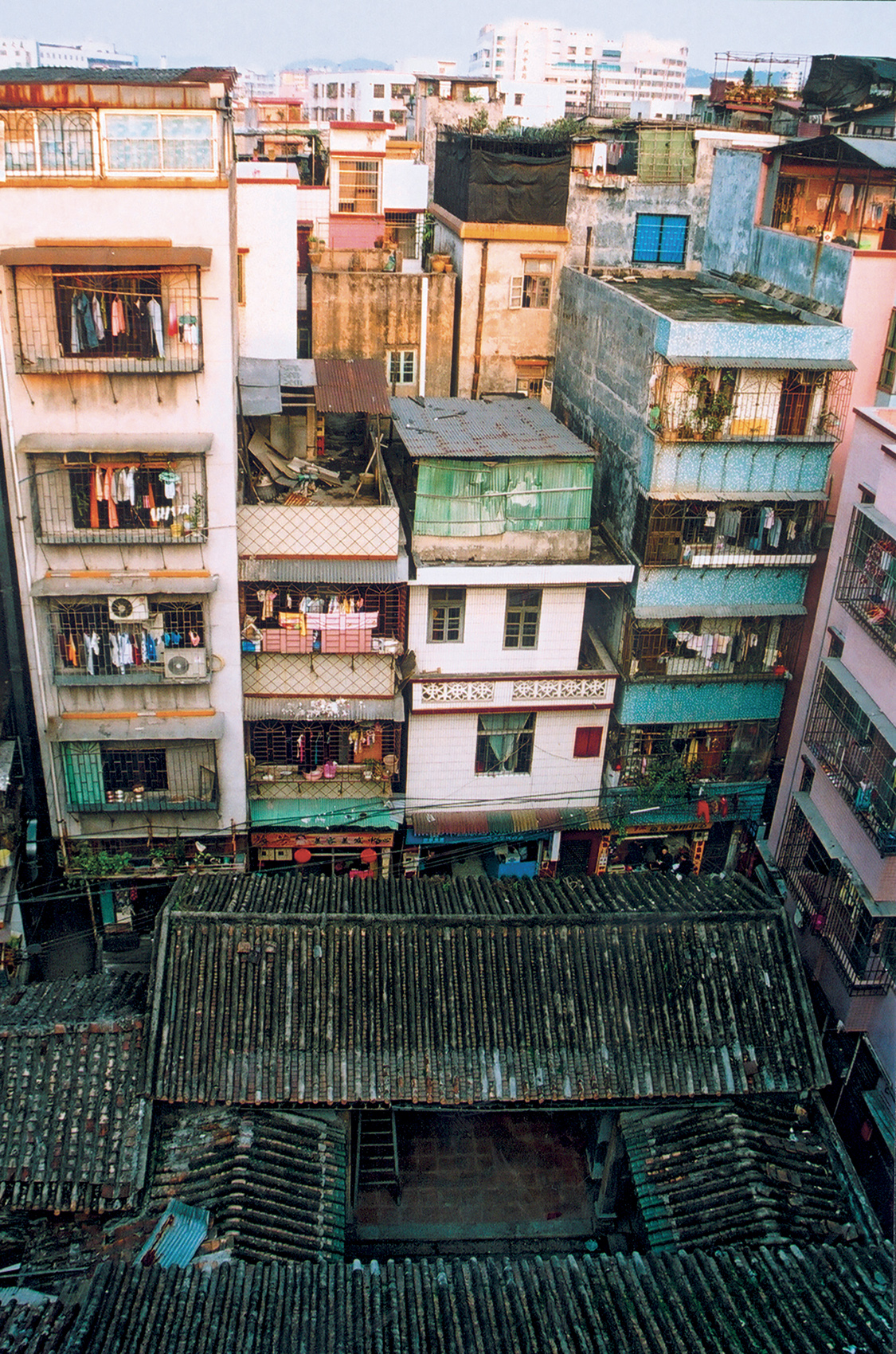
Cao Fei and Ou Ning, San Yuan Li, 2003
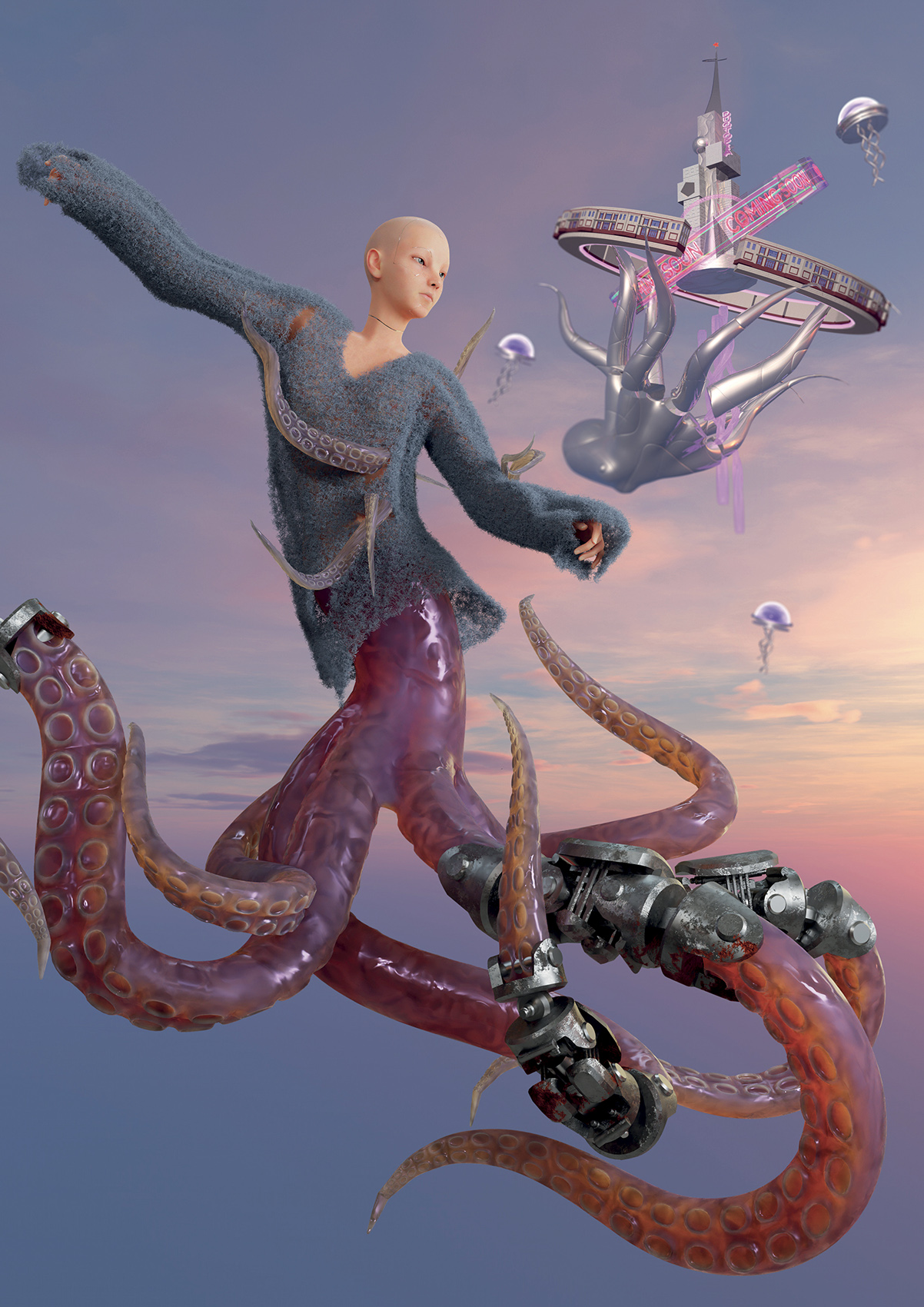
Oz, 2022
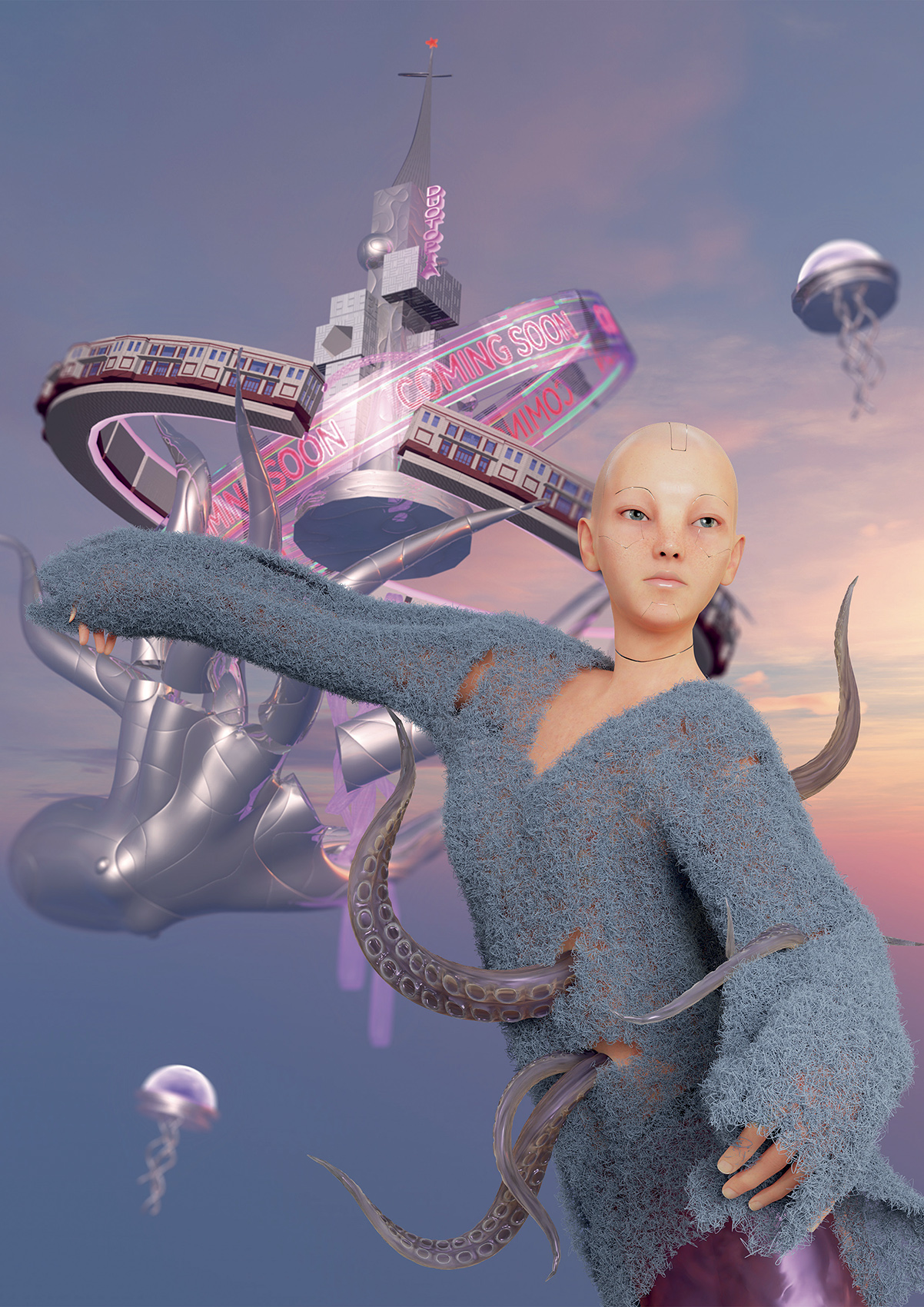
Oz, 2022
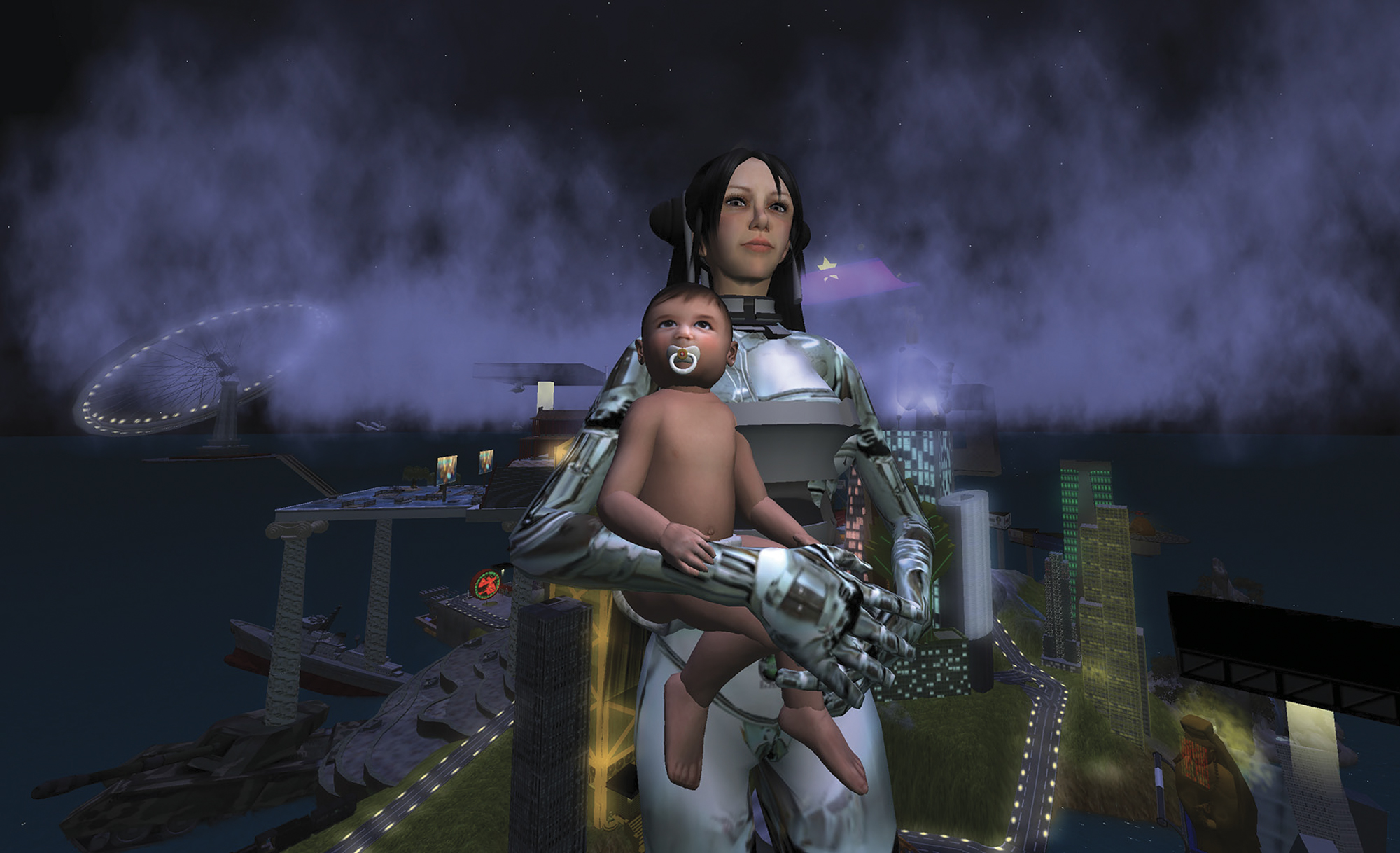
Cao Fei (SL avatar: China Tracy), Live in RMB City, 2009
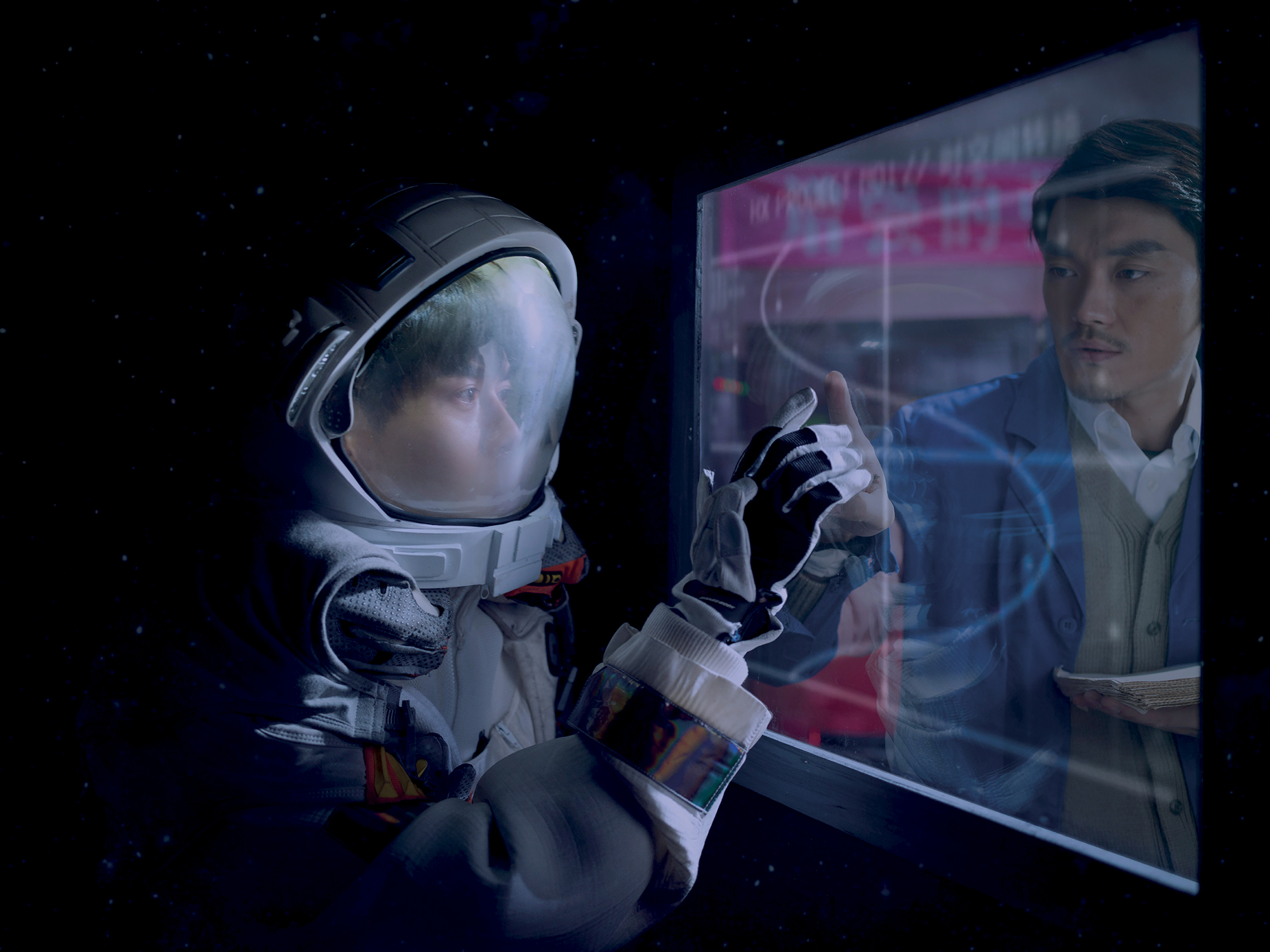
Nova 17, 2019 (photo from Nova series)
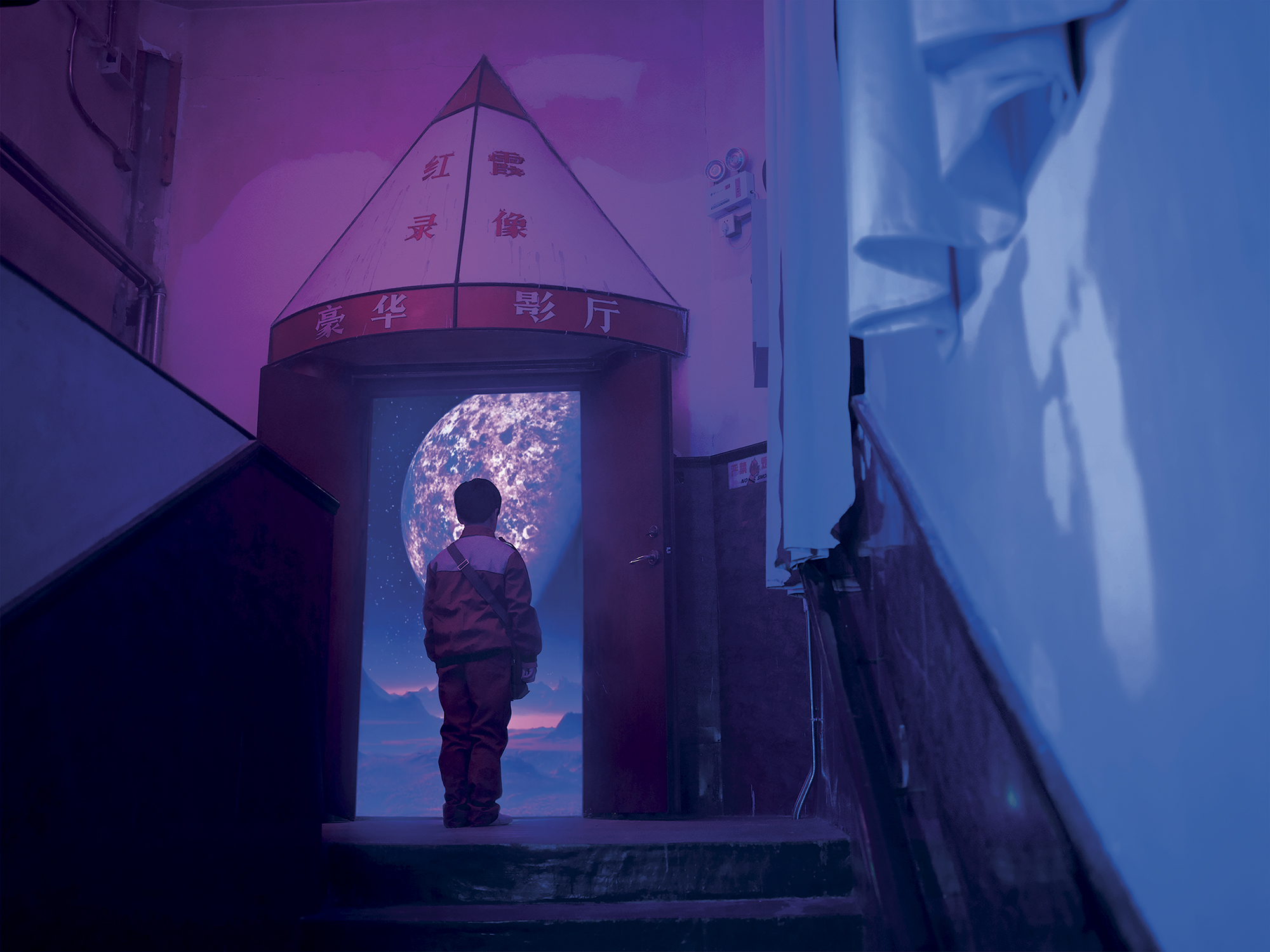
Nova 24, 2019 (photo from Nova series)
Cao Fei
in conversation with Xue Tan
CURA. 46
Soft Power
All images Courtesy: the artist, Vitamin Creative Space, and Sprüth Magers
CAO FEI (b. 1978, Guangzhou, China) currently lives and works in Beijing. Her works have been exhibited at a number of international biennales, triennales, and major art museums including MoMA and the Solomon R. Guggenheim Museum in New York, Tate Modern in London, and the Centre Pompidou in Paris. Recent projects include a retrospective at the UCCA Center for Contemporary Art, Beijing (2021) and solo exhibitions at MAXXI, Rome (2021), Kunsthal Charlottenborg, Copenhagen (2022), Pinacoteca Contemporânea, São Paulo (2023), Lenbachhaus, Munich (2024), SCAD Museum of Art (2024), Museum of Art Pudong, Shanghai (2024), Art Gallery of New South Wales, Sydney (2024), Museo de Arte Latinoamericano de Buenos Aires (2024), Fondazione Prada, Milan (2026), Kunstmuseum Basel (2026).
XUE TAN is a curator, producer and writer. She is currently Chief Curator and Head of Programme and Exhibitions at Haus der Kunst in Munich, and co-curator of 15th Shanghai Biennale. Tan was founding Senior Curator of Tai Kwun Contemporary in Hong Kong. Tan has also led curatorial projects in collaboration with MUSEUM MMK für Moderne Kunst in Frankfurt and the Center for Curatorial Studies at Bard College in New York.