Text by Martha Kirszenbaum
CURA. 46
Soft Power
COVER STORY
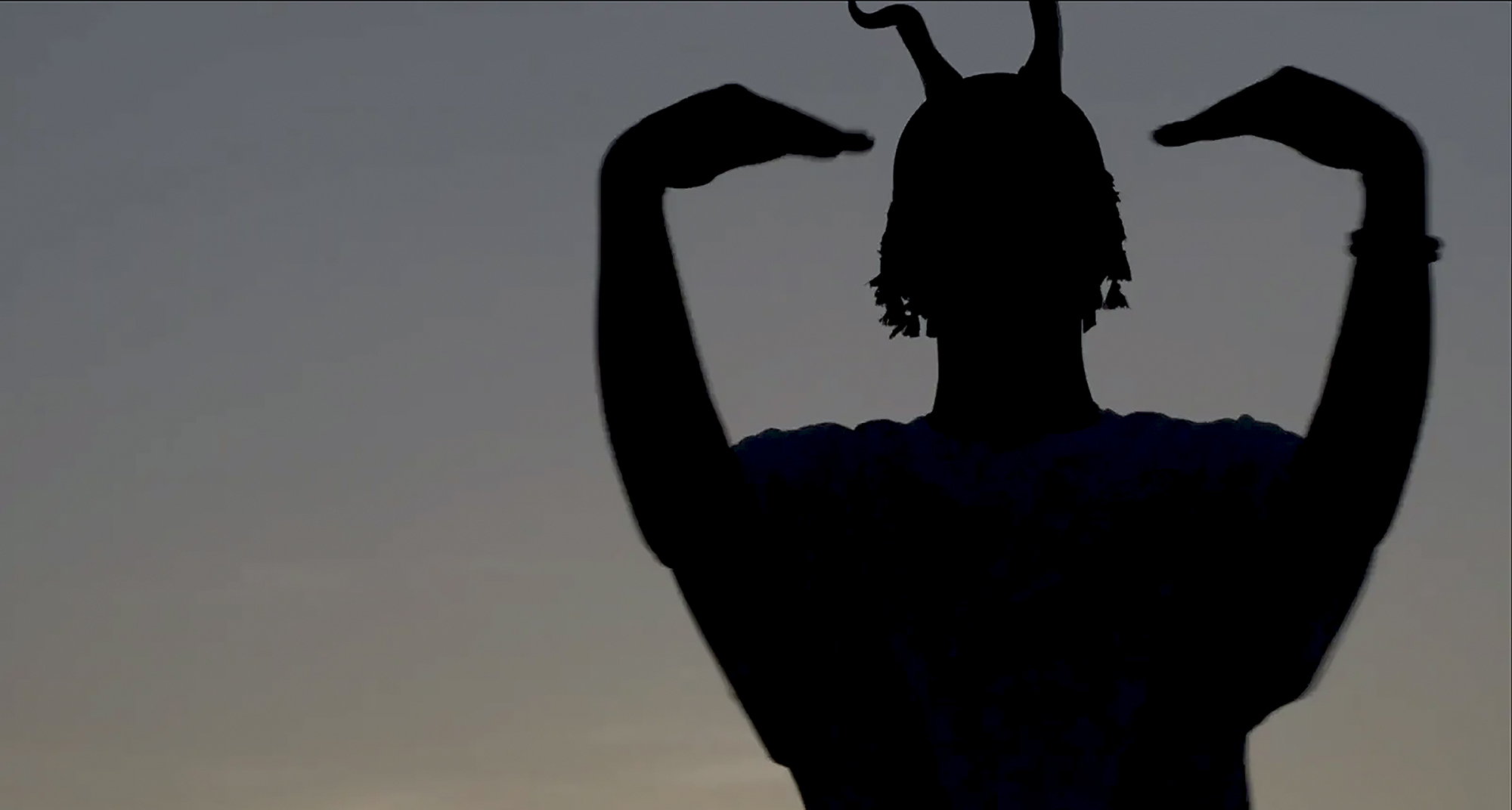
Christelle Oyiri and Neva Wireko, Hauntology of an OG, 2025 (video stills) Courtesy: the artists, Amant, Brooklyn, LAS Art Foundation, Berlin, and Pinault Collection, Paris

Christelle Oyiri and Neva Wireko, Hauntology of an OG, 2025 (video stills)
Courtesy: the artists, Amant, Brooklyn, LAS Art Foundation, Berlin, and Pinault Collection, Paris

Christelle Oyiri and Neva Wireko, Hauntology of an OG, 2025 (video stills)
Courtesy: the artists, Amant, Brooklyn, LAS Art Foundation, Berlin, and Pinault Collection, Paris
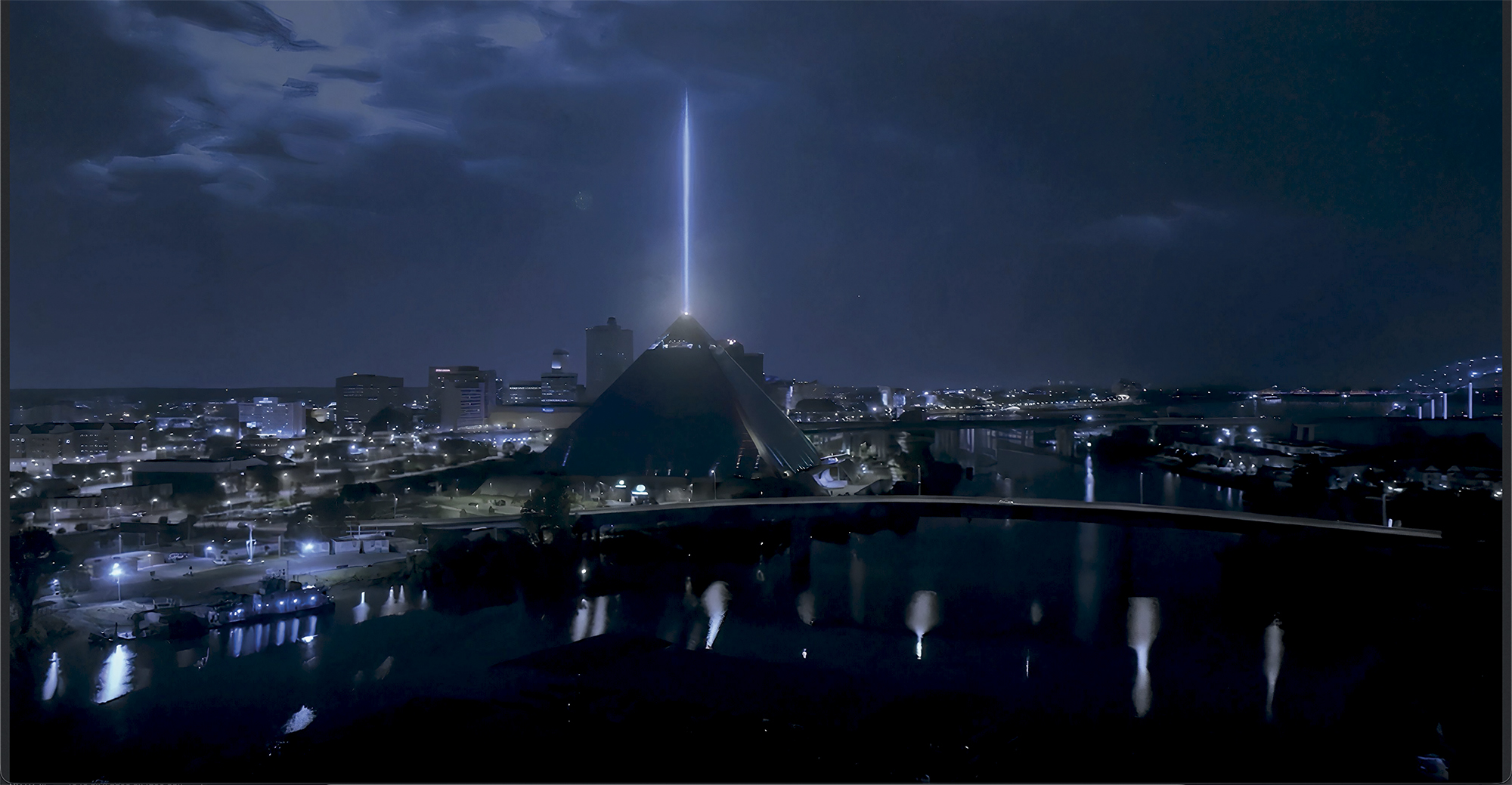
Christelle Oyiri and Neva Wireko, Hauntology of an OG, 2025 (video stills)
Courtesy: the artists, Amant, Brooklyn, LAS Art Foundation, Berlin, and Pinault Collection, Paris
Developing her own methodologies of visual and sound archiving, Christelle Oyiri disrupts the spinning wheel of nostalgia. As a French-born artist of Ivorian and Guadeloupean descent, her practice spanning film, installation, performance and music is shaped by the cultural, social, and metaphysical conflicts inherited from colonization. Moving seamlessly between the white cubes of art institutions and the dark hulls of clubs around the world as CRYSTALLMESS, Oyiri treats the past not as a dead weight, but as a “hauntology”—a series of recurring loops that insist on being heard. Her work inquires into how Black subjectivity is constructed at the intersection of trauma, youth subculture, and high-tech simulation. By collapsing the distance between personal ephemera and collective diasporic experience, Oyiri focuses on “things that lie between the lines”—those lost mythologies that dominant history seeks to flatten.
The French suburbs, or banlieues, serve as a foundational site for Christelle Oyiri’s exploration of the body in public space. In I SEE YOU (2024), filmed at the Cité des Fauvettes outside of Paris, she honors the “choufs”—the lookouts who observe everything yet remain invisible to the State. Drawing on Michel Foucault’s theories of the panopticon and the regulation of bodies, Oyiri flips the script: these young agents of counter-surveillance embody a forced hyper-awareness, turning the “observant eye” back on the structures that marginalize them. The banlieue functions here as a “heterotopia”—a site that is simultaneously within and outside of the societal fabric. This gaze is turned inward and backward in Collective Amnesia (2018–2022), where she celebrates the erased history of Logobi, a dance movement born in Abidjan and transformed in the Parisian projects. By blending the sounds of Coupé-Décalé and Tecktonik, Oyiri argues that the body is an archive; through movement and rhythm, the youth reclaim a history that was lived through the pulsating soundtrack of the street.
In her 2025 Tate Modern commission, In a Perpetual Remix Where is My Own Song, Christelle Oyiri offers a searing critique of how digital culture carves into Black femininity. Here, the body is a site of continuous editing, structured through loops and upgrades borrowed from both DJing and cosmetic surgery, and inspired by Brion Gysin’s cut-ups and permutations techniques. She frames the Black body as a zone of sovereign excess—a formless part that contemporary culture desperately tries to discipline, monetize, and render legible. For Oyiri, the body has become an interface where authenticity collapses into the endless performance of coherence. Influenced by fragmentation techniques, she draws a haunting parallel between digital liquification and the physical editing of the self. Like the fragmented statuettes described by African-American poet Robin Coste Lewis in her Voyage of the Sable Venus (2015) as “right half of body and head missing,” the Black female figure in Oyiri’s work is historically overdetermined, a site where beauty’s nest renders the body mute. In this paradoxical economy, the sacred is constantly converted into merchandise, yet the body’s resistance remains precisely in that which cannot be fully optimized.
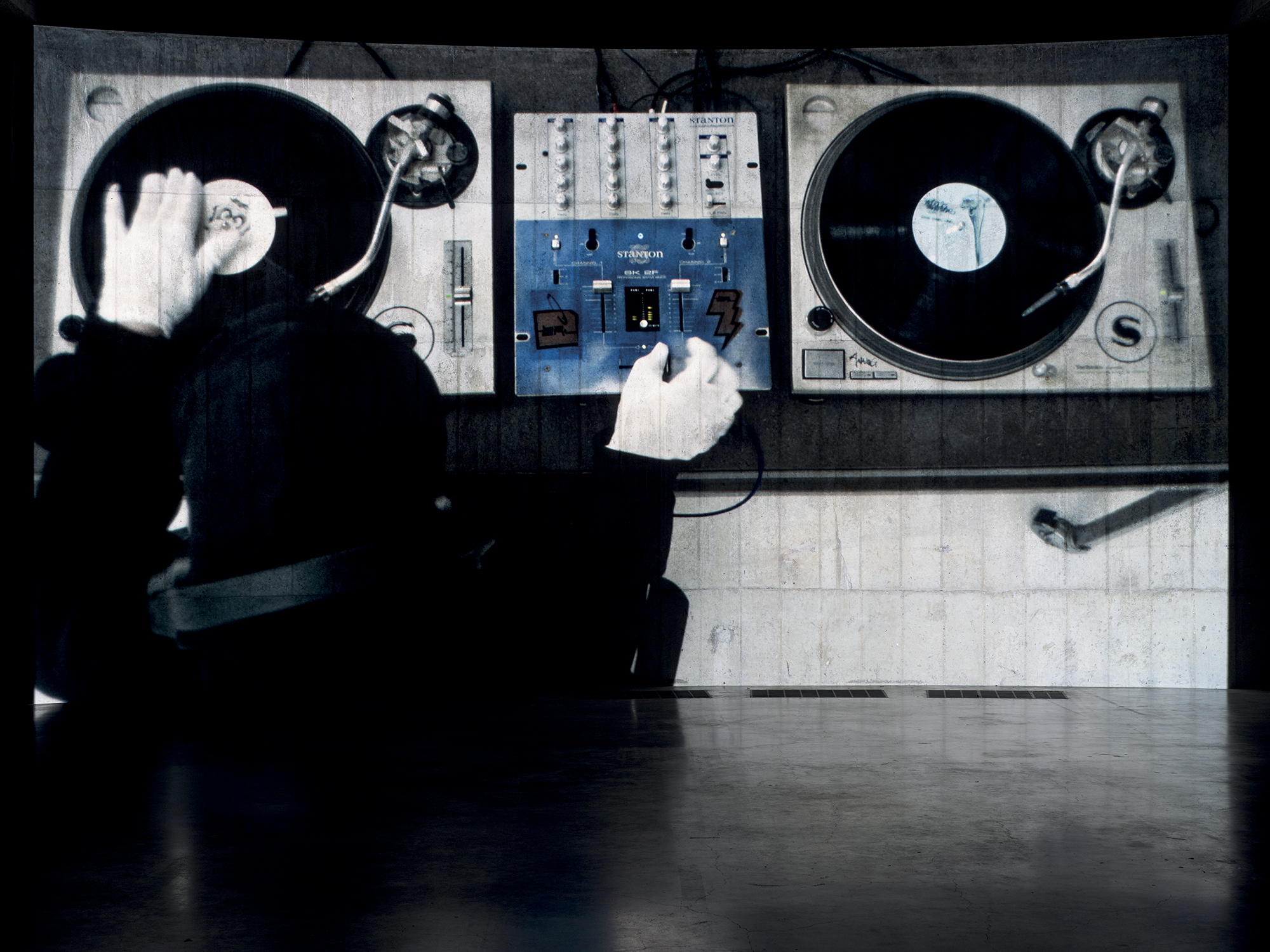
Infinities Commission: Christelle Oyiri, installation view, Tate Modern, London, 2025 © Christelle Oyiri Photo: © Tate
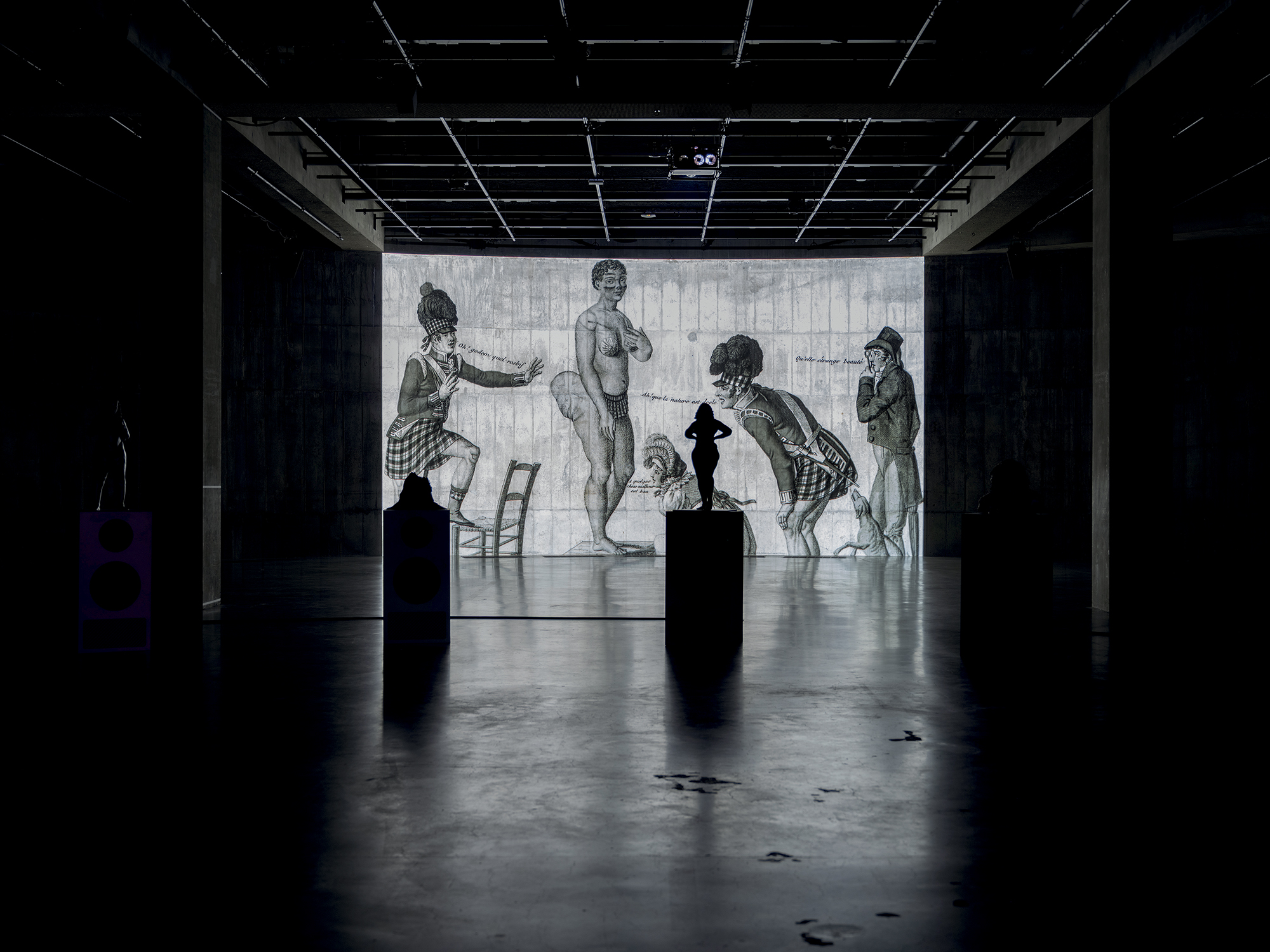
Infinities Commission: Christelle Oyiri, installation view, Tate Modern, London, 2025 © Christelle Oyiri Photo: © Tate
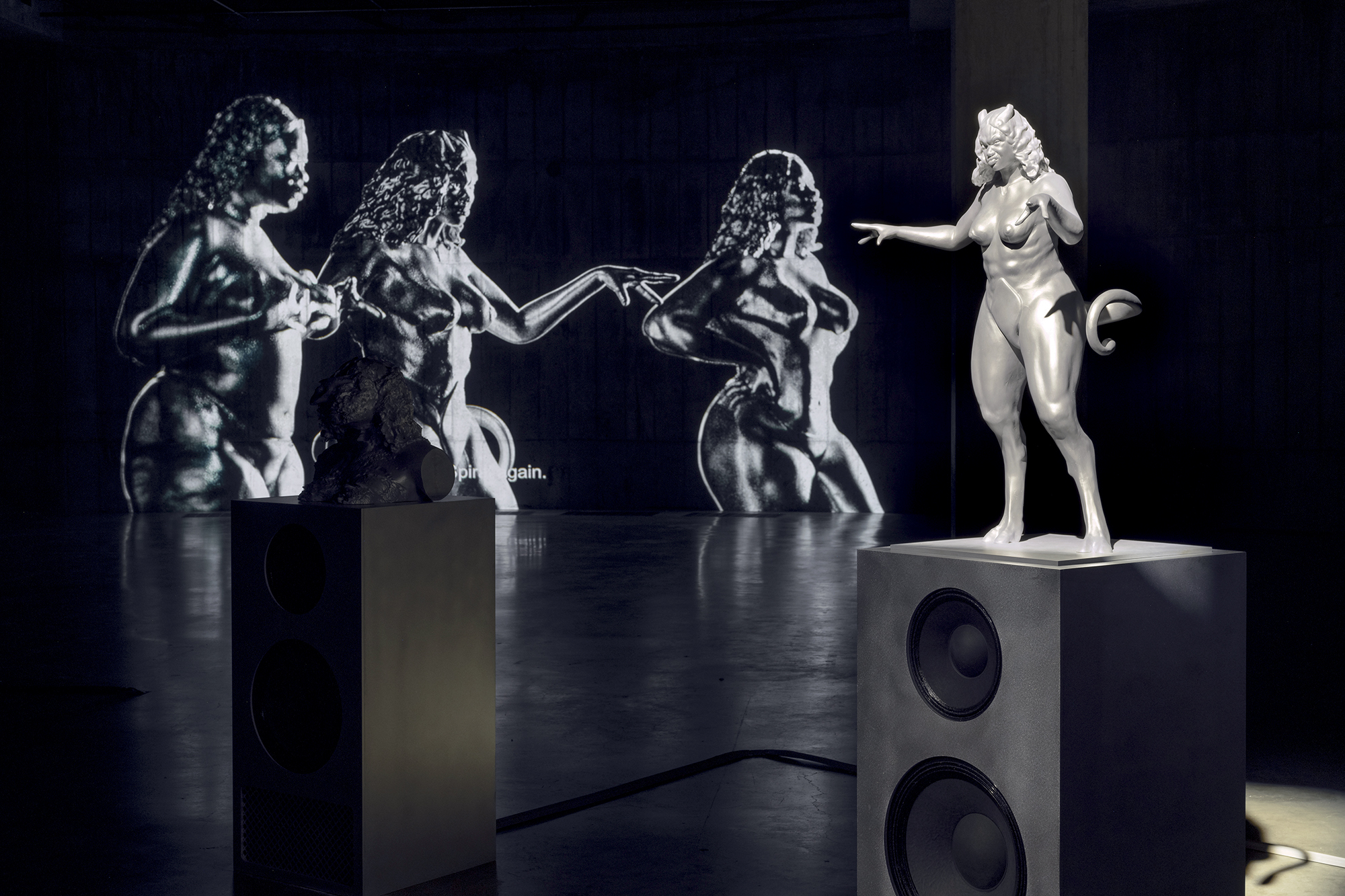
Infinities Commission: Christelle Oyiri, installation view, Tate Modern, London, 2025 © Christelle Oyiri Photo: © Tate
In her film Sky is The Limit (2025), Christelle Oyiri channels Jean Baudrillard’s observation of the event as simulacrum, examining how catastrophes are metabolized by media until the image becomes more real than the real. This mapping of grandeur and grief reaches a visceral peak in Hauntology of an OG, presented in 2025 at LAS Foundation in Berlin—the film is a sonic journey through Memphis, Tennessee, following poet Mak Clayton through architectural remnants like the Clayborn Temple and the church of Martin Luther King’s final speech. By documenting these spaces, Oyiri highlights the friction between the monumental and the mundane. The “OG” serves as an ancestral archive, where the lo-fi textures of Memphis rap act as a somatic pressure on the viewer. The work gains a tragic, contemporary layer with the burning of the Clayborn Temple in April 2025, turning a historical site into yet another “image-event.” Whether in Memphis, the mythic rise and fall of rap in HYPERFATE (2022), or the karmic surveillance of looted Kru masks in Vindicta (2022), the truth is found in the friction between the polished image of the surface of an object, and the toxic material reality of a more complex history.
This investigation into the afterlife of places is mirrored in her installation at ETH Zürich, Venom Voyage (2023), where the tropical paradise of the French Caribbean Antilles is revealed as a seductive simulation masking the post-colonial reality of Chlordecone contamination. By turning environmental disaster into a designer souvenir, Oyiri utilizes satire to ask what it means to desire places marked by loss and exploitation. Against this flattening force of globalization, she champions the local and specific. Her attraction to regional club genres—Baltimore club, Jersey club, New Orleans Bounce—is a political choice that refuses the “neutral” mask of globalism. By centering sounds born from specific suburban contexts, she asserts the cultural weight of the hyper-local against a world that seeks to commodify and dilute subcultural identity. In her 2022 exhibition at Tramway in Glasgow, entitled Gentle Battle, she traces how West African protest music transmits what cannot be said openly through collective euphoria. Her films actually often start from sound to dive into the image, suggesting that the sonic archive might be more reliable than the visual one. Here the remix is the only way to build a legacy in a world where memory has been tainted by erasure. It is a dialogue with the ghosts of the past, using the same tools—sampling, looping, and distortion—that the system uses to erase them.
Christelle Oyiri’s critical approach refuses the comfort of a healed history, opting instead to inhabit the glitch. Through her lens, the Black body is no longer a mute statuette in a museum’s “grotesque” wing—as seen in her critique of the Louvre in Grotesque: they make beautiful things about ugly people (2022)—nor a data point to be optimized by a digital filter. It is a vibrating, editing, and fundamentally resistant subject. By weaving the strobe-lit catharsis of the club into the silence of the gallery, Oyiri ensures that the afterlives of the diaspora are not merely remembered—they are re-animated. Her work is a final refusal to be rendered mute, a mic drop that insists that, even within the loop of colonial erasure, there is a frequency that cannot be silenced. In the tension between the image and the flesh, she locates a space of radical interiority that refuses to blink.
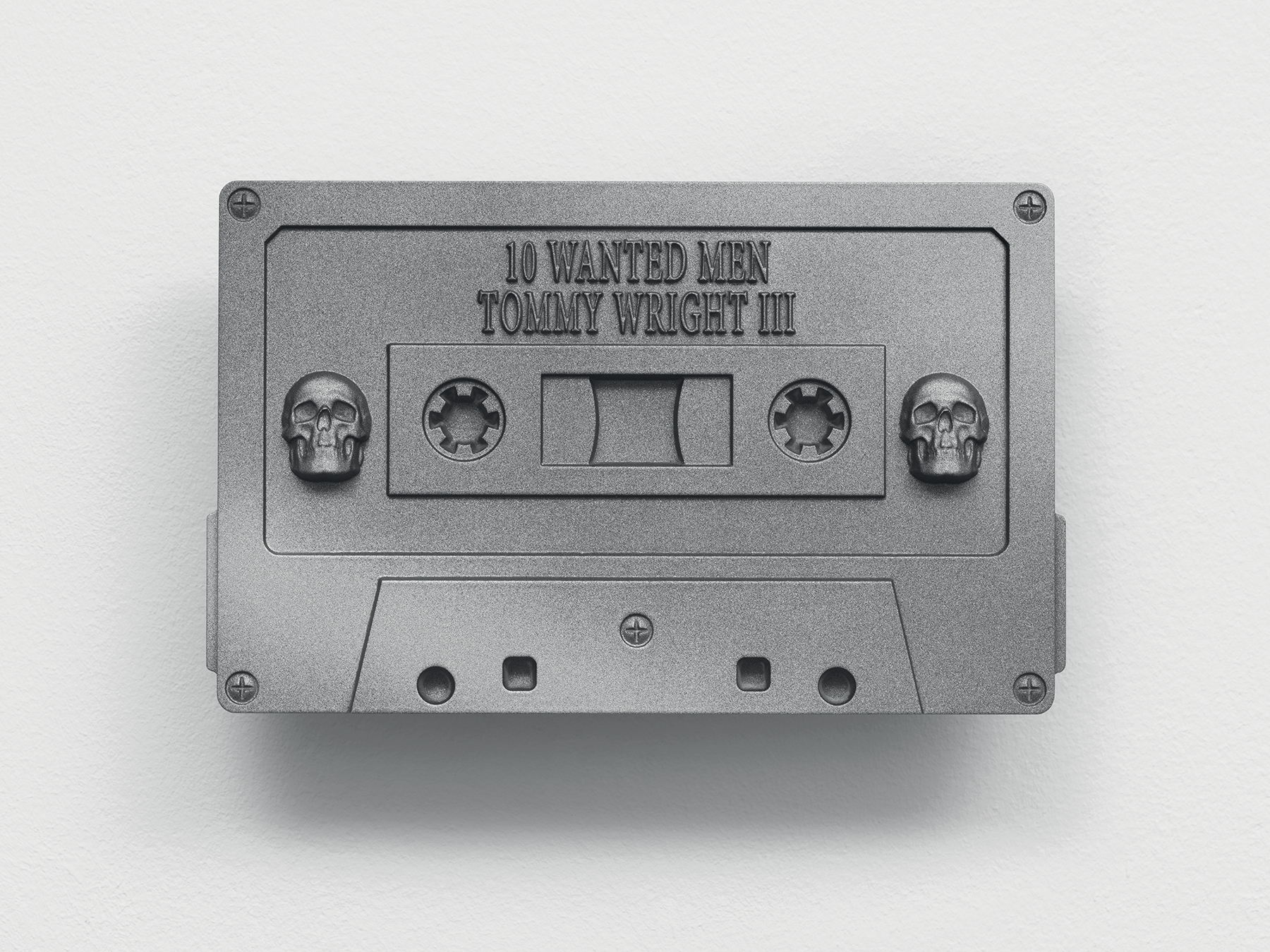
Heaven’s worth, Hell on earth, installation views, Galerie Buchholz, Berlin, 2025 Photo: Galerie Buchholz Courtesy: the artist and Galerie Buchholz
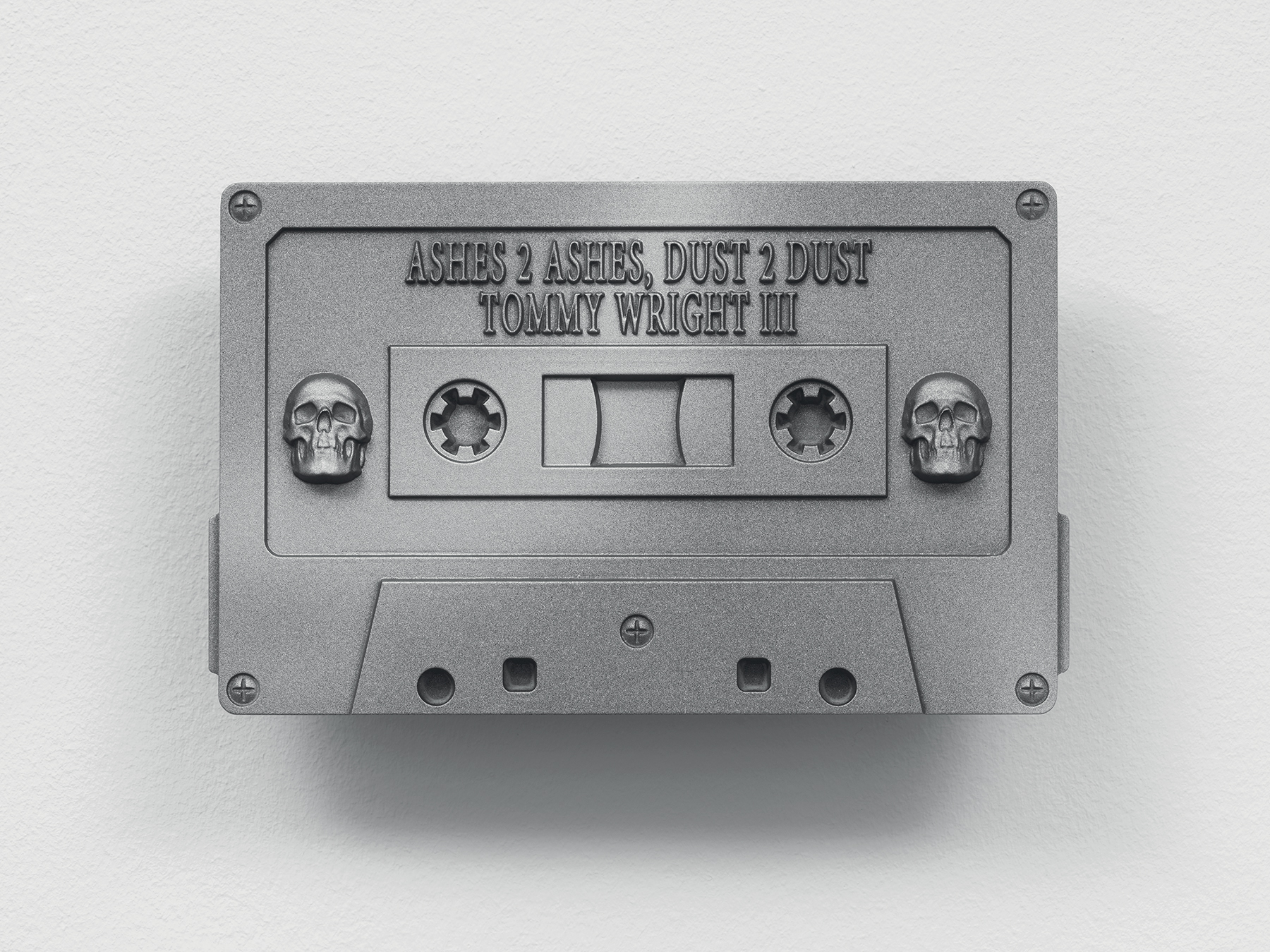
Heaven’s worth, Hell on earth, installation views, Galerie Buchholz, Berlin, 2025 Photo: Galerie Buchholz Courtesy: the artist and Galerie Buchholz
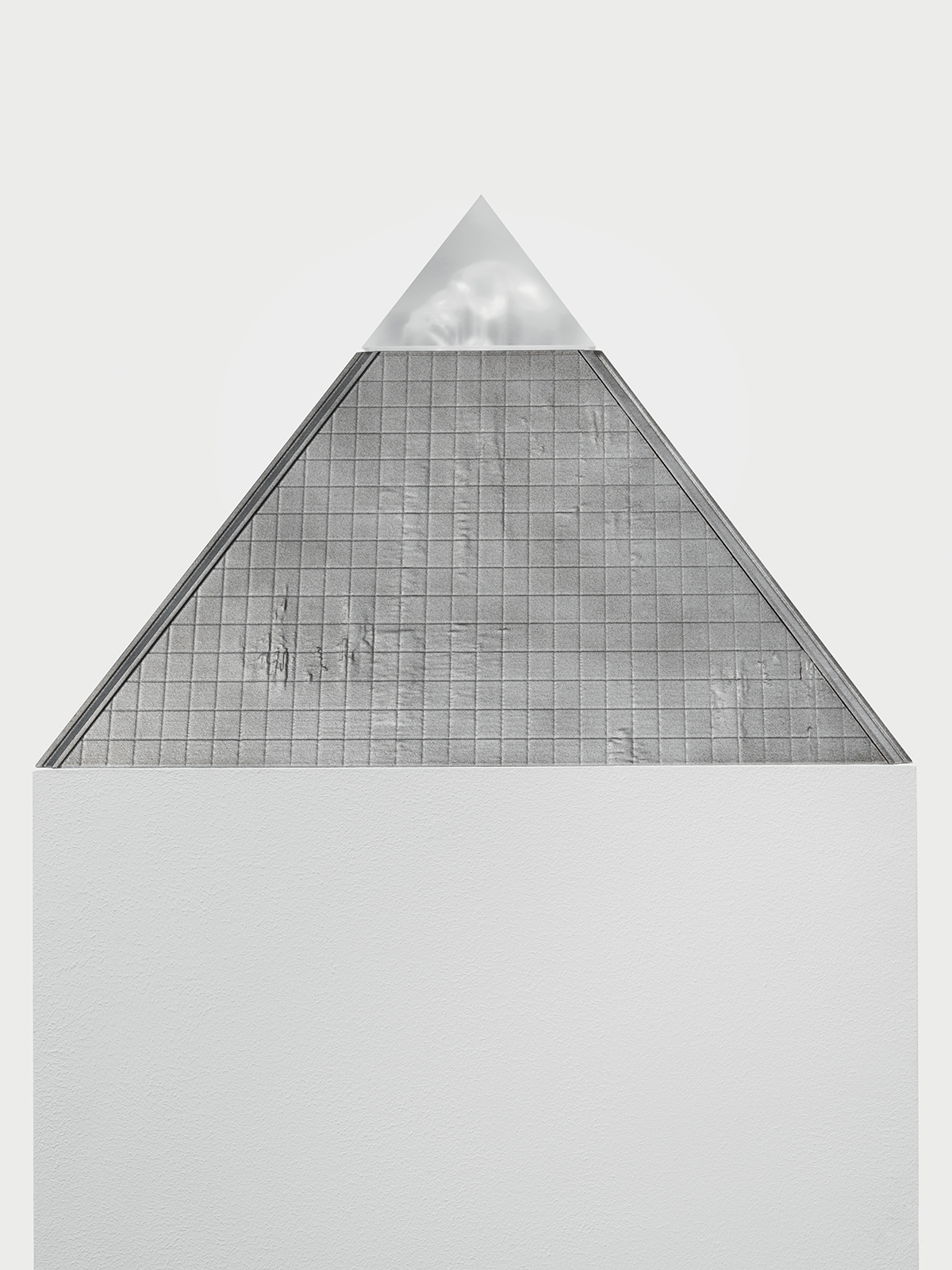
Heaven’s worth, Hell on earth, installation views, Galerie Buchholz, Berlin, 2025 Photo: Galerie Buchholz Courtesy: the artist and Galerie Buchholz
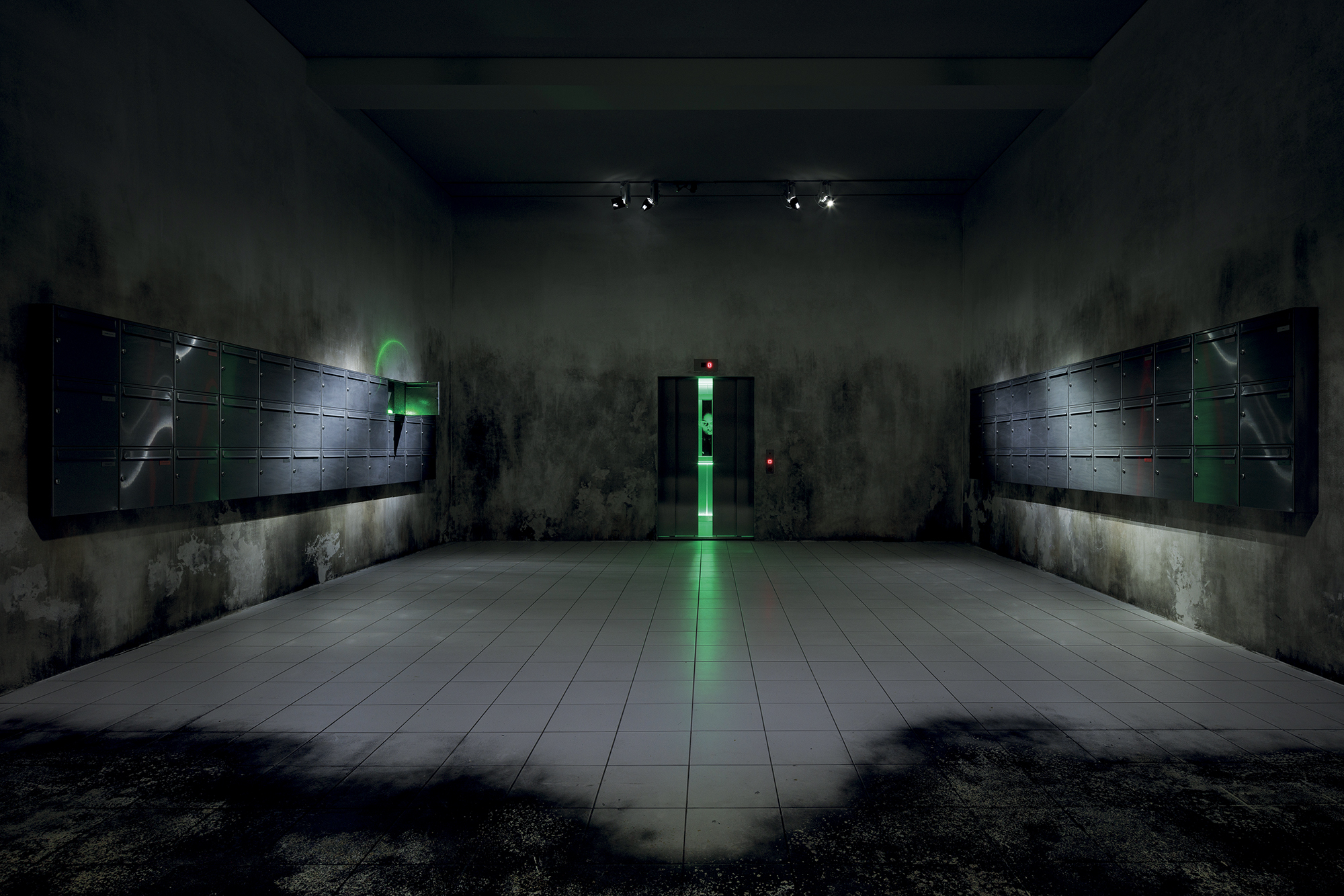
AN EYE FOR AN “I”, 2024, installation view, MUSEUMMMKFÜR MODERNE KUNST Photo: Frank Sperling © Christelle Oyiri Courtesy: the artist
Christelle Oyiri
Text by Martha Kirszenbaum
CURA. 46
Soft Power
CHRISTELLE OYIRI (aka CRYSTALLMESS) (b. 1992) is a Paris-based artist, filmmaker, musician and DJ. Working across video, sculpture, installation and sound, her practice moves through the textures of music, popular culture and visual art. Oyiri’s work has been presented internationally, including at Tate Modern, ETH Zurich, Galerie Buchholz, Bourse de Commerce, MMK Frankfurt and Amant Foundation.
MARTHA KIRSZENBAUM is a curator, writer and editor based in Paris. She was the curator of the French Pavilion of the 58th Venice Biennale represented by Laure Prouvost, and founded and directed Fahrenheit, an exhibition space and residency program in Los Angeles. She previously worked at MoMA, New Museum and Centre Pompidou. She is a regular contributor to numerous art publications and teaches internationally.