Text by Alvin Li
CURA. 46
Soft Power
FOCUS
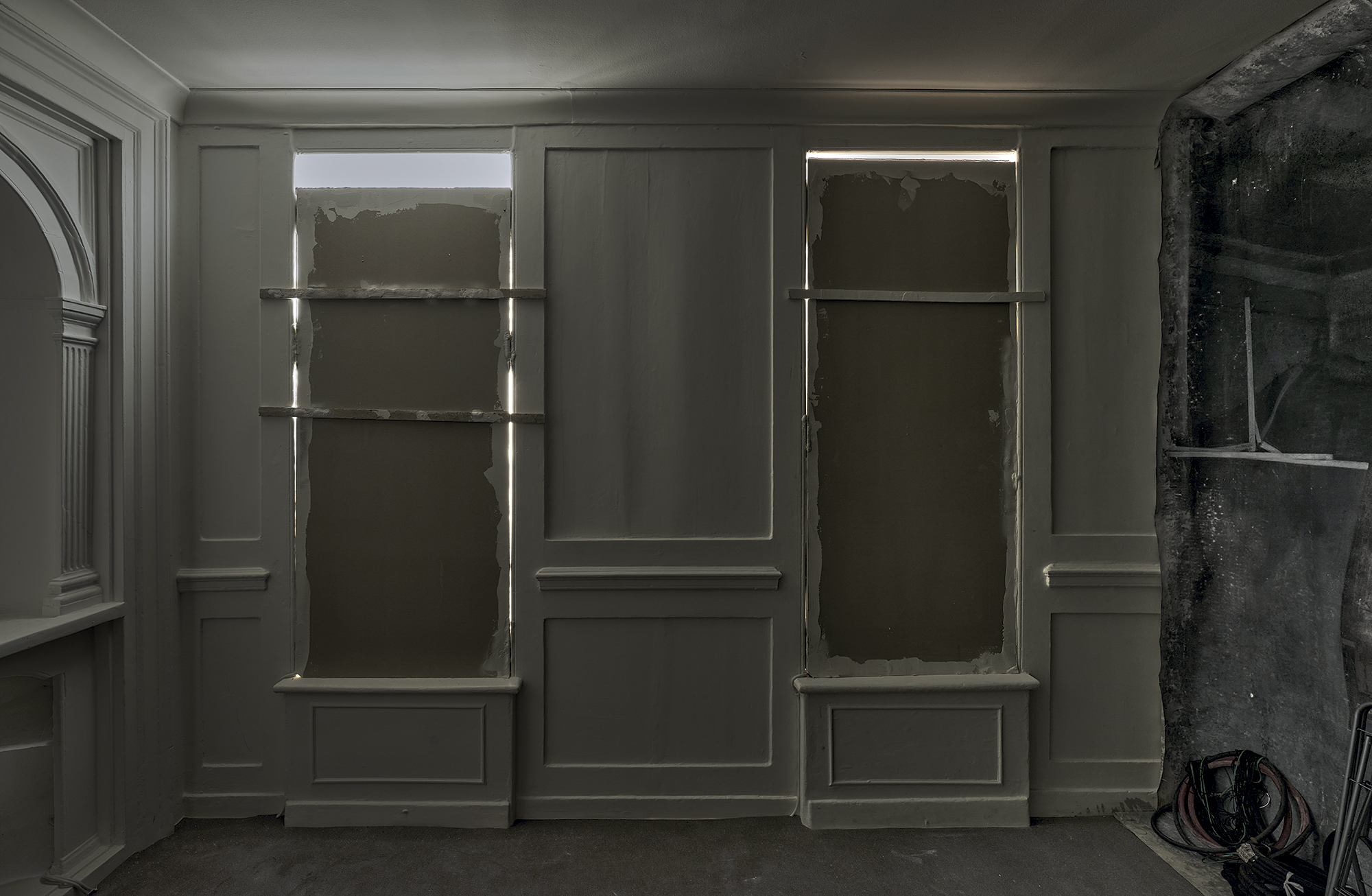
My year of rest and relaxation 3, 2025 Photo: Studio Tolia Astakhishvili Courtesy: the artist, Emalin, London, and LC Queisser, Tbilisi, Cologne
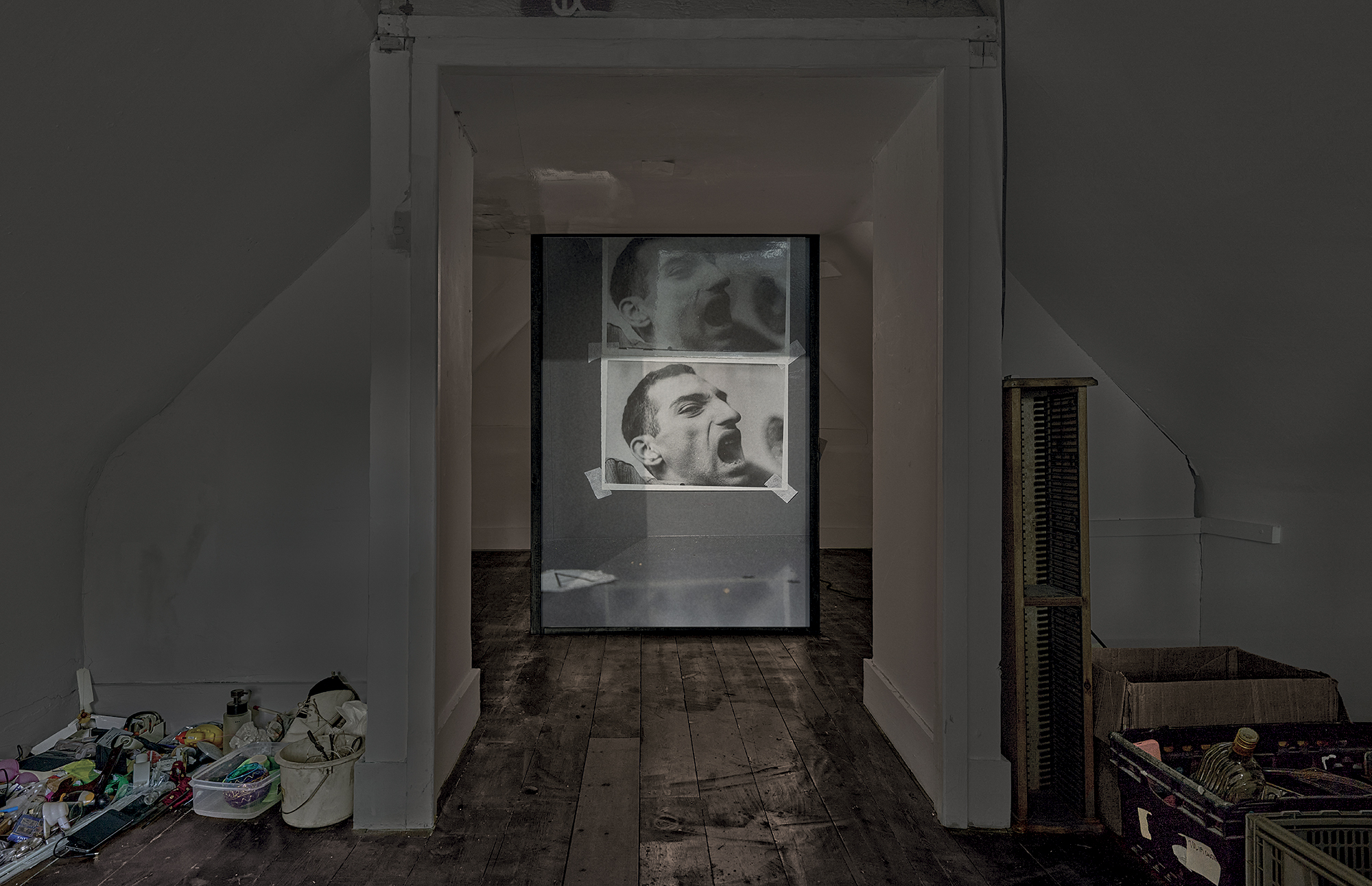
From Communion to Cannibalism, 2018-2025 (with James Richards) Photo: Studio Tolia Astakhishvili
I love seeing myself through the eyes of others, 2025 (sound by Dylan Peirce)
Photo: Studio Tolia Astakhishvili Courtesy: the artists, Nicoletta Fiorucci Foundation, and LC Queisser, Tbilisi, CologneCourtesy: the artists, Emalin, London, and LC Queisser, Tbilisi, Cologne
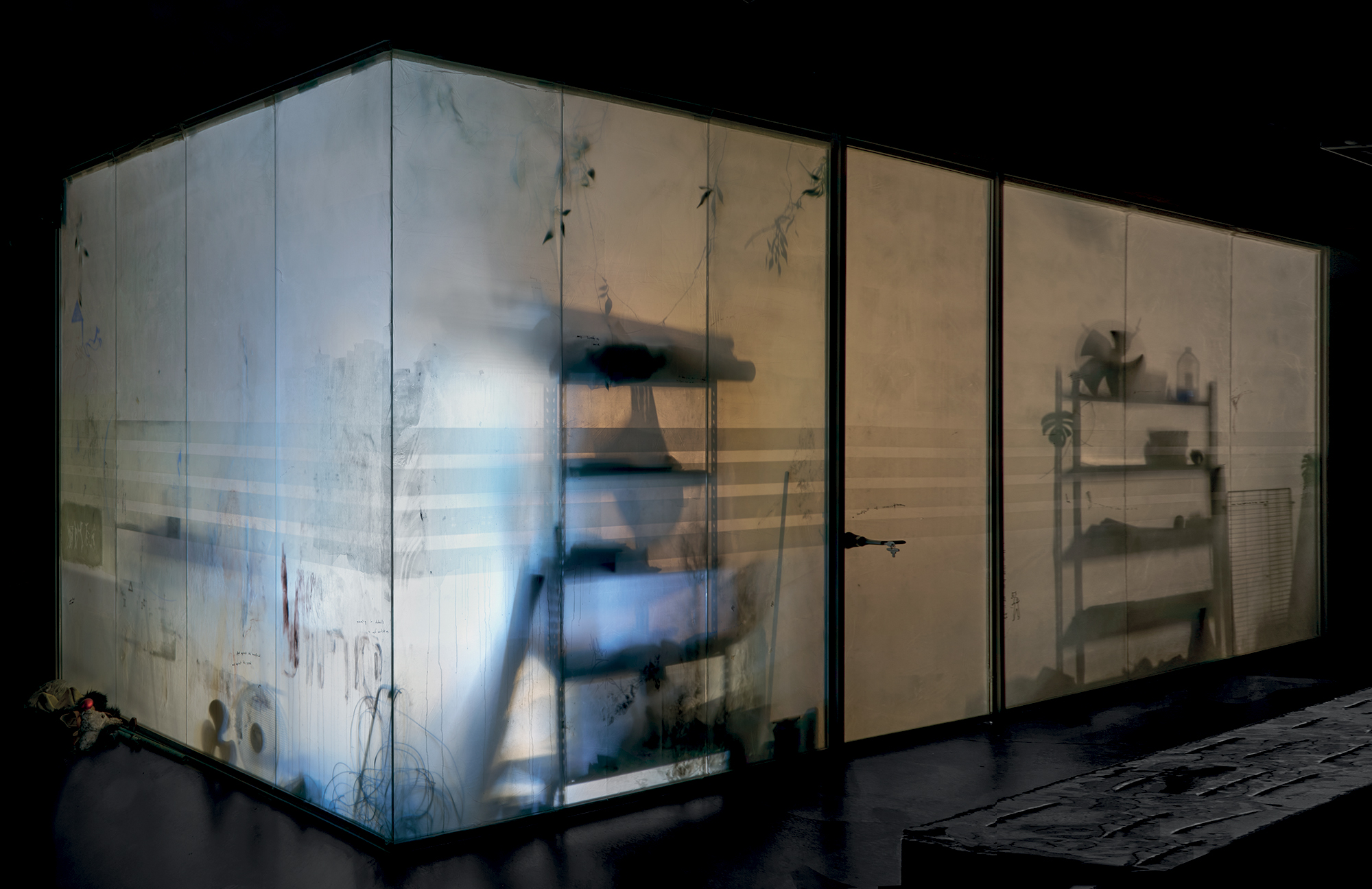
I love seeing myself through the eyes of others, 2025 (sound by Dylan Peirce)
Photo: Studio Tolia Astakhishvili Courtesy: the artists, Nicoletta Fiorucci Foundation, and LC Queisser, Tbilisi, Cologne
In My Room
One of my favorite pastimes this March has been binge-watching the YouTube channel Interior Motives. The format of the trending web show is simple: a rotating cast of guests are invited to ‘read’ photos of strangers’ dwellings, from the bookshelf in a bedroom to the inside of a fridge, before playing a game of guessing their age, gender, sexuality, and whereabouts. In one episode, Juliana Huxtable, Hari Nef, and host Ben Mora compete to decipher lives from interior décor: a Zendaya for Lancôme Idôle fragrance campaign poster pasted to a bedroom wall, a shelf of leather books, a taxidermy owl over a cluttered desk. Zooming in on a dirty plate with utensils resting atop a stack of papers, Huxtable wonders whether this might be an academic with a drug addiction. Their guesses veer between forensic precision and nonsensical projection, staging identity as mise-en-scene fraught with misfires.
As I binge through the series, my mind cannot help but drift off to Tolia Astakhishvili. If the show belies a belief in the confessional power of interiors, and that the arrangement of things might stabilize—however ostensibly—the incoherence of a life, Tolia both inhabits and resists this desire for legibility and coherence. In her sculptural practice, interior spaces are turned into both stage and page on which to rehearse psychodramas of dwelling, hoarding, festering: the kinds of human behaviors driven more by appetite than intention. She casts light on what is usually discarded—the refuse, the excess, the negative space beside a coherent self—but doesn’t try to piece together something else in their place. Tolia prefers to keep the riddle open. She presses us to stick to life’s mess, its non-rational cycles of accumulation, attrition, excretion. We are all like fruit flies that flew into a tall glass of juice, hungry for sugar; eventually, we die drinking and swimming simultaneously.
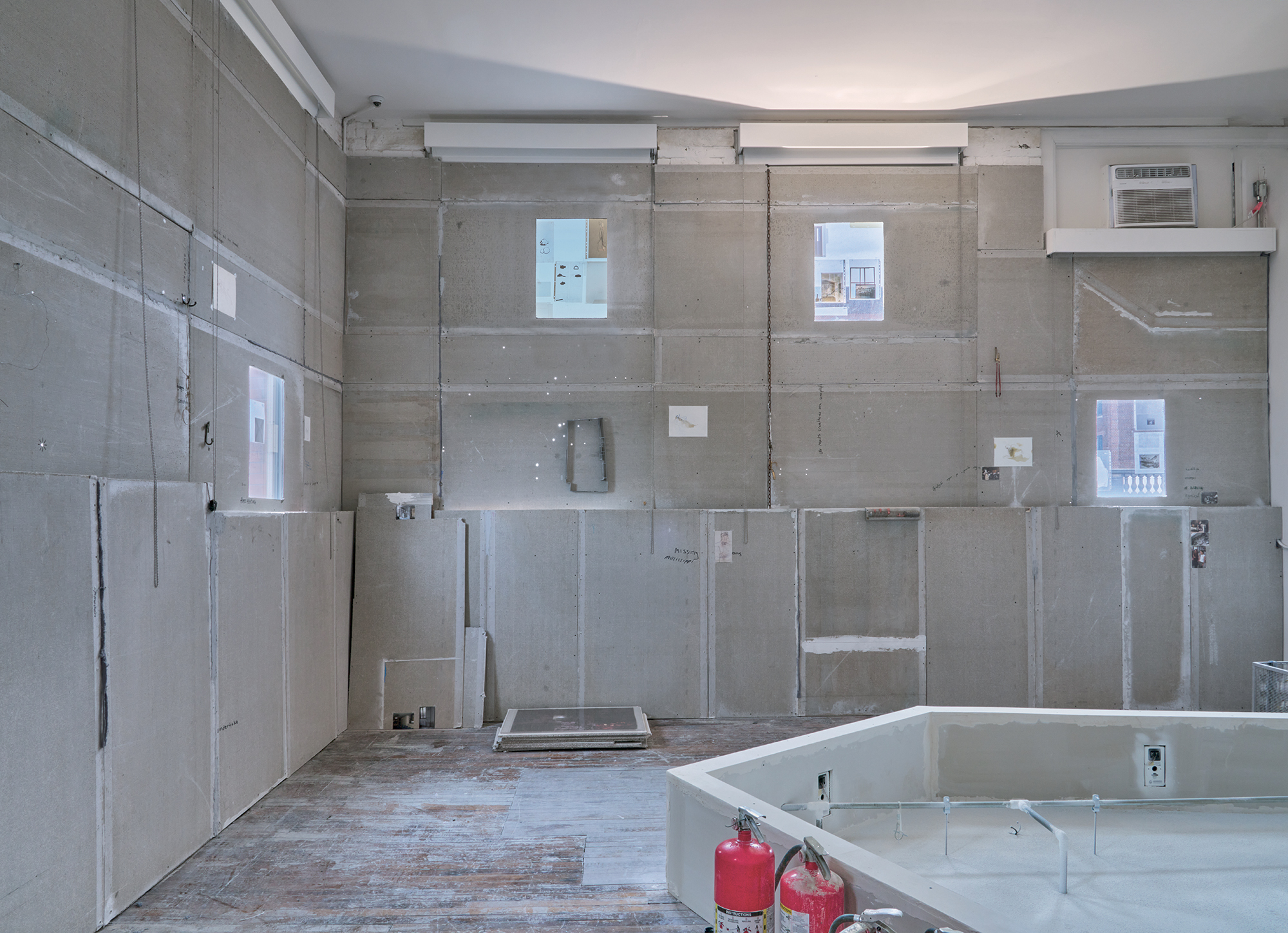
That animalistic drive, the violence beneath every act of venturing outward, is hinted at in to love and devour, the title of Tolia’s solo exhibition at the Nicoletta Fiorucci Foundation in Venice. When I visited the exhibition, which took over a whole building, last summer, I was struck by a sensation so intense that I returned the next day, spending another morning lingering there. Over four months, Tolia transformed Dorsoduro 2829 by slowly demolishing and reworking the building, alongside a group of artist friends, including long-term collaborators Dylan Peirce and James Richards. The site’s accumulated histories—its past life as the home of painter Ettore Tito in the 1920s, its renovation by Angelo Scattolin in the 1970s—are not entirely erased, but metabolized and redistributed as a faint flavor. Across the buildings, scattered sculptural installations take cues from scenes of domesticity. Wine glasses are placed inside what looks like a maquette of the house, becoming the household’s protagonists (house of mending, 2024–25); in another room, the dining table is replaced by a massive, rectangular cement block with utensils pressed into its surface, and used mugs and plates lining up its edge on the floor. Traces of many gatherings in the space are invoked, but not re-imagined as events.
Upstairs, the mood intensifies room after room, where we find ourselves trespassing ever more voyeuristically; a demolished bathroom (my emptiness, 2025) gives way to a enclosed space within a room, constructed from translucent glass, inside which indistinct objects accumulate beyond reach. The glass surface is covered with scribbles that hover between declaration and deferral: “hole in our hearts which unites us,” “when I am alone I will arrange my thoughts on the shelves” (I love seeing myself through the eyes of others, 2025).
Tolia’s work evokes in me an intense, even unsettling sense of familiarity. It tells me she has been to places—many places—I too have inhabited. She never speaks from the position of a lonesome artistic genius; almost always, she inhabits the voice of a multitude, inviting friends to join her, which results in work that, spatially and affectively, exudes a conviviality and loose-but-close-knit quality akin to a kind of band dynamic. Her exhibition at Emalin, London, last fall, a wound on my plate, saw the return of Dylan Peirce and James Richards, alongside Zurab Astakhishvili, the artist’s late father. Peirce’s contribution—an ambient score—permeates quietly but potently throughout, an apt match for Astakhishvili’s work, which similarly resists expressionism in the manner of a ballad, instead unfolding as a tapestry of hymns and hums, from faint scribbles on the wall to the clutter of cheap jewelry in the bathroom corner.[1] In the office on the ground floor, she hangs collages—I can’t imagine how I can die if I am so alive—by her father, consisting of faces cut out and layered over magazine clippings. Collage, her inherited modus operandi, is also the binding logic of her collaboration with Richards, the slide projection From Communion to Cannibalism, which brings together photographs of past installations and found images.
What is at stake in Tolia’s work is not simply an aesthetics of decay or ruin, but also a remarkably precise negotiation between indulgence and control. Her environments are saturated with materials that hold memory, yet they never resolve into representation or narrative; a more apt analogy may be a portal. Just as they take us to the threshold of affective overwhelm, the artist pulls back. The artist remains present, however residually—a trace, a wink—making gestures that prevent the experience from ever collapsing into sentimentality or nostalgia. There is certainly an effortlessness that comes with experience; what’s more impressive, perhaps, is this ability to guide us rather quickly back into that backroom of the world where any need for pretense has given way to a naked state where contradictions, willful secrets, and desires run loose and spill bare. The room promises at once openness and foreclosure to the world. However unbearable, knowing we share this space is beautiful.
1
This reading is partly inspired by Bjork’s remarks on her own music in the “Vespertine” episode of her podcast, Sonic Symbolism.
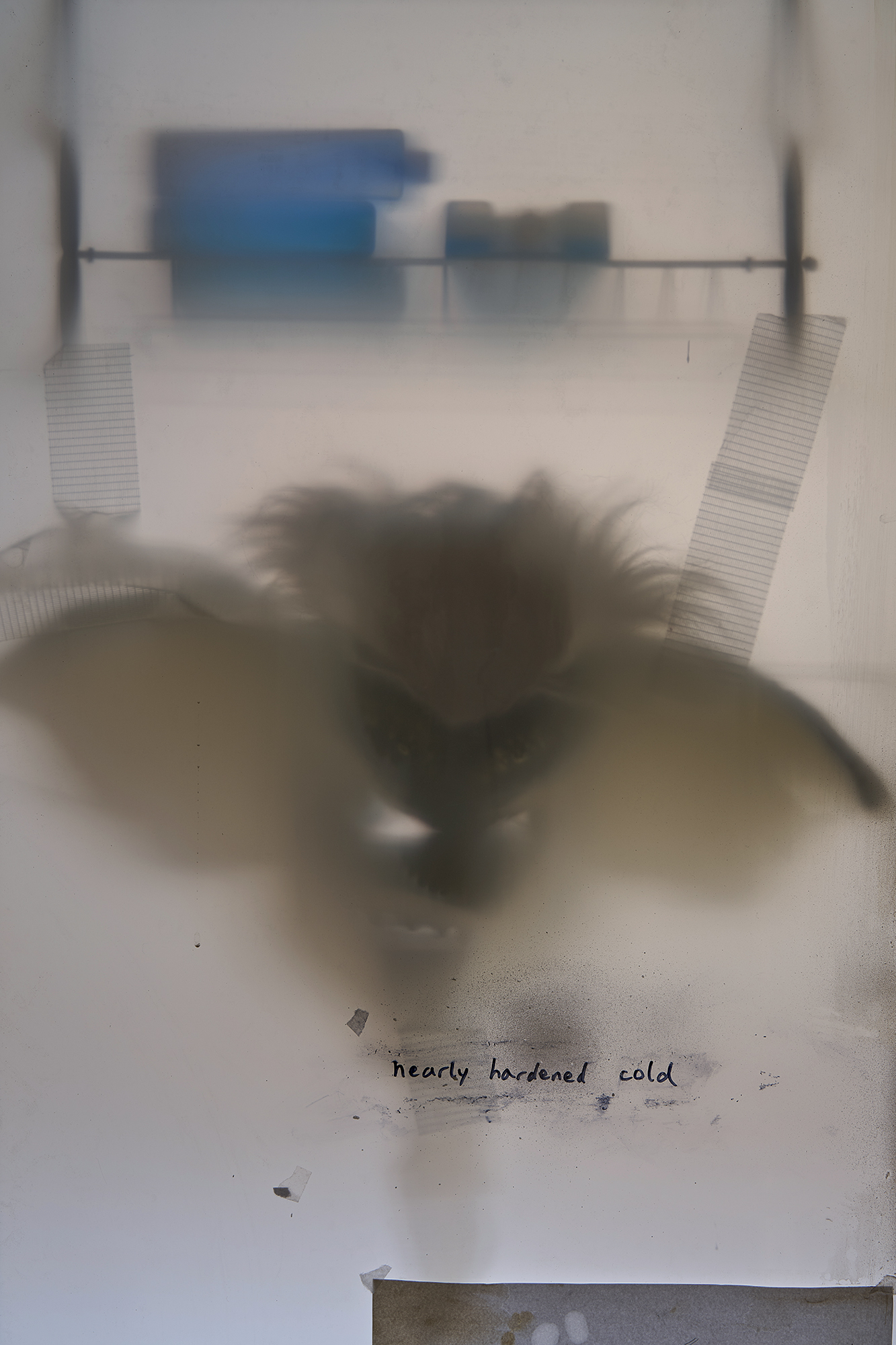
nearly hardened cold, 2025 (sound by Dylan Peirce) Photo: Studio Tolia Astakhishvili
Courtesy: the artists, Emalin, London, and LC Queisser, Tbilisi, Cologne
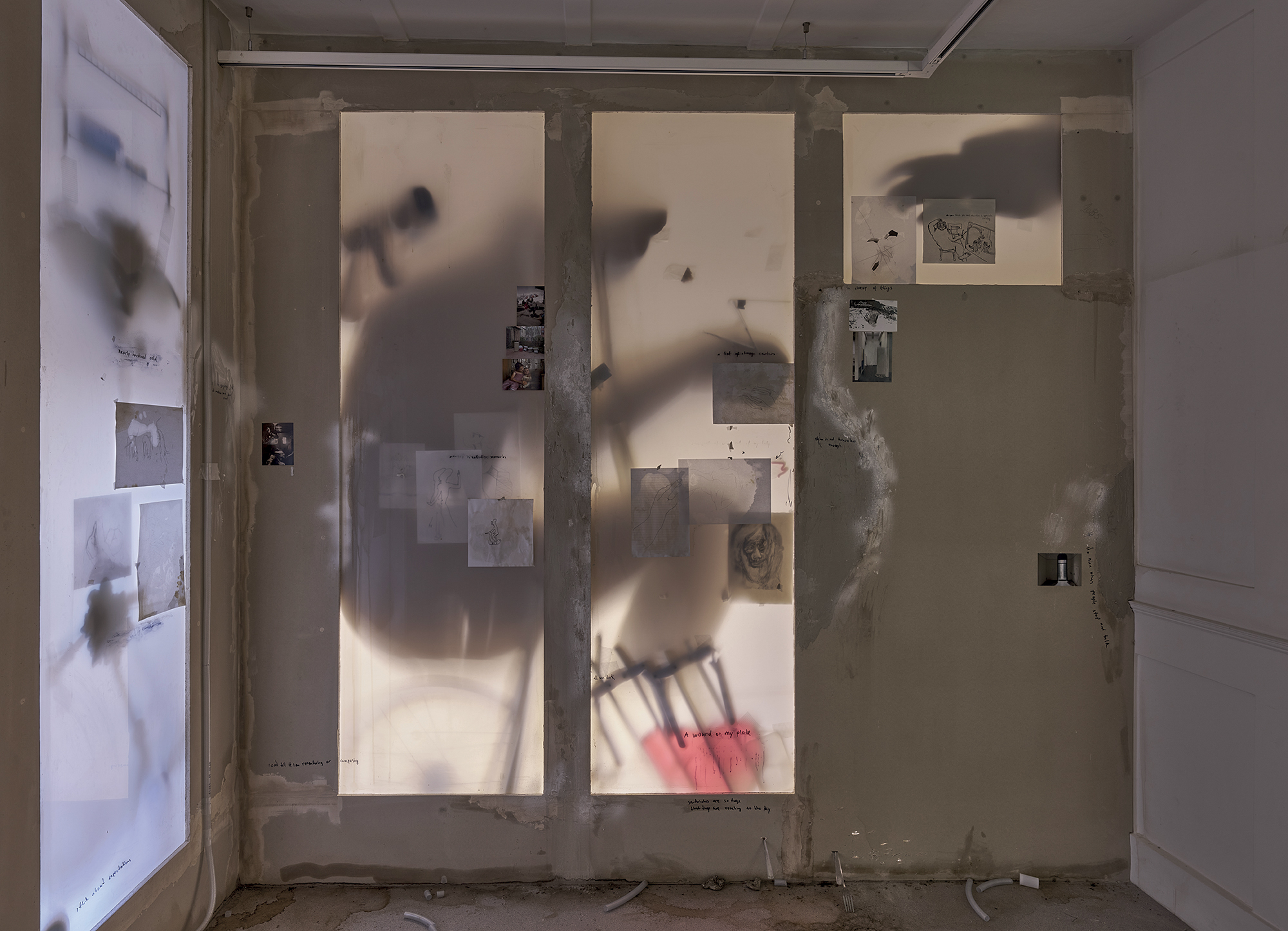
nearly hardened cold, 2025 (sound by Dylan Peirce) Photo: Studio Tolia Astakhishvili
Courtesy: the artists, Emalin, London, and LC Queisser, Tbilisi, Cologne
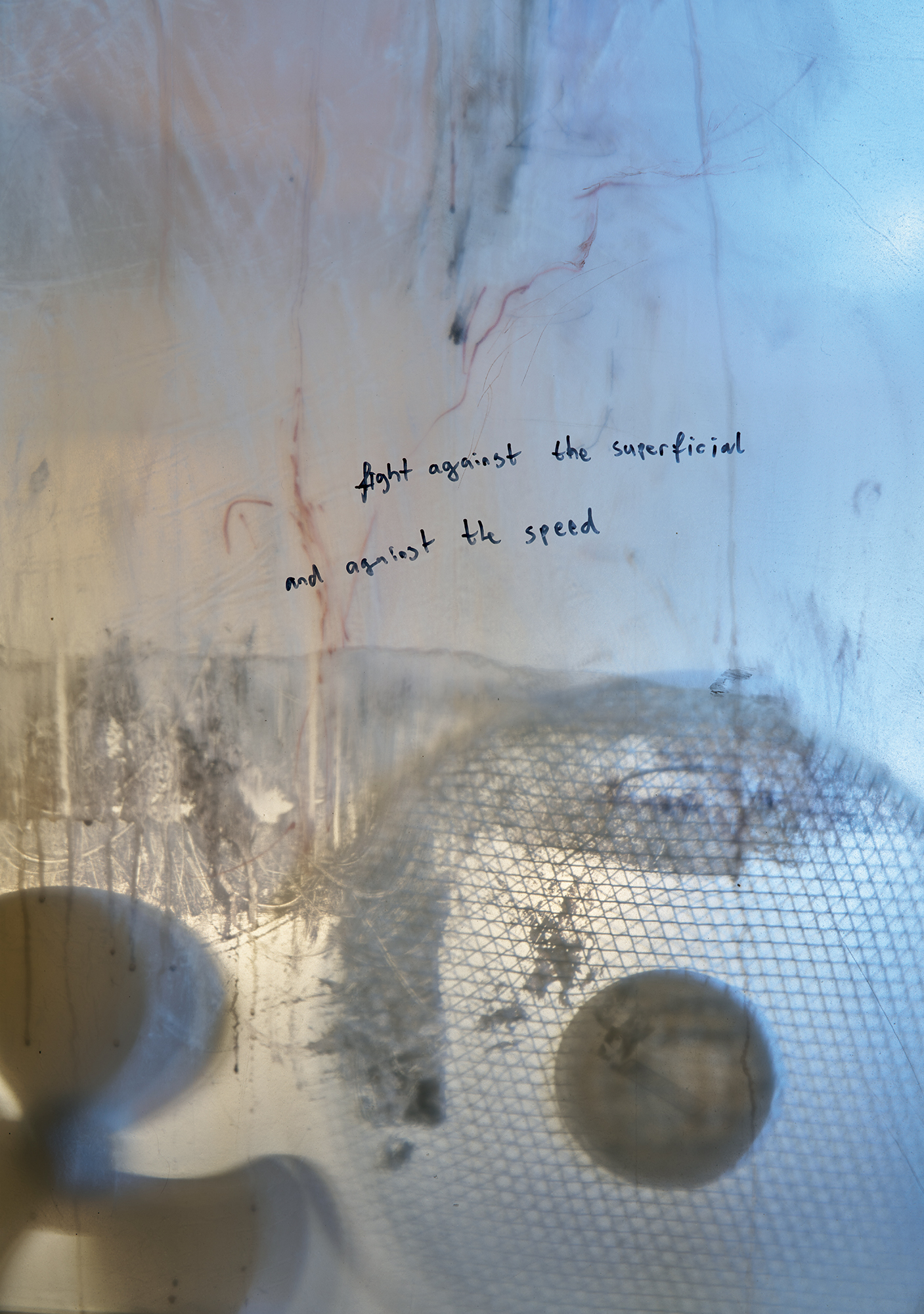
nearly hardened cold, 2025 (sound by Dylan Peirce) Photo: Studio Tolia Astakhishvili
Courtesy: the artists, Emalin, London, and LC Queisser, Tbilisi, Cologne
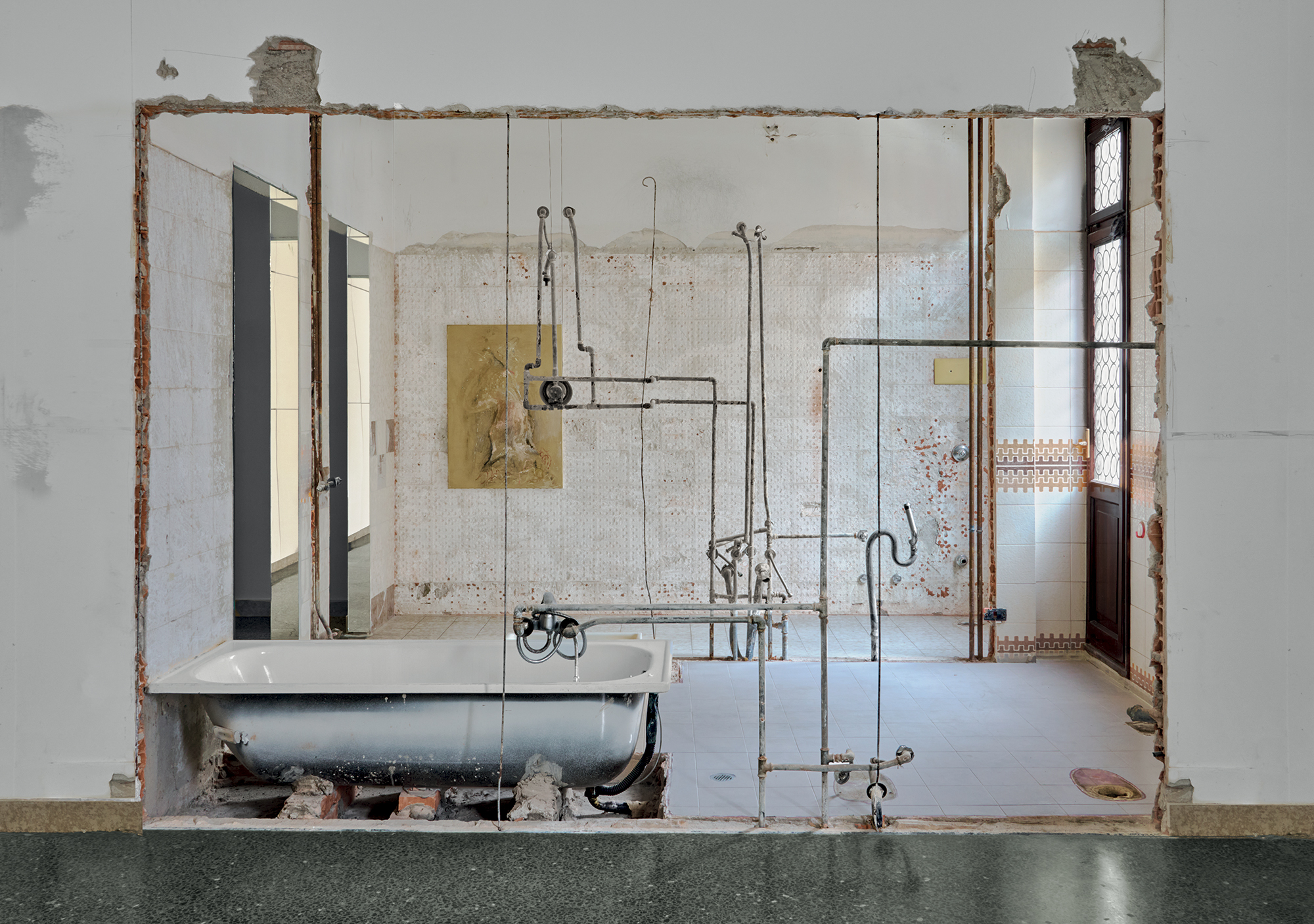
my emptiness, 2025 / of other spaces, 2025 / I have to tell you my dream before I wake up too much, 2018-2024
Photo: Studio Tolia Astakhishvili Courtesy: the artist, Nicoletta Fiorucci Foundation, and LC Queisser, Tbilisi, Cologne
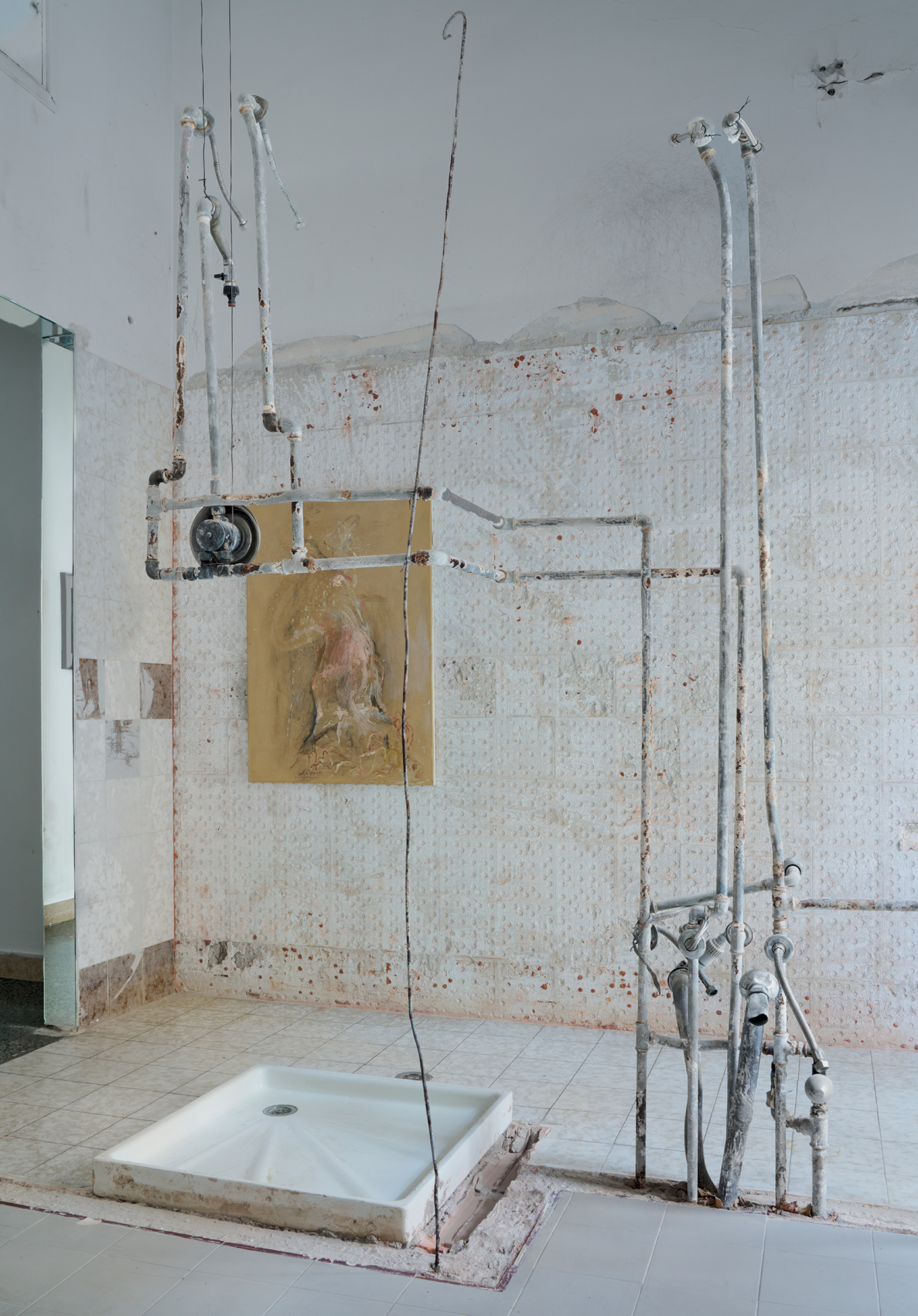
my emptiness, 2025 / of other spaces, 2025 / I have to tell you my dream before I wake up too much, 2018-2024
Photo: Studio Tolia Astakhishvili Courtesy: the artist, Nicoletta Fiorucci Foundation, and LC Queisser, Tbilisi, Cologne
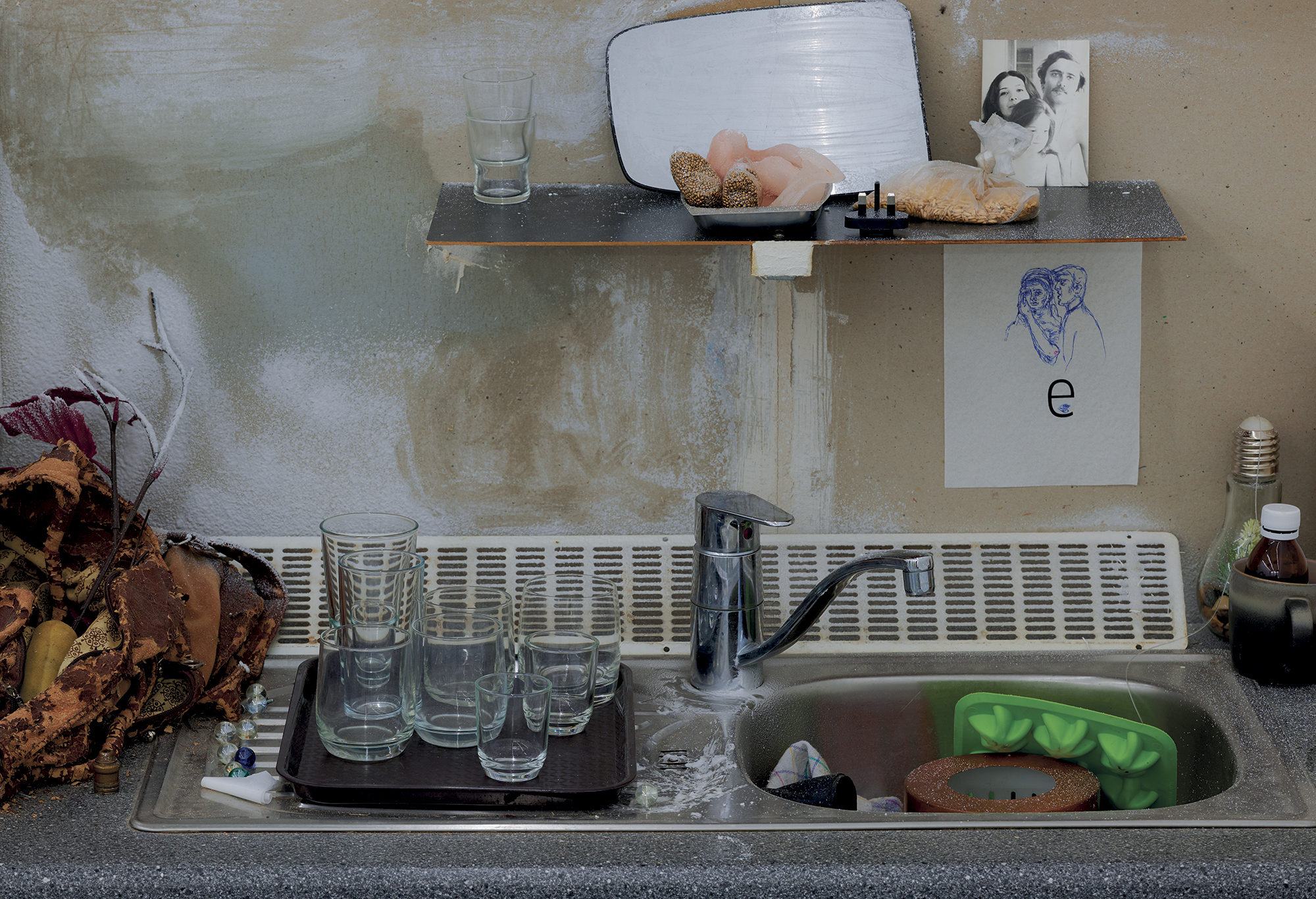
space reflected owner I, 2023 Photo: Mareike Tocha
Courtesy: the artist, Bonner Kunstverein, Bonn, and LC Queisser, Tbilisi, Cologne
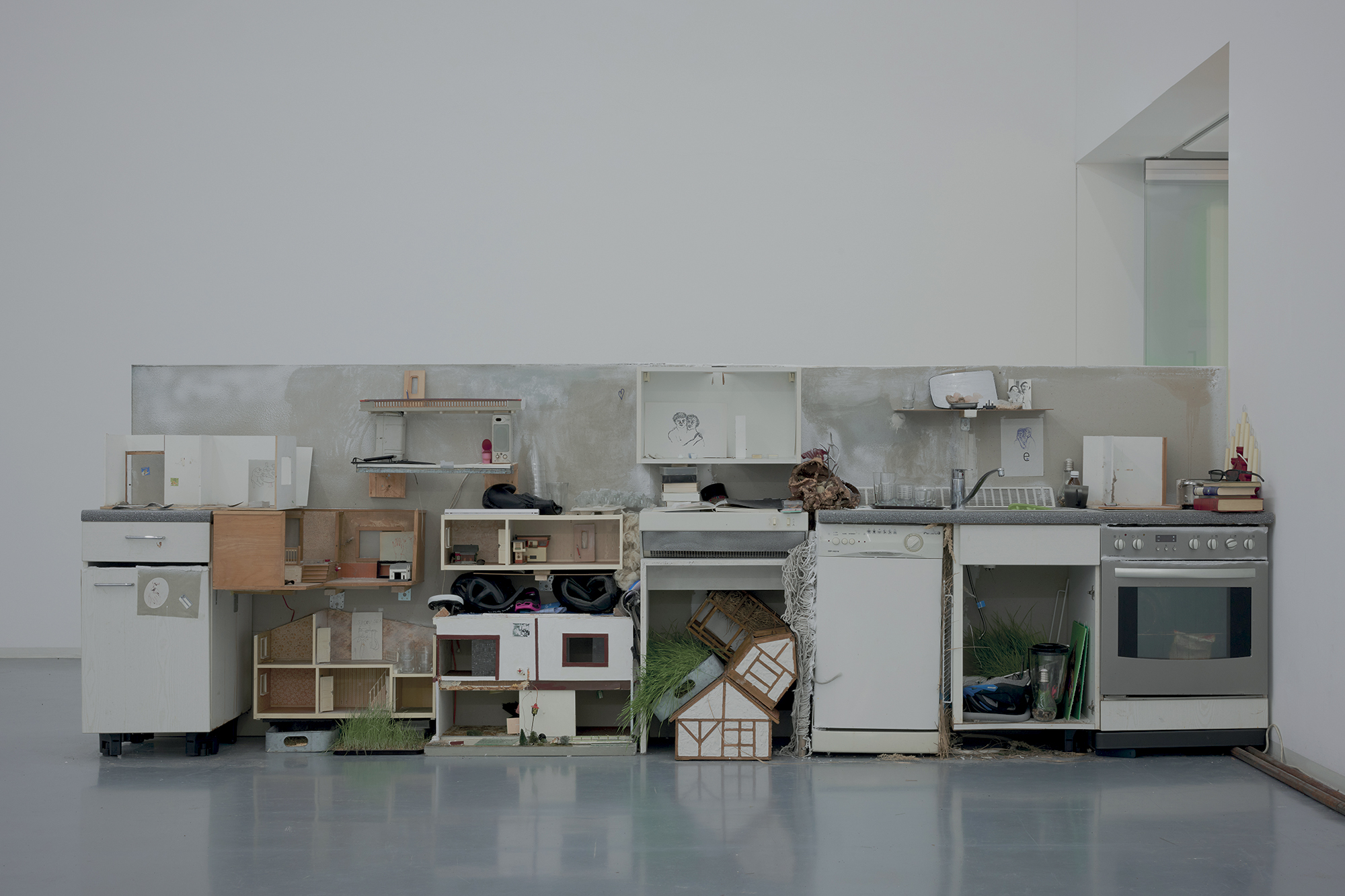
space reflected owner I, 2023 Photo: Mareike Tocha
Courtesy: the artist, Bonner Kunstverein, Bonn, and LC Queisser, Tbilisi, Cologne
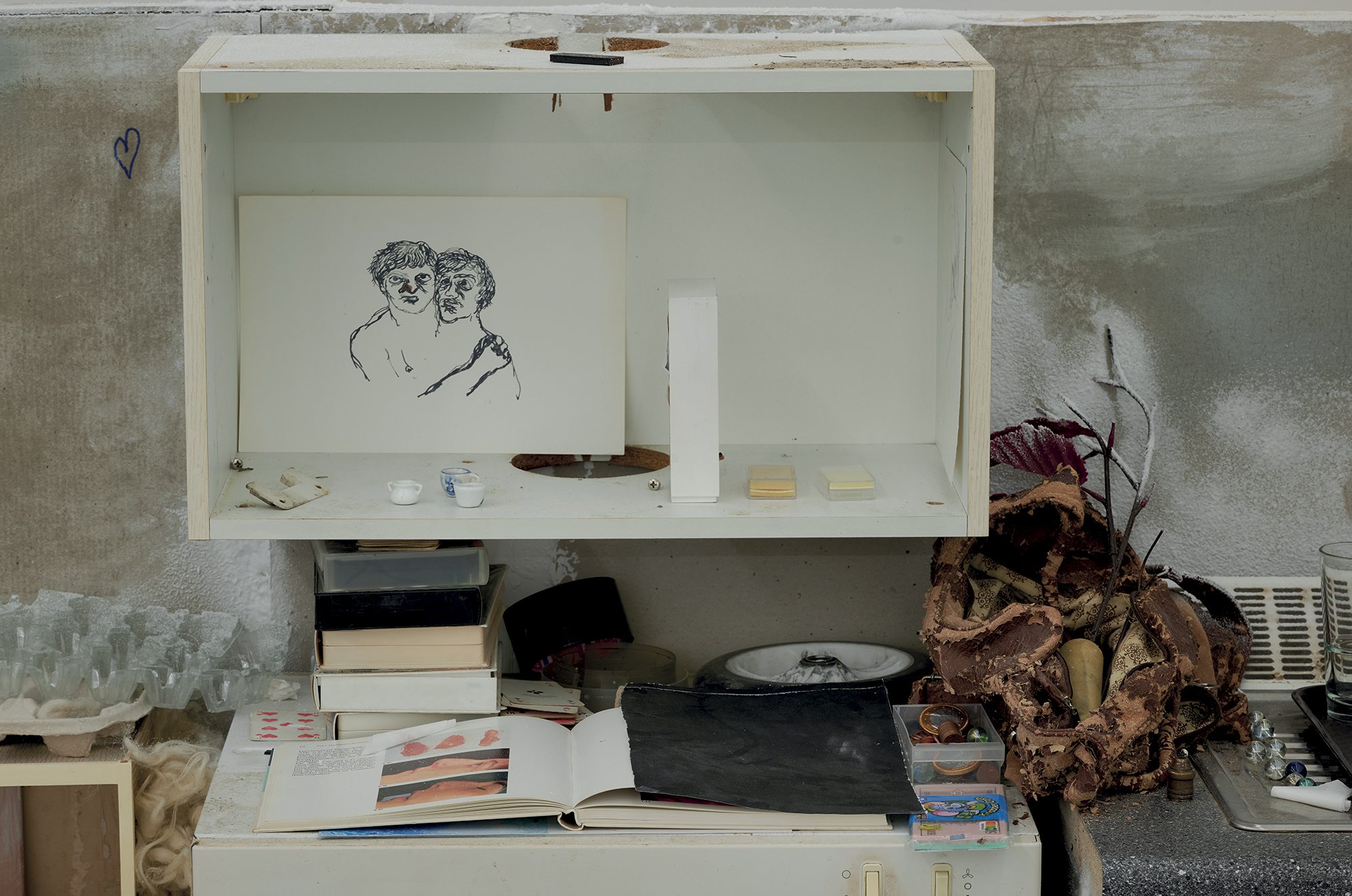
space reflected owner I, 2023 Photo: Mareike Tocha
Courtesy: the artist, Bonner Kunstverein, Bonn, and LC Queisser, Tbilisi, Cologne
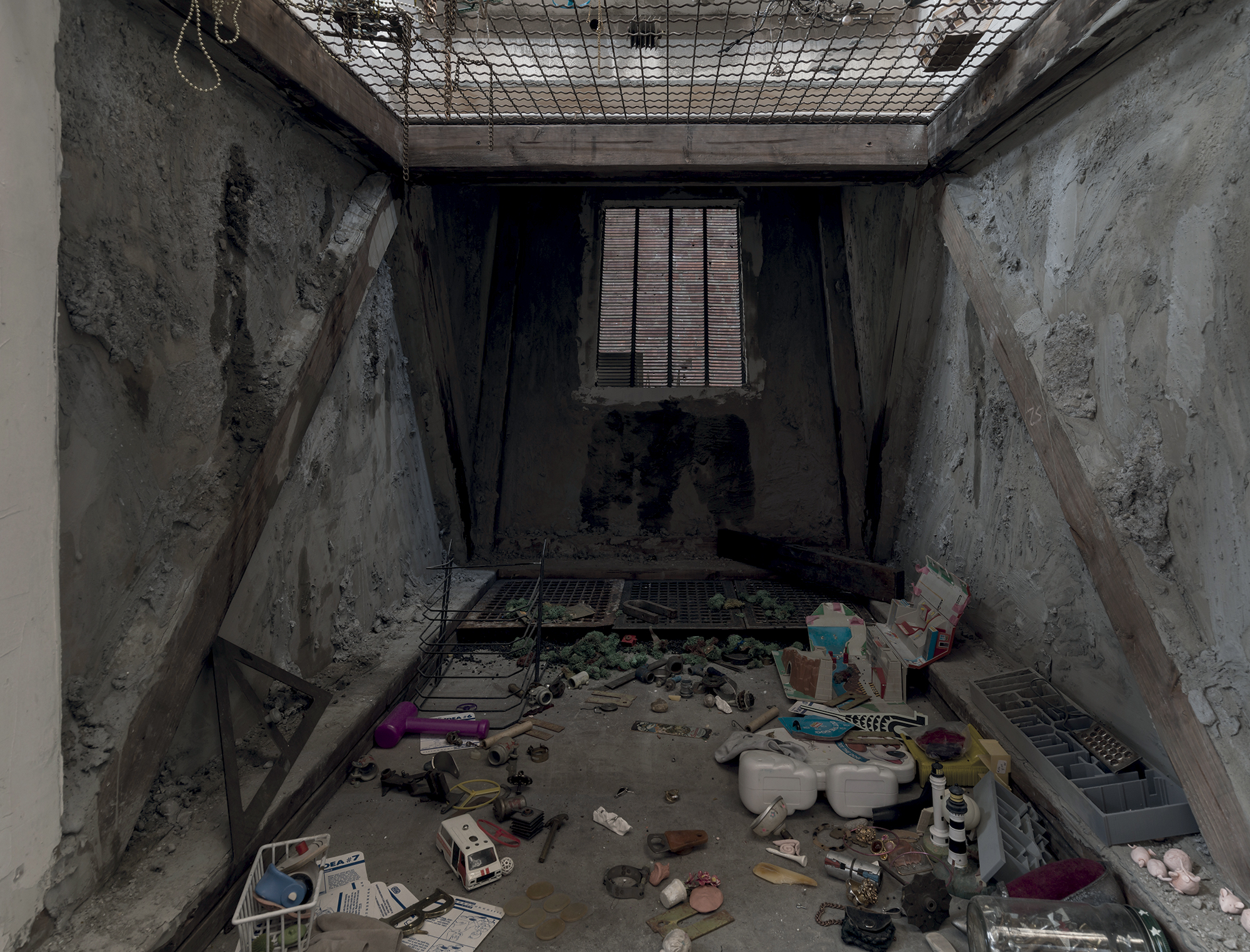
And how I care for, 2024 (commissioned by SculptureCenter, New York made possible by Valeria Napoleone XX SculptureCenter)
Photo: Charles Benton Courtesy: the artist, LC Queisser, Tbilisi, Cologne, and SculptureCenter, New York
Wicked Plans, 2025 (with Maka Sandaze and Zurab Aastakhishvili, sound by Dylan Peirce)
Photo: Studio Tolia Astakhishvili Courtesy: the artist, MoMA PS1, and LC Queisser, Tbilisi, Cologne
Tolia Astakhishvili: In My Room
Text by Alvin Li
CURA.46
Soft Power
TOLIA ASTAKHISHVILI (b. 1974, Tbilisi, Georgia) lives and works in Tbilisi and Berlin. Recent solo exhibitions include: figure of the child, mumok, Vienna, AT (2026); a wound on my plate, Emalin, London (2025); to love and devour, Nicoletta Fiorucci Foundation, Venice (2025); Result, LC Queisser, Tbilisi (2025); between father and mother, SculptureCenter, New York (2024); The First Finger (chapter II), Haus am Waldsee, Berlin (2023); The First Finger, Bonner Kunstverein (2023); and I think it’s closed, Kunstverein Bielefeld (2023). Her work has been recently included in group exhibitions at: LC Queisser, Tbilisi (2026); Museum of Modern Art in Warsaw (2025); Lenbachhaus, Munich (2025); Foundation Pernod Ricard, Paris (2025); MoMA PS1, New York (2025).
ALVIN LI is a writer, and Curator, International Art, supported by Asymmetry, at Tate Modern. He lives and works in London.