In conversation with COUMBA SAMBA
CURA. 46
Soft Power
SPOTLIGHT
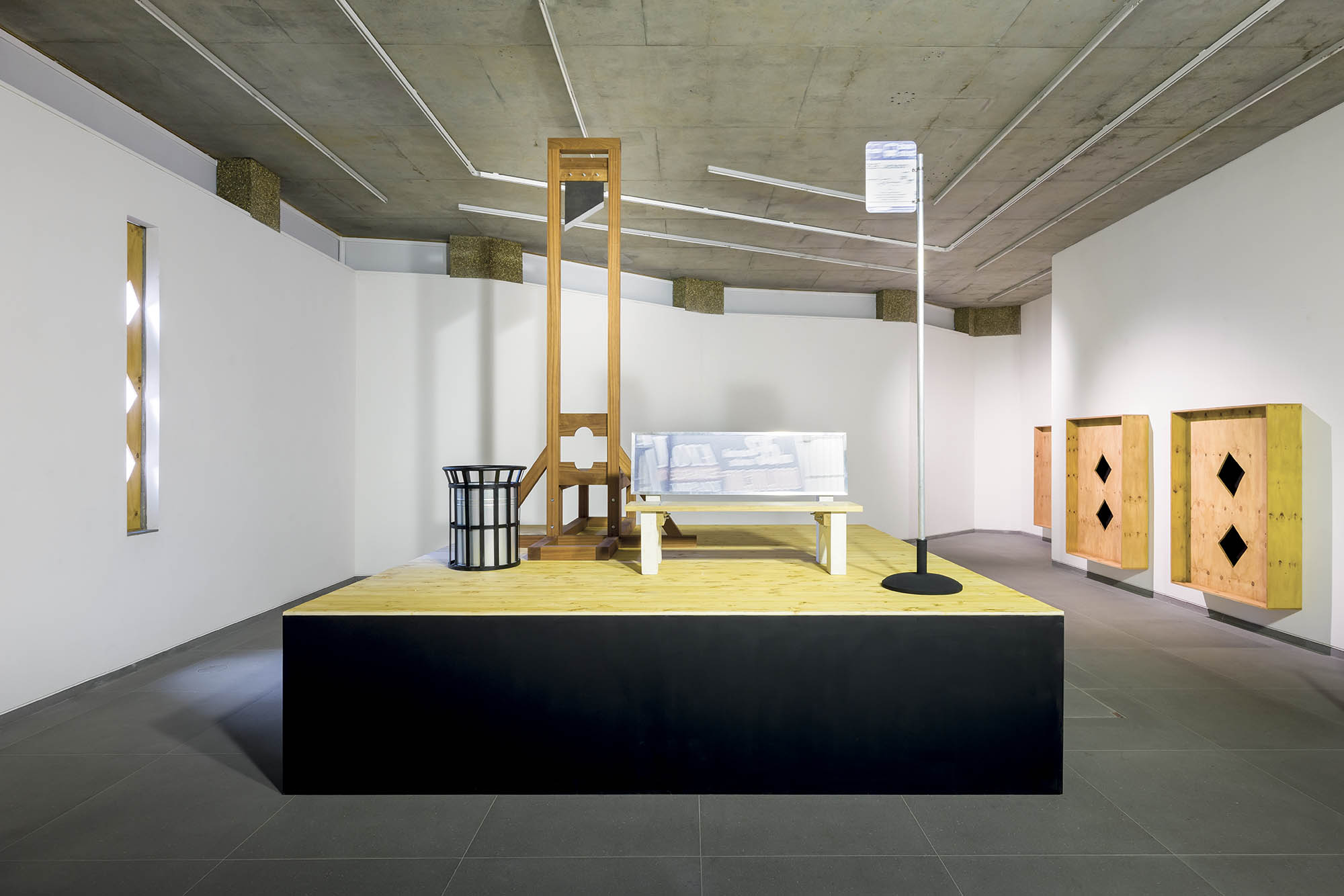
MAY 29, installation views, Cabinet Gallery, London, 2025
Courtesy: the artist and Cabinet, London
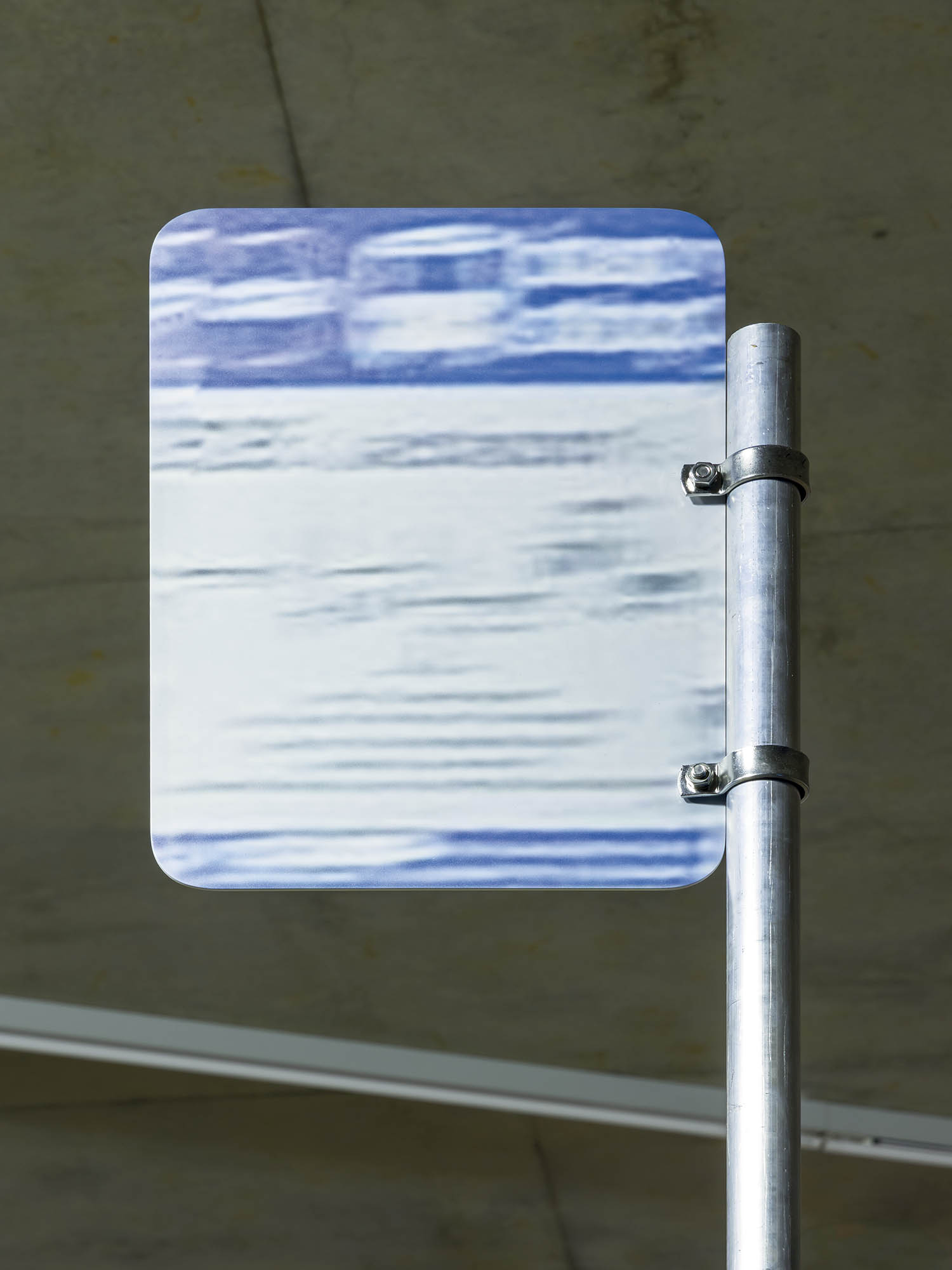
MAY 29, installation views, Cabinet Gallery, London, 2025
Courtesy: the artist and Cabinet, London
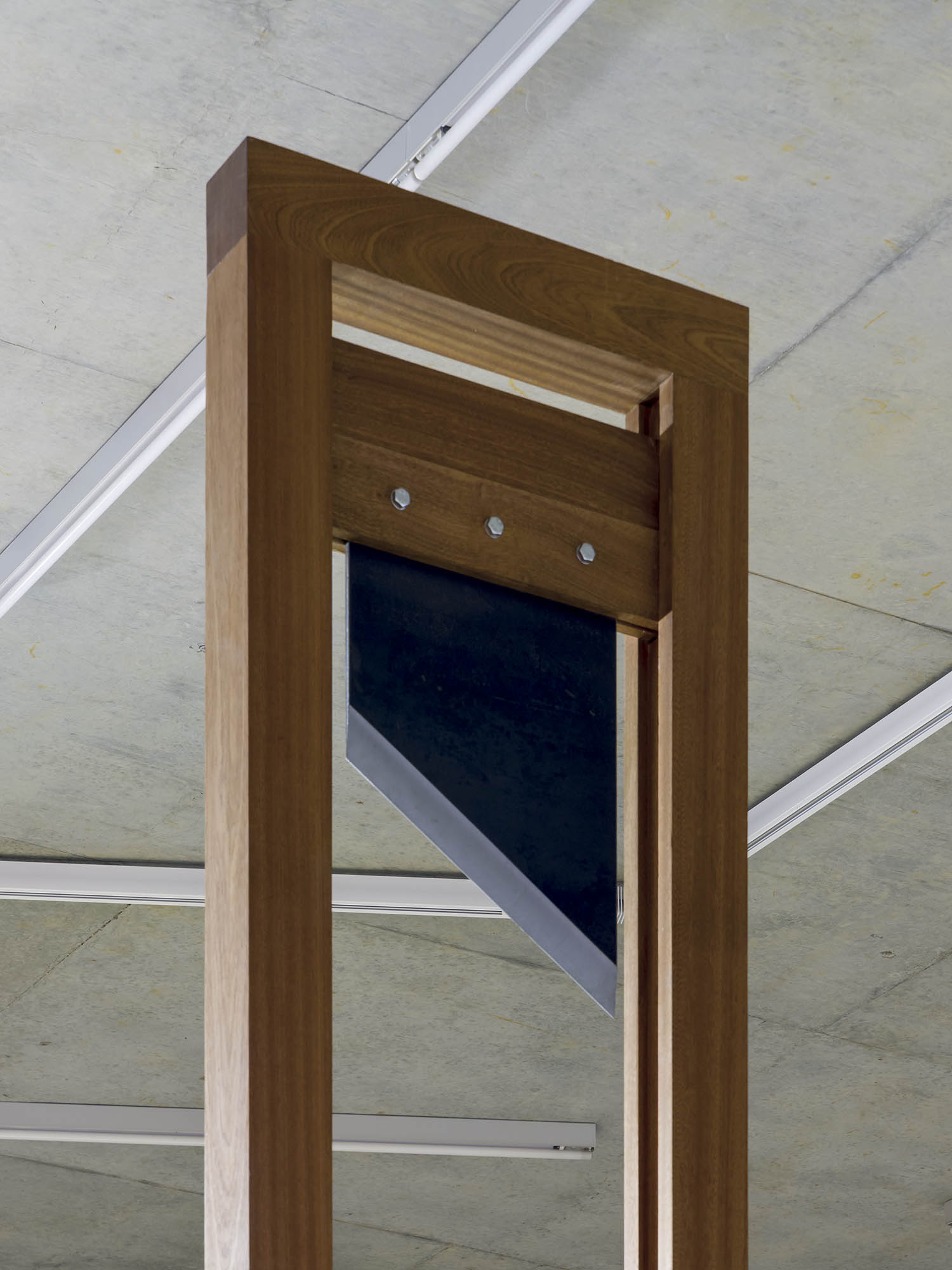
MAY 29, installation views, Cabinet Gallery, London, 2025
Courtesy: the artist and Cabinet, London
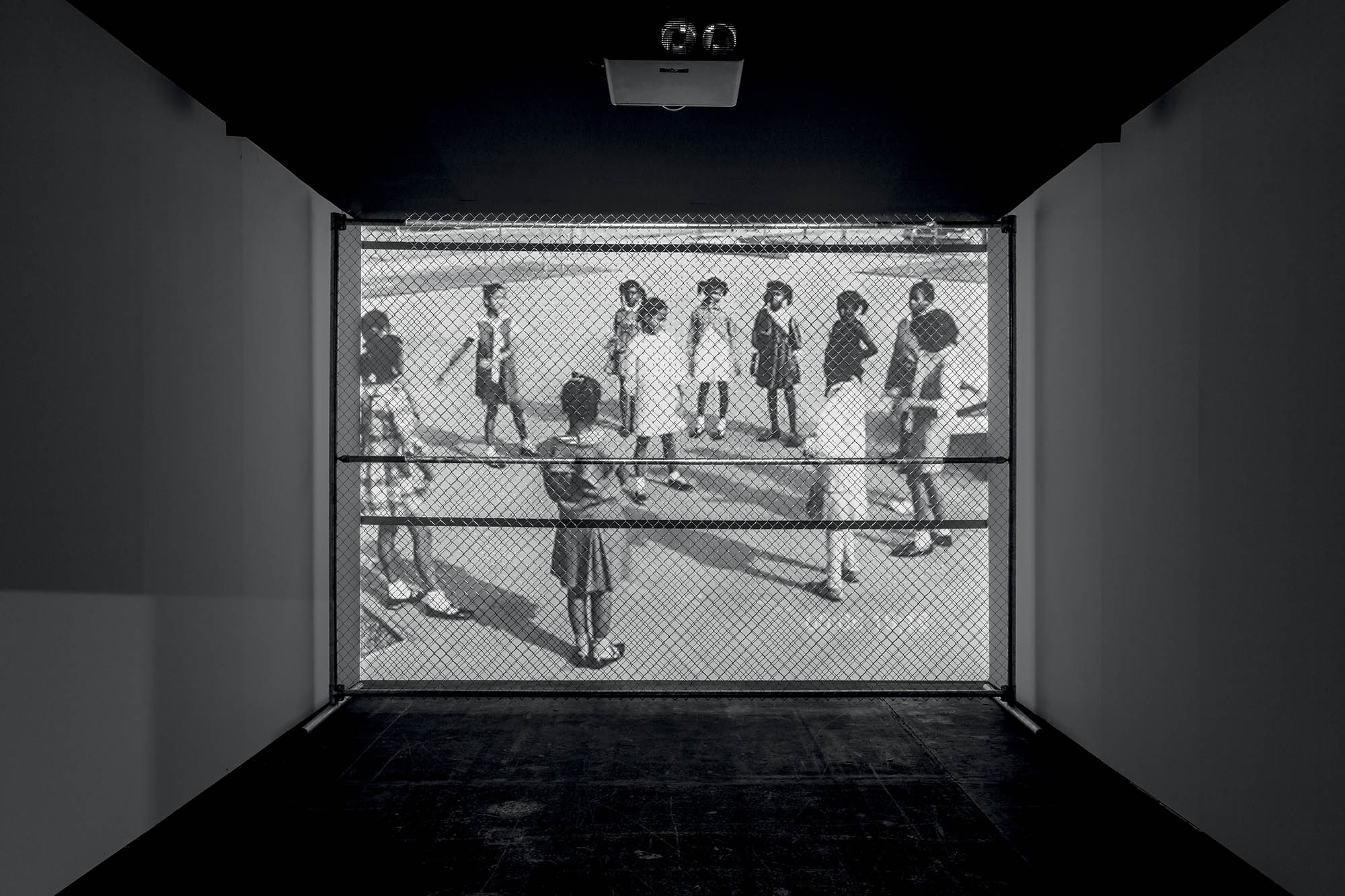
How Did He Die, 2016, installation view, Art Basel Unlimited, 2023
Courtesy: the artist, Cabinet, London, and Galerie Isabella Bortolozzi, Berlin
DS: Hey! How are you?
CS: I’m good. It was my birthday yesterday.
DS: Oh, happy birthday.
CS: Thank you. Are you in Berlin? What are you doing there?
DS: I’m here for a two-part play by the playwright and artist Leila Hekmat called Roses Rising. I’ll be here for two and a half months preparing for the plays.
CS: Cool! And you also had a play recently in LA, right?
DS: Yeah, at New Theater. We’re bringing it to New York, I don’t know when.
CS: What was that play like?
DS: It was only three characters, and it was really intense. We had a lot of long rehearsals, but we only had less than two weeks to prepare. But I enjoy that type of controlled chaos. I think I thrive in chaotic situations, actually.
CS: I really like having time pressure.
DS: Yeah, you’re in a band.
CS: Having multiple schedules is stressful. Last year, I was freaking out a bit because I had three shows that somehow ended up all being in the same month, and then I had a tour right after. But everything worked out, or everything always works out.
DS: Just make sure you take time to rest. But it can feel very volcanic in that way. It can be very steady, and all of a sudden there’s a bunch of things to do.
CS: How was your last year?
DS: It was good. I think the end of last year taught me a valuable lesson. I’m going to practice minding my business more. Can you see a difference between making music versus being an artist, and how people want to be involved with musicians? People are obsessed with musicians.
CS: There’s this idea of celebrity, not that I’m anywhere near a celebrity, but it gets clout-chasy. People want to feel like they’re part of a scene. So, they end up doing really weird shit. Maybe it’s different for you. Do people move weird around you?
DS: Oh no, I wish. I wish people would be like, there she is…
CS: Oh my God, that’s Diamond.
DS: I think nobody’s doing that. I feel like me and you are similar in that way. We’re just doing our thing, off in our own world. Just in general, I feel this light around me that protects me. My energy is very like, I come correct with people, so I want people to come correct with me and carry that way.
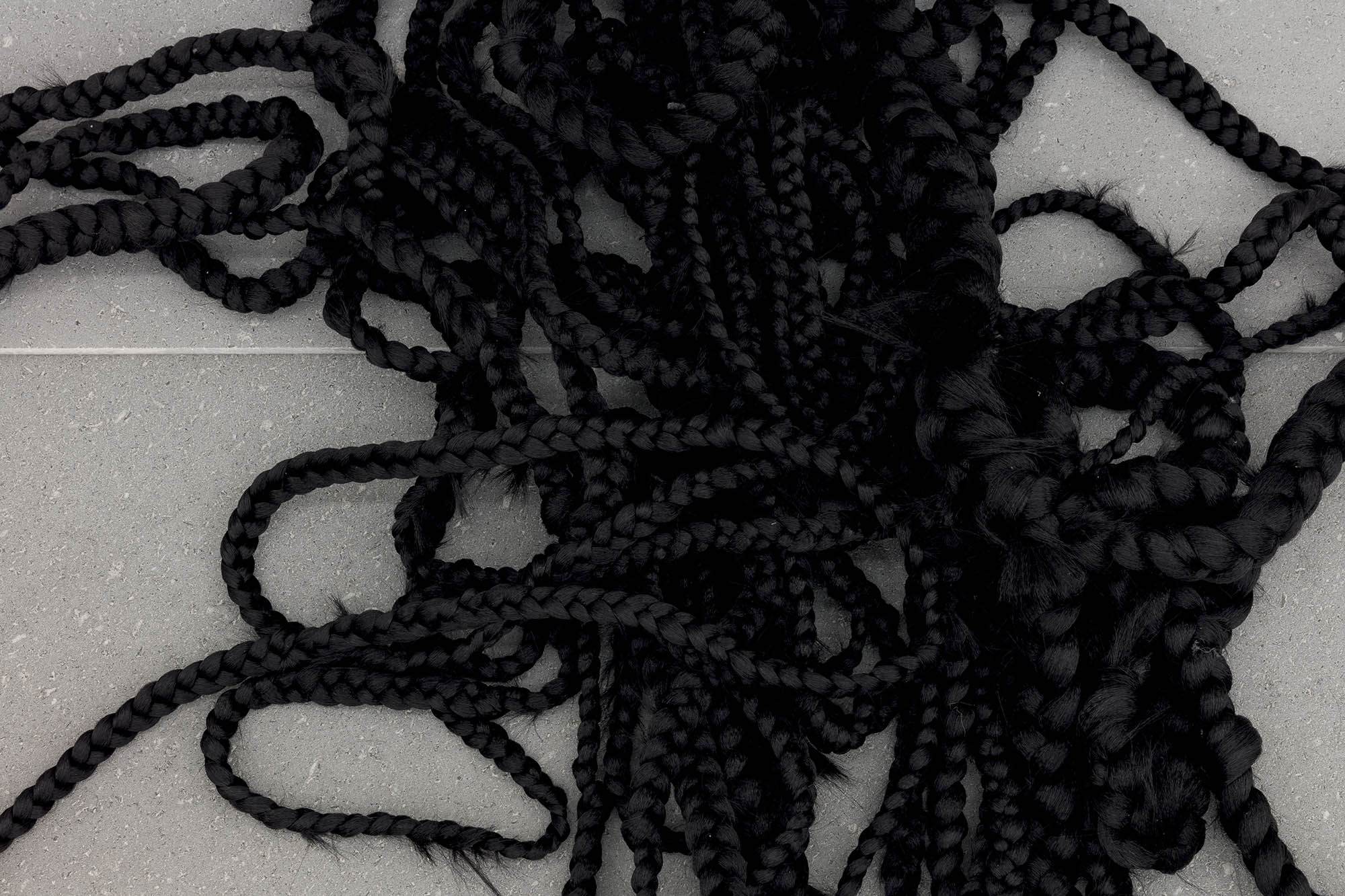
Sandra, 2022 (detail) Courtesy: the artist and Cabinet, London
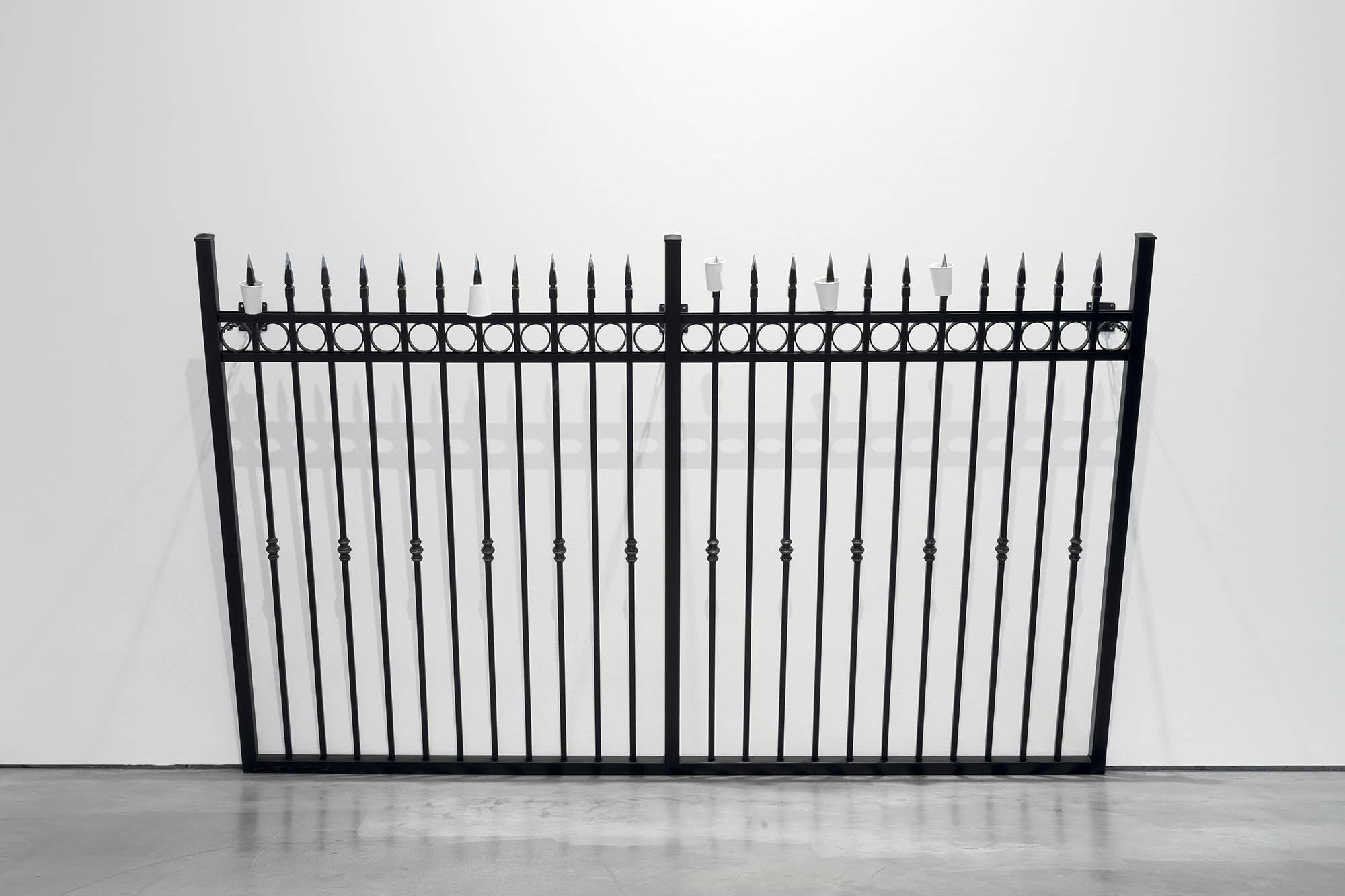
Bulwark I, 2025 Photo: Uli Holz Courtesy: the artist,
Peder Lund, Oslo, and Greene Naftali, New York
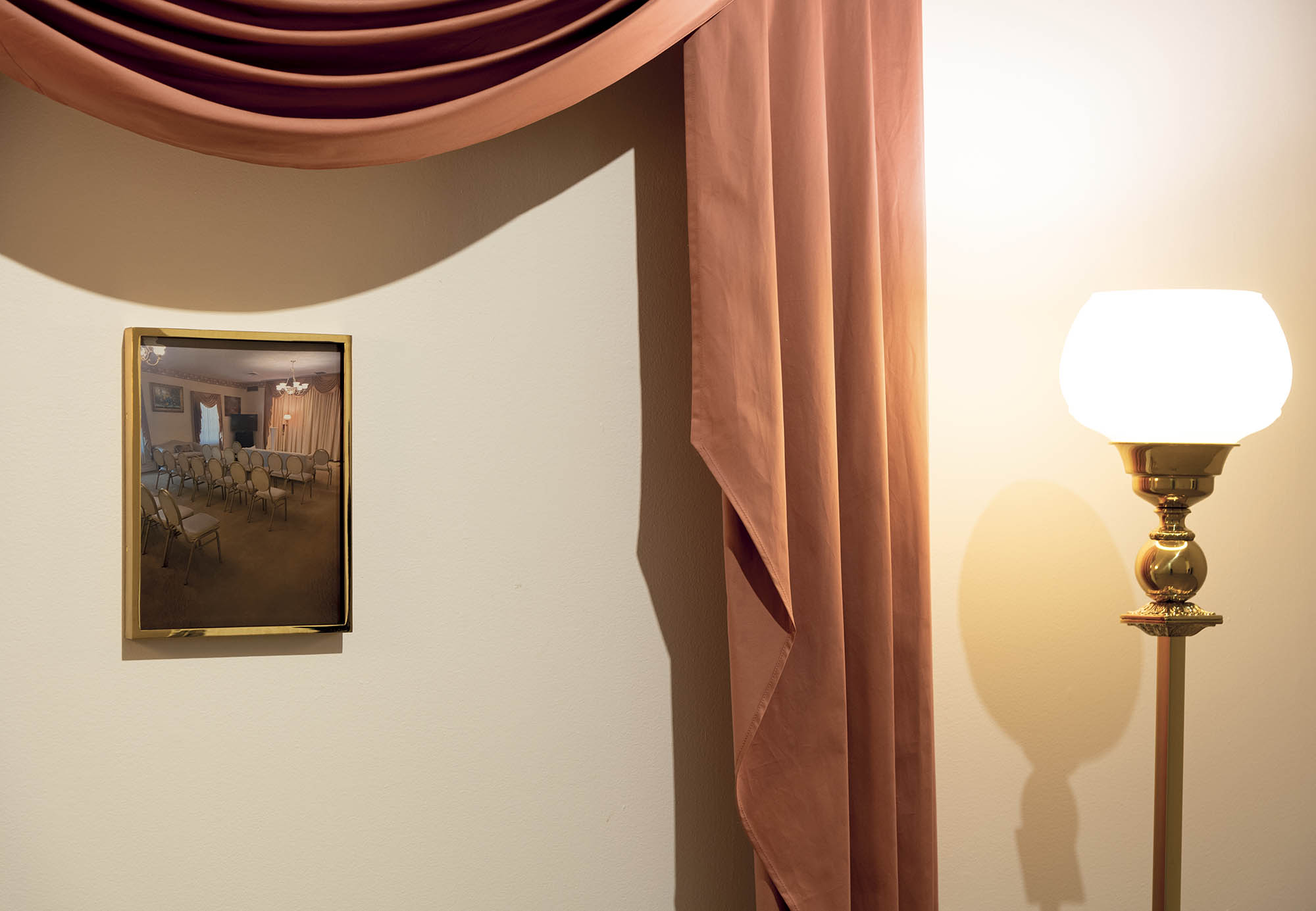
Past, 2023 (detail) Photo: Zeshan Ahmed
Courtesy: the artist and Greene Naftali, New York
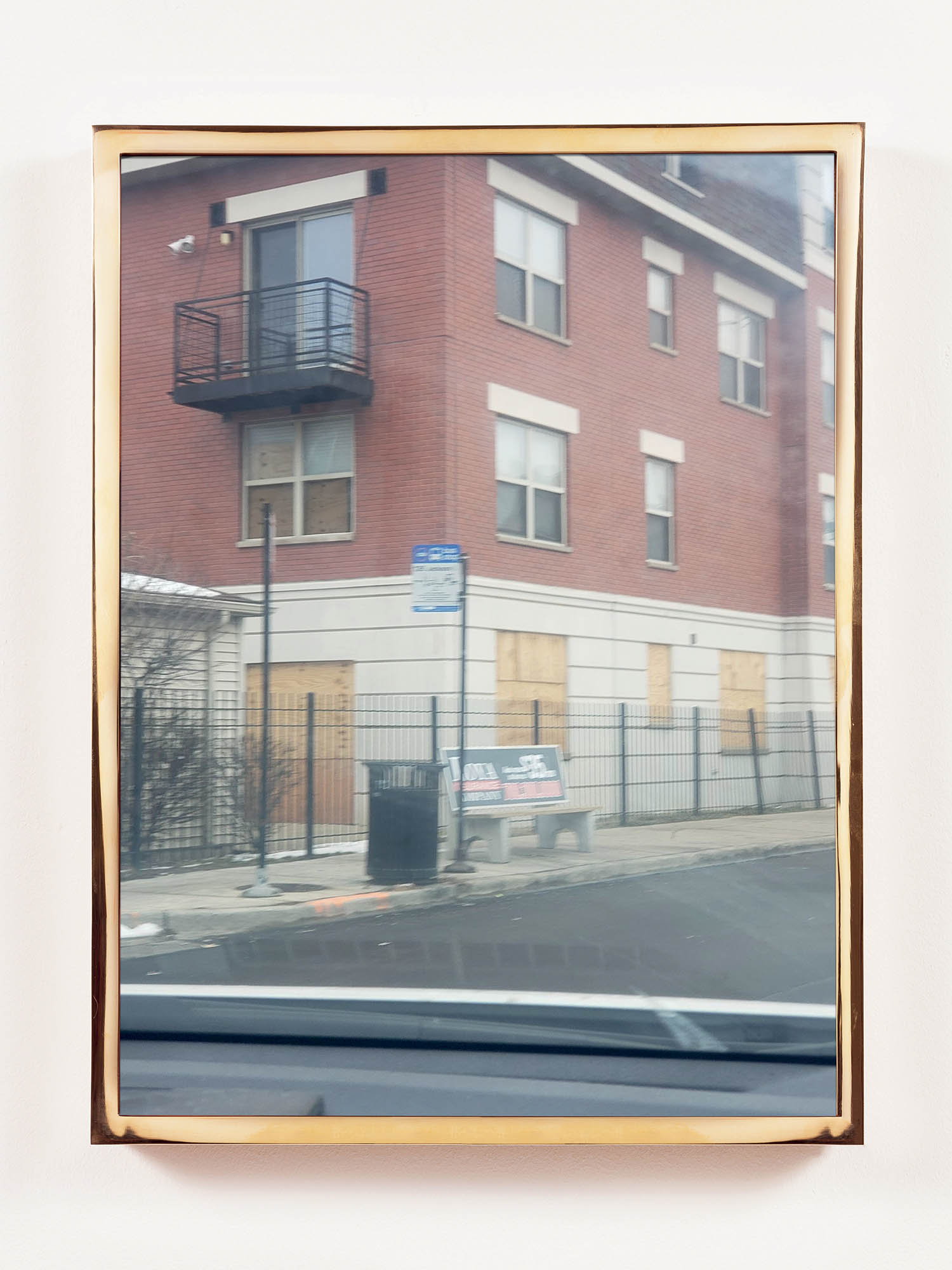
untitled, 2025
Courtesy: the artist and Cabinet, London
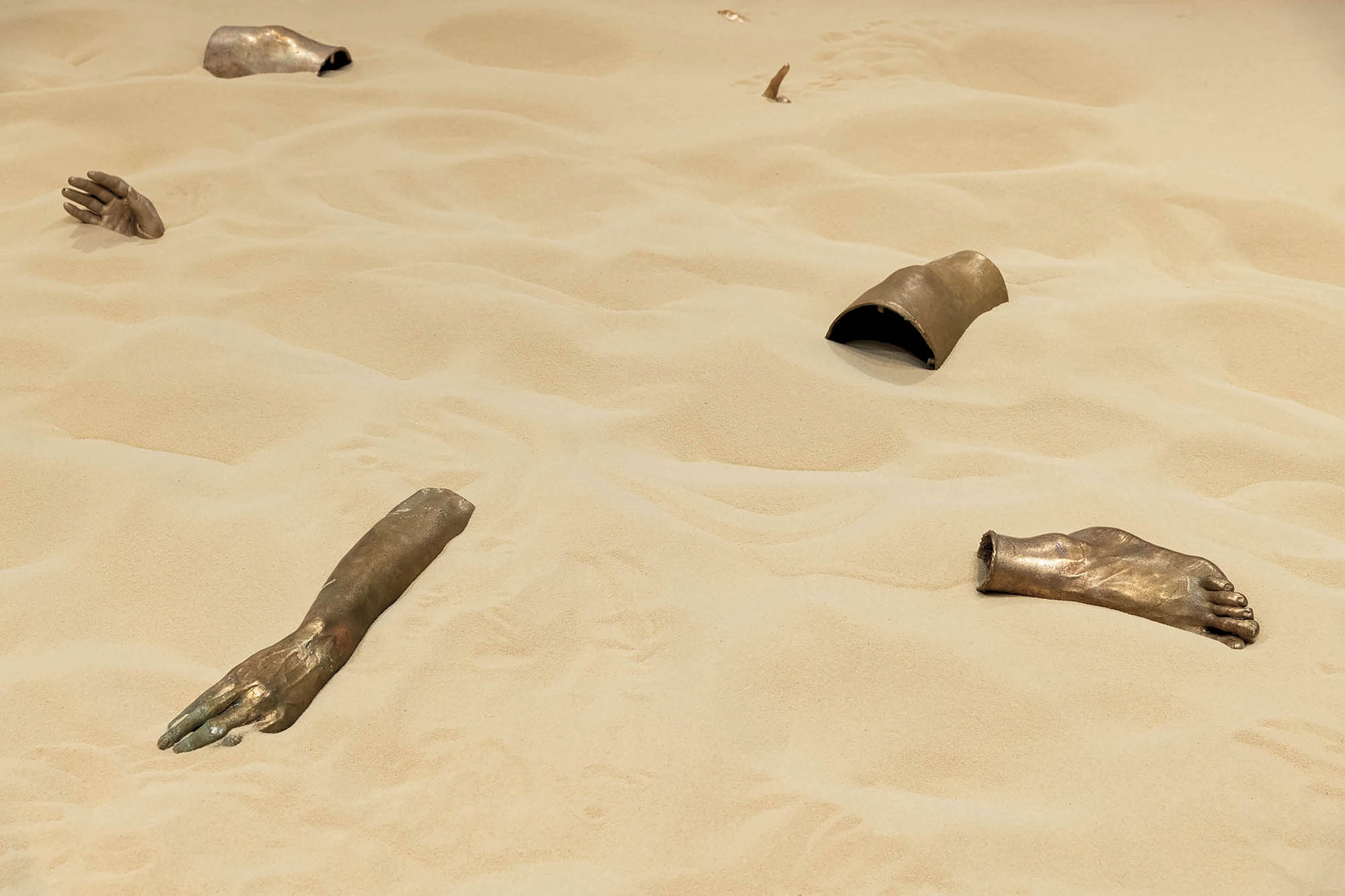
Sand, 2023 (detail) Photo: Zeshan Ahmed Courtesy: the artist and Greene Naftali, New York
CS: I’m similar. I feel like I have a good network around me.
DS: How did you start making music?
CS: I was always interested in music, and also grew up around it because of my father. My dad made jazz music.
DS: Okay, my dad makes music too.
CS: Oh, cool. What kind of music?
DS: House music.
CS: Oh, wow, that’s cool.
DS: Yeah, but I want you to finish telling me.
CS: I moved to London, and one of my roommates, Gretchen, had her own music project going. And we thought maybe we could make music together. So, then I would just send her audio messages of me singing, and she would make a beat over it. After a few rounds of doing that, we were like, let’s make a weird pop music band.
DS: Yeah, I like y’alls music and aesthetic a lot.
CS: But it’s funny, it was nothing that I would have planned for myself. It’s nice that it happened naturally.
DS: I kind of feel like it just comes naturally. If my intentions were to be an artist, then I don’t think I would be making the art that I make.
CS: I actually always thought I would be an artist. How did it happen for you?
DS: I started off as a writer, and I wanted to be like Joan Didion. A friend reached out to me because I was posting journal entries from elementary school on Facebook that I thought were funny. And they said they would love to see what visual work would look like. Then, my first piece was a window display. My great-aunt owned a beauty salon that my mom worked at. And they would let me rearrange the window display any way that I wanted to. I did my first art piece similar to what I was doing when I was a kid. I’m not too nostalgic. I don’t think too much about my past, but my lore is crazy, and life just brought me here. I have a really strange and blessed life. Not too many people get to do what I do. And, likewise, you too. We get to create. And not everybody gets that opportunity.
CS: It’s definitely a blessing. One of my sisters is 16 and getting married.
DS: Which number do you fall into with the line of your siblings?
CS: I am the youngest of four from my mom’s side. My dad has another wife in Senegal, and all of my siblings there are younger. I think there’s eight of them. I’m kind of in the middle.
DS: Okay, that’s real. I’m somewhere in the middle. I’m number two out of seven.
CS: I saw that you sometimes reference some of their experiences in your work.
DS: I did that a few times, but my art practice has changed so much. My idea of consent is so different now from when I was 23. Now I’m like, why were you up in your grandma’s house filming without asking permission to do that? I’m grateful they were patient with me.
CS: There’s definitely a line. I had a similar thing with these letters my brother wrote me from when he was in prison. My first ever group show, I was like, I’m gonna show the letter. Which, looking back, is actually a crazy thing to do.
DS: How do you feel about studio visits, though? What’s your vibe? Do you like them, or hate them, or you’re indifferent?
CS: I don’t know. I feel like it doesn’t work with my practice, because everything that I make leaves my studio immediately.
DS: I get that so heavy. A lot of my work is in journals, and so I can’t be like, let’s go through some papers!
CS: It doesn’t make sense for everyone. I’d rather get a coffee and meet you, and we’ll see how we vibe.
DS: Someone once told me, “I’m really into post-studio work.” And I was like, look at me.
CS: How are you liking Berlin?
DS: I do like Berlin, but it’s a very lonely city. I’m not from here. If you’re not from somewhere, you don’t know the lay of the land. On top of that, I’m here for this play, and the rehearsals are long. So, it’s not like, after rehearsals, I want to party. I’m tired. What I do appreciate about Berlin, though, is that people go out.
CS: Yeah, Party City over there.
DS: I don’t necessarily think loneliness is a bad thing, but just in general, I feel lonely, but it’s okay. I’m out here, and I feel like I have my friends, and I do have a lot of people that love me and want to support me, but still, it’s just a feeling.
CS: Yeah. I feel like if you’re naturally a person that likes to be alone then it’s kind of easier to fall into certain patterns. Isolation can be hard.
DS: Yeah, because I’m not sad. I’m just like, oh, yeah. You’re not really kicking it with nobody right now. You’re just to yourself. I think any city can be cliquey. I don’t feel like I belong to a clique like that. So, I’m just out here chilling. Actually I’m not chilling. I’m working.
CS: Yeah, I moved to London without knowing anyone, and so all of the people that I would meet were in these super rigid scenes and friend groups. They wouldn’t really mix ever. I realized that I don’t want to engage with people in that way. It never felt like I was talking to one person. It was just like, everyone’s in a group.
DS: But I’ve never been a friend-group girly-pop like that. With friend groups, there can be a weird hierarchy, and it can get real middle-school. I don’t know, I’ve always been a little weird. I was always just doing my own thing. And when you’re on that time, friend groups don’t really work out. You can’t really get with the program because you’re not trying to do what everybody else is doing. I think at some points in my life I wanted to be in a friend group, but then you can’t really mind your business if you’re in a group.
CS: Exactly. Then everyone’s supposed to be equally invested in each other’s lives or something.
DS: Yeah, I actually don’t believe in that type of fairness. Shit isn’t fair. And that’s actually fine that it’s not fair. You just have to figure it out.
CS: My mom is kinda in this. I think it’s an African family thing, but she cares a lot about what other people think of her. And so that’s her driving force. She needs to look a certain way and do certain things just to keep this sort of status.
DS: Do you think that’s one of the reasons why you are the way that you are? You were like, okay, I’m not gonna get caught up in what that is, and I’m just gonna do my thing?
CS: Yeah, for sure. Because all of my siblings are older, once they moved out, it was just me and my mom. I saw all of these weird things that she would do on the basis of other people. And it was really frustrating for me, just being like, this actually doesn’t make any sense at all. I can’t live based off of what other people want me to do or think I should do. It’s just depressing if you do it like that.
DS: Like that Sammy Davis Jr. song, I gotta be me. Even with my art, I gotta make art for me first. Because if I’m making it to sell it, that’s not gonna work. That’s not genuine to me, and that’s not authentic to me. And I can get really caught up in making sure I’m not doing that. It’s not really a conscious thing.
CS: I feel this, too. I don’t make art necessarily to make money. Sometimes I think about the people that are making flower paintings or whatever, and just making millions. Honestly, it’s an easy solution, and maybe I should be doing that.
DS: I think with our backgrounds, we’re not in it for that. We’re not in it to be fabulous necessarily. I think that just comes natural. The glamour is such a disguise for what’s actually happening. I try not to get caught up in the smoke and mirrors of it all, because it’s such a new thing for artists just to make art. It used to be that you had a career elsewhere, or you had a job, and you made art. It’s such a new thing to focus on.
CS: I know what you mean. There’s a whole world out there.
DS: It’s a whole world, and that world actually inspires the art. I’m really into the artist Francis Bacon right now.
CS: Oh, I love Francis Bacon!
DS: Francis Bacon, that was a lonely ass man, right there.
CS: There is this documentary about him. It’s really good. It just goes into his life, but it was so sad. I actually kind of resonate with this person.
DS: I think he wanted to be liked. But he could never fully get that.
CS: There was a longing.
DS: It seems like he had some daddy issues going on, and his mom seemed kind of indifferent towards him. He was kicking it with his nanny until she died. I think his life was a lot more complex and colorful than the biographies make it seem.
CS: He was also gay. I don’t know if he was closeted or not.
DS: I think it was pretty known that he was gay. He talks about his relationship with one of his lovers who died right before a show. I also take inspiration from people that aren’t necessarily visual artists. I really like Alan Vega from Suicide and his solo work.
CS: Yeah, he’s sick.
DS: And Martin Rev too, but I think Alan Vega had such confidence about himself. He really knew that even if he wasn’t around to see it, his art was going to be a big deal. It’s so crazy that he’s no longer here, and everybody loves Suicide. And Zoë Lund, who was a great actress. As an actress myself, one that didn’t go to acting school, it’s really cool to have this foremother be like, no, you can do it the way you want to do it, it’s just gonna be different, and it might be harder, or it might take people time to be into it. Just keep doing you.
CS: Stay true. I think confidence is a huge part of it. I know a lot of people that want to get to this place, and it can become super stressful always chasing. You kind of just have to trust.
DS: I think that’s free-falling and just being true to yourself. Because doing something, hoping that you’re gonna be famous, is already like, what are we doing?
CS: It’s good to not have expectations and just be in your thing. Life will take you somewhere.
DS: I was talking to another actress today, we’re in the cast together. And she was like, I’ve been thinking maybe I should have a plan B. And I’m like, no, don’t do that. Stick to it, stick to it. Because if you have a plan B, you’re gonna go with the plan B.
CS: You would essentially be losing a part of yourself by suppressing your desire in that way, just for comfort. But I don’t know. Maybe it’s smart too. Who knows?
DS: You know if you’re gonna take the road less traveled, it all comes when it’s supposed to come.
CS: Yeah, you have to trust. But some people need to know for sure. I’m curious how you got into acting.
DS: I always wanted to be an actress lowkey. A lot of my friends would be making video work and needed a girl. I was very quick to volunteer myself. I was so down. And it started out like that. The first serious acting role I did was an HBO show. But I think I’m in a good position as an actress, I work on things I’m excited about, and I look forward to doing. I’m grateful. I really like acting, and I want to keep doing it. I think, in general, Hollywood really lacks imagination for actors who are black. So, it really encourages me to be like, well, you have to write something. You have to put it together. And I think that’s one of the many reasons why I wrote a play.
CS: I’ve also noticed this too. There’s this actress, Ayo Edebiri. At least for Gen Z, a lot of black girls look up to her as the cool black actress. And I think there’s also Zendaya.
DS: No shade, but isn’t Ayo my age, though? She’s a millennial.
CS: Yeah, but I think because there’s so few.
DS: I mean, we could talk about dark skin representation. Ayo is not biracial, and she’s not light-skinned, and that’s actually really rare to see in movies and television. We don’t see that many people that look like us.
CS: It’s great that she did The Bear. Because I feel like there’s this thing of always needing to be oppressed in some way.
DS: Honestly, those stories are so tired and played out. There’s always in Hollywood this narrative, of ‘I didn’t grow up with a dad’, and it’s like, no, most of us know who our dads are. Or The Tired Black Mother trope. We carry so many multitudes. The African Desperate was really interesting because Martine [Syms] doesn’t read the comments and the reviews and stuff I do. Which is so funny of me, because I swore I wouldn’t be on that time, but I am.
CS: It’s hard not to.
DS: Someone said this about my character, where he was like, “She’s really unlikable, but I still enjoyed the movie.” And I didn’t take offense to it, but why don’t you like Palace? I don’t think Palace is trying to be likable. I think that’s what bothers people. Palace does drugs, but she’s not an addict. She’s not even just an artist. She’s navigating a lot going through grad school, and I think in a weird way that kind of bothered some people. She’s a successful black woman, but she’s also depressed and dealing with the fact that she went to grad school because she felt like she had to.
CS: No, it’s very real. And I guess for people it’s not digestible. They’re just not used to seeing that type of role on a black person. My friends and I have been watching Sex in the City. And I was actually just like, okay, everyone loves Carrie, and everyone wants to be Carrie. And she’s actually so annoying, she’s the most annoying character.
DS: You know how people are like, oh, that’s Karen. I’ve been calling the younger ones Carries. What is going on?
CS: No, especially in New York, there’s so many Carries. It’s wild. How long have you lived in New York?
DS: I’ve lived in New York now for 10 years. I just felt like I needed to know what else was out there. All signs were pointing to New York City. I think it’s a city that has blessed me in a lot of ways. So, I try not to complain too much.
CS: The things that are wrong with it are kind of more bearable. It gives back. But when I was in London for five years, I was just like, it’s super expensive here. The transit system is expensive, and everything’s far.
DS: It’s also the subtleties of a cultural difference. I feel like British people are so polite and passive in a way that I could never be. They have a different way of going about things that I’m just not accustomed to. And then I sound really American when I say, “Couldn’t be me.”
CS: British people are very interesting. I was just like, everything’s slightly off.
DS: Do you speak French?
CS: I don’t, but my parents do.
DS: I always wanted to speak it, and so I feel like I’ve been trying to learn French since I was 12. I also think it’s really important to have things to do outside of just creating. It is so boring to just sit with artists and talk about art.
CS: Yeah, I agree.
DS: It’s like, what are you about?
CS: Like, can we talk about anything else? Sometimes I make works that are about myself, but most times they’re about the world. One day, I want to stop making art and actually give back. Not that art isn’t substantial, but I want to help people.
DS: I hear what you’re saying. You want more than just to be making art, and I get that. You want to do something bigger than yourself. Like, if you didn’t give a shit, you would be making work about the sky. But you’re making work about your family. You’re making work about the people around you. You’re making work about how politics affect you and the people that you love. So, you’re in it, and you can see outside of it.
CS: Too many experiences.
DS: There’s a lot going on where you can’t just be ignorant of what else is happening in the world. I think you’re really cool. I’m happy that you agreed to do this.
CS: I also think you’re super cool. I’ve followed your work and everything you do for a while. So, when I was asked to do this, I was very nervous. I got the feeling that we have a lot of similarities.
DS: The fact that we both like Francis Bacon is so funny, and it’s weird.
CS: I’ve never spoken to anyone about Francis Bacon like that.
DS: I think his work is actually really similar to ours, too. Sometimes I don’t like it when people are like, she uses found objects, because what does that mean? I’m resourceful. What do you want me to make art out of then? You had to find the paint to make the painting.
CS: That’s just what there is.
DS: I think we’re working with what we got. I’m not rich. I would like to be.
CS: Same. It’s true.
Diamond Stingily
In conversation with
Coumba Samba
CURA. 46
Soft Power
DIAMOND STINGILY (b. 1990, Chicago, IL, US) lives and works in New York. Recent solo exhibitions include: Cabinet, London (2025, 2021); Peter Lund, Oslo (2025); 52 Walker, New York (2024); Greene Naftali, New York (2023–2024); Galerie Isabella Bortolozzi, Berlin (2023, 2019); Kunstverein München (2019). Notable group exhibitions include: Greene Naftali, New York (2023); Institute of Contemporary Art, Los Angeles (2022); Museum Ludwig, Cologne (2020); Swiss Institute, New York (2019), among others.
COUMBA SAMBA (b. 2000, New York, NY, US) is an artist and musician. Her work engages with the impacts of institutional structures on both individual and collective identities through her multimedia and performative practice, questioning dominant cultural narratives. She is 1/2 of pop duo NEW YORK.