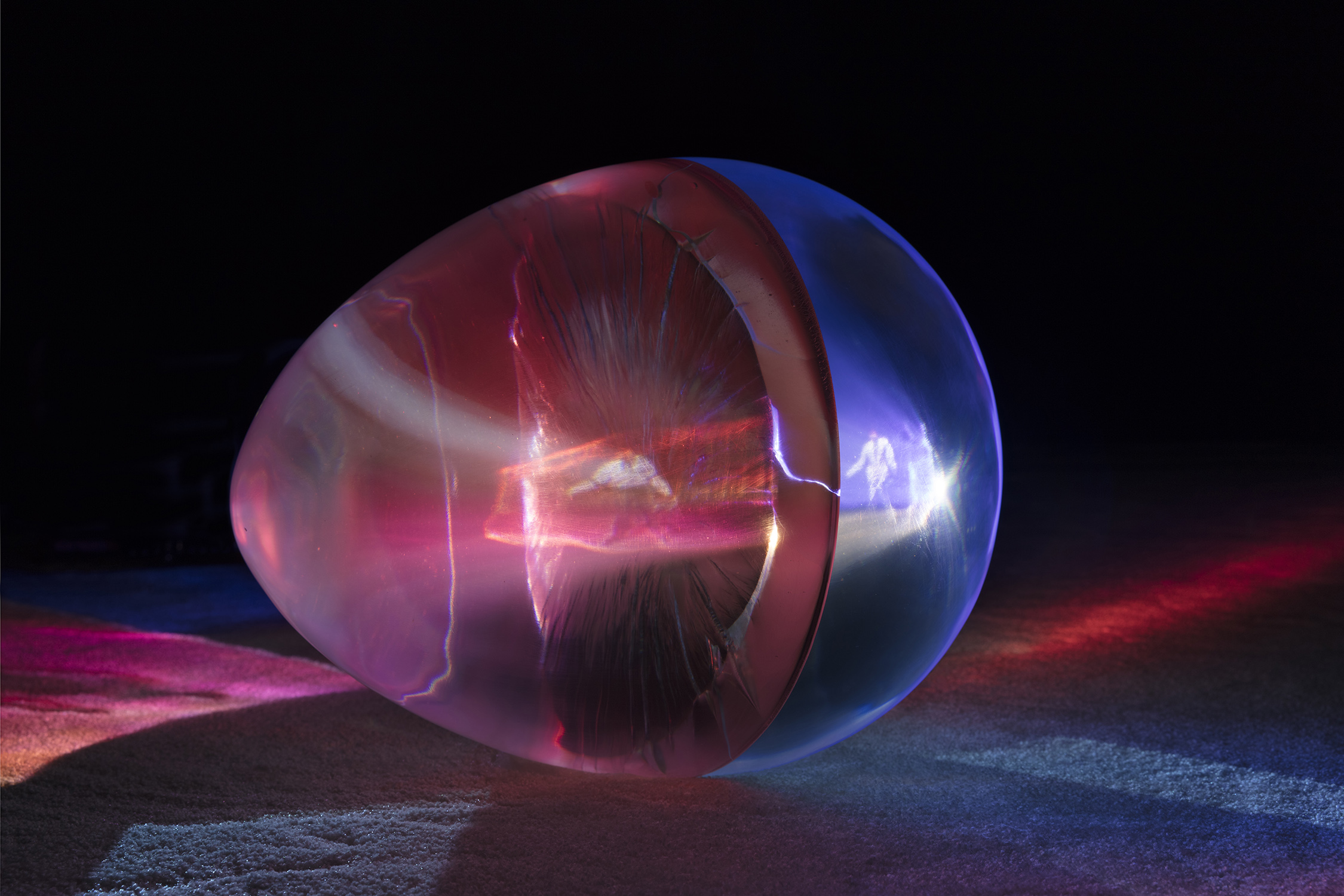
in conversation with Giulia Colletti
Carlos/Ishikawa, London
17 April – 22 May, 2021
On the occasion of the exhibition A S S O C I A T I O N S at Carlos∕Ishikawa, London, artist Ed Fornieles and CURA. New Media Special Projects Coordinator Giulia Colletti, engage in conversation. Playing at the intersection between hyperlinked textual and visual juxtapositions, this dialogue is an attempt to further expand on Fornieles’s combinatory logic.
Associations, 2021
Associations (2021) is a surrealistic exercise of automatism. In this moving-image work, there is an attempt to come across conceptual and formal patterns through an open-ended stream of digital pictures. It is quite impressive how seemingly frictionless you deal with the exhaustion from infinite scroll.
I got sick early in the first lockdown, the effects were an ongoing exhaustion for several months, in which time I found myself caught in familiar loop of compulsive behaviour, Netflix, social media, pornography. This is perhaps the realm of the frictionless, platforms designed to push you into a soft zone state eliciting a sensation of movement while you are caught in statis, minutes, hours, days pass. Associations as a body of work was created through the same soft zone state, the documentation of an immersive chain of thought. So I suppose it is only friction less as an effect, but there are definitely lots of hidden nasties in there, applying pressure at the same time.
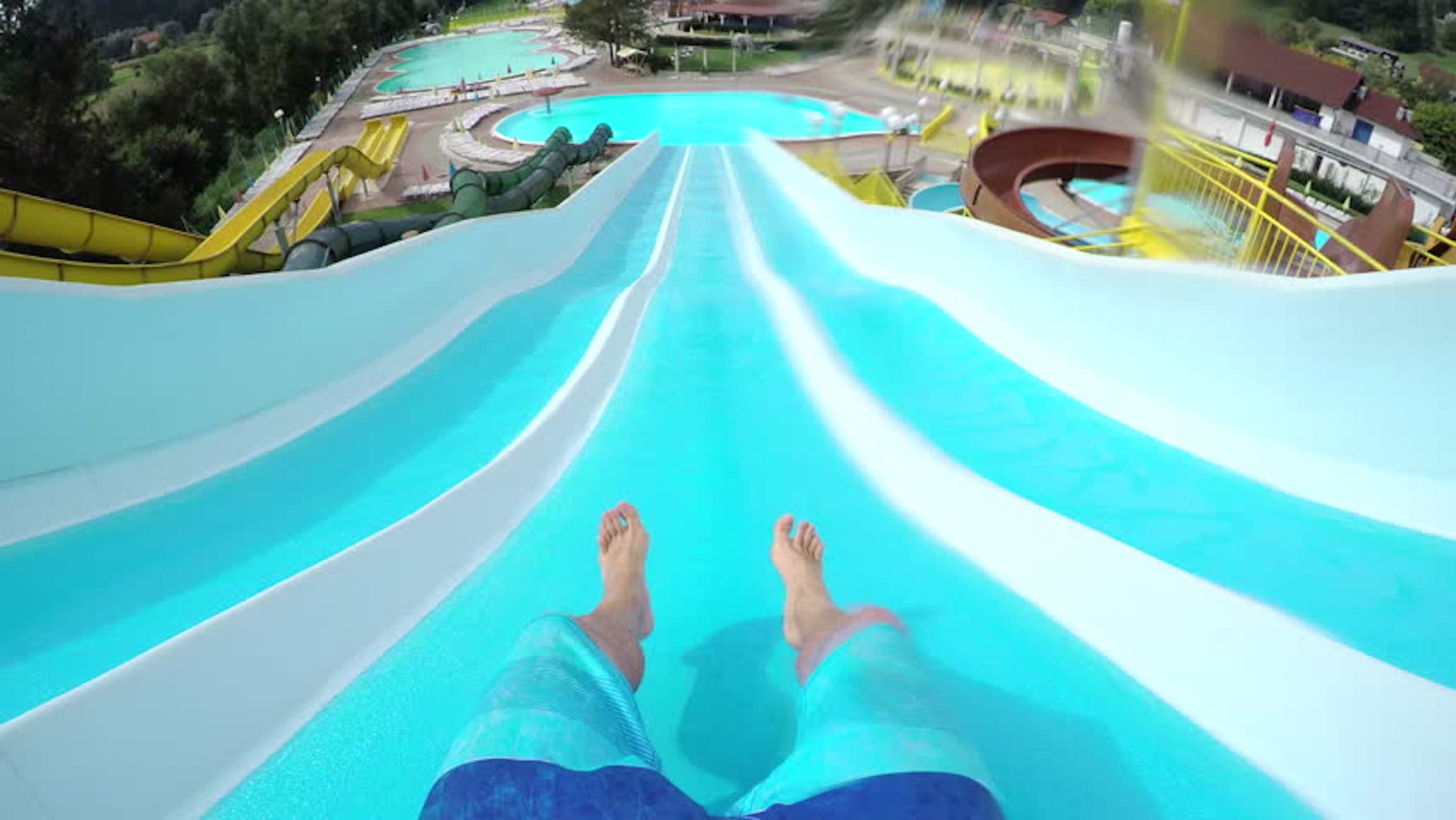
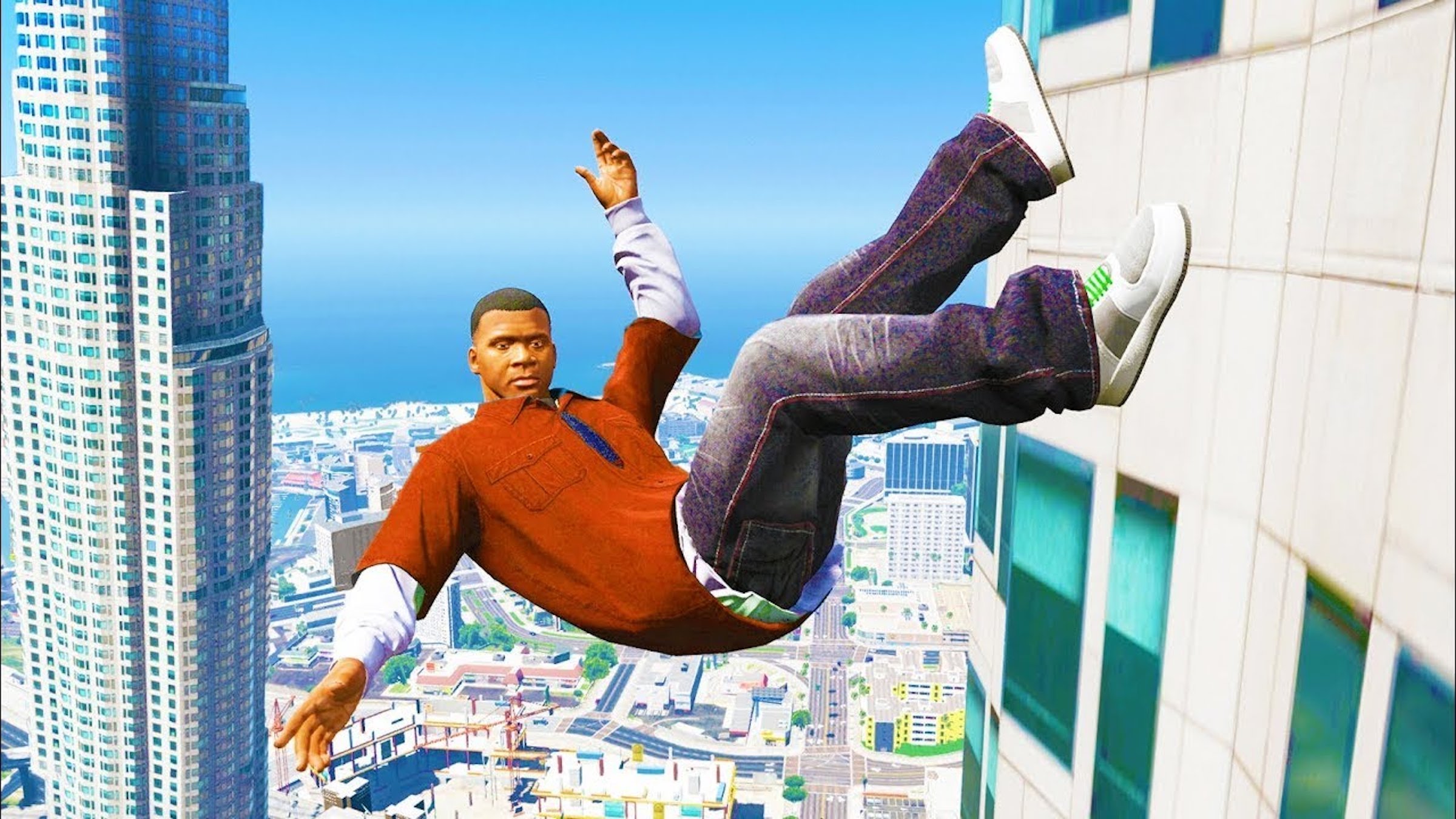
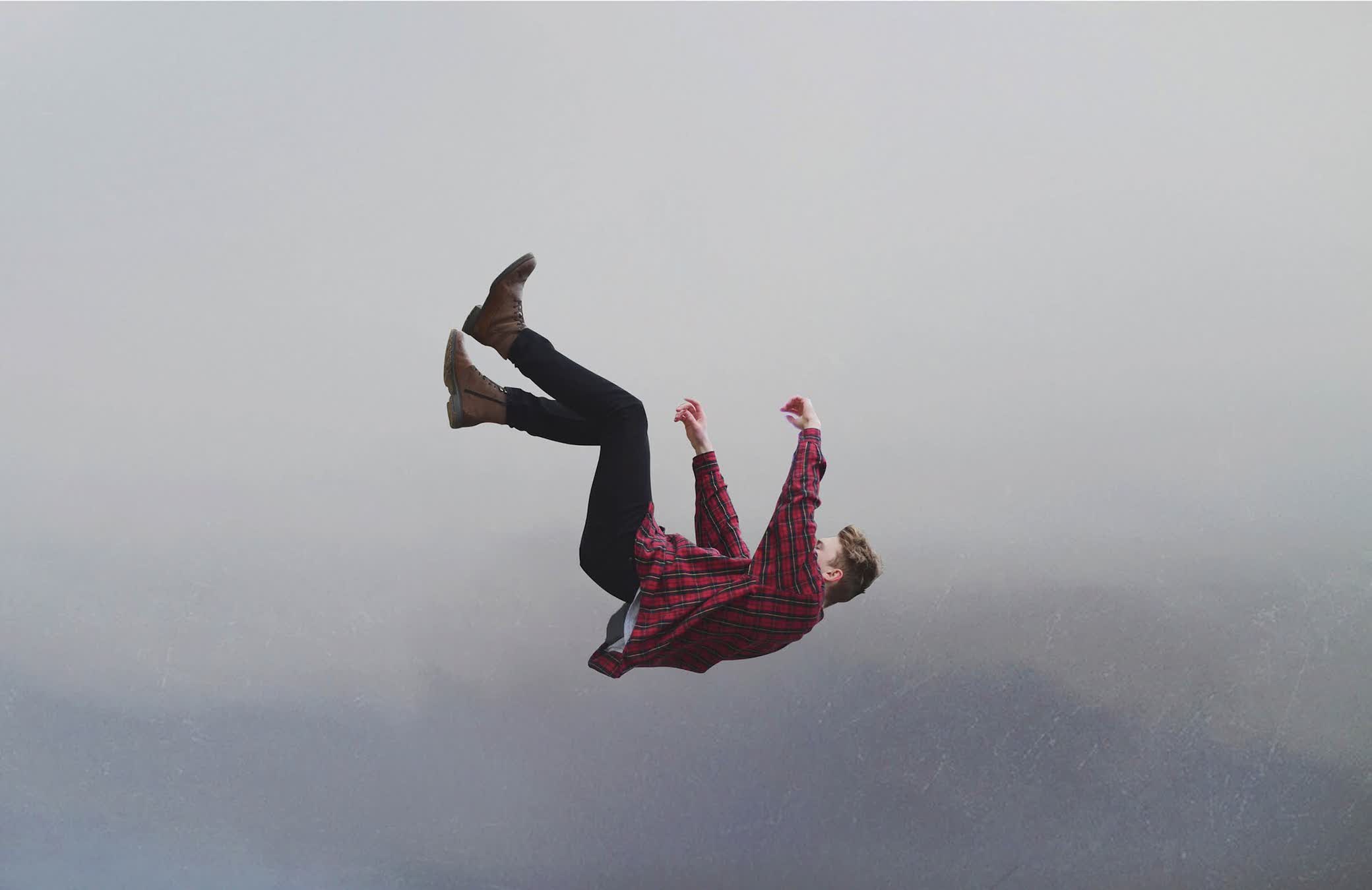
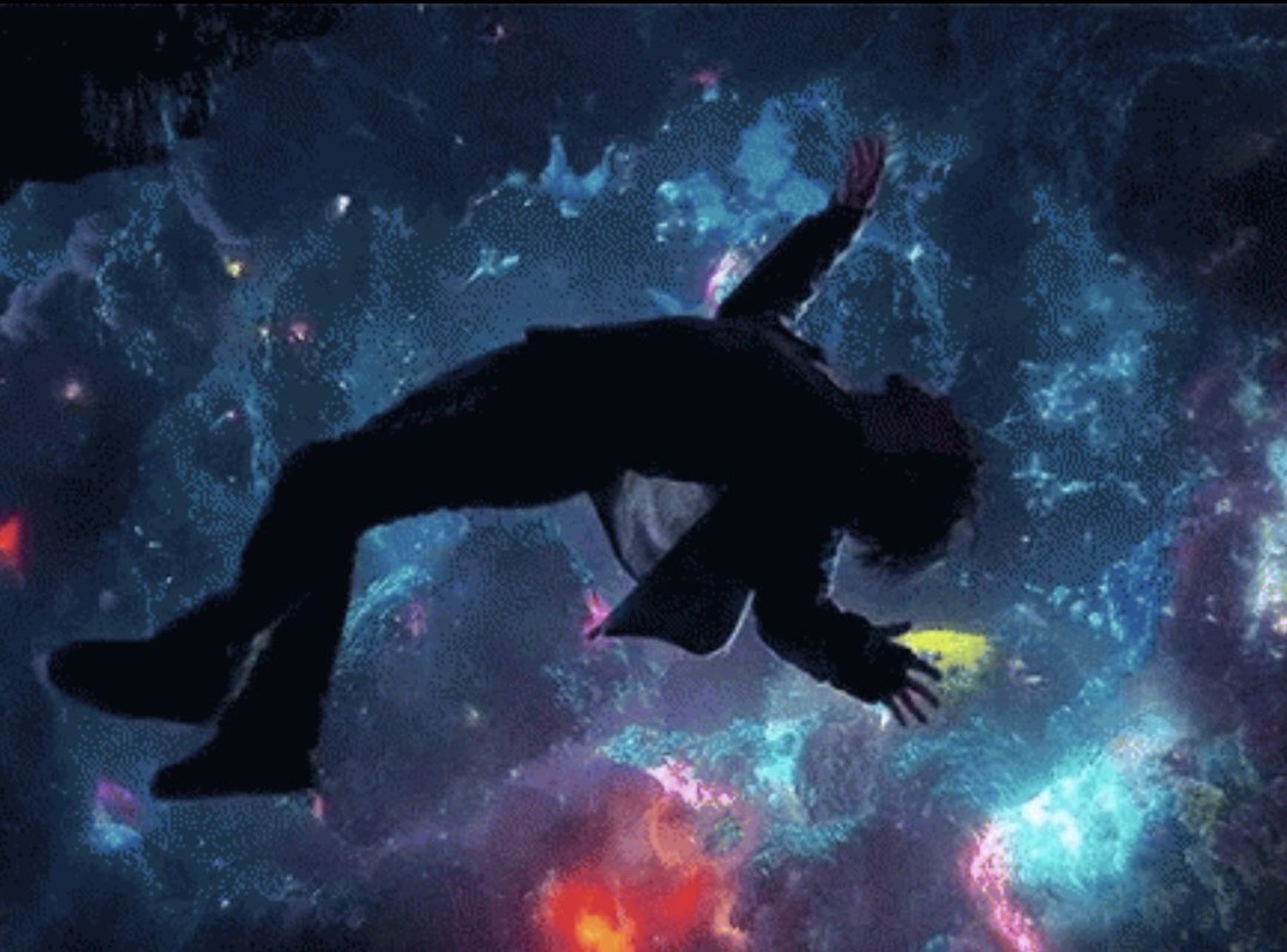
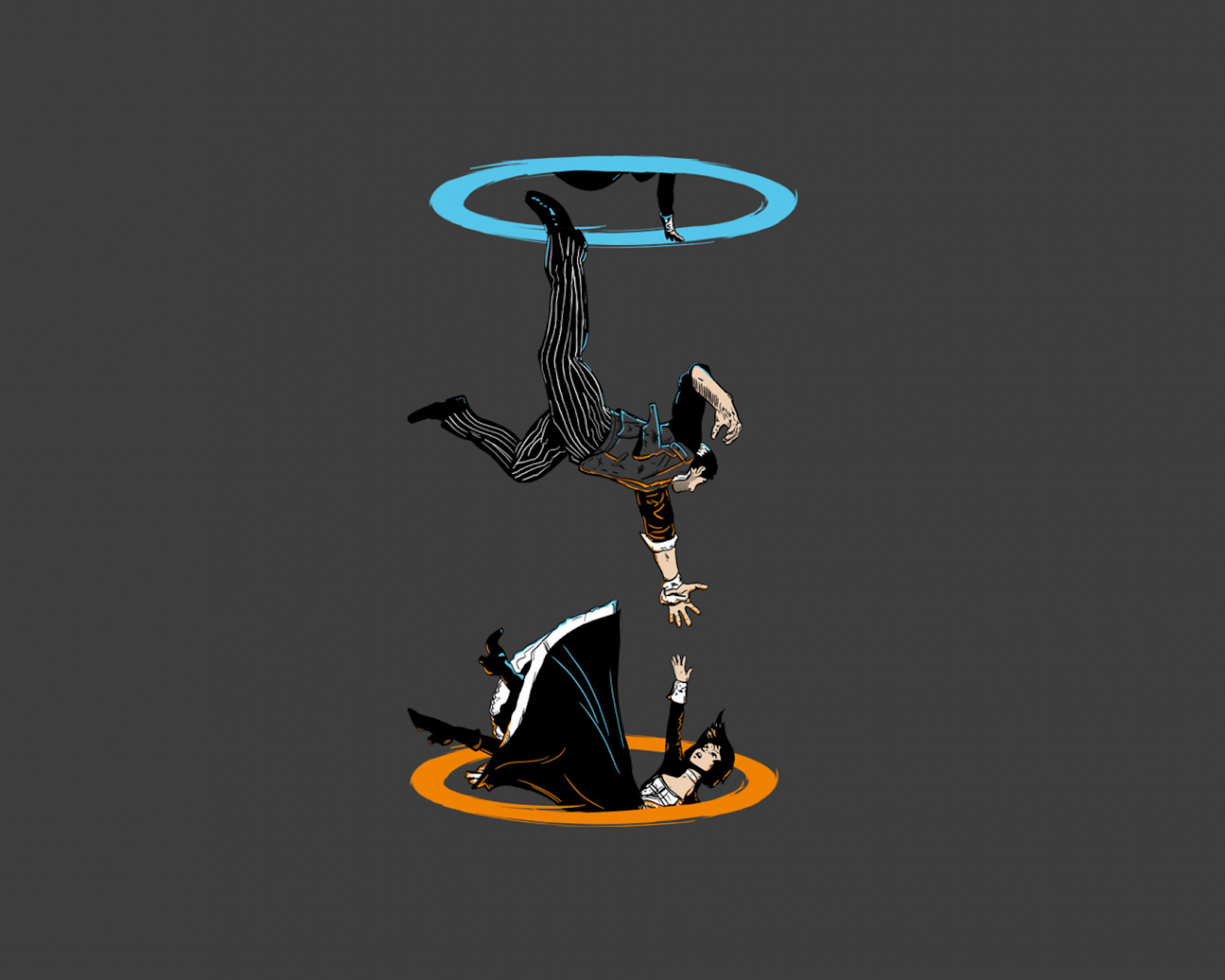
The work was simply made by placing a digital image and then connecting it to another through association, a formal, symbolic, or cultural connection. At the beginning there is a sense of the infinite, that you could go any direction, touch on any subject, be totally free, but after several months of doing this every day, you realise what is being made is a map of your limitations as well as a cultural landscape that relies on repetition, conventions and known patterns of behaviour.
The idea of (in)finitude you are talking about seems to be strongly related to the epistemology of situated knowledge1, according to which all forms of knowledge reflect the conditions where they originated. I wonder whether you are envisioning to involve other participants in Associations – as you have often done in previous works. Could an expanded cluster of diverse positions challenge one's delusional expectation of originality?
I have published the set of rules and protocol that generated the work, and I would encourage people to play with it, if only because it slowly begins to reveal unseen biases that are baked into our environments and that you cannot help but internalise. And yes, the idea of originality begins to collapse at that point. This shared web of associations becomes apparent.
Not sure, but I might then say yours is a meta-algorithmic practice: it draws from datasets and reverse image search; sets a sequence of well-defined instructions; and triggers operations running to be untamable. Calling into question the perceived ‘neutrality’ of mathematical models and search engines, you reflect upon renewed forms of inequalities, discrimination, and social harm.
Part of the work is attempting to identify and highlight preconceptions in the algorithm, which are in fact in ourselves. It is often easy to accept implicit biases, they are tricky things to spot and even harder things to push back against. Image searches might be said to follow the tributaries of capital, they are insanely biased towards certain aesthetics and demographics. But of course, these biases are broader than image searches, you think of a movie poster that depicts a hero. What does that person look like? The bandwidth of what that person looks like is small. We can call them algorithms online, but there has always been a visual protocol at play. There are cultural algorithms that surround us, and which make up our reality things we take as just is, which of course is something constructed, another emergent system the disposition or borders of which are fuzzy.
You project and are projected onto at once, in a both passive and active swing.
I like the idea of shifting between the two poles of immersion and reflection, the movement between the two is perhaps where the most interesting things occur. One moment you are fully immersed in the experience of an image, a person, a moment and then you are not, you are separate, able to begin to make sense of your experiences, to criticize, to register, to parse. I am attracted to work or scenarios that allow for both these spaces.
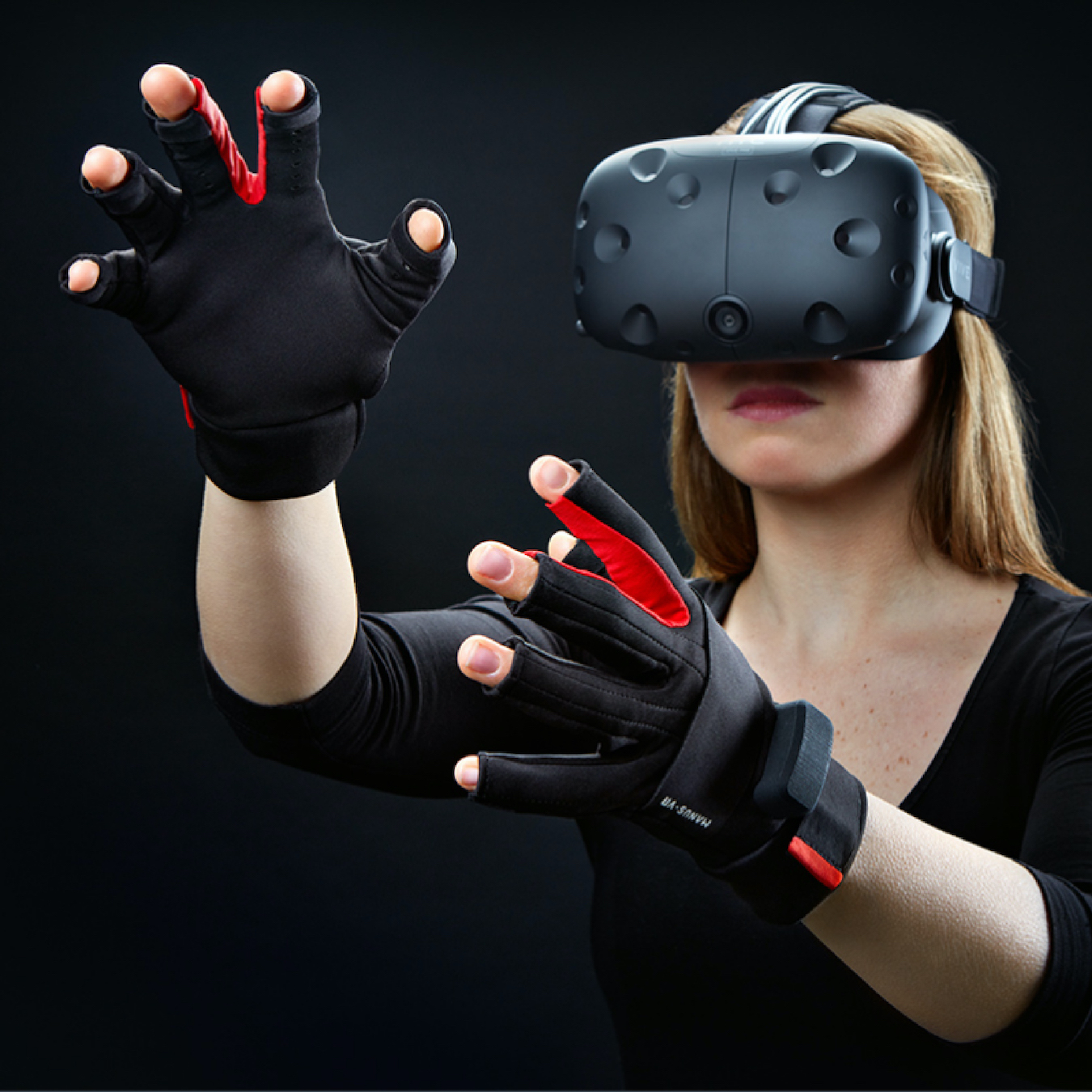
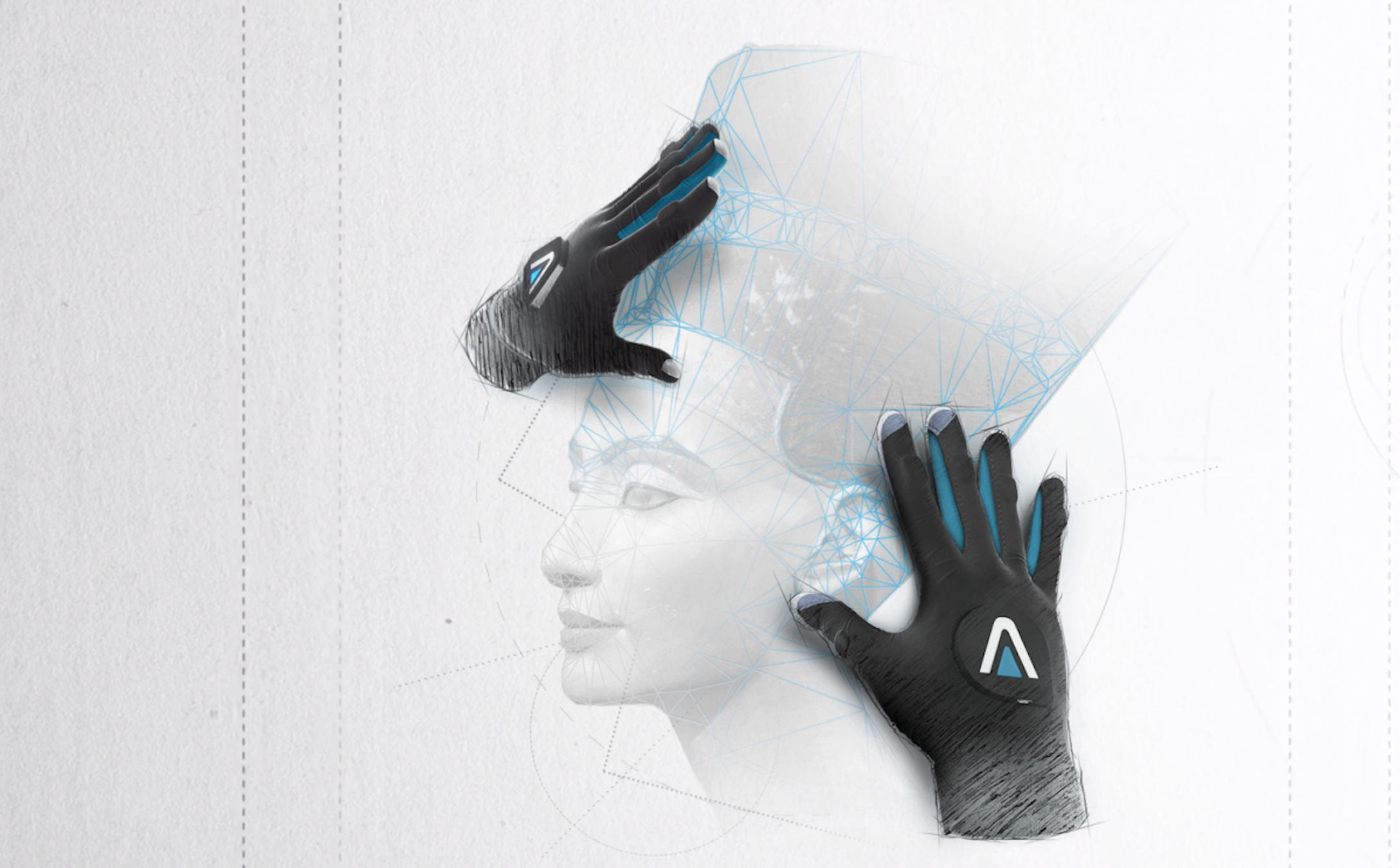

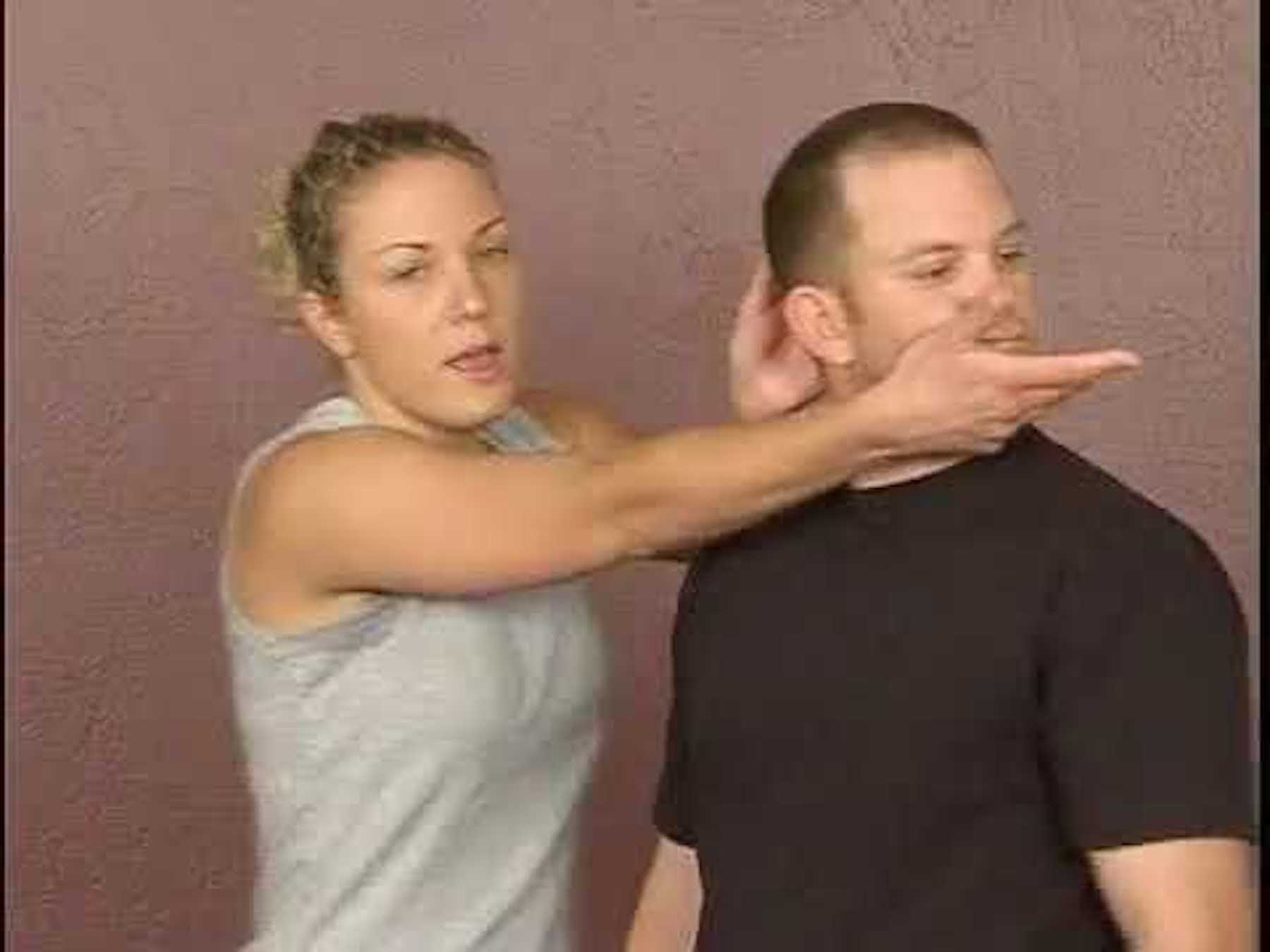
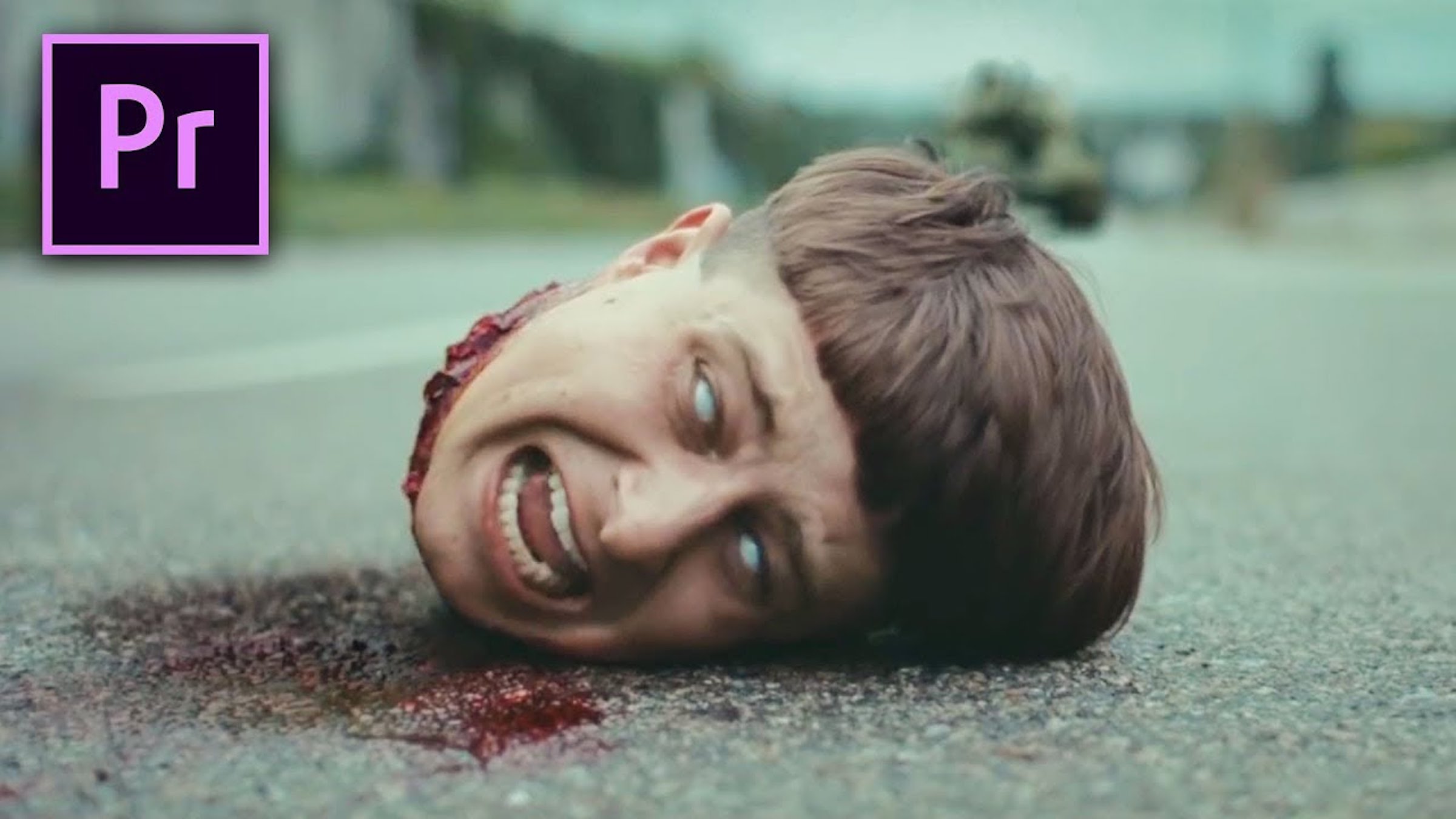
It seems to resonate with the definition of sensorium2, namely the effects of media on our senses by means of manipulation of their ratio.
I think the sensorium is a very useful tool to make sense of the effect of media, that idea that the alphabet stresses sight and linearity, and that in our exposure to it our wider perception is affected makes sense, be careful what you eat, because it is eating you in turn. Or maybe we could say the meme begins to meme you after a while telling you what to post, the reaction it will illicit and a whole set of things about the world. And yet at the same time things are also fragmented, not just in terms of content but our perception of it.
The perception blurries and we begin to suffer more and more from ‘internesia’, which is the inability to remember which online community we interacted with or other Internet facility we saw an item of information on. Yet, the sight is not the only sense supporting us in retrieving our intimate memories – e.g. your memory of losing virginity is tied up to the song Lay Lady Lay by Bob Dylan. In Associations, you explore the trauma of visual overexposure using your seamless voiceover, while frantically scraping to locate images provenance from the Internet. Both images and audio somehow activate personal life reminiscences – as if you were playing some sort of expanded method of loci.
I was worried Associations could merely be read as something about image culture, something purely conceptual. I wanted to perform myself in this ultra-honest mode, sort of hollow myself out through it. It’s a little like being a comedian but in no way funny. The whole thing ended up being like a broken map of my subconscious. because of course not everything adds up, I have lost my connection with where an image has come from, and yet it’s always a trigger to something, no image or thought is a deadend. The film is this 40-minute chain of images which I then began to free associate over the top of, calling on whatever memory or thought came to mind.
As it was a stream of consciousness3.
Yes, it is automatic, unthought as possible, I experimented with MDMA to break my inhibitions but soon gave up on that, the first edit came from a very messy stream of consciousness which I then added to and edited.
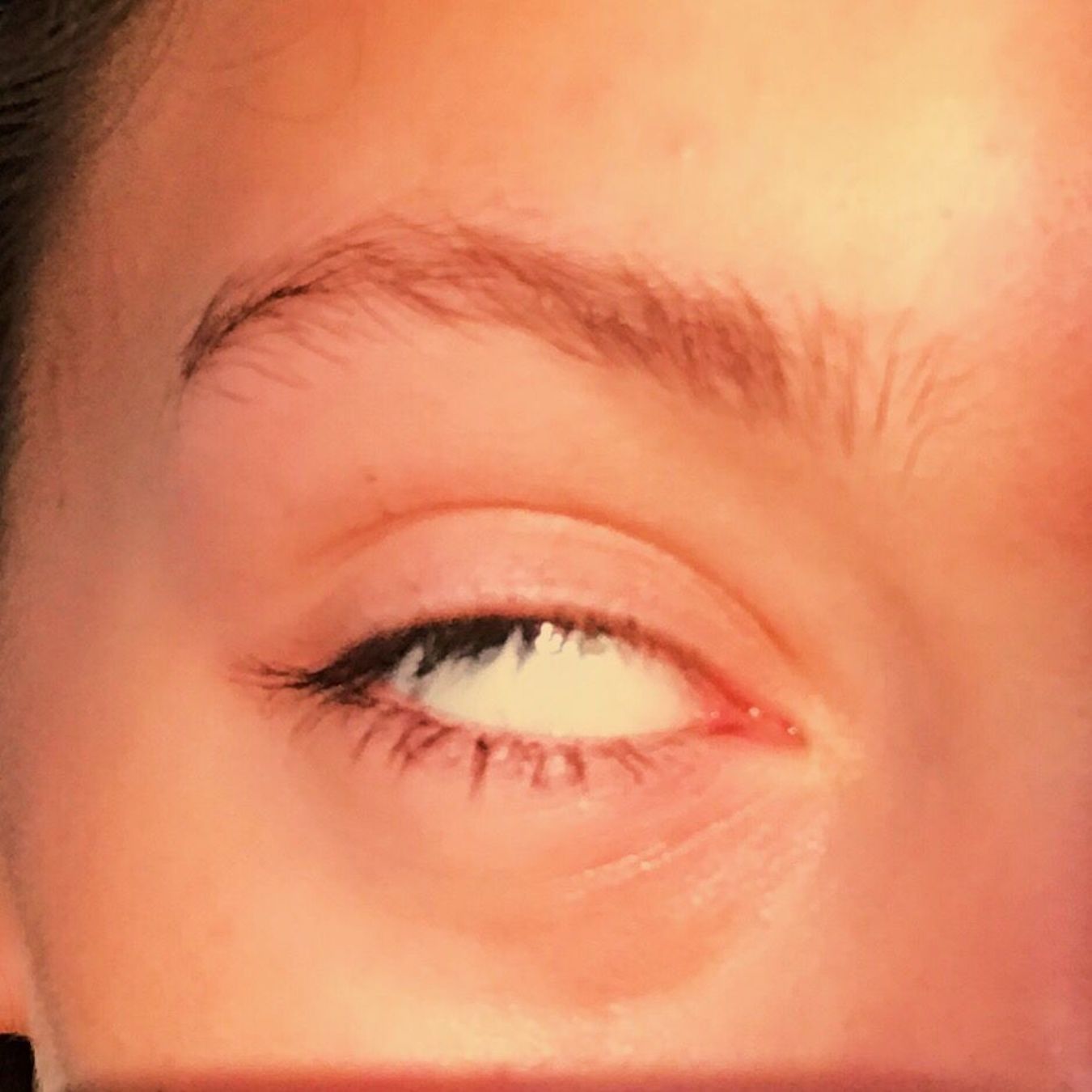
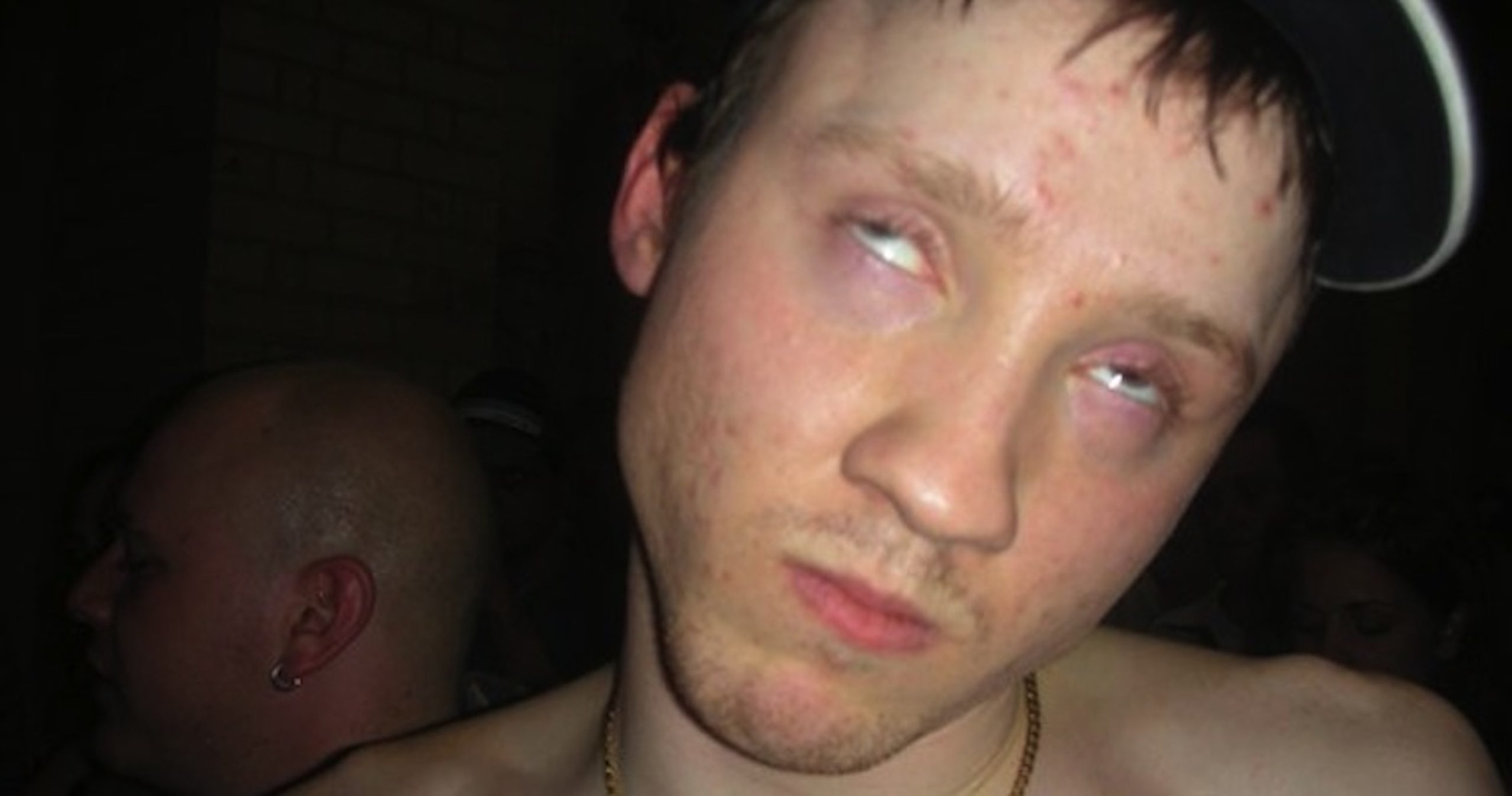


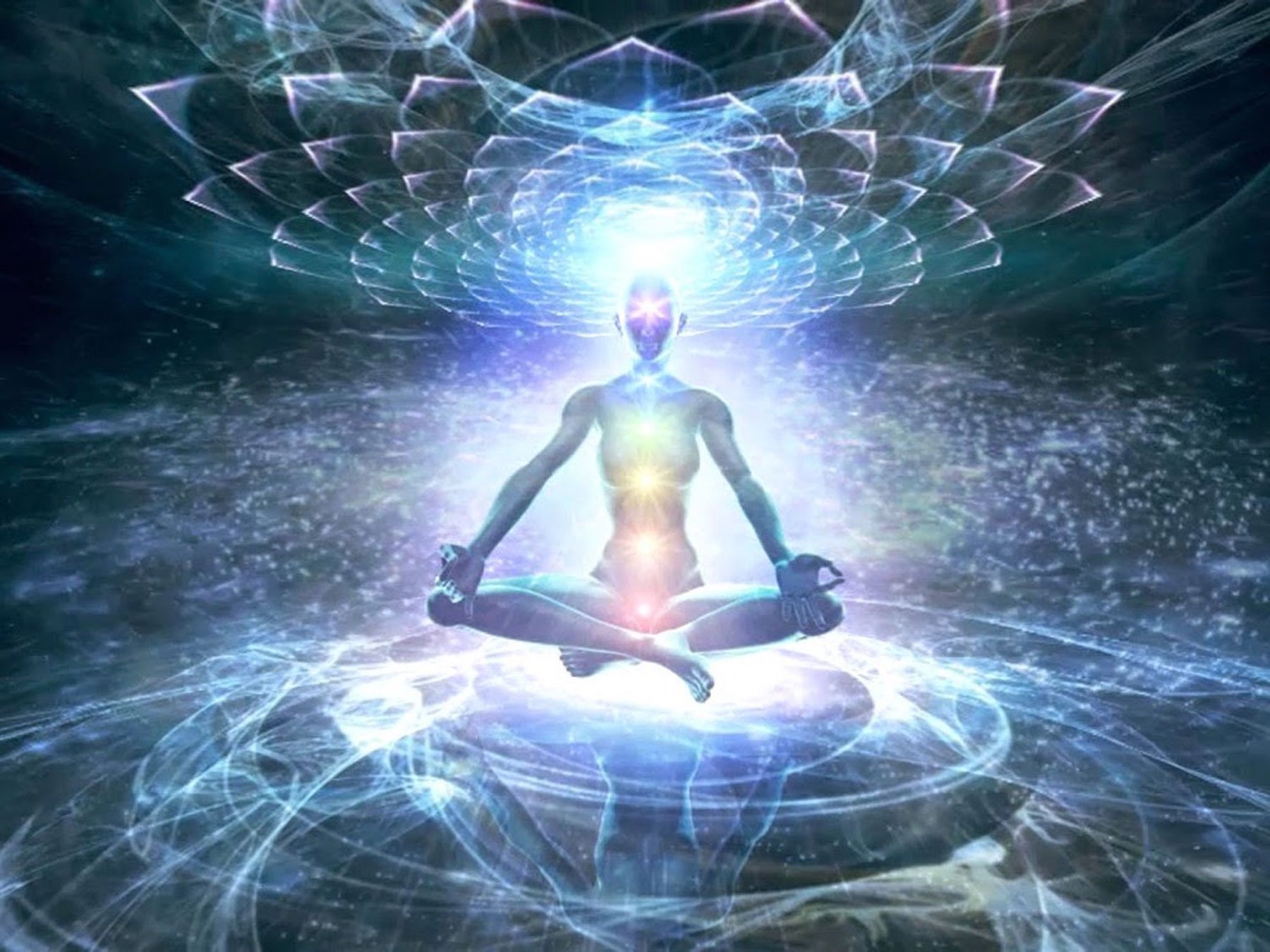
I think I will return to this body of work when I need to, not least because it is a good exercise to unblock you, it forces you to not get stuck, just keep moving. I really want to take this logic of association into other works, I realize I can use it as a tool to break down any subject matter, sort of parce it through myself, breaking it down into images and motifs, seeing what it might mean to me.
What does an image mean to you and how do you deal with their appropriation? I have recently bumped into an interview where artist Seth Price reflects on the power of representation. He reckons Mike Winkelmann (aka Beeple) broke through the crypto cosmos even due to the pervasive and ubiquitous aesthetics of his Every Days, which draw from visual codes we all know already, such as Marvel, memes, and ads. This cannibalization makes them perfect NFTs. Nonetheless, as Winkelmann mentioned himself in a conversation with Carolyn Christov-Bakargiev, there also is at stake the sheer amount of time spent on the work, paired with his willingness to challenge any preconception on technical mastery through repetition and practice.
Repetition is the delivery device for any new idea and the only way in which systems can perpetuate themselves. We are often unwilling to focus on an image or idea if it feels too unfamiliar and so repetition of images and ideas becomes a question of power, who has the capacity to generate images, to repeat, to draw attention to them.
Our perception in visualization is processed by means of statistics. Which image will become the subject of our attention in the future? It would be worth understanding how you keep yourself attentive in such apparently iconolatry realms – where the asset no longer stands in producing individual images rather in unlocking their fitting combination.
It is interesting to think about the difference in meaning between the words ‘attention’ and ‘attentive’. Attention being potentially a passive focus while being attentive implies an almost caring participation. I like the idea of being attentive to an image, it somehow implies a duty of care…
According to Boris Groys4, the museum is one of the few spaces taking care of the viewer’s attention span. Yet when in front of a video installation, the audience and the artist are involved in a fight to control the duration of the contemplation. Spectator succumbs under the illusion of an ‘absolute vision’.
I think any artist wants to captivate, hold attention because without that what is being made doesn't really exist.
Once you said that you prefer assuming the role of someone who loses control instead of having it. The hallucinatory empowerment in the demiurgic act of selecting images in Associations leaves room to the realization you surrender to them.
Yep, I like the idea of a switch. The white male position is often the unstated voice of history, news, facts, and authority. This allows for the male subject to retreat into a space where in fact his own position, past, feelings, and body are lost in exchange for a fiction of objectivity. I do not want to be in control, I do not want to be the director. I am interested in systems that are emergent, that are generated and respond to the way they are being used. The complexity of an emergent system will always be greater than some predefined top-down image. That is why I like filmmakers and artists who construct through process, rely on framing after the fact and give the subject agency. In Associations, I wanted the focus to point back to me as a person and not to retreat into a bodiless objectivity of a statement about how images work.
In the onlife, fact-based and imagined worlds intersect as they are being lived and objectivity is smoke and mirrors. In this frame, works such as Cel (2019) take the hyperreal life and push towards the limits of plausibility, gesturing to the notion of parafiction5. This work is a seventy-two-hour immersive role-play performance in which ten participants navigated a hypothetical extremist online group, off from the rest of the world they sought.
The ebb and flow of narratives that make up our days rarely require verification to any fact, or solid ground, they exist suspended by the consensus of the group, kept alive by repetition more than anything else. Therefore I am attracted to role play; it uses that placidity, testing out and embodying alternative modes.
What you say is consistent with your rationale of social media as onstage containers. It is just another way of exploring behavioural patterns – which is what in fact you initiated in Dorm Daze and exacerbate with Cel. In the latter, the participants would embody personas for the duration of their time enclosed in a cell constructed in your own studio, as if you are expecting emotions to blast. Can the LARP function as cognitive therapy?
Albeit role play is not a therapy, yet it might have therapeutic qualities. Much art is born out of a need for the artist and Cel came out of a personal crisis point that forced me to reflect on my behaviour, to begin a line of questioning about how my own identity was formed and how ideas of masculinity played a role in that formation. It is perhaps easy to feel you understand something conceptually, but knowledge needs to be internalized through the body, or it remains separate somehow. I also began psychoanalysis around the same time, something that is very present in this most recent work – in analysis they love to associate. In analysis I can also see similarities in intentions with role play, in that it is questioning these stories that we are born into and are often taken as given but which underwrite our behaviour. It says we sort of drift from the child to the adult, bringing a lot more than we think.

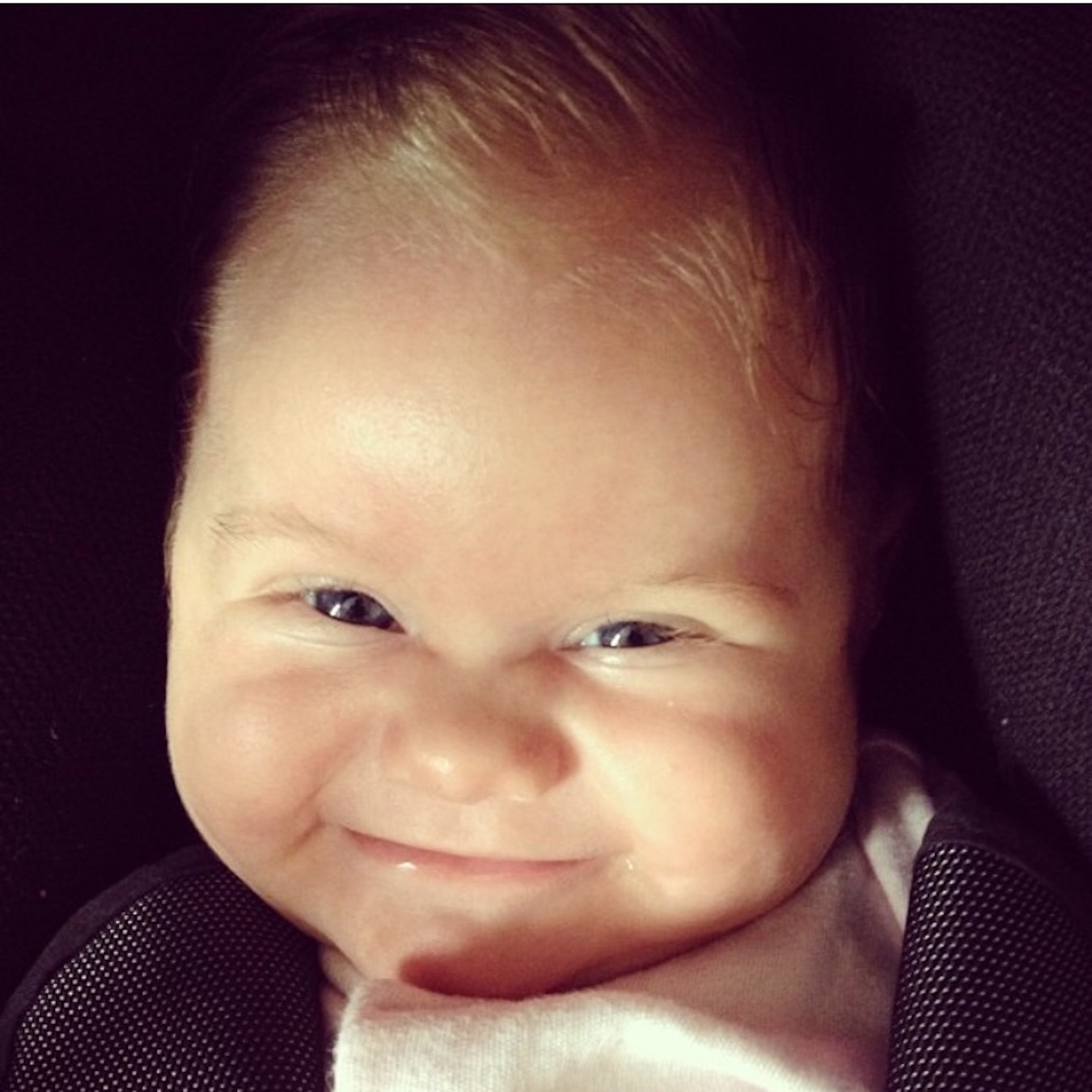
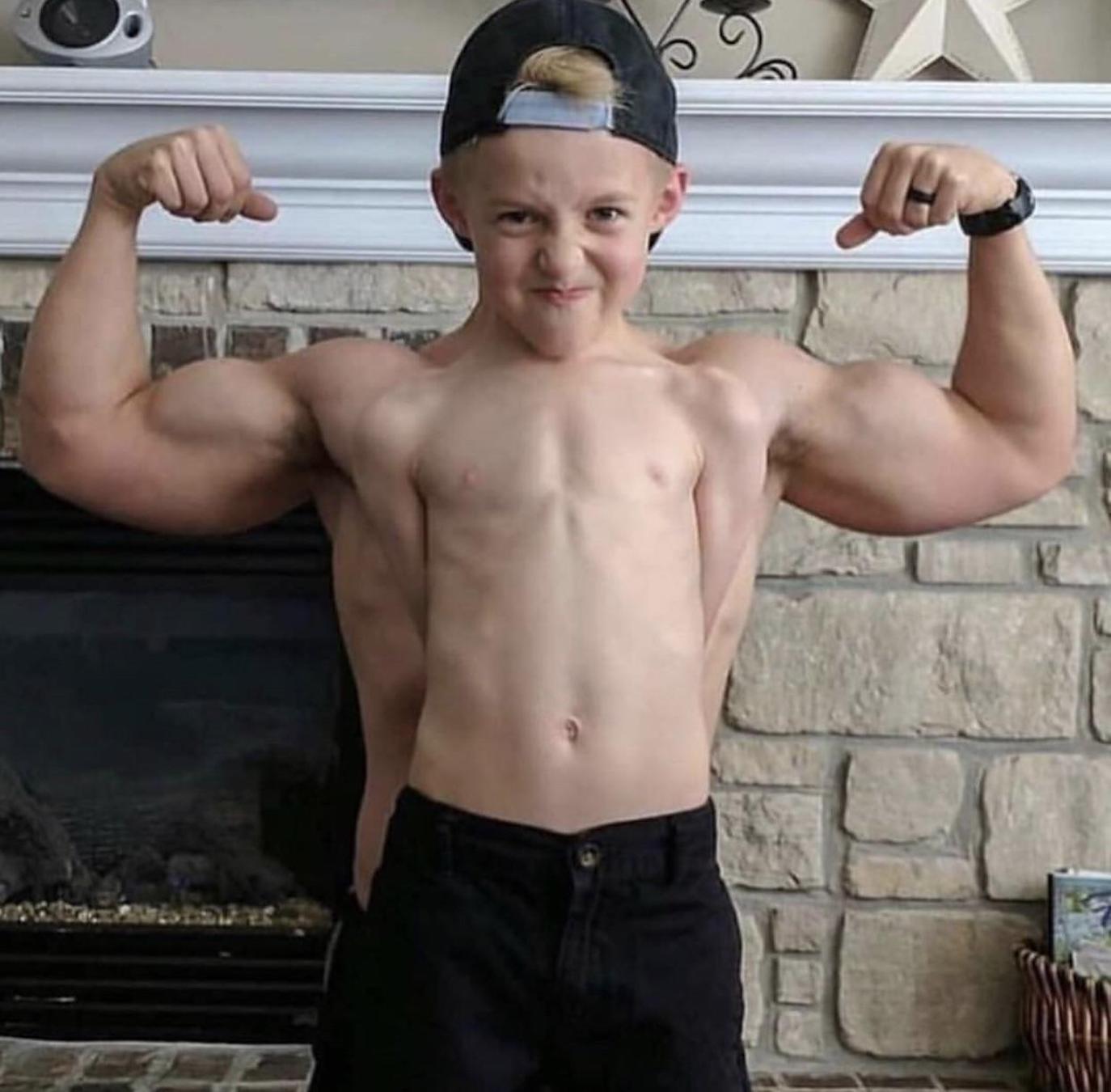
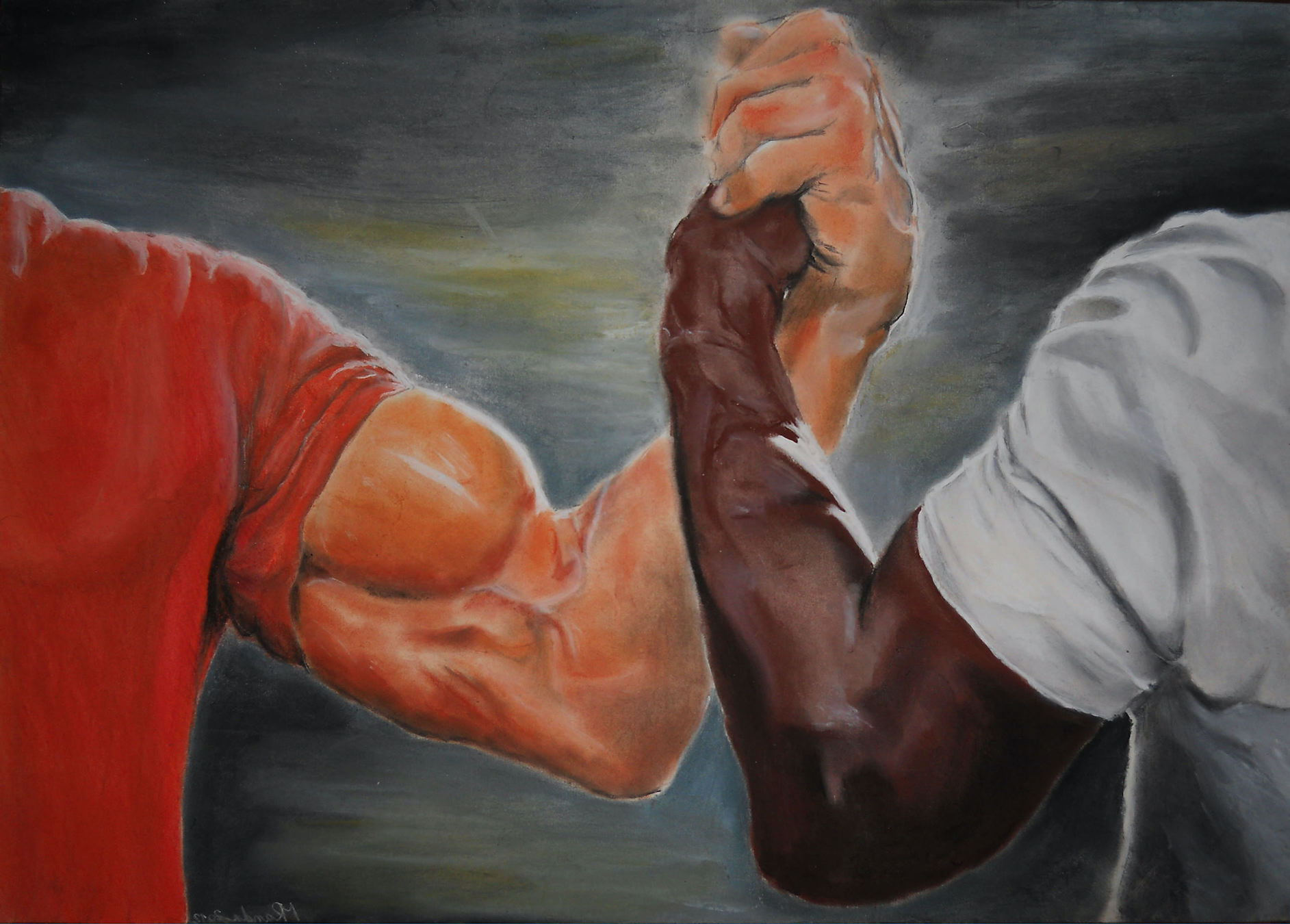

And what about feeling “in touch” with someone else? In a recent lecture, artist Stuart Ringholt his focus away from the digital as a binary-coded realm to trace back to the original Latin root of the word – digitus (‘finger’). He recalls his “digit stress”, stressing the violence behind the handshakes as well as the abusive and assaulting finger gesturing have personally affected him6.
We need to touch, to be touched, and yet as you mention the points of contact are not passive, they can be harsh, they can leave unpleasant impressions and experiences. I am glad that you mentioned the handshake, which seems to be something meant to be welcoming but so often is an imposition, the forcing of a set of values through soft hints and expectations. One of the things that I ended up doing over the pandemics was also starting a reading group online with Vanessa Carlos within Carlos Ishikawa gallery. It is also a support group in a way. Through the text we read, we would talk through our personal experiences touching on a wide range of subjects that were or had affected us. And I think that separate from the art, but I definitely value these spaces that give permission to be vulnerable.
This leads me to reflect upon the vulnerability of the embodied experience. How do you deal with the collapse of artworks’ bodily presence in such a digital epistemic regime, where abstraction no longer belongs to art glossary, rather turns into a socioeconomic asset? Back in 2015, Kenneth Goldsmith attempted to describe what it used to be called ‘Post-Internet Art’ as a hybrid practice, where “artworks move fluidly between spaces, appearing sometimes on a screen, other times in a gallery.”7 I am still getting my head around that supposed tension between materialization and dematerialization.
Online and offline have in part collapsed in on themselves, the membrane between the two is often thin and barely visible. Post-Internet now seems like a bit of a clunky term except to say that we are truly after the internet's first stage, it is as much an evident part of our reality as electricity or a road network or the agricultural system, that in being so ubiquitous it has somehow become part of us. That is this open and broad statement and I think the same can be said for many technological developments, like video, when it first came out people made videos about video and then after a while it just became part of the landscape, a tool to reflect on whatever you wanted too.
Although my question might seem not coherent – as in asking so I somehow pay homage to the post-internet label death perpetrated by the market in the early 10's – where do you position yourself according to the definition that you just gave to me?
I was definitely in that moment, which felt like a generational fork, although I have been making largely performative and conceptual projects which protected me from the markets because no one wants to buy those things. What is funny now is that the lockdown in pandemic coupled with crypto has created an environment that the post internet moment was perhaps pointing to, in which the digital is more dominant. Although what comes with that is all these degrees of alienation, a flattening and over emphasis of the screen that I think this summer we’ll be pushing back against.
Allow me to ‘stay with the trouble’ of digital fruition a bit more. A few of your works are currently on sale on Zien, which is referred to as “a new way to collect visual art for digital natives.” Twice a month, you are supposed to release so-called ‘Scarce Editions’ – files of an artwork with a license and instructions to make it into a physical object, which can be claimed for free via WhatsApp.
All I care about is the art, everything else is bullshit. Saying that of course I want to experiment with mediums, contexts and delivery, the line of what’s acceptable is always in flux. By that i don't mean acceptable like taboo but acceptable as in what people are willing to look at, to spend time with, to turn over in their heads. People have been making digital work for a very long time, it was there from the beginning, you just need to go and look for it, the difference now is we might be getting to critical mass of people willing to look. Although I am not sure, the digital is hard to hold for me has always been closer to performance than say painting or sculpture, it often feels ephemeral, crypto is an attempt to push against that, to ground it in a blockchain, give it body, even if that body is primarily financial now.
How can we avoid setting our conversation in stone and open it up to not yet explored interpretations?
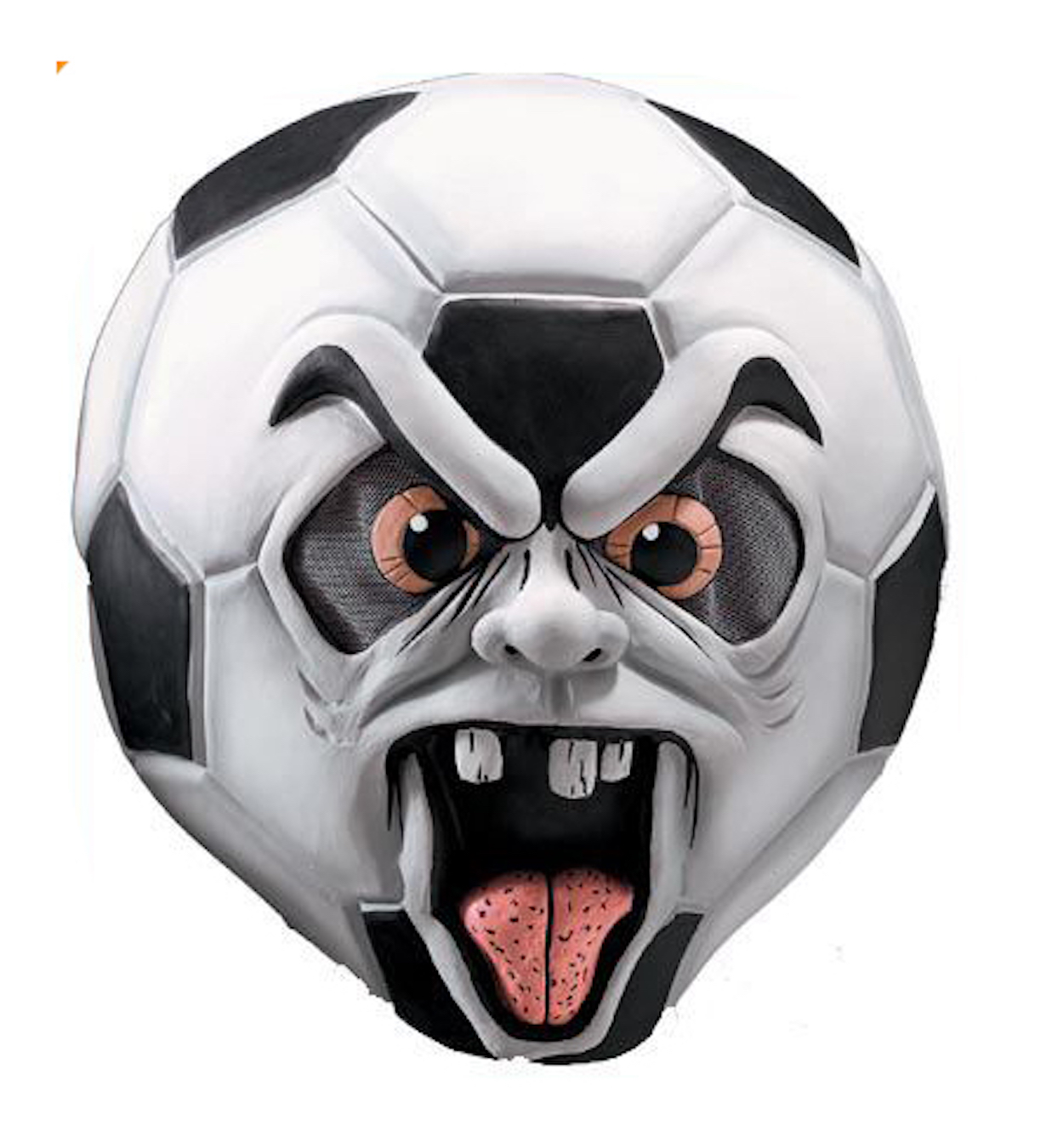
Luckily, we do not have to worry about that, this conversation I am sure is being kicked around like a football right now by anyone who found their way to reading all the way to the bottom here. Actually thinking about it, I would like a word with this person, you whoever you are, I admire your attention span, I hope what we said was not too boring, or inane, I wonder what you are doing now, I wonder what you are thinking, you seem like a really interesting person, perhaps we should be friends, why do not you DM me @eddfornieles, I think this could be the start of something really quite beautiful.


1
D. Haraway, “Situated Knowledges: The Science Question in Feminism and the Privilege of Partial Perspective,” in Feminist Studies Vol. 14, No. 3 (Autumn, 1988), pp. 575-599, Feminist Studies, Inc.: United States.
2
E. Carpenter & M. McLuhan, Explorations in Communication, 1960, Beacon Press: Boston, Massachusetts.
3
L. E. Bowling, What is the Stream of Consciousness Technique?, in PMLA, Vol. 65, No. 4 (Jun., 1950), pp. 333-345, Cambridge University Press: Cambridge.
4
B. Groys, Art Power, 2012, Postmedia Books: Milan.
5
C. Lambert-Beatty, “Make-Believe: Parafiction and Plausibility” in October, Vol. 129 (Summer, 2009), pp. 51-84, The MIT Press: Massachusetts
6
This performative lecture was commissioned as part of Digital PTSD. The Practice of Art and Its Impact on Digital Trauma, a two-part online program of talks, conversations and artworks Castello di Rivoli Museo d’Arte Contemporeanea developed between 2020 and 2021.
7
K. Goldsmith, “Post-Internet Poetry Comes of Age” in The New Yorker, March 10, 2015.
Ed Fornieles
Associations
Carlos/Ishikawa, London
17 April – 22 May, 2021
CREDITS
All images and videos: ©Ed Fornieles, 2021, courtesy the artist and Carlos/Ishikawa, London