Feedback. The Environments of Franco Vaccari
MUSEION, Bolzano
March 28 – September 13, 2026
Review by Linnéa Ruiz Mutikainen
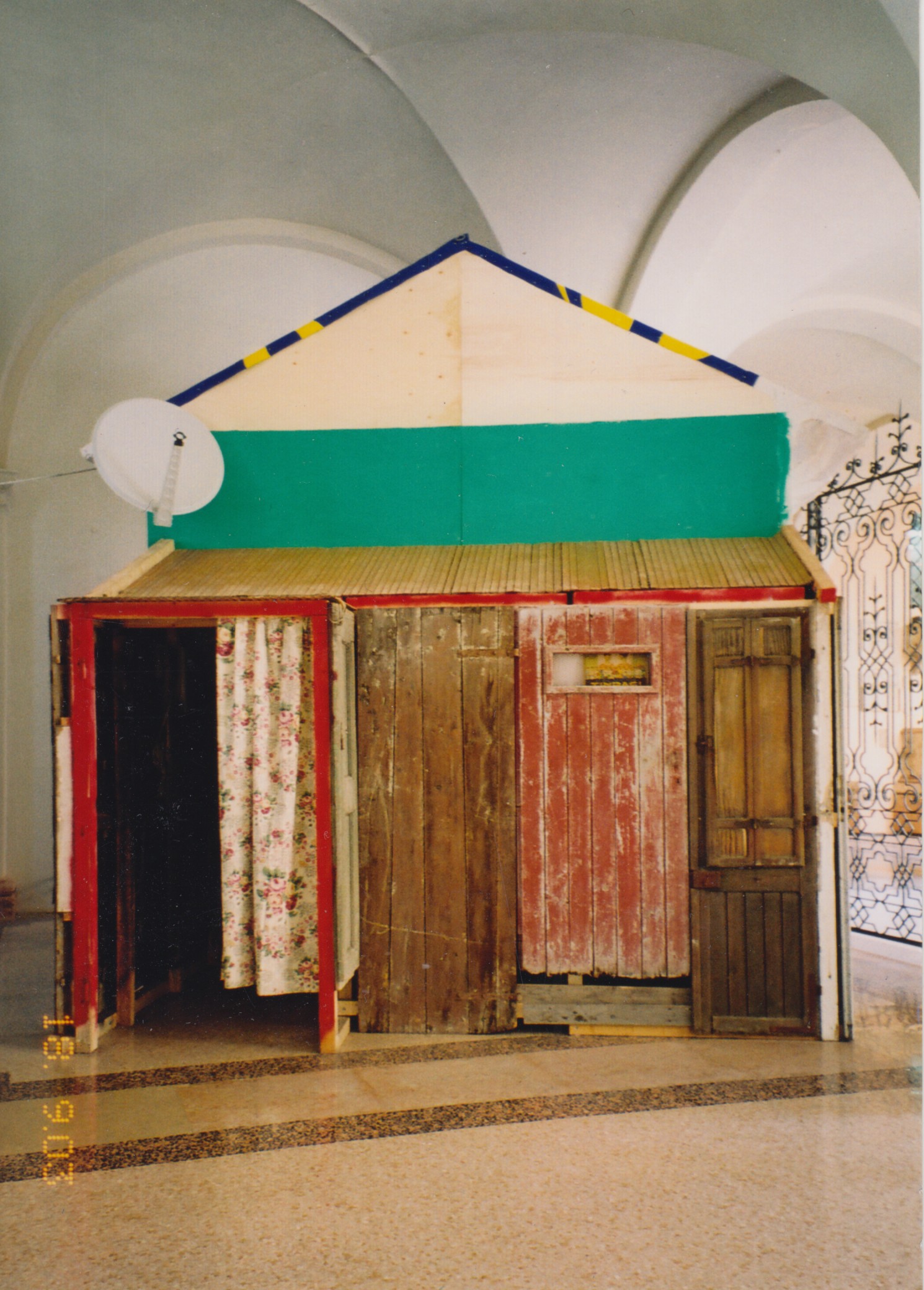
Mini cinema, 2003. Courtesy of the Artist’s Archive

Esposizione in tempo reale n. 10, Sogni n.1, 1975. Courtesy of the Artist’s Archive. Photo: Ken Damy
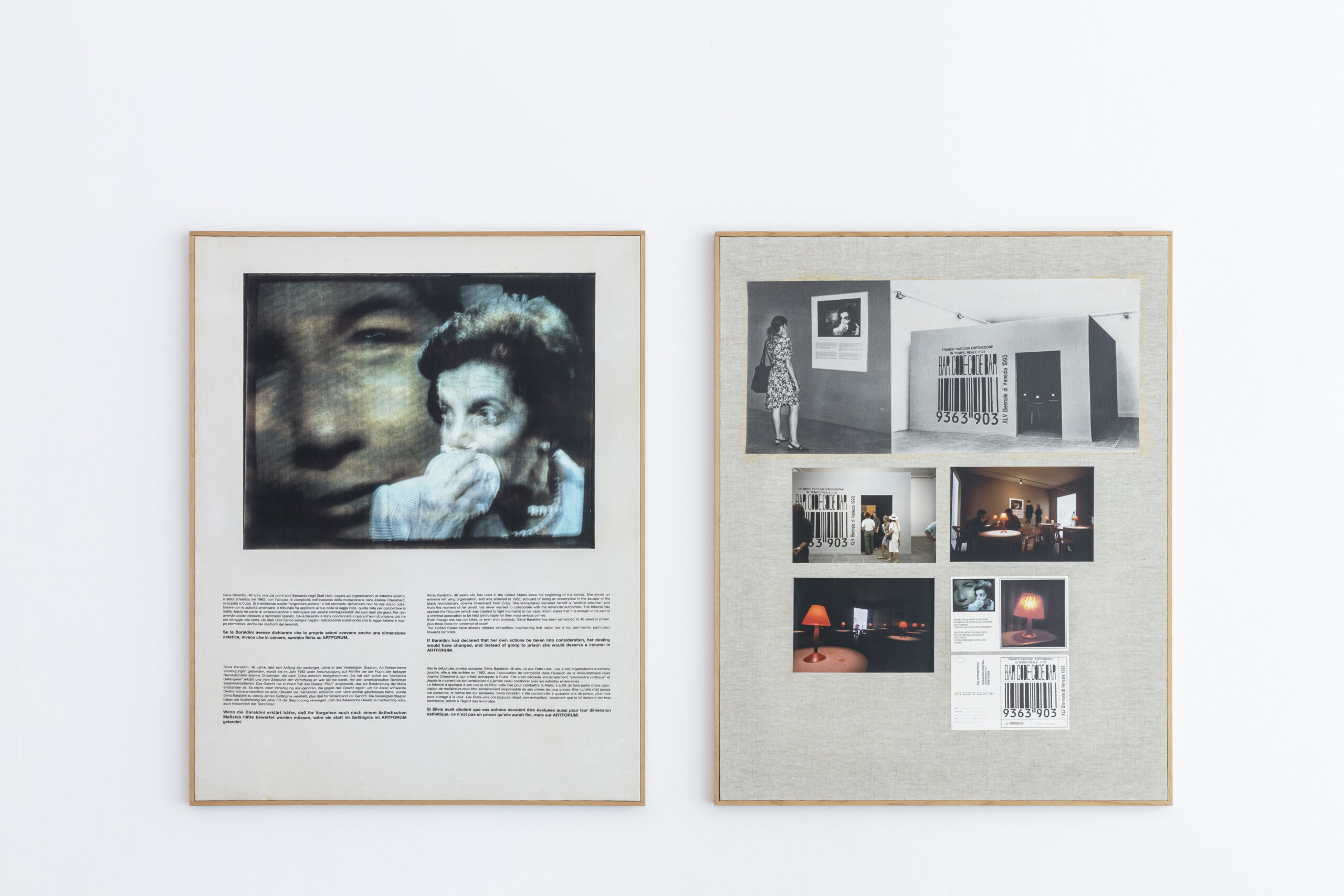
Esposizione in tempo reale n.21, Bar Code-Code Bar, XLV Biennale di Venezia, 1993 Fondazione MUSEION. Museo d’arte moderna e contemporanea Bolzano – Archivio di Nuova Scrittura Photo: Lineematiche – L. Guadagnini / T. Sorvillo
Franco Vaccari (1936-2025) was a key figure in conceptual photography, invested in human presence and shared spaces. Long concerned with visual poetry – or, as Vaccari articulated it, “anonymous forms of poetry” – he sought out everyday traces of mankind: both emptied coffee cups and murals of graffiti became contemporary reference points. The latter constituted his first photographic work, an assemblage of grafitti-clad surroundings documented across his hometown of Modena. These untraceable inscriptions became splinters of poetry, later brought together in his 1966 book Le Tracce, the starting point for his exploration of subject and object, and how they feed off each other.
Direct involvement is coherent through Vaccari’s practice, famously applied in his 1972 project for Venice Biennale, Esposizione in tempo reale n. 4, Lascia su queste pareti una traccia fotografica del tuo passagio. Rather than maintaining passive observations, the artist encouraged viewers to shape the DNA of the artwork: you could enter the photobooth, take a photo and have the self-portrait pinned to the wall as a trace of your fleeting visit. That same year, he presented Moderna Graz, his first-person documentation of the 700 kilometre car ride between Italy and the International Painting Week in Graz, paving the way for his real-time exhibitional approach.
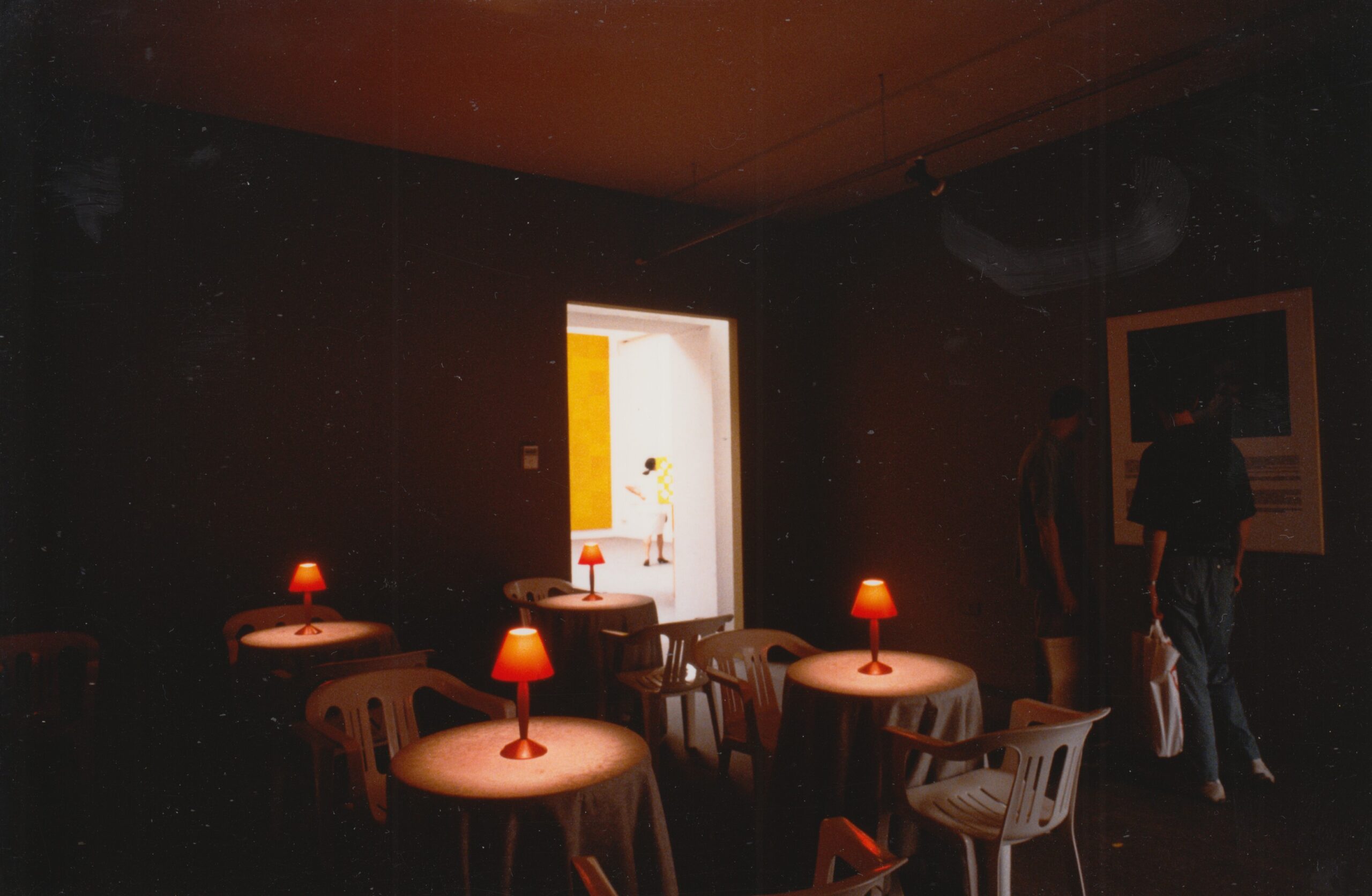
Esposizione in tempo reale n. 21, Bar Code – Code Bar, 1993. Courtesy of the Artist’s Archive
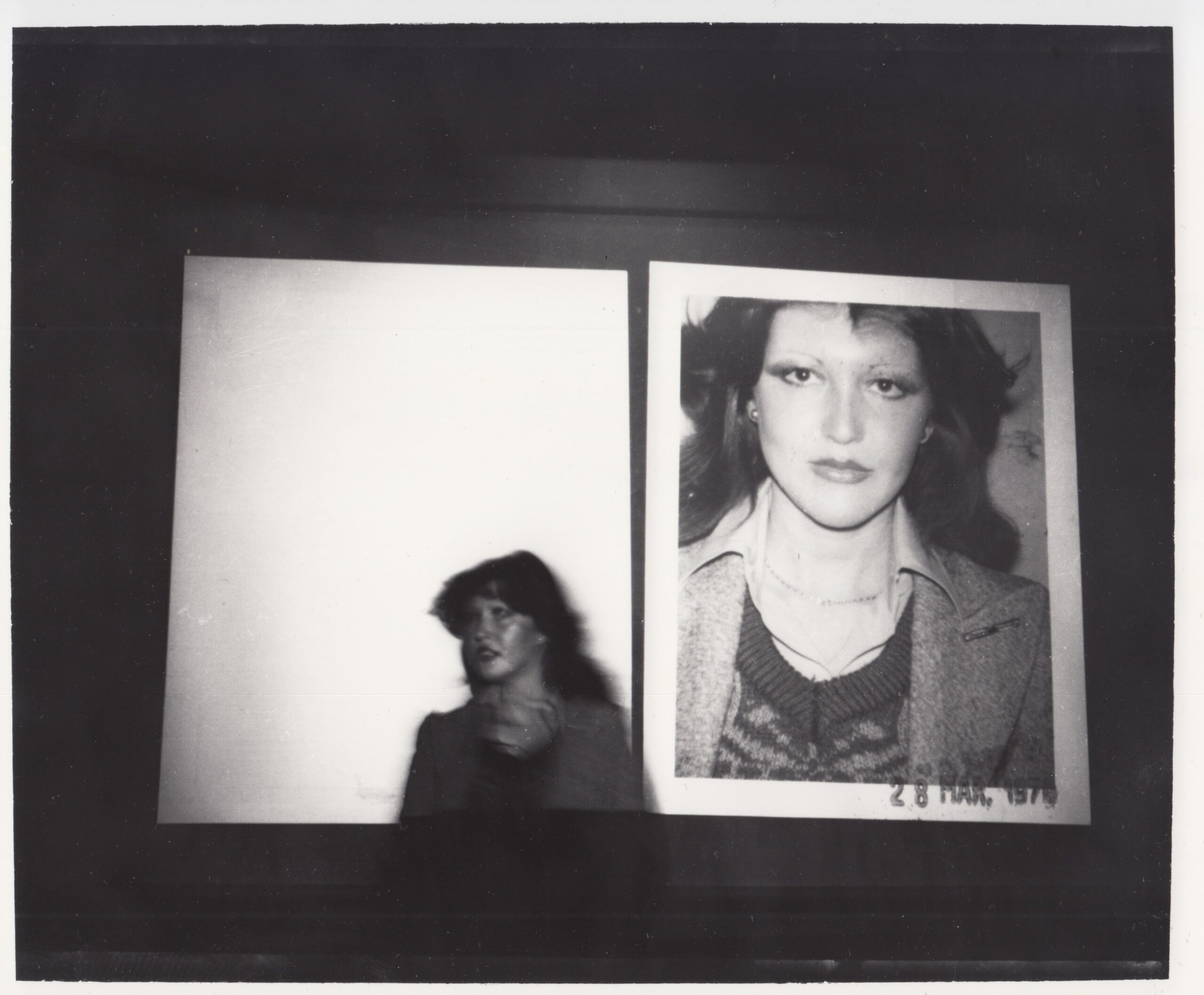
Esposizione in tempo reale n. 7, Mito Istantaneo, 1974. Courtesy of the Artist’s Archive
Intended to celebrate what would have been his 90th birthday, Feedback. The Environments of Franco Vaccari is the first retrospective following his passing in December 2025 and features photography, video, books and archival material. Spaces are referred to as environments: active, situational frameworks that complete Vaccari’s dialogue between artwork and spectator. Here, everything returns to occultamento dell’opera, the method he coined that means a “concealment of the work” – where lived experience, triggered by the artwork, becomes more significant than the artwork itself.
Darkness spreads across the initial environments. Scultura buia (1968) is one of the contributors to this dense space marked by inner descent. Sensorial experiences turn personal fragments into collective residue, emphasising the circulation between the individual and the many. Following environments continue the collectivist thread, particularly the social dialogues fostered through spontaneous human interactions in the public space: in Esposizione in tempo reale n. 21, Bar Code – Code Bar (1992), a functioning bar honours the informal, incalculable exchange.
Across Vaccari’s artistic production, whether visual poetry or social dynamics, he consistently foregrounded our shared surroundings. His real-time exhibition methodology meticulously runs throughout Feedback. The Environments of Franco Vaccari, opening for environments that provoke thought and urge conversation.
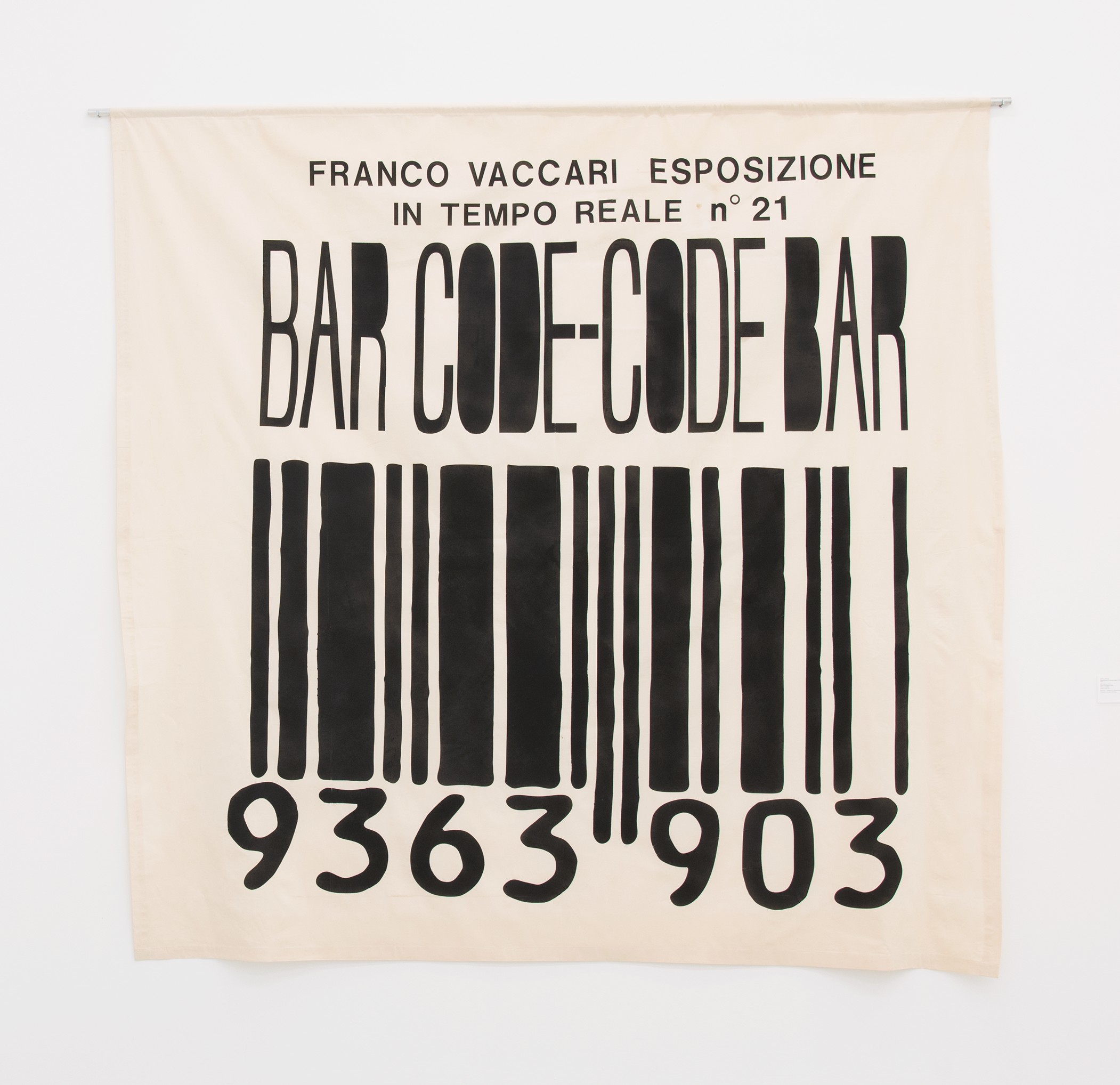
Esposizione in tempo reale n.21, Bar Code-Code Bar, XLV Biennale di Venezia, 1993 Fondazione MUSEION. Museo d’arte moderna e contemporanea Bolzano – Archivio di Nuova Scrittura Photo: Augustin Ochsenreiter
Franco Vaccari
Feedback. The Environments of Franco Vaccari
Curated by Frida Carazzato and Luca Panaro
MUSEION Bolzano
March 28 – September 13, 2026


