When Beauty Appears (Lorsque la beauté paraît)
Perrotin Paris
April 25 – May 30, 202
Review by Linnéa Ruiz Mutikainen
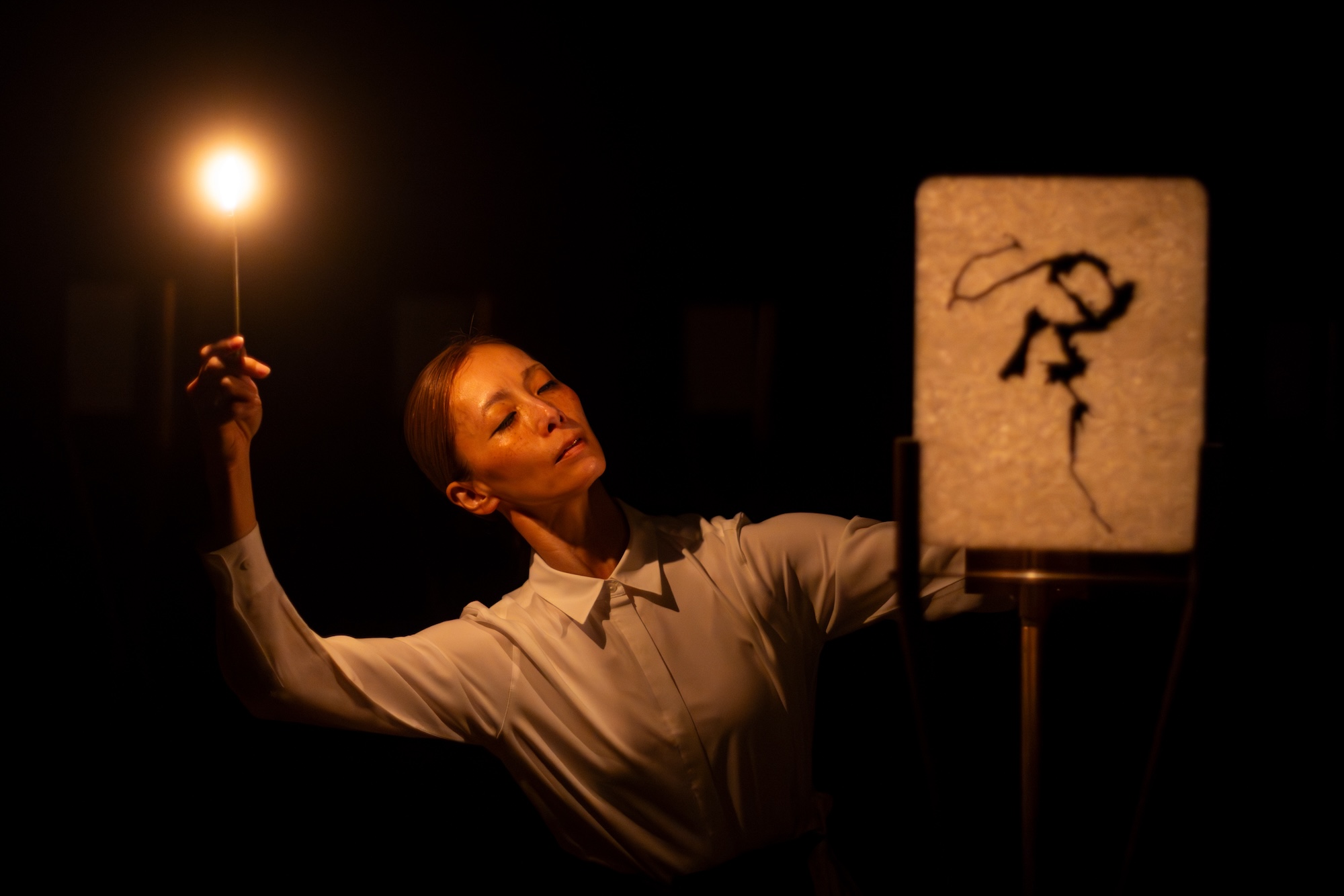
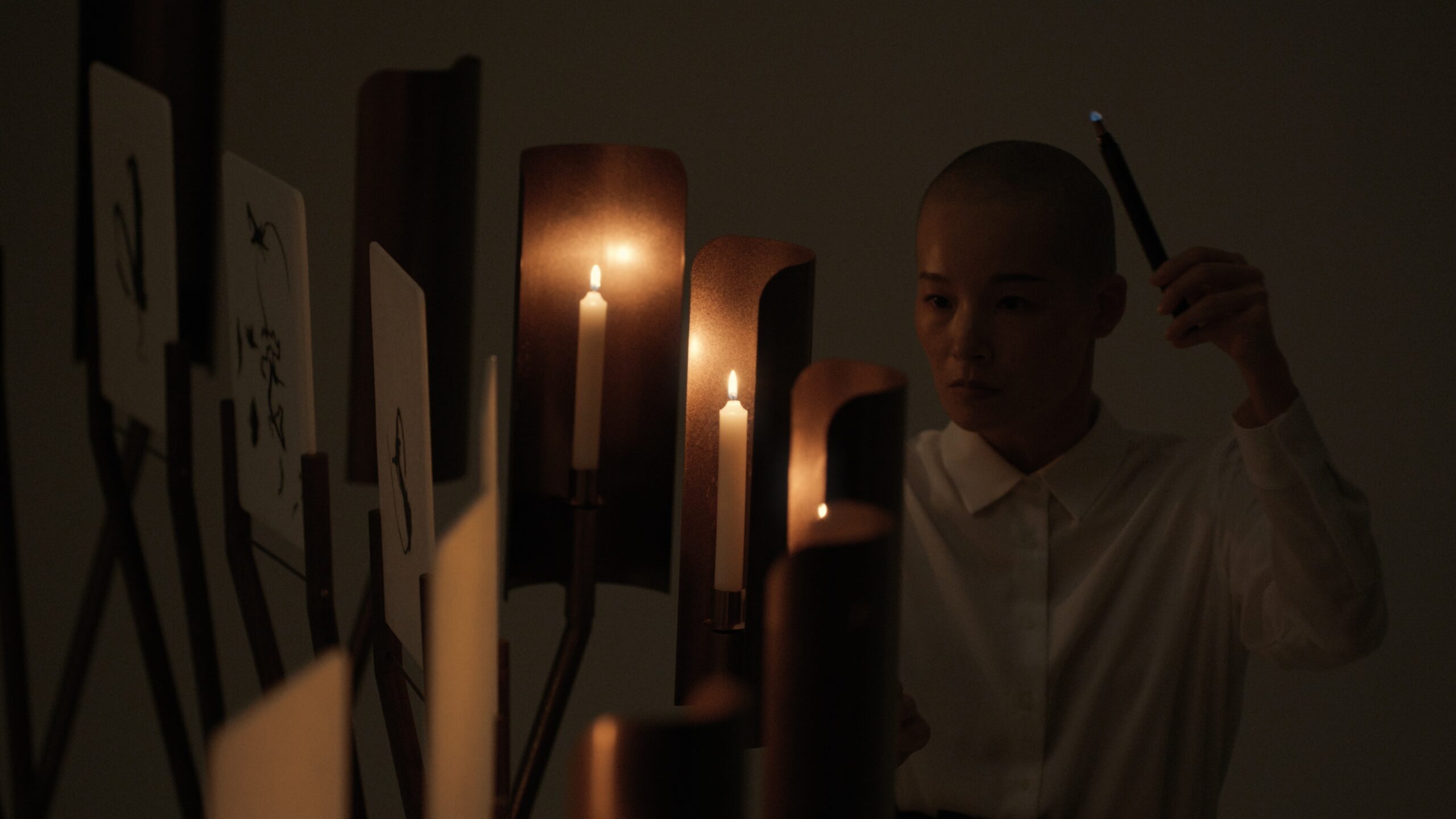
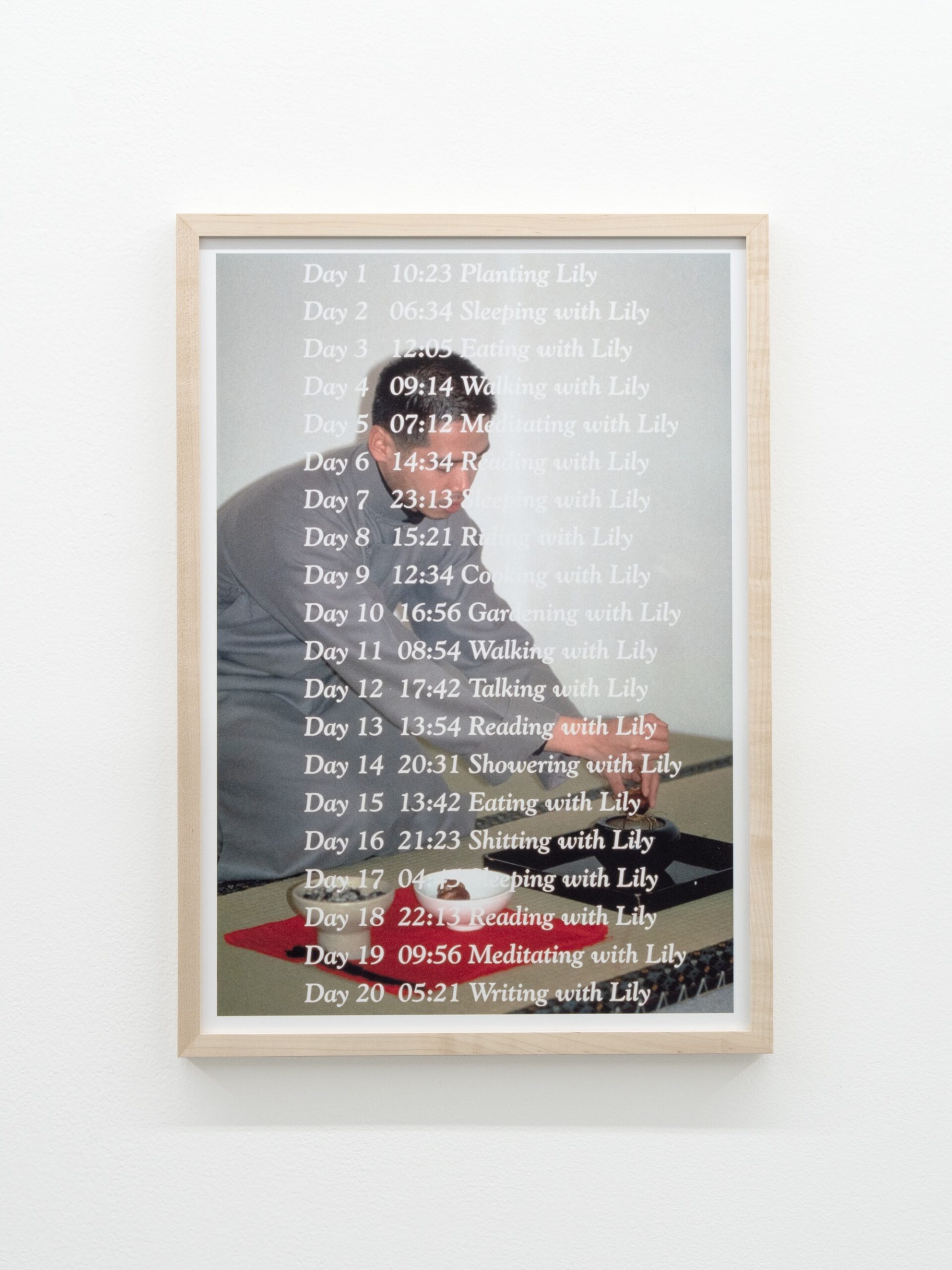

Lee Mingwei (b. 1964, Taipei) zooms in on situations. A vigilant observer, his work revolves around one of the essential pillars of existence: everyday interaction. His participatory installations see audiences become participants in a societal case study, shaping the modern framework of human exchange. Mingwei often returns to the slippery terrain of actions and gestures, such as the exchanges between strangers, to examine our built-in, standardised ways of acting. One such example, the cathartic installation The Letter Writing Project (1998), where visitors were encouraged to “write the letters they had always meant to but never taken time for.”
When Beauty Appears is Lee Mingwei’s first exhibition at Perrotin in Paris. Within this ambivalent landscape, one permeated by ugliness and evil, the artist reflects on beauty as a form of resistance. He explores the Confucian idea of Li as a possible framework for his findings, a belief that places basic rituals and simple etiquette as key regulators of human interaction, helping to maintain social harmony and order on a larger scale. Mingwei’s rituals hook into this belief as humans construct identities while striving for a shared harmony between beings. The ritual remains the same, but each enactment produces a non-replicable experience unique to the person experiencing it. Whether it manifests through a first encounter or sheer solemnity, the figurative essence of these fleeting moments remains intact. In Mingwei’s body of work, chance encounters distill a simplicity that has become exceptional.
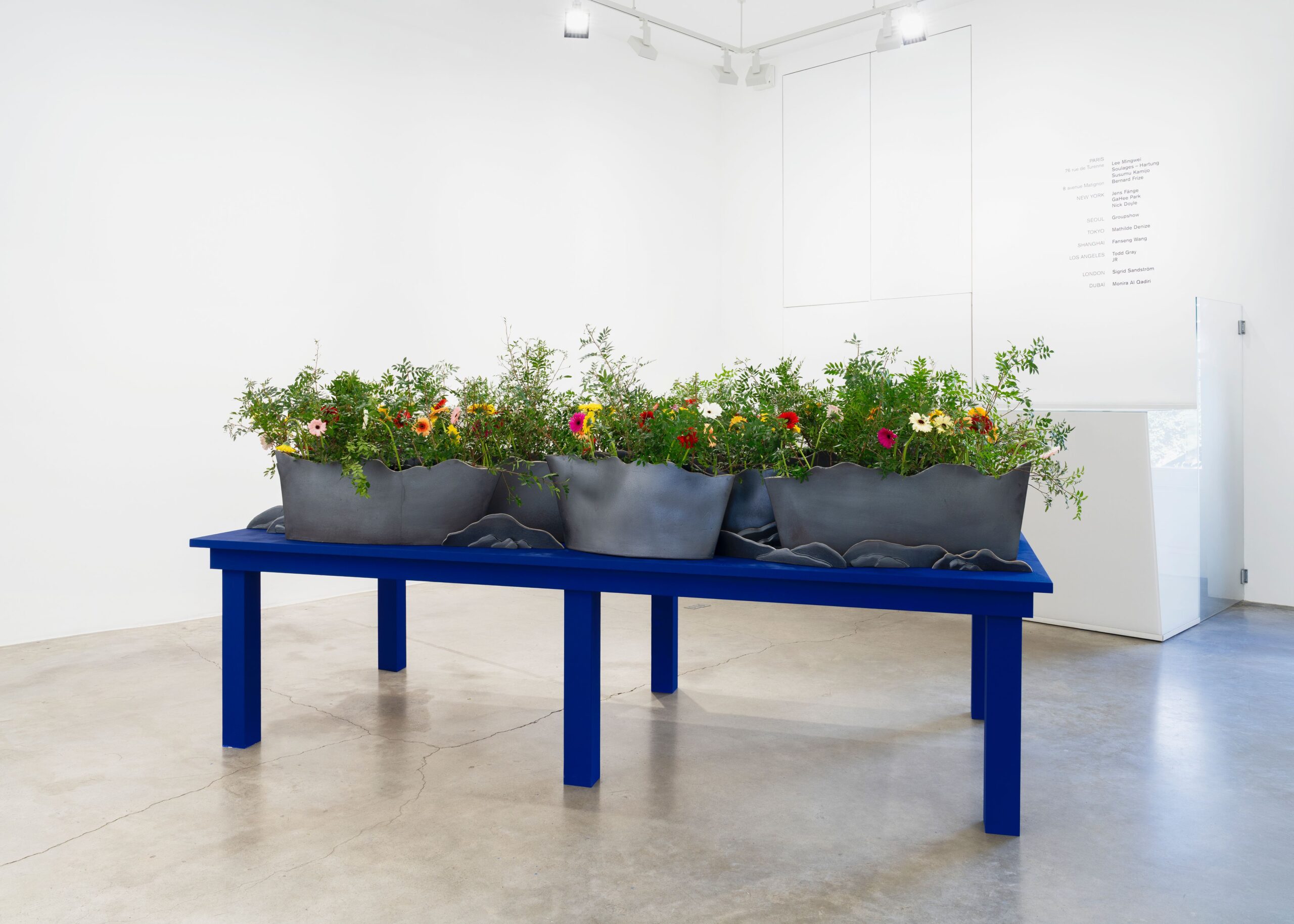
Flowers blossom in the exhibition’s inaugural room. La Fleur en Chemin (The Moving Garden)(2009/2026) sees fresh bouquets of flowers arranged on a Klein blue table. The installation is anchored in one of these unexpected meetings, where those never meant to cross paths are now brought together. Like a beauty-infused chain exchange, visitors are encouraged to pick a flower on the condition that they later offer it to a stranger. In the following room, The Mending Project (2009/2026) extends this cyclical logic through clothing and repairs: garments are refreshed through traces of care, almost like trophies of originality that help carry them forward. This restorational continuum culminates in the final area, which touches on the Asian tradition of Linmo. Here, to copy isn’t to reproduce but to internalise the essence of the original. His work shows how a shared harmony is reached through the merging of distant eras and fragments.
Lee Mingwei adds a tangible layer to being: he tests the social conditions of care. What happens once we move beyond our comfort zone? What emerges when the protective layers are stripped away in favour of vulnerable connections, those fostered in belonging and care? Mingwei’s work operates in an emotional, gestural world, one where things aren’t meticulously read or abstractly decoded. They are felt.
Lee Mingwei
When Beauty Appears (Lorsque la beauté paraît)
Perrotin Paris
April 25 – May 30, 2026
Credits:
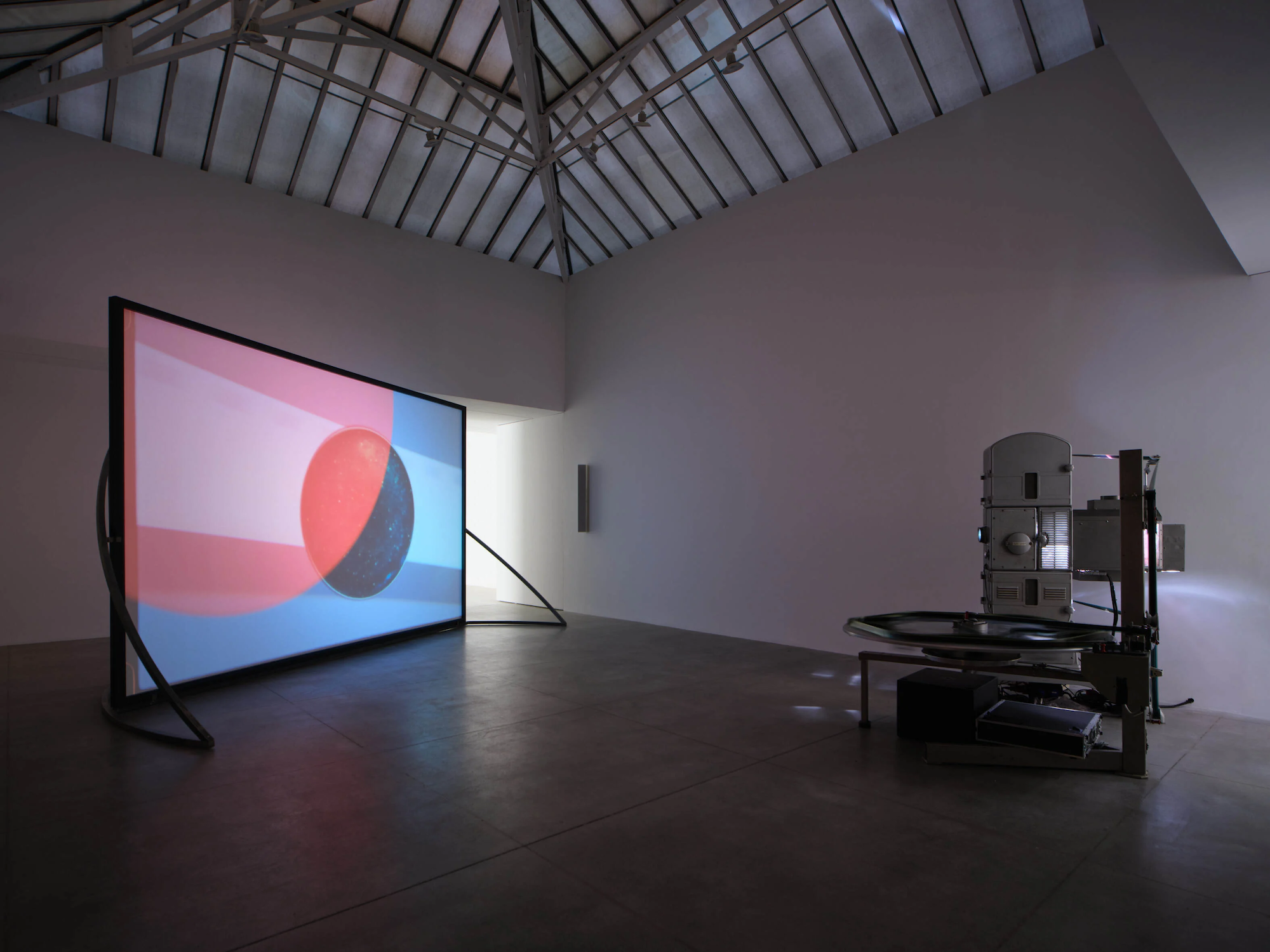
Views of the exhibition ‘When Beauty Appears ” at Perrotin Paris, 206
Photo: Claire Dorn
Courtesy of the artist and Perrotin