in conversation with Myriam Ben Salah
CURA. 46
Soft Power
Spotlight
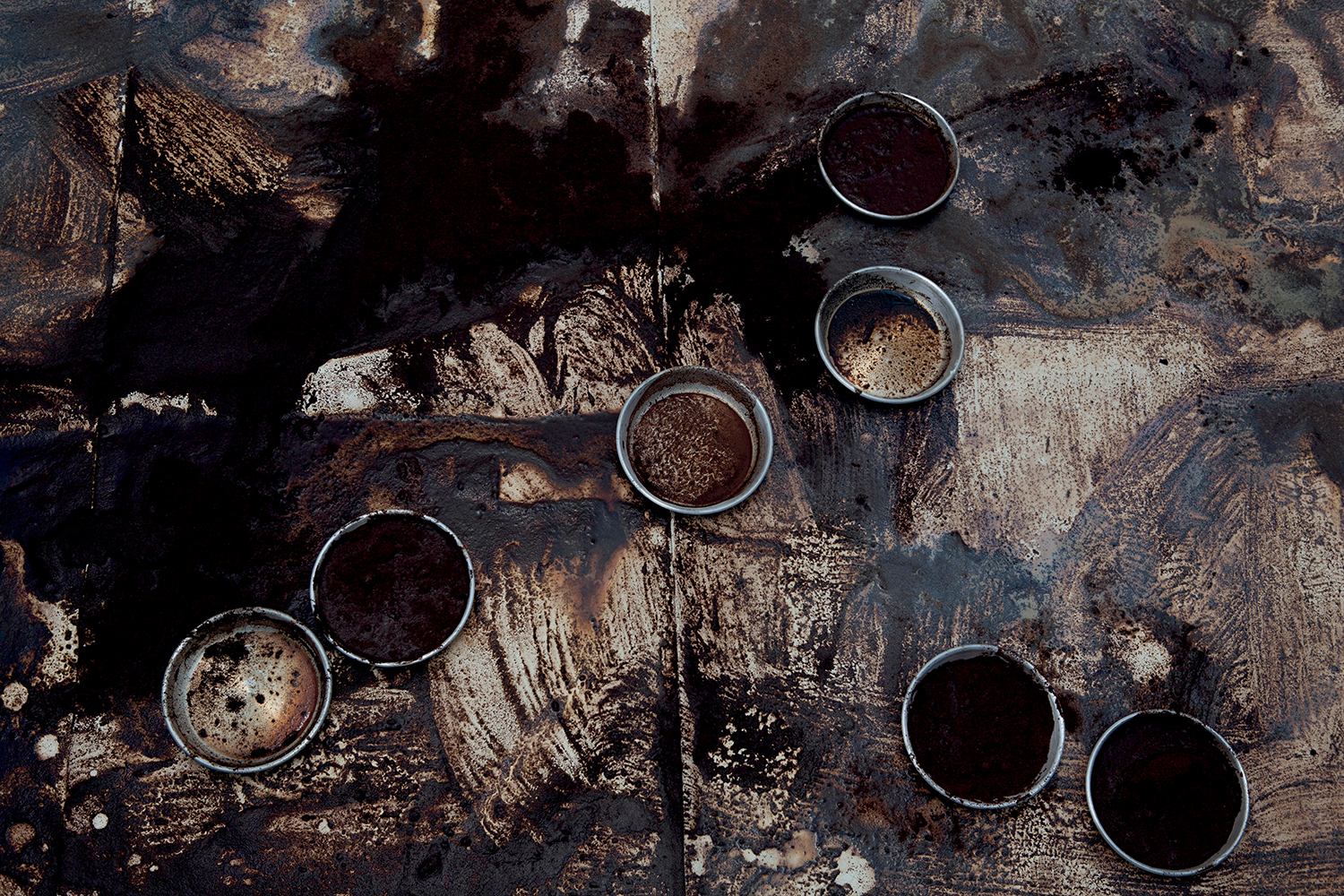
studio shots, 2025, Photo: Şirin Şimşek Courtesy: the artist
For many years your work has been read through the prism of Kurdish identity, in terms of heritage, repair, transmission, etc. In the notes you shared with me about your latest works, you describe identity itself as something that may now feel like an obstacle to you. When did that realization surface, and did it feel like some kind of relief (or quite the opposite, like betrayal) to try and move on from it?
For many years, my work has been framed through the lens of Kurdish identity, often in relation to questions of heritage, transmission, and repair. Over time, I consciously engaged with this framing and attempted to construct a sense of belonging to an identity that, for me, remained partially unresolved and at times unfamiliar. This engagement took shape as a practice of preservation and archiving, focusing on everyday cultural forms, rituals, and ordinary gestures. While this can be read as a contribution to cultural continuity, it was equally motivated by a personal attempt to stabilize a fragile sense of origin and to compensate for a perceived absence. The critical shift occurred when I began to understand this attachment to identity not as a resolution, but as another mode of conditioning—one that mirrors the structures through which identity is historically produced rather than interrupting them. In this sense, the attempt to generate stability through identity ultimately re-bound me to forms I was trying to move away from. Neither position ever provided a sense of arrival. My current interest lies in the formless—in a practice that emerges through the gradual letting go of what I long believed myself to be. Within this process, returning to fixed modes of identification feels like a form of betrayal, whereas acting from elsewhere—from a non-fixed position—is experienced as relief.
You write about “learning to sit with the fear of being nothing without our identity.” I think that a lot of art out there rushes to cover that fear and move past it. What made you trust it as a place worth staying in?
Much artistic and theoretical work responds to this fear by framing it—as a symptom, a political sign, or part of a biographical or collective narrative. This makes the fear legible, but also fixes it in place. What interested me instead was the moment prior to that fixation: the point at which fear has not yet been recruited to confirm a self or stabilize an identity. Staying with this fear, therefore, did not mean intensifying or analyzing it, but allowing it to arise without continuing to believe it. Some thoughts are harder to let go of than others because they are accepted as true without examination. Yet this “believing” points less to an acting subject than to an automatic process: meaning forms before distance becomes possible. The practice lies in making this process visible. When fear is no longer used as a means of self-definition, a space opens behind it—not as emptiness in the sense of lack, but as a mode of presence that does not depend on identity. This space does not replace identity, nor does it negate it. It simply interrupts its claim to organize and explain everything. It is in this interruption that experience can be encountered differently, with less fixation and fewer determinations.
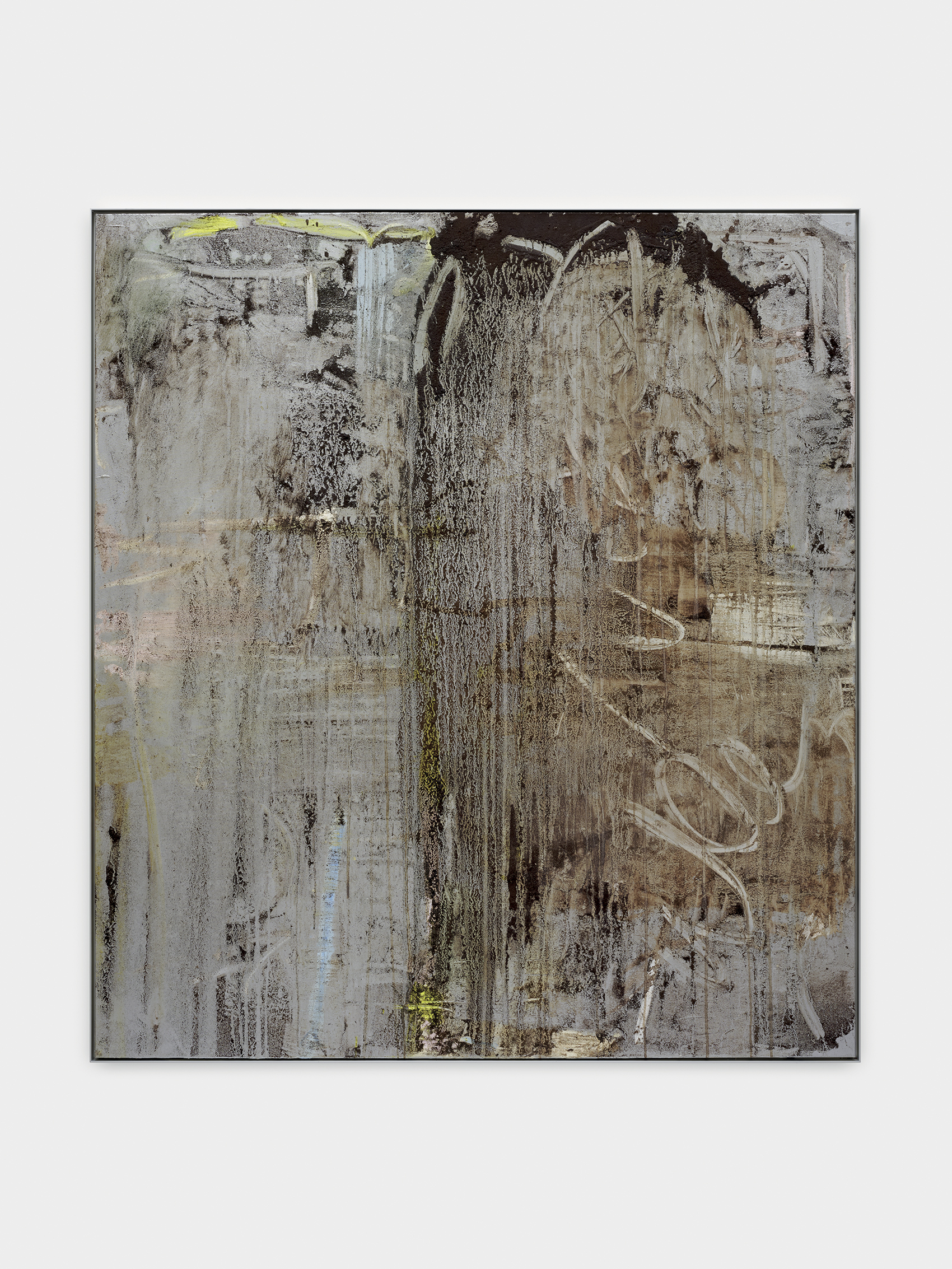
gentle ways of finding, 2025 Photo: Mareike Tocha
Courtesy: the artist and Jan Kaps
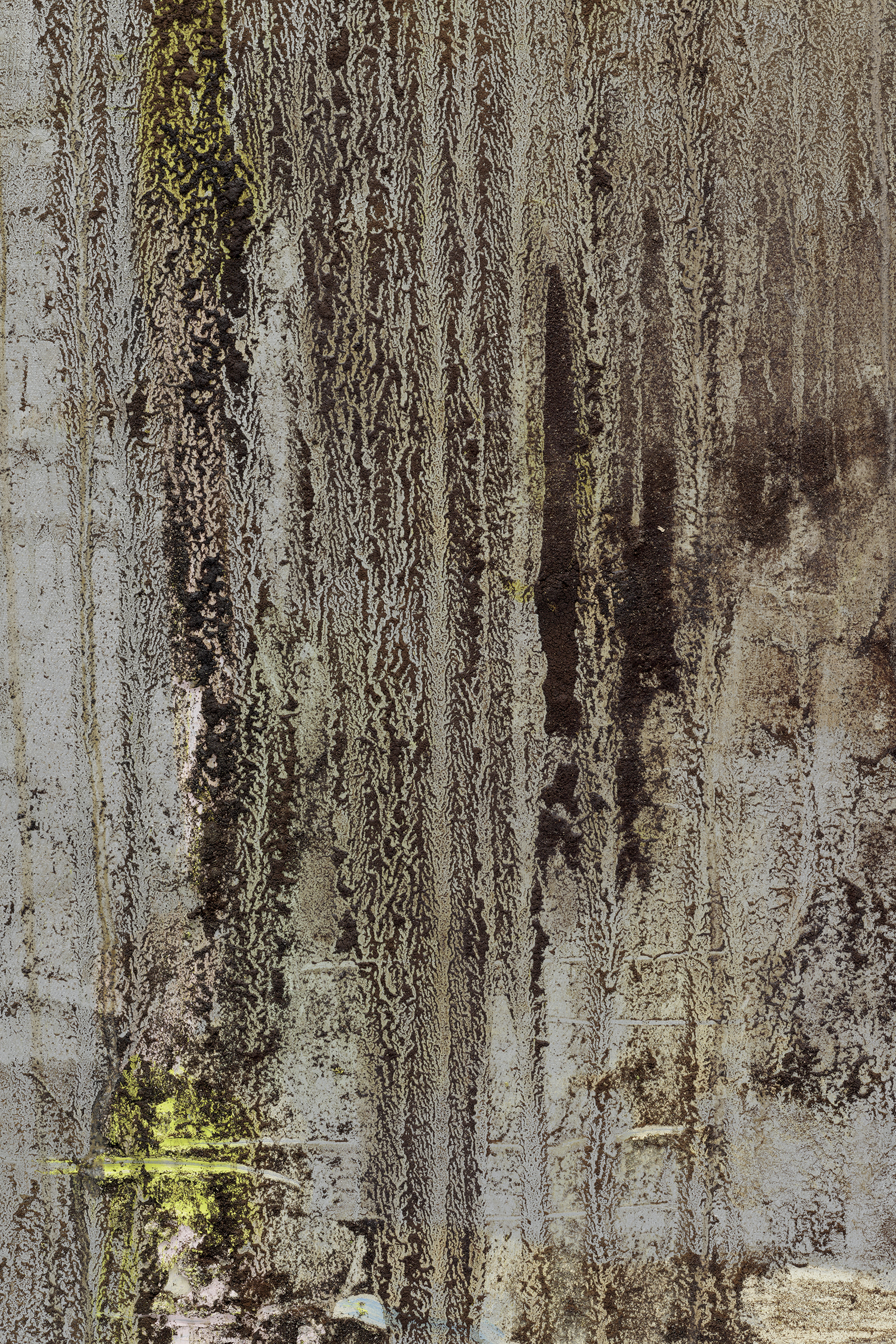
gentle ways of finding, 2025 Photo: Mareike Tocha
Courtesy: the artist and Jan Kaps
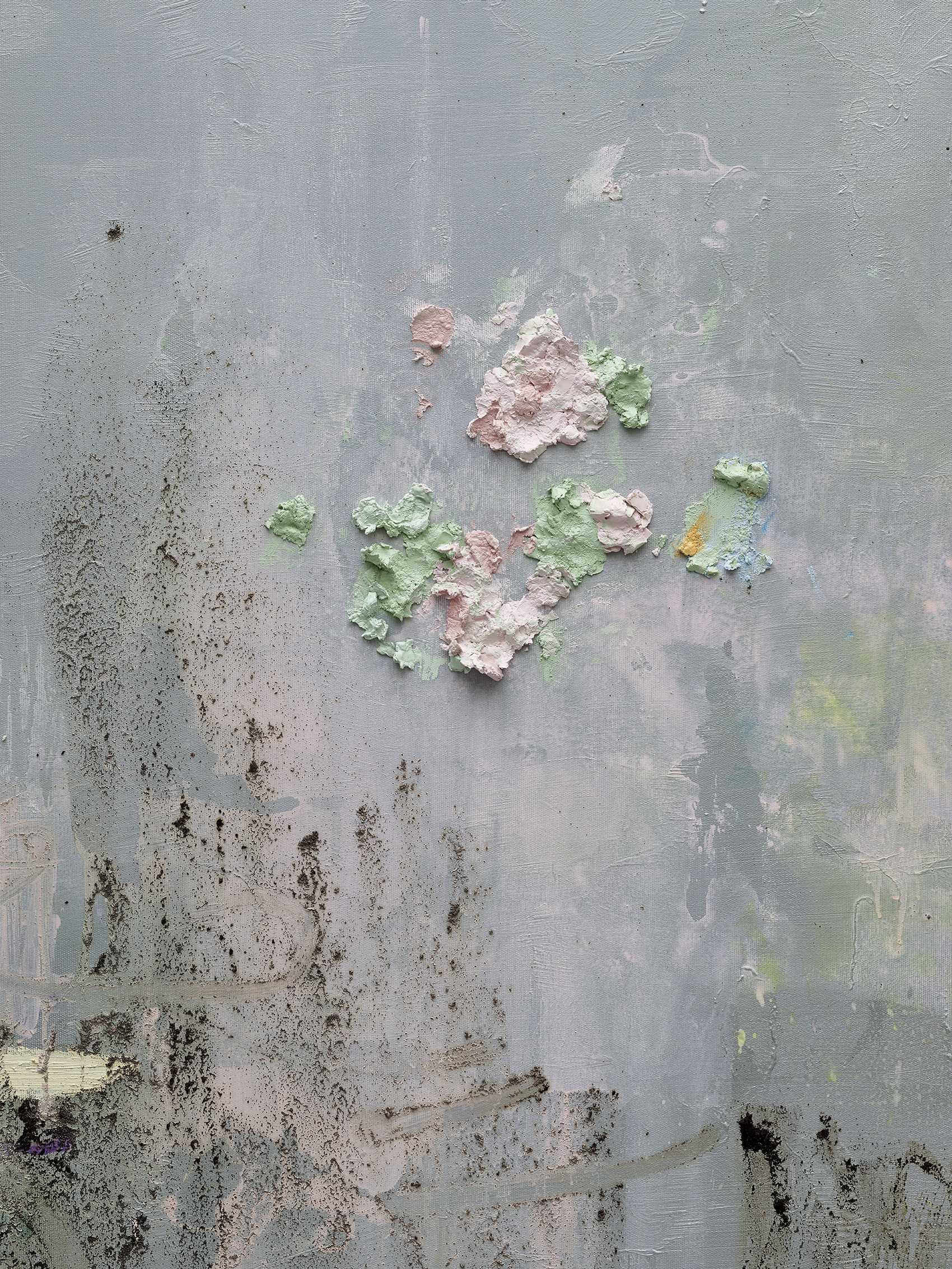
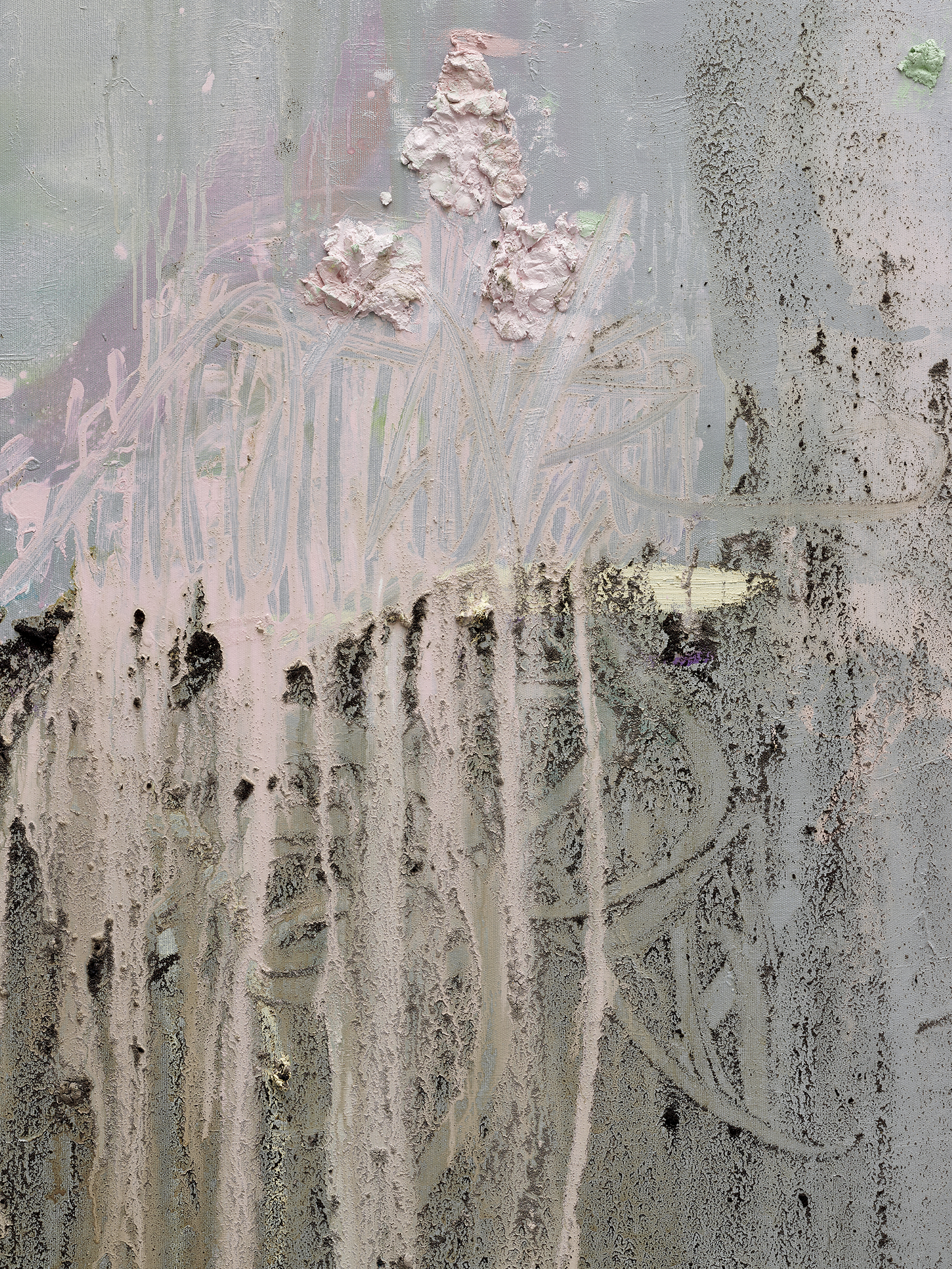
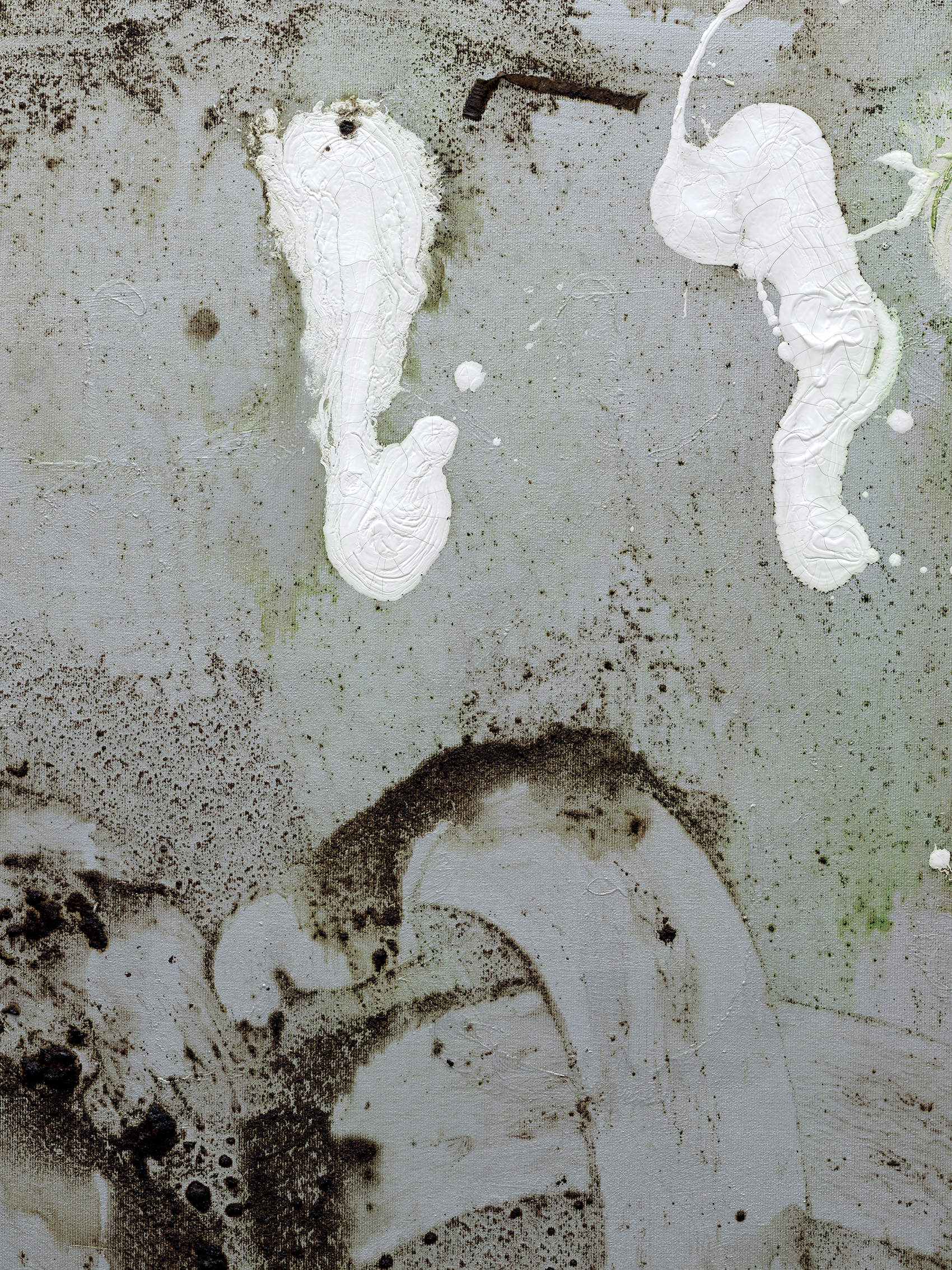
what remains of us, 2026 Photo: Mareike Tocha Courtesy: the artist and Jan Kaps
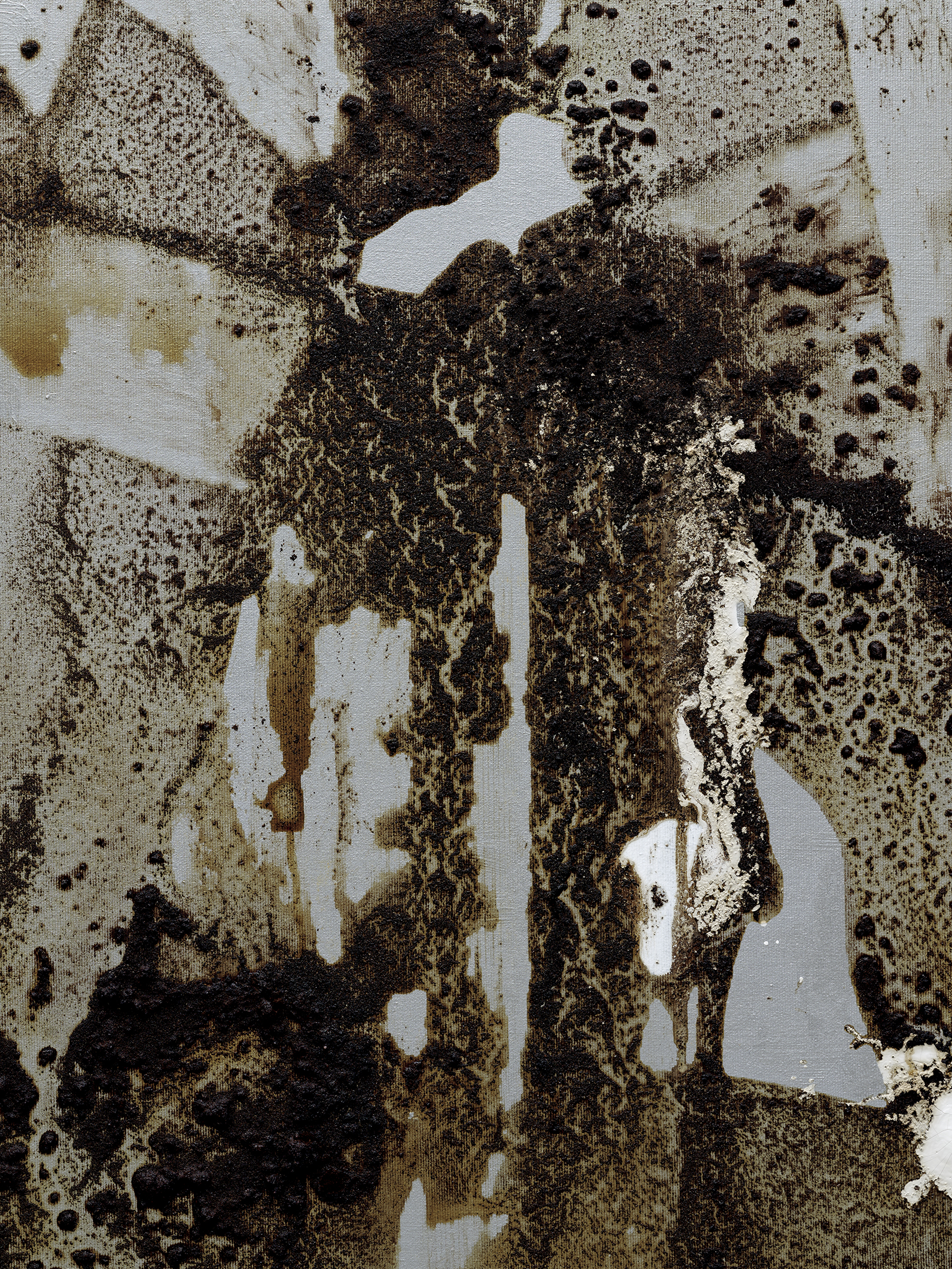
what remains of us, 2026 Photo: Mareike Tocha Courtesy: the artist and Jan Kaps
What you say reminds me of an essay Sohrab [Mohebbi] wrote that I come back to all the time. It was the intro to the exhibition catalogue for Searching the Sky for Rain (2019). He frames abstraction as a refusal of the institutional demand to render difference legible, posing the question of who is granted access to abstraction, and under what conditions. Reading your notes, I’m struck by a similar movement in your work: a shift away from identity as a site of representation toward abstraction as a way of loosening identification itself. Do you see abstraction in this new body of work as a form of epistemic refusal—one that resists both the instrumentalization of identity and the expectation of legibility—rather than as a retreat from political engagement?
Yes, that essay has stayed with me because it insists that abstraction is not an aesthetic escape, but a contested and unevenly distributed space. The question of who is allowed to abstract, and under what conditions, reveals how abstraction can function as a form of power rather than neutrality. In that sense, I see abstraction in this new body of work not as a withdrawal from politics, but as a shift in its terms. Rather than asking how identity can be represented, the work questions the demand for representation itself. Abstraction becomes a way of loosening identification by suspending the obligation to be legible. I understand this turn as a form of epistemic refusal: a refusal to continually translate experience into recognizable signs and positions. This is not a retreat from political responsibility, but an attempt to disrupt the economy of recognition and to open a space where meaning and difference are not fully captured by existing frameworks.
There’s also that unspoken expectation that artists working with Kurdish or diasporic histories must always testify. Does letting go of identity also mean stepping away from the role of witness, or does witnessing simply take another form?
What the Kurdish collective has endured, and continues to endure, is marked by deep pain. Oppression, loss, and dispossession generate anger—a profoundly human response. From my own family history, I know the loss of loved ones. The impulse to rise up, to fight, to be loud, is real. I see it in my family, in the broader collective, and within myself. At the same time, living from anger alone is exhausting. At a certain point, I began to ask whether there might be other ways of contributing, beyond resistance and accusation, as a deliberate choice: how can I become part of a solution rather than remain caught in a self-reinforcing dynamic? For me, one possible answer lies in cultivating peace within myself and allowing that state to move outward through the work. Engagement does not have to be driven solely by anger or opposition; it can also arise from openness, care, and inner clarity. From the outside, this can appear as distance—as if I were indifferent, or as if I were refusing the expected form of engagement tied to my background. But it is precisely this expectation that I want to question. I want to be more than a witness. The work aims to move beyond judgment, struggle, and fixed positions, toward another mode of presence. If this work is read as a spiritual retreat or as depoliticization, that reading says more about prevailing ideas of what political engagement should look like than about the work itself. For me, the political lies in the decision of how I choose to act and what kinds of energy I choose to circulate.
Coffee enters the work as both a gendered ritual and something almost cosmic. You reference your grandmother’s coffee-grind divination, but you reverse its function from reading fate to dissolving meaning. What does it mean for you to undo interpretation using a material that’s historically meant to produce it?
My grandmother’s coffee-ground reading was never just a form of fortune-telling, but a social ritual: a coming together, a collective production of meaning through interpretation. What interests me is precisely this implicit expectation of meaning. Coffee grounds are traditionally read, decoded, and translated into narrative. By reversing this function, I do not reject the ritual, but withdraw its teleological drive. Rather than asking “What does this mean?” the work asks “What happens when meaning is allowed to dissolve?” This shift fundamentally alters the status of the practice. Coffee becomes less a medium of prediction than a condition of suspension—a material that carries form, rhythm, residue, and presence without fixing them semantically. Through coffee, the formless is allowed not to be interpreted, but to become aware of itself.
You describe the coffee grains as “reversed stars, a dark Milky Way.” I’m curious about that cosmic language. Is it a way of expanding Kurdish ritual beyond cultural specificity, or of situating it somewhere pre-cultural, even pre-human?
For me, cosmic language is less a metaphor of expansion than a shift in perspective. By thinking of the coffee grains as reversed stars, I loosen the ritual from a purely cultural or ethnographic legibility without negating its origin. The aim is not to universalize the Kurdish, but to release it from the framework of cultural representation. The reference to the cosmic opens onto a timescale and experiential register that exceeds human attribution. In this space, the ritual loses its status as a sign or tradition and appears instead as a material gesture. What matters here is the notion of reversal: not a gaze directed upward, but a turning toward the dark, the near, the material. In this sense, the cosmic is neither escape nor abstraction, but a way of situating the ritual on a level where meaning is not yet fixed and experience is not organized through cultural categories.
Your notes return again and again to a paradox: if consciousness has no form, how can it be painted? Do you think painting can ever approach consciousness directly, or only create conditions in which it might be sensed?
Although space itself has no form, it is the condition through which all form appears. If the formless space were withdrawn from the hand that paints and from the canvas, there would be no gesture and no image. Form always depends on that which is itself unformed. The same is true of consciousness. Consciousness is formless, yet it is the ground in which every form appears. It does not give shape in an external sense; it makes appearance itself possible. When consciousness is aware of itself, of the canvas, and of formless presence at once, the separation between the one who paints and what appears begins to dissolve. The question then is not whether formless presence is represented. It is not. Rather, it is ensuring the painting happens at all. In painting, there is no image of consciousness; there is consciousness recognizing itself in the act of seeing, movement, and trace. In this sense, the canvas is not a surface onto which something is projected. It is a site of simultaneous awareness. The formless presence that seems to be “within me” is recognized, in the same moment, as that which also holds the canvas, the hand, and the emerging form. Not two levels, but a single movement: awareness recognizing itself.
You describe painting and resting in silence as anchors to you. Silence isn’t often spoken about as a material condition in art. How does it actually operate in your work, in the studio, but also for the viewer?
In the studio, silence functions as an anchor because it draws me out of reactive thinking. It creates a field in which attention can settle, allowing decisions to emerge not from urgency or interpretation, but from a more attuned perception of what is present. Painting and resting in silence are closely linked practices: both are ways of staying with what is there. Within the work itself, silence operates structurally rather than symbolically. It appears through rhythm, restraint, repetition, and through what is deliberately left open. Silence creates space around form and prevents meaning from becoming overdetermined. For the viewer, silence is not something to decode, but something to enter. It slows perception and shifts attention away from recognition toward sensation. In this sense, silence becomes a shared condition—not imposed, but offered—in which both making and viewing move closer to a mode of listening rather than interpretation.
Since 2014, you’ve built an extensive archive around the Kurdish community. Burning that archive is a rather violent gesture. What does destruction allow that preservation never could, and how do you prevent that gesture from tipping into spectacle?
What is burned is not the archive itself, but a duplicated, functional version of it. I use it as a tool within an ongoing practice rather than as a document to be safeguarded. The gesture allows a shift away from fixation and control—from the archive as something to be held and managed toward the archive as something that can change state. This is not about negation, but transformation. The act interrupts the logic of permanence and availability that archives inevitably produce. It opens a different relation to memory—not as possession or proof, but as movement. The gesture avoids spectacle precisely because it is not staged as an image or climax. What matters is not the act of burning, but the change in orientation it marks.
It’s interesting that you chose to speak about transformation rather than destruction. For viewers who encountered your earlier work and perceived it as a form of safeguarding, how do you communicate that letting go of the archive isn’t abandonment?
For viewers who encountered my earlier work, the risk of misreading is real. I try to address this through continuity. The care that informed the earlier archival work remains present, but it operates differently. Rather than safeguarding culture through accumulation, the current work asks whether care can also take the form of trust—trust that history does not only persist through holding, but also through release. The archive is not erased; it lingers as structure, rhythm, and residue. Letting go is framed not as a break, but as a shift in ethical stance: from securing history to staying in relation with it without fixing it in place. Seen this way, letting go is not abandonment, but a more exposed form of responsibility.
While reading your notes, I kept thinking about this novel I read recently Good Girl by Aria Aber. It’s a coming-of-age story where identity is something the protagonist deliberately keeps unstable, or even obscures, in order to follow her aesthetic ambitions, even as that instability starts to shape everything else. I felt a similar tension in your work: a desire to step away from representation without stepping away from history. Does that resonate with you at all? And do you think of disappearance (of the self, of narrative) as a form of agency?
Yes, that tension resonates strongly with me. For me, the task is to give history its rightful place without anchoring myself in it or being overtaken by it. Not to disappear from history, but to avoid being fully captured by narratives of belonging, identification, or inherited roles. What I’m interested in instead is cultivating access to an impersonal presence, and art has become a channel through which I approach that space. Again, the question arises: do I need to accumulate more knowledge, belief, or interpretation to get there, or do I need to let go in order to clear what has always already been present? A recent personal experience made this tangible. Sitting at the kitchen table with my father, he made a dismissive remark about my aunt, framed as a moral judgment. At first, I couldn’t take it seriously. I sensed he didn’t fully believe it himself—that his role compelled him to speak that way, perhaps even that it gave him a sense of authority. I remained present. Then identification crept in. Suddenly, I was no longer in the presence but inside a drama, responding as an emancipated woman who could not let such a view stand. I reacted sharply. The exchange escalated and moved into messages. Even as I saw that I didn’t need to take it seriously, I struck at something he was attached to—his pride, his self-image. It ended with a message saying, “Don’t ever write to me again.” When I received that message, parts of me still couldn’t take it seriously. At the same time, something more vulnerable surfaced—a younger part reacting with anger, another rebelling against the familiar condition that relationships are maintained only as long as one functions. Relationship under condition. Returning to silence, I could see his identification, his fear, his pain. I felt empathy. I could accept that questioning the person he has constructed for himself—the threat of real change—felt so destabilizing that exclusion seemed safer than transformation. I’m not telling this story to assign blame, but because it revealed how quickly I, too, slip from presence into identification. This is where the question of disappearance becomes important. I don’t understand disappearance as withdrawal or erasure, but as a form of agency: the capacity to step out of narrative, reaction, and role. Not disappearing from relationship or history, but refusing to be fully determined by them. It is a quiet agency, one that doesn’t rely on explanation or visibility. In this sense, art becomes a practice of holding that space open—not illustrating history, but staying in relation to it without being anchored by it. Not abandoning narrative, but loosening its grip. Disappearance is not an endpoint, but a way of allowing another mode of attention to emerge, in which history is present without being totalizing, and agency arises from presence rather than representation.
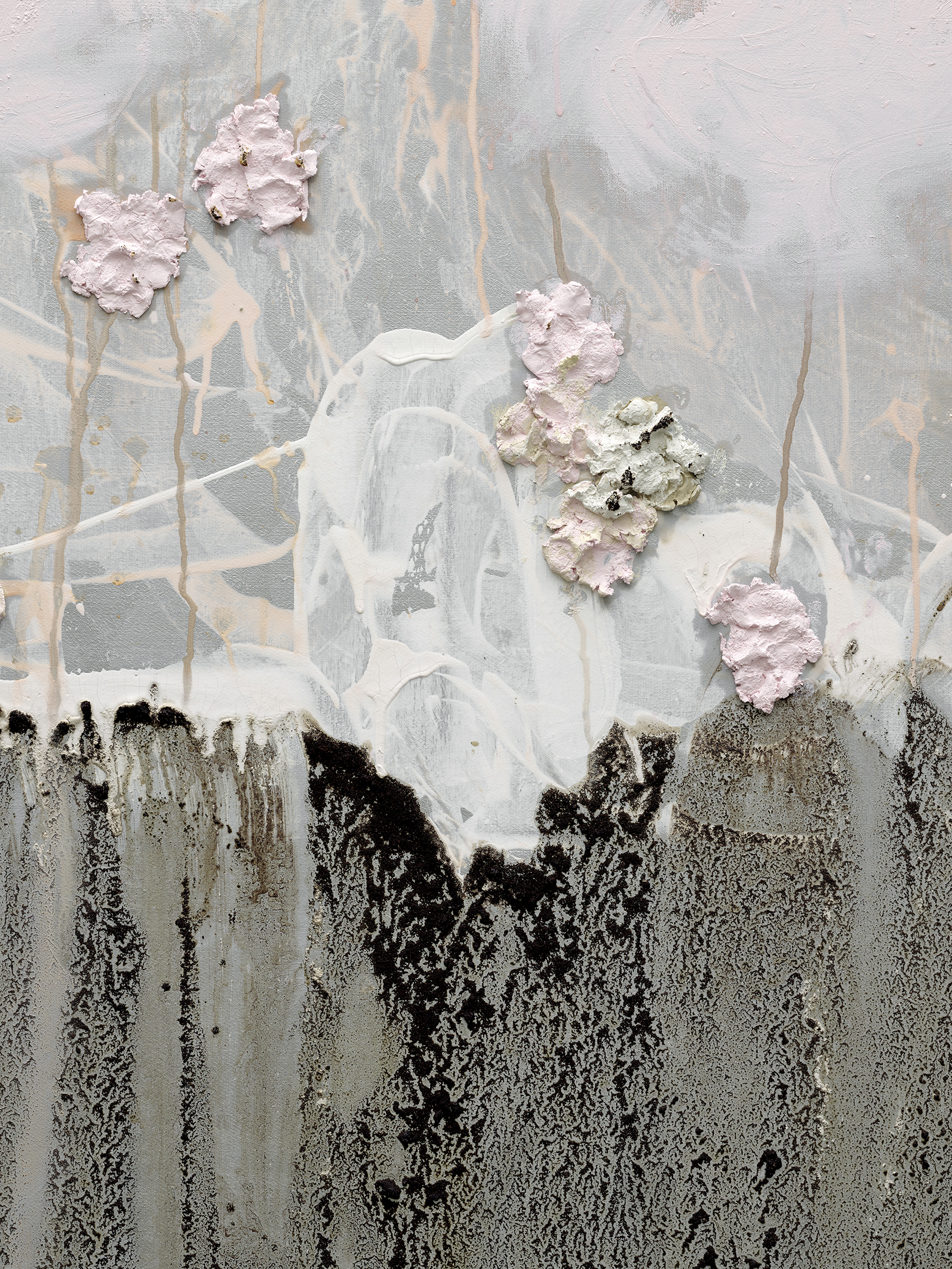
vita, 2026, Photo: Mareike Tocha
Courtesy: the artist and Jan Kaps
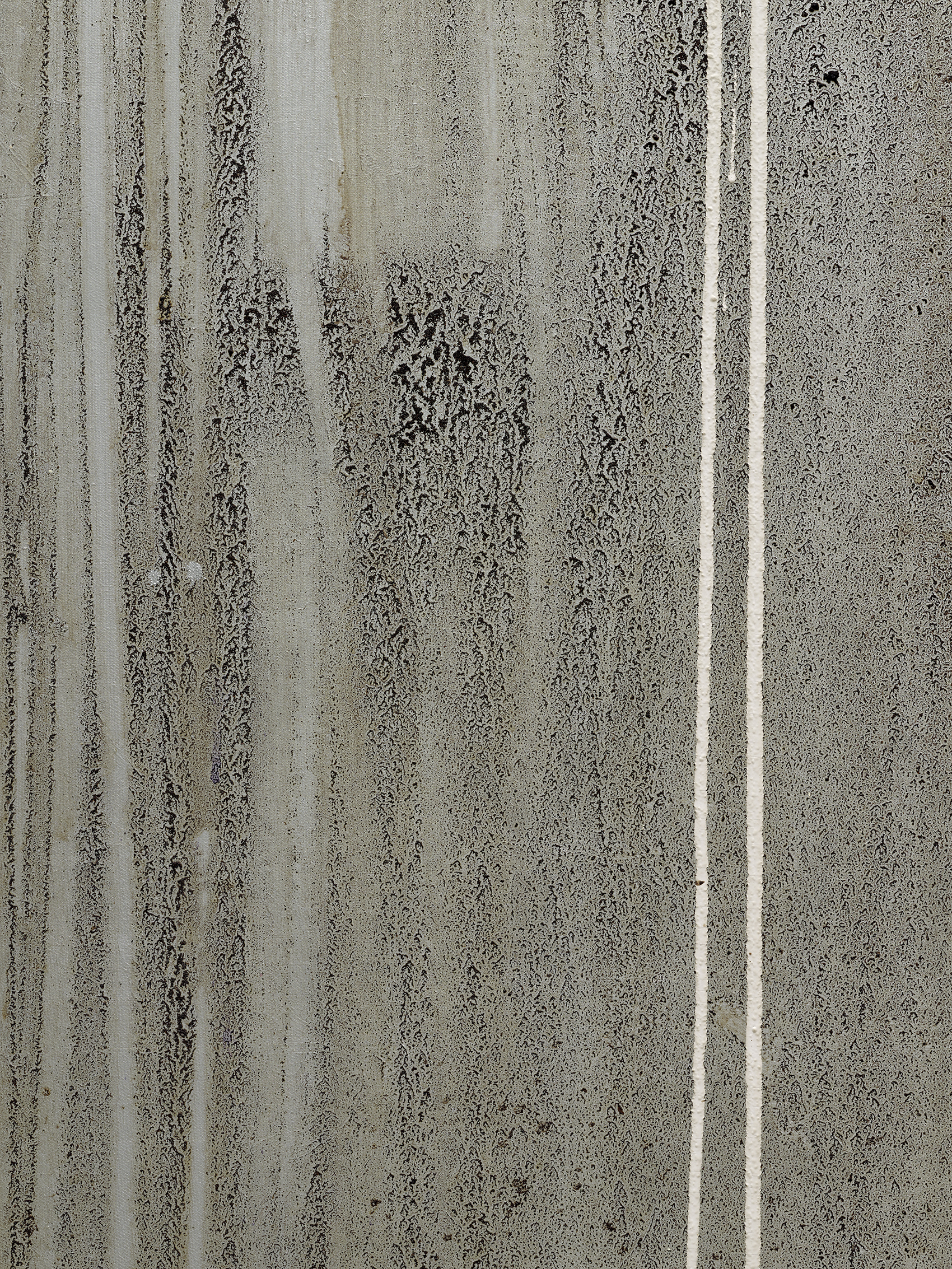
vita, 2026, Photo: Mareike Tocha
Courtesy: the artist and Jan Kaps
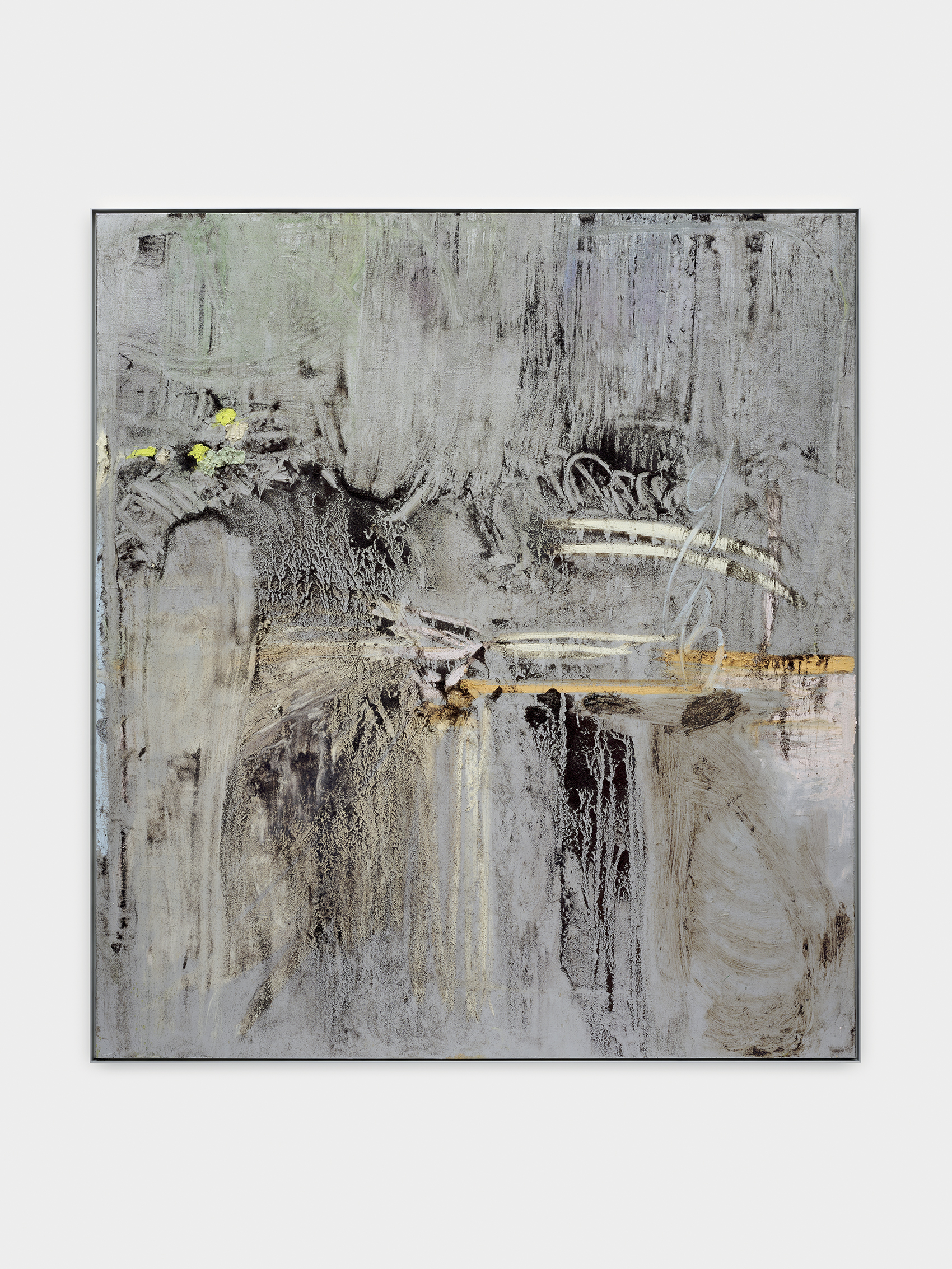
salt for the heart, 2025 Photo: Mareike Tocha
Courtesy: the artist and Jan Kaps
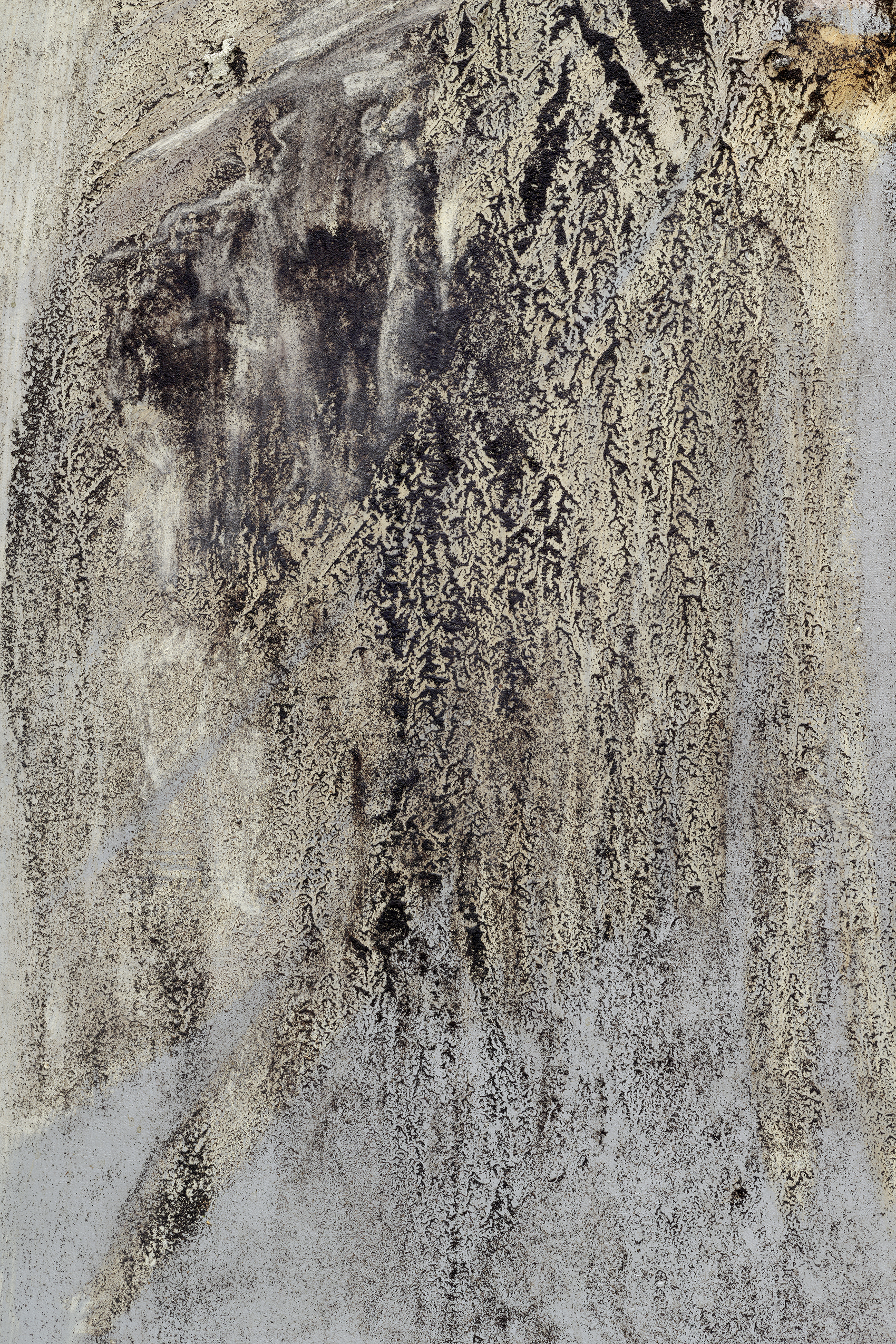
salt for the heart, 2025 Photo: Mareike Tocha
Courtesy: the artist and Jan Kaps
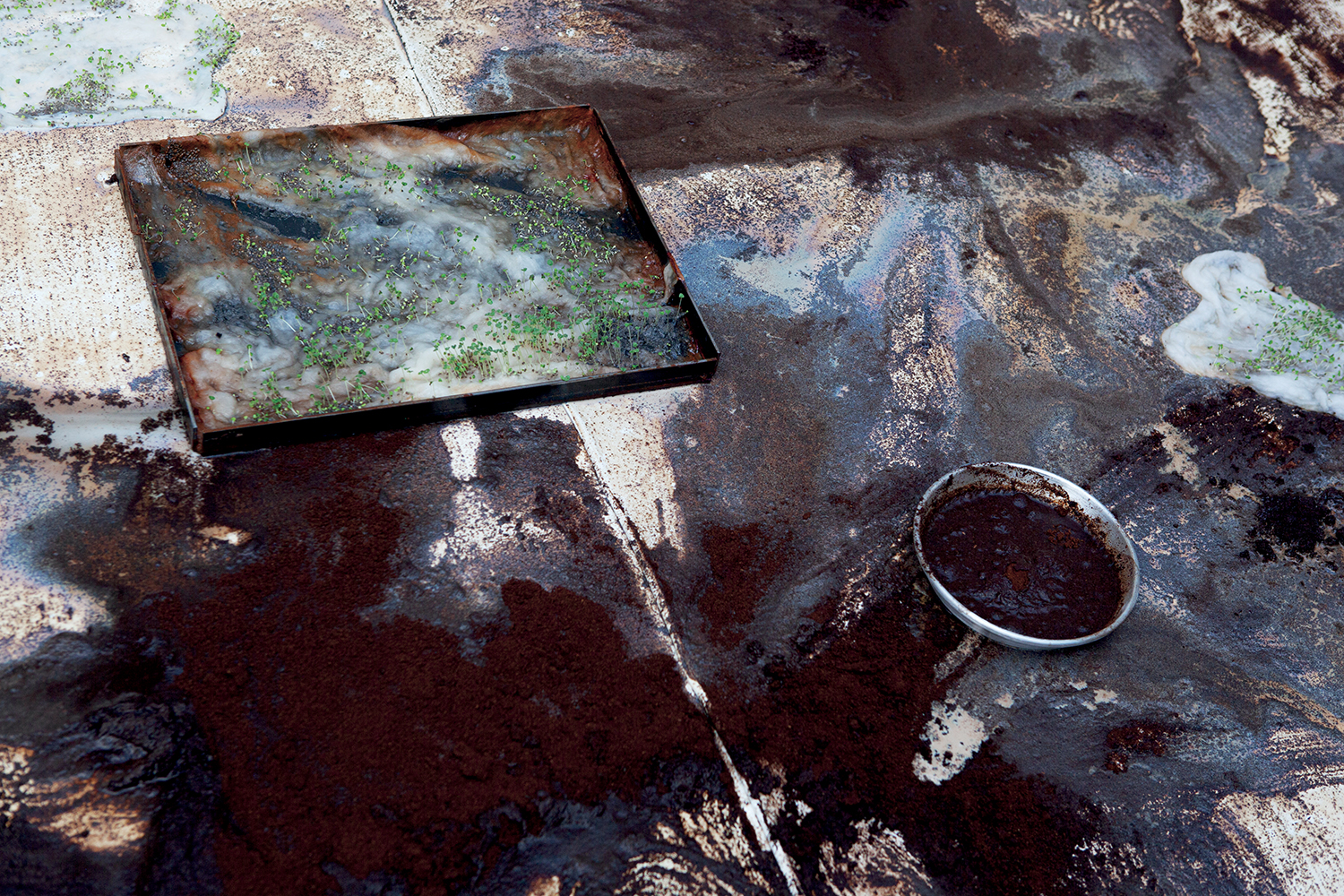
studio shots, 2025, Photo: Şirin Şimşek Courtesy: the artist
Melike Kara
in Conversation with
Myriam Ben Salah
CURA. 46
Soft Power
MELIKE KARA (b. 1985, Bensberg, Germany) lives and works in Cologne. Her work has been exhibited internationally, including at: MO.CO. Montpellier; SCHIRN Kunsthalle, Frankfurt; Kunst Halle Sankt Gallen; Kunsthalle Zürich; Kunstverein Düsseldorf; Philara Foundation, Düsseldorf; Frac des Pays de la Loire, Nantes; Mead Gallery | Warwick Arts Centre, Coventry; Neue Galerie Gladbeck; Ludwig Forum Aachen; Kölnischer Kunstverein; WIELS Contemporary Art Centre, Brussels; Kunstverein Göttingen; Yuz Museum, Shanghai; and Dortmunder Kunstverein.
MYRIAM BEN SALAH is the director and chief curator at The Renaissance Society in Chicago. In 2026, she is the curator of the French Pavillion of the 61st Venice Biennale.