in conversation with Giulia Civardi
CURA. 43
Coming of Age

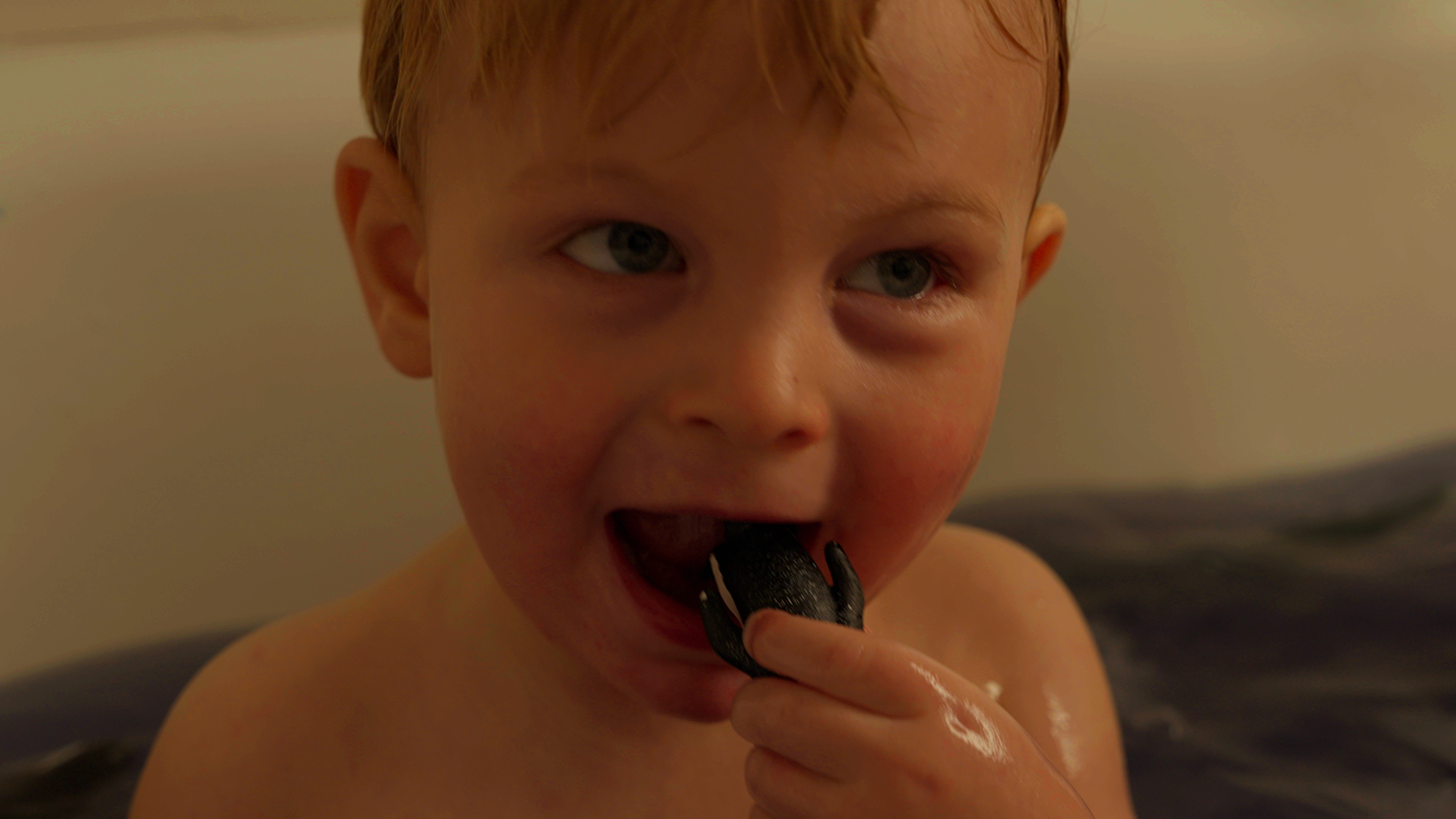
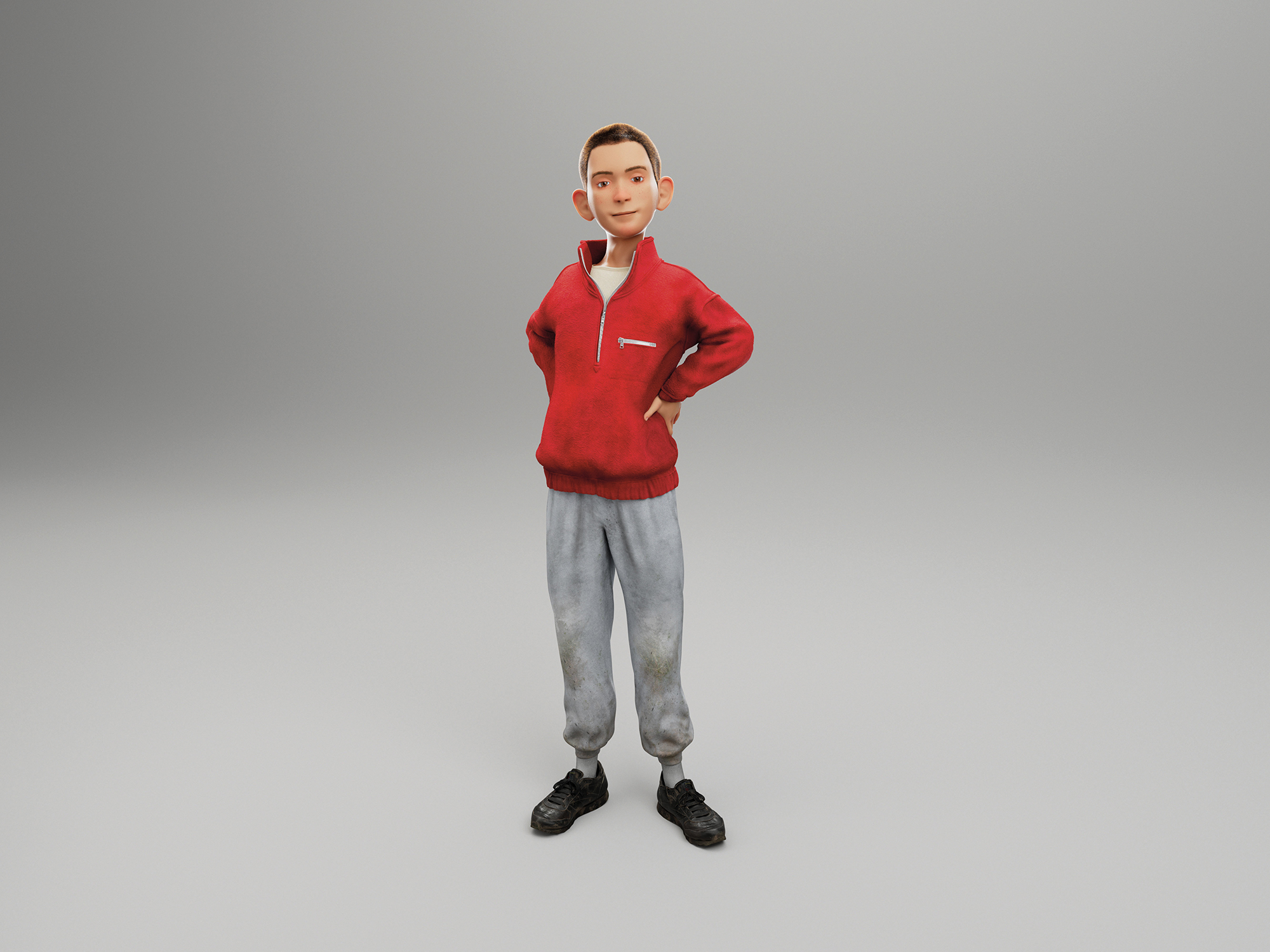
On Venus (installation views), Serpentine Galleries, London 2019-2020 Photo: Hugo Glenndinning
Courtesy: the artist, Commonwealth and Council, Los Angeles/Mexico City and Galerie Sultana, Paris
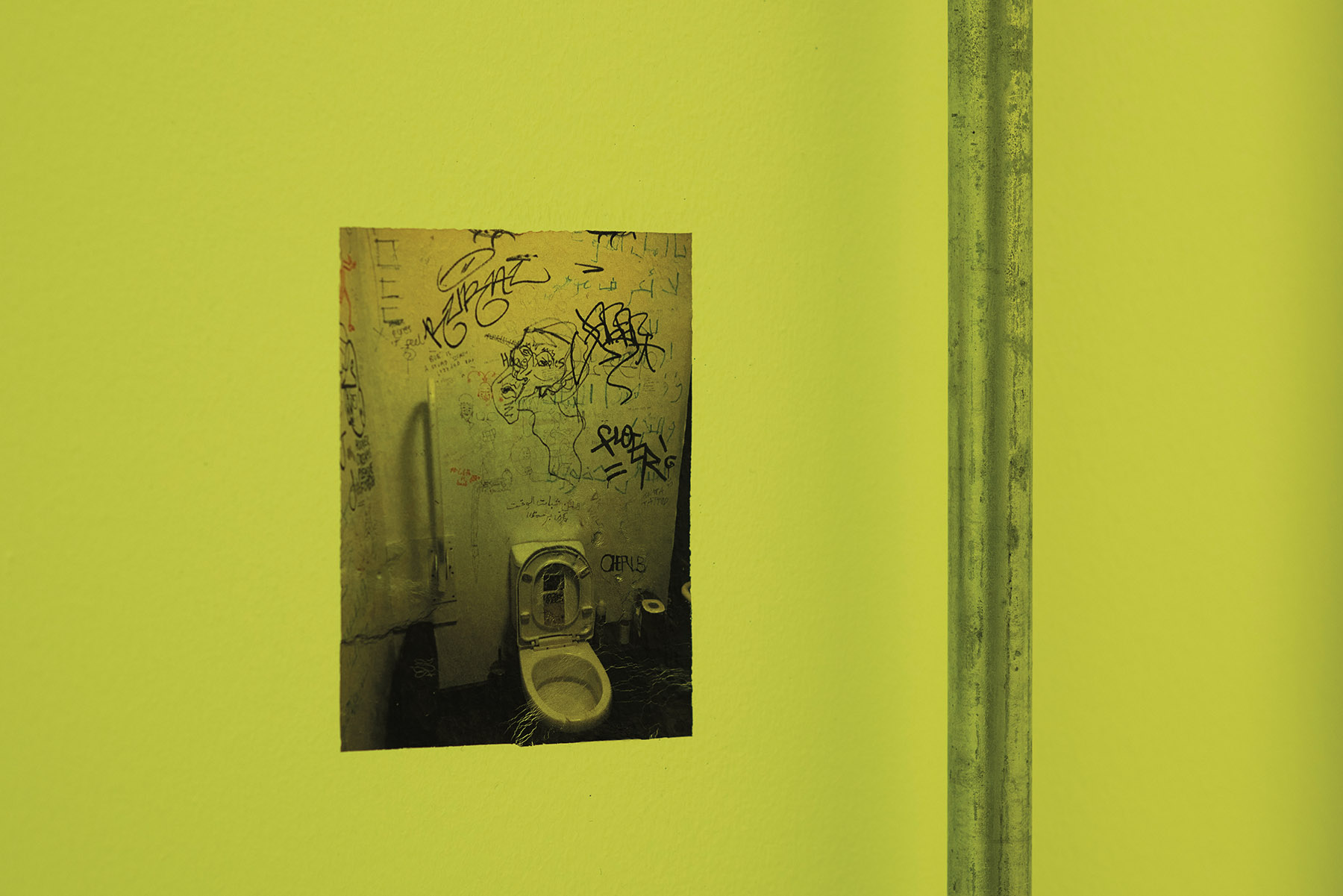
On Venus (installation views), Serpentine Galleries, London 2019-2020 Photo: Hugo Glenndinning
Courtesy: the artist, Commonwealth and Council, Los Angeles/Mexico City and Galerie Sultana, Paris

On Venus (installation views), Serpentine Galleries, London 2019-2020 Photo: Hugo Glenndinning
Courtesy: the artist, Commonwealth and Council, Los Angeles/Mexico City and Galerie Sultana, Paris
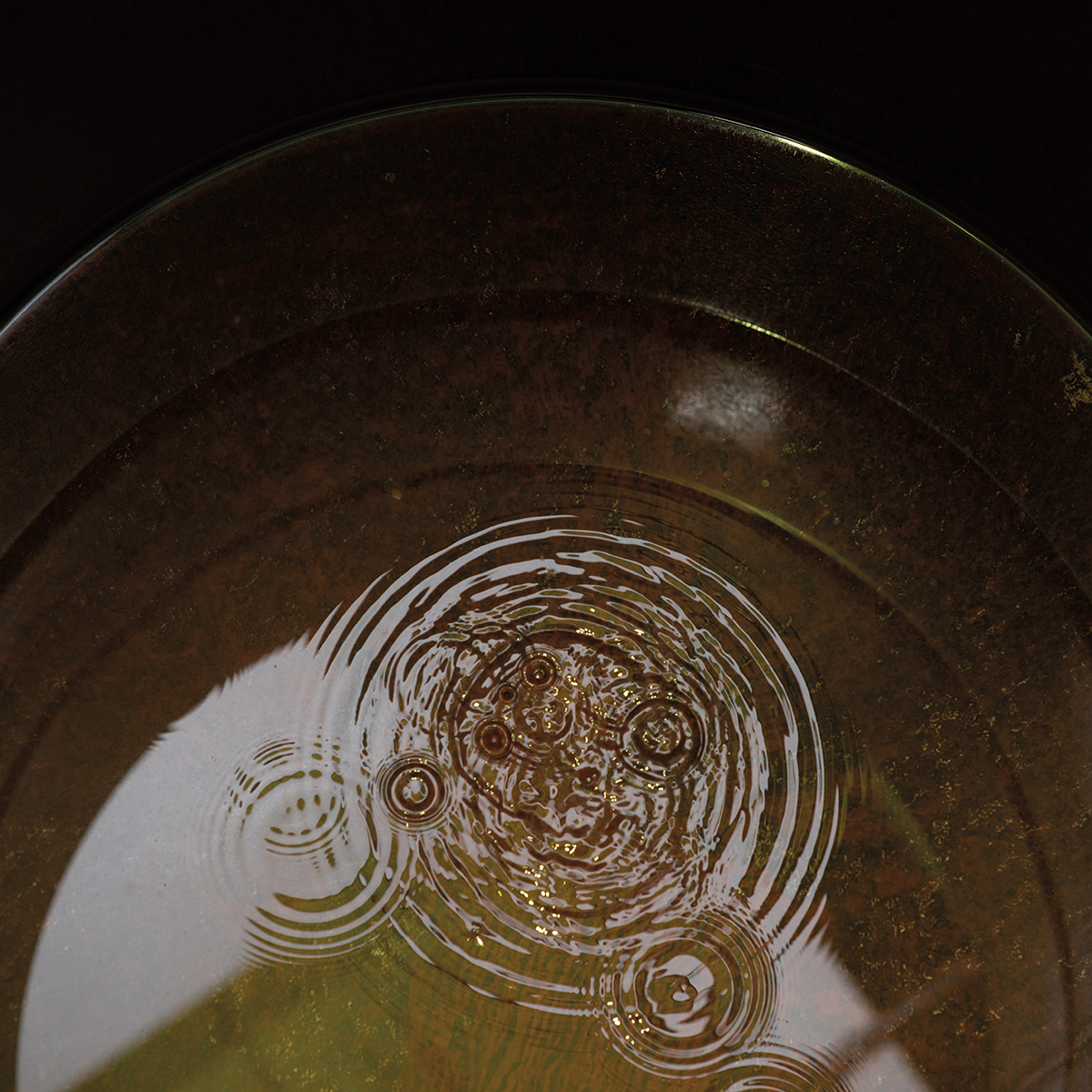
On Venus (installation views), Serpentine Galleries, London 2019-2020 Photo: Hugo Glenndinning
Courtesy: the artist, Commonwealth and Council, Los Angeles/Mexico City and Galerie Sultana, Paris
GC It is ironic how CURA. asked us to talk about ‘coming of age’ right after we joked about the fact that the world may be experiencing a midlife crisis. When I saw you in the spring of this year, we talked about transition periods, transformation, and growth, which, for us, had to do mostly with migrating. Where are you at this moment?
PS I’m in LA and about to return to London for a while. The conversation that you reference was also about the fact that I’ve been in LA for 10 years now, and how that feels like a marker of some kind. In the context of my work, I’m trying to understand how the last decade might have affected it. I sometimes strive for a sense of timelessness in my work, but somehow know that that’s impossible. But I also try to resist becoming overly entranced by the present. Maybe that’s where I’m at now: trying to evade the contemporary.
GC I’m into this idea of timelessness. Coming of age implies being in transition, but also having set traits that make this phase recognizable as a legal convention or an aesthetic. If I think of moving image, film, and performance (central elements to your practice) I recall countless films and series. From Truffaut’s Les Quatre Cents Coups, to Dazed and Confused and Araki’s Mysterious Skin, to more recent ones like Moonlight, Sex Education, and Euphoria. Are there characters that inform your way of thinking about a subject in transition? Were you into this genre?
PS It’s interesting looking at your list. I’ve watched all of these. You realize it’s everywhere, but it makes me think of failure. There is a horror to realizing one’s inability to come of age—transitional moments in our lives can be incredibly underwhelming, or just don’t ever happen at all. I think queer and trans people have a markedly different relationship to the idea of coming of age. There can be a huge amount of angst involved with recognizing that these promises, or these tropes, are not going to be fulfilled. It can be freeing too. I love that genre is so easy to hijack. Some of my older video works really take the fertile ground of cinematic convention and genre, and use that familiarity of form as a point of inspiration and antagonism.
GC And in terms of influences showing up in your work?
PS Sometimes, I enjoy revealing them, but more often than not, I like that ‘if you know, you know’ vibe. Quite a few of the reviews for my show at Kunsthalle Basel caught them—Georges Franju, Nina Hagen, British Industrial music, and FromSoftware. I read a lot of sci-fi. I played in bands for years. Growing up I was a video game nerd, playing video games that were hundreds of hours long with long convoluted stories and mythologies. Sometimes the work references characters or titles or influences from these games, and it’s always a sort of giddy glee when someone catches it. Some of those video games had a really intense impact on my life.
GC Are you still playing video games?
PS Yes. A bit obsessively. Outside of art, it’s maybe my most intense interest. I am underwhelmed by artworks that try to riff on gaming in a very blunt, direct way. But it’s like any other form of media where you can cultivate an overly intricate relationship to its forms, its history, its genre and tropes. In that sense, it’s no different from cinema, music, writing, or art.
GC It’s worldbuilding.
PS Exactly, and it’s a cumulative process. A lifetime of being committed to a medium. But I like to go anarchic with the media I consume, super high and low. I’m a rabbit-hole obsessive consumer. It is my favorite thing to do, get deep in an interest, exhaust it.
GC Looking at your works that include text fragments or words, I think of a passage by Alexis Pauline Gumbs: “we would like it if you broke sentences and gave us more life than you or we were told could be contained.” You’re creating an aesthetic language that becomes both a container and opens things up. Can you tell me about your relationship with language and corporality?
PS I’m often reveling in how unsatisfying it is, perversely enjoying the insufficiency of language. Failure before I have even begun. I have been thinking a lot about pain. How we narrate it, how we make an account for ourselves, the slip between feeling-sensation and emotion. I’m not a phenomenologist by any means, but it exists uniquely in our consciousness. It is connected, of course, to damage. The damage of tissue. But it’s also learned. It’s felt, in all the possible senses of the word. And in it, we are failed by language, constantly. The poetry that I’ve written often takes the same sets of phrases and rearranges them, shifting the syntax or splitting a phrase in the middle to change its meaning. I’m usually trying to emulate the cadence of how I talk or how a phrase feels to read aloud. I’ll keep repeating it until I’m exhausted. Some of the same phrases repeat through different poems, obsessively. Similarly with video works. I cut and then come back again, trying to feel the rhythm of it physically. I am happiest when a work elicits a physical sensation. Goosebumps, anxiety, hypervigilance, soporifics. I like to feel the violence of it. La Nuit Américaine, for example, is composed entirely of rhythmic editing and in-camera effects—the simulation of day as night. It is a way to think of the violence of time and of the present, the quotidian or the day-to-day. There’s nothing more horrifying than the sun rising and setting every day. The relentless marching on of time. Repetition being a place of particular horror. I feel this is why we have all these invented phases of life: childhood, adolescence, adulthood. It’s like trying to use language to give structure to what is actually total chaos, an uncontrollable stream. We have a far more complex relationship with time than we allow ourselves. And I really think of all the work I make as being time-based.
GC In what way?
PS It comes in part from studying with Ian White, but also from the sense that time is a fallacy. Or untrustworthy. You could dance the same dance work 10 times over and it is absolutely different every time, and so is the encounter in the gallery. You can sit with a giant slab of marble that seems unmoving, but it is like constantly transforming and you are too. The interventions that I want to make into galleries often are a desire to intervene into time itself, and I feel that this is what La Nuit Américaine was about: chronoplasticity, chronoterrorism.
GC Can you tell me about your coming of age as an artist?
PS In a very naive way, as a child, I internalized the idea that artists didn’t live the same way as everyone else. They lived somehow outside of normative expectations. I was really horrified by the mundane world, sitting and watching the adults around me. Art seemed to create this ineffable change to social order. Sometime in the late ’90s, Rodin’s The Kiss was moved to a town hall a few hours from where I grew up. It seemed like a big deal, though I didn’t really know why at the time. We had to drive for what felt like forever to go and see it. I wasn’t compelled by the sculpture at all, but I remember being so curious, or confused, so intensely, by the idea that this was meaningful to people and that we had to make this pilgrimage to it. I had a neck or a back injury at the time, I forget which. I remember being in pain, bored, watching the people watching the sculpture doing nothing. It changed everything somehow. It was a completely pivotal moment, but not in the way it should have been.
GC You mention this event as if it were a collective ritual where you all gathered and went to see a somewhat sacred object. And because you mention pain, I think of your film Depollute (2018), which we presented at Gianni Manhattan for Curated By in Vienna last year, because that also felt like a transformative transition.
PS As you were talking, I thought of how ritual is often something very boring. We are promised a more dramatic or transformative experience, which is inherent to the coming-of-age genre, but are surprised by how disappointing it is. Transition itself is often not that spectacular. It can be quite underwhelming. Depollute plays in the gallery only on request. It’s short and silent, though it has a flicker film with a colorful strobing quality. It’s aggressive. The film is basically a set of instructions on how to cut out your testicles. The original genesis of it was that the act of performing an orchiectomy on yourself is quite common, people do it a lot, but for various medical and legal reasons, the exact instructions or guidance for how to do it is often suppressed. If you are on an internet message board for trans/trans-feminine people, any posts with discussions around how to do an orchiectomy on yourself are removed immediately. I read clinical discussions on the importance of restricting information on self-surgery. I was interested in that line between bodily autonomy and institutional access, the interplay of power.
GC It’s a way to reclaim space and liberation in coercive structures. You once defined the gallery as a safe space to feel unsafe. Do you see other such spaces besides institutions?
PS There are lots of contexts where we experience feeling unsafe in a relatively safe way, whether it’s a rollercoaster or a horror film. Simulations of fear, terror and pleasure all crash into each other. I like it when a work asks for a certain level of vigilance. You have to maintain a sense of awareness. I don’t love a barrier or a stanchion. I like it when the work taints the institution. I want to make shows that have a vibrational level of dissonance or discomfort, that demand a higher level of physical awareness. For example in the work Acid Rain For– (2019–onwards) where acid is dripping from the ceiling. I like works that elicit the need to constantly spatially locate ourselves. I am trying to erode resistance in a way. I so often catch myself holding an experience at arm’s length, always aware of where the exit is, always maintaining the psychic spatio-distance between me and the experience. So I’m trying to fight that. In the recent holographic works I have been making, you walk away and still see the shapes blinking in your eyes. The work burns itself into your retina. There’s an element of sadism. I have forced my way into your body.
GC What are the feelings, motives or needs that accompany your work? What drives you?
PS I am often driven by this idea of raw nerves or being rubbed raw, the heightened sensitivity of being touched too many times, and how sensitivity can be a political, poetic and sensuous demand. I guess I’m a sensitive person. I want the work to have that kind of corrosive feeling. You’re trying to figure out how much of it you can handle.
GC Did some people find your work too triggering?
PS I don’t think so. Perhaps sometimes they expect a bigger feeling, something louder, that when I talk this way it must automatically mean I’m trying to shock you. I find that the slow creep or the peripheral is often what troubles me for longer. The video On Venus features a lot of animals being killed, and I think there is an expectation that I must take a moral position on that. I am more interested in longing, attachment, our attachment to life and our complex investments in living and dying.
GC It’s fascinating how the work invites the audience/viewers/visitors to hold conflicting emotions or reactions, to face ambivalence and dissonance.
PS Often in the art world, there is a covert demand for coherence. We don’t like to admit it, but illegibility is not often well-received, for various reasons. I notice a lot with queerness and transness, there’s an expectation to make a legible account of oneself. They love it when you prostrate. Often that performance of legibility is just a conduit for the institution, or whoever else, to telegraph their politics, their benevolence. I hate it.
GC I agree, it’s a difficult balance to strike, and I guess that’s why you engage with other contexts that feel more ‘real’ and are guided by necessity, not by an institutional/political agenda.
PS What is a life well lived? What kind of death are we granted? Spending time recently studying and volunteering in palliative care and death work changed things for me. I grew up with both my parents working in elderly people’s homes, hospices, and care homes. The recent discourse around care is so alienating. Care work is full of slow habitual violence, yet this idiom that it is the antidote to violence gets repeated over and over. This idea that care is going to save us all feels deeply naive. The process of dying can be very uneventful and deeply unspectacular, but that is the real coming of age.
GC What’s coming for you in the near future?
PS My desire is for the work to operate on the most streamlined of means. I am always trying to turn up the intensity. How can I be more brutal with less? And where can you locate the subtlest of shifts to feel the most confrontational and raw? It’s probably impossible to do; say less, do less, feel more hardcore.
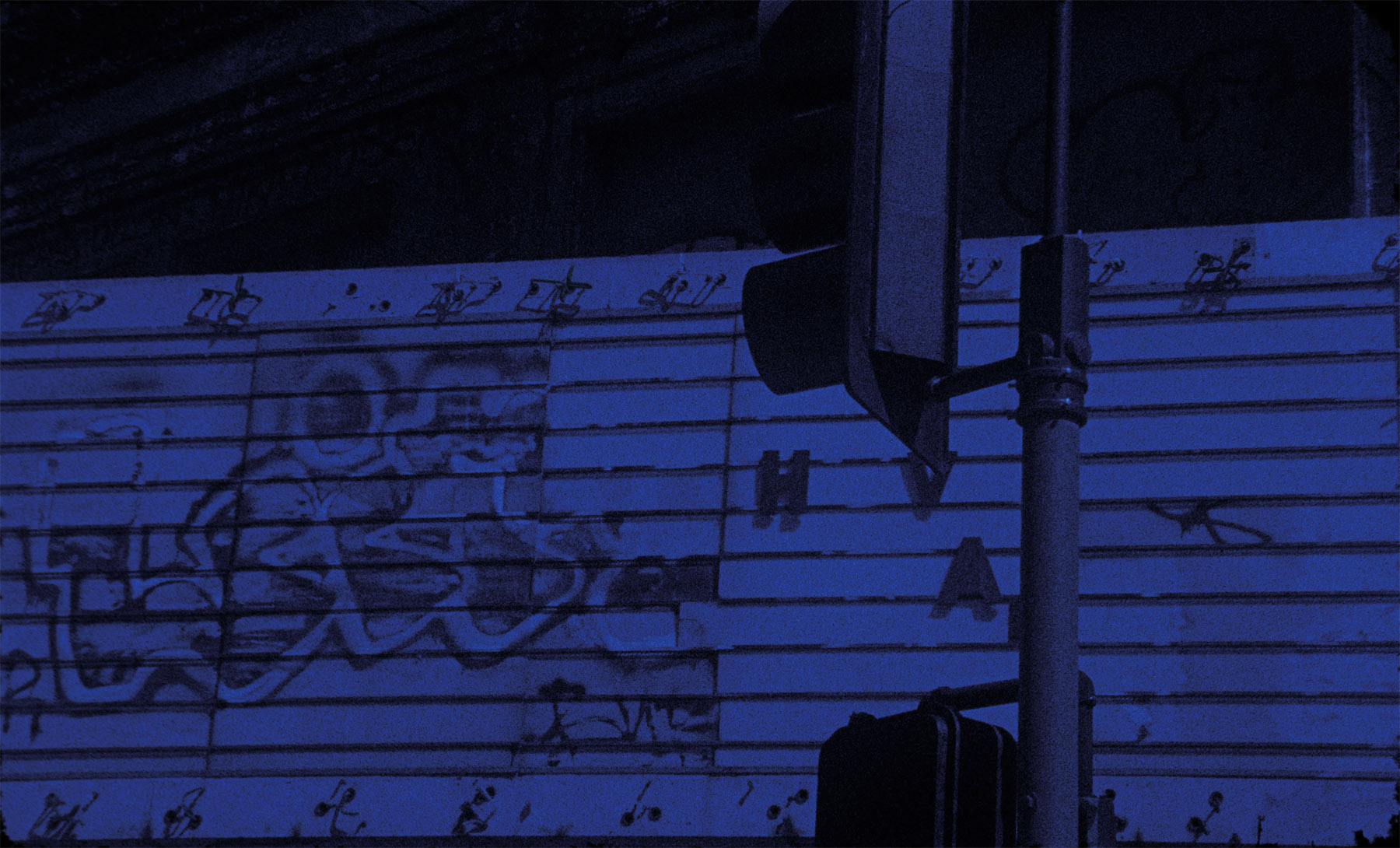
La Nuit Américaine, 2023 (video stills)
Courtesy: the artist, Commonwealth and Council, Los Angeles/Mexico City, Galerie Sultana, Paris

La Nuit Américaine, 2023 (video stills)
Courtesy: the artist, Commonwealth and Council, Los Angeles/Mexico City, Galerie Sultana, Paris
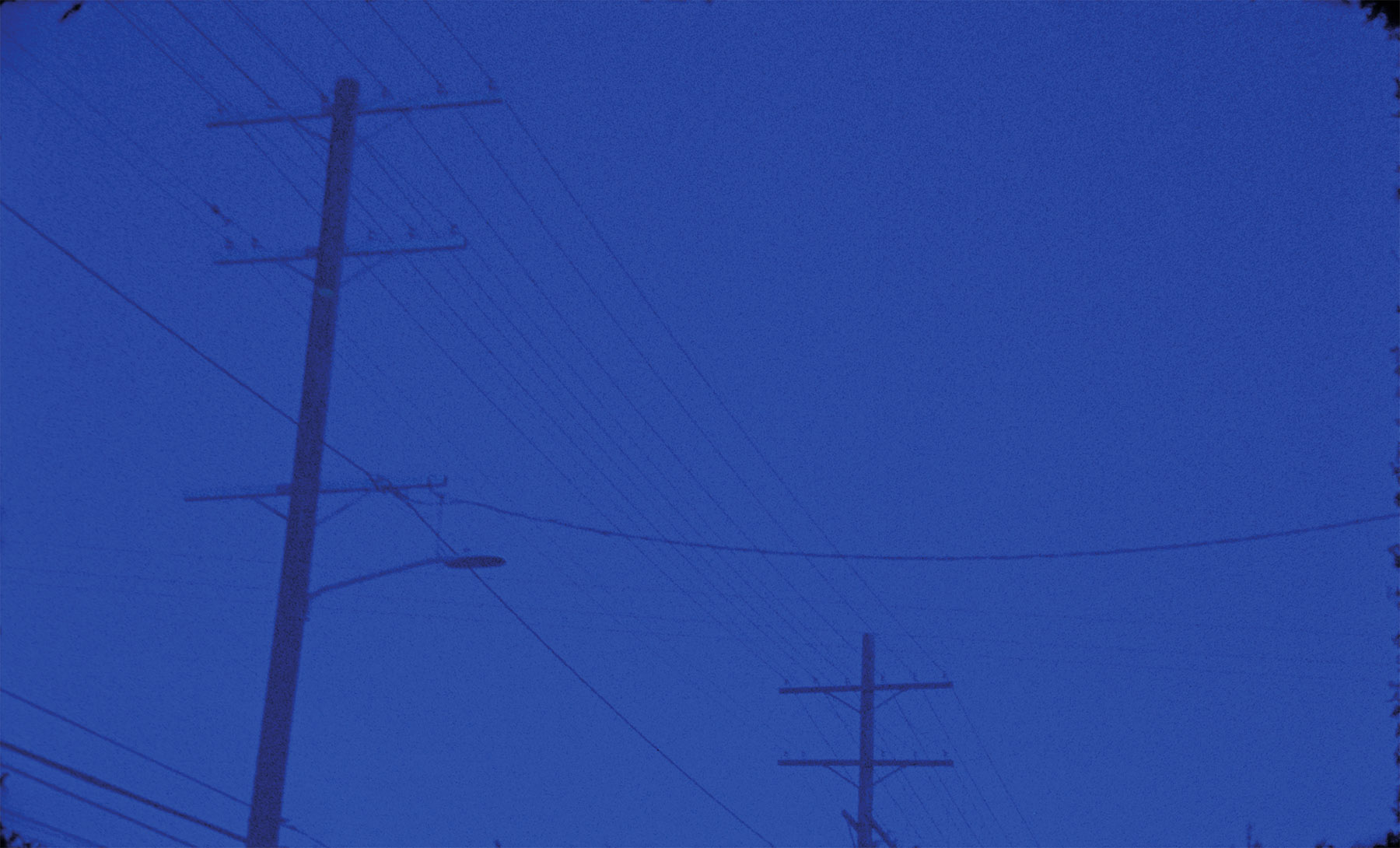
La Nuit Américaine, 2023 (video stills)
Courtesy: the artist, Commonwealth and Council, Los Angeles/Mexico City, Galerie Sultana, Paris
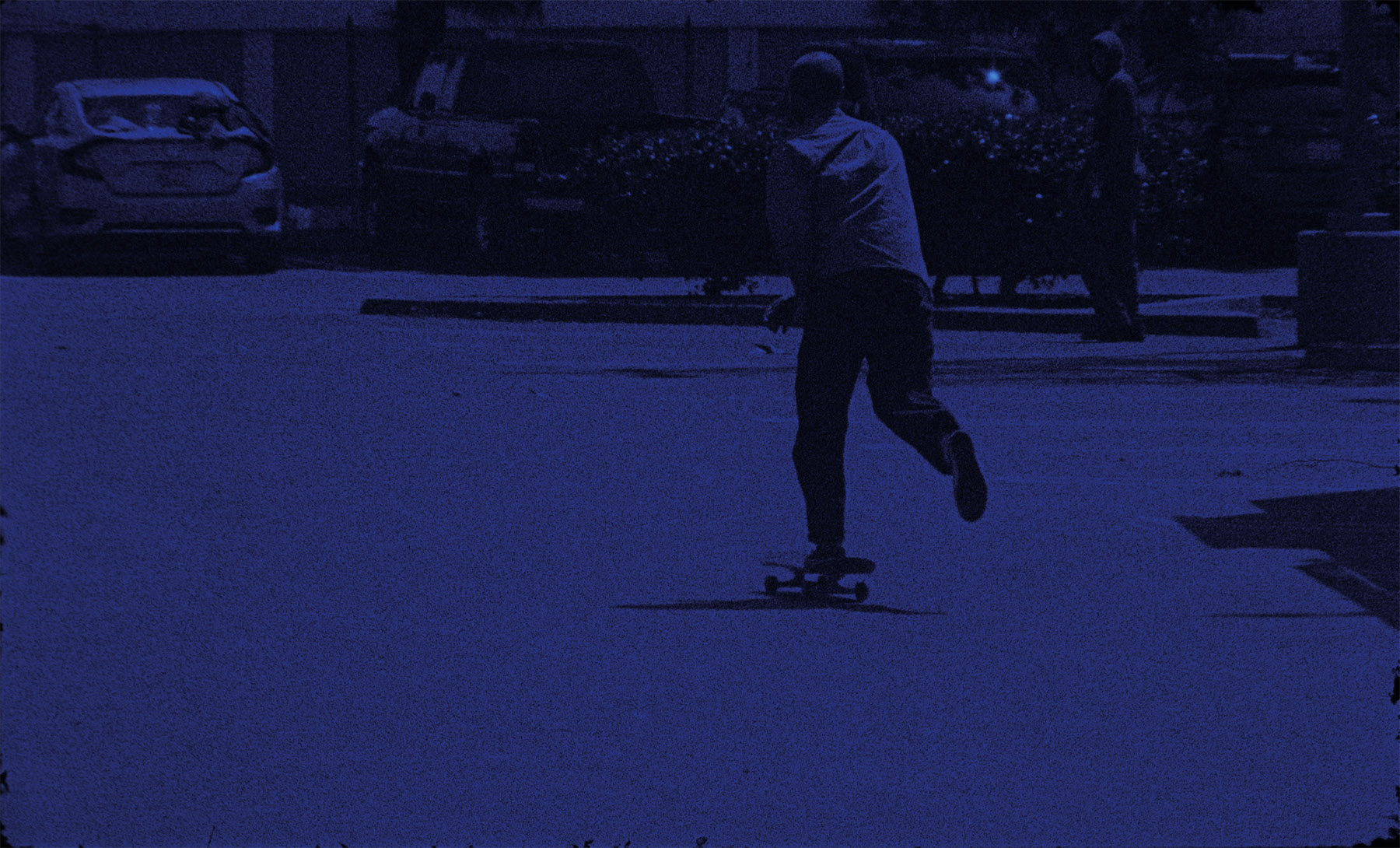
La Nuit Américaine, 2023 (video stills)
Courtesy: the artist, Commonwealth and Council, Los Angeles/Mexico City, Galerie Sultana, Paris
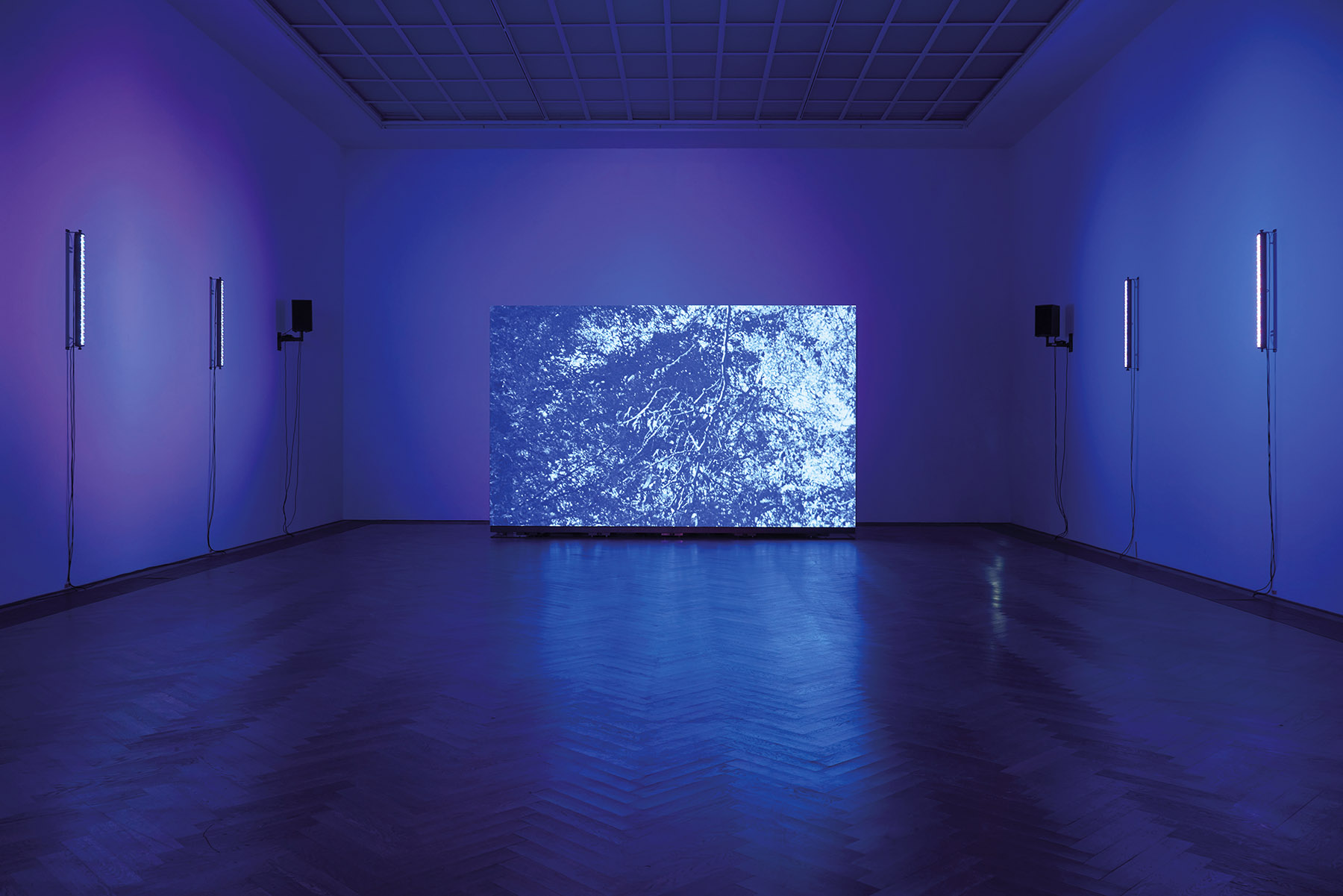
In Ekstase (installation views), Kunsthalle Basel, 2023 Photo: Philipp Hänger / Kunsthalle Basel

Full Rotation (installation views), Ordet, Milan 2024 Photo: Nicola Gnesi
Courtesy: the artist, Commonwealth and Council, Los Angeles/Mexico City
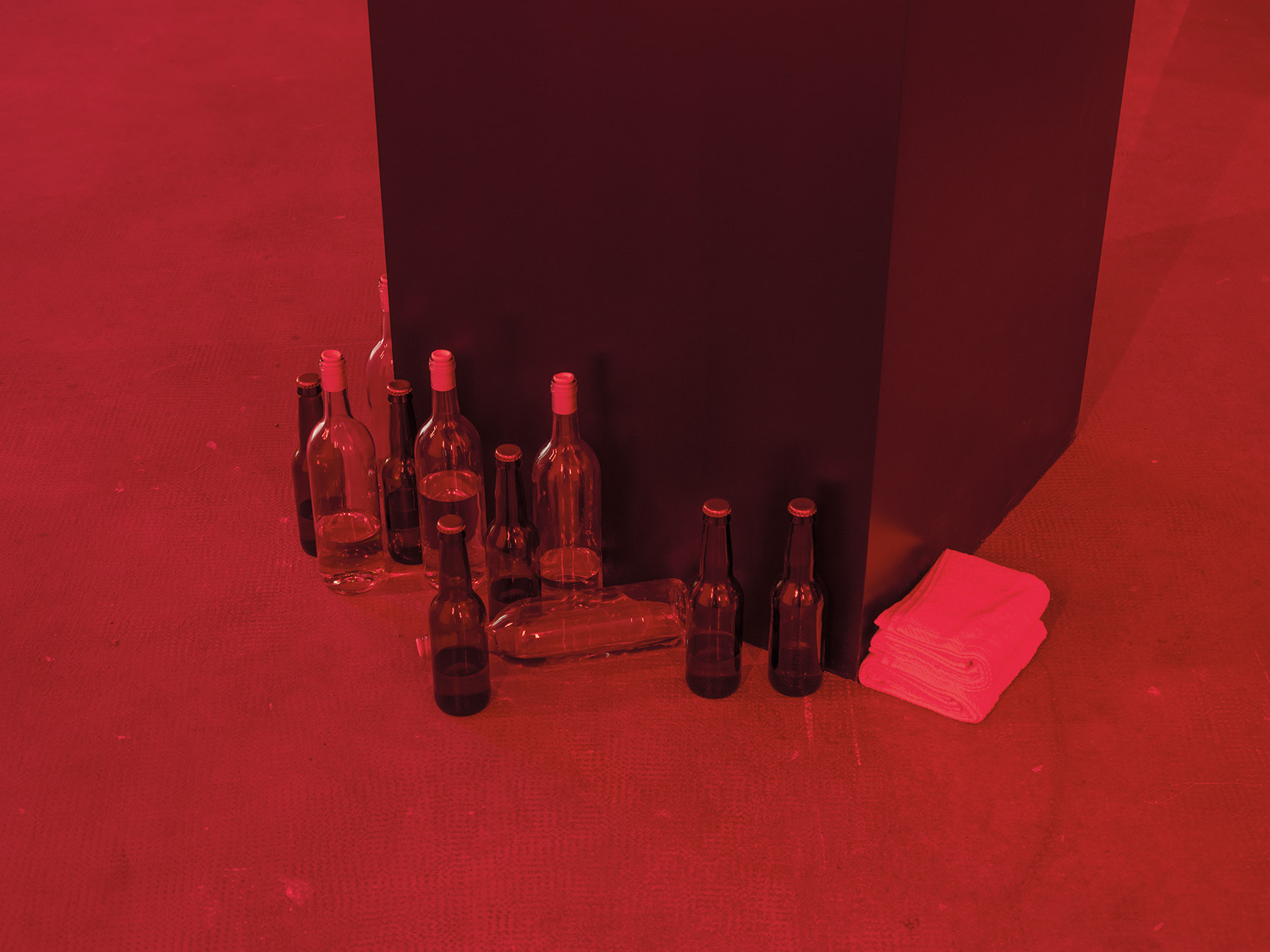
Full Rotation (installation views), Ordet, Milan 2024 Photo: Nicola Gnesi
Courtesy: the artist, Commonwealth and Council, Los Angeles/Mexico City
P. Staff
in conversation with Giulia Civardi
CURA.43
Coming of Age
P. STAFF is an artist based in Los Angeles and London. Solo exhibitions have been held at: Kunsthalle Basel (2023); LUMA, Arles (2021); Serpentine Galleries, London (2019); Irish Museum of Modern Art, Dublin (2019); and Chisenhale Gallery, London (2015). Selected group exhibitions include: the Whitney Biennial, New York (2024); 59th Venice Biennale (2022); and 13th Shanghai Biennale (2021).
GIULIA CIVARDI is a curator and writer currently working independently and as Curator and Collection Manager at Nicoletta Fiorucci Foundation. She curated projects for Tate Modern, Rupert Centre for Art and Education, Kunstraum London, among others. She gave lectures and talks at Central Saint Martins, Goldsmiths University, Barbican Centre, and Academy of Fine Arts Venice. She is a member of AWI Art Workers Italia. Her writing on art and culture has appeared in NERO, Flash Art, this is tomorrow, and more.