Floralia
ADA, Rome
April 10 – May 24, 2026
Review by Eleonora Milani
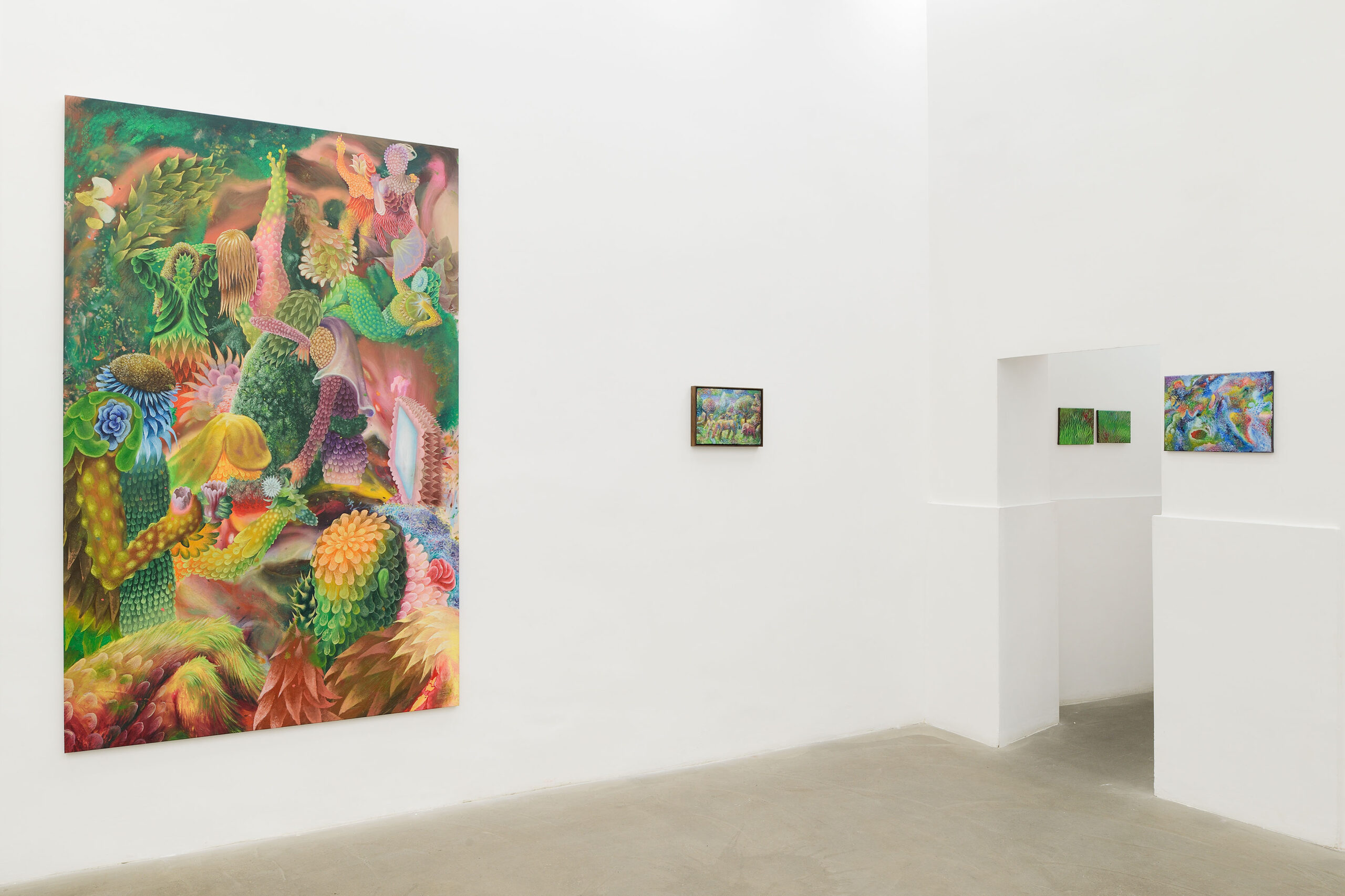
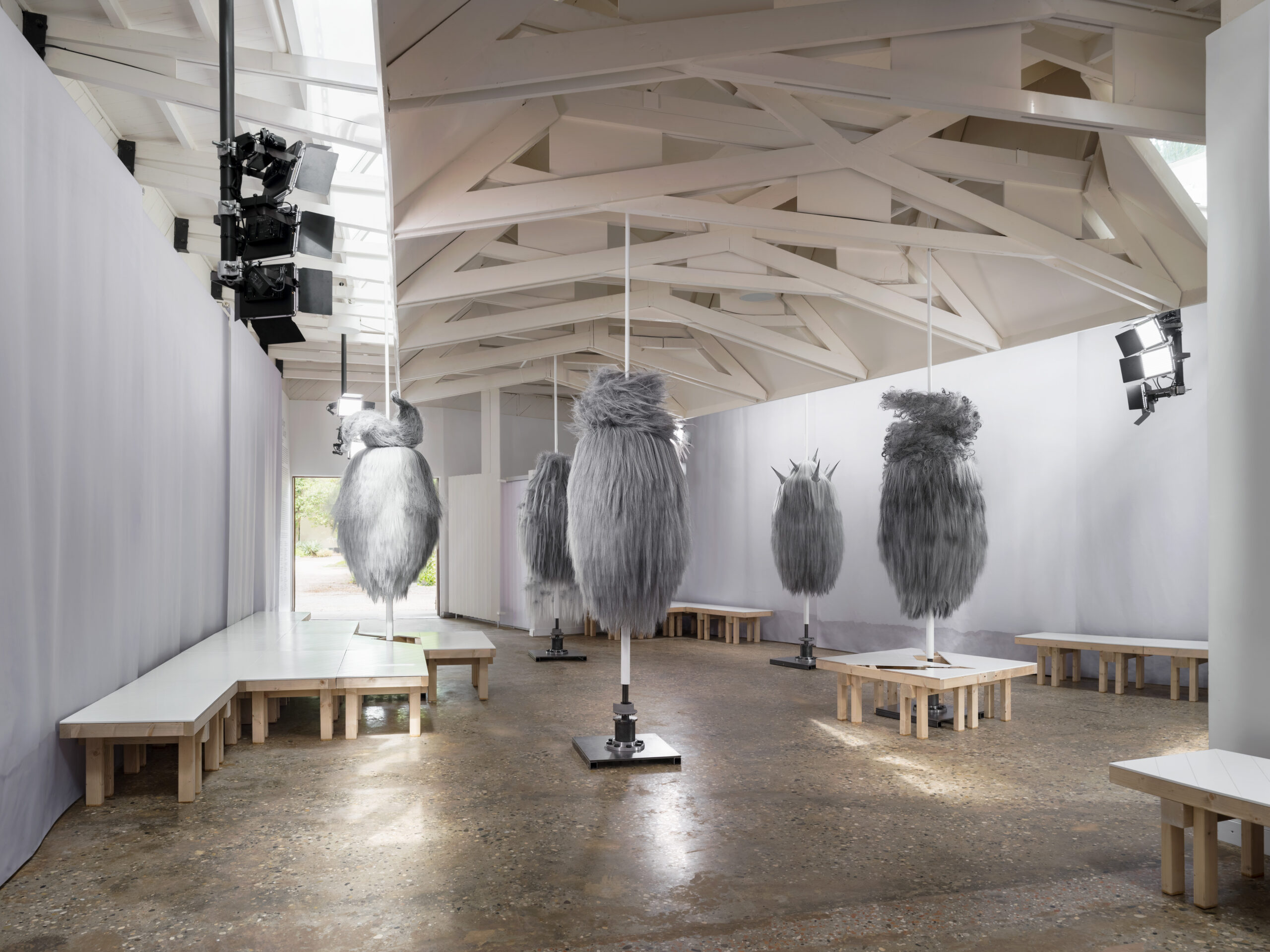
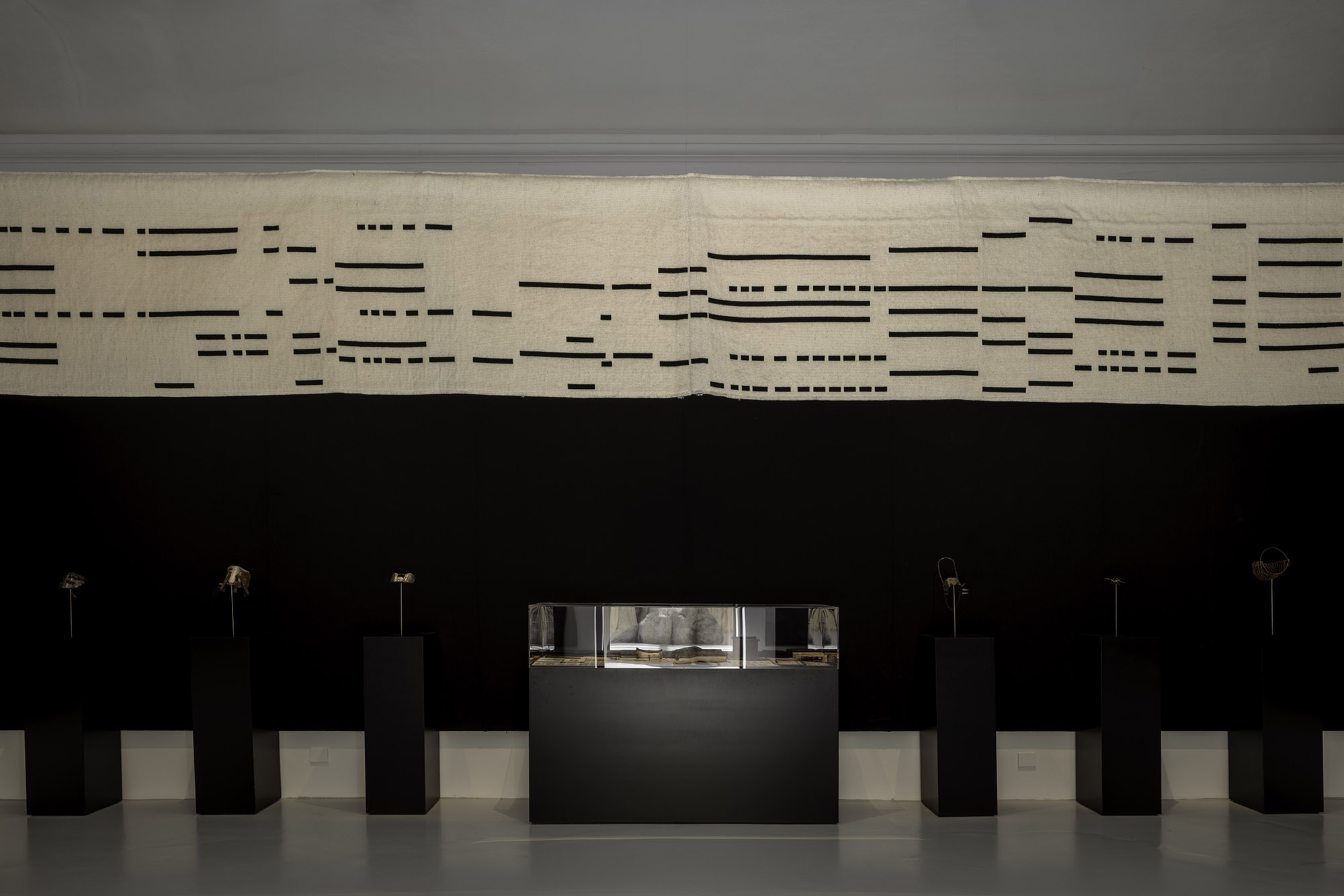
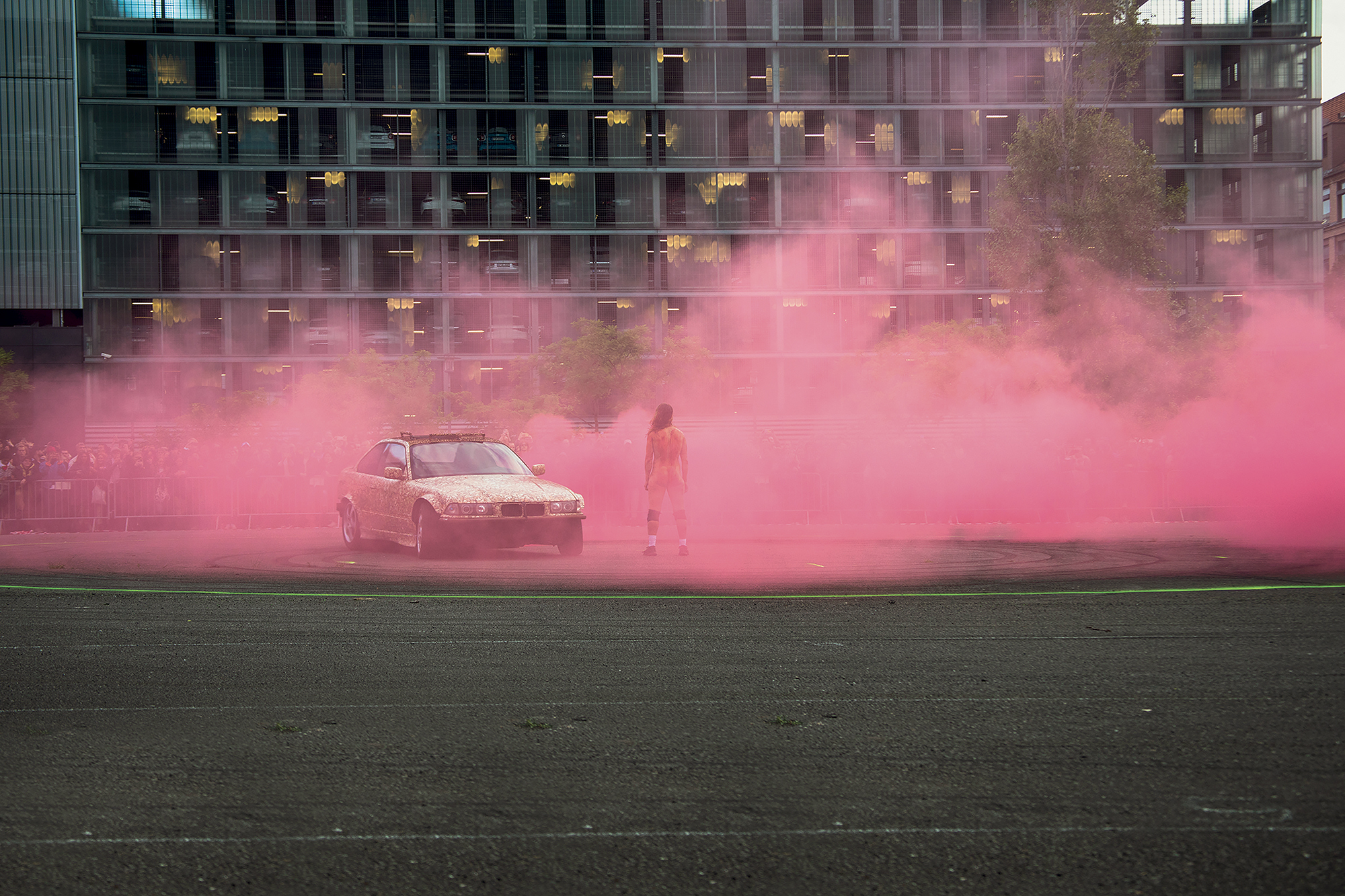
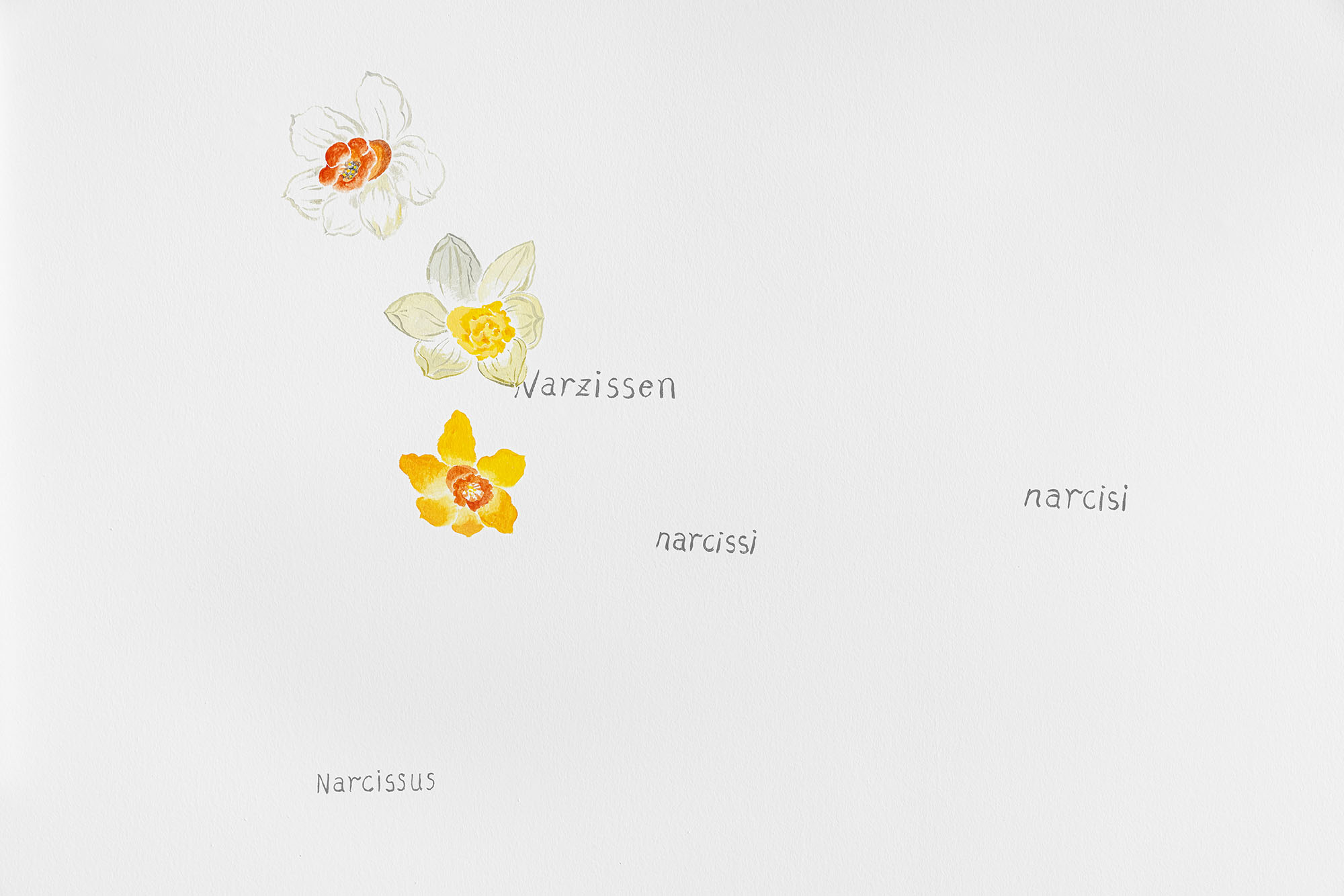
Floralia, 2026 Installation view at ADA, Rome
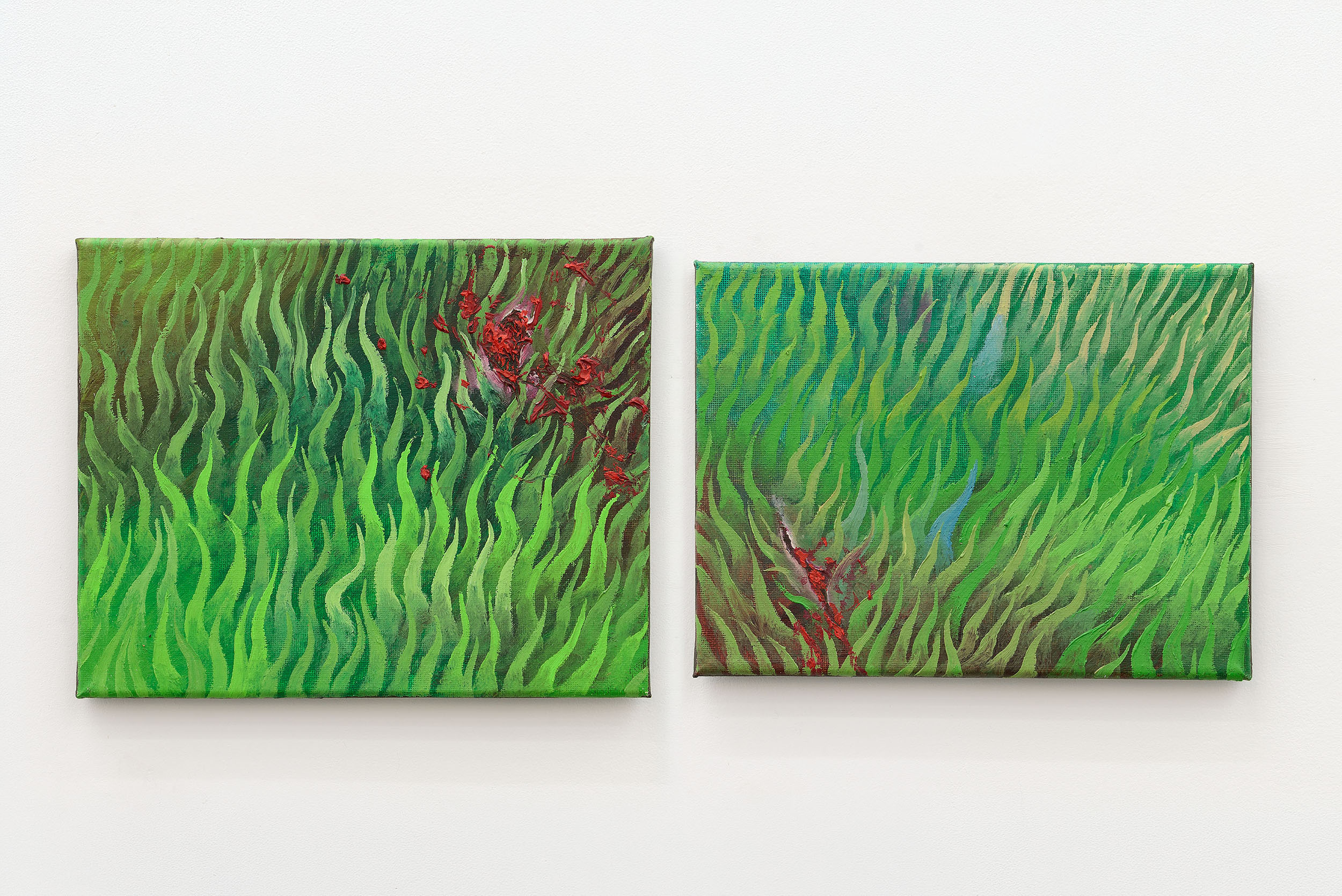
Prinzendorf (I / II), 2026
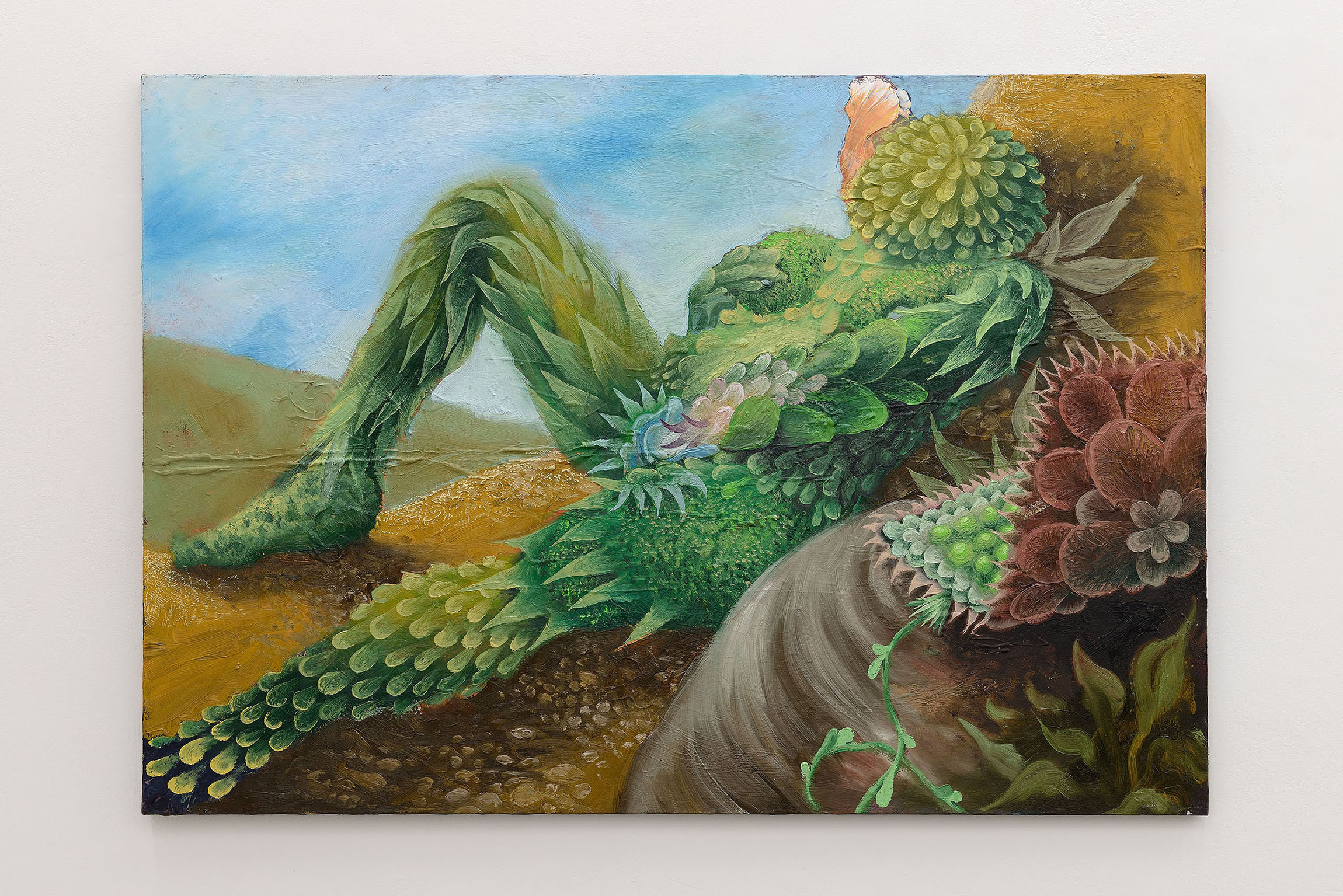
Oggi si ride I, 2026
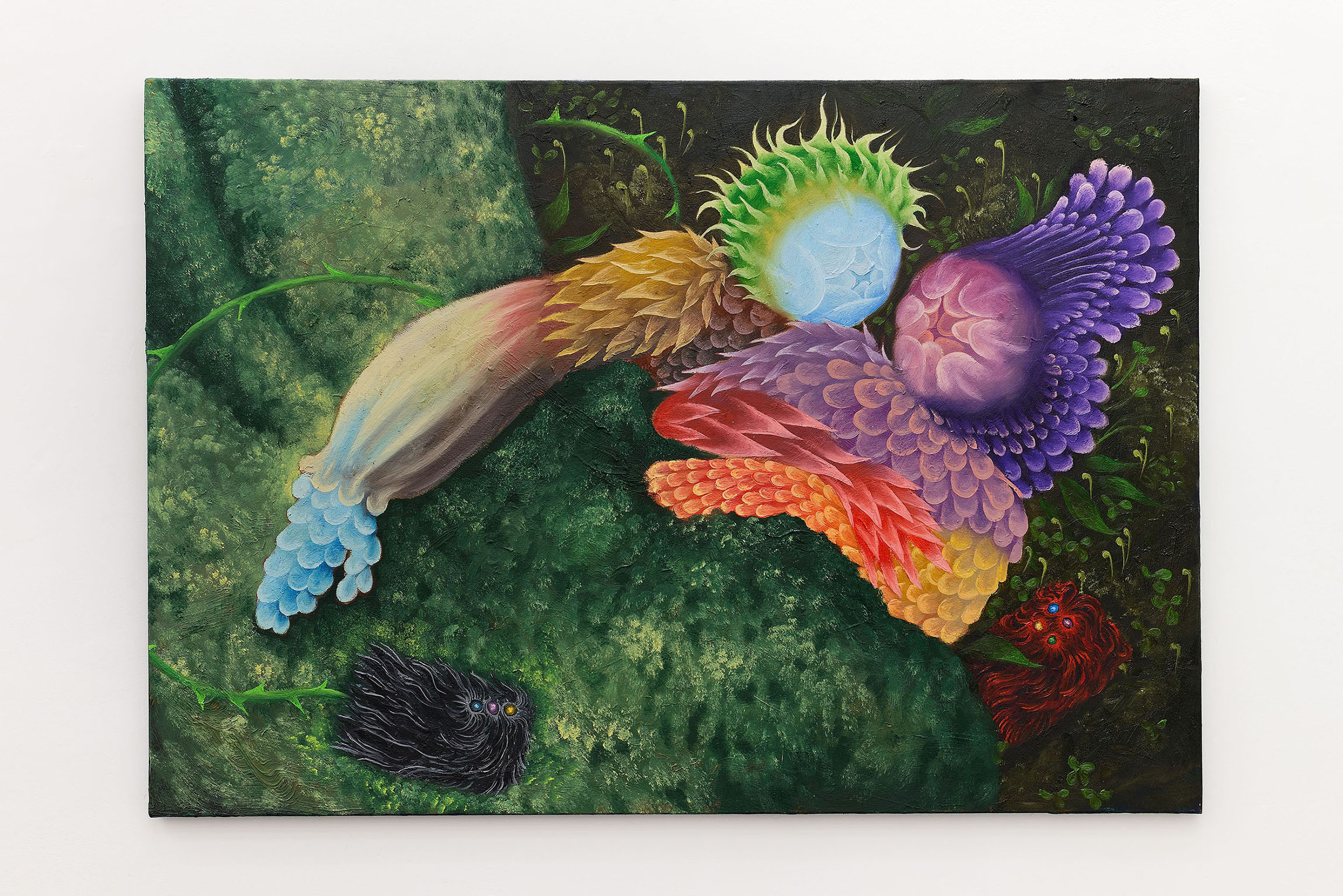
Oggi si ride III, 2026
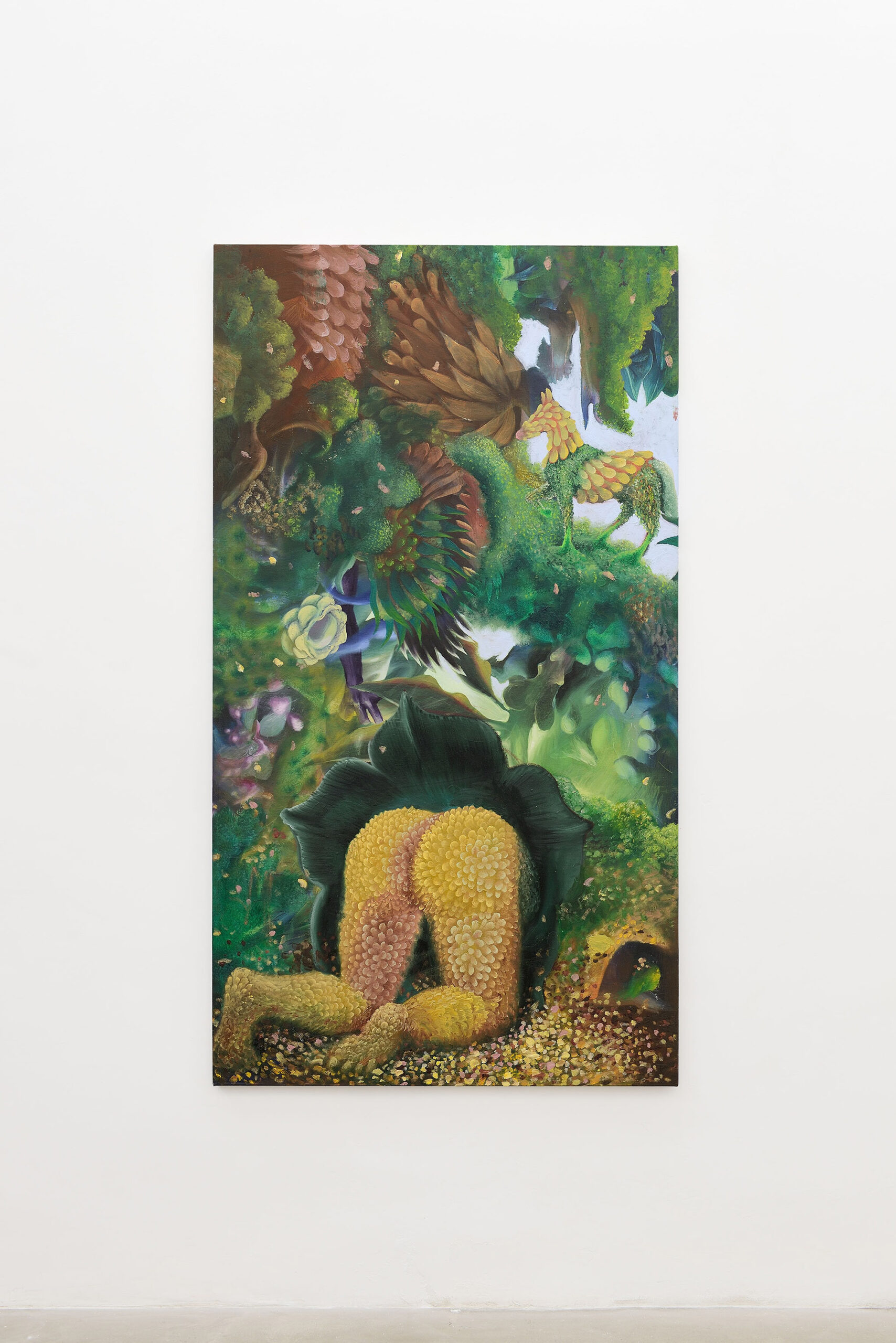
Fuori mimosa / Dentro rosa / A forma di cuore / Per trenta persone, 2026
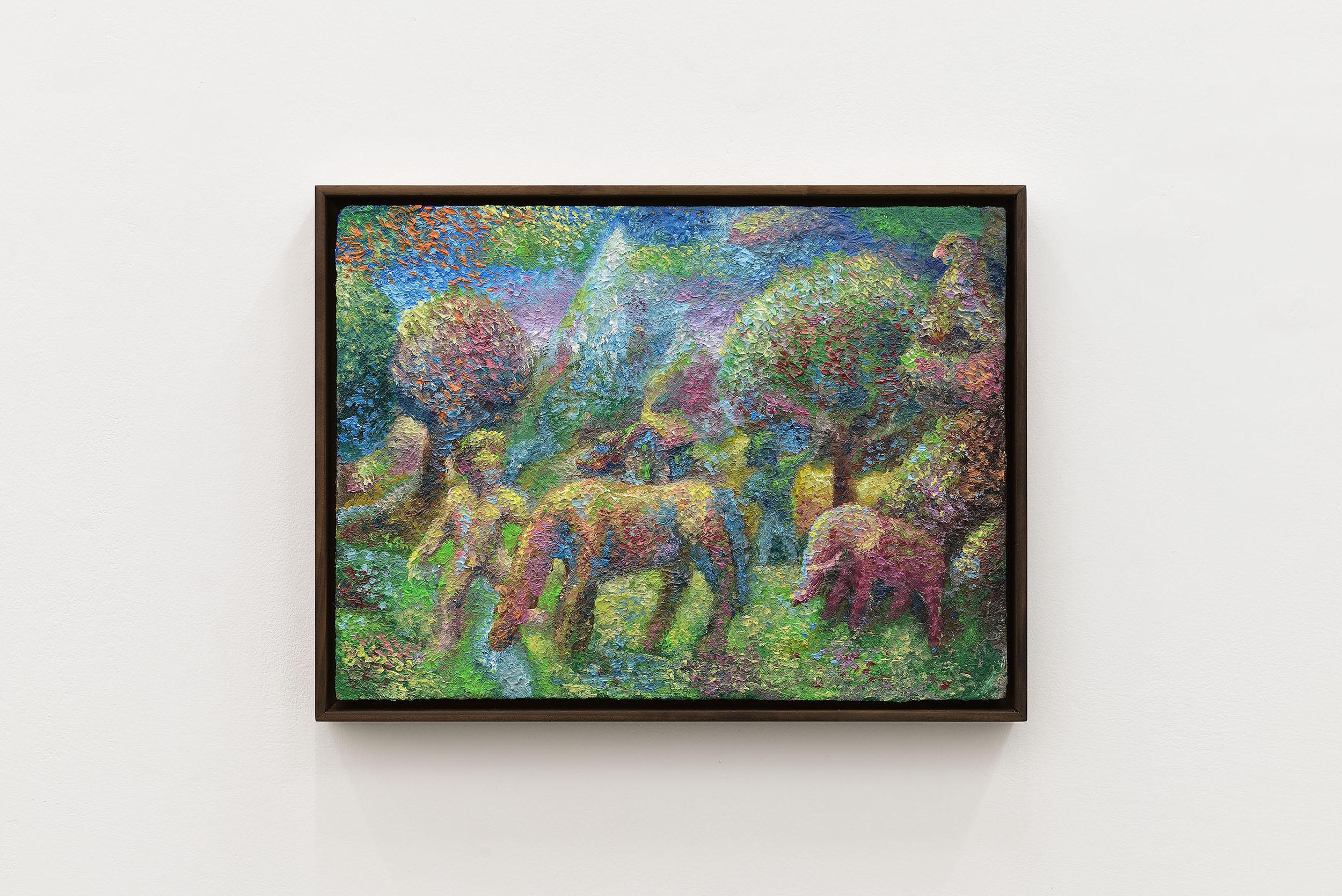
Ortler, 2026
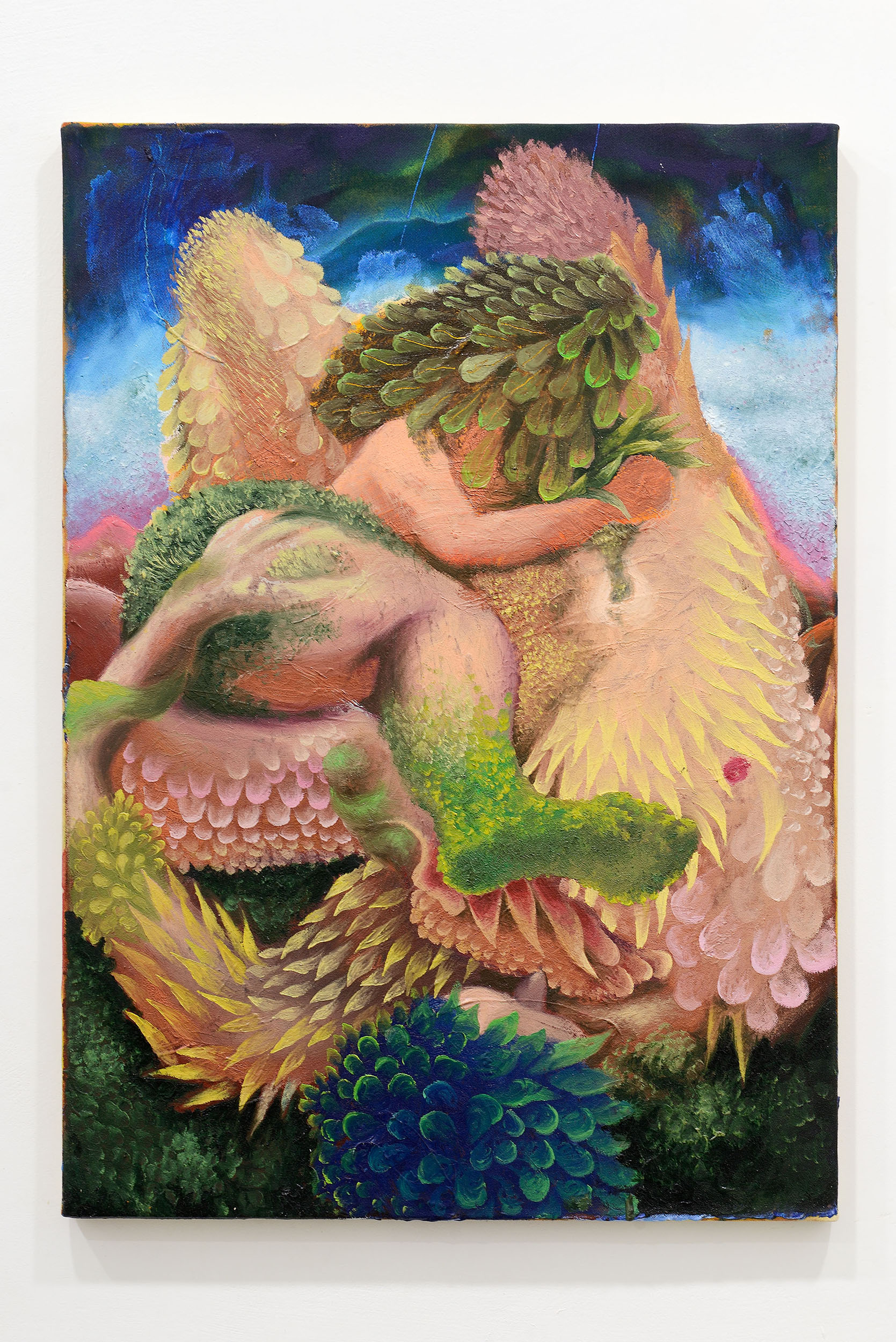
Non lo so, 2026
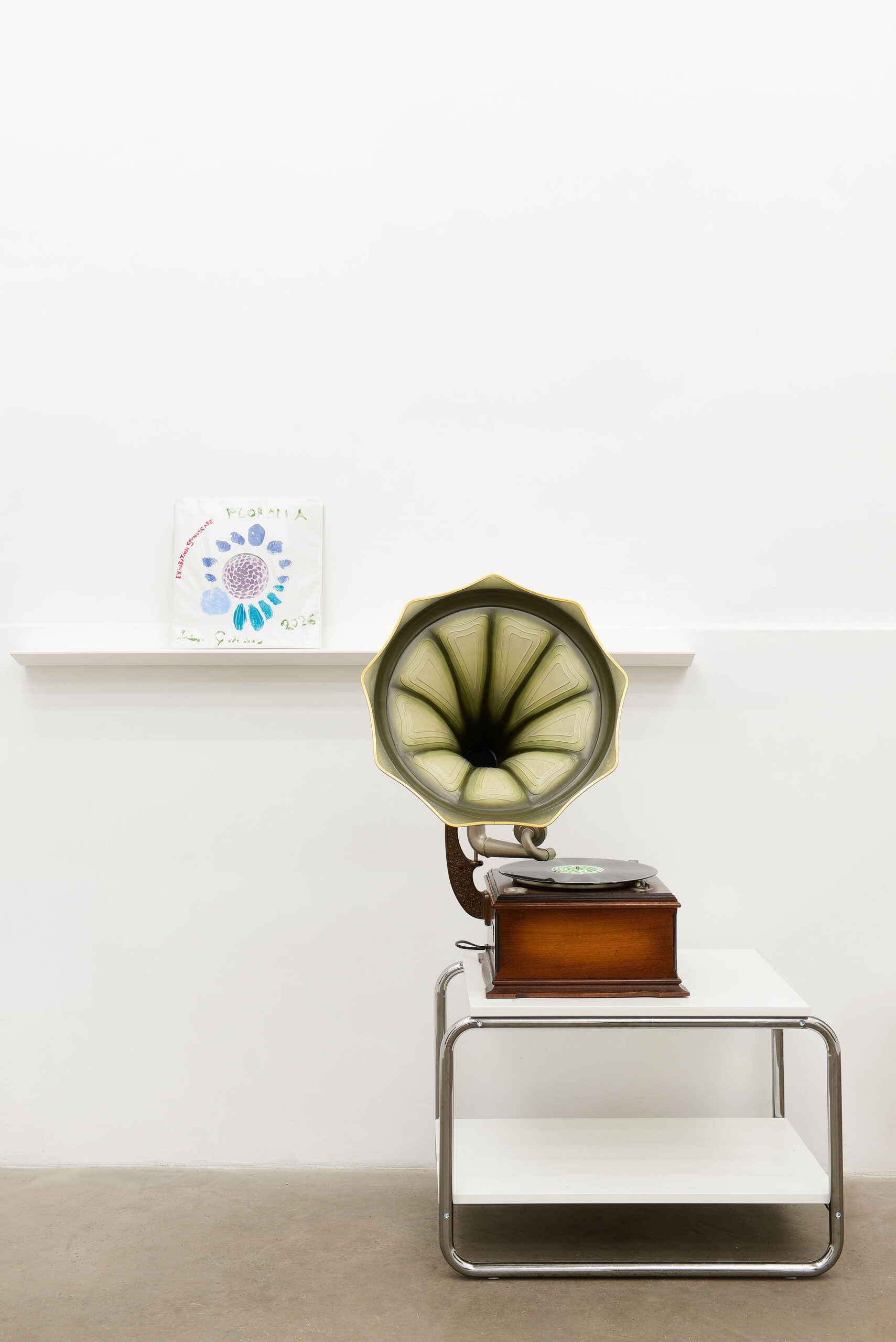
Floralia, 2026 Installation view at ADA, Rome
I think I’ve run into Diego a hundred times, often just briefly, but I feel like I can recognize his gait — or at least the way he moves across spaces — never in too much of a hurry, never at a leisurely pace. Sometimes I catch him in some corner, always on the edge of the crowd; once I even happened to hear him singing and strumming during one of his piano-bar sets. Very entertaining. What I haven’t mentioned yet is that Diego writes a lot, and he writes well. He’s one of those people who writes just as he speaks, with a unique rhythm, precise pauses, and his own musicality. All of it transfers into his writing, as it does onto the canvas. For his latest solo exhibition at ADA, titled “Floralia,” Diego wrote a text that is halfway between a story and a riddle, doubling the subject and proliferating the object, ending with “What am I?” Before turning my attention to the works on display (all from 2026) — as happened to me when I visited “Floralia”— a track of the same name composed by the artist and classified as an “exhibition soundscape” drifts into my ears, played on an obsolete wooden and aluminum gramophone with a greenish horn reminiscent of the shape of a grandiflora, or commonly known as a bellflower. I bring this object into focus in my mind and think I’ve understood one of the phrases Diego uttered as we walked through the exhibition: “A house isn’t so different from a nest.” This way of thinking of the image as something natural is the apex of this series of paintings.
For a variety of reasons, I’m reminded of Robert Walser’s The Walk, which the protagonist undertakes over the course of an entire day, from morning until sunset, during which he surrenders to the chance encounters of the most diverse kind. Walser’s act of walking is like a form of existence; in itself, it serves no purpose, yet it is the manifestation of a way of looking at things and people, and of imagining them. In the same way, Diego conceives of painting: as something that exists and survives today in its very uselessness. Painting, in his view, is a way of behaving and is freed from all responsibility; it is no longer called upon to represent, denounce, or signify. This is why Diego also tells me that “a painting functions like the wings of a butterfly,” probably because they are like solar panels for thermoregulation and serve as tools for camouflage and visual communication. I believe he sees painting exactly this way. Rather than thinking of the image as the product of a cultural and social kaleidoscope, he thinks of it as a phenomenon, something that happens without excessive conceptual scaffolding; like a walk: a forward movement that embraces everything that might happen.
In Diego’s view, the image is thus what brings culture and nature together; his works are therefore what he calls ‘works of nature.’ I have borrowed this definition from him, and I will attempt to define its boundaries – or rather, to transcend them. ‘Works of nature’ are pictorial surfaces made of pigments (in his case, oil paints), canvas, and technical procedures layered together — all elements characteristic of a cultural register layered over the centuries, yet behaving like membranes, thresholds that reveal a new ontological nature of the image: a zone where nature and culture do not oppose each other but coexist until they merge into one another. Diego Gualandris’s painting is born and reborn over and over again from a state of profound freedom: it is a painting freed from responsibility, existing in its own futility, and it is precisely in this that it finds new forms of life. Diego interrogates his surfaces on the meaning of painting today; his is a loosened, duty-free attitude that in some way revives his figurative universe into something much closer to nature than his past works. In Outside Mimosa / Inside Rose / Heart-Shaped / For Thirty People (2026), there is a body crawling on all fours in the foreground emerging from a flower of which we see only the buttocks and legs: it seems to be spilling out of the greenish horn of the gramophone – Diego told me he doesn’t remember whether he painted the butt first or only recognized it later in the gramophone. The brushstrokes sweeping over this portion of the body, with its yellow and orange tones, thicken through circular overlays, as if the form were growing spontaneously. The forms barely close, as if the bodies, the natural elements, were emerging from a movement of air rather than from a preparatory drawing. And Diego often proceeds with no preparation. Almost all the works on display Oggi si ride I; Roma non esiste; Non lo so, to name a few — as well as varying freely in scale, feature the same brushstroke I described, mixed with other revisited and, in some cases, parodied painting techniques. Meanwhile, Ortler stands out, a 24×33 cm oil painting with a different approach to brushwork that recalls Seurat’s Divisionism and seems to return to a more canonical, almost bucolic landscape composition. Or the two even smaller oil paintings, Prinzendorf (I / II), enlargements of what appear to be seaweed. In “Floralia,” the works don’t parody nature; rather, they behave like a natural phenomenon, like something that happens without purpose, that grows, changes, and arranges itself into a space where painting, freed from its cultural mandate, returns to being an organism and a manifestation.
I don’t know if I’ve solved the riddle; Diego will never tell me.